12 Unexpected U.S. Museums Women Love More Than Famous Ones
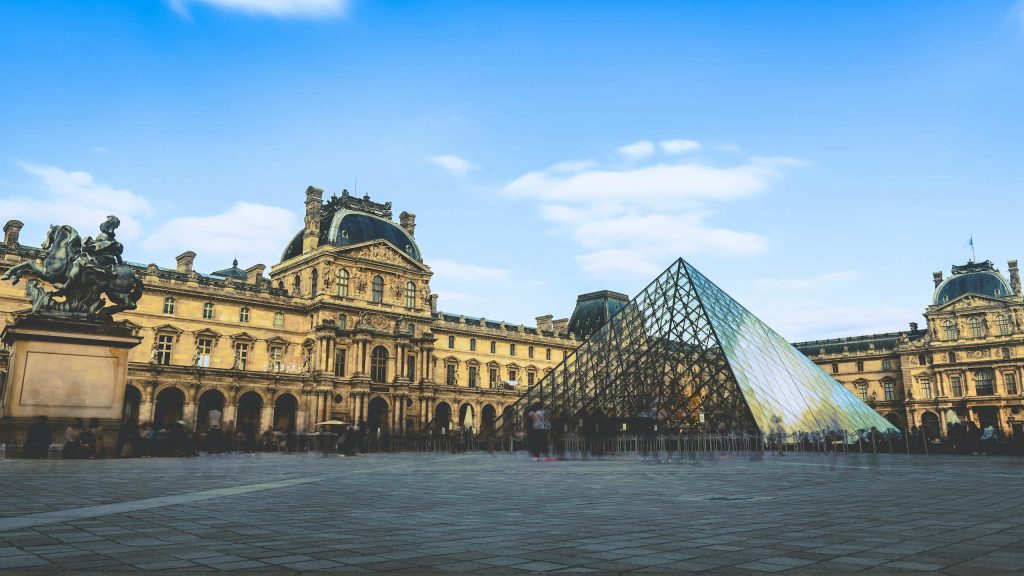
Museum curators and cultural historians report a significant shift in visitor demographics as travelers increasingly bypass major metropolitan institutions in favor of specialized, niche collections. While world-class galleries like the Metropolitan Museum of Art or the Smithsonian hold undeniable prestige, experts note that these smaller, unexpected venues often provide a more intimate and emotionally resonant experience. Cultural anthropologists explain that women, in particular, often seek out museums that celebrate overlooked domestic histories, intricate craftsmanship, or singular artistic visions that feel more personal than the broad narratives found in larger halls.
Educational directors and travel sociologists emphasize that the appeal of these twelve locations lies in their ability to tell deeply human stories through specific objects. These institutions often occupy historic buildings or unique architectural spaces that enhance the storytelling, creating an immersive environment that larger museums struggle to replicate. By focusing on specialized themes—from the evolution of the American kitchen to the artistry of neon—these hidden gems offer a profound sense of discovery. According to museum researchers, these stops frequently become the most talked-about highlights of a cross-country itinerary.
The Museum Of International Folk Art In New Mexico
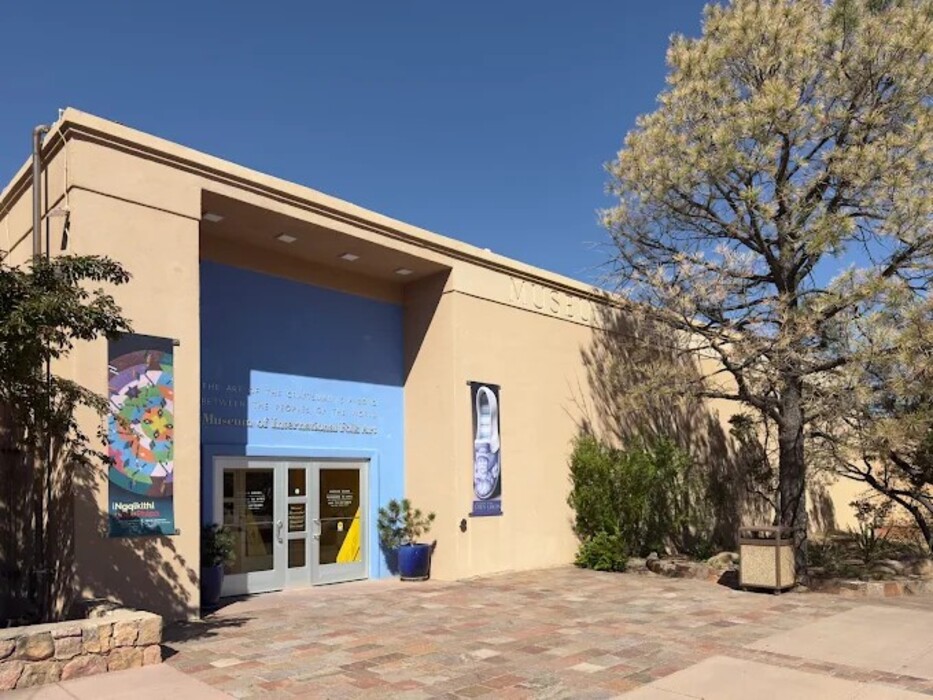
Curators and art historians identify this Santa Fe institution as a global leader in the preservation of traditional crafts, holding the largest collection of its kind in the world. Unlike traditional fine art galleries that focus on individual masterpieces, this museum celebrates the collective creativity of communities across the globe. Experts explain that the Alexander Girard Wing, with its thousands of miniatures and dioramas, provides a sensory journey through different cultures, focusing on the shared human impulse to create beauty from everyday materials.
Designers and textile specialists frequently visit the museum to study the intricate patterns and techniques of global embroidery and weaving. The organization of the exhibits encourages a non-linear exploration, allowing visitors to make their own connections between distant traditions. Historians note that the museum’s emphasis on the “art of the people” resonates deeply with those seeking a more inclusive and diverse perspective on human history, making it a beloved alternative to the more formal art institutions of the Southwest.
The Shelburne Museum In Vermont
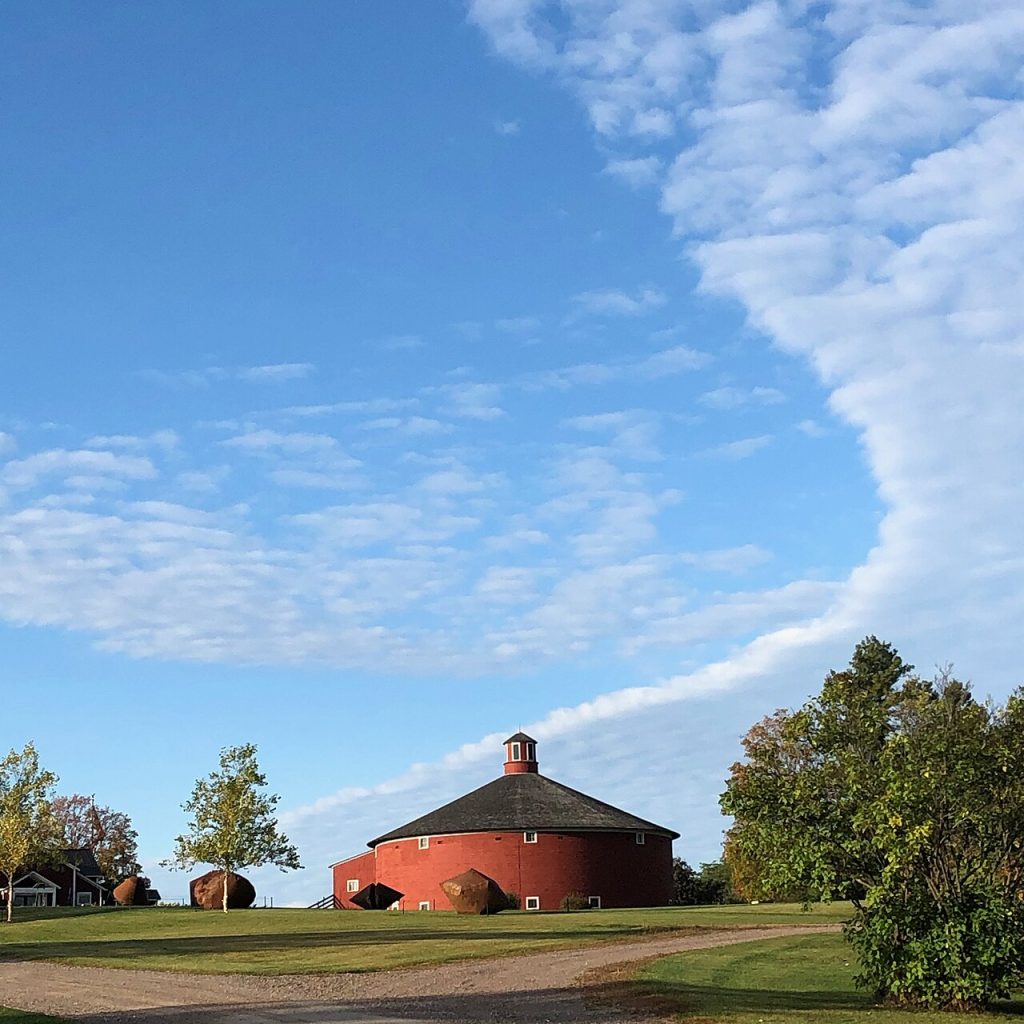
Architectural historians and Americana experts describe the Shelburne Museum as a “collection of collections” spread across forty-five acres and thirty-nine historic buildings. Founded by Electra Havemeyer Webb, a pioneer in the appreciation of American folk art, the museum challenges traditional notions of what belongs in a gallery. Experts highlight that the site includes everything from a 220-foot steamboat to a carousel and a lighthouse, all meticulously moved to the grounds to preserve the physical history of New England.
Preservationists and decorative arts scholars value the museum for its vast holdings of quilts, hooked rugs, and early American furniture. The immersive nature of the exhibits, where objects are displayed within period-accurate rooms, creates a vivid sense of domestic life in previous centuries. Professional organizers and interior designers often cite the museum as a source of inspiration for its clever use of everyday objects to create a compelling visual narrative, offering a more tactile and relatable experience than a standard white-wall gallery.
The Neon Museum In Nevada
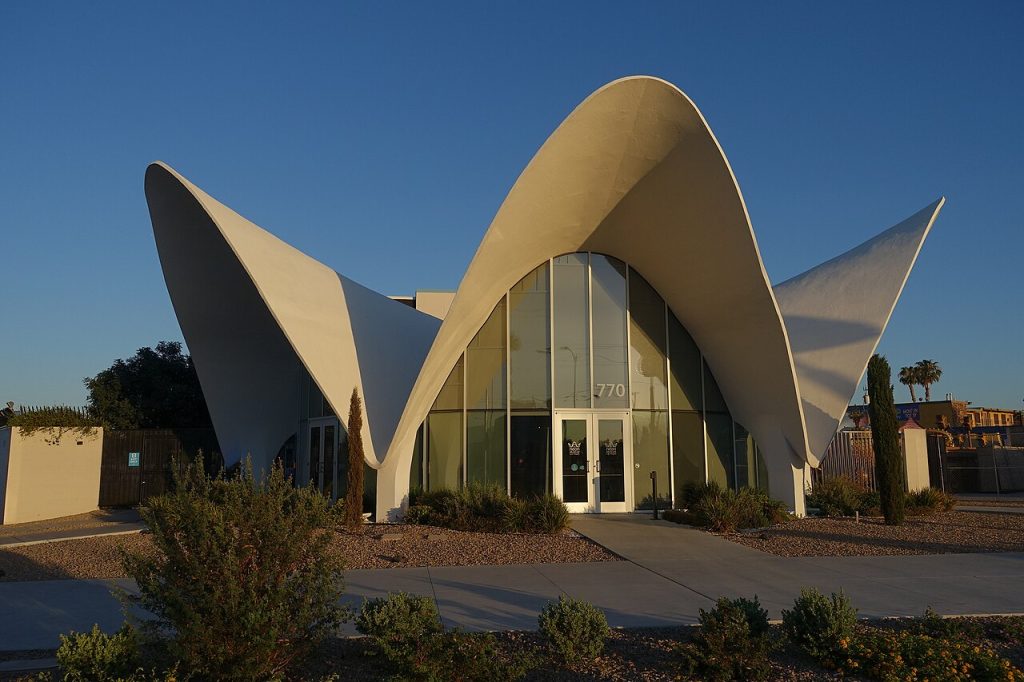
Urban planners and lighting historians view the Neon Museum in Las Vegas as a vital sanctuary for the city’s unique architectural heritage. Known as the Neon Boneyard, the museum houses hundreds of iconic signs that once defined the Las Vegas Strip, now preserved as works of electric art. Experts explain that these signs represent the evolution of twentieth-century design and technology, showcasing the craftsmanship of the glassblowers and electricians who built the city’s visual identity.
Cultural historians emphasize that the museum offers a somber and beautiful look at the transience of pop culture. Walking through the outdoor gallery at dusk provides a dramatic perspective on the transition from classic neon tubes to modern LED technology. Travel writers often report that women find the museum particularly evocative, as it captures the nostalgia and glamour of a bygone era with a level of detail and storytelling that feels more authentic than the contemporary resorts nearby.
The National Quilt Museum In Kentucky
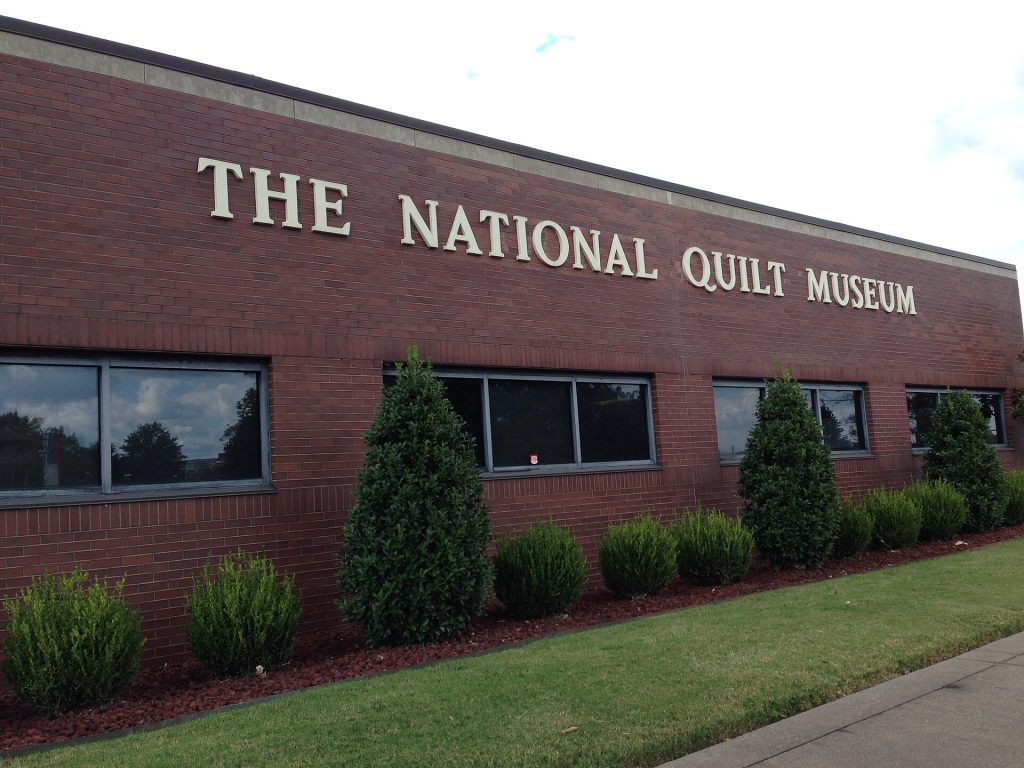
Textile scientists and American historians recognize the National Quilt Museum in Paducah as a premier institution for the study of fiber arts. While quilts are often relegated to the background of historical museums, here they are treated as high-priority fine art. Experts note that the rotating exhibits feature modern works that push the boundaries of the medium, incorporating complex geometry and social commentary that defy the traditional “bedcover” stereotype.
Art educators and craft specialists observe that the museum’s focus on the labor-intensive process of quilting fosters a profound appreciation for patience and precision. The technical skill required to produce these works is laid bare through close-up displays that reveal the thousands of individual stitches in every piece. For many visitors, the museum serves as a powerful testament to the creative power of domestic labor, elevating a traditional craft into a prestigious artistic category.
The Corning Museum Of Glass In New York
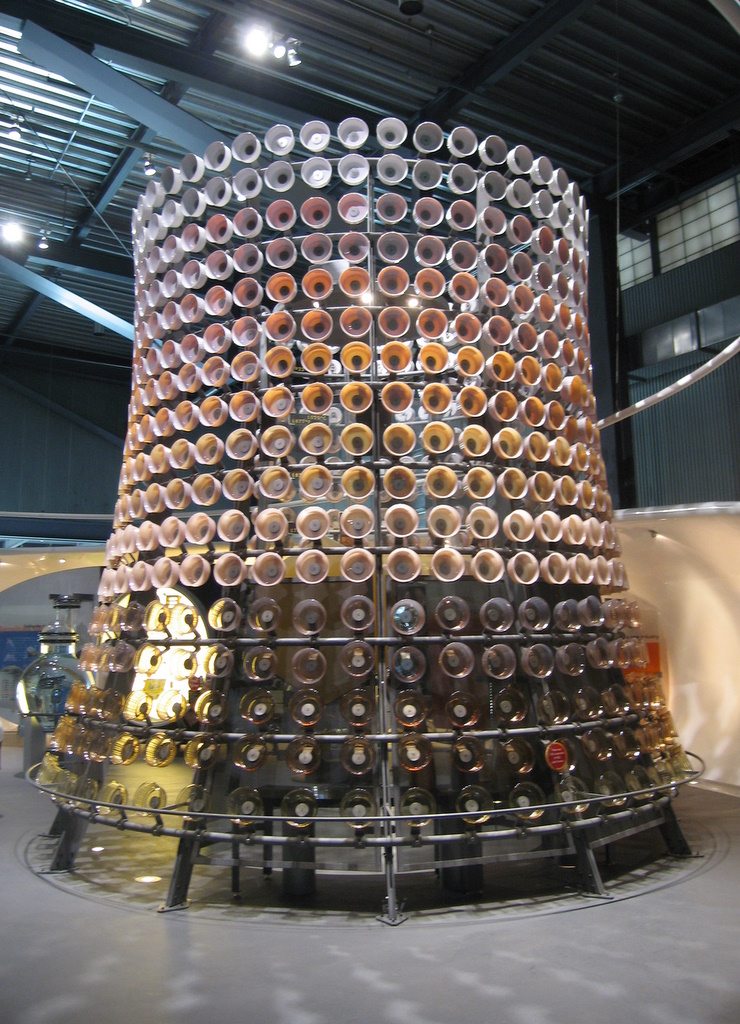
Material scientists and master glassblowers identify this Upstate New York museum as the definitive center for the study of glass through thirty-five centuries. Unlike many art museums where objects are static, the Corning Museum features live demonstrations that reveal the high-stakes, physical nature of the craft. Experts explain that the facility successfully bridges the gap between ancient history and cutting-edge industrial technology, showing how glass has shaped everything from Roman perfume bottles to modern fiber optics.
Design historians and architects frequently visit to see the world-class contemporary glass gallery, which is housed in a stunning minimalist wing. The museum’s extensive library is a primary resource for researchers globally, reinforcing its status as a serious academic institution. Women who enjoy a mix of history and hands-on learning often cite the live “hot glass” shows as a transformative experience that makes the fragile masterpieces on display feel even more miraculous.
The American Visionary Art Museum In Maryland
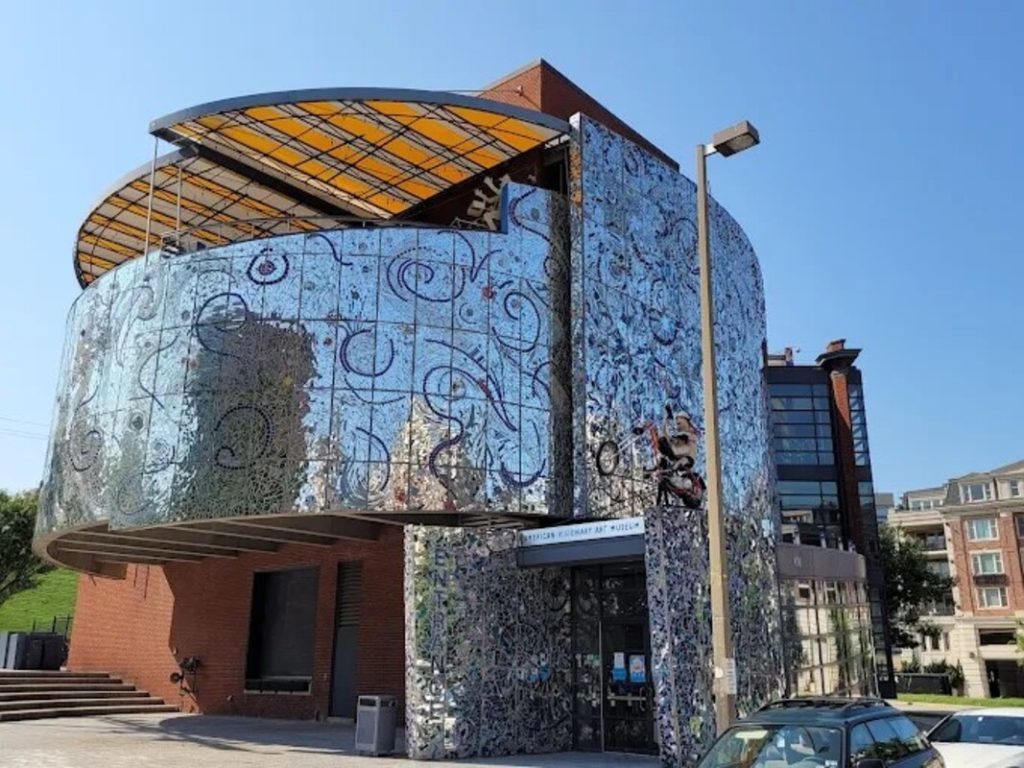
Psychologists and art therapy experts describe the American Visionary Art Museum in Baltimore as a unique celebration of “outsider art,” produced by individuals without formal training. The museum’s mission is to showcase the raw, unfiltered creativity of people who create not for the market, but out of an internal necessity. Experts note that the exhibits often feature massive, complex works made from found materials like toothpicks, scrap metal, or buttons, telling stories of resilience and obsession.
Social workers and community organizers often praise the museum for its focus on the mental health and social backgrounds of the artists. The themes of the exhibits typically revolve around universal human experiences like love, hope, or social justice, creating an emotional depth that can be missing from more academic art institutions. The vibrant, often whimsical nature of the displays provides an uplifting and accessible environment that invites personal reflection and deep empathy.
The Glore Psychiatric Museum In Missouri
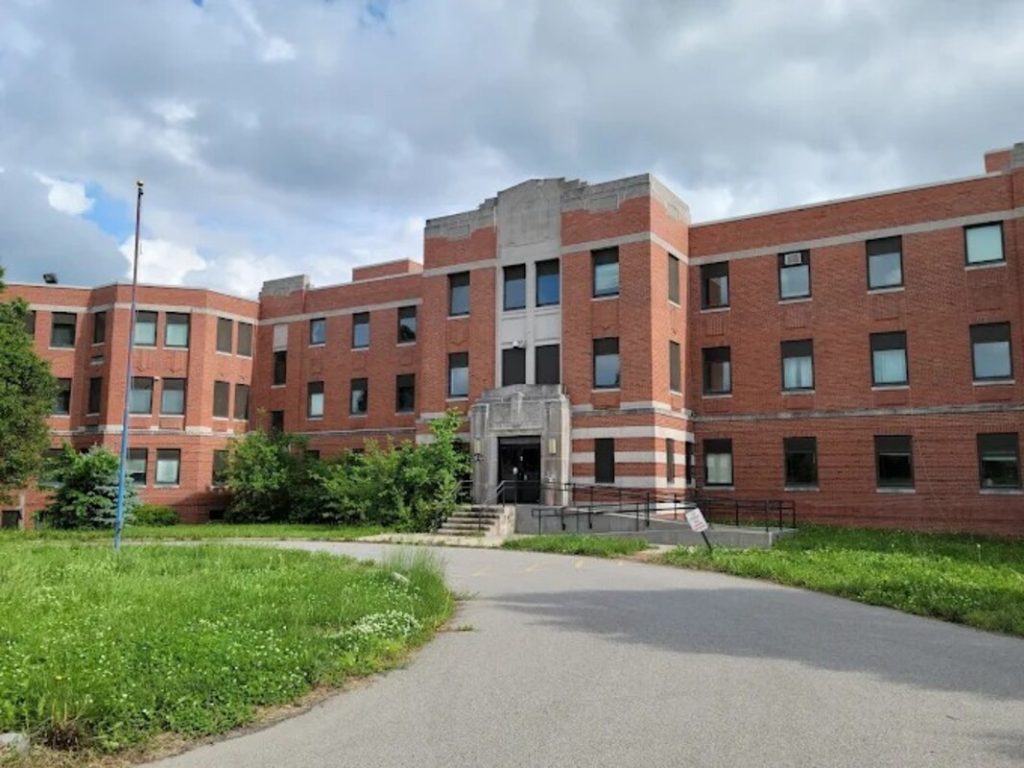
Medical historians and sociologists view the Glore Psychiatric Museum in St. Joseph as a vital, if sobering, documentation of the history of mental health treatment. Located on the grounds of the former State Lunatic Asylum No. 2, the museum uses dioramas, artifacts, and patient-created art to illustrate the evolution of psychiatry from the eighteenth century to the present. Experts explain that the museum provides a necessary, humanizing look at a stigmatized population, focusing on the lives of the patients rather than just the medical procedures.
Educational directors at the museum note that the collection includes thousands of objects swallowed by patients, now arranged in hauntingly beautiful patterns. This focus on the physical reality of institutional life offers a profound and often unsettling perspective on human psychology. Visitors seeking a museum that challenges their preconceptions often find this site to be more impactful than any traditional history museum, as it forces a direct confrontation with the complexities of the human mind.
The Mercer Museum In Pennsylvania
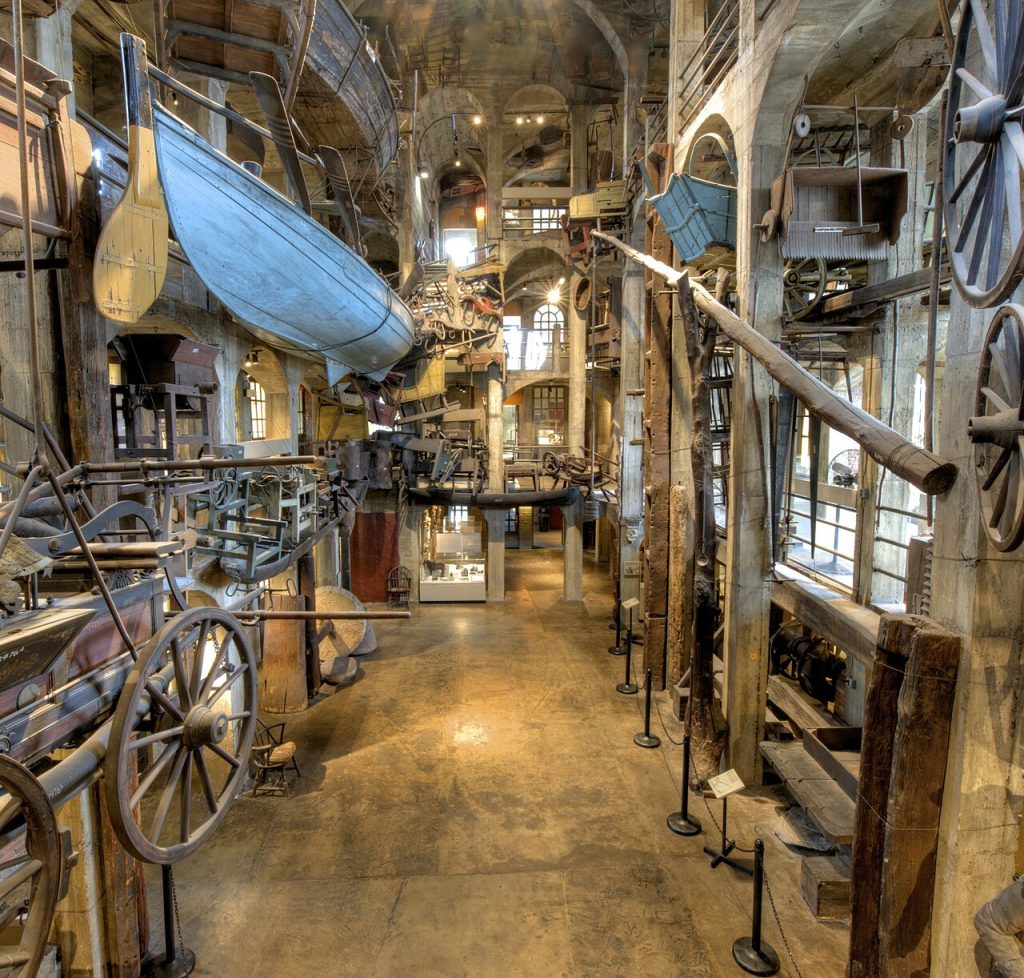
Industrial historians and collectors of pre-industrial tools describe the Mercer Museum in Doylestown as a masterpiece of idiosyncratic curation. Housed in a massive six-story concrete castle built by Henry Mercer, the collection includes over forty thousand objects representing the “tools of the nation” before the Industrial Revolution. Experts point out that the items—from whaling boats to stagecoaches—are suspended from the ceilings and tucked into alcoves, creating a labyrinthine experience of early American life.
Architectural scholars marvel at the building itself, which Mercer designed without formal plans using reinforced concrete. The museum serves as a physical encyclopedia of every trade and domestic task imaginable, providing a level of granular detail about the past that is rarely found in larger national museums. For many, the visual impact of thousands of hand-forged objects hanging in the cathedral-like space creates a powerful sense of the physical labor that built the country.
The Musical Instrument Museum In Arizona
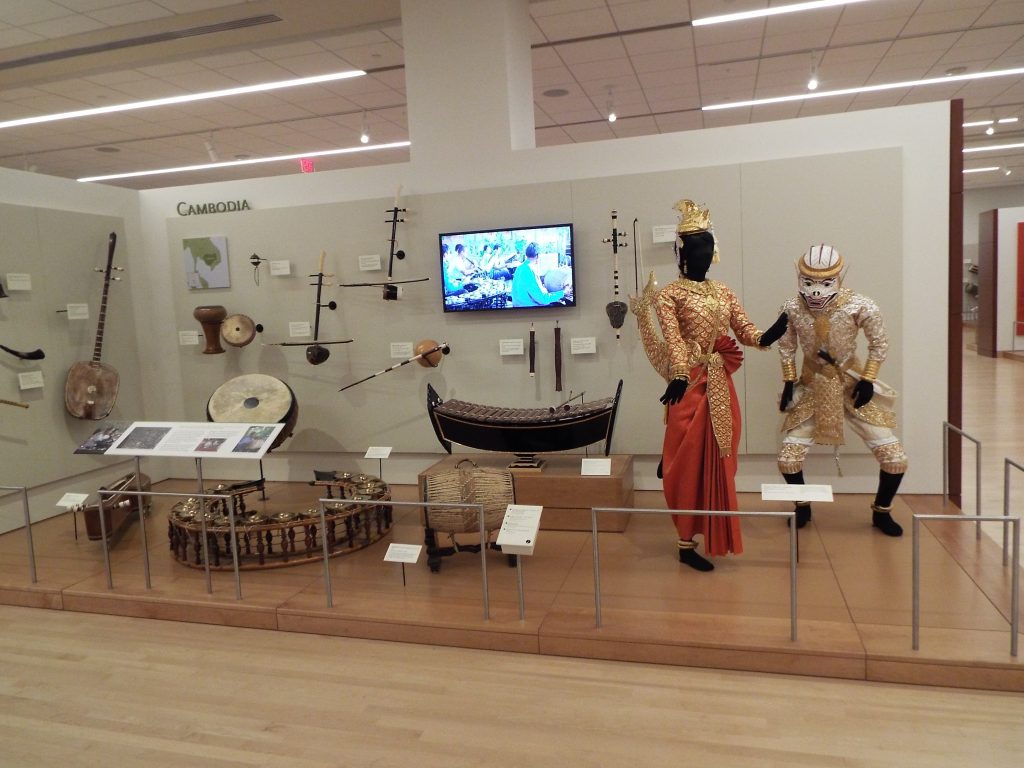
Ethnomusicologists and acoustic engineers identify the Musical Instrument Museum in Phoenix as a global leader in the documentation of sound. Utilizing advanced wireless technology, the museum allows visitors to hear the music of nearly every country in the world as they approach the displays. Experts note that the collection of over six thousand instruments highlights the universal nature of music, showing how different cultures have independently developed similar ways to express rhythm and melody.
Cultural historians emphasize that the museum provides a powerful look at the role of music in ritual, celebration, and protest. The immersive audio-visual experience makes the instruments feel like living objects rather than silent artifacts. Travelers often report that the museum offers a peaceful and deeply moving experience that connects them to the global human story in a way that traditional historical narratives cannot, making it a favorite for those seeking an uplifting and educational retreat.
The Isabella Stewart Gardner Museum In Massachusetts
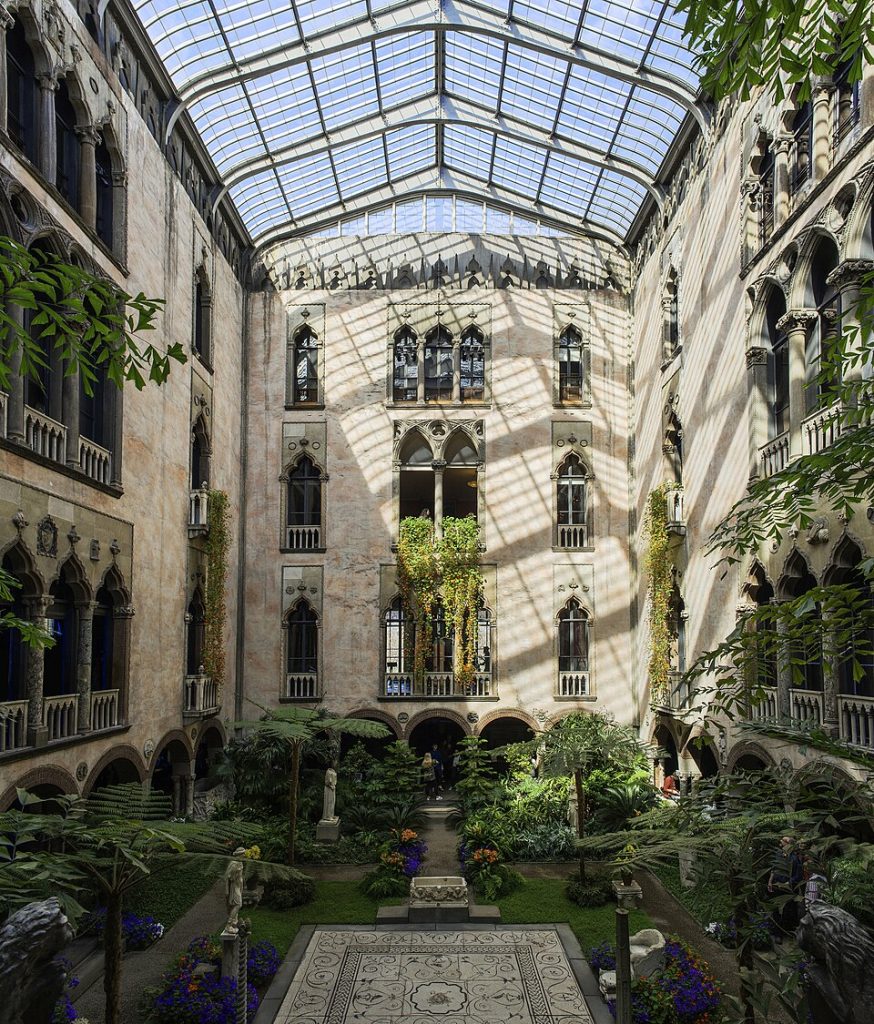
Fine art curators and landscape designers describe the Gardner Museum in Boston as a singular expression of one woman’s vision and passion. Isabella Stewart Gardner designed the Venetian-style palace to house her vast collection of masterpieces, specifying that the arrangement of the art must never be changed. Experts explain that the museum’s centerpiece—a lush four-story interior courtyard filled with seasonal flowers—creates a sensory environment that makes the viewing of world-class art feel like a private visit to a grand home.
Art security experts and true-crime historians note that the museum is also famous for the 1990 heist that saw thirteen works stolen, including pieces by Rembrandt and Vermeer. The empty frames remain on the walls, serving as a poignant reminder of loss and the fragility of cultural heritage. This mix of high-end art, botanical beauty, and tragic history provides a multi-layered experience that resonates with visitors far longer than a visit to the much larger Museum of Fine Arts nearby.
The International Quilt Museum In Nebraska
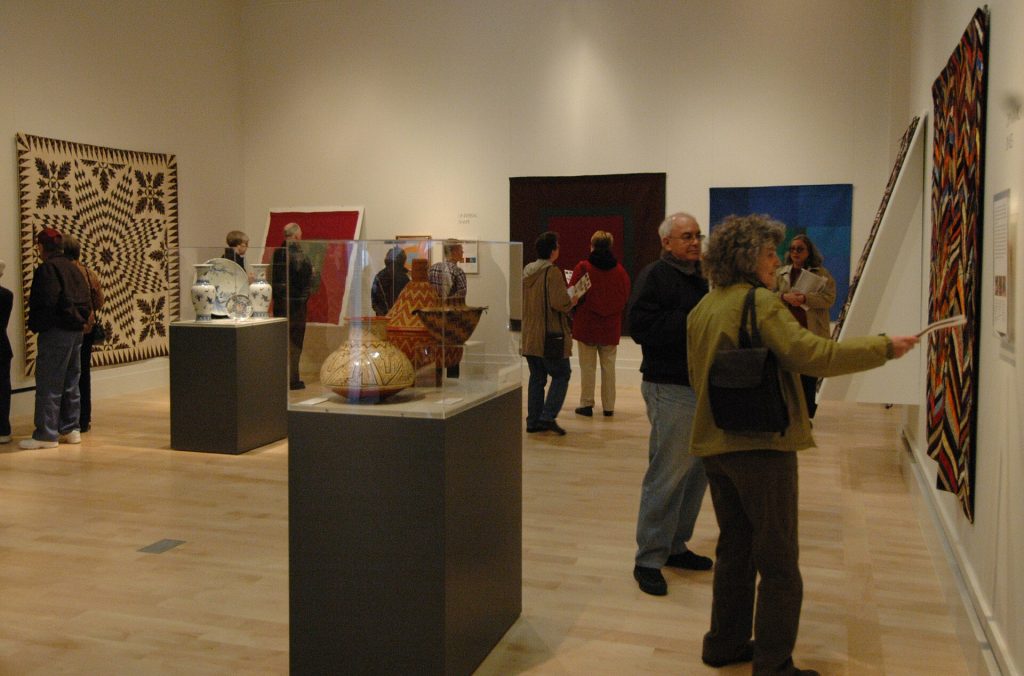
Textile historians and agricultural researchers view the International Quilt Museum in Lincoln as a premier research facility with a global scope. While the Kentucky museum focuses on the art of the quilt, the Nebraska institution focuses on the history and cultural significance of quilts from over fifty countries. Experts explain that the museum’s state-of-the-art storage and conservation labs make it a global hub for scholars who study the sociological and economic history revealed through textiles.
Educational designers at the museum emphasize that quilts often served as the only written or visual record for women throughout history. By analyzing the fabrics and dyes used, researchers can trace trade routes and social movements that were previously undocumented. This academic depth, combined with the visual beauty of the rotating exhibits, makes the museum a compelling destination for those who want to see how a domestic object can serve as a powerful tool for historical discovery.
The Tenement Museum In New York
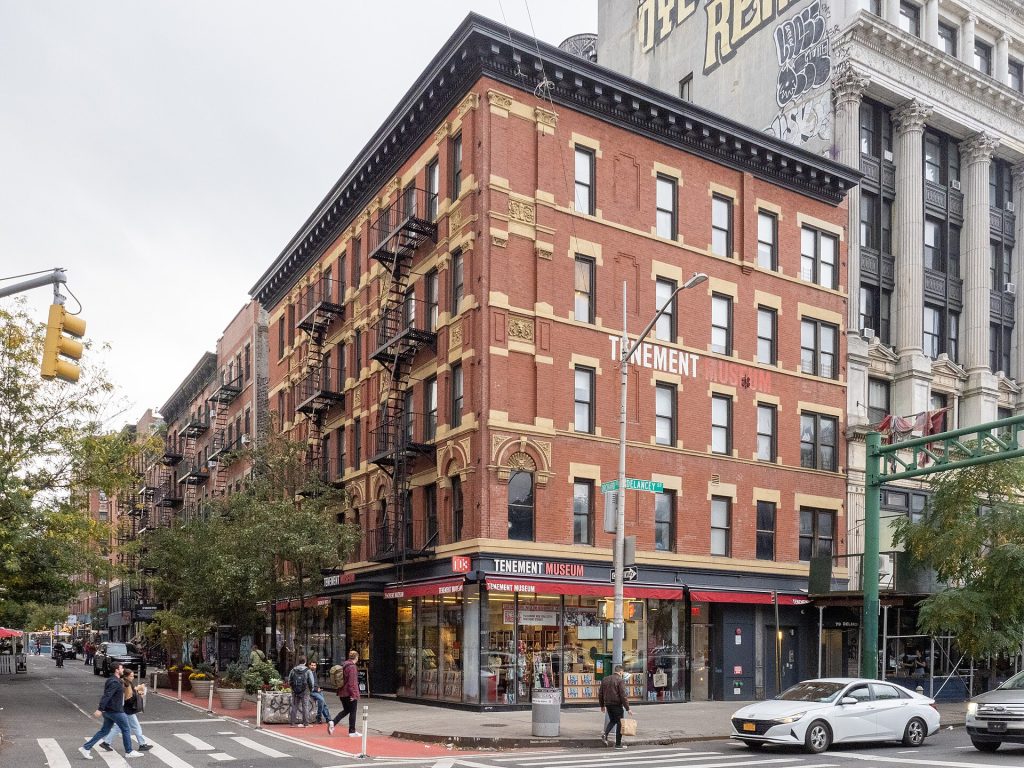
Urban sociologists and immigration historians identify the Tenement Museum on the Lower East Side as a revolutionary institution for its approach to “living history.” The museum is housed in actual tenement buildings where thousands of immigrants lived between 1863 and 1935. Experts note that instead of traditional exhibits, the museum offers guided tours of restored apartments that tell the specific stories of the families who resided there, using archival records and oral histories to recreate their daily lives.
Public historians emphasize that the museum’s focus on the struggles and triumphs of working-class families provides a necessary counter-narrative to the “great men” version of history. By standing in the actual rooms where these families cooked, worked, and slept, visitors experience a visceral connection to the immigrant story. This intimate, personal approach to history makes the museum one of the most beloved and memorable cultural experiences in the city, offering a profound look at the American identity.