13 American Rivers Worth Paddling
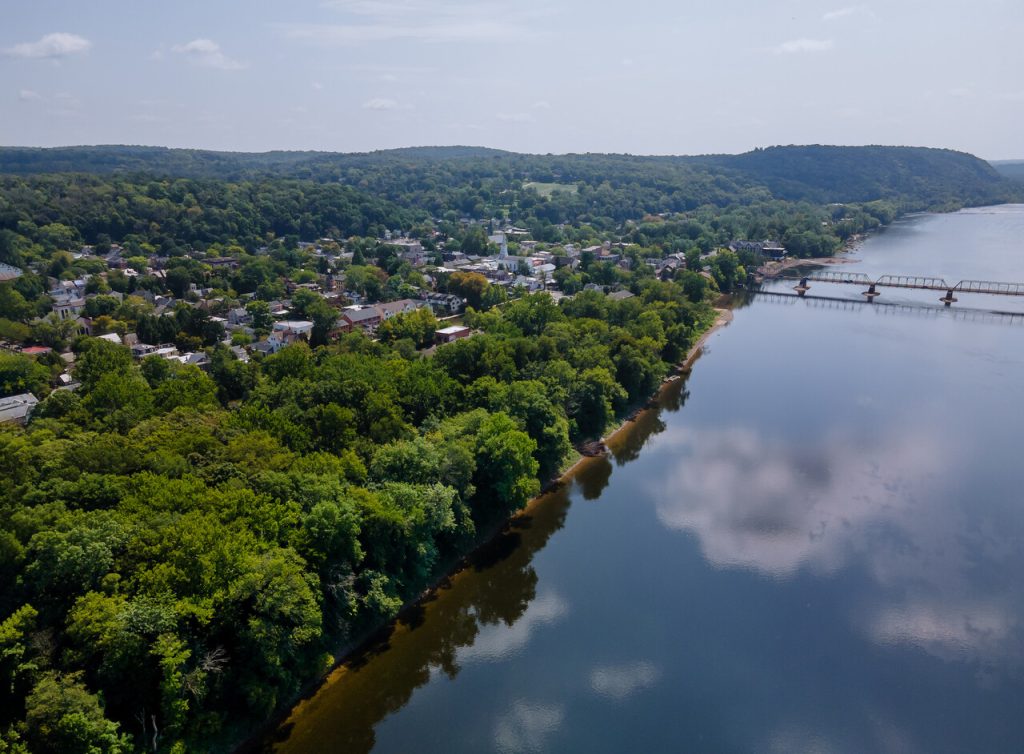
If you want to see the country in a way that feels both calm and alive, paddling its rivers gives you that rare mix. You move at a pace that lets you notice the bends, the smells, the changing light, and the way each region carries its own rhythm. Whether you prefer steady flatwater, tight canyons, or rolling rapids, the right river helps you unplug and stay present. You don’t need to be an expert, but you do need to pick a route that matches your comfort level and curiosity. These American rivers give you room to explore, learn, and enjoy the water as it comes
1. Colorado River
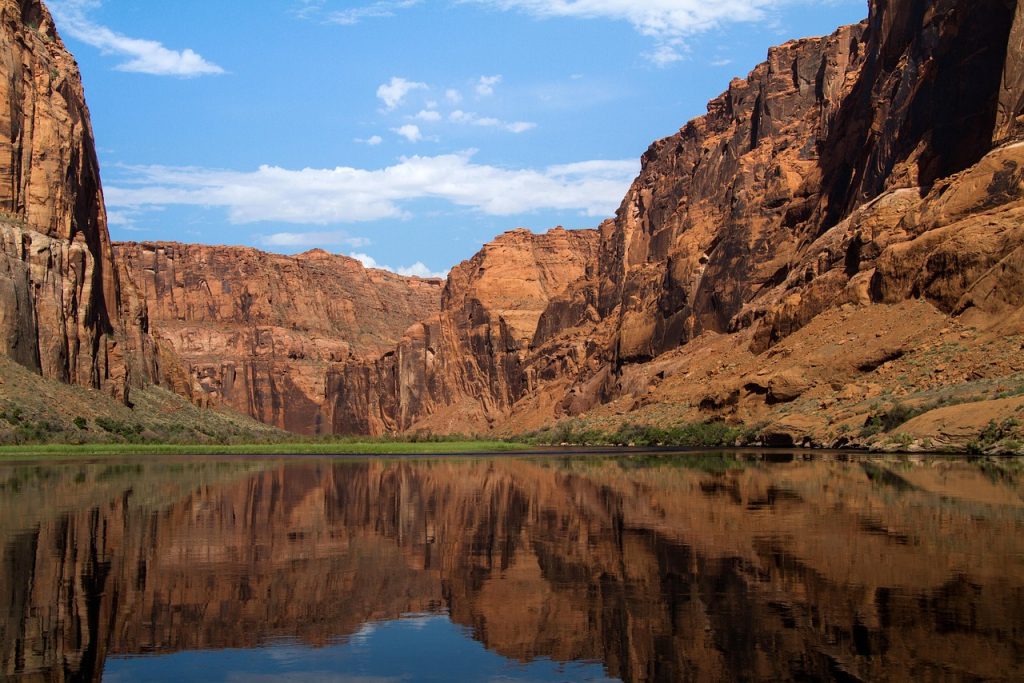
The Colorado River gives you a mix of calm stretches and serious challenges, which is why you want to plan your route carefully before you start. As you paddle through places shaped by millions of years of erosion, you feel the scale of the canyons rise around you. The upper sections in Colorado and Utah offer mellow miles where you can settle into a rhythm, while parts of the lower river demand stronger skills. The National Park Service provides updated access points, camping rules, and seasonal flow information, making it easier to choose the right segment for your skill level.
2. Mississippi River
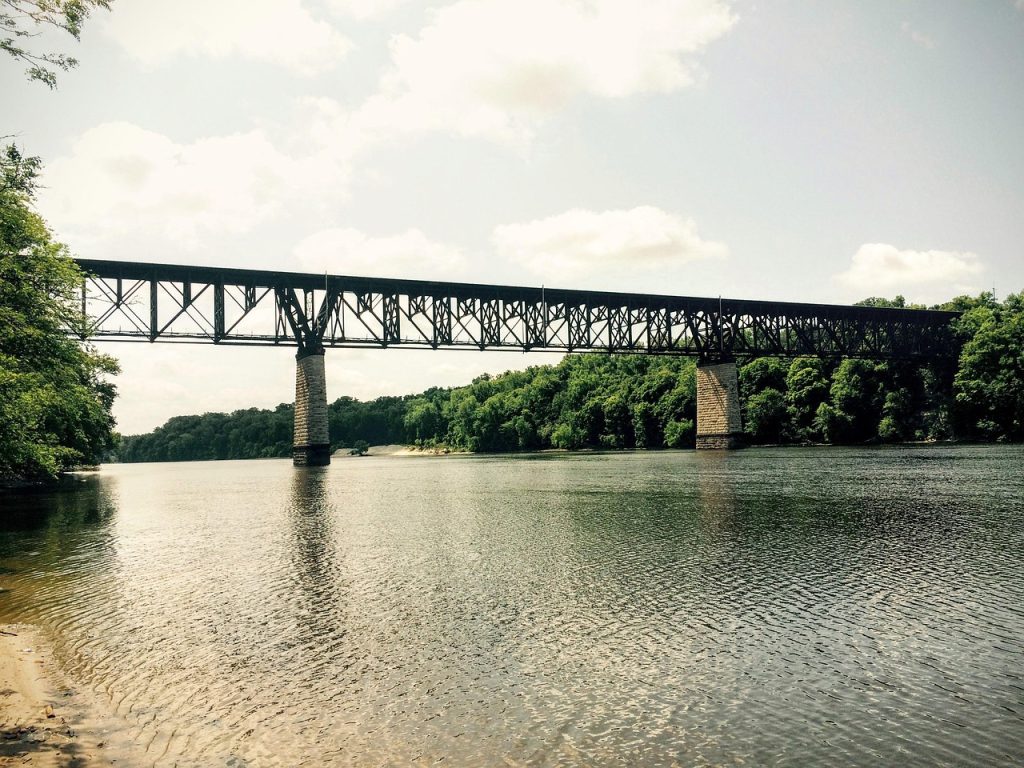
When you paddle the Mississippi, you feel how wide and steady this river is. The upper stretches near Minnesota give you quiet channels surrounded by marshes, islands, and migrating birds. Farther south, barges and busy crossings force you to stay alert, but you still get long, open views that carry a sense of history. The Mississippi River Trail guides and state water trail maps outline safe launch points and helpful mileage notes. You can take short sections or commit to multi-day routes, but either way you move through places shaped by trade, culture, and centuries of river life.
3. Hudson River
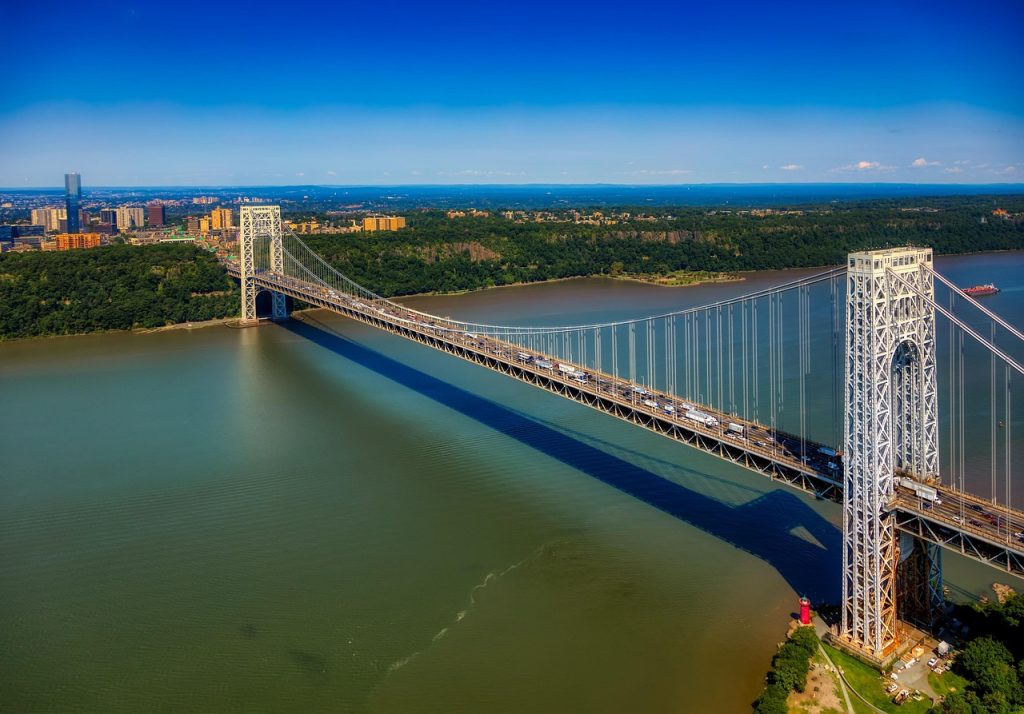
The Hudson lets you see both natural scenery and historic waterfronts at a pace that feels unrushed. The upper stretches near the Adirondacks are quieter, with cool forests and cleaner water than many visitors expect. As you move closer to the Hudson Valley, old bridges, lighthouses, and preserved estates begin to frame the shoreline. Tides matter on this river, even far upstream, so you want to check NOAA tide predictions before planning long paddles. With designated water trails and several state parks along the route, you get safe access, reliable stops, and enough variation to keep each mile interesting.
4. Snake River
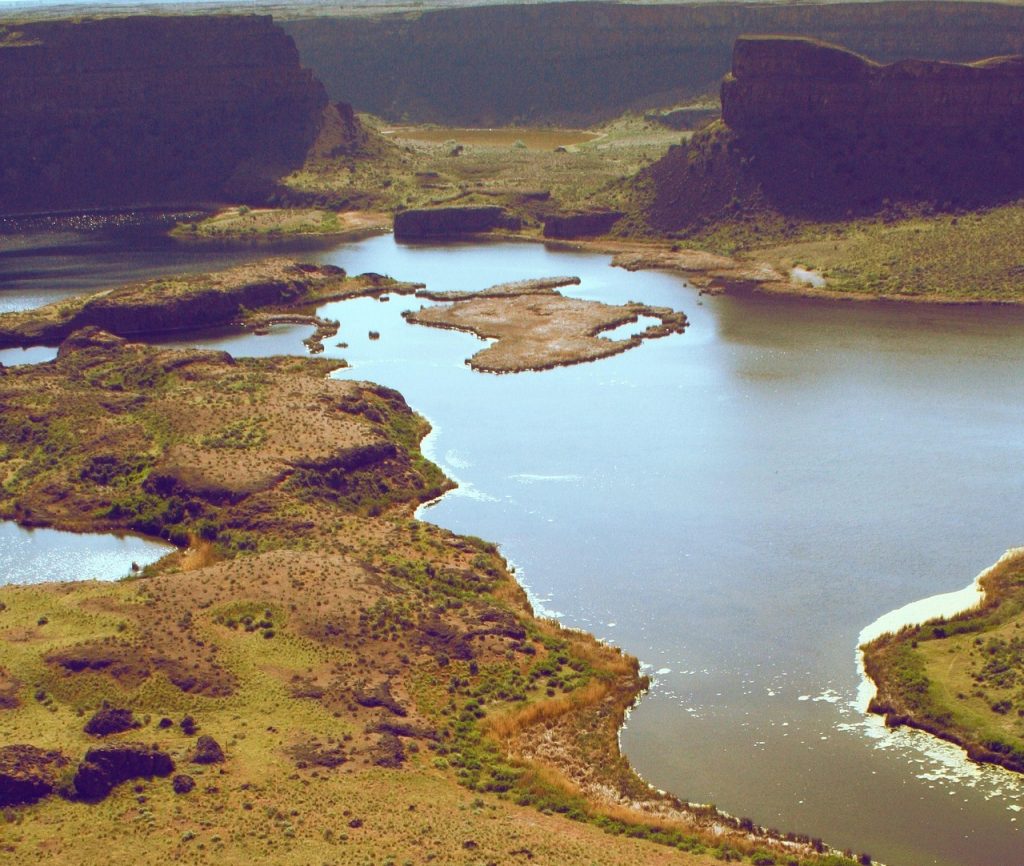
The Snake River rewards anyone who likes wide views and a bit of challenge. Near Wyoming’s Grand Teton region, you find clear water, steady currents, and long lines of mountain peaks shaping your route. The sections managed by the U.S. Forest Service give you flatwater and moderate rapids, while Hells Canyon on the Idaho-Oregon border delivers stronger whitewater for experienced paddlers. Wildlife sightings are common, especially eagles, osprey, and deer along the banks. Because water levels and flows change across the seasons, checking Forest Service updates helps you pick a safe and enjoyable stretch.
5. Missouri River
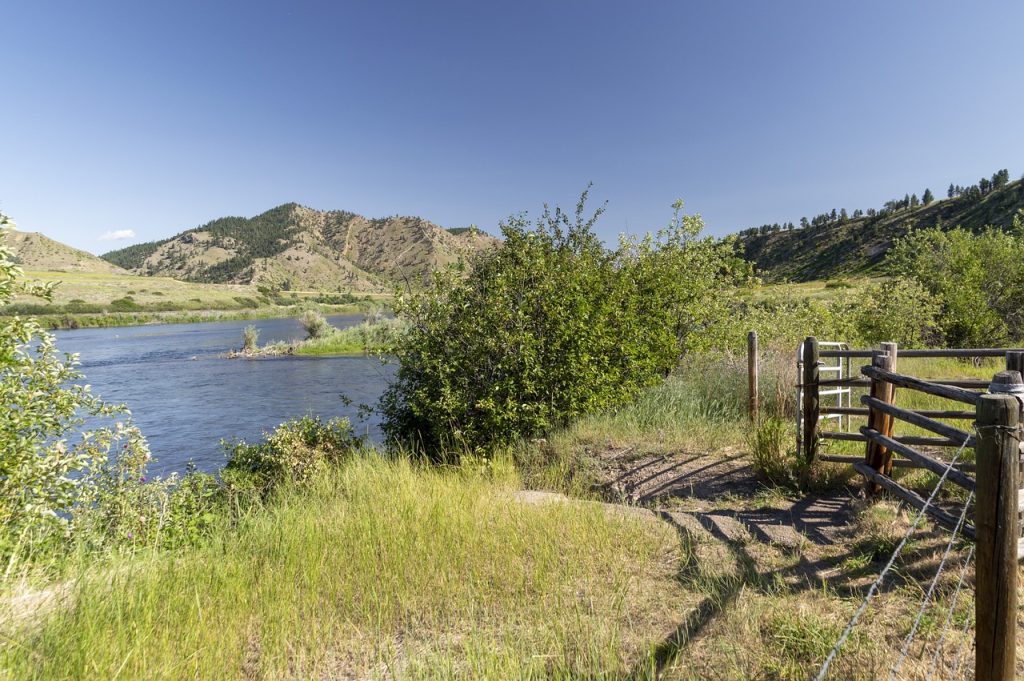
The Missouri’s long bends and open prairies make it a river where you can settle into your stroke without feeling rushed. The Upper Missouri Breaks National Monument in Montana offers calm water with dramatic cliffs and layered rock formations that rise above you as you move through the canyon. This section is well documented by the Bureau of Land Management, which provides maps, camping rules, and river mileage notes. You get a route that feels remote but still gives you reliable access points. It’s a good choice if you want a multi-day paddle without technical whitewater.
6. Chattahoochee River
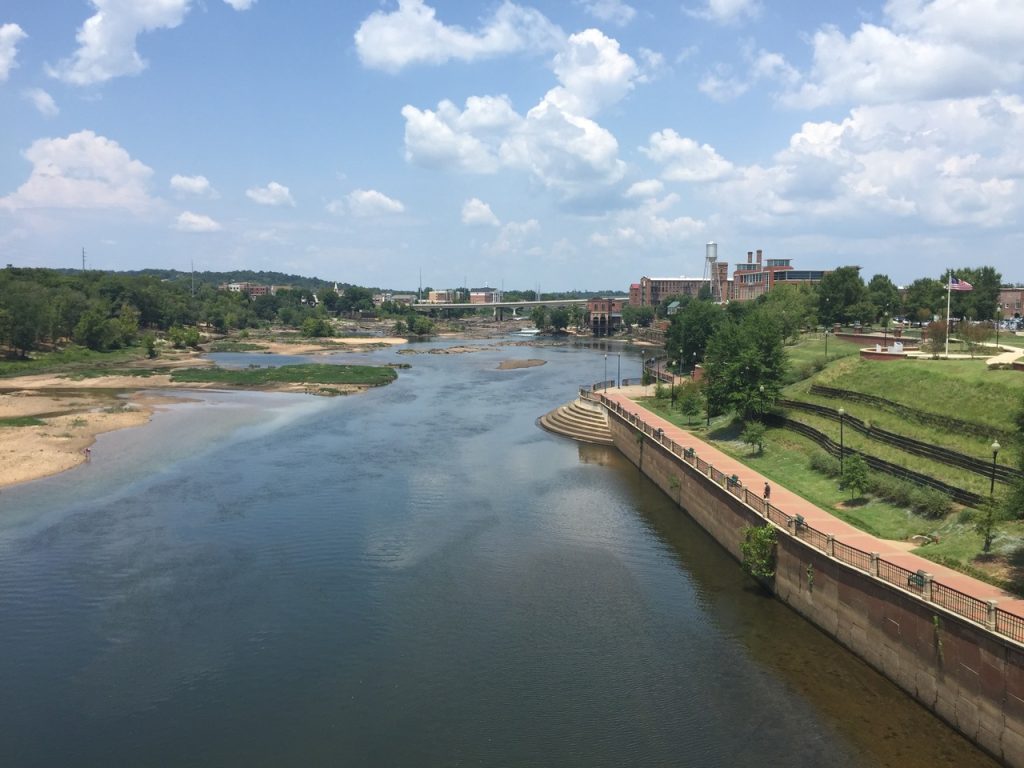
The Chattahoochee gives you accessible paddling with steady flow and a mix of wooded banks and occasional shoals. Near Georgia’s national recreation area, you find clean stretches where trout thrive, and you can enjoy calm paddling with only a few moderate rapids. The U.S. Park Service releases regular water-quality and flow updates, which help you choose the best time to go. You get a sense of both nature and local culture as the river moves toward urban areas, but you still find quiet corners where the current pulls you gently forward. It’s a river suited to newer paddlers.
7. Kenai River
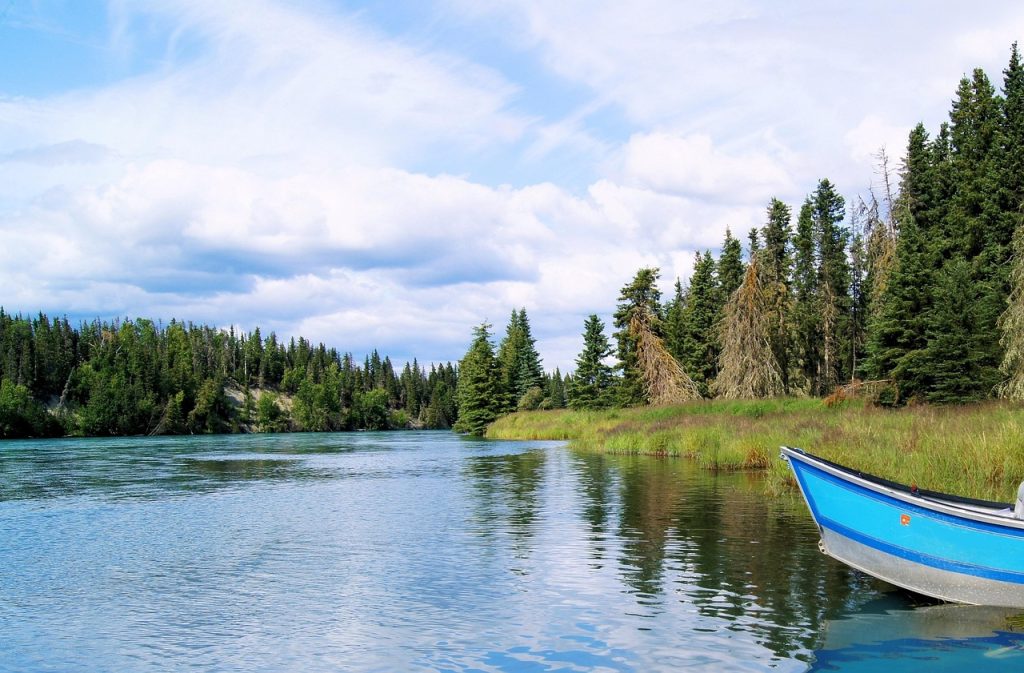
The Kenai River in Alaska offers bright glacier-fed water and steady current that keeps you engaged without overwhelming beginners. Its cold, clear flow supports salmon runs, so you often see anglers along the banks, especially in mid-summer. The upper sections near Kenai Lake give you calm paddling with mountain views, while later miles move more quickly. The Alaska Department of Fish and Game posts seasonal updates that help you time your visit and avoid crowded points. You get a strong sense of wildness here, and the clean water makes every mile feel bright and crisp.
8. Delaware River
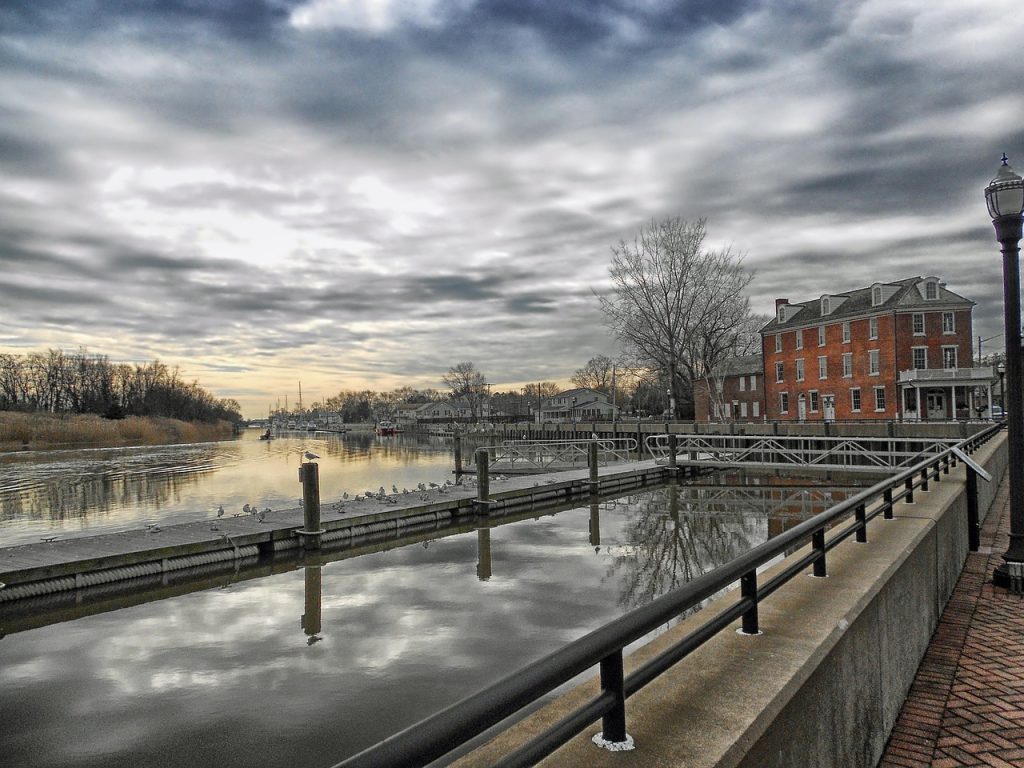
The Delaware gives you calm, wide water with a level of quiet that surprises many first-time visitors. The Upper Delaware Scenic and Recreational River, overseen by the National Park Service, has long stretches without dams, which means you get a natural flow and plenty of wildlife. Bald eagles often appear near the cliffs and wooded banks, and the gentle current makes it easy for you to take your time. Access points and camping sites are clearly mapped, so planning is simple. This river works well for families, beginners, and anyone who wants relaxed, steady paddling.
9. Green River
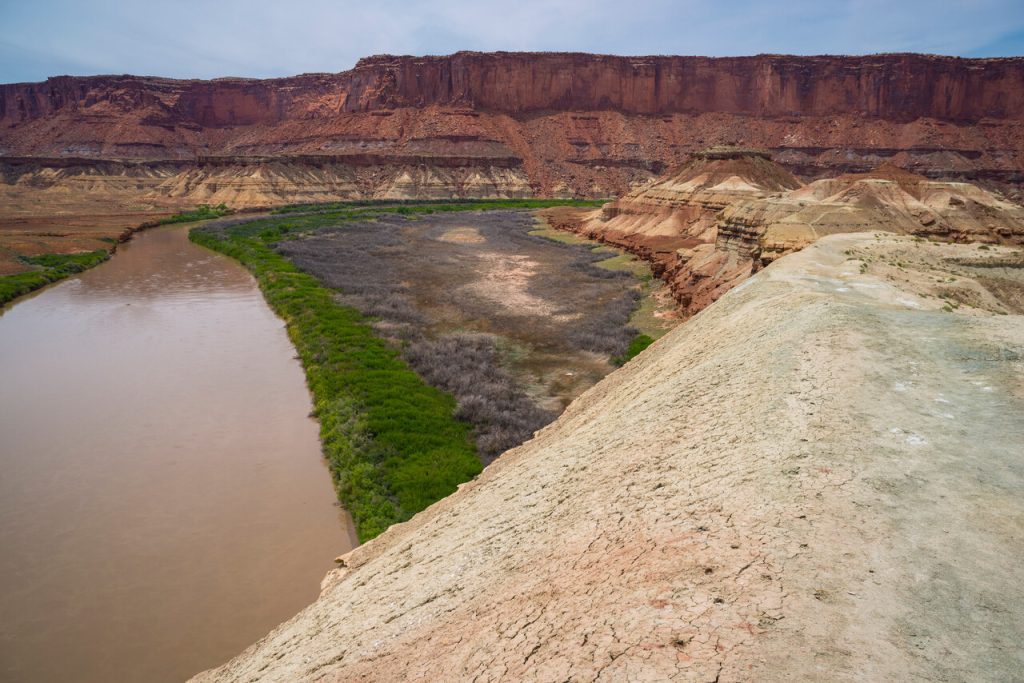
The Green River through Utah’s canyon country gives you deep walls, winding bends, and a feeling of solitude. The Labyrinth and Stillwater Canyon sections offer flatwater routes where the current helps you move without rushing. The Bureau of Land Management provides clear guidance on permits, campsites, and water-level conditions, so you can plan multi-day trips with confidence. You see layered rock, quiet side canyons, and long reflections on calm water. This is a river where you settle into the rhythm of paddling and let the scenery shift slowly around you.
10. Suwannee River
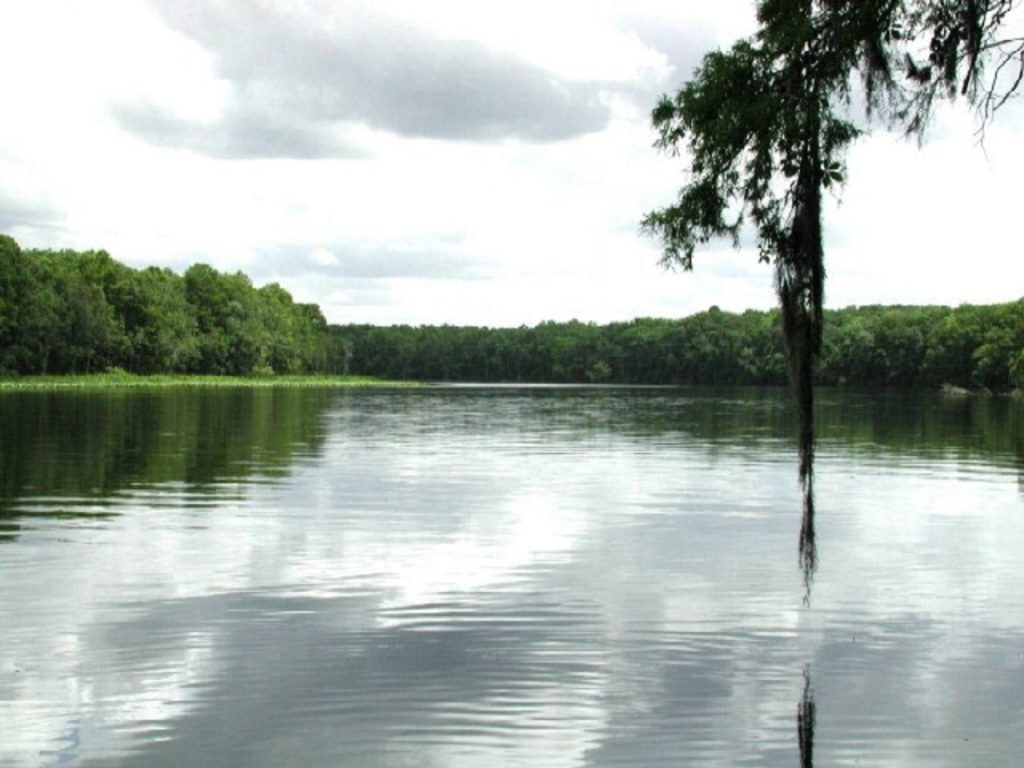
The Suwannee in Florida and Georgia offers dark, tannin-rich water and quiet forest corridors. Guided by state water trail maps, you find multiple springs along the way, many with clear, cool water that offers easy breaks from the river’s slow flow. Limestone bluffs rise above some sections, giving you variety as you move from wide bends to narrower channels. The Florida Park Service keeps updated notes on flow conditions and camping options, which helps you plan overnight trips. This is a peaceful river where sound carries softly and wildlife stays active along the banks.
11. Arkansas River
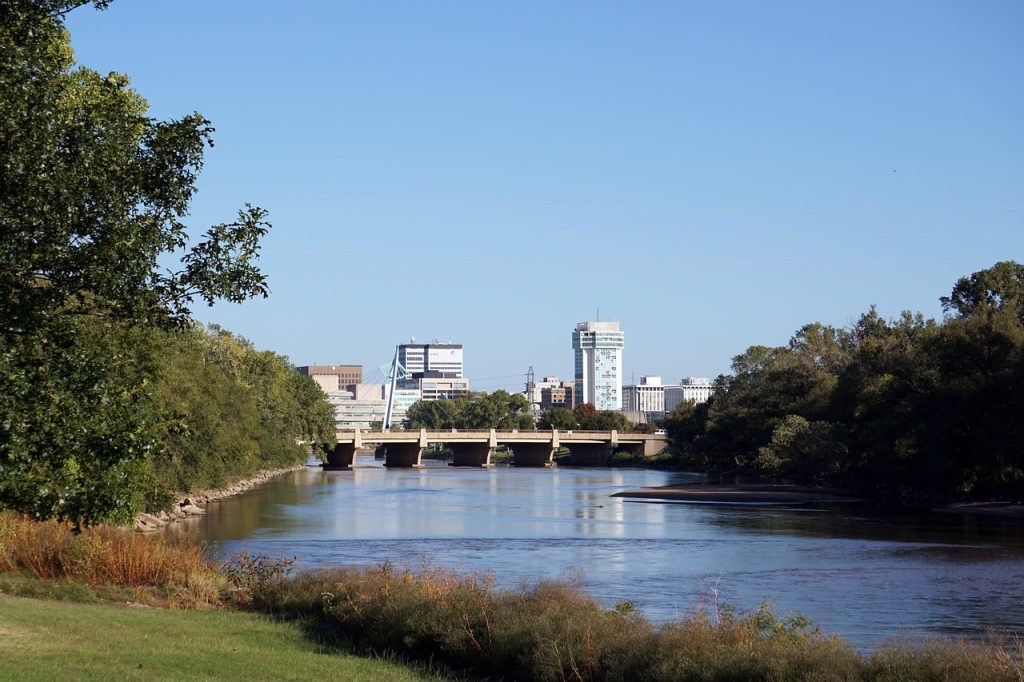
The Arkansas River delivers a mix of calm segments and well-known whitewater runs. Colorado’s Browns Canyon, managed by the Bureau of Land Management and the National Park Service, offers moderate to challenging rapids that attract experienced paddlers. If you prefer easier water, the calmer upstream stretches give you open views and steady movement without technical drops. Because this river is popular, checking flow data before you go is essential. Once you’re on the water, you get long views of mountains, cottonwoods, and the kind of shifting current that keeps you alert and engaged.
12. Rogue River
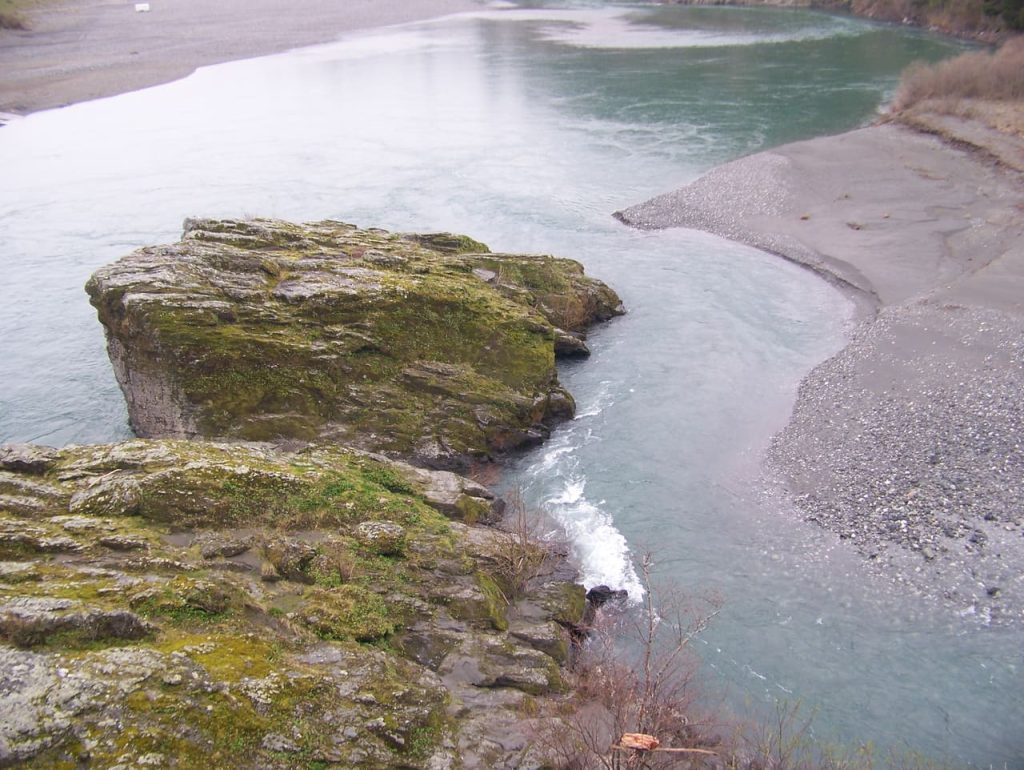
Oregon’s Rogue River gives you a blend of wild scenery, clear water, and manageable rapids along its federally protected Wild and Scenic section. The U.S. Forest Service posts detailed guides on permits, campsites, and daily flow information, which you want to review before a multi-day trip. The route includes calm stretches where you can relax and faster sections that require you to read the water carefully. You paddle through forested banks, rocky outcrops, and occasional wildlife sightings, which makes the river feel both adventurous and welcoming. It’s a classic choice for well-planned trips.
13. Buffalo National River
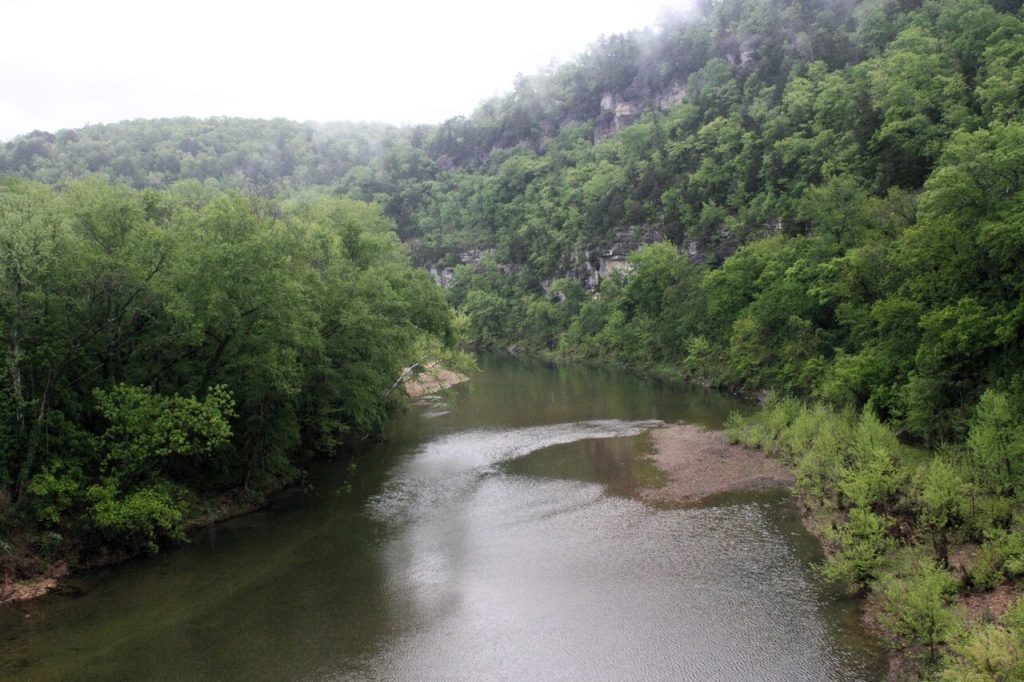
The Buffalo in Arkansas is one of the first rivers protected as a National River, and you feel that care in its clean flow and quiet surroundings. High limestone bluffs rise above wide bends, creating long shadows and steady breezes. The National Park Service manages access points, campsites, and updated flow levels, so you can adjust your route to match your skill. Spring brings faster water, while summer slows the current. You get clear pools, gentle rapids, and a calm pace that makes it easy to enjoy the scenery. It’s a warm, approachable river for most paddlers.