13 Forest Yurts Yurt-Yanked By Yard Yelps
The global surge in glamping has led to a proliferation of semi-permanent canvas structures in wooded areas, but land use attorneys warn that the regulatory tide is turning. While enthusiasts view yurts as low-impact eco-dwellings, zoning boards and neighbors frequently classify them as illegal accessory structures or unauthorized short-term rentals. This conflict has resulted in a wave of enforcement actions where property owners are forced to dismantle their forest retreats following complaints from adjacent residents.
According to municipal code enforcement officers, the primary driver for these removals is not usually the structure itself but the disruption it causes to the surrounding community. Known colloquially as “yard yelps,” these formal grievances regarding noise, sanitation, and traffic often trigger comprehensive zoning audits. Real estate experts note that once a neighbor files a complaint, authorities are legally obligated to investigate, often uncovering that the romantic forest hideaway lacks the necessary permits for occupancy, plumbing, or fire safety.
The Catskill Mountains Noise Crackdown

Local officials in upstate New York have intensified their scrutiny of unpermitted yurts following a spike in noise complaints from long-term residents. The Catskills region saw a massive influx of temporary rental structures during the travel boom, but town boards in areas like Woodstock and Shandaken found that sound carries remarkably far in quiet forest valleys. When weekend guests play music or gather around fire pits late into the night, neighbors miles away often file disturbances reports that lead directly to code enforcement visits.
Planning board members emphasize that many of these yurts were erected without site plan reviews, violating density regulations and setback requirements. Once a violation is confirmed, the property owner is typically given a short window to cure the issue or remove the structure entirely. In several high-profile instances, town courts have ordered the immediate dismantling of luxury yurts that were operating as commercial hotels in strictly residential zones, proving that a canvas wall offers no protection against zoning laws.
San Bernardino County Desert Sweeps
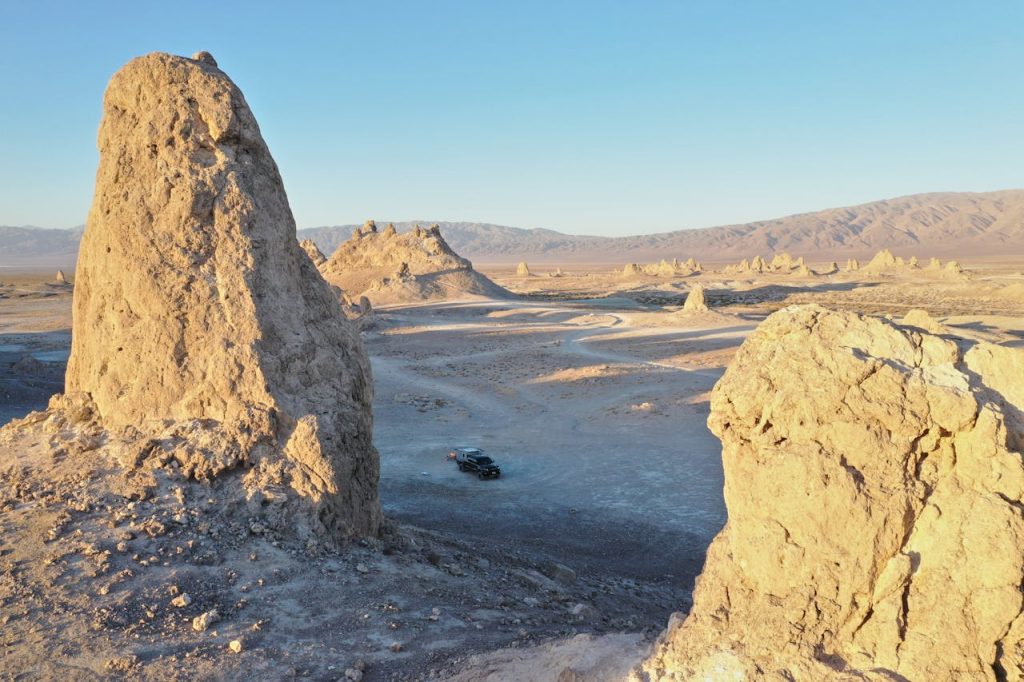
While technically high desert rather than dense forest, the enforcement actions in San Bernardino County serve as a primary case study for structure removal. County code enforcement teams launched a dedicated task force to address the thousands of unpermitted glamping sites that appeared near Joshua Tree National Park. Neighbors in these rural communities overwhelmed local hotlines with reports of trespassing, loud parties, and illegal bonfires that threatened the fragile ecosystem.
Land use consultants in California point out that the county used satellite imagery and short-term rental listings to identify violators. The resulting sweep led to thousands of citations and the forced removal of numerous yurts that did not meet the strict building codes required for human habitation. Authorities made it clear that despite the remote nature of the terrain, the lack of sewage infrastructure and emergency access roads necessitated the removal of these pop-up dwellings to ensure public safety.
The New Forest Planning Refusals
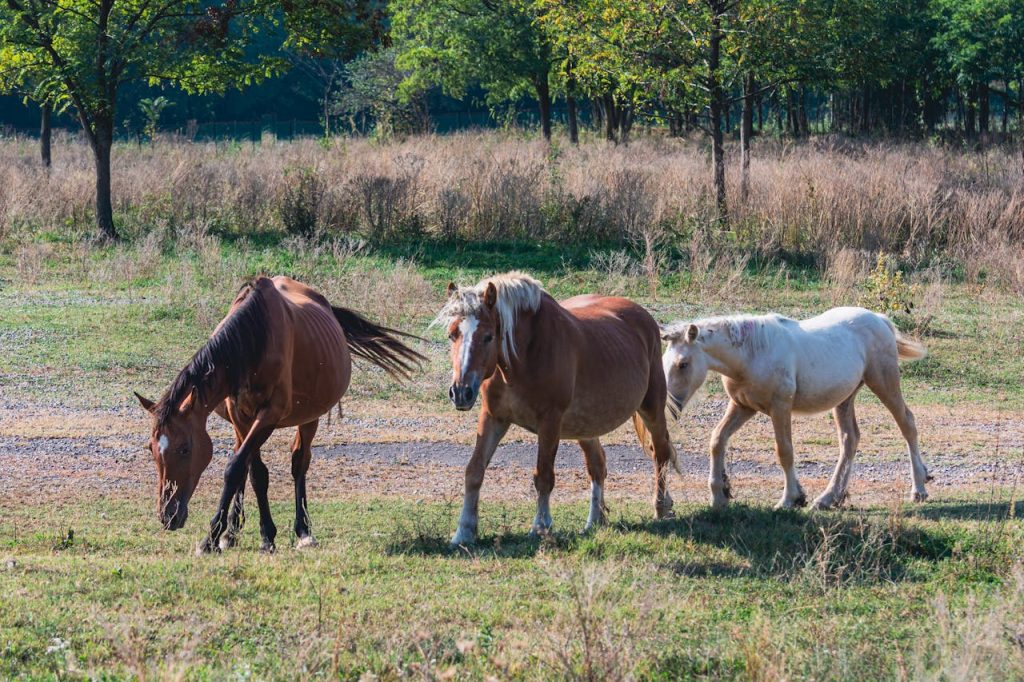
The New Forest National Park in the United Kingdom maintains some of the strictest planning controls in the world to preserve its ancient woodland character. Planning inspectors frequently issue enforcement notices against landowners who erect yurts under the guise of temporary camping. Heritage experts argue that these structures, when outfitted with wood burners and decking, constitute permanent development that harms the protected landscape and disrupts the grazing rights of local ponies and cattle.
When residents in the specialized villages within the park report these structures, the National Park Authority acts swiftly to issue removal orders. There have been numerous documented cases where appeals to keep the yurts were rejected by government inspectors who prioritized conservation over tourism revenue. The consistent ruling is that the visual intrusion of white canvas against the historic forest backdrop violates the statutory purpose of the park, leading to the physical removal of the tents.
Sonoma County Fire Code Enforcements

Fire marshals in Northern California have taken a zero-tolerance approach to unpermitted forest dwellings due to the extreme wildfire risk in the region. Soft-sided structures like yurts often fail to meet the Wildland-Urban Interface building codes which require ignition-resistant materials and ember-proof venting. When neighbors report smoke or unauthorized camping in dense vegetation, fire districts coordinate with building departments to red-tag the structures immediately.
Safety officials stress that a yurt located in a high fire severity zone without defensible space is a threat to the entire neighborhood. This safety-first rationale gives authorities the legal leverage to bypass lengthy court battles and demand immediate abatement. Property owners who attempted to hide these structures in redwood groves found that neighbor vigilance regarding fire safety led to swift decommissioning of their rental operations.
The Adirondack Park Agency Violations
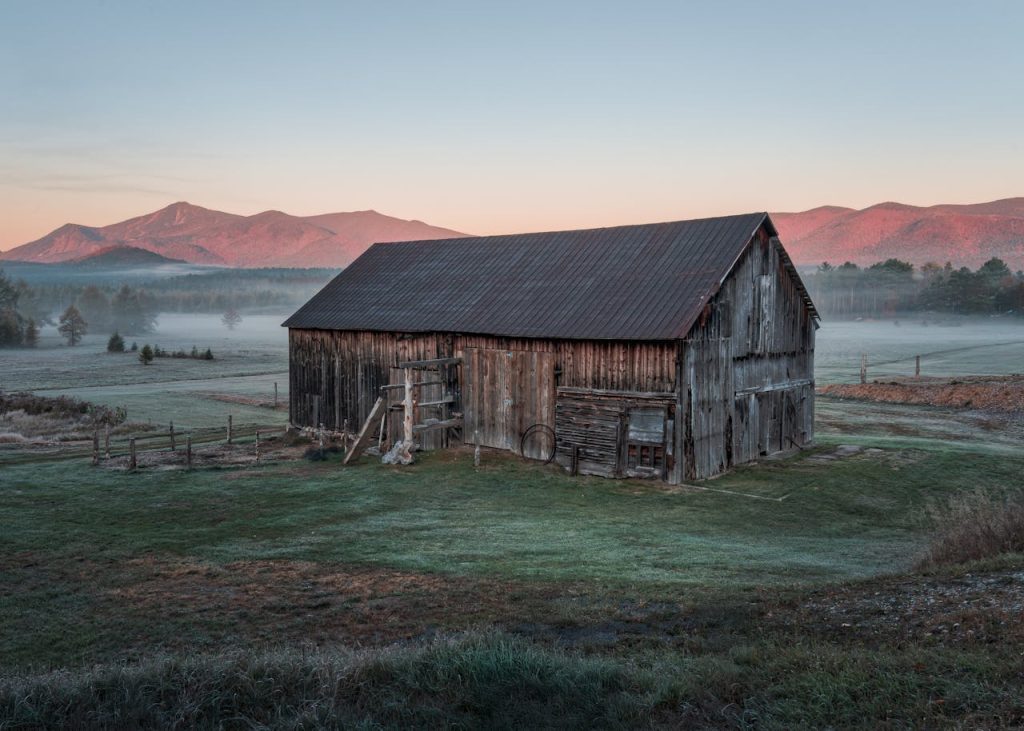
The Adirondack Park Agency in New York governs one of the largest protected areas in the contiguous United States and enforces rigorous density guidelines. Environmental conservation officers note that yurts are often mistakenly classified by owners as tents, while the agency views them as principal buildings if they remain standing seasonally. This distinction is critical because installing a principal building often requires a complex permit process that protects water quality and forest usage.
Neighbor complaints regarding sanitation and shoreline setbacks have triggered investigations that resulted in significant fines and removal mandates. The agency prioritizes the “forever wild” character of the park, and structures that impede on wetlands or scenic vistas are frequently targeted. Legal experts in the region advise that attempting to bypass the APA permitting process usually results in a costly legal defeat and the eventual dismantling of the structure.
Santa Cruz Mountains Red Tagging

In the steep, redwoods-covered terrain of the Santa Cruz Mountains, environmental health officials have cracked down on yurts due to septic concerns. The region has strict regulations regarding wastewater disposal to protect local watersheds. When neighbors notice increased traffic or smell sewage from properties that are only permitted for a single-family home, they alert the county. Investigations often reveal yurts with makeshift plumbing that drains directly into the soil.
Code enforcement officers issue red tags which deem the structures unsafe for occupancy until the violations are corrected. However, the cost of installing a legal septic system for a yurt on difficult terrain is often prohibitive. Consequently, many owners are forced to dismantle the yurts to comply with the abatement orders. This creates a cycle where “yard yelps” about sanitation effectively end the lifespan of the forest rental.
The Whitby Greenbelt Disputes
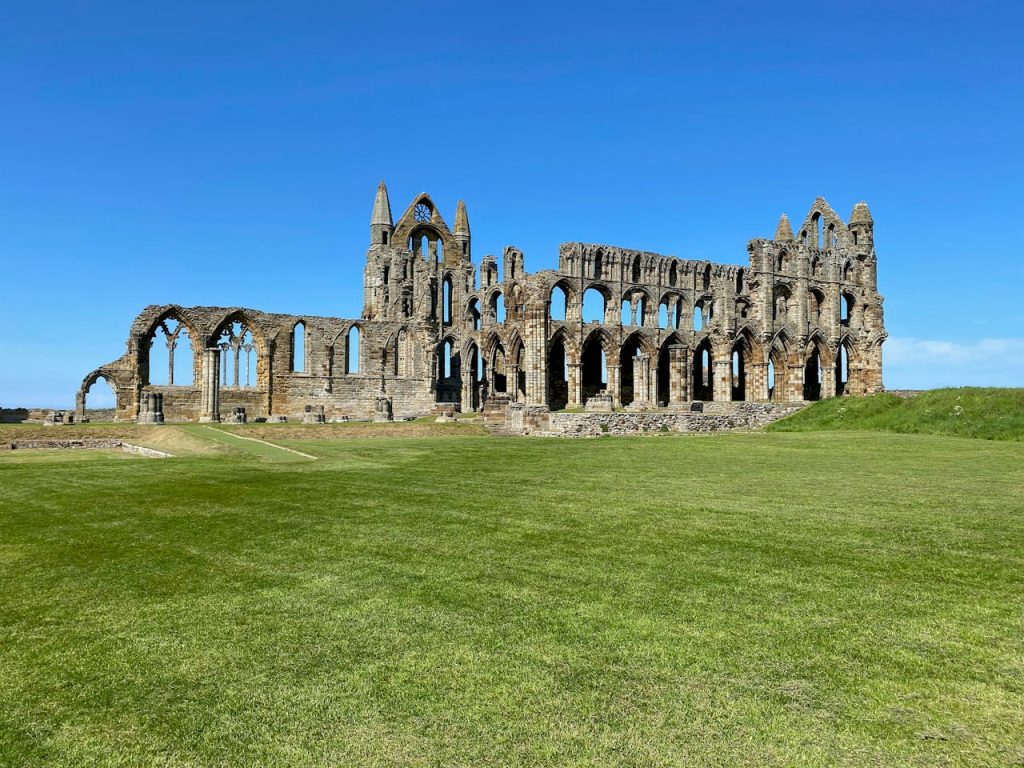
In the protected Greenbelt areas surrounding Toronto and specifically near Whitby, conservation authorities struggle with unauthorized dwellings on agricultural land. Planning consultants note that the Greenbelt legislation was designed to prevent sprawl and protect farmland, not to host commercial glamping operations. Farmers and long-time residents often report these operations when they interfere with agricultural practices or create traffic hazards on rural roads.
The enforcement process in Ontario involves strict compliance orders that can escalate to heavy municipal fines. Conservation officers argue that allowing one exception would set a precedent that could erode the integrity of the protected land. Consequently, yurts found to be in violation of the zoning bylaws are often ordered to be removed to restore the land to its agricultural or natural state.
The Lake District World Heritage Protection
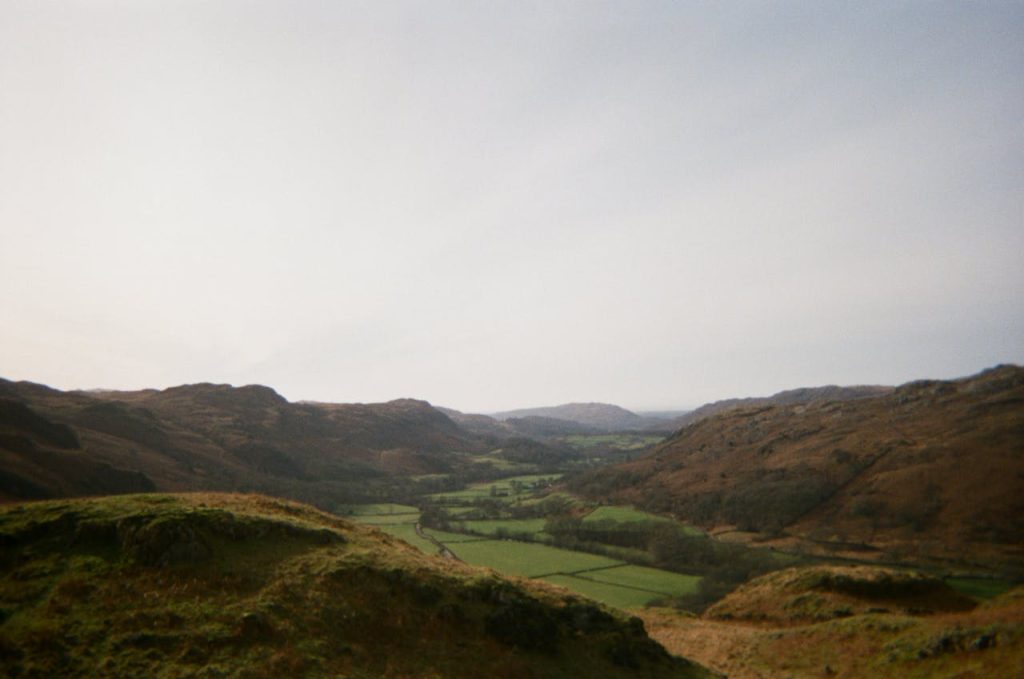
The Lake District in Cumbria is a UNESCO World Heritage site where visual amenity is paramount. The local planning authority carefully scrutinizes any development that might alter the traditional aesthetic of the fell-sides. When landowners erect yurts without planning permission, local preservation societies and neighbors are quick to lodge objections citing the impact on the iconic landscape views.
Planning inspectors have supported enforcement notices requiring the removal of yurts that were deemed incongruous with the historic environment. The rationale provided in these decisions often highlights that the bright colors and modern shape of yurts detract from the traditional stone vernacular of the region. Authorities maintain that preserving the cultural heritage of the landscape takes precedence over individual tourism enterprises.
Hood River Valley Agricultural Zoning
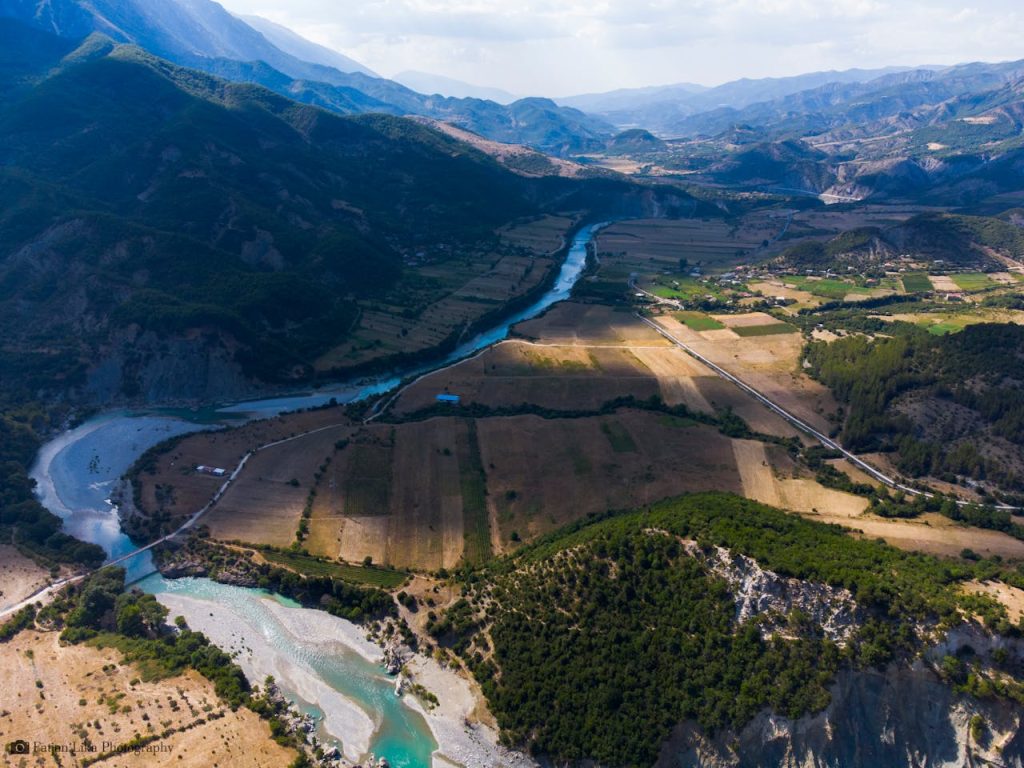
Oregon’s land use laws are famous for their rigid protection of Exclusive Farm Use zones. In the Hood River Valley, county planners have faced conflicts where orchard owners install yurts to house tourists. Neighboring farmers often complain that these non-farm uses drive up land values and introduce incompatibilities with active agricultural operations, such as conflicts with spray schedules or harvest machinery.
The Land Use Board of Appeals in Oregon has heard multiple cases regarding these structures. The consistent interpretation is that yurts do not qualify as farm stands or necessary farm help housing in many contexts. As a result, county officials have forced the removal of yurts that were operating as de facto motels on high-value farmland, reinforcing the primacy of agriculture over hospitality.
Byron Bay Hinterland Compliance

The lush hinterlands behind Byron Bay in Australia have seen a crackdown on unauthorized dwellings locally referred to as the “tiny house and yurt blitz.” The local shire council utilized aerial photography and neighbor reports to identify hundreds of unapproved structures. Residents in these biodiversity-rich areas complained about the environmental strain caused by unmanaged waste and the degradation of wildlife corridors.
Council officials issued hefty fines and demolition orders to property owners who could not prove their structures had development consent. The enforcement action was driven by a need to protect the sensitive subtropical rainforest environment from fragmentation. Compliance officers emphasized that the romantic appeal of a forest yurt does not exempt it from the rigorous building standards required to protect the local ecology.
Muskoka Cottage Country Pushback
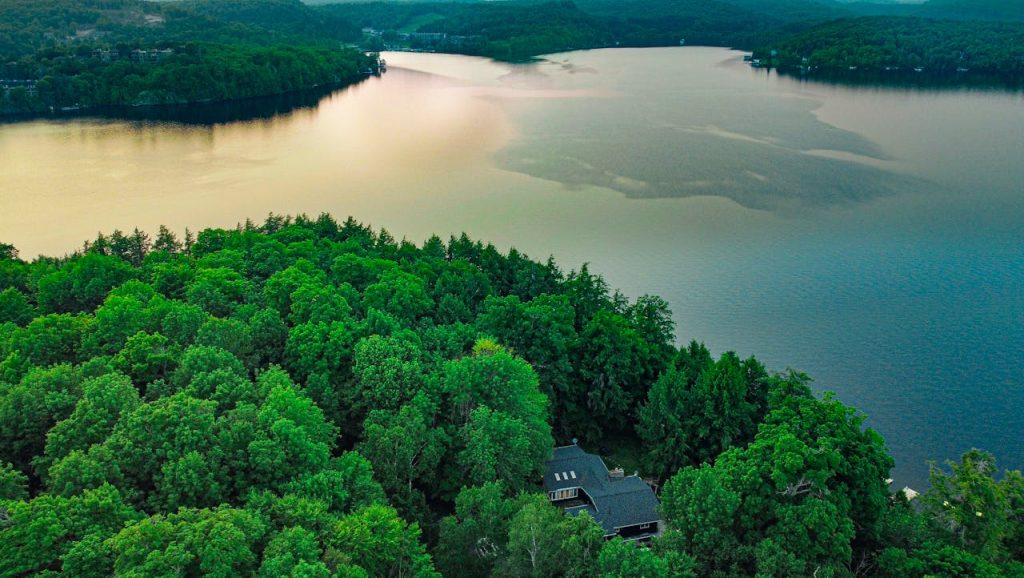
In the premier cottage country of Ontario, lake associations have become increasingly vocal about the appearance of yurts on neighboring docks and shorelines. These organizations, which wield significant political influence, argue that pop-up structures undermine the established character of the lakefront communities. Complaints often focus on overcrowding and the visual clutter of multiple auxiliary structures on a single lot.
Municipal bylaw officers respond to these grievances by enforcing strict lot coverage limits. In many cases, the addition of a yurt pushes a property over the allowable density threshold. The result is a mandatory removal order to bring the property back into compliance with the comprehensive zoning bylaw. This ensures that the density of human activity does not overwhelm the recreational capacity of the lakes.
Sedona Dark Sky Ordinance Violations

The forest and canyon areas surrounding Sedona, Arizona, are protected by strict dark sky ordinances to preserve astronomical viewing conditions. Neighbors in these low-density areas are highly protective of the natural darkness. When yurt owners install external lighting or allow internal light to glow through the translucent canvas walls all night, it triggers complaints regarding light pollution.
Code enforcement in Sedona takes these violations seriously as the dark sky designation is a major economic driver for the city. While the structure itself might sometimes meet zoning codes, the inability to effectively contain light often makes yurts incompatible with the local ordinances. In several instances, the persistent conflict over light trespass has forced operators to cease activities and remove the canvas structures to avoid escalating fines.
The Hawaiian Agricultural Land Restrictions

On the islands of Hawaii and Maui, the Department of Planning has aggressively targeted unpermitted vacation rentals on agricultural land. Yurts are a popular choice for these unauthorized units due to their quick assembly. However, neighbors in these tight-knit agricultural communities frequently report the high turnover of tourists who block narrow roads and trespass on active farms.
County officials have responded with tiered fines that accumulate daily until the structure is removed. The enforcement is grounded in the need to preserve agricultural land for food production rather than tourism. Planning directors have stated that the removal of these yurts is essential to maintaining the islands’ food security and housing availability for local residents, leading to a wave of “yurt-yankings” across the archipelago.