13 Secret American Landmarks That Rival Mount Rushmore

Hidden across the United States are landmarks that match Mount Rushmore for drama, symbolism, and sense of place, yet remain blissfully uncrowded. From ancient earthworks shaped by Indigenous cultures to towering stone spires and remote island forts, these sites reveal quieter stories of power, endurance, and creativity. This article highlights 13 lesser known wonders where history, geology, and art converge, inviting travelers to trade packed viewing terraces for hushed trails, open sky, and surprisingly intimate encounters with America’s past and landscape.?
1. Cahokia Mounds State Historic Site, Illinois

Just across the Mississippi River from St. Louis, Cahokia Mounds preserves the remains of the largest pre-Columbian city north of Mexico, a metropolis that once held as many as 20,000 residents at its peak. Monks Mound, the central earth pyramid, towers about 100 feet above the surrounding plain, built basket by basket by Indigenous labor. Elevated boardwalks and gentle trails lead visitors past smaller mounds and reconstructed palisades, offering a powerful alternative to carved presidential faces.?
2. Great Serpent Mound, Ohio
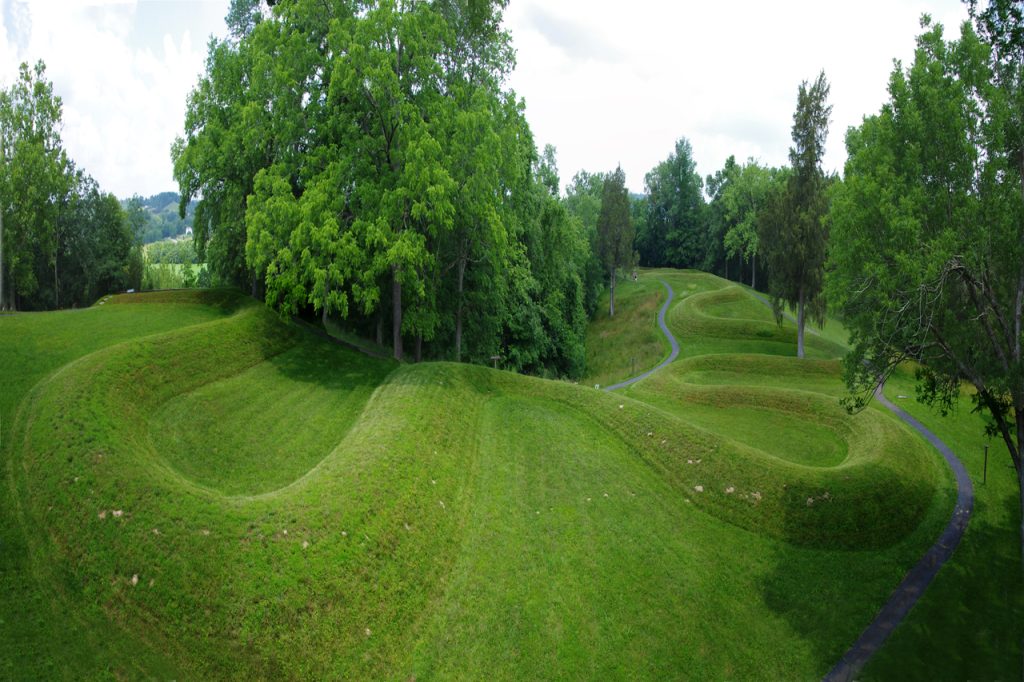
In rural southern Ohio, the Great Serpent Mound unfurls across a narrow ridge, forming a sinuous earthen effigy more than 1,300 feet long. Thought to have been built by Indigenous cultures over a thousand years ago, the serpent’s coiled body and oval “head” align with solstices and other celestial events, turning the landscape itself into a kind of cosmic calendar. Viewed from an overlook or drone free platforms, the low, flowing form offers a contemplative counterpoint to Mount Rushmore’s vertical drama.?
3. Devils Tower National Monument, Wyoming
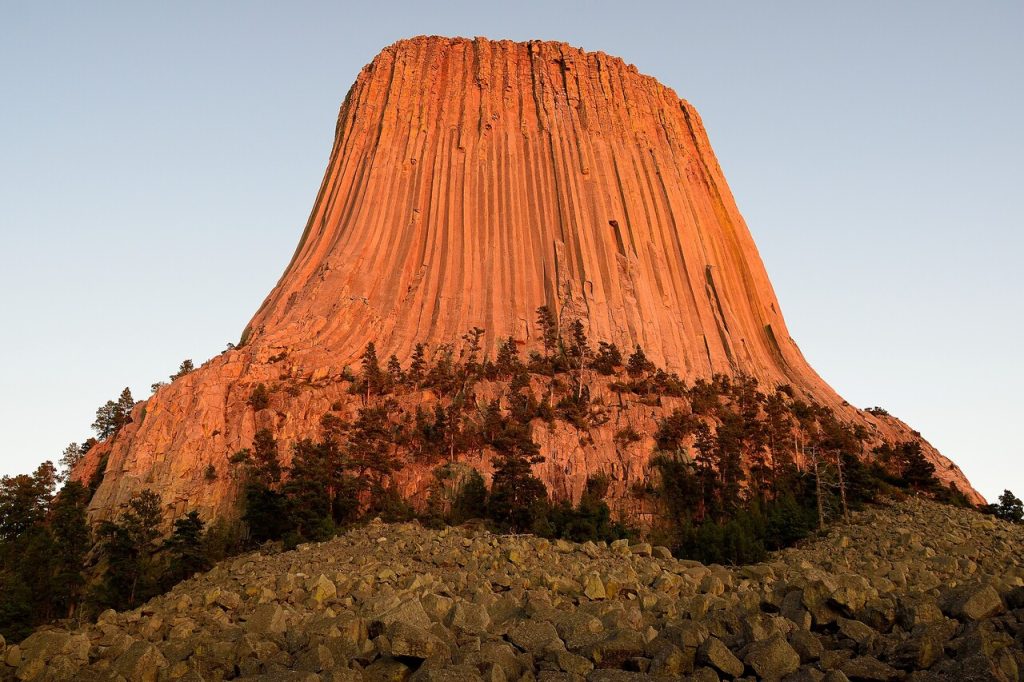
Rising 1,250 feet above the Belle Fourche River, Devils Tower thrusts skyward as a near vertical column of volcanic rock, its fluted walls catching sun and shadow throughout the day. Designated America’s first national monument in 1906, it remains sacred to many Native nations, who weave stories of bears, spirits, and transformation into its sheer sides. A loop trail circles the base through quiet pine forest, letting visitors absorb its presence from multiple angles instead of jostling for a single viewpoint.?
4. Cathedral Spires, South Dakota

Tucked inside Custer State Park, not far from the crowds at Mount Rushmore, the Cathedral Spires rise as slender granite pinnacles that resemble an open air stone sanctuary. Their jagged silhouettes frame blue sky and drifting clouds, shifting color from soft pink at sunrise to deep gold at dusk. A short but steep trail winds between boulders and ponderosa pines to a viewpoint where the Spires close in, providing a wilder, quieter expression of mountain grandeur than the nearby carved portraits.?
5. Crazy Horse Memorial, South Dakota

Just a short drive from Mount Rushmore, the Crazy Horse Memorial is an unfinished but colossal carving of the Oglala Lakota leader emerging from Thunderhead Mountain. When completed, the sculpture will dwarf Rushmore in size, with the horse’s head alone rising higher than any presidential face. Visitors can tour an extensive museum of Native American art and history, watch work in progress from viewing decks, and reflect on how this privately funded project reclaims narrative space in the Black Hills.?
6. Fort Jefferson, Dry Tortugas, Florida
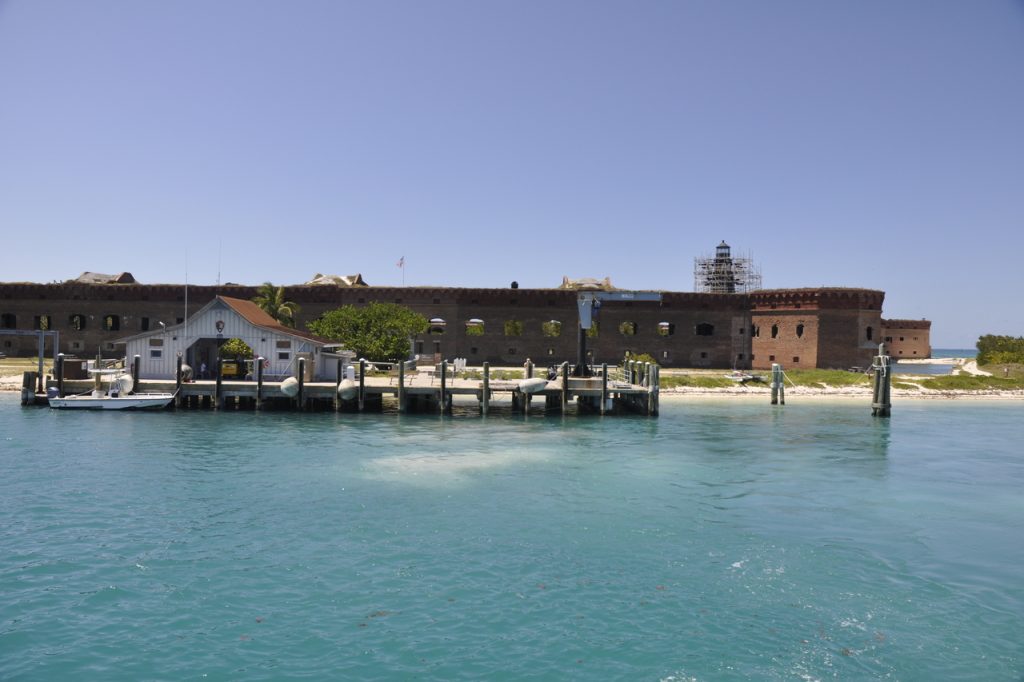
Seventy miles west of Key West, Fort Jefferson occupies a remote coral island, its massive hexagonal brick walls encircled by turquoise water and living reef. Built in the 19th century yet never fully finished, the fort once housed prisoners and guarded Gulf shipping lanes, then faded into quiet isolation. Today visitors arrive by boat or seaplane, wandering echoing corridors, grassy parade grounds, and sea facing bastions where pelicans glide past, discovering a coastal citadel as striking as any mountain monument.?
7. Chaco Culture National Historical Park, New Mexico

Deep in the high desert of northwestern New Mexico, Chaco Canyon shelters the ruins of monumental great houses built by ancestral Puebloans between 850 and 1250. Multi story masonry complexes like Pueblo Bonito feature thousands of rooms, formal plazas, and precise alignments with solar and lunar cycles, turning architecture into an instrument for tracking the sky. The long, rough approach road filters visitors, so stargazing nights, sunrise walks, and hushed kivas feel worlds away from the bus filled lots of more famous parks.?
8. Coral Castle, Florida

On the edge of Homestead, Florida, Coral Castle hides behind a modest roadside entrance, revealing a hand carved limestone fantasy once inside. Built almost entirely by one man, Edward Leedskalnin, between 1923 and 1951, the site features huge stone chairs, a crescent moon, and a perfectly balanced nine ton gate that originally swung with a fingertip. Legends swirl about how he moved and set each block, inspiring comparisons to ancient megaliths and giving this intimate sculpture park an aura that rivals far larger monuments.?
9. Painted Hills, Oregon

Part of Oregon’s John Day Fossil Beds, the Painted Hills roll across the high desert in gentle waves tinted red, gold, and black by ancient volcanic ash and shifting climates. Boardwalks and short trails weave between overlooks where striated slopes seem to glow differently with each change in light or passing cloud. Fossils preserved nearby chronicle millions of years of evolving ecosystems, turning the softly contoured landscape into a natural time capsule that rivals sculpted stone for storytelling power.?
10. Mount Greylock, Massachusetts

The highest point in Massachusetts, Mount Greylock rises 3,489 feet above the Berkshires, its summit crowned by a 93 foot Veterans War Memorial Tower completed in 1933. On clear days, visitors can reportedly see up to five states from its observation deck, the surrounding ridgelines fading blue into the distance. Writers like Henry David Thoreau and Herman Melville drew inspiration from Greylock’s misty forests and sweeping views, making this quiet peak a literary and contemplative counterpart to more overtly political monuments.?
11. Jewel Cave National Monument, South Dakota

Hidden beneath ponderosa hills southwest of Mount Rushmore, Jewel Cave is one of the longest cave systems in the world, with over 200 miles of mapped passages. Its calcite crystals, draperies, and fragile formations shimmer under lantern and LED tours, revealing an underground world that feels as carefully sculpted as any stone facade. Ranger-led walks limit group sizes and noise, so the sound of dripping water and footsteps on metal stairs replaces the chatter common at many marquee attractions.?
12. Canyon de Chelly National Monument, Arizona
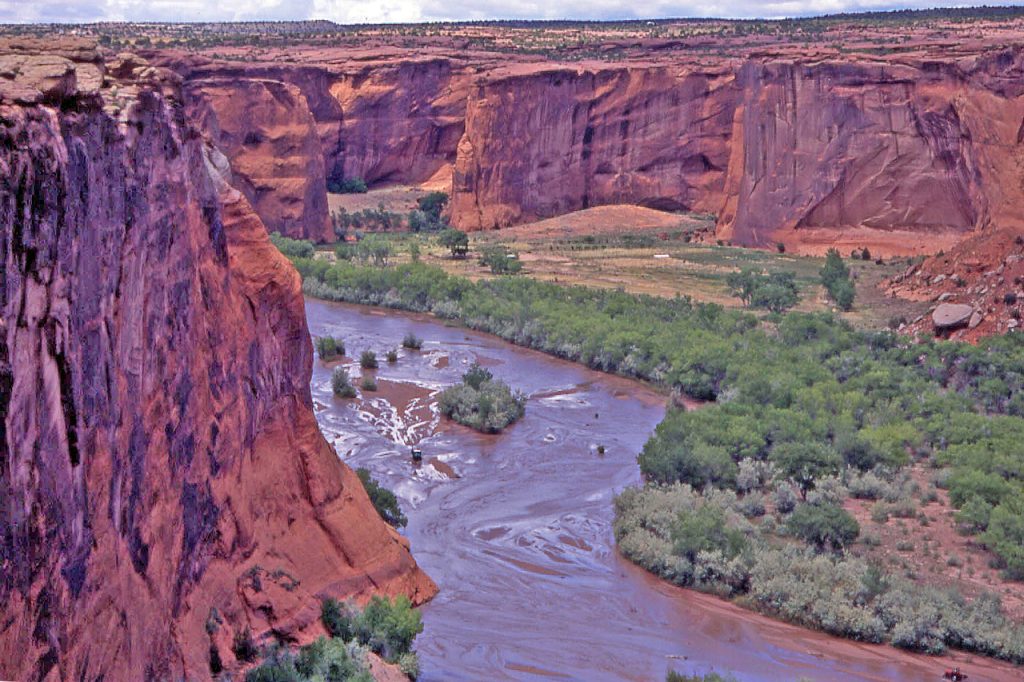
Located within the Navajo Nation, Canyon de Chelly combines towering sandstone walls, ancient cliff dwellings, and actively farmed valley floors into one living cultural landscape. Spider Rock, a dramatic 800 foot spire at the canyon’s confluence, rises like a natural obelisk associated with Diné stories of Spider Woman. Overlooks along the rim offer big sky vistas, while authorized Navajo guides can lead visitors along the canyon floor, blending geology, history, and present day tradition in a way few monuments match.?
13. Governors Island, New York
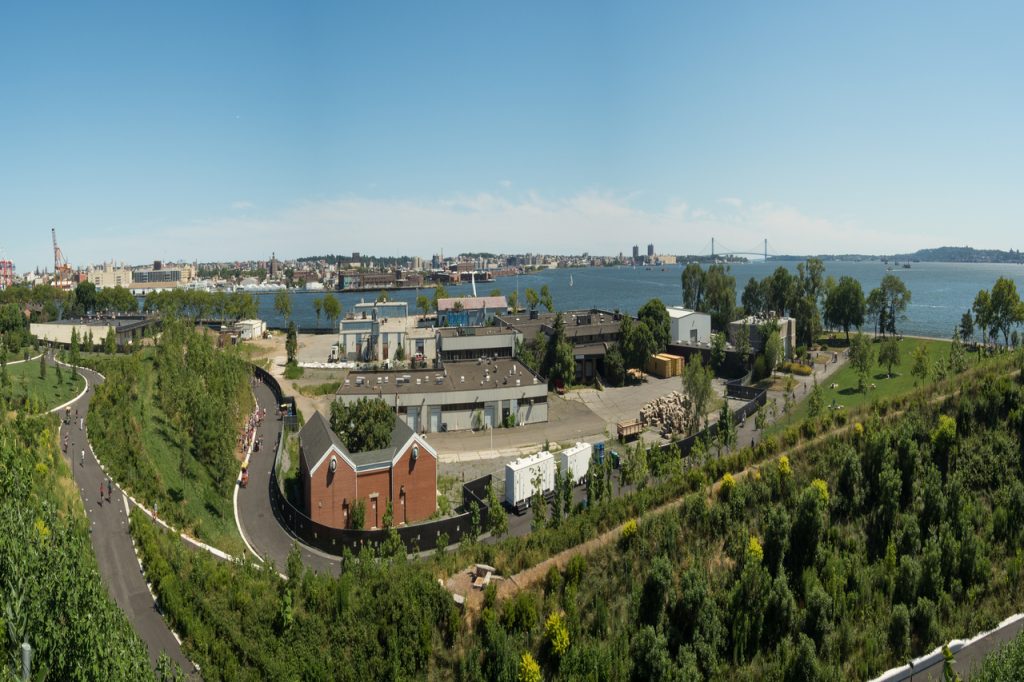
Just a short ferry ride from Lower Manhattan, Governors Island transforms from military outpost to green urban escape, its historic forts framed by skyline and harbor views. Brick ramparts, old officers’ quarters, and grassy ramparts share space with public art, hammocks, and car free bike paths that circle the shore. From certain angles, the Statue of Liberty and skyscrapers rise beyond the island’s lawns, creating a layered panorama where understated historic structures quietly rival the city’s most famous landmarks.