13 Trips That Feel More Like Managing Life Somewhere Else
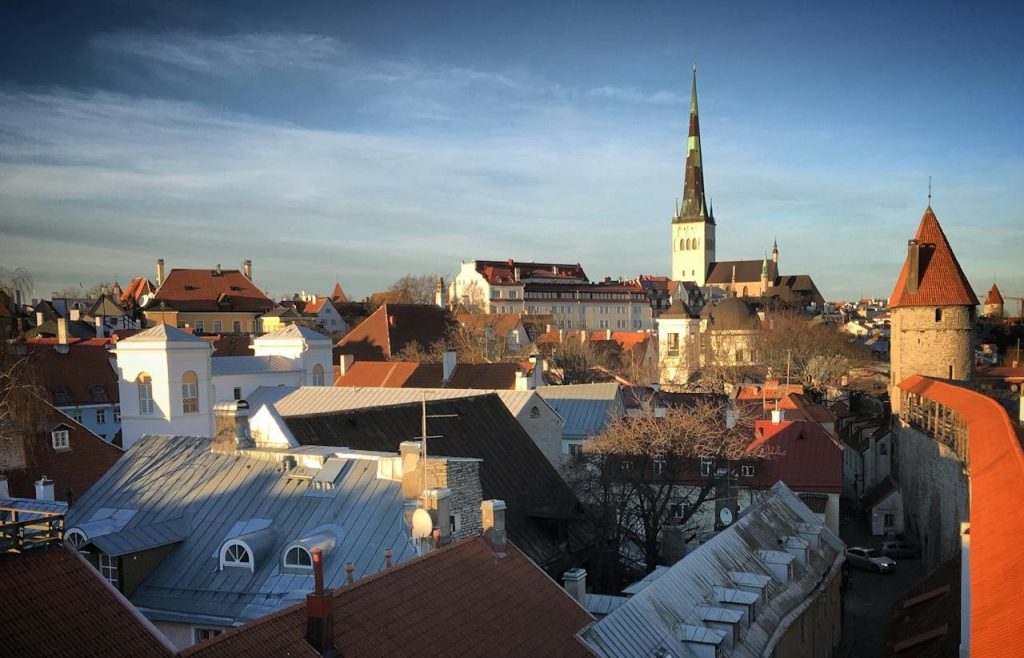
Some trips stop behaving like vacations and start feeling like a temporary move. Days fill with grocery runs, transit cards, laundry timing, and small rules that locals follow without thinking. Instead of chasing highlights, travelers learn which café stays quiet at 9 a.m., where to buy fruit, and how long it really takes to cross town. These destinations reward that mindset. They make routine feel interesting, and they leave room for work, walks, and evenings that end early enough to feel rested.
Lisbon, Portugal
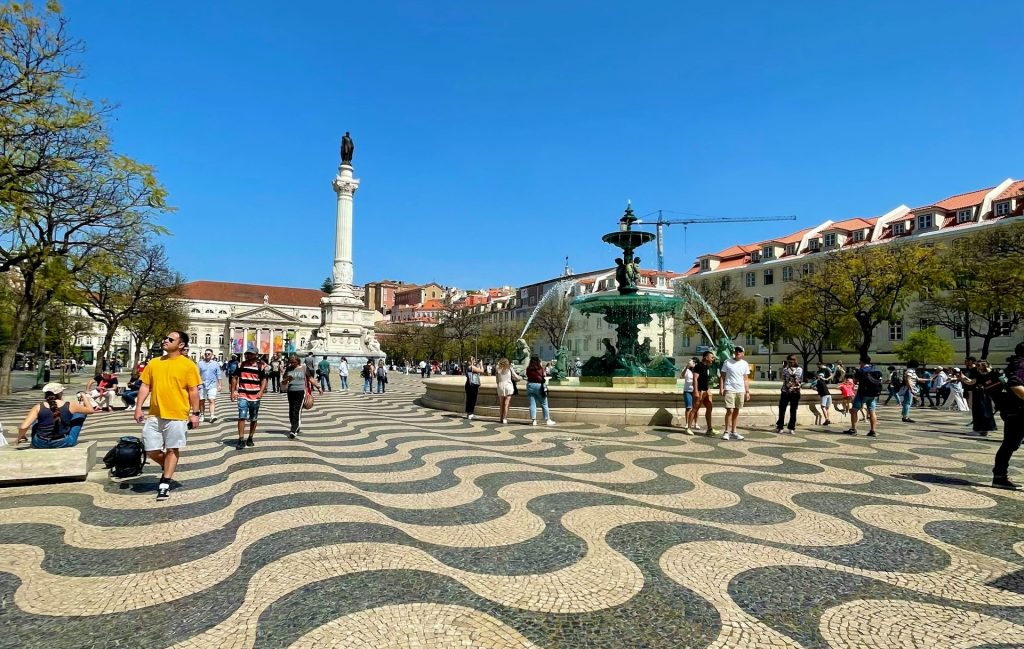
Lisbon turns a getaway into gentle logistics. A Viva Viagem card gets topped up, hill climbs get timed, and a dependable pastelaria becomes the 9 a.m. anchor before tram lines thicken. Apartment living makes habits feel real: produce from a neighborhood market, detergent from a corner shop, a laundry drop-off picked for speed, and a quick check of sunset time so a miradouro visit lands before the light fades. The city rewards calm routing with quiet lanes behind Graça, breezy river walks, and dinners in small tascas where the table is not rushed, and where a short loop home feels familiar by day three.
Mexico City, Mexico

Mexico City rewards people who settle in and respect its scale. Neighborhood life becomes the point: choosing a mercado for fruit, finding a café that stays steady for focused hours, and accepting that travel time matters as much as distance when plans cross Roma, Polanco, and Coyoacán. Altitude and traffic shape the rhythm, so errands get grouped, afternoons lean on Chapultepec’s shade and museums, and evenings stretch into long dinners where reservations matter less than timing, leaving the day feeling managed, not chased, with a small ride-share budget and a simple map pin system that keeps plans realistic.
Chiang Mai, Thailand

Chiang Mai turns travel into a steady routine built around comfort and focus. Breakfast spots and shaded cafés become repeat stops, temples and markets sit close enough for slow loops, and practical tasks, like laundry drop-offs and cash breaks, slide into the day without friction. Heat and sudden rains set the clock, so midday becomes a quieter indoor window, and evenings land at food stalls where dinner is simple, filling, and unhurried, leaving enough space for reading, short errands, and early nights that actually feel restorative. Weekend walking streets add color, but the schedule stays calm.
Tokyo, Japan
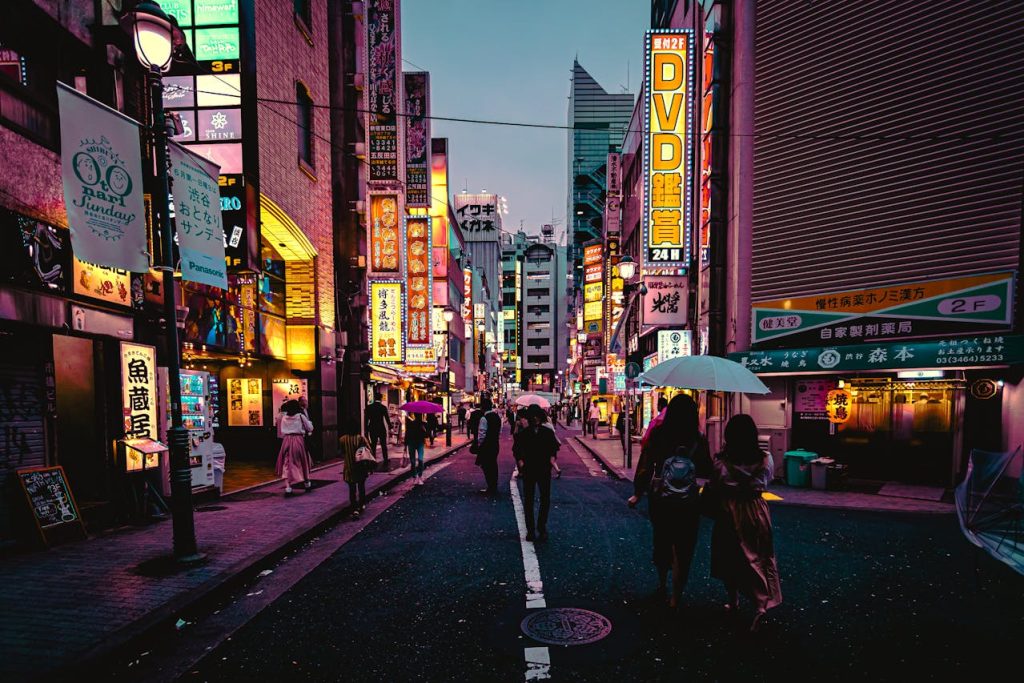
Tokyo makes daily systems feel like part of the scenery. Travelers learn the logic of IC cards, platform etiquette, and the quiet choreography of convenience stores, where lunch, umbrellas, and batteries get solved in minutes. Apartment life adds small routines, like sorting recycling, timing trash days, and choosing one supermarket aisle that becomes familiar, while dense hubs stay manageable by treating them as brief crossings, not all-day bases. The trade-off is rules and sensory density, but the payoff is reliability that turns errands into smooth rituals and leaves evenings free for a slow walk through neighborhood streets.
Copenhagen, Denmark
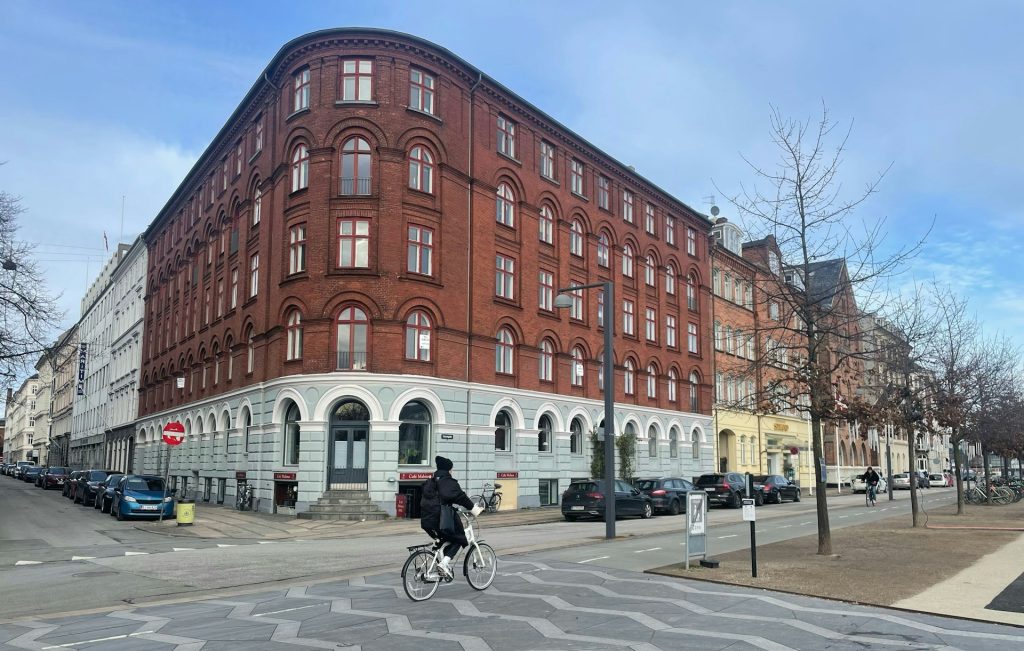
Copenhagen feels like living well on purpose, and it does not hide the price tag. Bike lanes, grocery totals, and early closing hours push evenings toward home cooking or a reservation, while weather and light steer plans to harbor walks, parks, and warm bakeries. A transit pass and a rented bicycle turn errands into short commutes, and daily comfort comes from small decisions: a reliable café for work blocks, a swim window when conditions allow, and a quiet neighborhood meal that ends early enough to sleep well. Budgeting is the trade-off, but calm is the return even in winter’s short daylight.
Melbourne, Australia
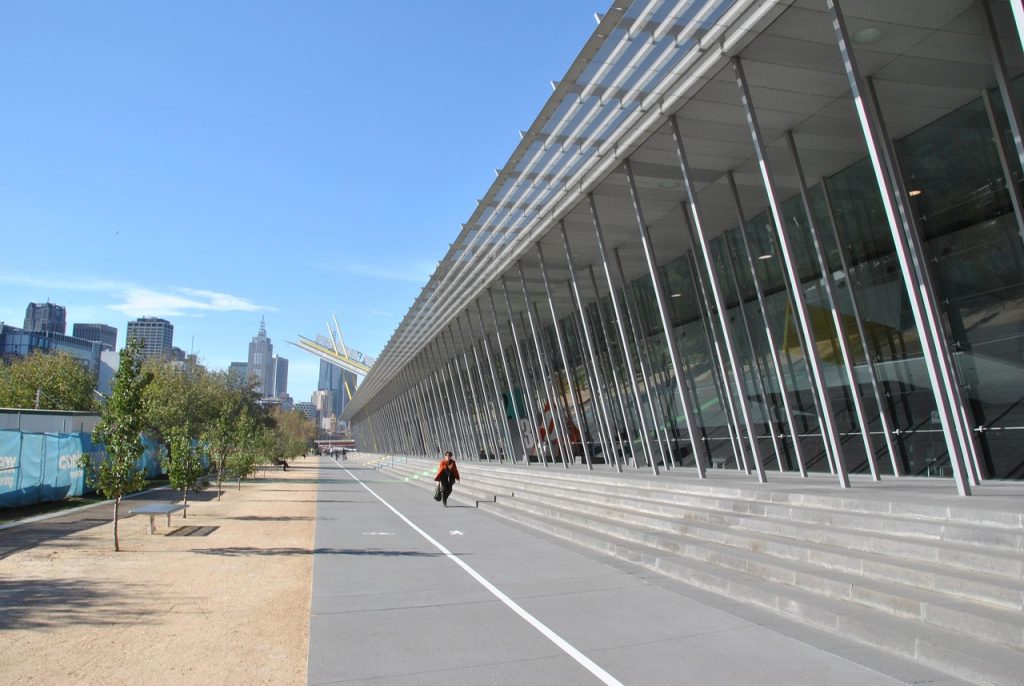
Melbourne excels at the kind of trip where routine is the reward. Travelers settle into tram routes, coffee preferences, and neighborhood loops in places like Fitzroy or South Yarra, where markets, galleries, bookstores, and corner pubs fit into the same afternoon without urgency. Weather flips quickly, so errands pair naturally with indoor stops, from museums to laneway lunches, and a good brunch becomes a weekly anchor instead of a one-time event. The trade-off is less predictable beach time, but the payoff is a city that supports work sessions, long meals, and evenings that feel unforced and easy.
Buenos Aires, Argentina
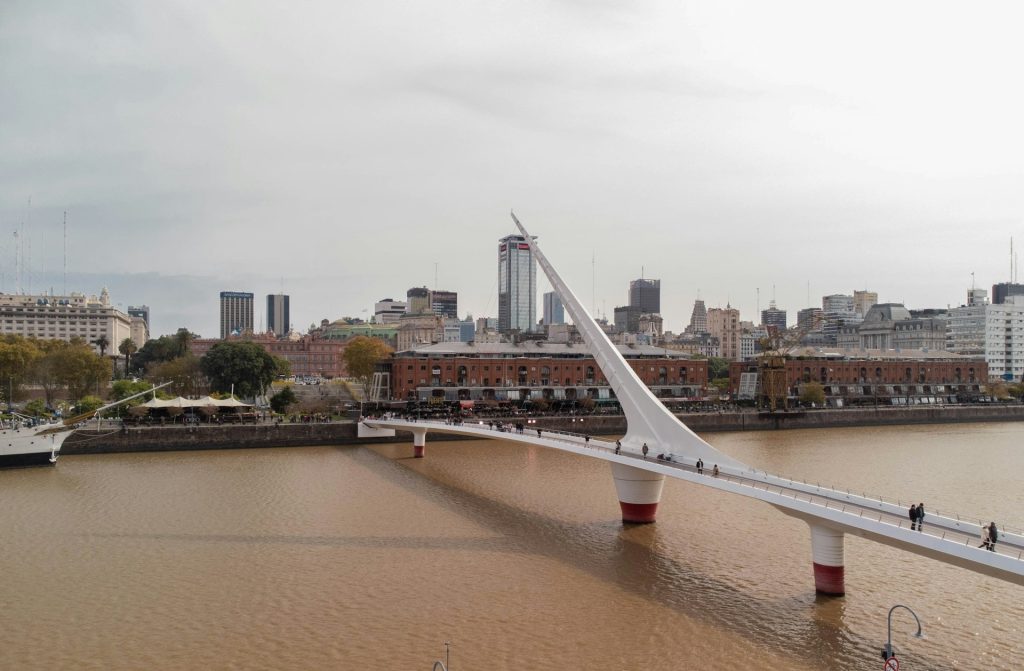
Buenos Aires turns travel into everyday management through its late schedule and strong neighborhood identities. Days revolve around kioscos for basics, cafés for long pauses, and walks that get planned around wide avenues, park routes, and the timing of dinner, which often starts later than newcomers expect. Practical details matter, from payment habits to which subway lines feel simplest, and weekends tilt toward plazas, book markets, and relaxed people-watching. The trade-off is patience with timing, but the reward is a city that gives it back in music, conversation, and nights that feel social without feeling rushed.
Montreal, Canada
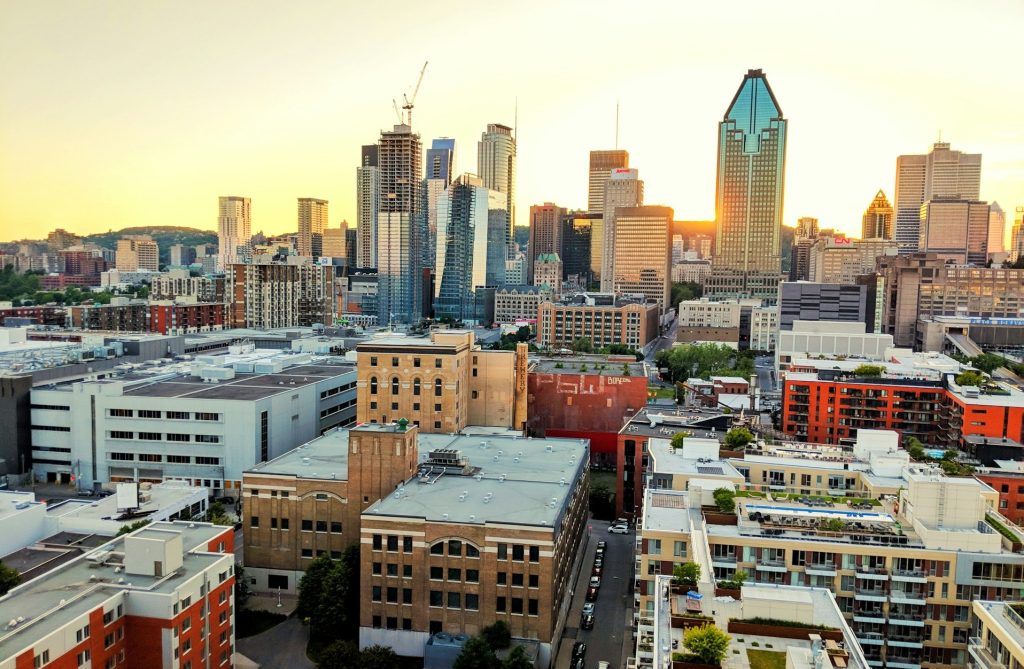
Montreal feels lived-in first, which makes routine-style travel easy. A week fills with practical habits: stocking a fridge at a neighborhood marché, learning the Metro map, and picking a bakery that becomes the morning anchor, plus a dependable dépanneur for late basics and a bagel stop that never needs hype. French and English sit side by side, so greetings and menus become daily practice, and the city’s blocks reward long walks with murals, small parks, and music drifting from doorways. Winter demands real layering, but cafés and festival lights keep the mood warm. Even short errands feel like part of the story.
Vienna, Austria
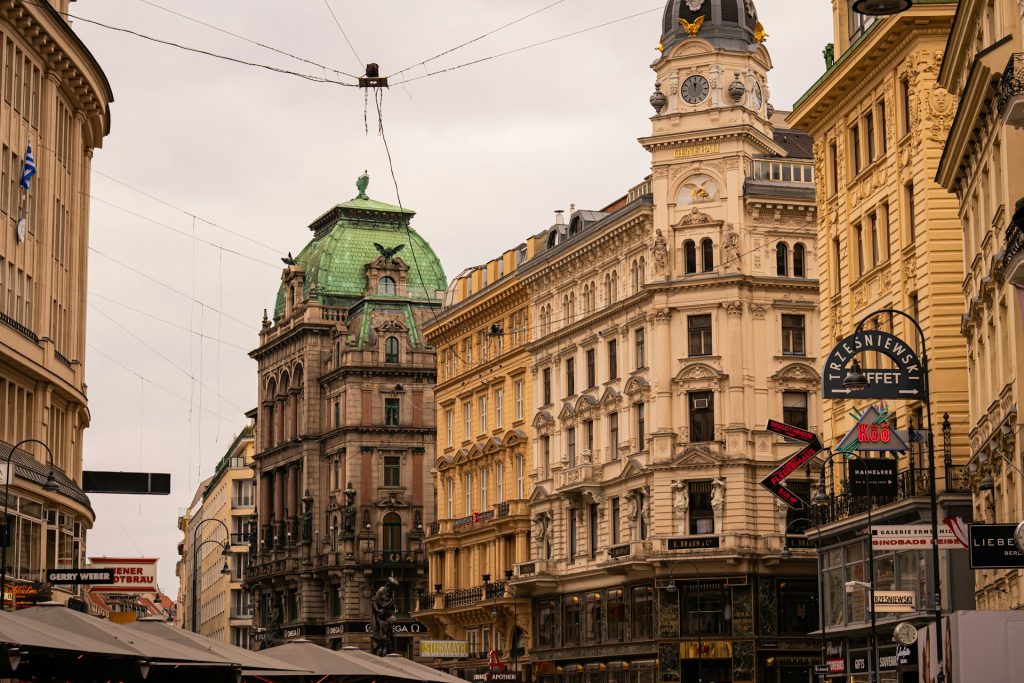
Vienna makes everyday structure visible, and that clarity can feel calming. Supermarkets close earlier than many expect, Sundays run quietly, and transit lines turn errands into precise loops, with building etiquette that favors low noise and orderly entrances. The day naturally includes parks like the Prater for steady walks, coffeehouses that welcome lingering, and museums that reward advance planning without forcing a sprint. The trade-off is formality and a slower tempo, but the payoff is a city where routine feels polished, and time stretches enough for pastries, music, and an unhurried evening stroll.
Taipei, Taiwan
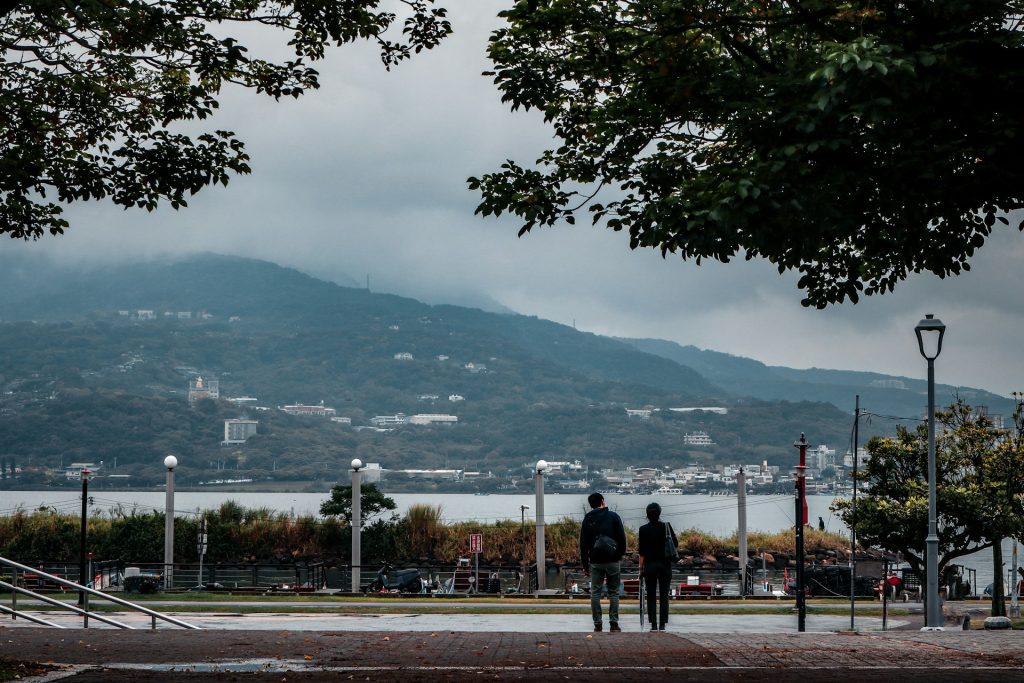
Taipei is built for trips that run on small, efficient choices. One transit card covers trains and buses, and daily life becomes a clean sequence: a morning market for fruit, a pharmacy stop, noodles for lunch, then a museum or a hill trail before the city warms up. Night markets handle dinner without demanding a plan, and apartment stays add rhythms around recycling, rain bursts, and when streets swell after work. Humidity and sudden showers are the trade-off, but the reward is comfort, great food, and a city where errands and gentle adventure fit inside the same day with very little friction.
Tallinn, Estonia
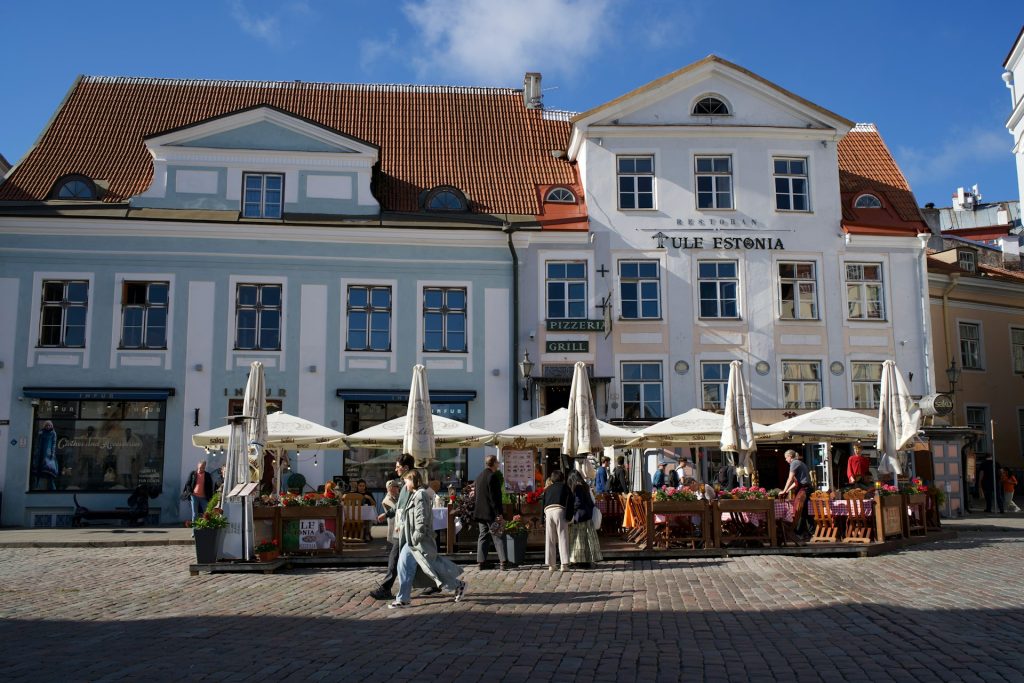
Tallinn makes it easy to slip into a temporary life because the city is compact and quietly practical. Days move from medieval streets to residential blocks where supermarkets, cafés, and trams keep routines simple, and digital tickets reduce the minor hassles that can drain energy. The trade-off is a smaller late-night scene and a winter season that can feel long, yet the reward is calm: clean air, cozy interiors, and a pace that supports work blocks, slow meals, and evening walks that end at the same familiar corner shop. Familiarity arrives fast, and it feels earned after only a few days of staying put.
Barcelona, Spain
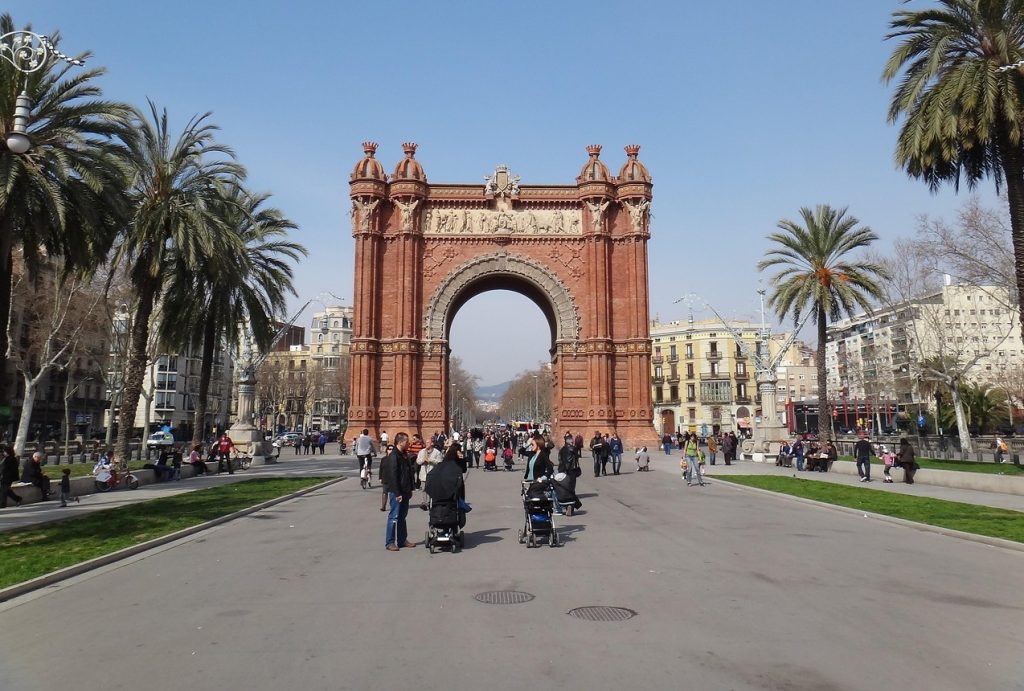
Barcelona can feel like managing life somewhere else because the city runs on strong daily rhythms. Midday heat, later meals, and predictable crowd surges make an early start and a neighborhood base more valuable than nonstop movement, especially near the waterfront and the old streets. Errands blend into pleasure: a market run, a beach walk, a short metro ride, then a long dinner where the table is not rushed, with groceries for breakfast picked up on the way home. The trade-off is crowd pressure in peak season, but the reward is a city where daily life still happens in plazas, side streets, and calm morning cafés.
Wellington, New Zealand
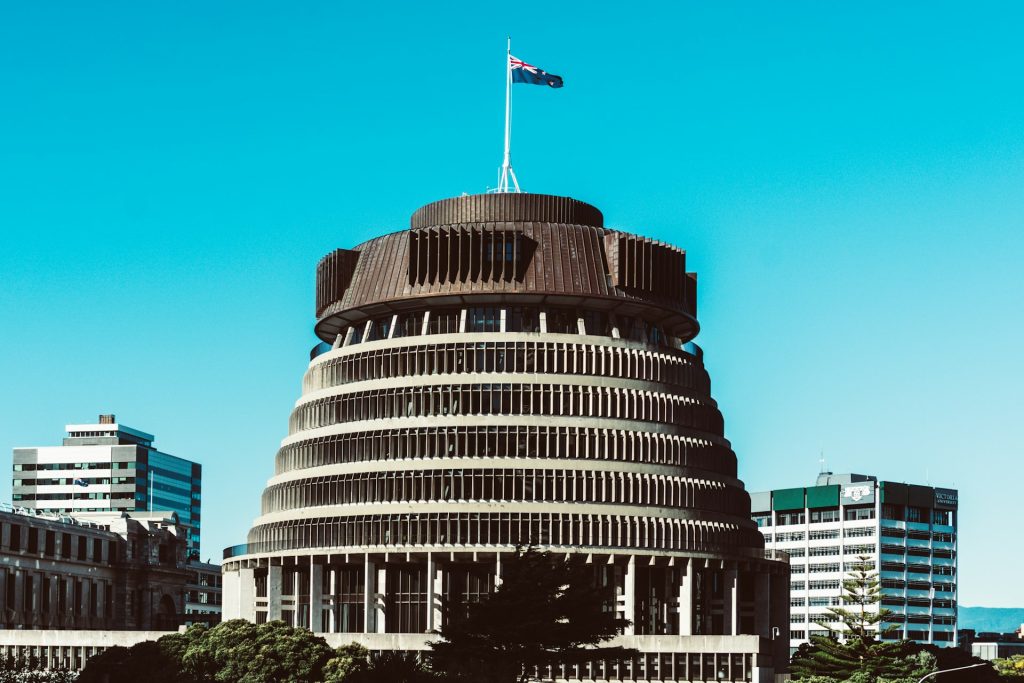
Wellington feels like a small capital where habits become the trip. A short list of cafés, walkable errands, and one reliable bus route can carry a week, while wind and quick weather shifts teach flexibility without drama and set a natural pace for harbor loops and hillside viewpoints. The compact center makes repetition easy, from a waterfront stroll to a bookstore stop and a museum hour, and evenings tend to end with soup, craft beer, or a film rather than late-night chasing. The trade-off is plans bending to the breeze and ferry timing, but the reward is a city that feels creative, manageable, and genuinely restful.