13 US Destination That Feel Pointless Once Crime Warnings Start Adding Up
Crime warnings can change a getaway before the suitcase is even zipped. When advisories stack up, planning stops being about museums, beaches, and long dinners and becomes a loop of route checks, ride apps, and conservative timing. Some cities still work with neighborhood know-how and daylight habits. Others offer too little freedom for the cost, because safe transportation, guarded entryways, and constant caution quietly eat the budget. The trips below tend to tip that way, where attention stays on logistics and the best move is a calm pivot before money, energy, and mood are spent. Convenience disappears, then regret follows.
All-Night Party District Weekend
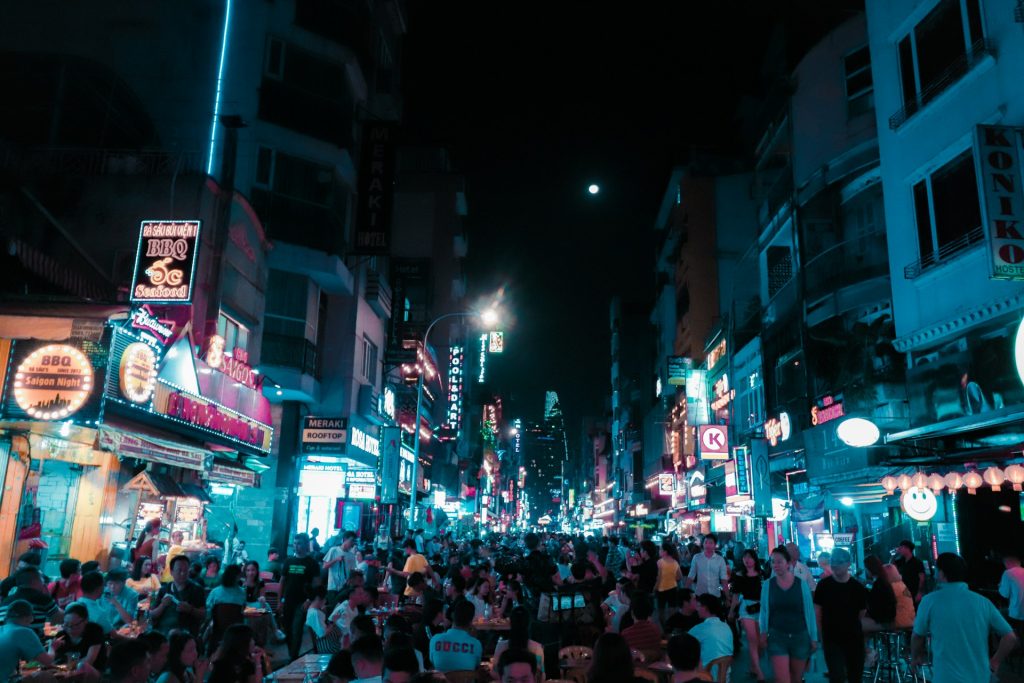
Trips built around late-night party districts lose their point when warnings keep piling up. What should be a loose drift between bars, food carts, and live music turns into a tight loop: hotel door, two vetted venues, then a ride back before streets thin out. Costs climb through car services and cover charges, while phones stay out for coordination and become one more thing to guard. By night two, the group is managing movement, not enjoying it, and the destination’s famous energy feels fenced in. The best stories end up being about close calls avoided, not memories made, and the morning arrives with fatigue instead of glow.
Budget Hostel Hop With Shared Dorms

A budget hostel hop works when the mind can stay light and the days are built on walking. When theft advisories grow louder, even friendly dorms feel tense. Bags get chained, cards get split into backup piles, and every cafe stop includes a headcount of chargers, passports, and phones. Late check-ins stop feeling fun, and taxis replace short strolls, quietly erasing the savings. After a night of shallow sleep and constant locker math, the trip’s social spark dims, and the next city feels like another problem to manage. The bargain evaporates once a private room upgrade becomes the only way to relax.
Street-Food Night Crawl
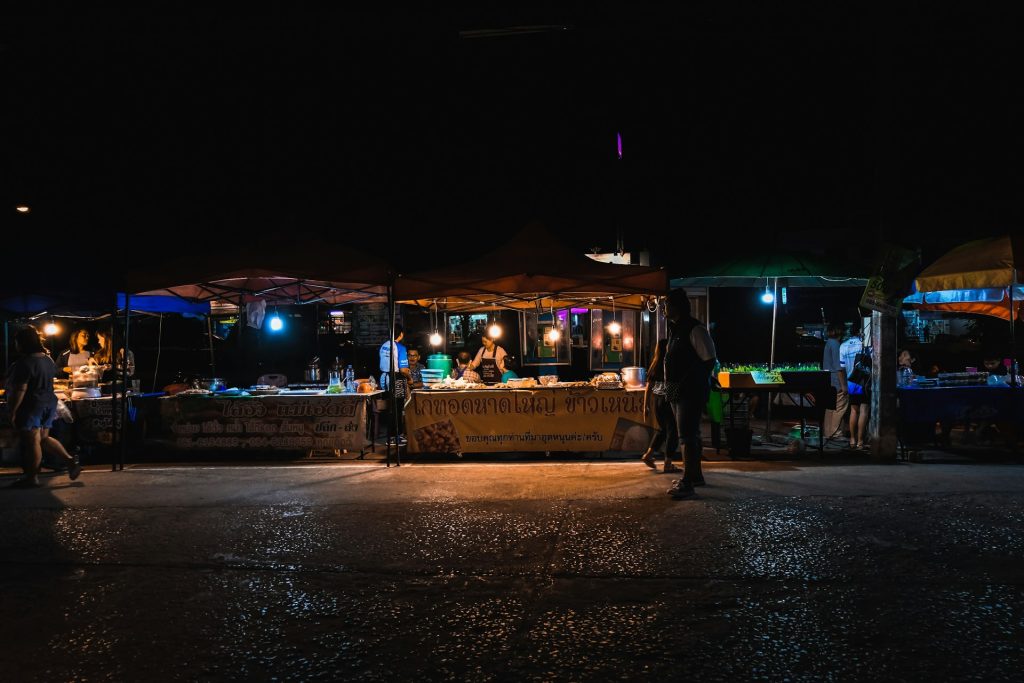
A street-food night crawl depends on wandering, lingering, and following the best line, even if it’s down an unplanned block. When warnings focus on crowded markets and late hours, the crawl turns into a checklist of bright streets and quick exits. Rides replace walking between bites, prices rise in the safest zones, and the menu narrows because the best stalls are no longer worth the detour. Instead of tasting the city, attention stays on bags, pockets, and where the next car can pull over. The night ends early, and the memory is logistics, not flavor. Even the small talk with vendors gets rushed, which is half the charm.
Cash-Heavy Market Bargain Day
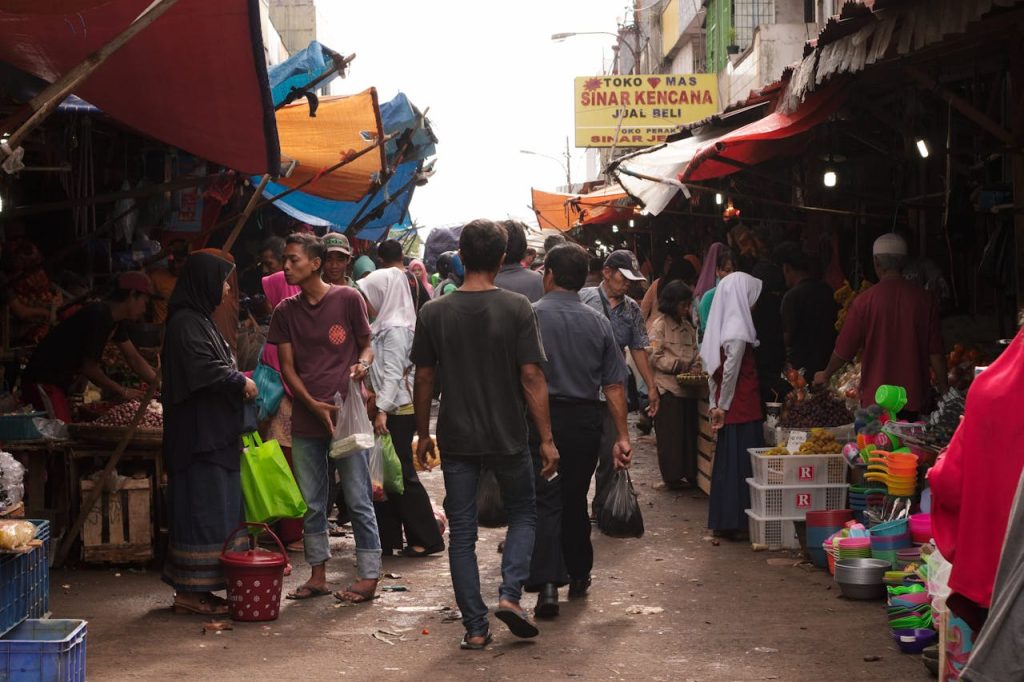
A market-and-bargain trip is supposed to feel slow and playful, with time to compare, chat, and carry small finds through busy lanes. When warnings emphasize pickpocketing and scams, cash feels heavy in every pocket. ATM stops become strategic, purchases get hidden fast, and crowded aisles stop feeling festive. The day turns into short shopping bursts followed by quick retreats to stash items, plus extra paid rides that replace simple walks. By afternoon, the traveler has spent more on staying comfortable than on souvenirs, and bargaining feels like pressure. That is a lot of effort for a bag of items that could have been ordered later.
DIY Rental Car In Unfamiliar Districts
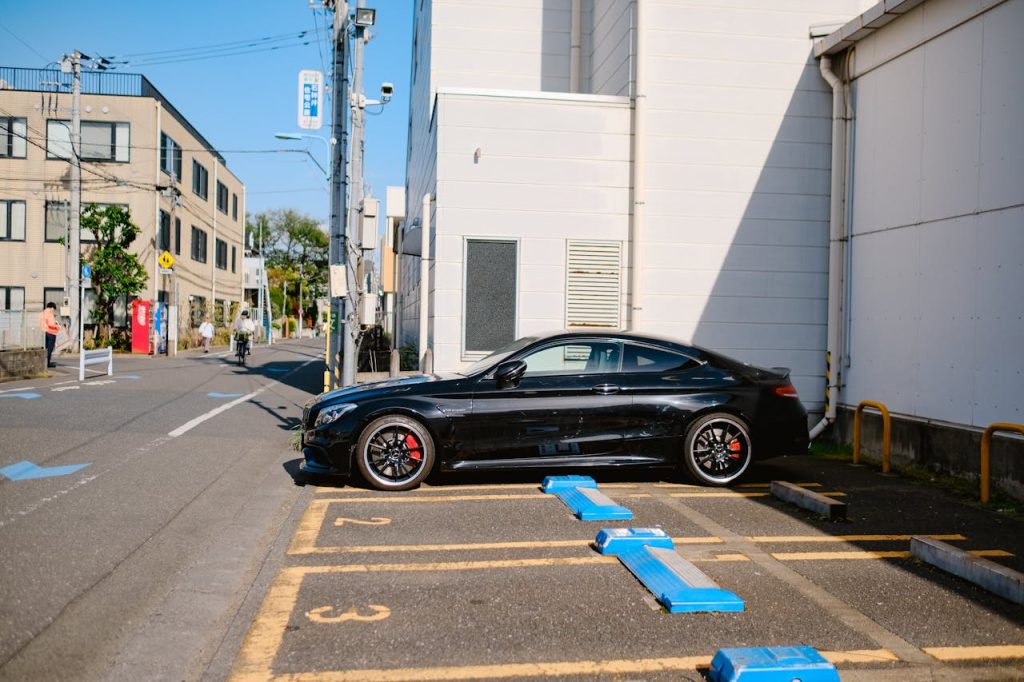
A do-it-yourself rental car trip can feel liberating until repeated break-in warnings turn every stop into a calculation. Parking becomes the headline: lots with guards cost more, street spots feel rushed, and luggage cannot be left in the car, even for coffee. The route shrinks to major highways and daylight hours, because detours and late returns feel less wise. What was meant to be backroad discovery turns into toll receipts and strict timing, with the driver scanning mirrors instead of scenery. The trip starts to resemble cautious commuting through beauty. Even viewpoints get skipped because safe parking is too far or too uncertain.
Solo Night Bus Between Cities
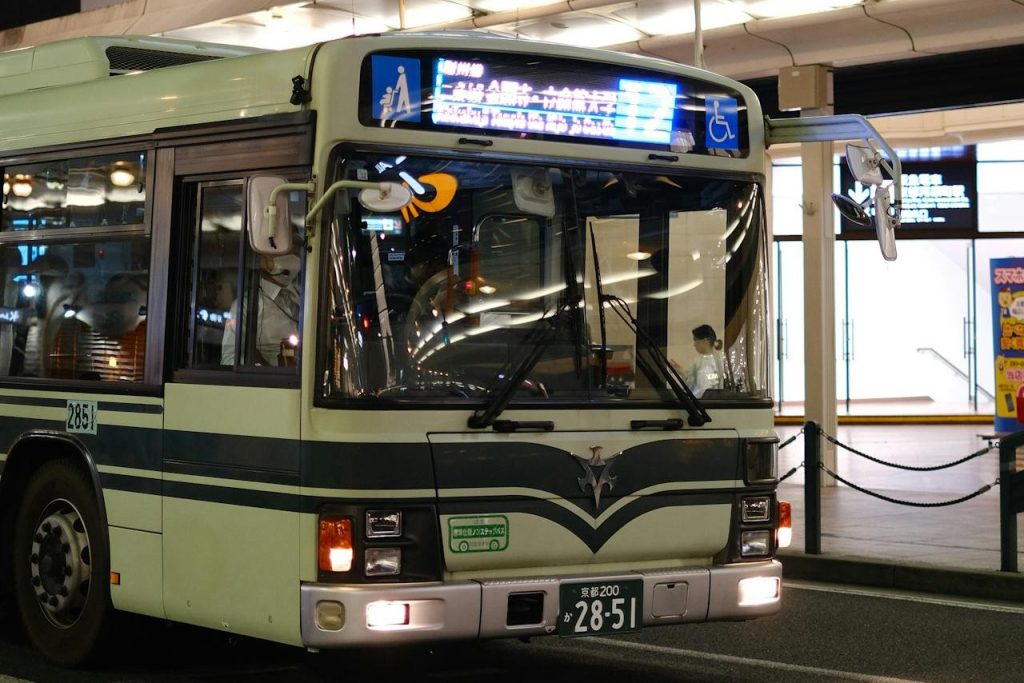
A solo night bus is meant to save money and deliver a fresh morning, but stacked warnings can make the ride feel like a long vigil. Stations late at night may be poorly organized, bags get handled often, and sleep stays shallow because awareness never switches off. Rest stops feel rushed, and charging a phone becomes a small battle. Arriving exhausted turns day one into recovery, not exploration, and once a hotel night and a daytime transfer replace the bus, the savings disappear. What remains is fatigue and the sense that the hardest part of the trip was the transport. A daytime train costs more but often buys back the mood.
Walking-Only Old Town Weekend
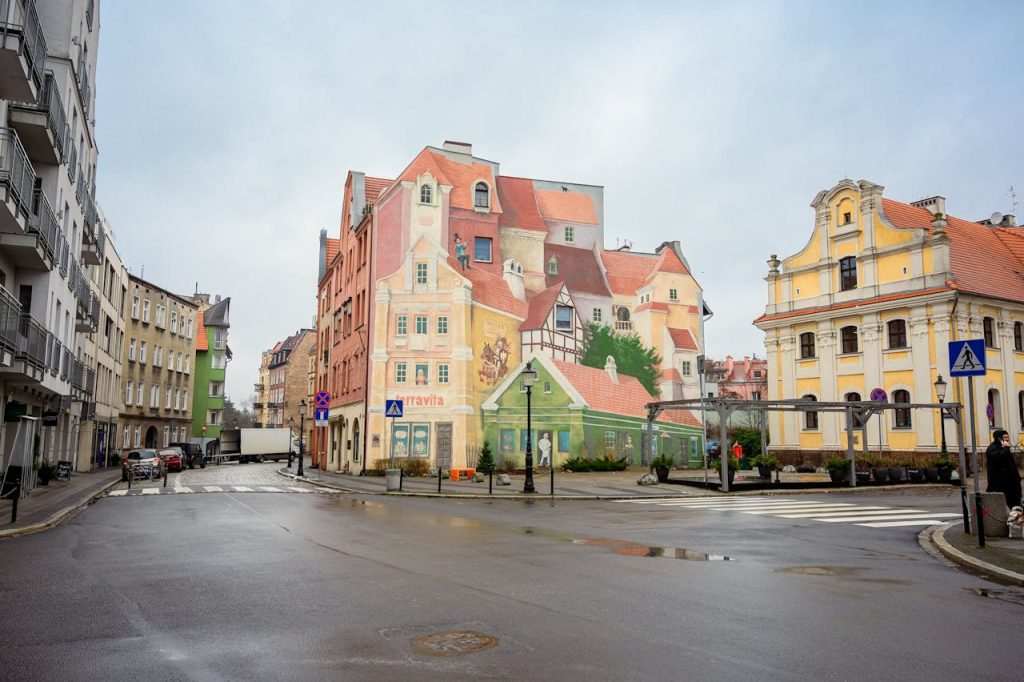
Historic old towns pay off when the days are built on slow wandering, small alleys, and unplanned cafes. When warnings stress pickpocketing in tourist zones, that charm narrows fast. Walks get replaced by short rides, the route hugs main squares, and the quiet lanes that hold courtyards and craft shops get skipped. Evenings tighten into early dinners and direct returns, because the simplest path feels safest. Museums may still shine, but the connective tissue of the trip, the walk between moments, gets cut, and the stay starts to feel more like transit than discovery. It is paying for atmosphere while avoiding the streets that create it.
Late-Night Airport Transfer Arrival
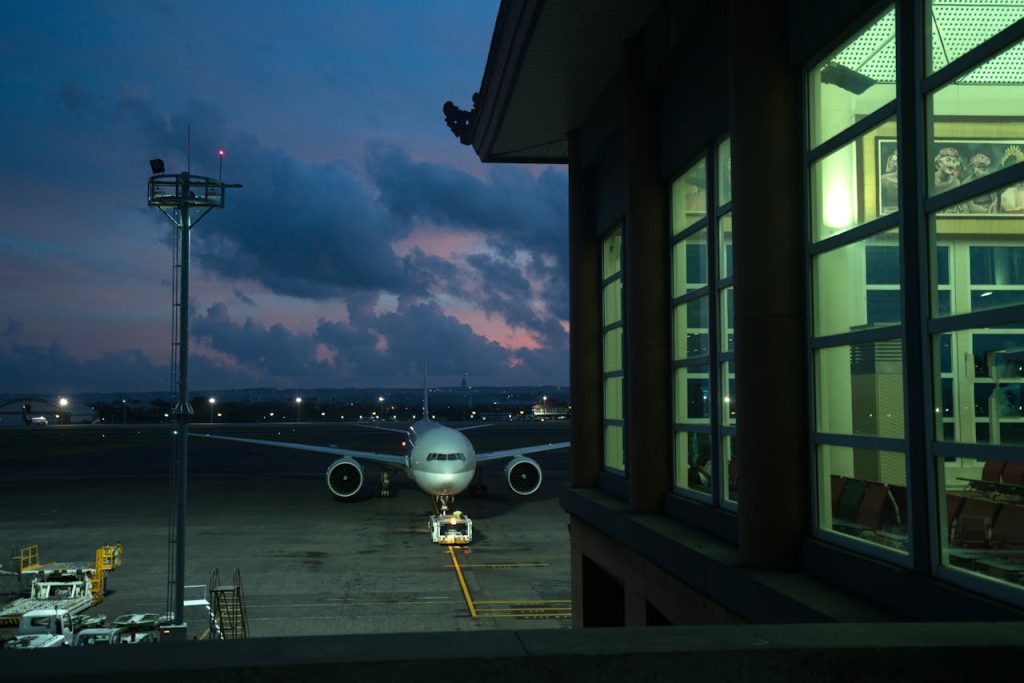
A trip that lands near midnight can feel fine until repeated warnings make the airport-to-hotel transfer the main stress point. Instead of a simple taxi line, arrival becomes a chain of verification: prebooked driver, plate match, and a careful walk to the pickup zone. Extra fees buy peace, but they also signal how fragile the situation feels. The first night turns into a sprint to a locked lobby, and sleep arrives late. When the same anxiety returns on departure, the whole stay feels framed by transit planning, not relaxation, even if the hotel itself is wonderful. Even a quick late dinner starts to feel like another calculation.
Festival Weekend In Overcrowded Streets

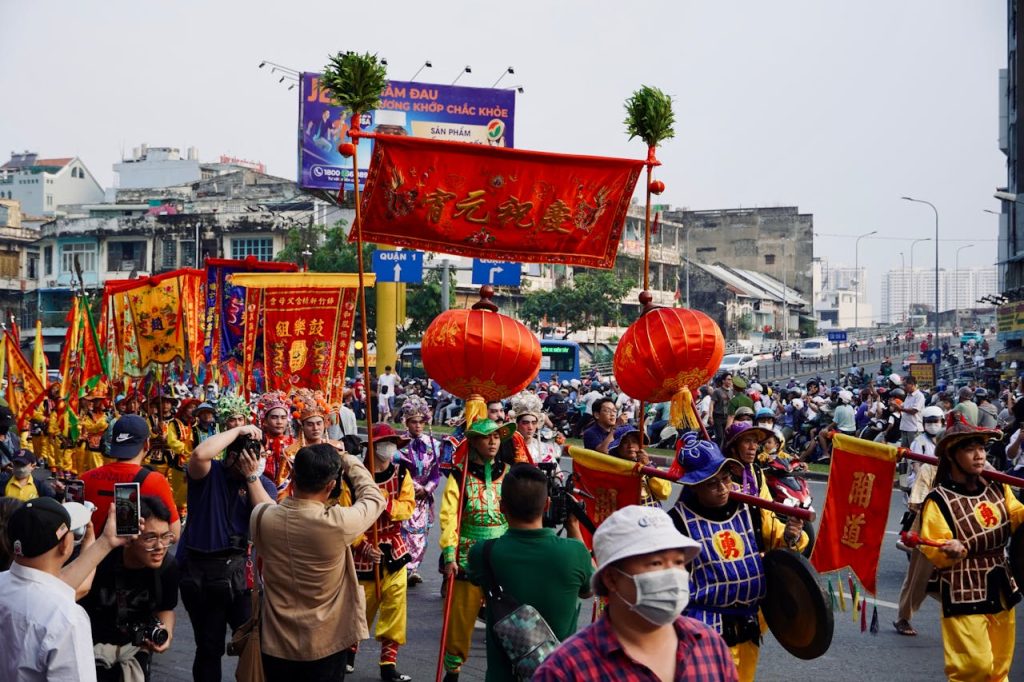
Festival weekends are built on crowds and motion, but crime warnings can turn that energy into crowd management. Instead of leaning into parades and street music, groups grip bags, avoid bottlenecks, and keep phones out for meetups, which raises stress and costs. Extra policing can help, yet it also creates long lines and new choke points that drain patience. The best parties are often the most packed, so choices narrow to safer edges. By the end, the weekend feels like standing near joy without fully joining it, despite the ticket price and the travel time that brought everyone there. It is a lot of vigilance for a few good songs.
Beach City Day Trip With Evening Return
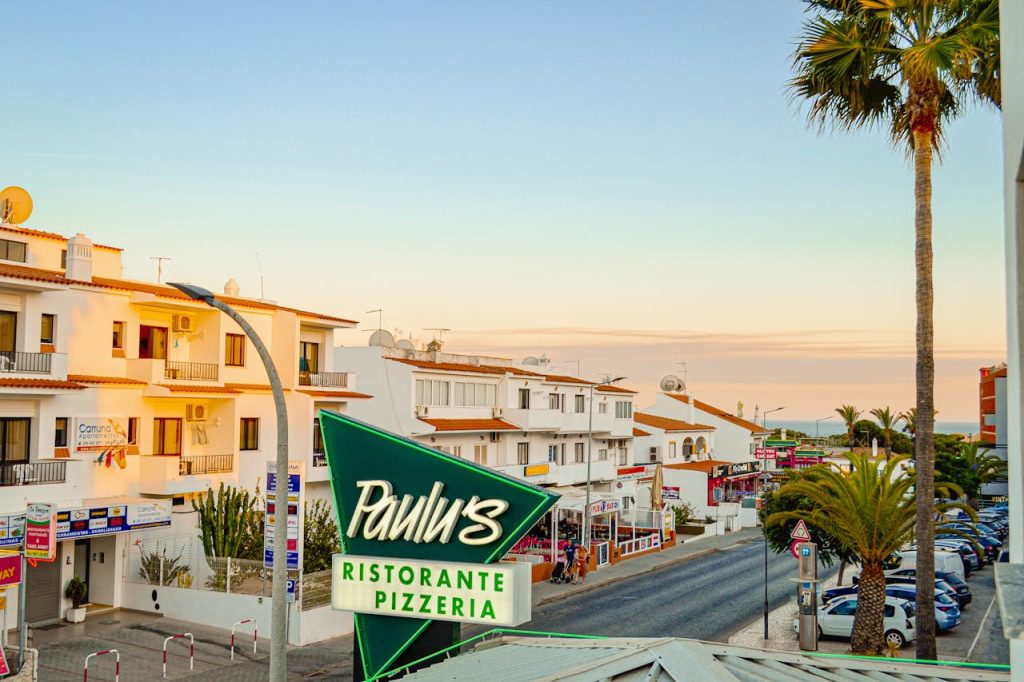
A beach city day trip should feel easy, but warnings that emphasize certain hours can compress the schedule and steal the best light. The group arrives late morning, then watches the clock, skipping waterfront walks and casual browsing in favor of direct rides between safe zones. Sunset becomes a cue to retreat, not linger, so dinner turns into a quick indoor stop instead of a slow seaside table. Costs rise through car services, and the day feels managed. The shoreline may be beautiful, yet the trip ends with the sense of paying for a coastline while avoiding the moments that usually make it glow.
Self-Guided Bar Crawl In A New City
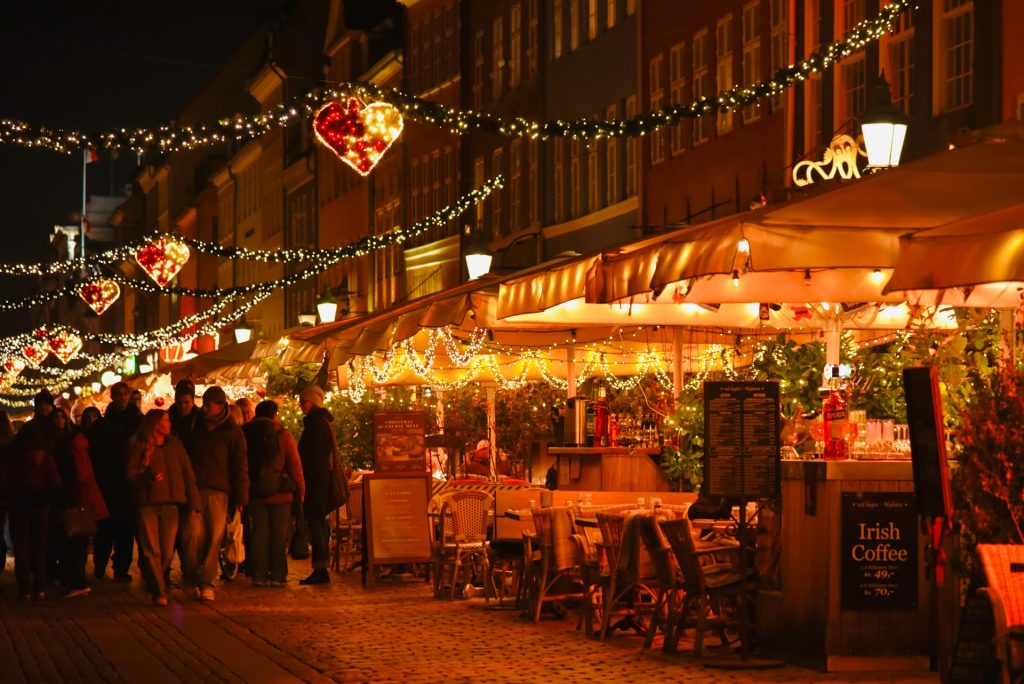
A self-guided bar crawl depends on drifting between neighborhoods and letting the night unfold. When crime warnings stack up, the crawl becomes a controlled routine: only venues with visible security, rides instead of walks, and early exits before streets quiet down. Cover charges and car services push the bill higher, while constant headcounts drain the carefree feeling. Even small choices, like where to stand or how to pay, start to feel loaded. By the end, the night feels less like learning a city’s personality and more like managing risk, which makes the effort hard to justify for one evening out.
Photo-Walk With Expensive Gear
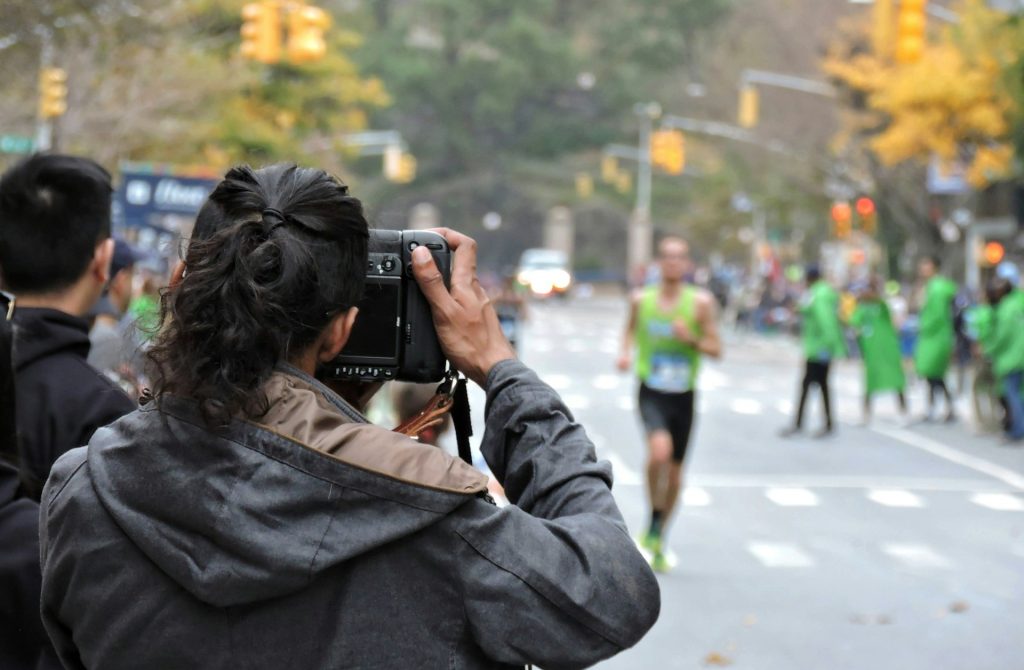
A photography trip works best when time slows down, because the best frames often require lingering and returning to the same corner twice. When warnings focus on snatch-and-grab theft, a camera becomes a liability, and the day tightens. Gear stays hidden, quiet streets get avoided, and lens changes feel unwise in public, so the work turns rushed. Safe routing and private drivers raise costs, and cafes become the only comfortable places to sort files. The city’s beauty is still there, but it gets captured quickly, not absorbed, leaving the creative payoff smaller than expected. The traveler returns with fewer images and less joy than planned.
Last-Minute Budget Hotel In A Cheaper District
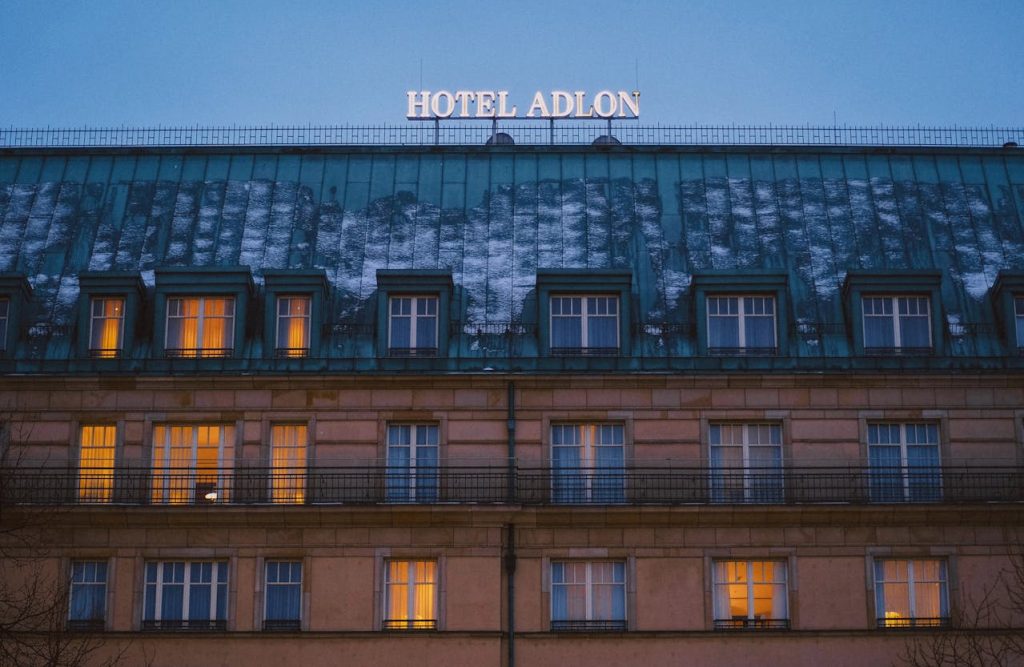
A last-minute budget hotel can look like a win until warnings about the surrounding area change the whole rhythm of the stay. Walking to meals stops feeling wise, so ride-hailing becomes mandatory, and the room turns into a place to retreat rather than recharge. Sleep can be lighter under noise and uncertainty, and mornings start with relocation searches instead of plans. Once an upgrade happens, the savings vanish, and the trip feels like paying twice, first in stress and then in money. Even with a decent room, the lack of ease can make the destination feel smaller than it really is. Evenings disappear into careful returns.