14 Desert Escapes That Few People Talk About
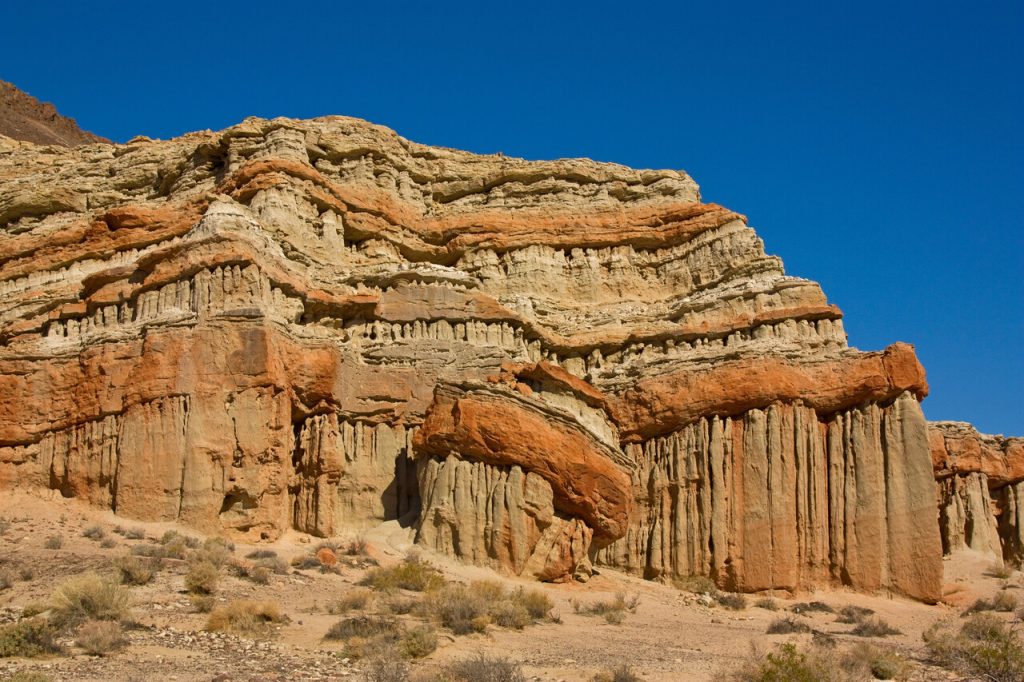
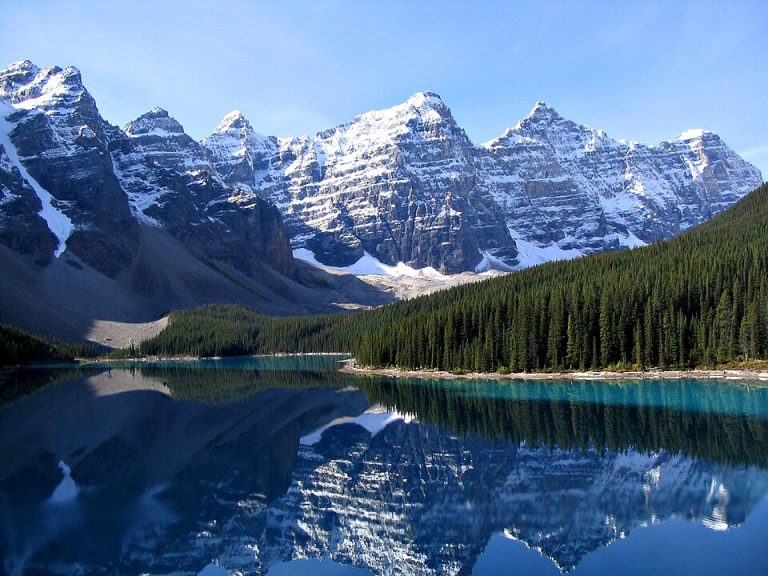
You think you know deserts, but these quiet corners feel nothing like the crowded hotspots everyone filters through. You get room to breathe, space to think, and landscapes that shift from wind-carved ridges to broad valleys that seem to hold their own slow heartbeat. Each place gives you a way to disconnect without losing the sense of discovery that makes travel feel worthwhile. You move at your own pace, take in the stillness, and follow trails that don’t feel worn down by a thousand footsteps. These escapes reward curiosity, patience, and the simple act of paying attention.
1. Anza Borrego, California
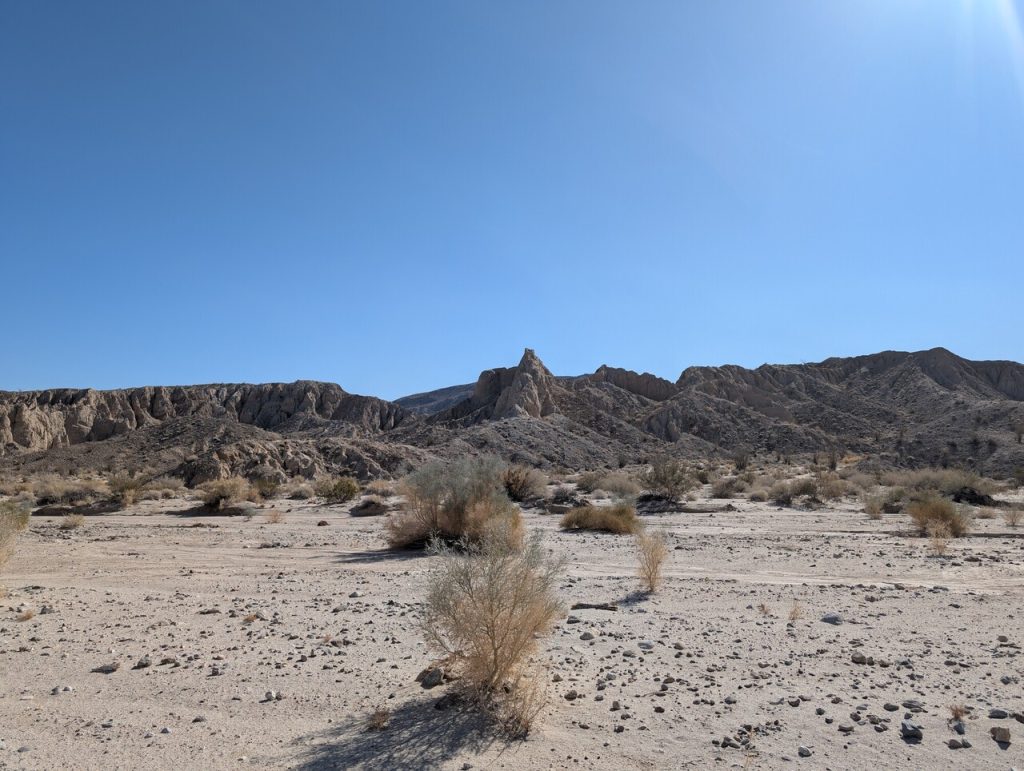
You walk through wide basins lined with rust-colored rock layers that tell the story of ancient seas and geological upheaval. Spring brings wildflowers that stretch across the desert floor, and the slot canyons let you weave through quiet passages where light lands in thin ribbons. The park’s size means you rarely feel crowded, even on popular weekends. Fossil sites, bighorn sheep habitat, and long dirt roads push you into parts of the desert most people skip. You get the sense that everything here changes slowly but noticeably, season by season. It’s a good place to wander without rushing.
2. San Rafael Swell, Utah
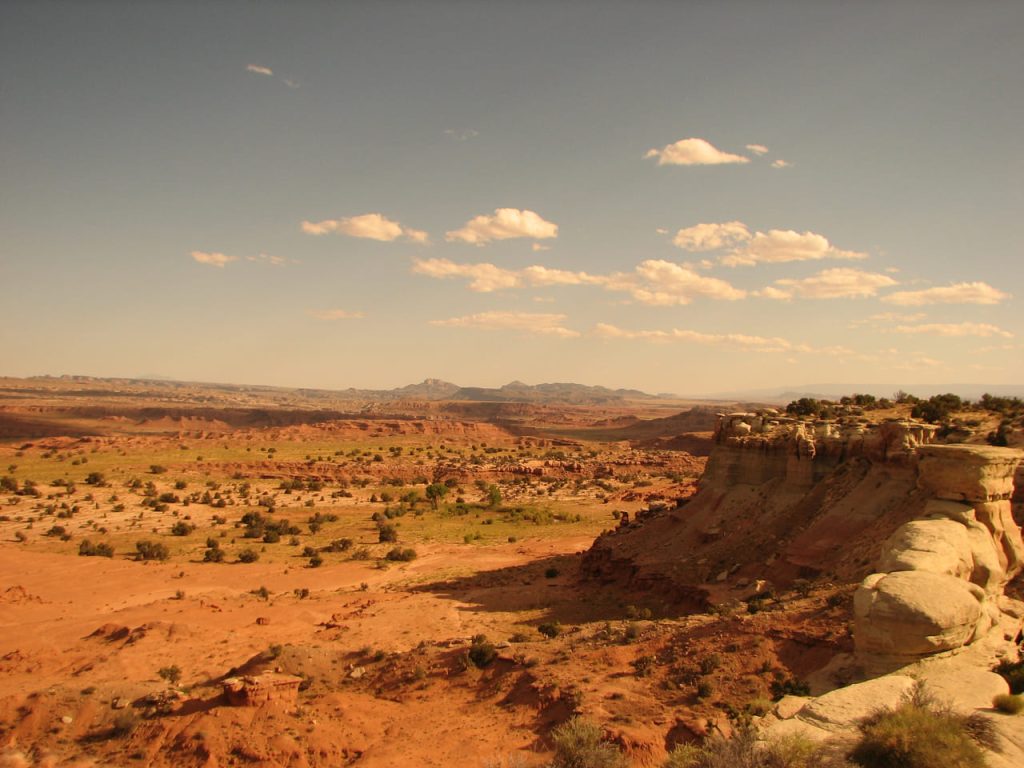
You move through a maze of cliffs, domes, and canyons that look like someone folded the land and left the creases behind. Off-pavement routes take you to viewpoints with sweeping horizons and sandstone walls stacked in impossible patterns. It’s remote enough that you hear only wind and the shifting grit under your shoes. Ancient rock art panels sit tucked into alcoves that reward careful searching. The Swell feels untouched in a way that pushes you to travel with intention, bringing water, pacing yourself, and letting the landscape set the rhythm of your day.
3. Big Bend Ranch, Texas
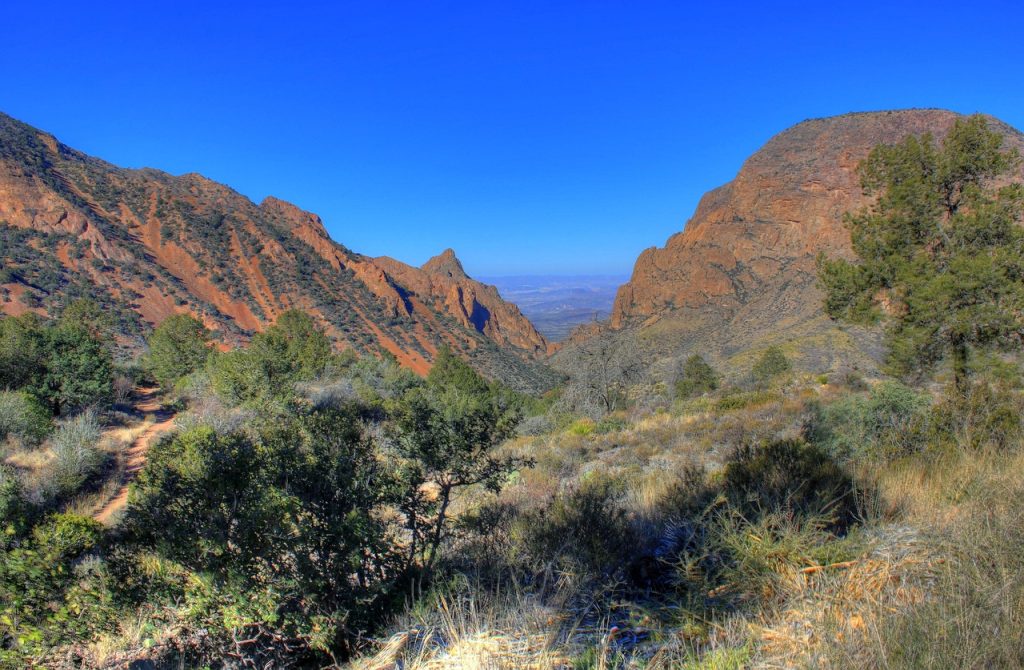
You follow rugged trails that dip into volcanic valleys and rise toward high overlooks where the Rio Grande cuts through steep canyon walls. The park’s isolation means you share the land mostly with mule deer, javelinas, and the occasional long distance hiker. Quiet campsites let you see crisp night skies, and the desert colors shift from copper to violet as the sun drops. You feel far from the noise of cities, guided mostly by river bends and ridgelines. This is a place where you slow down out of necessity and end up appreciating every bit of silence.
4. Mojave National Preserve, California
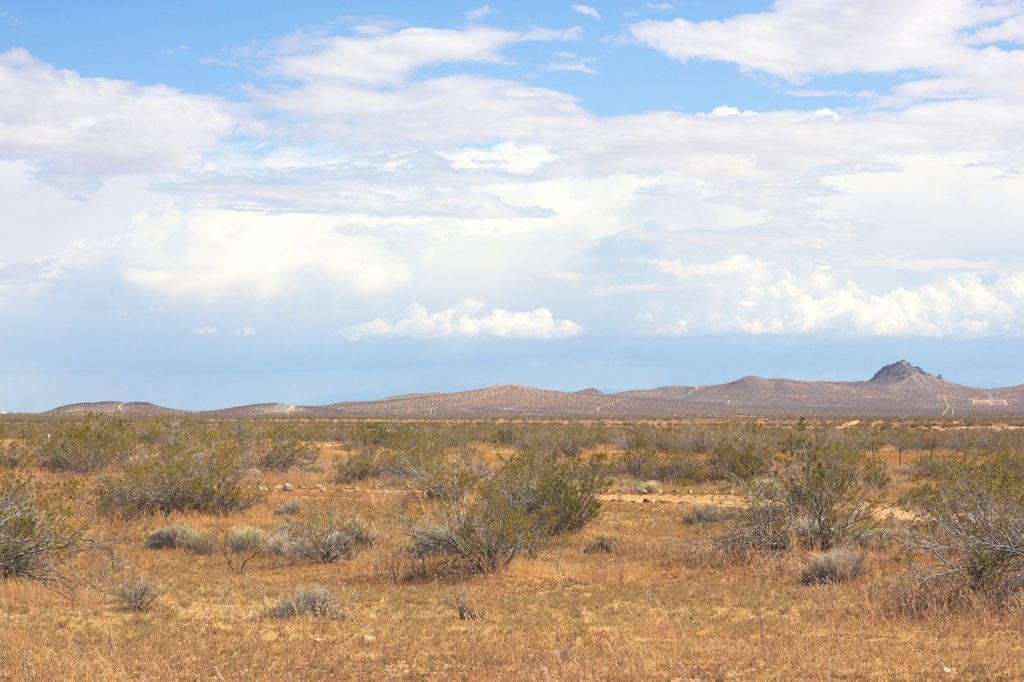
You cross through dunes, lava fields, and Joshua tree forests that spread wider than many national parks. The Kelso Dunes let you climb soft slopes that sing when the sand moves, and the old rail depot sits as a reminder of how people once crossed this dry terrain. Long roads draw you into areas where you might not see another car for hours. You get a mix of landscapes that make the desert feel alive rather than empty. It’s a place for long walks, patient stargazing, and an appreciation for how the land stretches without interruption.
5. Cabeza Prieta, Arizona

You enter one of the country’s least visited wildlife refuges, where desert valleys sit between rugged volcanic peaks. The land supports pronghorn and desert tortoises, and the lack of development keeps everything quiet and unhurried. Access requires basic preparation, but the reward is empty trails and long views that look unchanged for centuries. Migratory birds cut across the sky at certain times of year, and the sunsets turn the mountains into sharp silhouettes. You feel a sense of solitude that’s rare in more accessible desert parks.
6. Owyhee Canyonlands, Oregon/Idaho
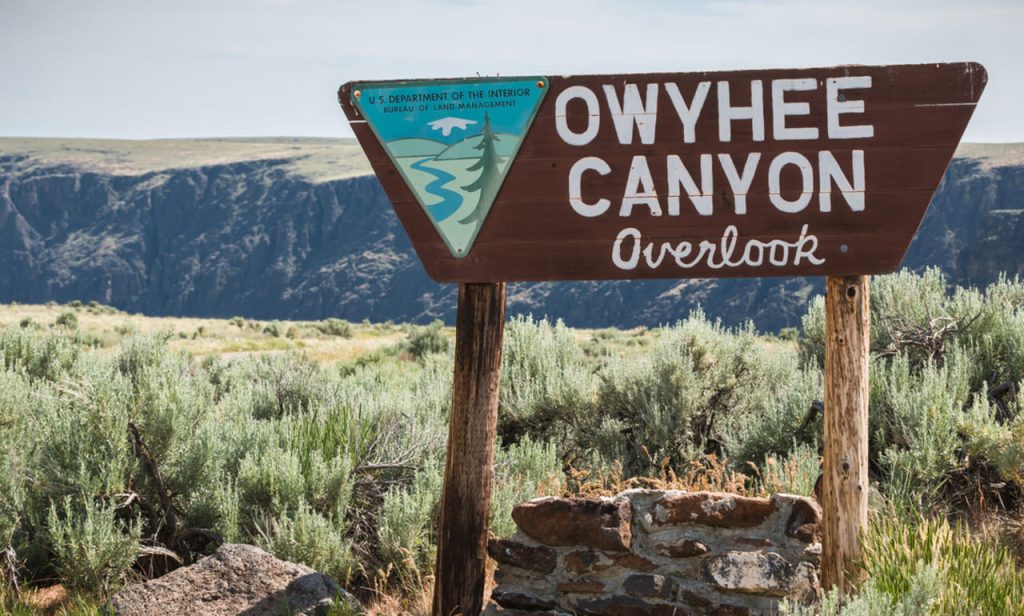
You navigate canyons carved by the Owyhee River, passing cliffs streaked with mineral colors and broad sagebrush basins. Rafting sections give you a slow, winding way to explore, while rim trails take you above the canyon for sweeping panoramas. The remoteness keeps crowds low, so you often walk alone with the sound of water or wind. Wildlife sightings feel spontaneous rather than staged. The area has a raw quality that encourages thoughtful travel, letting you appreciate subtle shifts in color, texture, and silence.
7. Bisti Badlands, New Mexico
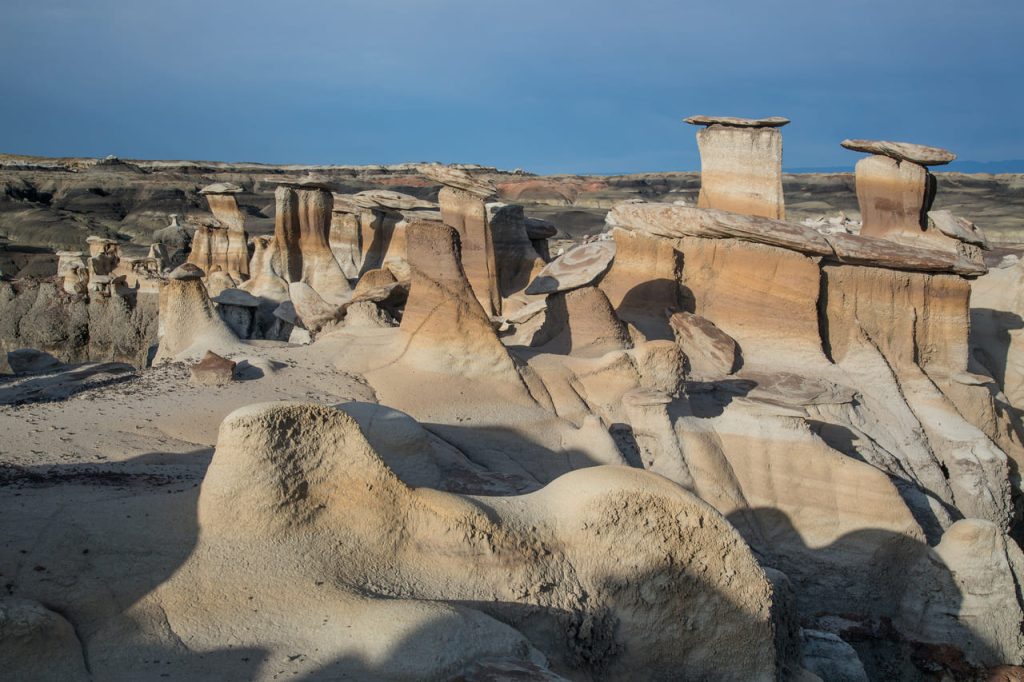
You wander through formations shaped like wings, spires, and domes, all sculpted by wind and erosion. The lack of marked trails makes the area feel like an open museum of natural design. Colors shift from pale gray to deep rust as the sun moves, and every ridge seems to reveal another unexpected shape. You explore at your own pace, guided by landmarks rather than paths. It’s quiet, strange, and ideal if you like landscapes that feel almost otherworldly without the crowds those places usually attract.
8. Grand Staircase, Utah
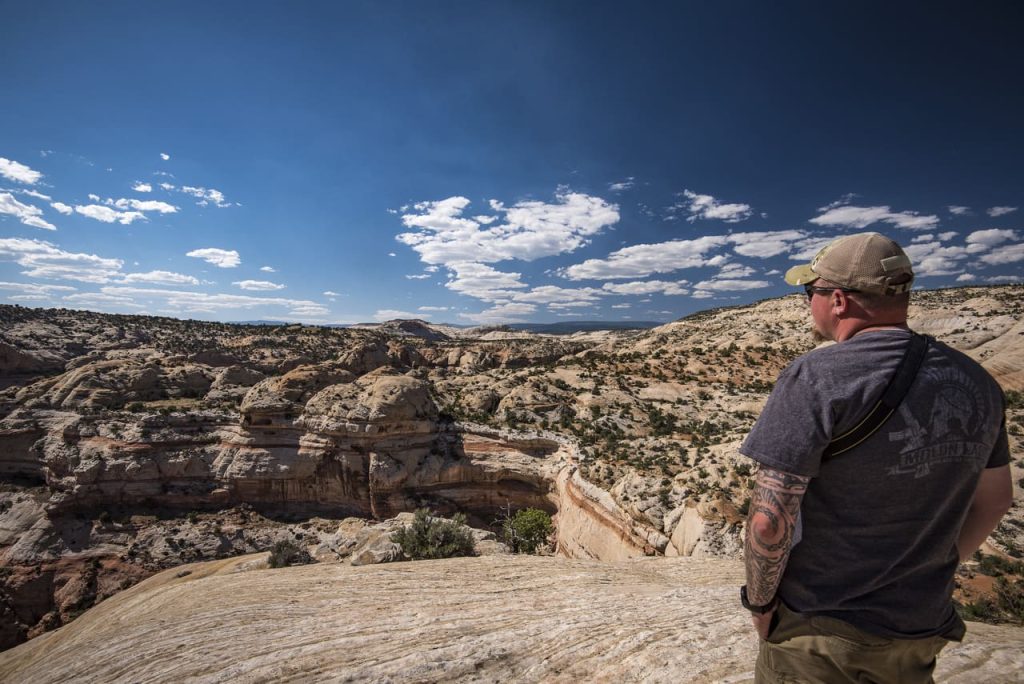
You travel across wide plateaus and carved canyons that hold layers of rock dating back millions of years. Slot canyons give you narrow passages full of reflected light, and open ridges offer views that stretch beyond the horizon. You feel the scale of the land more than anywhere else, with few buildings or crowds to break the illusion of untouched space. The monument’s size lets you choose solitude easily. It invites a slow, observant style of exploration that rewards curiosity and patience.
9. Sonoran Desert National Monument, Arizona
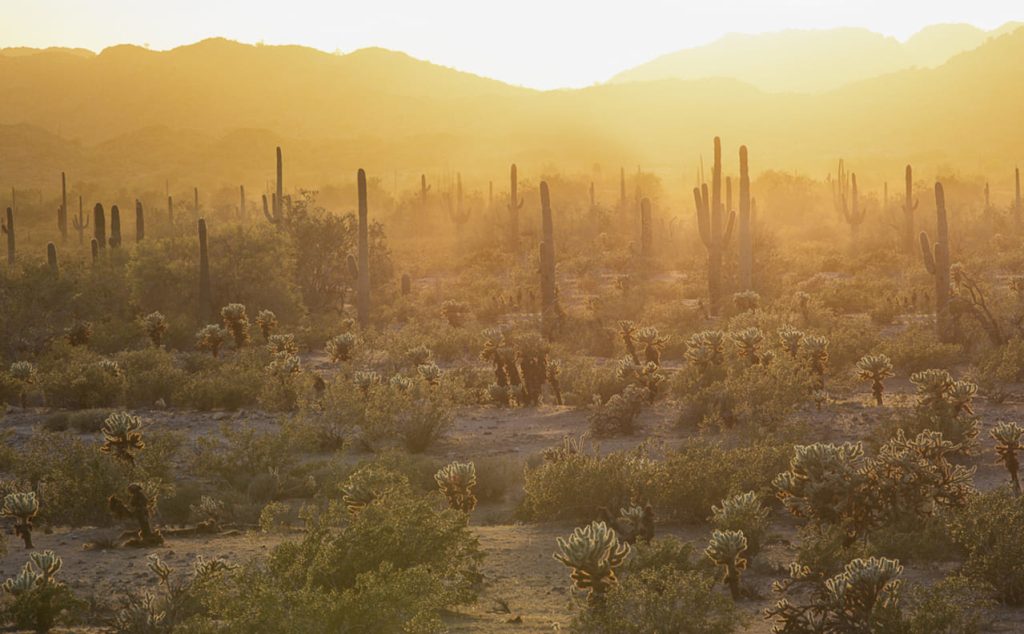
You step into a landscape defined by saguaro forests, basalt ridges, and broad plains shaped by seasonal rains. Trails wind through cactus stands where birds perch and lookouts give you views across a desert that feels surprisingly alive. Because the area sits between major travel corridors yet remains under-visited, you often walk without interruption. The quiet here lets you tune into small details like shifting shadows on the ground and the sound of distant wildlife moving through brush.
10. Red Rock Canyon State Park, California
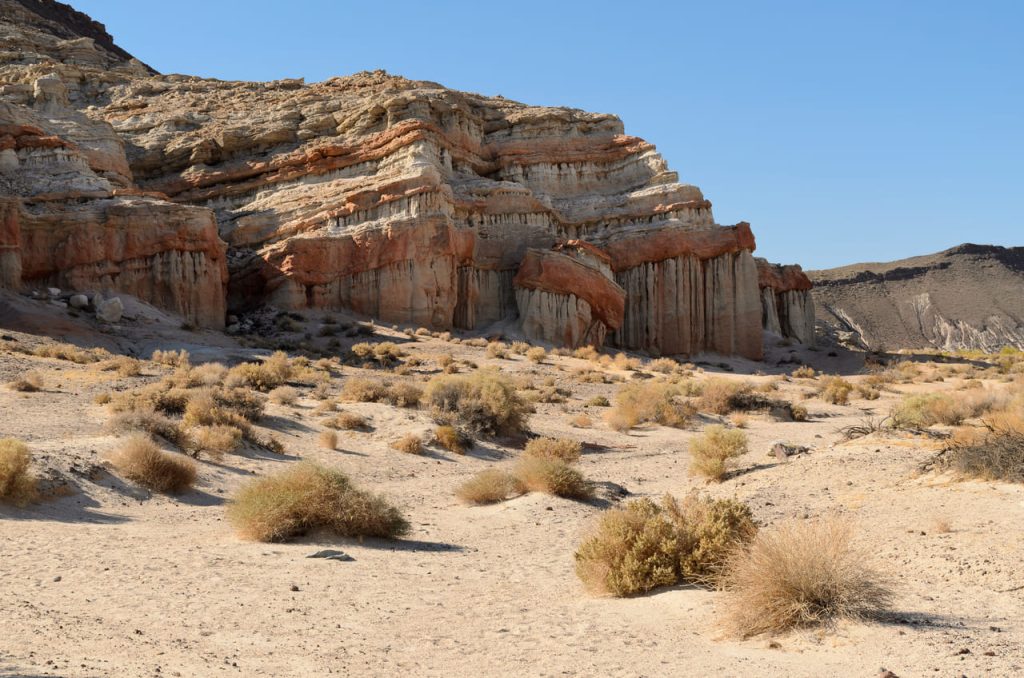
You explore cliffs streaked with red, white, and orange bands formed by ancient river deposits and volcanic activity. Short trails lead to hidden gullies and sculpted rock towers that look almost delicate. The park sits close to main roads but somehow avoids heavy traffic. You can climb ridges for broader views or stay low in the eroded corridors where the light changes dramatically through the day. It’s easy to access but rarely crowded, giving you a quiet, colorful alternative to larger desert parks.
11. Organ Mountains-Desert Peaks, New Mexico
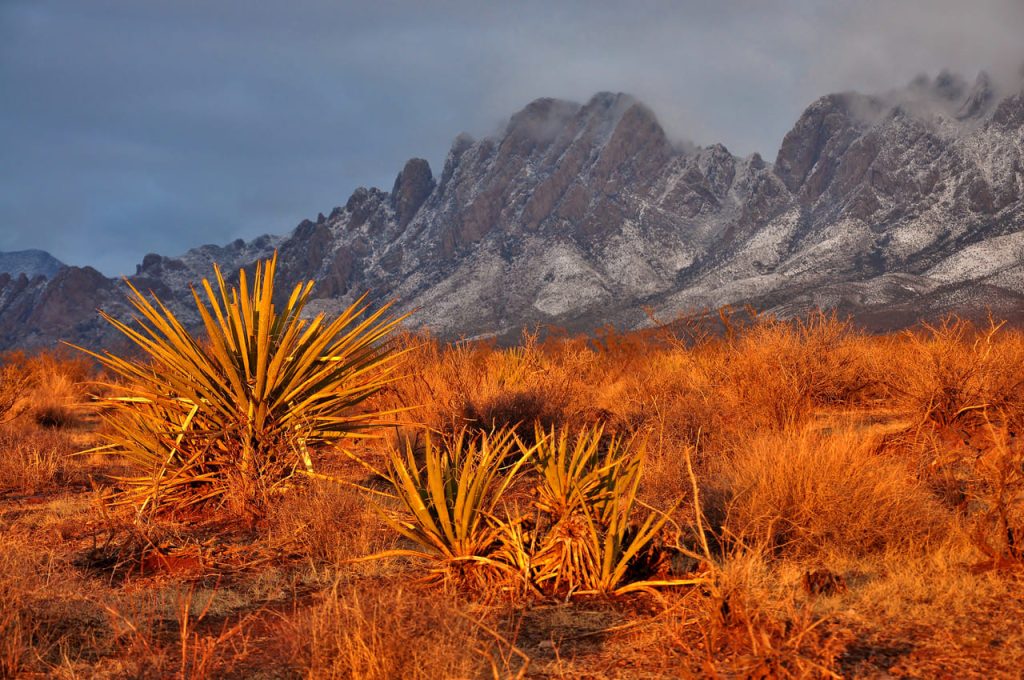
You hike toward sharp granite spires that rise abruptly from scrubby plains. The trails give you steady climbs, historic sites, and views that make the mountains look like they cut into the sky. Wildlife moves through the foothills, and the protected landscape keeps development pushed to the edges. Because the area is large, you can find empty stretches even on weekends. The mix of rugged peaks and open desert gives you a variety of terrain without the congestion of more famous ranges.
12. Sheldon National Wildlife Refuge, Nevada

You travel across high desert plains filled with antelope, volcanic cones, and wide basins shaped by ancient lakes. The refuge’s remote location naturally limits visitation, giving you a sense of genuine solitude. Old ranch structures dot the landscape, and the open roads let you explore without feeling rushed. Nights are especially calm, with dark skies that make stargazing easy. The land feels spacious, steady, and quietly beautiful.
13. Carrizo Plain, California
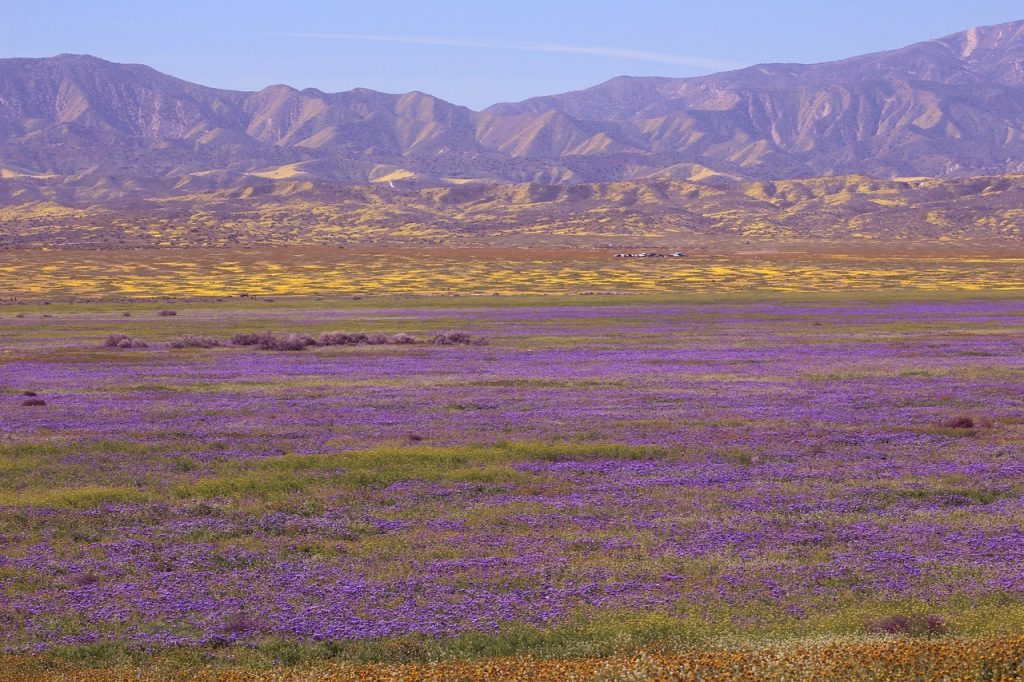
You walk along a valley bordered by fault lines and rolling hills that bloom after wet winters. Soda Lake reflects the sky in dry, shimmering patches, and pronghorn occasionally cross the plains. Trails remain simple and undemanding, which lets you spend more time observing the land. The area feels peaceful because few people travel this far for open grasslands. When wildflowers arrive, the valley turns into bold patterns of color without becoming chaotic or overcrowded.
14. West Desert, Utah
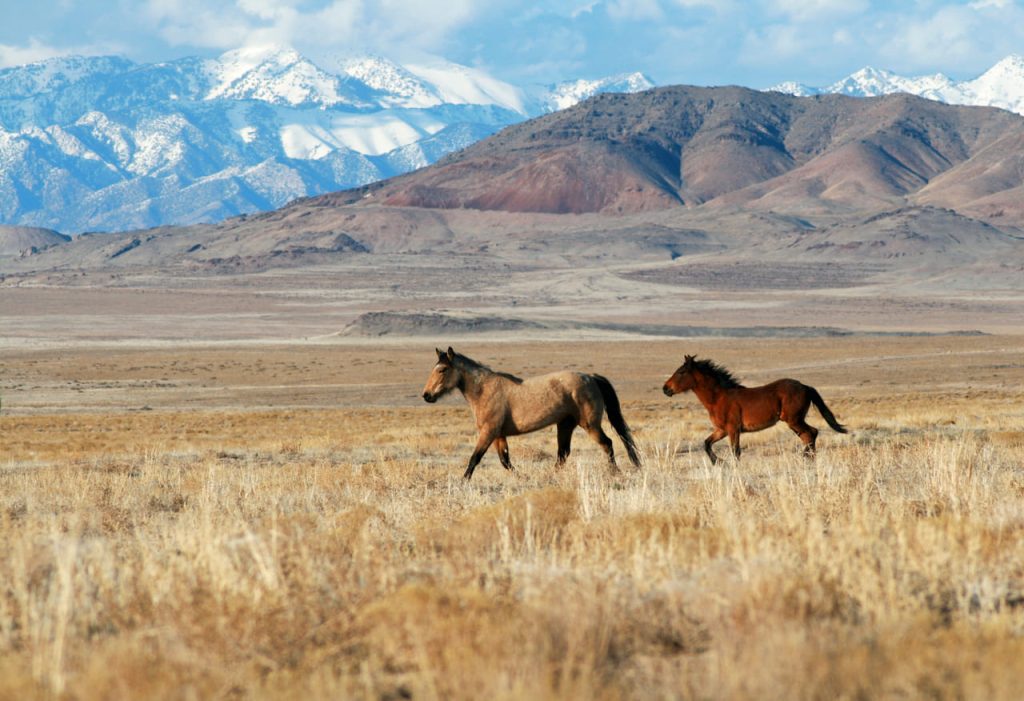
You enter a broad expanse of salt flats, volcanic remnants, and distant mountain ranges that rise from an otherwise empty horizon. The isolation is immediate and complete. You drive long stretches without a sound besides wind and tires, then stop to explore low ridges or dry lakebeds shaped by storms. The stillness makes every feature stand out, from scattered wildlife tracks to the texture of cracked earth. It’s a place where you appreciate space for its own sake.