14 Hidden Fees Hitting Travelers at U.S. Hotels Now

Across U.S. hotels, the posted room rate is only the first clue to what a stay will cost. Properties layer mandatory and optional charges into the booking flow and at checkout, and many of those charges catch travelers by surprise. Some fees cover real services; others function as revenue levers that reshape expectations. The emotional toll of an unexpected folio often outweighs the small dollar amount. Clear disclosure restores control, lets guests choose, and makes travel feel less like a series of hidden taxes and more like a predictable exchange between host and visitor.
Resort And Amenity Fees

Resort and amenity fees are among the most resented because they are mandatory and often misaligned with guest use. Hotels justify them by pointing to pools, fitness rooms, and shuttles, but many guests arrive too late or stay too briefly to use those features and still pay the same flat amount. The fee is usually added after a low headline rate has convinced a guest to book, creating a feeling of being misled. Travelers want transparency and the ability to opt out of charges for services they do not use. When fees read as unavoidable and imprecise, trust frays.
Parking And Valet Inflation

Parking and valet charges have become a meaningful nightly addition, especially in dense urban neighborhoods and coastal resort towns where onsite space is scarce. What was once a predictable convenience now changes dynamically with events, weekends, and even the time of day, and many guests only learn the price at check-in or when a preauthorization posts. The erratic nature of rates creates the sense that the charge reflects timing rather than value. Travelers expect clarity on ancillary costs when they compare properties; opaque parking pricing converts convenience into a source of irritation rather than help.
Mandatory Cleaning Or Housekeeping Surcharges

Cleaning surcharges have moved from exceptional deep cleans to a standard line item at some properties, appearing on folios regardless of how long a guest stays or whether daily service was requested. Hotels cite higher labor and supply costs as justification, but flat fees can mean a single-night stay carries a disproportionate charge compared with extended visits. The result is a feeling of paying for a promise rather than a measured service, and that disconnect breeds resentment at checkout. Transparent, itemized explanations would soften reaction; opaque charges amplify frustration.
Wi-Fi And Business-Service Line Items

Paid premium Wi-Fi and business-center fees jar with the reality that many travelers depend on reliable connectivity to work or stay connected. Some hotels split access into a no-frills complimentary tier and a paid fast tier necessary for video calls or secure VPNs, and printing or scanning may incur separate fees. For professionals on tight schedules, those incremental charges interrupt the rhythm of the day and create friction. Guests accept paying for true premium services, but when internet and basic office tools feel like add-ons, the relationship between guest and property shifts toward transaction rather than hospitality.
Early Check-In And Late Check-Out Fees

Early check-in and late check-out are now frequently sold as convenience upgrades rather than offered as occasional courtesies, even when rooms sit empty and staff could accommodate an hour or two. Travelers arriving on overnight flights or dealing with staggered schedules may feel forced to pay for necessary rest or preparation. The inconsistency—one agent waives a fee while another enforces it—makes the charge feel arbitrary and unfair. Guests tolerate fees that align with clear operational constraints; they resent fees that depend on luck, timing, or the staffer on duty rather than on a transparent policy.
Automated Mini-Bar And Sensor Charges

Automated minibars that use sensors to detect movement or weight are efficient for inventory but clumsy as billing systems. A guest might open the fridge to inspect ingredients, move an item to chill medication, or simply reconsider a purchase, only to see a pending charge on the card later. Resolving sensor errors requires receipts and time, turning a small sum into a customer service headache. The emotional sting comes from being billed before consumption and then having to prove the absence of consumption. Machines that assume consumption create frustration in ways human errors rarely do.
Pet Fees, Pet Rent, And Pet Deposits

Pet fees have proliferated into nightly surcharges, pet rent, and refundable or nonrefundable deposits that can add up quickly, particularly for extended stays. Policies vary widely by brand and location, which makes planning difficult for travelers who consider pets family members. The fee often feels personal because it attaches a price to companionship rather than to an objective cleaning cost. Guests can accept fair cleaning charges; they bristle when the amounts seem disconnected from actual impact. Predictable, transparent pet policies would reduce the emotional friction surrounding travel with animals.
In-Room Safe, Key Card, And Key-Deposit Fees
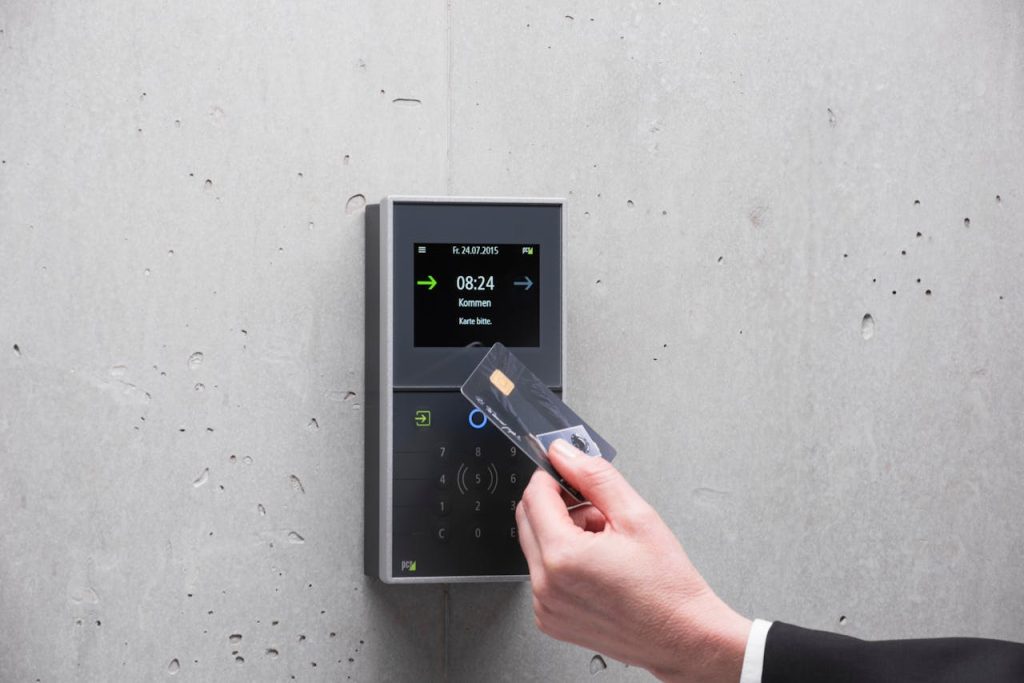
Replacement key-card fees, charges for in-room safe use, or wristband deposits at resorts and conference properties feel punitive when they surprise guests at checkout. Replacing a thin plastic key or reprogramming a fob involves small labor, yet some hotels set fees that exceed the item’s value. Deposits for access devices add another layer of friction, particularly for families sharing access among members. Reasonable caps, clear upfront notice, and quick, gracious reversals when mistakes happen would avoid the sense of penalty that currently sticks in a guest’s memory after departure.
Bottled Water, Snacks, And Mini-Fridge Markups

Conveniently placed bottled water and snacks are a frequent source of sticker shock, with markups that make a basic bottle several times its corner-store price. Some properties add restocking or service fees when guests move items to chill medication or leftovers, which feels opportunistic at moments of vulnerability. The result is less an objection to luxury pricing and more an irritation at being nudged into paying more for life’s basics when tired or unable to leave the room. Fair labeling, reasonable pricing, and sensible restocking policies would preserve convenience without feeling exploitative.
Energy, Linen, And Sustainability Surcharges

Sustainability fees are framed as contributions to water conservation, linen rotation, or carbon-offset programs, yet hotels rarely explain how the money is used. Travelers who welcome environmental efforts want verifiable reporting or clear outcomes rather than an unexplained nightly charge. Without accountability, the surcharge reads as symbolic instead of impactful, and guests feel disconnected from the stated purpose. A small fee linked to a transparent program, with occasional reporting on results, would connect contributions to outcomes and allow guests to support green initiatives with confidence.
Extra Person, Rollaway, And Crib Charges

Extra-person fees, rollaway-bed charges, and crib fees can materially affect family travel budgeting because they are sometimes priced per night and sometimes per stay, with inconsistent logic across properties. Hotels say the charges cover linen, cleaning, and setup, but the amounts often scale beyond the actual resource used. Parents with infants are particularly surprised when a crib becomes a premium add-on, which turns a basic need into a cost decision. That reclassification changes family planning choices and can force compromises that shape the very memory of a trip.
Business-Center, Printing, And Administrative Fees

Business-center charges for printing, scanning, notarization, or courier services interrupt the workflow of professionals traveling on tight schedules, and per-page fees can feel disproportionate when equipment is slow or staff assistance is required. For remote workers and business travelers, these small costs accumulate and signal that services once standard are now optional extras. Hotels could offer bundled allowances or business packages to smooth the experience, but absent that, the fees alter how guests view the property and whether it suits their needs for productive travel.
Pool, Spa, And Amenity-Access Charges

Some properties gate premium pools, adult-only areas, cabanas, or rooftop lounges behind separate access fees, even for in-house guests who assumed the amenity was included. When a core appeal of a hotel is segmented into paid tiers, it changes how guests relate to the space and to one another. Discovering mid-stay that an anticipated area requires an additional pass reframes the visit as transactional rather than hospitable. Clear upfront disclosure about which areas are included and which require a fee would prevent disappointment and maintain the feeling that the property welcomes its guests.
Service Charges, Gratuities, And Third-Party Add-Ons

Automatic service charges labeled as gratuities, and convenience fees from third-party platforms, stack up in ways that confuse folios and obscure who benefits. Travelers do not object to fair compensation for staff, but they do object to ambiguity about allocation and to charges that appear only at the final payment screen. When booking platforms add handling fees late in the process, the advertised rate becomes less trustworthy. Simple, itemized accounting that shows where money goes would preserve trust and keep the checkout moment from becoming a source of regret.