14 Historic Inns for a Step Back in Time
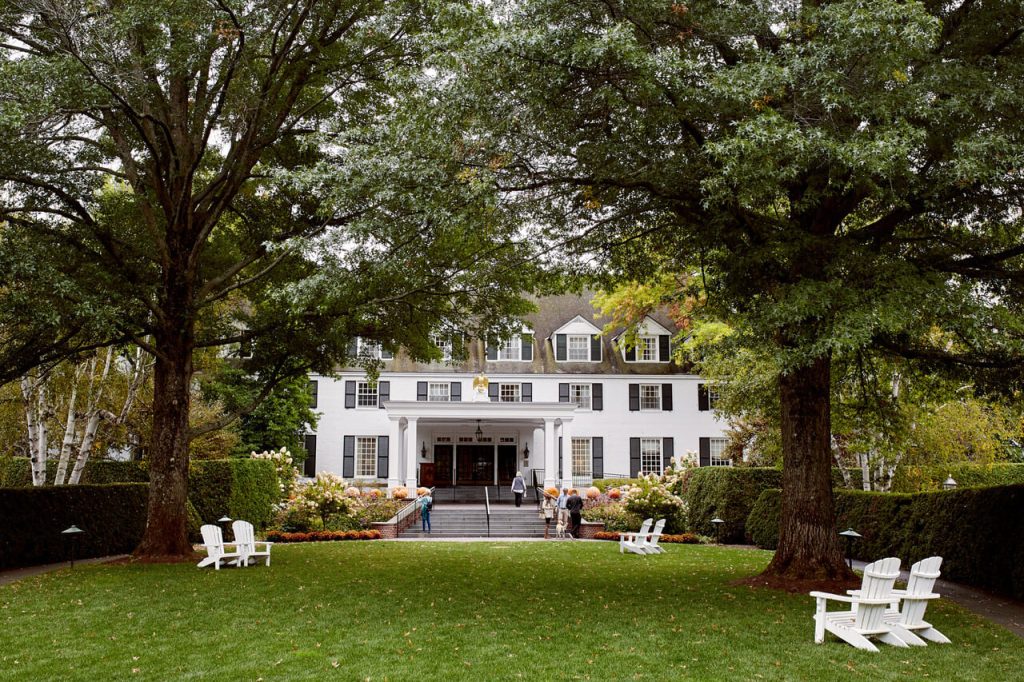
You feel the shift as soon as you walk into a place that has been around long enough to collect real stories. Old inns carry the marks of everyone who passed through them, from travelers on early trade routes to families escaping the heat before air conditioning existed. When you stay in one, you get more than a bed. You get quiet details you can’t recreate in a new building, like hand carved beams or floorboards warmed by centuries of footsteps. Here’s the thing. These places remind you how travel once felt before everything sped up. They pull you into shared spaces where strangers swapped tales over simple meals of bread, cheese, and ale by dim tallow candlelight.
1. The Red Lion Inn, Massachusetts
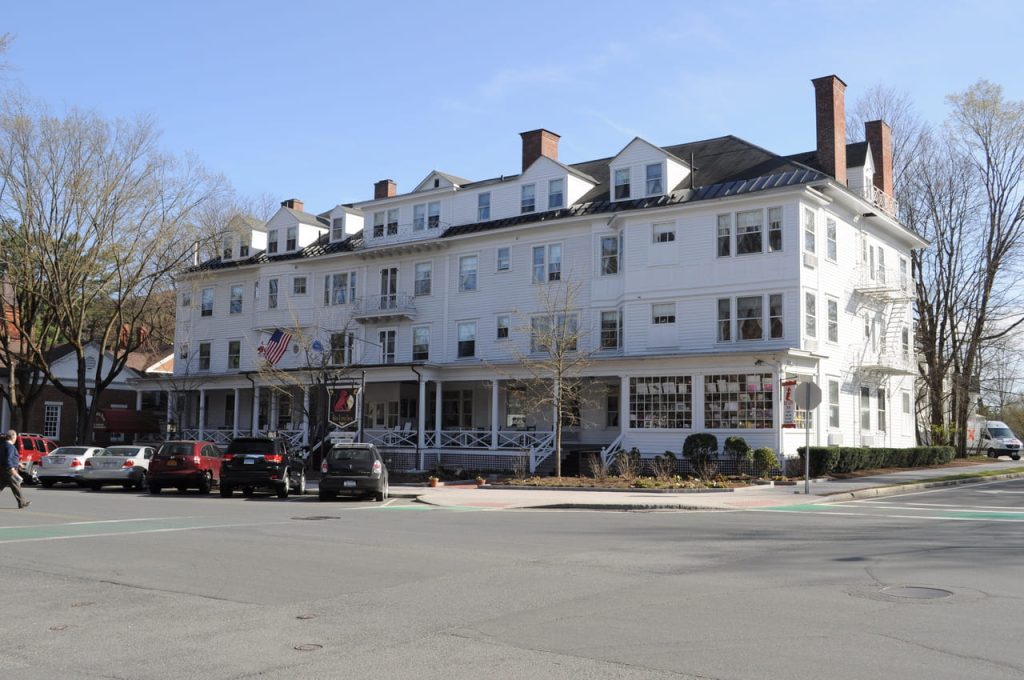
You stay at The Red Lion Inn because it lets you experience hospitality that dates back to the 1700s. The inn began as a stagecoach stop and still carries that early New England character in its wide porches, vintage signs, and wood stoves. You can explore the nearby town center, then return to a space that feels untouched by the rush of modern travel. The inn has a long record of welcoming presidents, writers, and everyday travelers. You notice details that survived centuries. You feel why so many visitors return. You understand how well the inn preserves its identity.
2. The Omni Homestead, Virginia
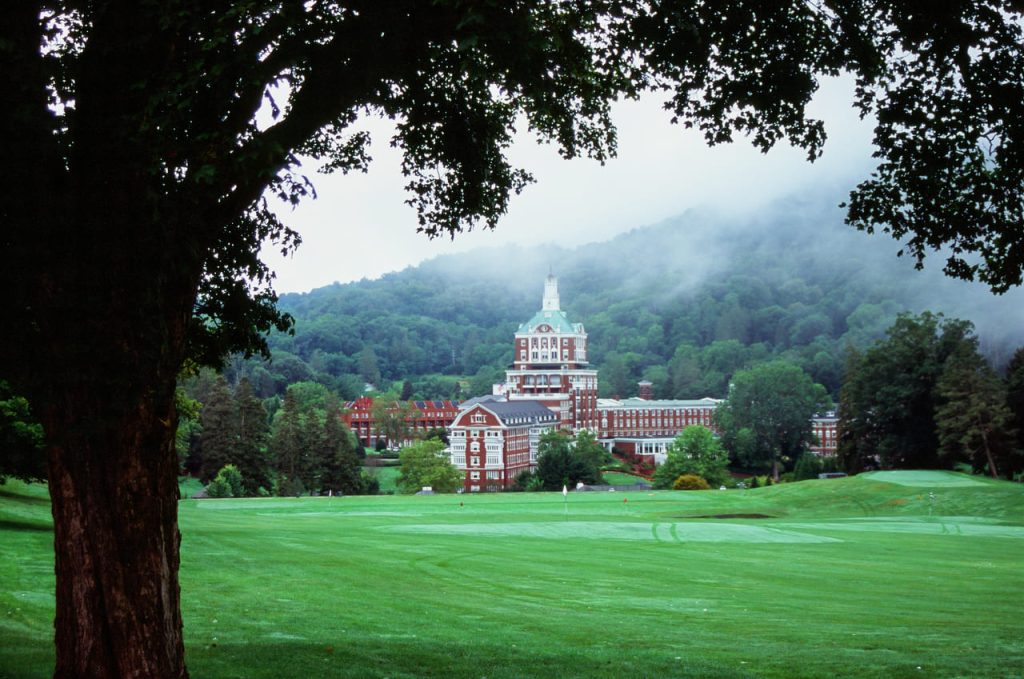
You stay at The Omni Homestead because it connects you to one of the oldest resort traditions in the United States. The property traces its origins to the mid 1700s and appears in documented accounts of early mineral spring tourism. You walk halls visited by presidents, military leaders, and travelers who believed the natural springs offered real restorative benefits. The hotel’s long record of expansions shows how it adapted while keeping pieces of its original structure intact. You sense the age in the stonework and the timbered details. You feel how strongly the past still anchors the complex. You understand why generations keep returning.
3. The Red Fox Inn, Virginia
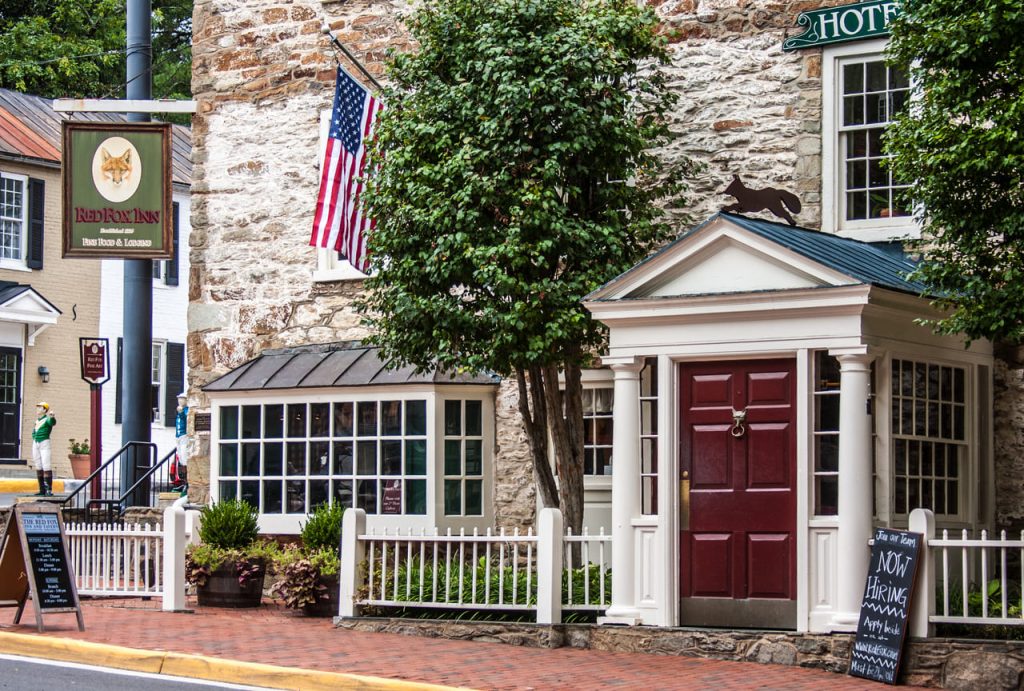
When you stay at The Red Fox Inn, you sleep inside one of the oldest continuously operating taverns in the country. The stone building dates to the 1720s and carries the simple, sturdy character of early Virginia life. You notice how the public rooms feel warm and close, the way they did when riders stopped before continuing on horseback. The inn appears in records tied to political figures and Civil War officers, giving it clear historical depth. You feel the character in every wall. You get honesty instead of theatrics. You appreciate how naturally the past shows itself here.
4. The Inn at Montchanin Village, Delaware
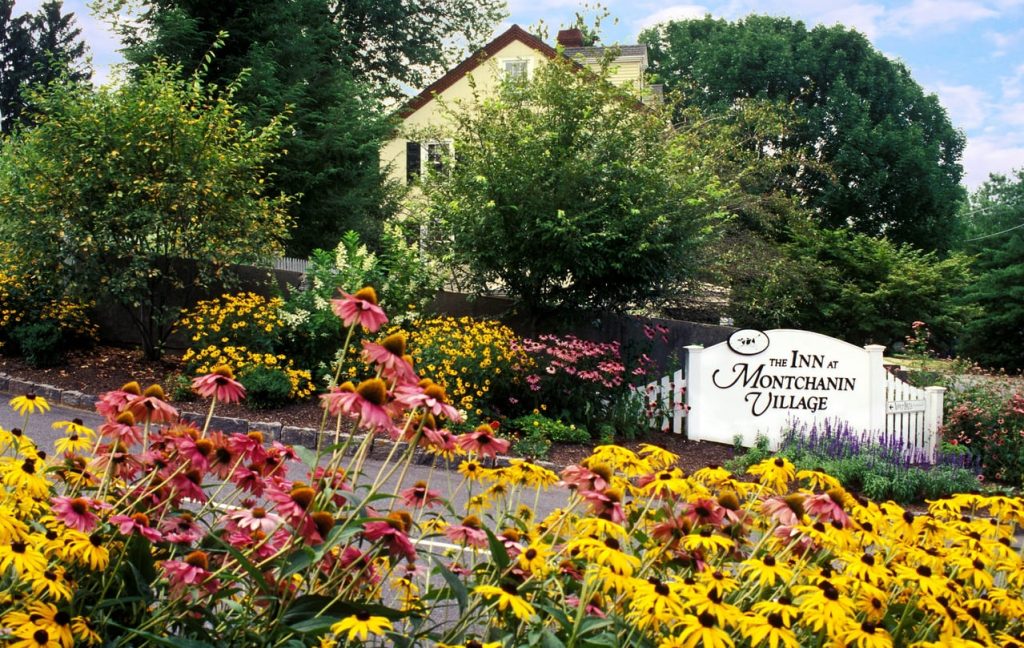
You visit this collection of restored buildings because it sits inside a documented 19th century workers’ village tied to the DuPont family. Preservation records show how carefully the cottages, blacksmith shop, and schoolhouse were restored according to original layouts. You stay in rooms that echo daily life from the era, surrounded by stone paths and mature trees that anchor the historic landscape. The inn lets you experience a preserved community rather than a single building. You feel the quiet weight of time in each structure. You sense how faithfully the restoration followed the archives. You leave with a deeper view of the village’s past.
5. Jekyll Island Club Resort, Georgia
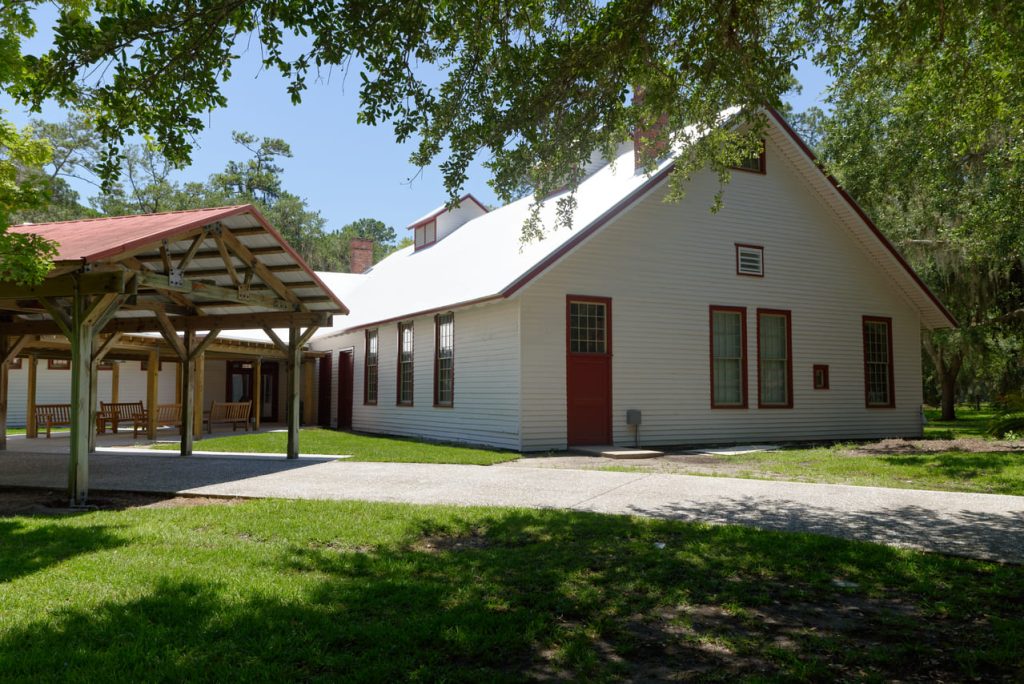
You stay at this former Gilded Age retreat to see how industrial magnates once vacationed. The club opened in the 1880s and became one of the most exclusive gathering spots in the country. You can walk through libraries, cottages, and meeting rooms shaped with the detailed craftsmanship of the era. The site appears in financial history records for its role in early policy discussions. You notice the scale of the buildings. You sense how different leisure looked in that period. You leave with a clearer picture of how the era shaped American wealth culture.
6. The Francis Malbone House, Rhode Island
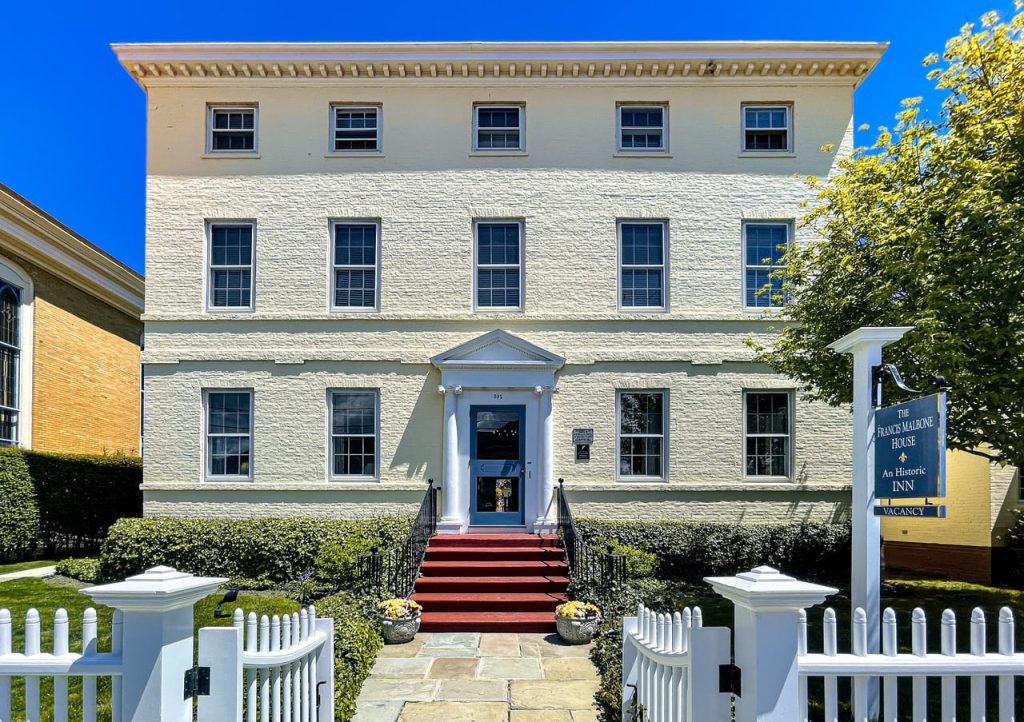
You book this inn to experience a Federal style mansion built in the mid 1700s. Preservation records show how many original elements remain, including fireplaces, carved balusters, and detailed wood trim. You move through rooms arranged around a classic central hall and stroll streets tied to Newport’s maritime history. The house mirrors the architectural patterns found in early American coastal homes. You notice how each room reflects its era. You feel the past in the structure itself. You appreciate how well the original craftsmanship has survived.
7. The Fairbanks House, Florida
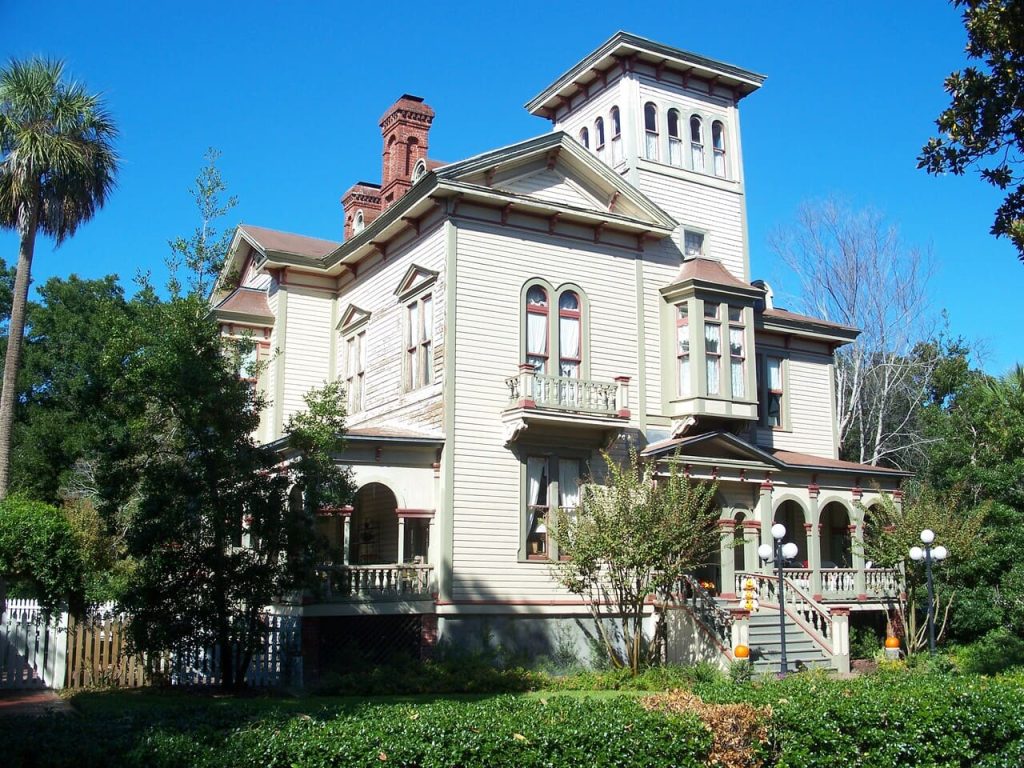
You visit The Fairbanks House for its preserved Italianate architecture from the 1880s. The building appears in the National Register of Historic Places and still holds original windows, bracketed eaves, and tall ceilings. You can learn how its builder shaped early Amelia Island development, then stay in rooms that reflect that legacy. The wide porches and intricate woodwork show the style of Florida’s late Victorian boom. You feel the charm of the old neighborhood. You notice how quietly the house settles around you. You understand why it remains such a respected historic space.
8. General Morgan Inn, Tennessee
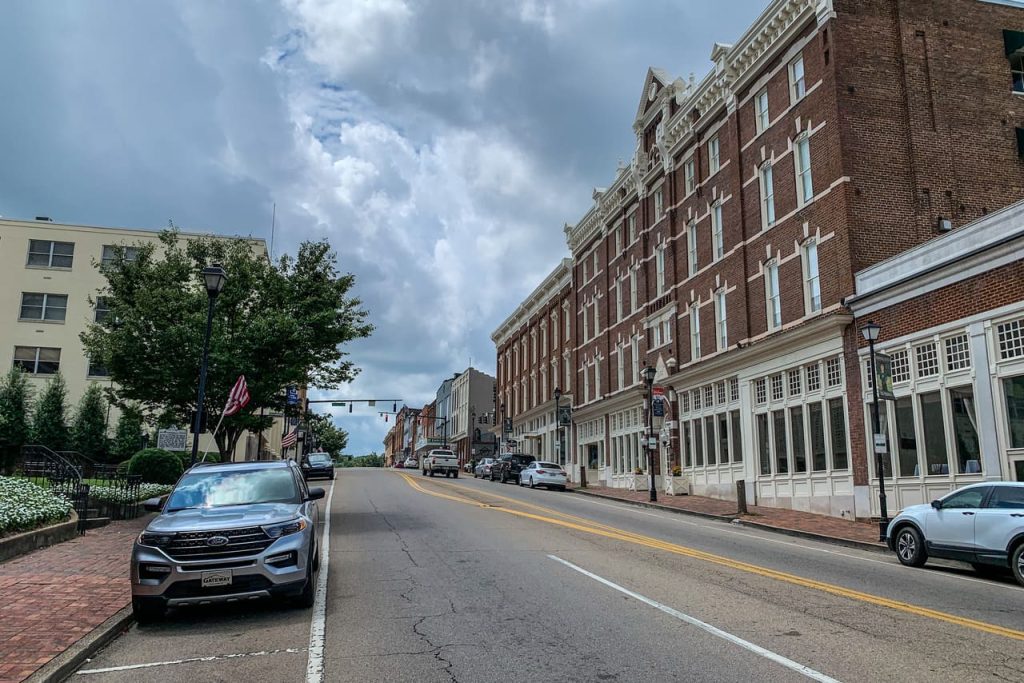
You stay at the General Morgan Inn because it reflects centuries of recorded Appalachian trade, travel, and community life. The building originated in the late 1800s, built on the footprint of earlier taverns documented in town archives. You walk through public rooms designed with high ceilings, tall windows, and rich wood trim tied to the era’s craftsmanship. The inn appears in preservation surveys for its role in local civic history. You feel how naturally the past sits beneath the renovated surfaces. You sense the continuity running through the building. You leave with a clear sense of how the town evolved around it.
9. The Strater Hotel, Colorado
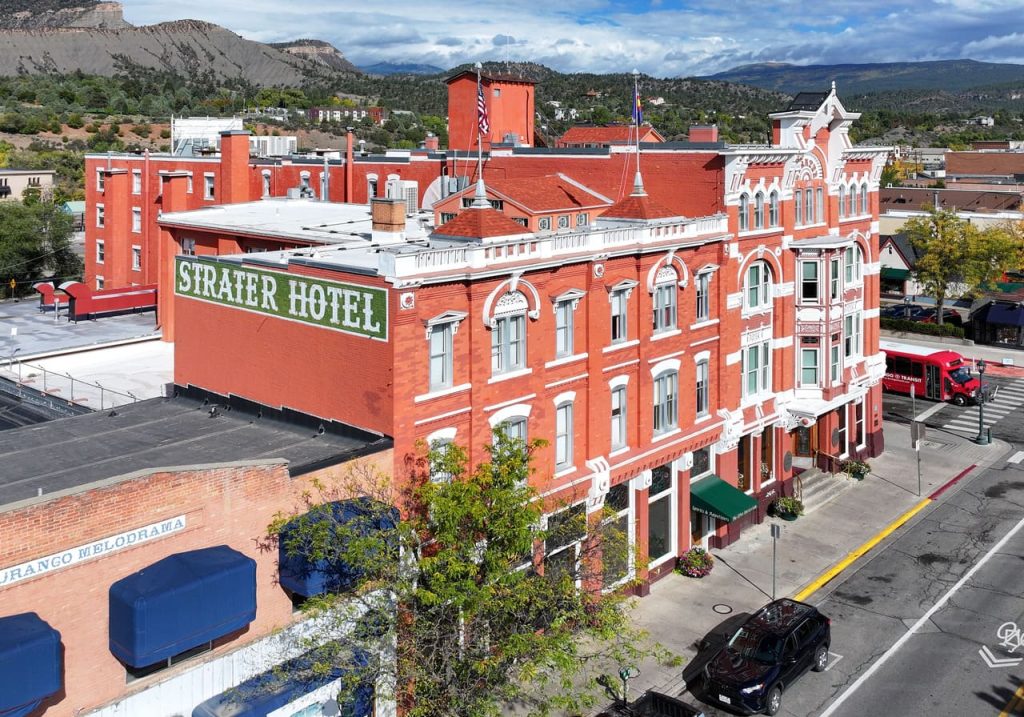
You visit the Strater Hotel to experience one of the most documented Victorian era hotels in the American West. Built in the 1880s, the structure appears in regional mining and railroad records that track the town’s rapid growth. You stay among carved woodwork, patterned wallpapers, and antique furnishings preserved with care. The building’s detailed restoration follows guidelines confirmed by local historical associations. You feel the energy of a place shaped by frontier optimism. You sense the attention in every preserved corner. You understand how deeply the hotel reflects the era that built it.
10. The Wentworth, New Hampshire
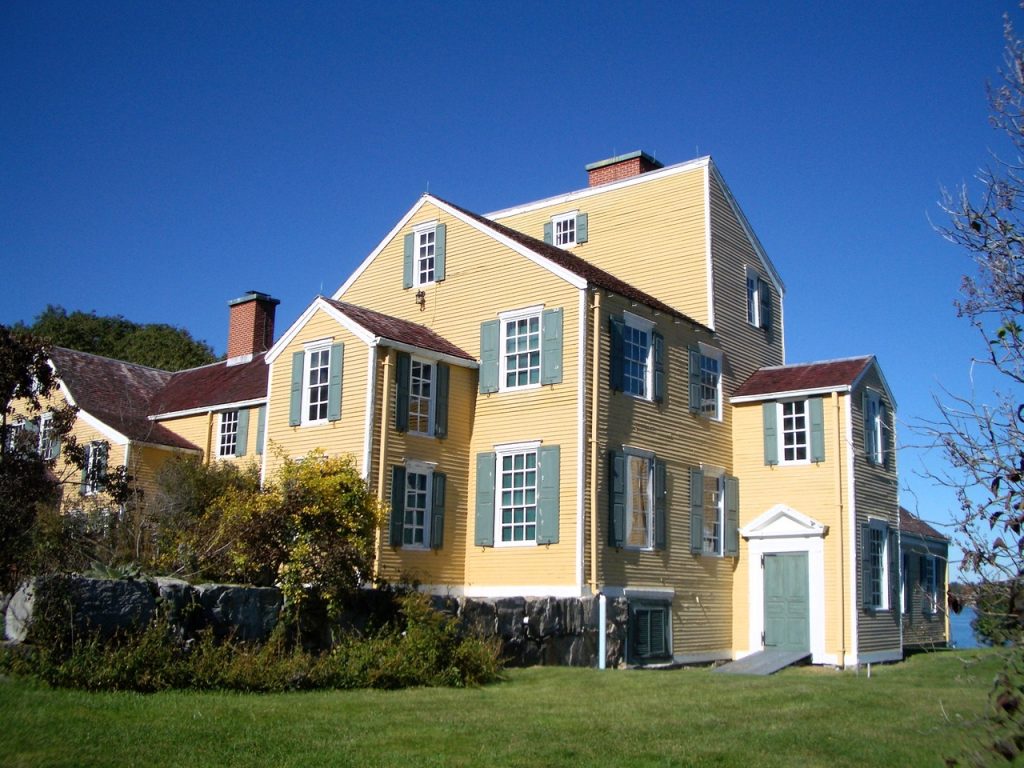
You book The Wentworth to enjoy a hotel that reflects late 1800s mountain tourism. Built as a wedding gift and later expanded, it mirrors the era’s interest in grand resort travel. You move through rooms furnished in a style that respects the original structure, supported by local historical records. The inn pairs preserved charm with easy access to surrounding scenery. You feel the rhythm of old resort life. You sense why travelers kept coming back. You appreciate how calmly the space holds its past.
11. The Sheridan Inn, Wyoming
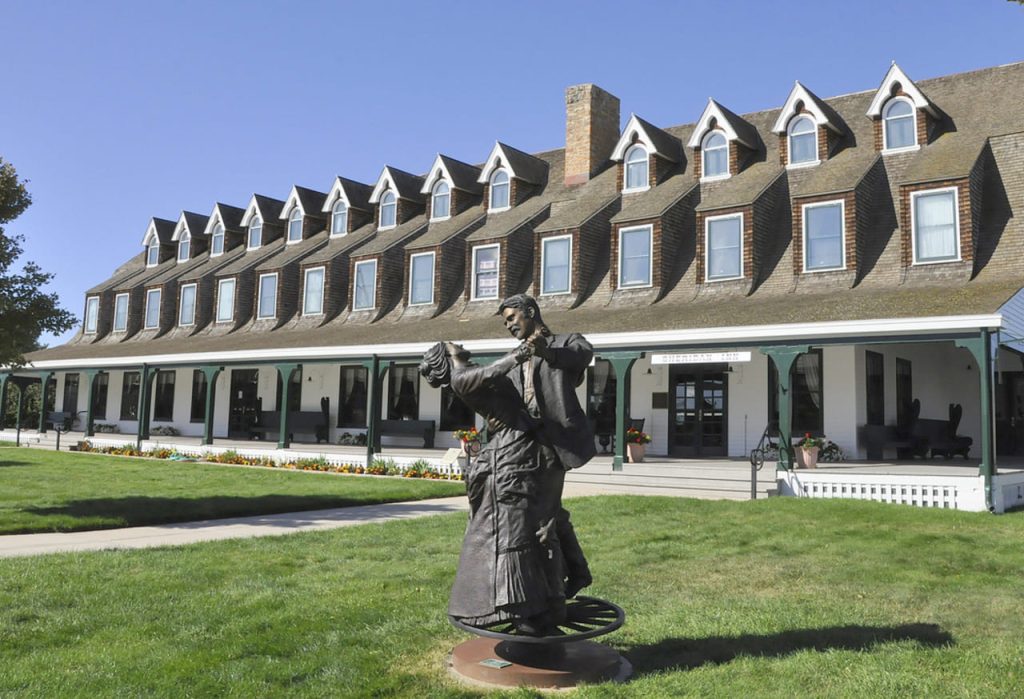
Here’s the kind of Western landmark that makes you feel connected to frontier history the moment you step inside. Buffalo Bill once helped run the inn, and the building still carries that spirit of travelers passing through wide-open country. You walk across original floors, see old photos that tell a tougher, wilder story, and sleep in rooms restored with a light hand so the past still shows through. The inn feels welcoming rather than themed, giving you both comfort and a real sense of place. You can sit on the porch, look toward the plains, and imagine the riders who stopped here long before you.
12. The Plains Hotel, Wyoming
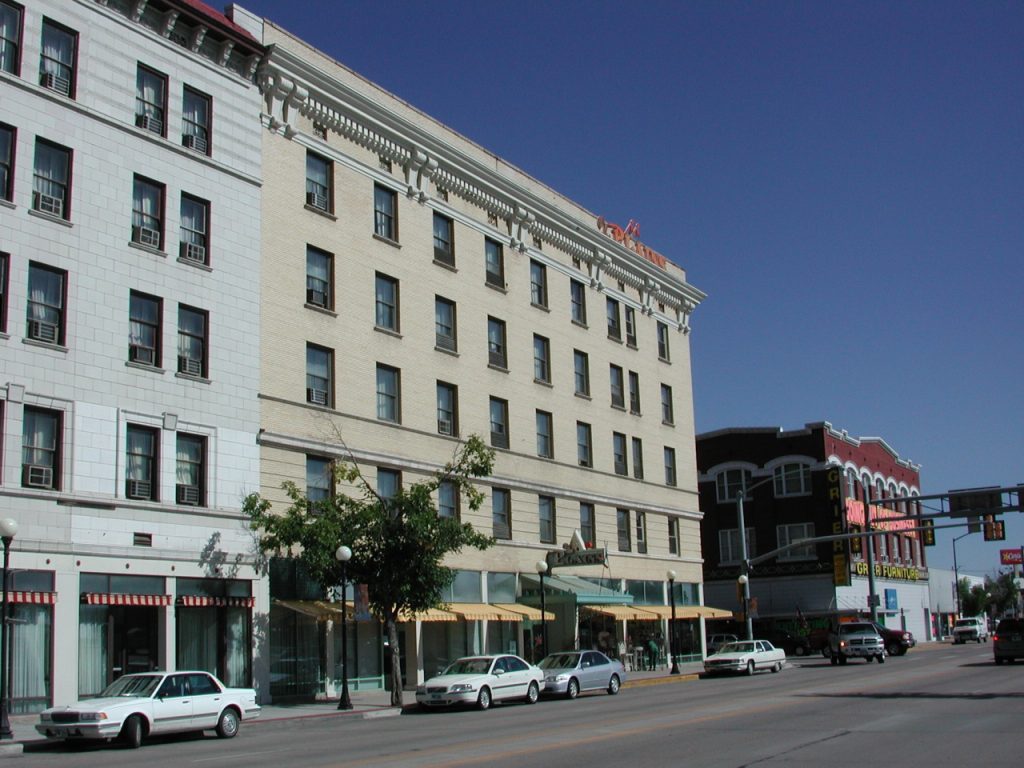
You stay here because the building still holds the spirit of early travelers who crossed the West looking for something new. The lobby shows off original woodwork, old photographs, and small details that remind you how the hotel anchored the town for more than a century. You walk through hallways that feel familiar in that old-American way, simple and worn in all the right spots. The rooms keep their historic character while giving you enough comfort to settle in without distraction. You get a clear sense of how life moved here when the railroad shaped everything. You leave feeling like you stepped into a preserved slice of frontier history.
13. The Monteleone Hotel, Louisiana
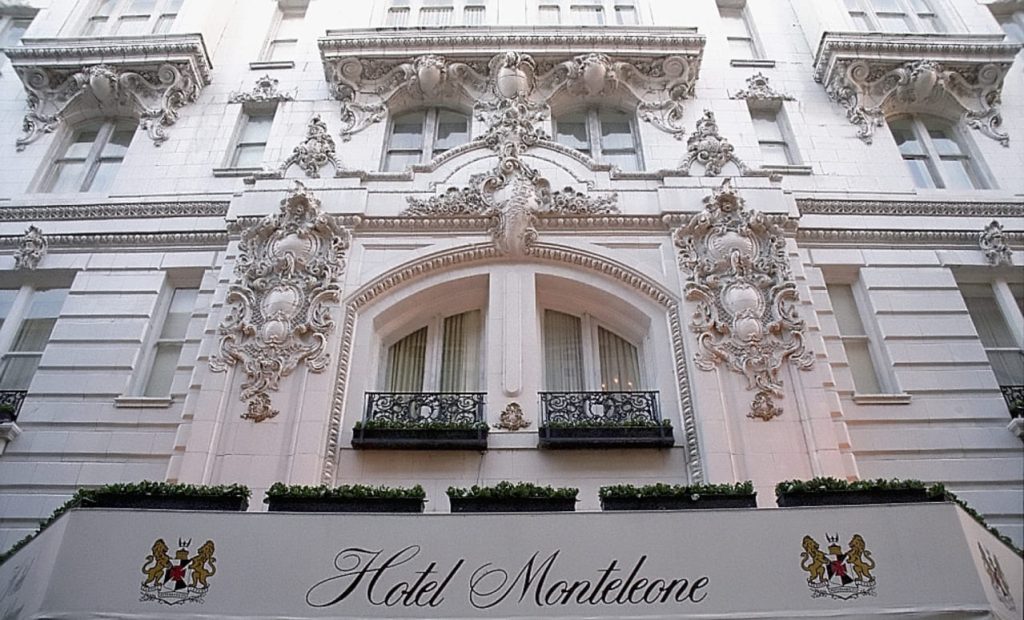
You stay at this long running hotel to experience a property operating since the late 1800s. It appears in historic listings for its Beaux Arts architecture and connections to well known writers. You walk through lobbies with original marble and brass details that show the era’s craftsmanship. The hotel’s literary history adds another layer to your stay. You feel the energy of a place shaped by creative voices. You sense why it remains a landmark. You understand how deeply it influenced local culture.
14. Dunleith Historic Inn, Mississippi
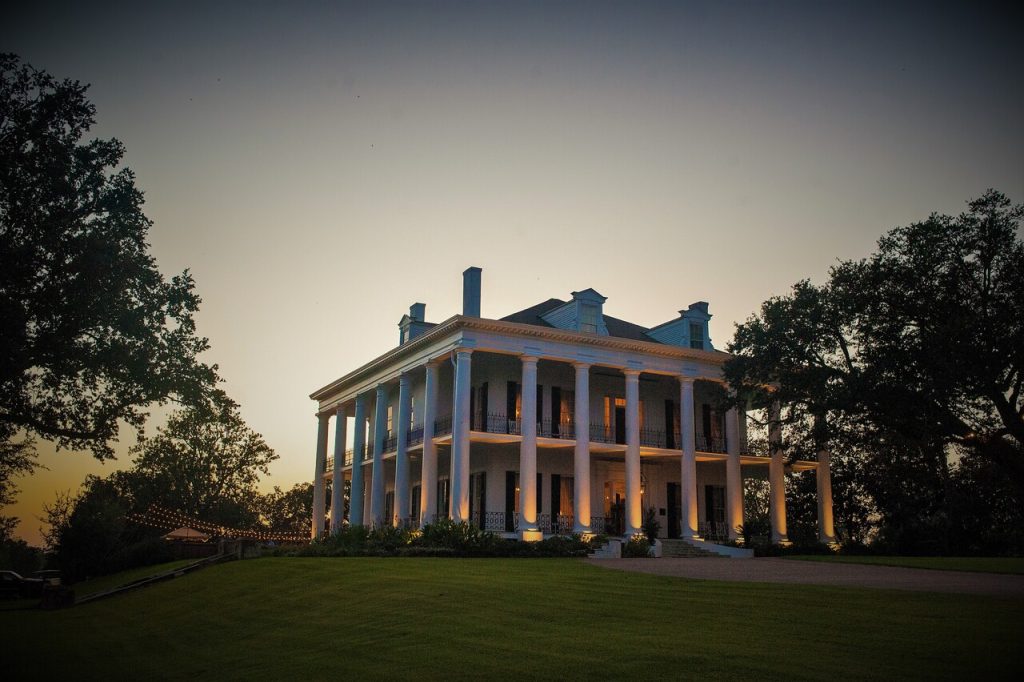
You visit Dunleith to see an antebellum mansion built in the Greek Revival style, documented in preservation records. The home features original columns, galleries, and interior details that reflect mid 1800s architecture. You explore the grounds, learn about the families tied to the estate, and stay in rooms following the early layout. The inn gives you direct access to a complex regional history. You feel the scale of the structure. You sense how time has passed through the property. You leave with a clearer view of the era it represents.