14 Overcrowded U.S. Music Festivals That Feel Like Chaos Zones
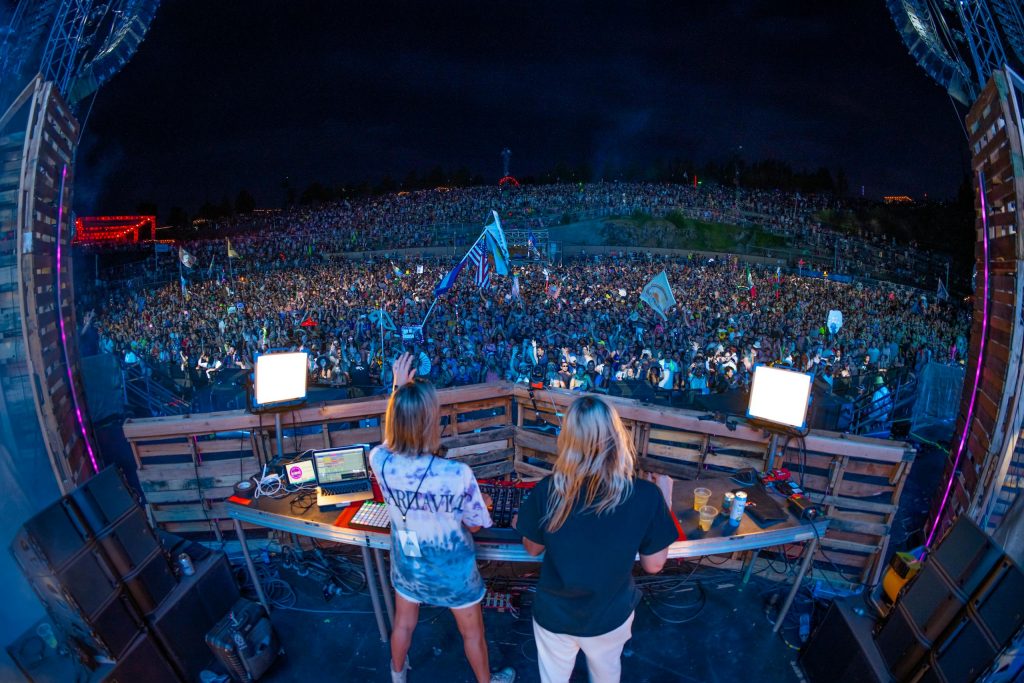
Event safety consultants and urban planners increasingly classify major American music festivals as high-density environments that require military-grade logistics to manage. These experts note that the combination of extreme attendance numbers and confined physical footprints often creates a sense of chaotic instability for attendees. While marketing materials promise open fields and freedom, the reality on the ground frequently involves gridlocked pedestrian traffic and hours spent standing in lines under harsh weather conditions.
Crowd management professionals emphasize that the sheer scale of these events tests the limits of infrastructure and human endurance. Medical directors and security analysts observe that the density of the crowds often leads to overheating and anxiety as tens of thousands of people attempt to move through bottlenecks simultaneously. Understanding the logistical pressures of these massive gatherings helps music fans set realistic expectations before they commit to a weekend of intense sensory overload.
Coachella Valley Music And Arts Festival In California
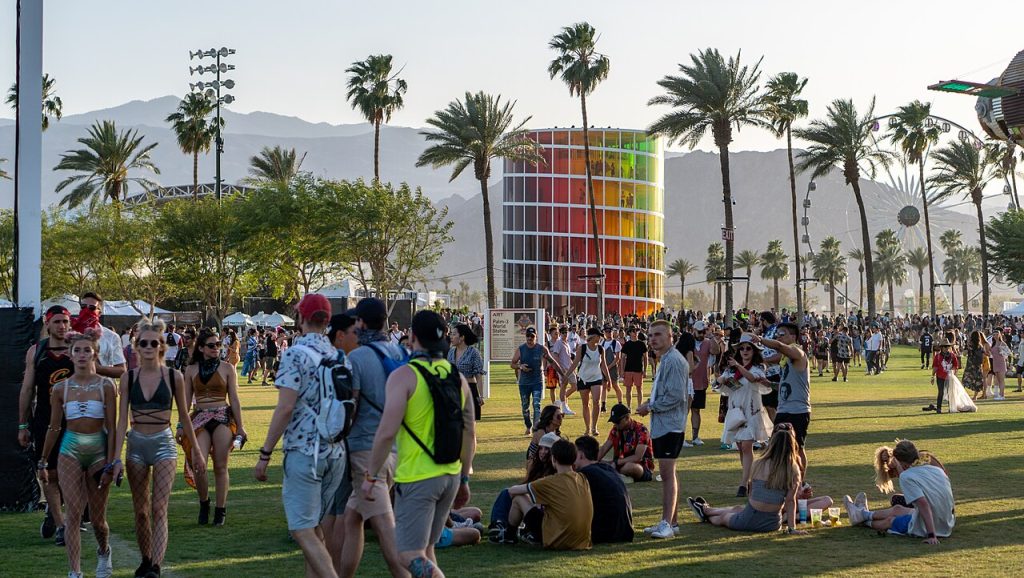
Logistics experts frequently cite this Indio event as a prime example of infrastructure saturation. The influx of over one hundred thousand daily visitors to the Empire Polo Club creates a dense web of traffic that often traps vehicles for hours. Local authorities note that the desert environment amplifies the feeling of chaos as dust storms and extreme heat combine with the massive crowds to test the physical limits of every person on site.
Safety consultants point out that the sheer size of the grounds forces attendees to march long distances between stages in tight formation. The VIP areas often overflow into the general admission zones which creates friction and congestion at critical transition points. Veteran festival staff describe the exodus at the end of the night as a slow-moving river of exhausted humanity where patience runs thin and the dust chokes the air.
Lollapalooza In Chicago
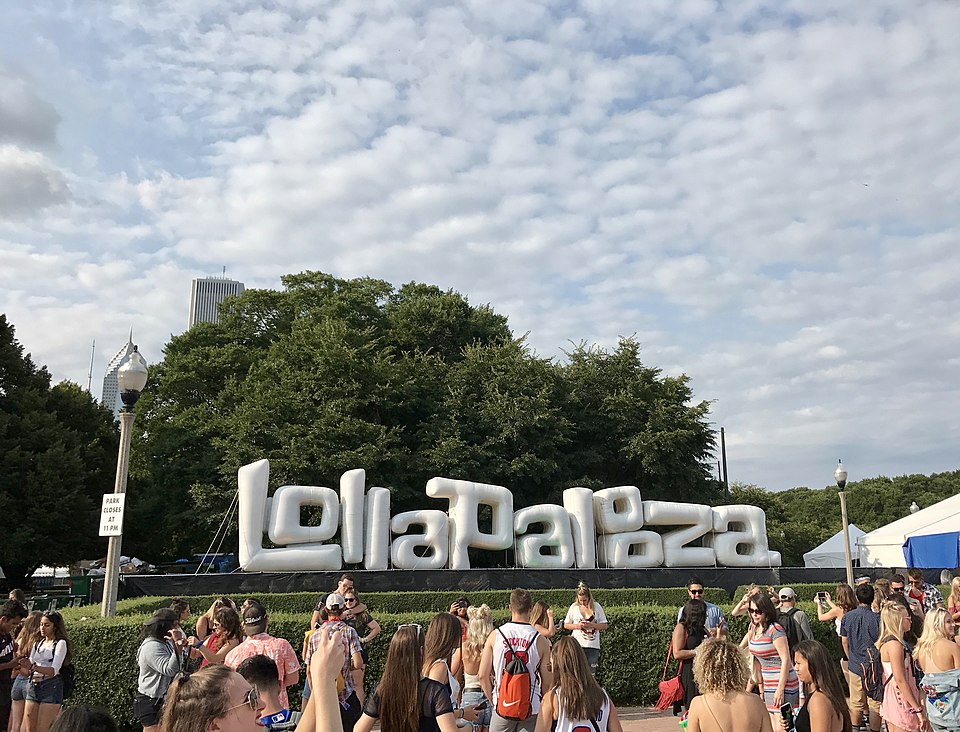
Urban planners view Grant Park as a beautiful but challenging venue for an event of this magnitude. The festival packs roughly one hundred thousand people per day into a finite city space bordered by skyscrapers and the lakefront. Crowd control specialists warn that the physical barriers of the city streets create natural choke points where movement grinds to a halt during headliner changes.
Security teams observe that the density in front of the main stages frequently reaches critical levels where personal space disappears entirely. The concrete and asphalt surfaces radiate heat back up at the crowd while the towering buildings block cooling breezes. Medical staff on site often treat dehydration and exhaustion caused by the inability of fans to escape the crush to find water or shade during the peak afternoon hours.
Bonnaroo Music And Arts Festival In Tennessee
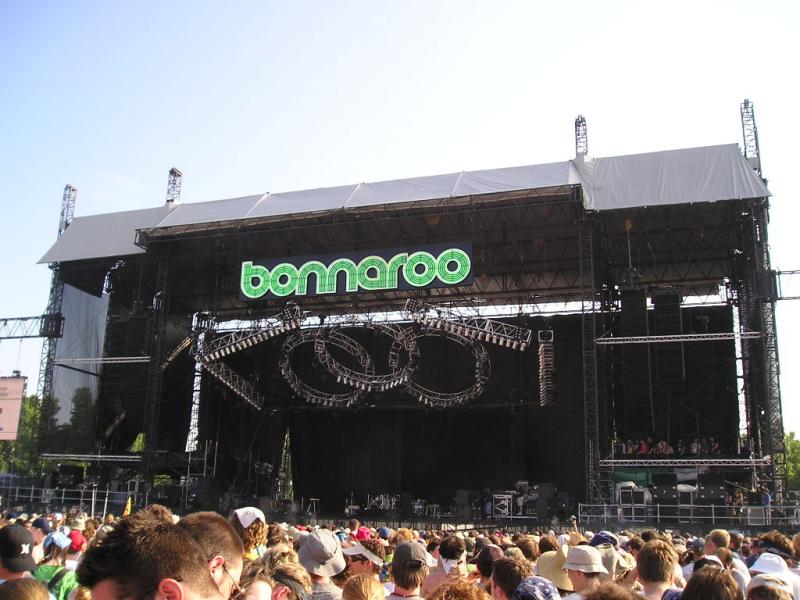
Emergency management directors in Manchester describe this camping festival as a temporary city that struggles with its own population density. The humidity of the Tennessee summer turns the farm into a sweltering endurance test where shade is a rare commodity. Safety officials note that the sprawling nature of the campgrounds leads to a disorienting experience for newcomers who must navigate oceans of tents to reach the venue.
The centralized stage layout forces massive surges of people to move through narrow arches known as the squish by seasoned attendees. Environmental health experts explain that the lack of paved surfaces means that rain instantly transforms the high-traffic areas into deep mud pits that trap feet and slow movement to a crawl. The relentless energy of the twenty-four hour cycle leaves little room for recovery and adds to the delirious atmosphere.
Electric Daisy Carnival In Las Vegas
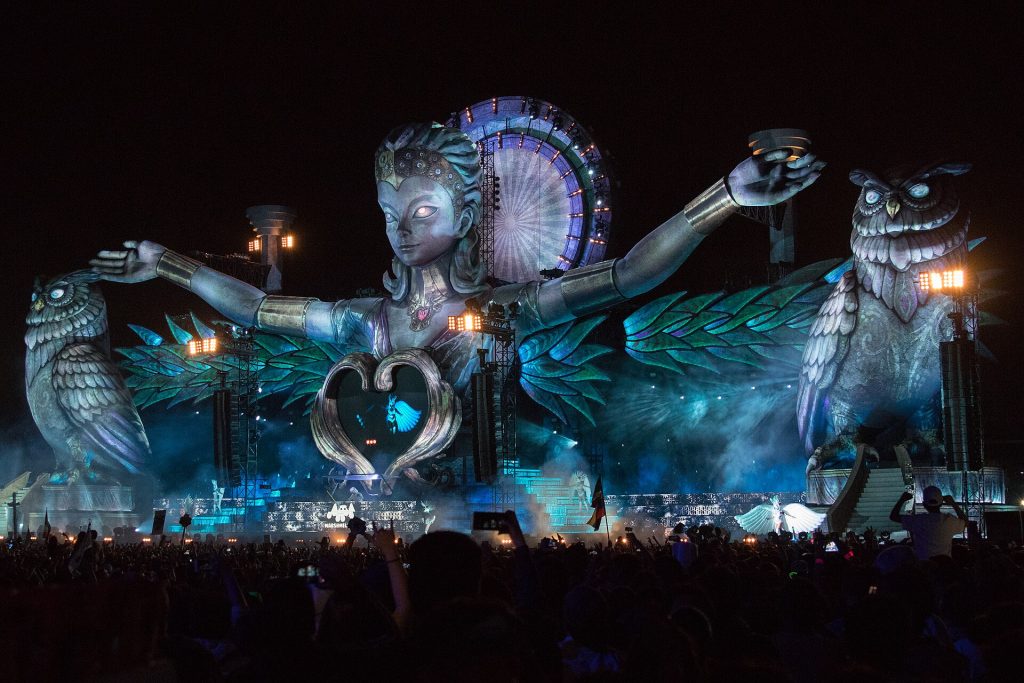
Audio engineers and sensory psychologists categorize this event as an overwhelming assault on the senses. The Las Vegas Motor Speedway hosts hundreds of thousands of electronic music fans in a space filled with neon lights and pounding bass. Traffic control supervisors frequently report that the commute to and from the venue can take upwards of three hours as the single access roads fail to handle the volume of vehicles.
Crowd dynamics researchers observe that the layout of the speedway creates a bowl effect where sound and body heat become trapped. The density of the dance floors often makes it impossible to leave a set once it begins. Medical teams face the constant challenge of reaching individuals in distress through a sea of bodies that stretches from wall to wall across the massive asphalt infield.
Burning Man In Nevada
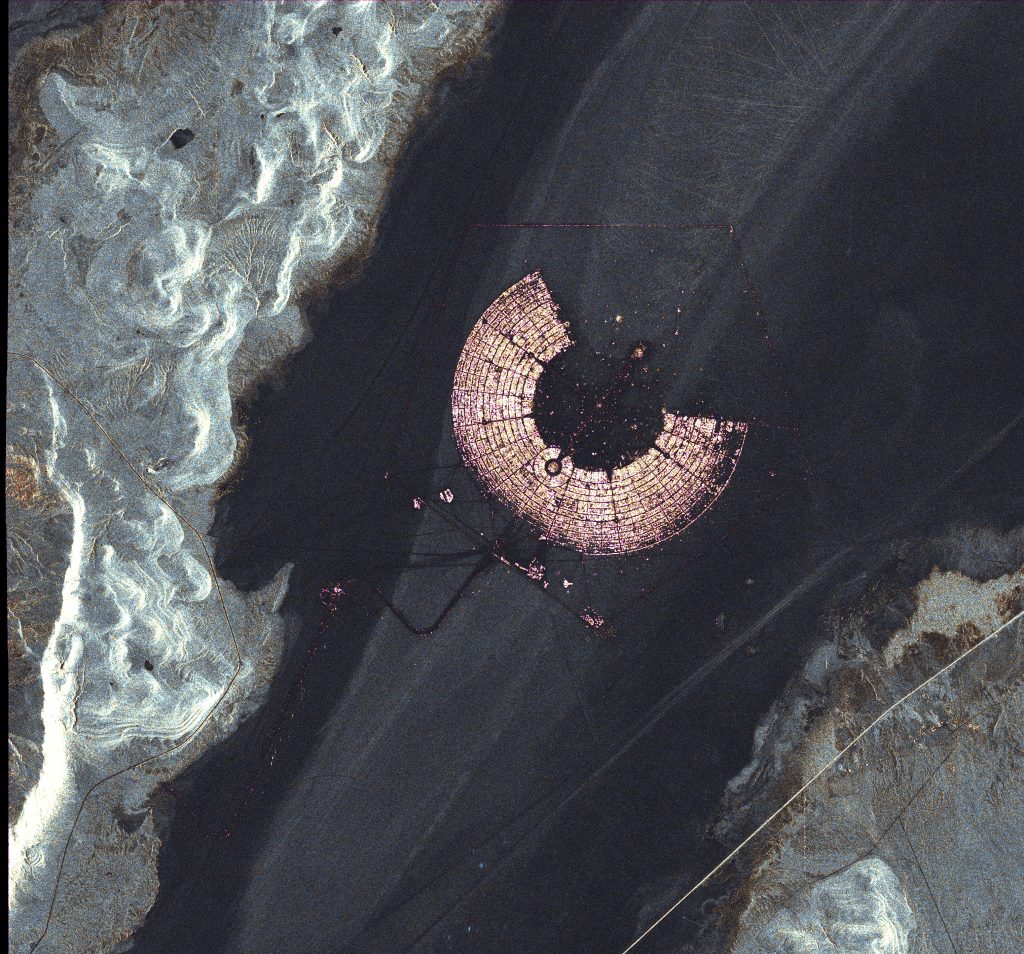
Transportation engineers study the exodus from Black Rock City as a unique case study in traffic failure. While not a traditional music festival the event features massive sound camps that draw thousands of people to deep playa raves. Bureau of Land Management officials note that the departure process known as Exodus frequently involves wait times of eight to twelve hours in a single lane of dust-choked traffic.
Survival experts emphasize that the environment itself adds a layer of chaos that few other events match. The alkaline dust coats every surface and respiratory system while whiteout conditions can suddenly blind the entire city. Veteran burners explain that the lack of structured rules outside of the ten principles creates an environment where self-reliance is the only safety net against the harsh and unpredictable elements.
Ultra Music Festival In Miami
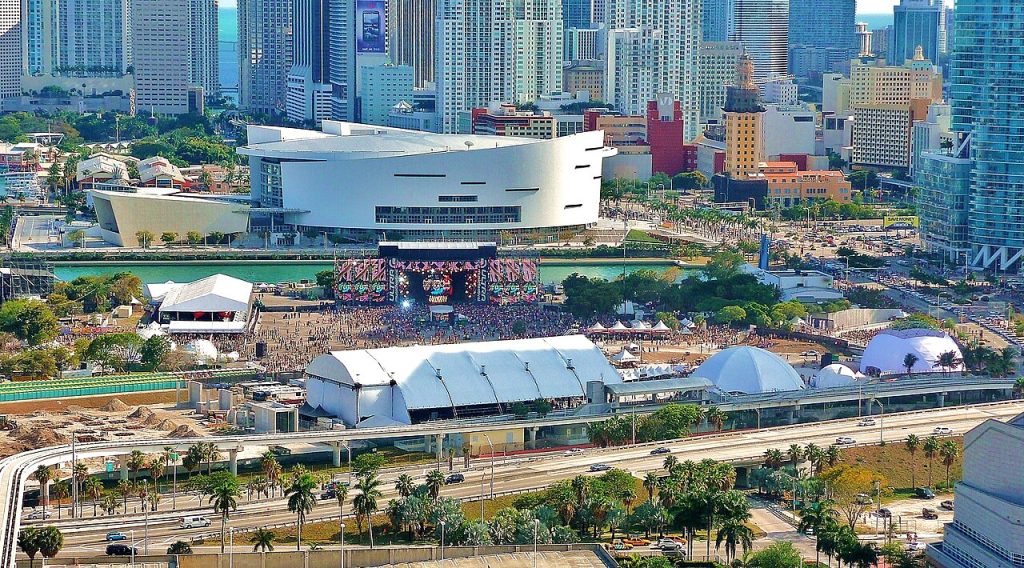
City commissioners and noise pollution analysts often debate the impact of placing this massive electronic event in the heart of downtown Miami. Bayfront Park offers a stunning backdrop but provides very little square footage for the number of tickets sold. Safety inspectors note that the compact nature of the venue forces stages to face each other which creates a wall of conflicting sound and vibration.
The concrete amphitheater design traps the humidity and body heat of the dancing crowds. Security consultants warn that the exits spill directly onto busy city boulevards which complicates the flow of pedestrians at the end of the night. The intense energy of the electronic dance music community combined with the tight quarters creates a high-pressure environment that feels relentless from the moment the gates open.
Austin City Limits Music Festival In Texas
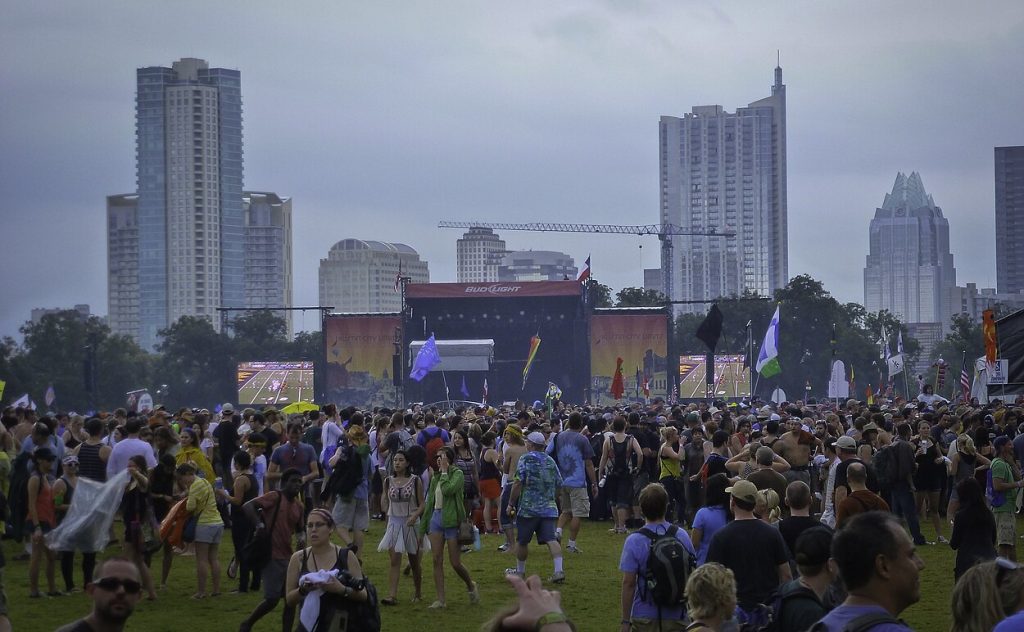
Parks and recreation officials in Austin manage the degradation of Zilker Park as thousands of feet trample the grass into fine dust. Respiratory health experts often refer to the resulting cloud as the ACL cough which plagues attendees after the weekend. The layout of the park forces two massive crowds to migrate back and forth between the opposing main stages across a bottlenecked central field.
Local residents and traffic analysts observe that the lack of parking and public transit options creates a gridlock that paralyzes the surrounding neighborhoods. The heat in October often remains high enough to cause heat stroke issues among the packed crowds. Event staff describe the challenge of managing the chair line where older attendees stake out territory that conflicts with the flow of the standing-room-only mob.
The Governors Ball In New York
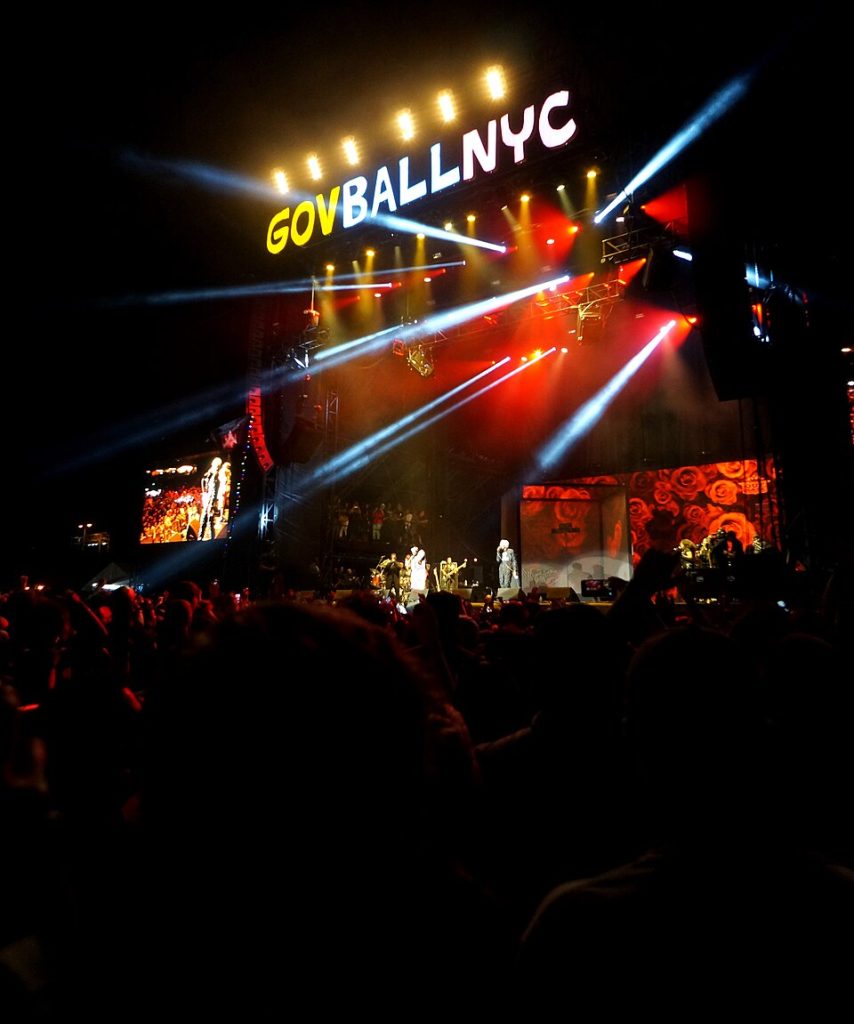
Transit authority managers view this festival as a logistical puzzle due to its reliance on public transportation and bridges. Whether held on Randalls Island or at Flushing Meadows the event frequently faces issues with muddy grounds and transport delays. Meteorologists note that the festival has a history of severe weather evacuations that turn the orderly grounds into a fleeing stampede of poncho-clad visitors.
Crowd control officers explain that the pinch points at the ferry terminals and subway stations create tension as thousands of tired New Yorkers fight for a spot on the ride home. The density of the crowd in front of the main stage often rivals the subway during rush hour. Fans frequently complain that the flat layout offers poor sightlines unless one is willing to brave the crush at the very front.
Rolling Loud In Florida
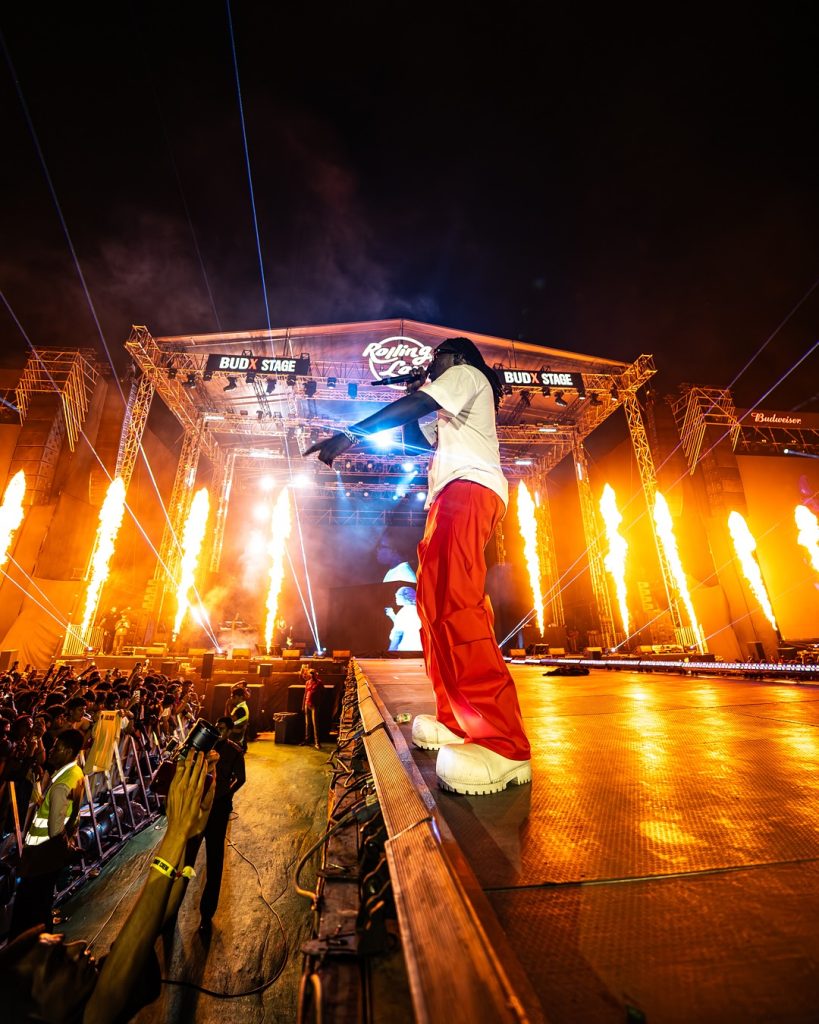
Law enforcement agencies and private security firms maintain a high alert status during this hip-hop festival due to the intense energy of the mosh pits. The Hard Rock Stadium grounds in Miami often feel like a pressure cooker as fans release pent-up energy in aggressive waves. Safety experts note that the crowd culture here encourages high-impact movement that can be overwhelming for the uninitiated.
Medical personnel on site frequently deal with injuries related to the physical nature of the crowd interactions. The heat of the parking lot venue combines with the adrenaline of the performances to create a volatile mix. Logistics managers struggle to keep the hydration stations stocked as the active crowd consumes water at a rate that outpaces standard supply chains.
Stagecoach Festival In California
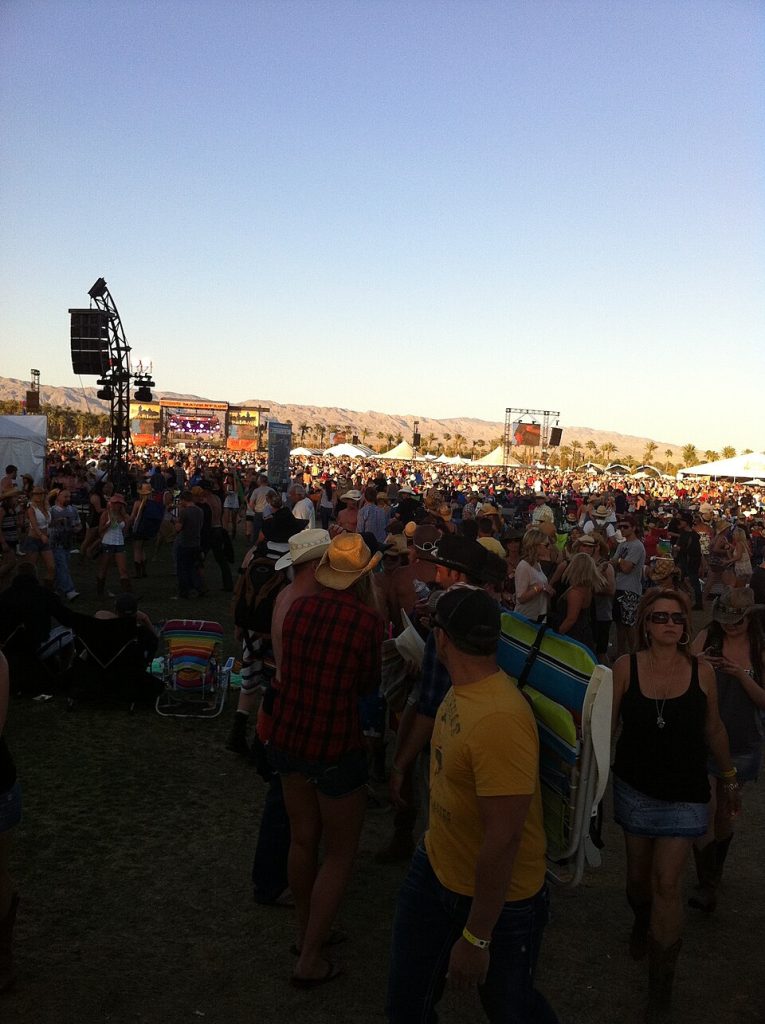
Country music industry analysts describe this event as the rural cousin to Coachella that brings its own brand of chaos. The same fairgrounds host a different demographic that brings thousands of RVs and pickup trucks into the mix. Traffic safety officers note that the culture of tailgate parties in the campgrounds creates a rowdy atmosphere that spills over into the festival grounds proper.
The dust is just as prevalent here as it is during the earlier weekends but the crowd density in the front corrals is even higher. Security staff enforce strict zones for standing and sitting which often leads to confusion and arguments among attendees. The sheer volume of people attempting to leave the parking lots simultaneously creates a gridlock that rivals any major city evacuation.
New Orleans Jazz And Heritage Festival In Louisiana
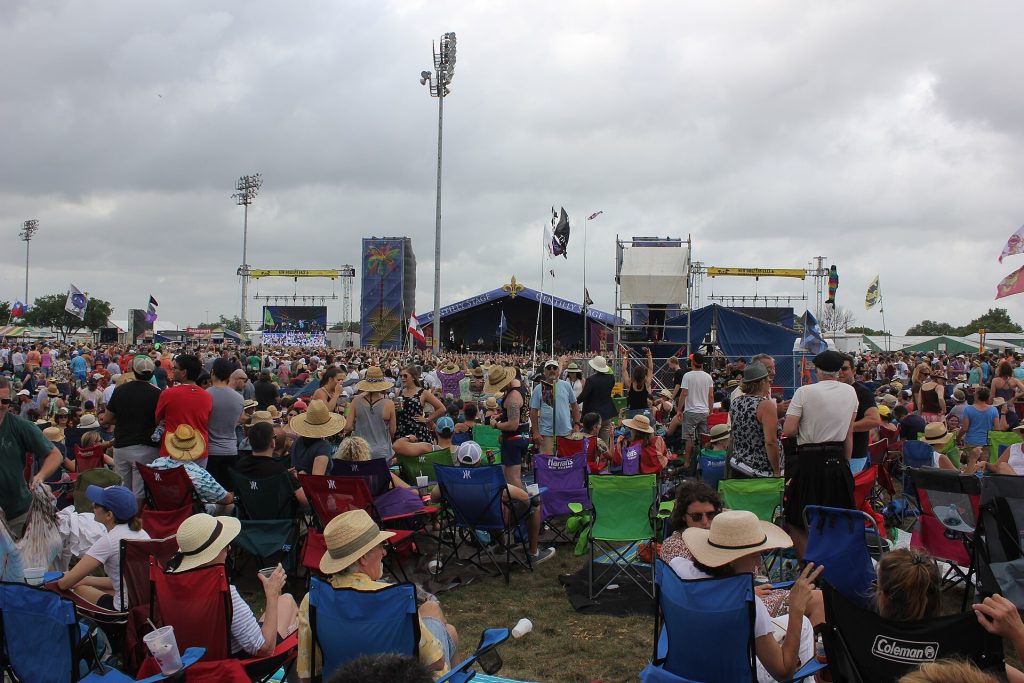
Fire marshals and event planners in New Orleans monitor the capacity of the large tents that house the main acts. The festival draws an older demographic mixed with tourists who all compete for limited space on the racetrack infield. Crowd flow specialists observe that the tradition of bringing folding chairs and tarps creates a dangerous obstacle course for anyone trying to navigate the grounds.
The heat and humidity of the Louisiana spring turn the tents into saunas where the air feels heavy and still. Safety officials struggle to keep aisles clear as fans expand their personal territories with blankets and coolers. The result is a patchwork of claimed land that makes moving from one stage to another a slow and frustrating negotiation with thousands of seated neighbors.
Outside Lands In San Francisco
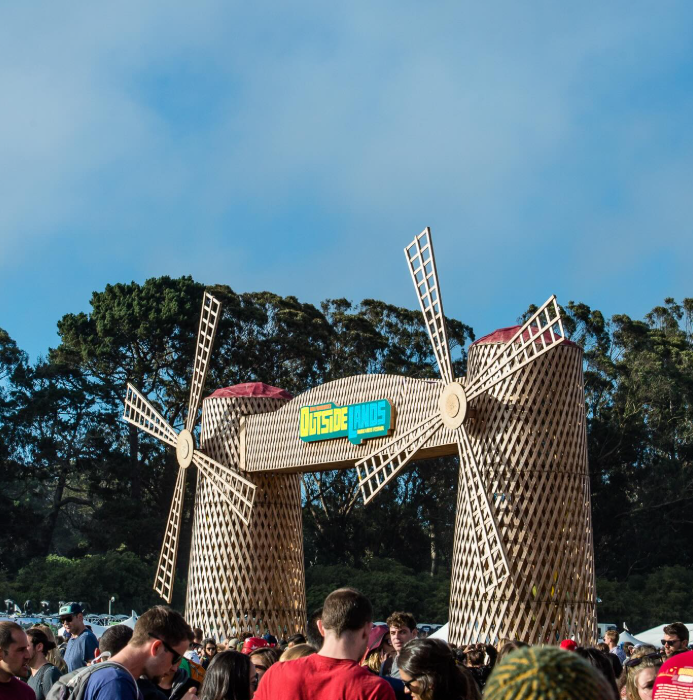
Park rangers in Golden Gate Park work to protect the botanical landscape while managing a crowd that fills every available meadow. The festival is famous for its narrow choke points between the different lands which can take thirty minutes to traverse. Weather experts note that the sudden arrival of freezing fog in the evening creates a unique hazard as unprepared attendees huddle together for warmth.
Crowd psychologists explain that the density of the trees and the rolling terrain limits visibility and makes the crowds feel larger than they are. The exodus through the dark residential streets of the Sunset District creates friction with local homeowners. Logistics teams face the challenge of moving heavy equipment and thousands of people through a park designed for quiet strolls rather than massive audio arrays.
Hangout Music Festival In Alabama
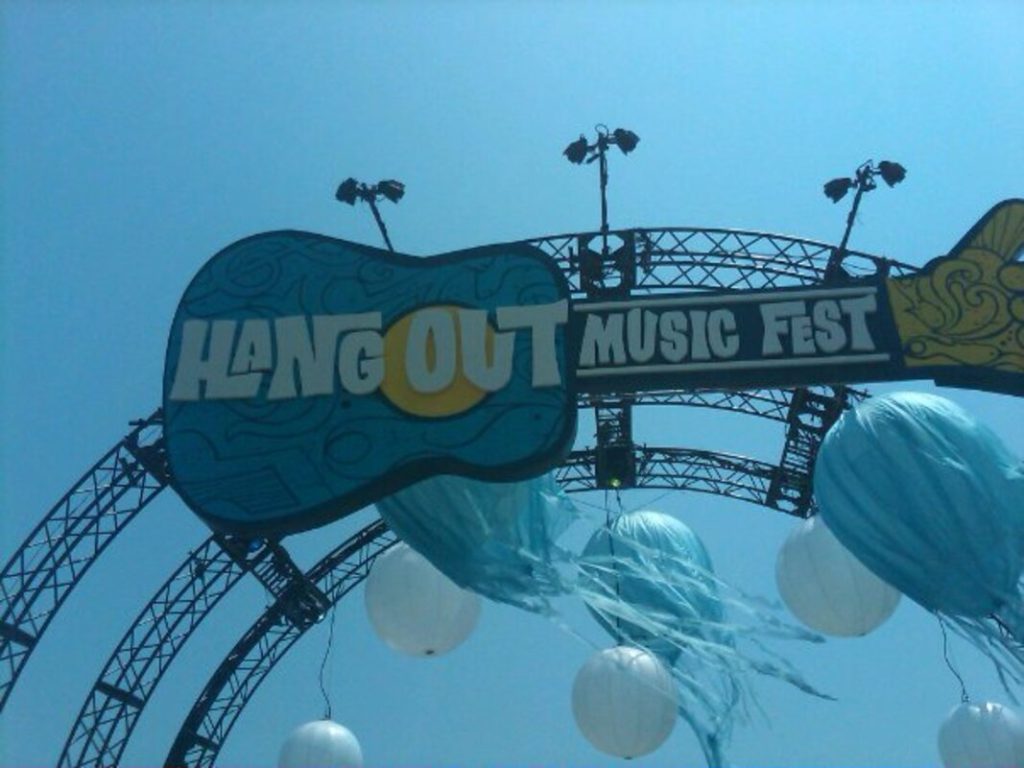
Coastal management specialists and lifeguards watch the beaches of Gulf Shores closely as the festival takes over the public sands. The loose sand makes walking difficult and slows the movement of the crowd to a tiring trudge. Dermatologists and heat safety experts warn that the complete lack of shade on the beach exposes attendees to dangerous levels of UV radiation and heat exhaustion.
The limited entry points to the beach create long lines that back up onto the hot asphalt of the coastal highway. Security teams struggle to manage the perimeter where the festival meets the ocean. The combination of sun exposure and physical exertion in the sand leads to a high number of medical calls for dehydration and fatigue among the younger demographic that frequents the event.
Boston Calling In Massachusetts
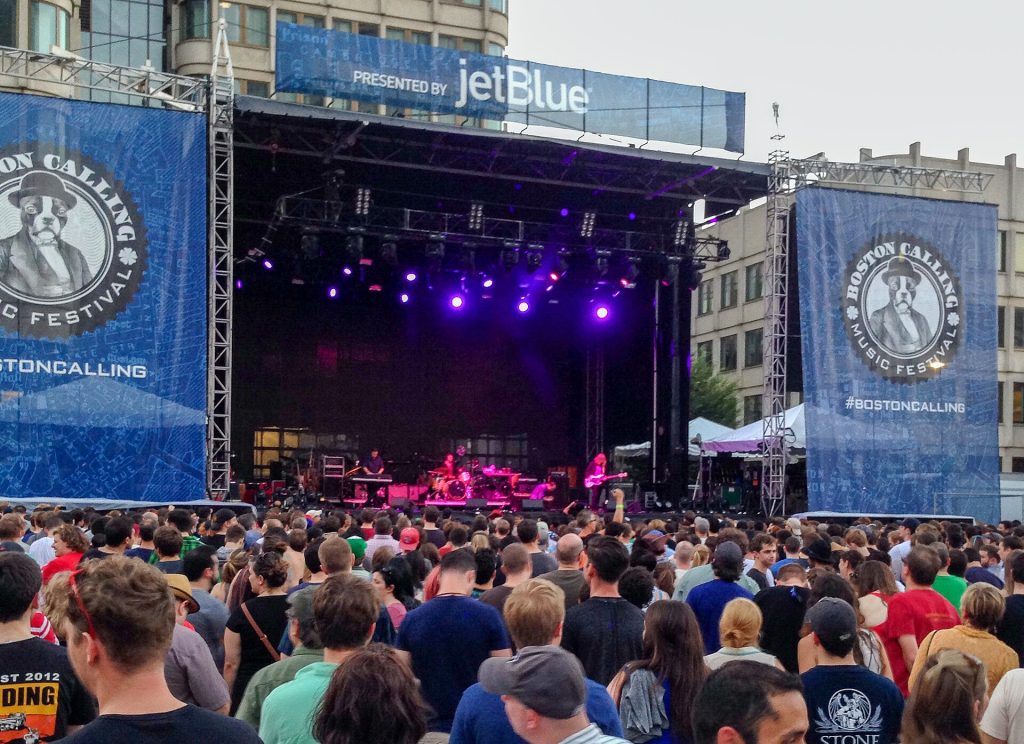
Event operations managers have faced increasing scrutiny regarding the layout at the Harvard Athletic Complex. Recent reports from attendees and safety analysts highlight severe bottlenecks near the main stages where movement becomes impossible. Crowd safety experts point out that the path between the two primary stages is too narrow to accommodate the flow of people during headline sets.
Local officials note that the turf fields absorb heat and offer no relief from the sun. The density of the crowd in the corridor areas has led to complaints of crushing and panic among fans. Logistics planners are currently re-evaluating the site map to prevent the dangerous stagnation of people that has characterized recent editions of the festival.