14 Street Parties That Spiral Into Riots
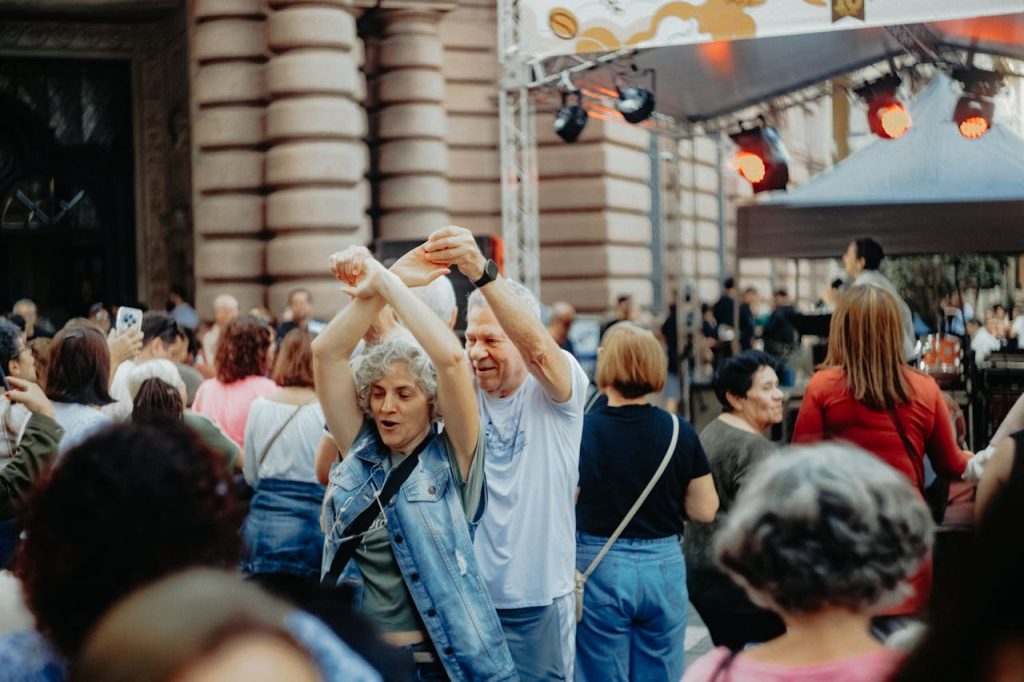
Street parties start as a small permission slip: music in the open air, food passed hand to hand, and strangers smiling like they already share a story. For a while, the street feels lighter, and the noise reads as joy, not pressure.
Then the math changes. Space tightens, exits clog, and tiny disputes stack up over lines, noise, and blocked cars. Heat, alcohol, and phones add friction, and one shove can ripple through people who never saw the start. If nobody can hear instructions and nobody wants to be the first to leave, the mood turns brittle. That is how celebration slides into unrest, fast and often without a clear moment of decision.
The Unpermitted Block Party On a Residential Street
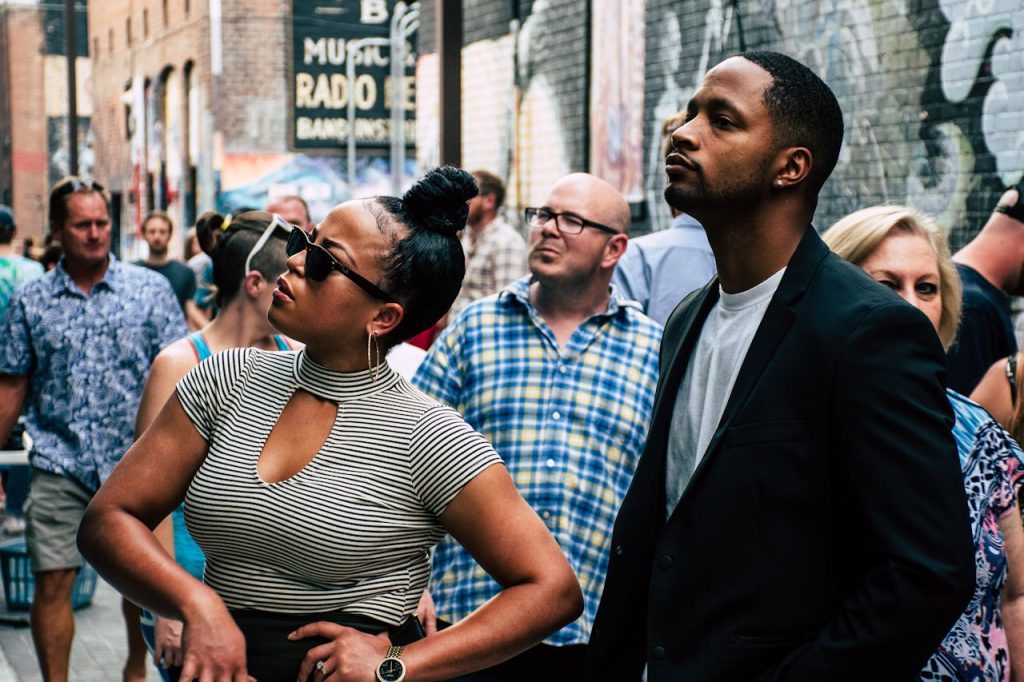
A pop-up block party can feel neighborly at first: a speaker on a porch, grills smoking, and kids weaving between folding chairs. When a viral invite lands, the crowd outgrows the block, cars double-park, and sidewalks vanish into bodies. Even friendly hosts lose track of who is responsible. It feels cozy until it doesn’t.
With no permit, there is no plan for restrooms, trash, or emergency access, so every issue lands on neighbors at 1:00 a.m. If someone tries to shut it down, the mood can harden into defiance, and a parking argument becomes a wave of shouting and shoving that spreads down the block. Nobody feels in charge anymore.
The Championship Celebration That Runs Past Closing Time
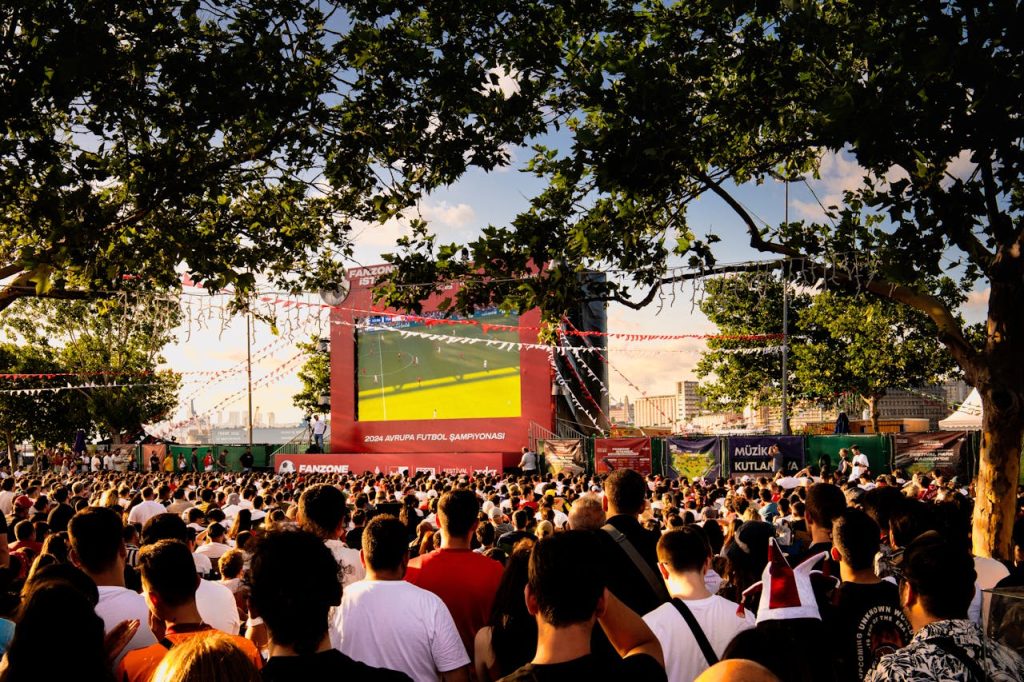
A big win can turn a downtown corner into a singing crowd within an hour. Horns blare, strangers hug, and people climb signs for photos while traffic stalls behind them. For a while, it is loud release, not anger, and the glow pulls more bodies into the street. Joy pulls in strangers from blocks away.
The turn often comes when bars close and transit delays stretch, leaving thousands outside with nowhere to go. One tipped barrier teaches the crowd it can move the city’s furniture, and copycats follow. After that, every siren feels like a dare, and small scuffles spread because space is gone. In that crush, restraint disappears.
The Festival After-Party That Outgrows the Route
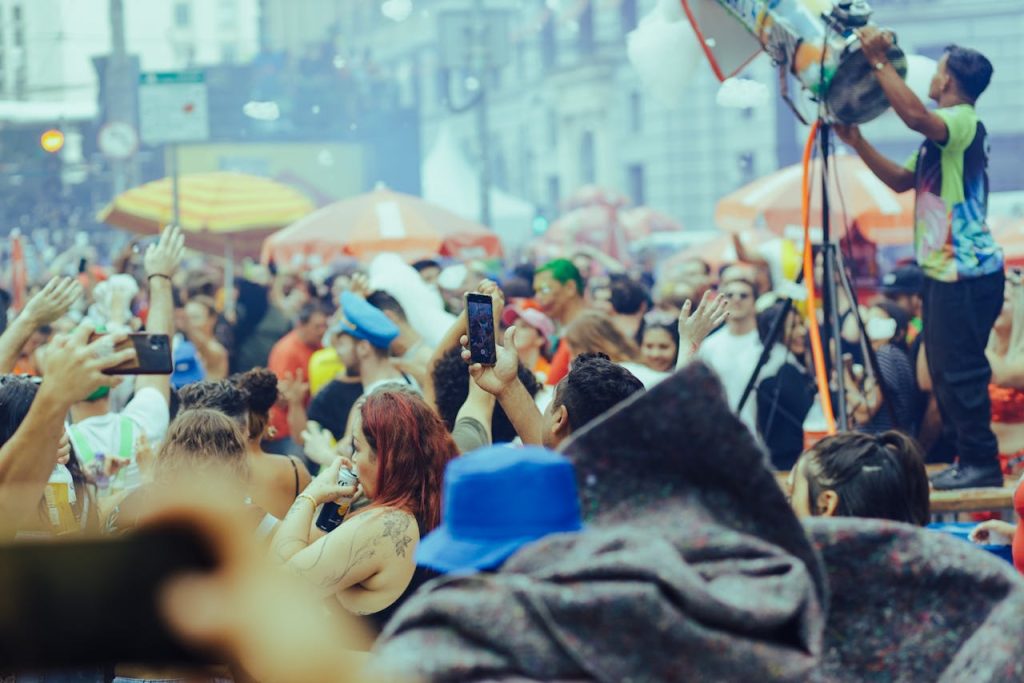
A cultural festival ends on the schedule, but the crowd often wants one more song, one more plate, one more photo under lanterns. When the official route reopens to traffic, people keep occupying it anyway, and the street swells past what was planned. By midnight, the route starts feeling permanent.
Vendors pack up, portable speakers take over, and the densest corners become bottlenecks where nobody can see what is happening ahead. A single scuffle travels as rumor, then as movement, and the push spreads faster than instructions. By the time staff arrive, the mood splits into competing stories. People react to motion, not context, fast.
The Concert Let-Out That Becomes a Street Show
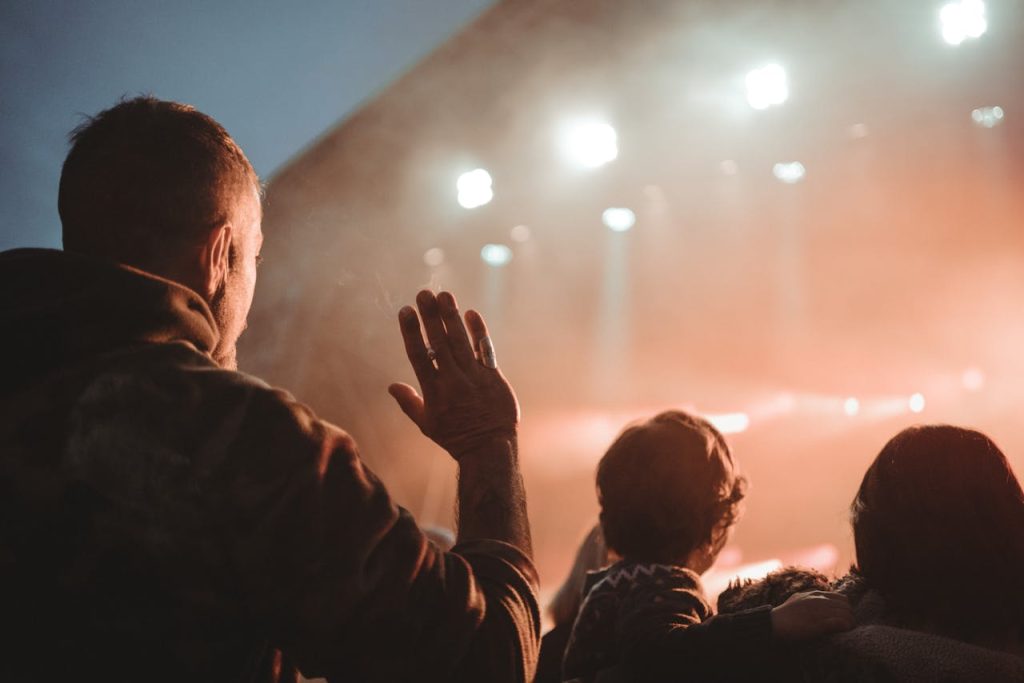
When a major concert lets out, sidewalks turn into a moving chorus, with fans replaying the last hook and vendors working the curb. The energy is bright but unfocused, and intersections fill faster than they clear. Phones rise like periscopes, and attention drifts. The street becomes a second encore.
Trouble starts when routes narrow: a closed subway gate, a stalled bus, or cars inching through pedestrians. If security pushes too hard, the crowd can read it as disrespect, and people push back to protect space and pride. One fall can trigger a surge that carries calm bystanders along. Even calm commands can sound like threats.
The Spring Break Strip After Dark
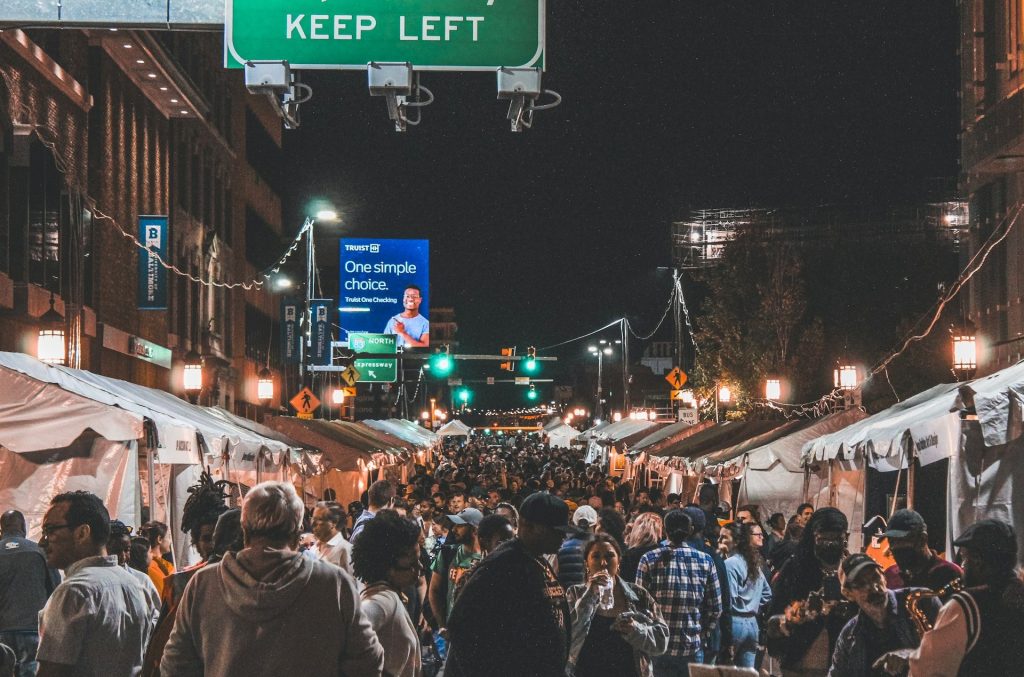
A spring break strip starts with sunburned laughter and dance circles that feel like harmless street theater. As night deepens, alcohol mixes with heat, and small rule-breaking starts to feel normal because everyone seems to be doing it. The crowd grows faster than the sidewalks. Security feels far away.
Then scarcity arrives. Restrooms are limited, lines are slow, and ride-share lanes clog, so every wait feels personal. Police presence can split the crowd into two readings, safety for some and provocation for others. When those interpretations collide, one shouted exchange can pull a whole block into disorder. Order breaks in pockets first.
The Carnival Zone With Bottleneck Streets
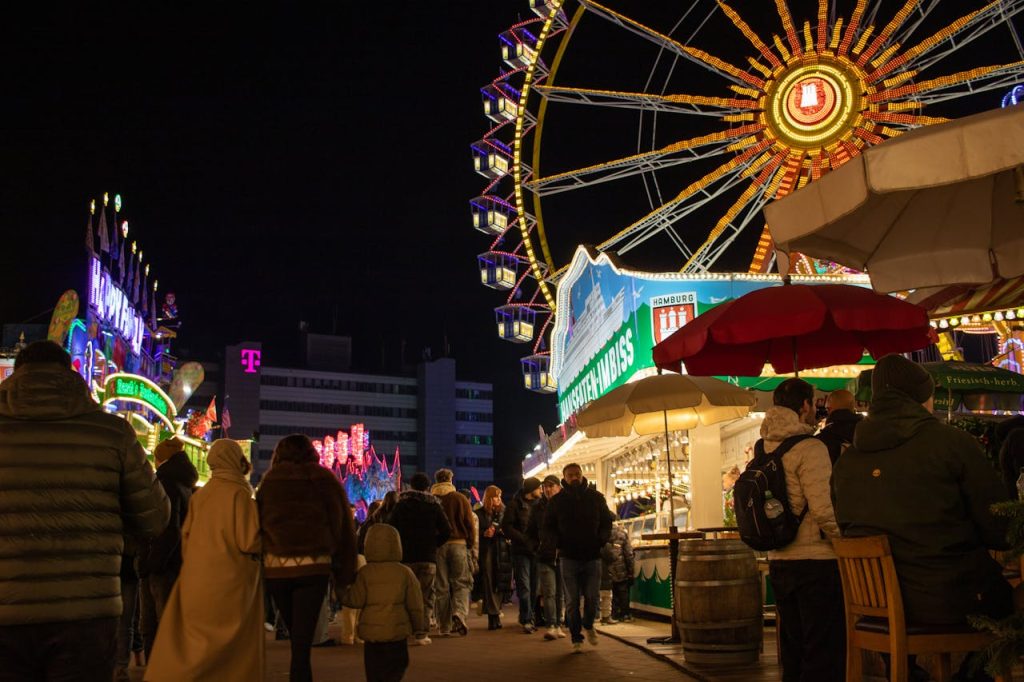
Carnival zones thrive on density, costumes, and bass that makes the pavement feel alive. On tight streets, density turns to stress when one blocked corner traps thousands in place while more people keep arriving from behind. Even calm voices get swallowed by music. The air is joy and impatience.
When bodies cannot move, patience thins. Someone climbs a barrier for air, others follow, and boundaries lose meaning in minutes. If one section surges, another panics, and the mood fractures into fear, bravado, and blame. The street starts acting like a pressure valve, releasing force wherever it finds a weak seam. Pinned crowds stop listening.
The Holiday Fireworks Exit Surge
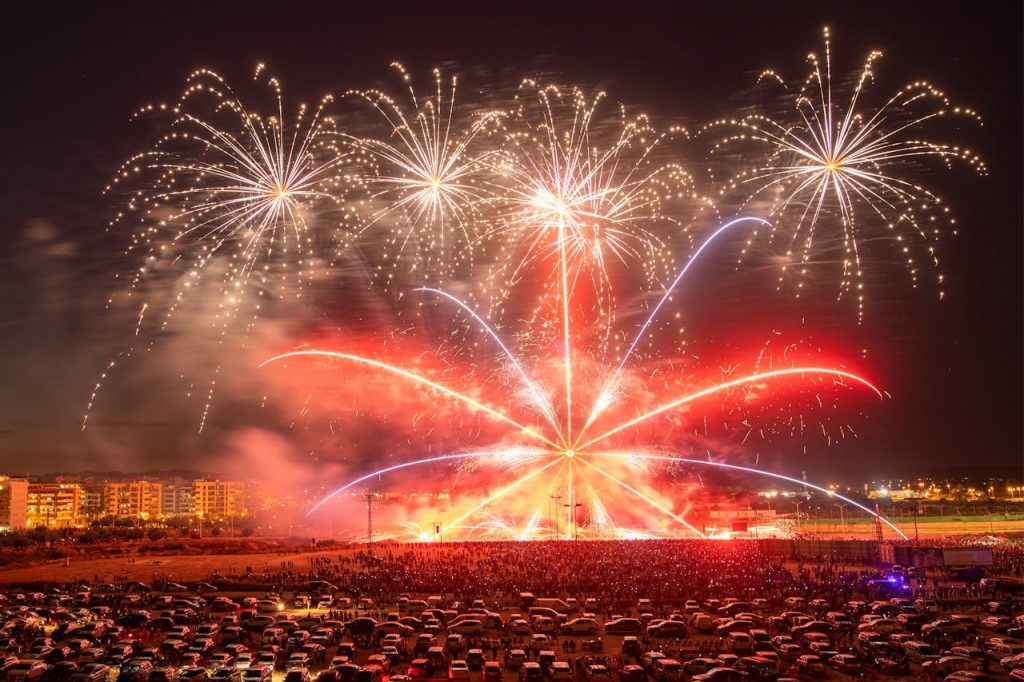
Fireworks crowds are calm while everyone faces the sky, shoulder to shoulder, sharing the same countdown. The risk begins after the final boom, when thousands turn at once and every exit becomes the main event. Strollers, coolers, and blankets become obstacles. The crowd pivots like a single head.
Poor lighting and delayed transit make tempers short. Cars creep through pedestrians, groups lose track of each other, and rumors travel faster than staff instructions. A small shove can feel like a threat when people are tired and boxed in, so the push spreads as self-protection and confusion does the rest. When exits stall, tempers rise.
The Pride Nightlife Chokepoint
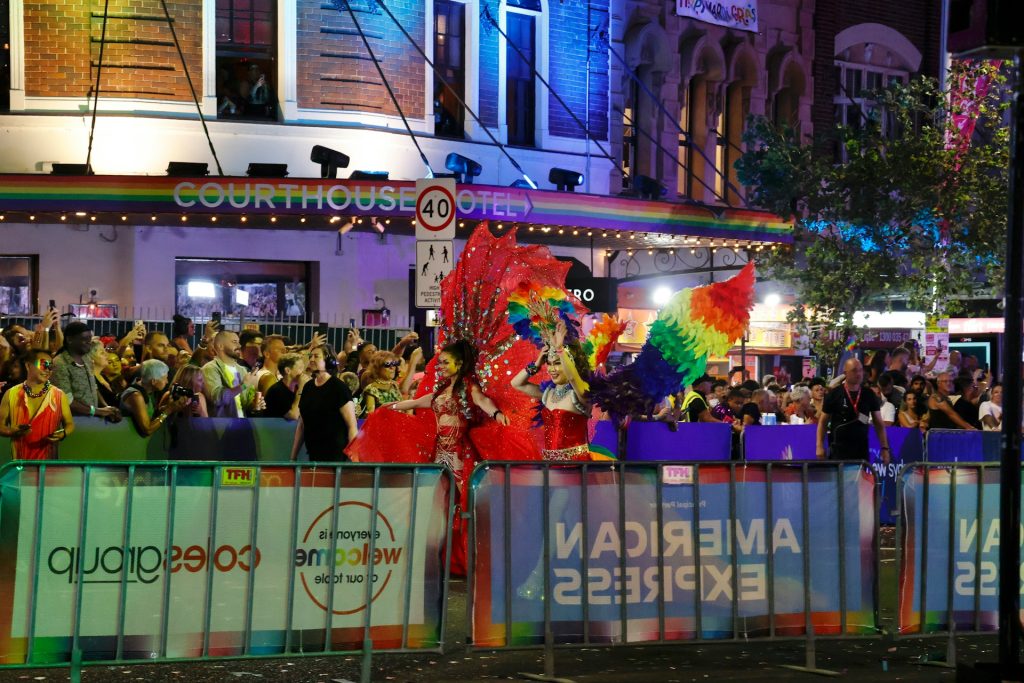
Pride nightlife can keep a city glowing past midnight, with music, glitter, and packed venues feeding the same few blocks. When side streets close and everyone funnels toward the same doors, a corner becomes overfull one slow step at a time. The vibe stays upbeat until it feels tight. Doors become prizes.
Choke points do the damage: a bar entrance, a narrow crosswalk, a fence line where the crowd presses forward. If someone is denied entry, onlookers gather fast, and phones turn the moment into a stage. A heavy response can read as disrespect, and the mood can flip from joy to confrontation quickly. Once the line stalls, voices sharpen.
The Student Street Takeover Near Campus
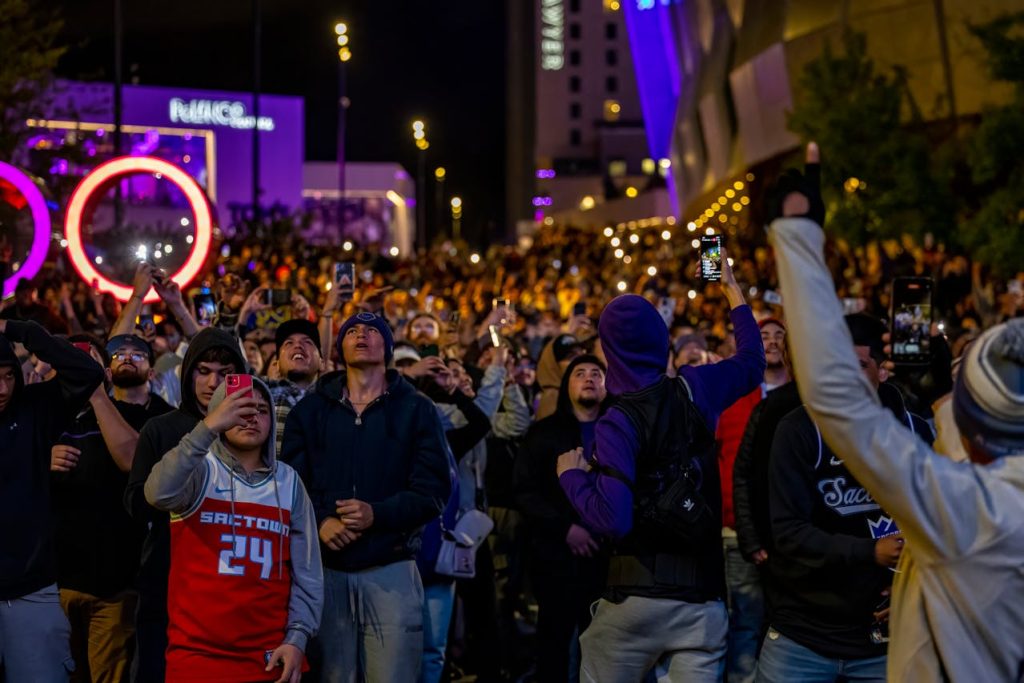
A student street takeover starts like a shared backyard: porch music, cheap food, and a sense that rules are paused for one night. Friends arrive in waves, and the crowd grows because nobody wants to miss what is being filmed and posted. Familiar faces keep it friendly early. Noise hides warnings.
Then numbers outrun the social glue. Outsiders show up, small groups test limits, and peer pressure rewards the loudest behavior. When patrol cars roll through, some cheer and others jeer, and the atmosphere splits into performance and resentment. Once barriers get pushed, the night becomes a contest over control. It stops feeling friendly.
The Heatwave Day Party That Overheats
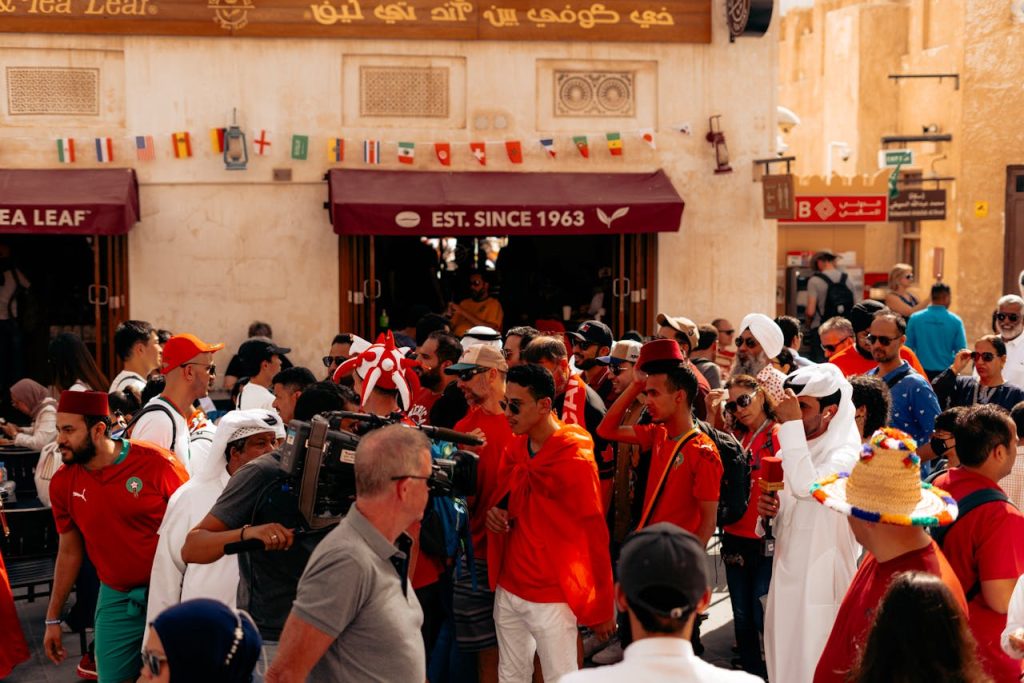
A heatwave day party looks easy: open doors, portable speakers, and cold drinks passed around under hard sun. Heat shortens patience and dulls judgment, especially after hours on hot pavement with little shade. The same crowd that danced at noon can be irritable by 4:00 p.m. Shade becomes currency.
Dehydration turns minor annoyances into arguments. Someone cuts a line, shoulders bump, and voices rise fast because everyone already feels overstimulated. If medics arrive for a heat emergency, crowds cluster and debate, which can block access and raise tension. One dispute becomes everyone’s problem. People stop giving each other room.
The Free Merch Pop-Up With a Short Supply
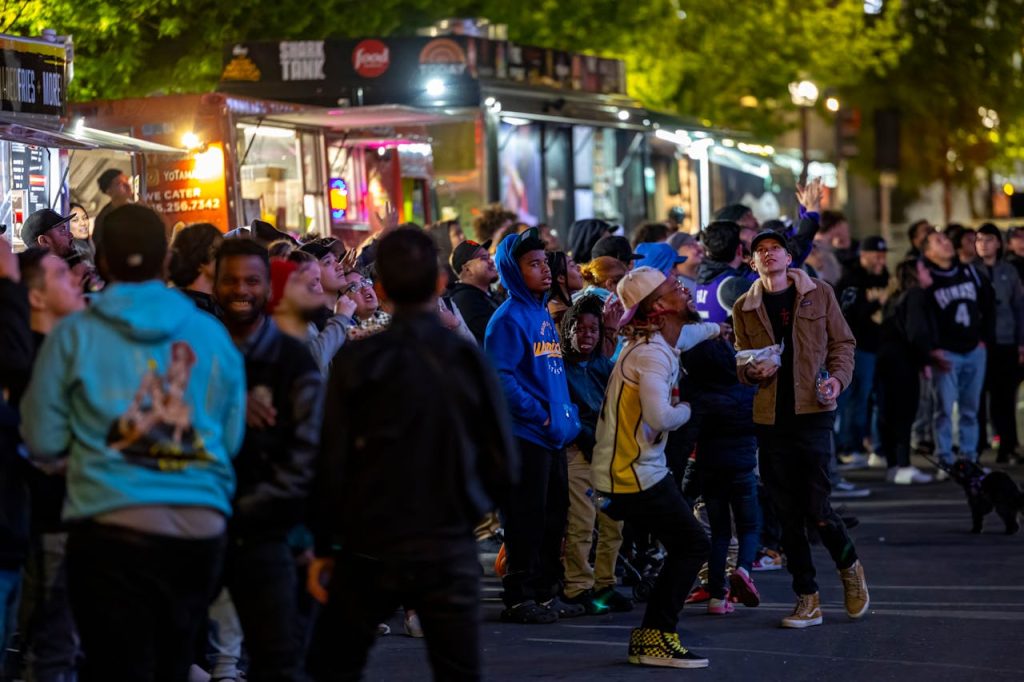
A brand pop-up with free merch can feel like a street party with brighter signage and louder speakers. Limited giveaways create urgency, and urgency turns a loose line into a contest where every person ahead feels like lost time. The queue becomes its own mood. Staff cannot answer questions.
When supplies run low, excitement flips into suspicion. Accusations of cutting or favoritism spread, and staff tighten the line with barriers and shouted rules. A door closes, someone pushes forward, and the crowd compresses to avoid missing out. In that squeeze, calm people get pulled into shoving even if they wanted no trouble. Silence feels unfair.
The Protest and Party Overlap
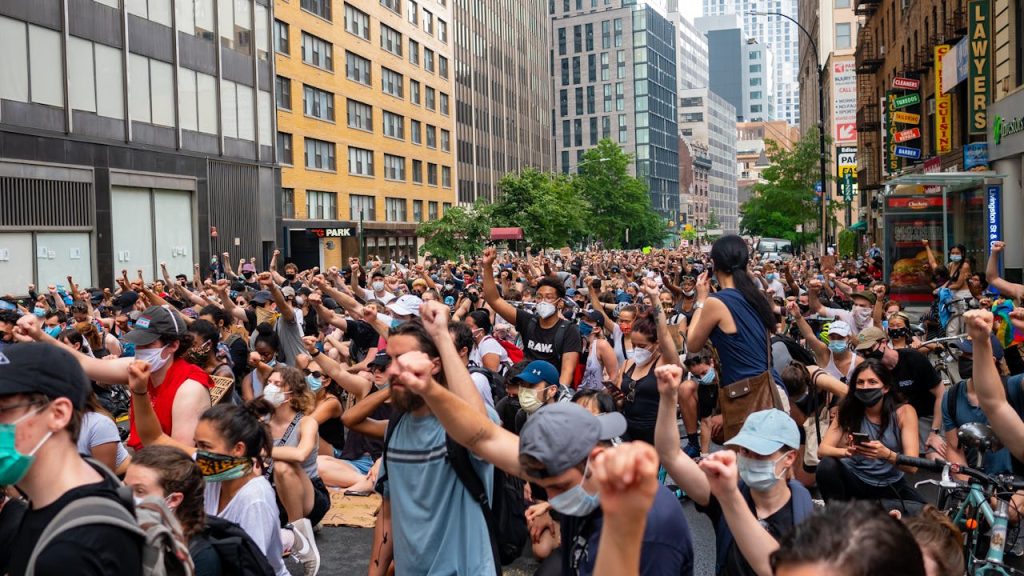
Some nights a street party shares space with a march, a counter-event, or a tense civic moment already in motion. Music and dancing can sit beside anger and grief, and the mix feels powerful until messages collide on the same pavement. Not everyone is there for the same reason.
A single insult, a thrown drink, or a sudden move to separate groups can trigger escalation. People in party mode may not know the context, but they feel the temperature change and choose sides on instinct. Barriers go up, interpretations split, and confusion replaces trust. The crowd becomes two narratives pushing through one narrow street. It spreads.
The Rival Group Meet-Up That Turns Public
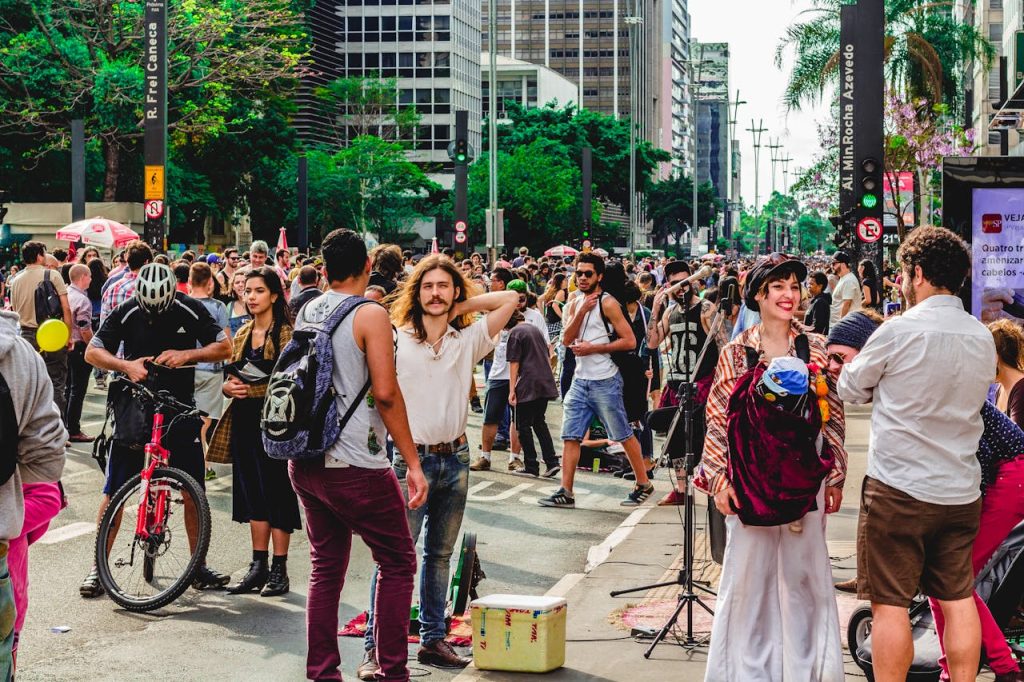
A street party can pull rival groups into the same block, where old grudges ride under the music like a low drone. At first it is staring and posturing, with friends trying to defuse it using jokes, food, and quick distractions. The crowd pretends nothing is wrong and keeps dancing.
The street amplifies everything. A small argument draws spectators, spectators add commentary, and the dispute turns into a public performance. When someone steps in to break it up, it can be read as taking sides, which widens the anger. The party rhythm breaks into a brittle pause, and that pause invites trouble. Nobody trusts the next move for long.
The Curfew Countdown That Feels Like a Trap
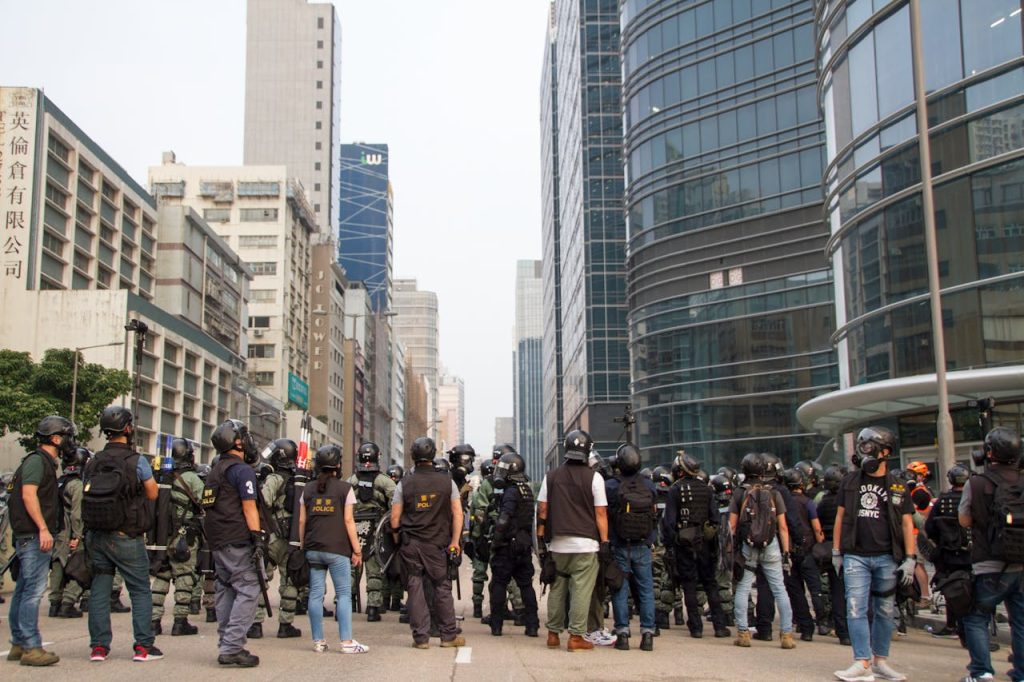
A curfew countdown turns the last hour into a race. People rush for one more drink, one more song, one more photo under streetlights before doors close, and that urgency makes crowds move faster than they think. Patience thins at entrances, crosswalks, and transit stops. Everyone is watching the clock.
Friction peaks when venues shut and enforcement arrives. Some move along, others push back on principle, and the crowd splits into competing instincts. If barricades appear without clear guidance, people feel cornered and the exit becomes conflict. Once bodies start pressing forward, even calm individuals get carried by the movement.