14 Travel Spots That Shine During Short Winter Days

Short winter days often reveal a different personality in destinations that thrive on atmosphere, tradition, and compact experiences. Many cities and regions across the world lean into limited daylight by highlighting walkable centers, cultural landmarks, and seasonal rituals that feel more intimate after sunset. Twinkling lights, historic streets, and indoor attractions take on greater importance, while colder temperatures encourage slower pacing and thoughtful exploration. From northern towns shaped by polar nights to classic European capitals designed for evening culture, these places prove that fewer daylight hours can heighten charm, beauty, and memorable travel moments during winter.
Reykjavik, Iceland

Reykjavik embraces short winter days through glowing streets, geothermal warmth, and a strong indoor culture. The compact capital allows sightseeing without long travel times, making daylight feel sufficient rather than limiting. Museums, cafes, and music venues remain lively well after sunset, while public pools heated by geothermal energy offer outdoor relaxation in cold air. Winter also brings reliable opportunities to see the northern lights beyond city limits. Hallgrimskirkja, Harpa Concert Hall, and the Old Harbor feel especially atmospheric under winter skies, reinforcing Reykjavik’s reputation for turning darkness into a defining seasonal feature. Local design, lighting, and walkability help residents adapt throughout winter.
Tromso, Norway
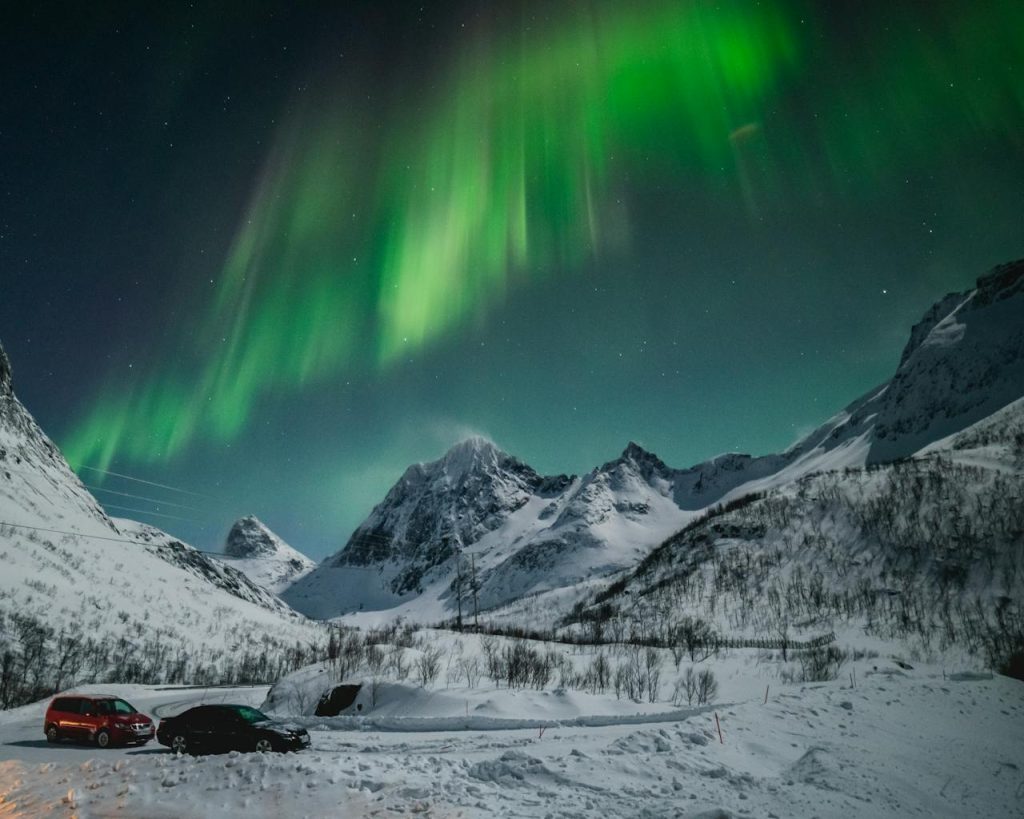
Tromso experiences polar night, yet winter days feel rich rather than restrictive. The city prioritizes cultural life, with museums, concerts, and cozy restaurants filling hours when daylight disappears. Snow-covered mountains and fjords surround the city, creating striking scenery even during limited daylight windows. Winter activities such as dog sledding and fjord cruises operate efficiently within shorter days. The Arctic Cathedral and harbor area glow beautifully after dark, while Tromso’s location makes it one of the world’s most accessible urban bases for northern lights viewing throughout the winter season. Organized tours and urban planning maximize experiences despite prolonged darkness.
Rovaniemi, Finland

Rovaniemi thrives during short winter days by embracing Arctic traditions and seasonal storytelling. As the official hometown of Santa Claus, the city centers winter activities around festive villages, reindeer farms, and forest experiences that function smoothly within limited daylight. Snow reflects available light, extending visibility during daytime hours. Evenings focus on saunas, local cuisine, and northern lights excursions beyond the city. The Arktikum Museum and cultural centers provide indoor depth, ensuring winter visitors experience both Lapland’s natural beauty and its heritage without relying on long daylight periods. Guided tours and infrastructure help visitors navigate winter schedules comfortably.
Edinburgh, Scotland
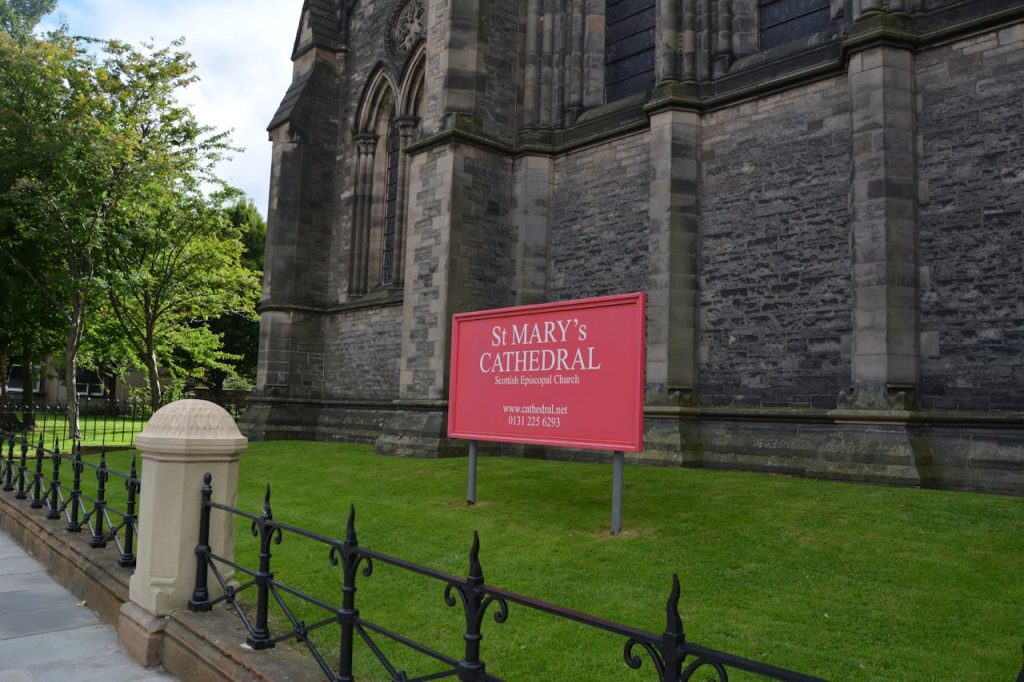
Edinburgh’s historic layout suits winter’s shorter days exceptionally well. The Royal Mile, Old Town closes, and New Town streets remain walkable and visually engaging under fading light. Stone architecture and narrow lanes create a dramatic atmosphere as dusk arrives early. Winter festivals, including Hogmanay celebrations, emphasize evening culture through music, markets, and performances. Museums such as the National Museum of Scotland offer substantial indoor exploration during daylight hours. Edinburgh Castle, illuminated at night, reinforces how the city’s character deepens rather than diminishes during winter darkness. Visitors experience history, festivals, architecture, museums, nightlife within compact distances.
Prague, Czech Republic
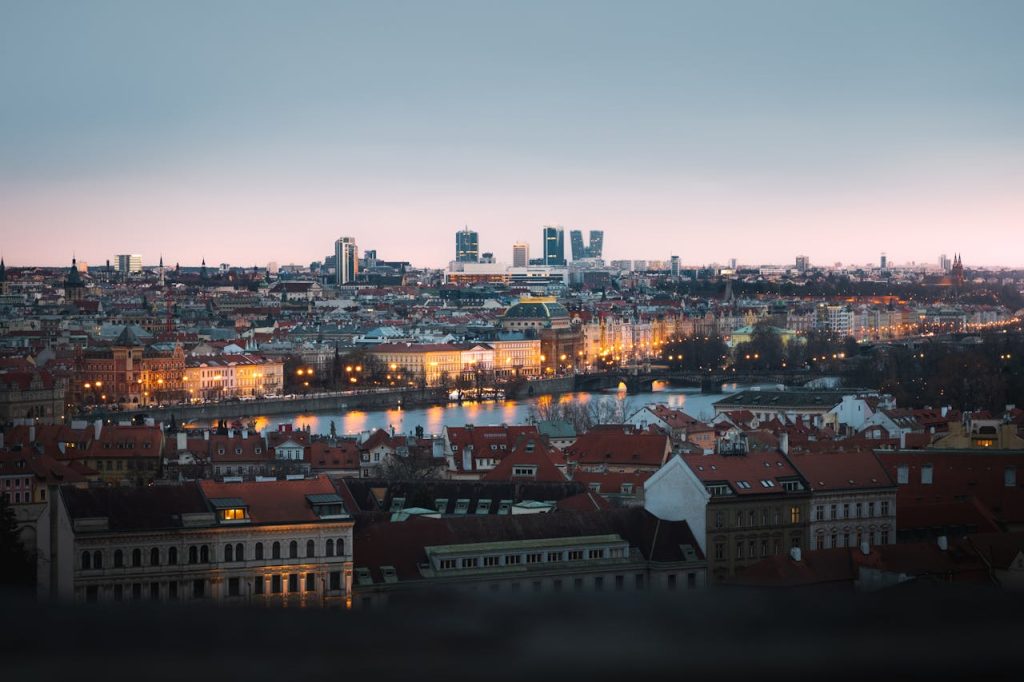
Prague feels particularly enchanting during short winter days due to its preserved medieval core and concentrated attractions. Daylight hours easily cover Old Town Square, Charles Bridge, and Prague Castle without rushing. As night falls, historic buildings glow under soft lighting, creating a cinematic setting. Cafes and classical music venues anchor evenings with warmth and tradition. Winter markets add seasonal rhythm without overwhelming crowds. The city’s efficient public transport further supports exploration after dark, making Prague a destination where limited daylight enhances intimacy rather than restricting discovery. Visitors appreciate how history, music, architecture, and lighting shape evenings.
Vienna, Austria
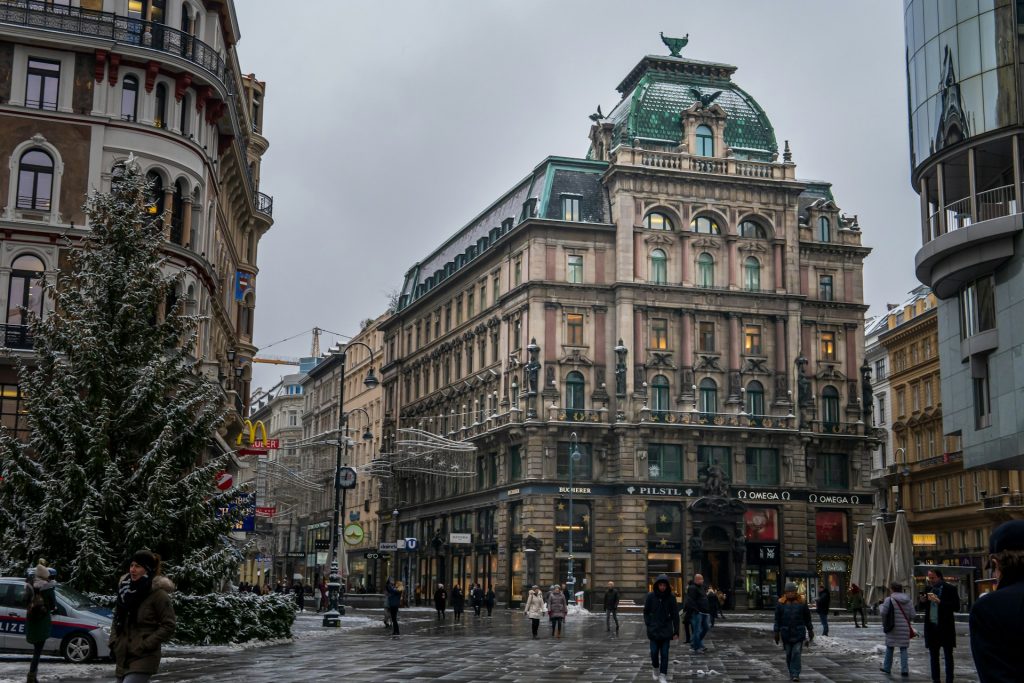
Vienna adapts gracefully to winter’s shorter days through culture, structure, and tradition. The city’s museums, palaces, and concert halls are designed for extended indoor enjoyment, making daylight less critical. Strolling between landmarks such as the Hofburg and St. Stephen’s Cathedral remains manageable within compact central districts. Evenings come alive with classical performances, opera, and historic cafes that encourage lingering conversations. Seasonal markets and softly lit streets add warmth to colder nights, reinforcing Vienna’s long-standing identity as a city built for reflection, music, and wintertime elegance. Winter visitors often linger longer indoors, savoring performances, pastries, conversations, atmosphere.
New York City, New York
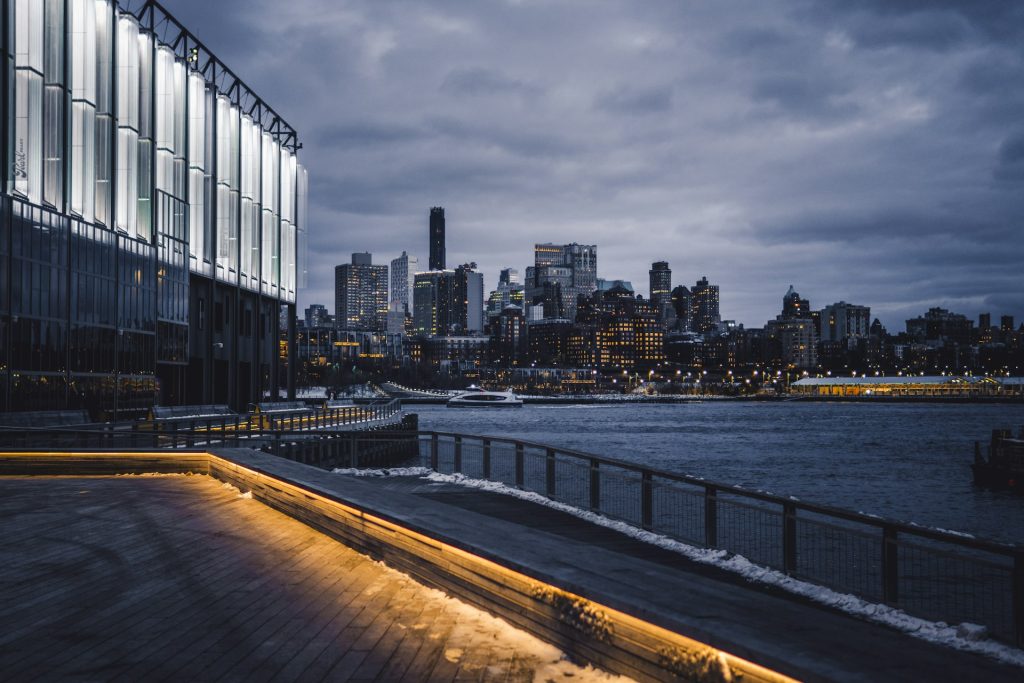
New York City thrives during short winter days by offering constant energy beyond daylight hours. Iconic attractions such as museums, theaters, and restaurants operate late, minimizing reliance on sunlight. Central Park remains inviting during daytime, while illuminated skyscrapers define evenings. Neighborhoods provide endless indoor options, from galleries to historic libraries. Holiday decorations and seasonal displays add visual interest after dark. Efficient public transit keeps movement easy despite early sunsets. Winter emphasizes New York’s strength as a city of experiences, proving its appeal extends well beyond daylight limitations. Residents and visitors alike embrace winter nights filled with culture.
Paris, France
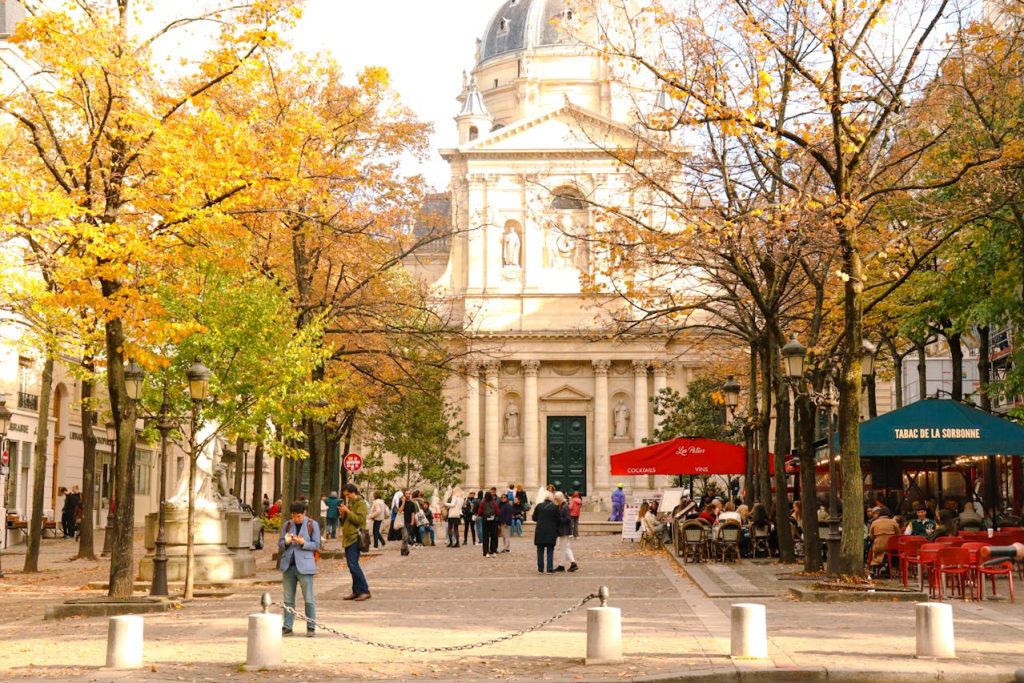
The Paris maintains its allure during short winter days through concentrated beauty and evening culture. Landmarks like the Louvre, Notre Dame area, and the Seine’s bridges fit comfortably into limited daylight hours. As night arrives, streetlights and café windows create a timeless atmosphere. Many museums, theaters, and bistros anchor evenings with warmth and tradition. Winter reduces crowds, allowing quieter exploration of historic neighborhoods. The city’s compact core and emphasis on dining and arts ensure that Paris remains immersive and rewarding, even when daylight fades earlier than expected. Evenings feel reflective, elegant, social, comforting, intimate, artistic, calm, memorable.
Rome, Italy
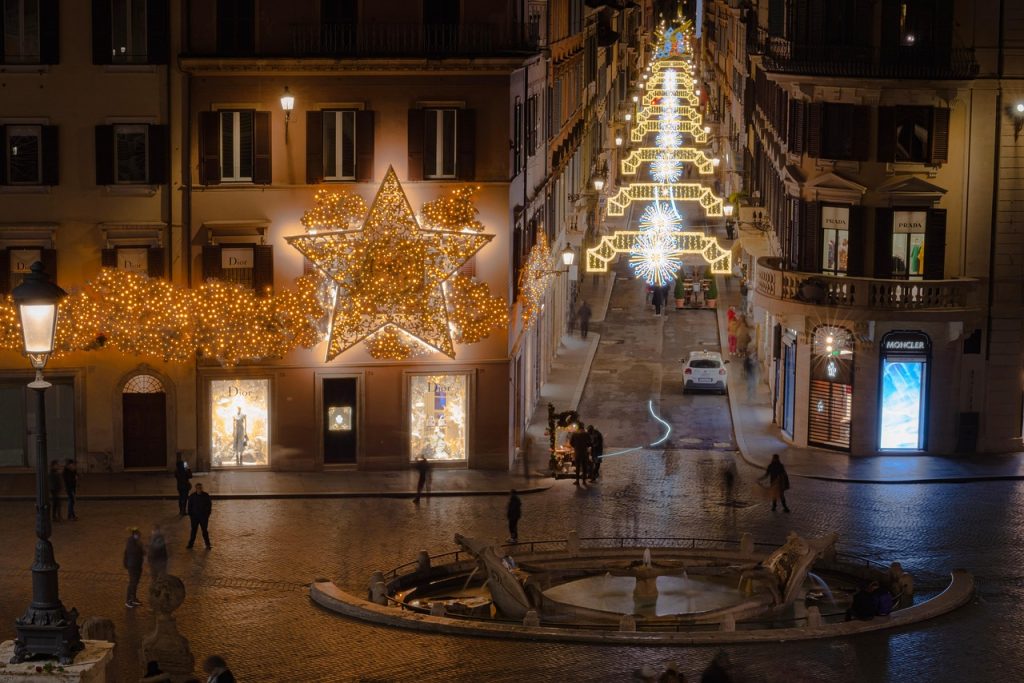
Rome adapts well to winter’s shorter days by concentrating history within a walkable center. Daylight hours easily cover major sites such as the Colosseum, Roman Forum, and Vatican surroundings. Cooler temperatures make walking more comfortable, while early sunsets shift focus toward evening meals and neighborhood life. Illuminated ruins and piazzas offer striking nighttime scenes. Churches and museums provide indoor depth during afternoons. Winter highlights Rome’s layered history and daily rhythms, proving that limited daylight does not diminish the city’s ability to feel expansive and timeless. Locals savor long dinners, conversations, traditions, neighborhoods, history, warmth together.
Venice, Italy
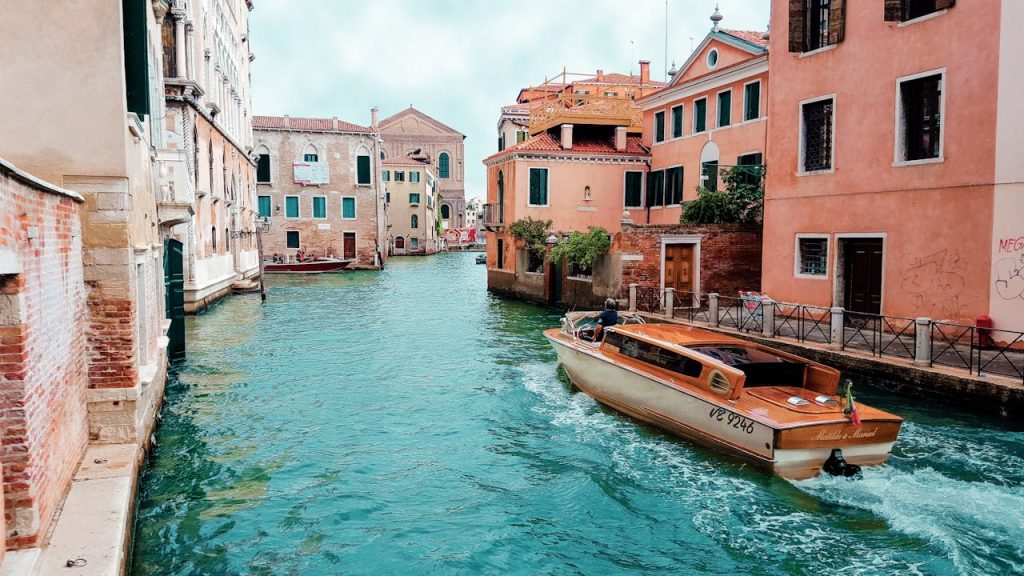
Venice feels especially atmospheric during short winter days, when misty mornings and early sunsets accentuate its unique setting. The compact island layout allows efficient sightseeing without long daylight requirements. St. Mark’s Square, canals, and historic neighborhoods remain visually engaging under soft winter light. Evenings emphasize quiet walks, intimate dining, and reflections on water beneath streetlamps. Winter reduces crowds significantly, allowing a slower pace. Venice’s reliance on architecture, water, and mood rather than daylight-heavy activities makes it particularly well suited for winter travel. Visitors notice silence, fog, reflections, and intimacy shaping winter moments.
Barcelona, Spain

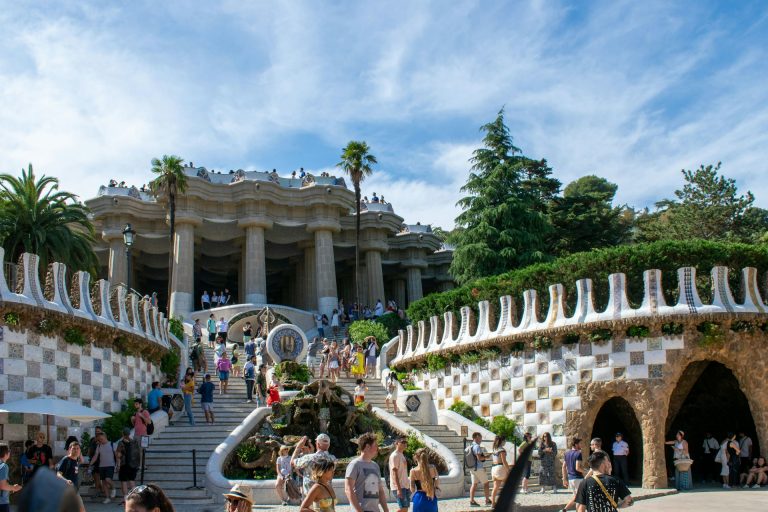
Barcelona balances short winter days with mild temperatures and diverse attractions. Daylight comfortably covers architectural highlights such as the Gothic Quarter and modernist landmarks. Cooler weather encourages walking without summer crowds. As daylight fades, the city’s dining culture and neighborhood plazas become focal points. Museums and markets provide indoor exploration during afternoons. Barcelona’s coastal setting still offers scenic views, while evenings emphasize social life and food. Winter showcases the city’s adaptability, where shorter days shift attention toward culture and conversation rather than limiting experiences. Locals enjoy slower rhythms, outdoor terraces, conversations, and culinary traditions.
Copenhagen, Denmark
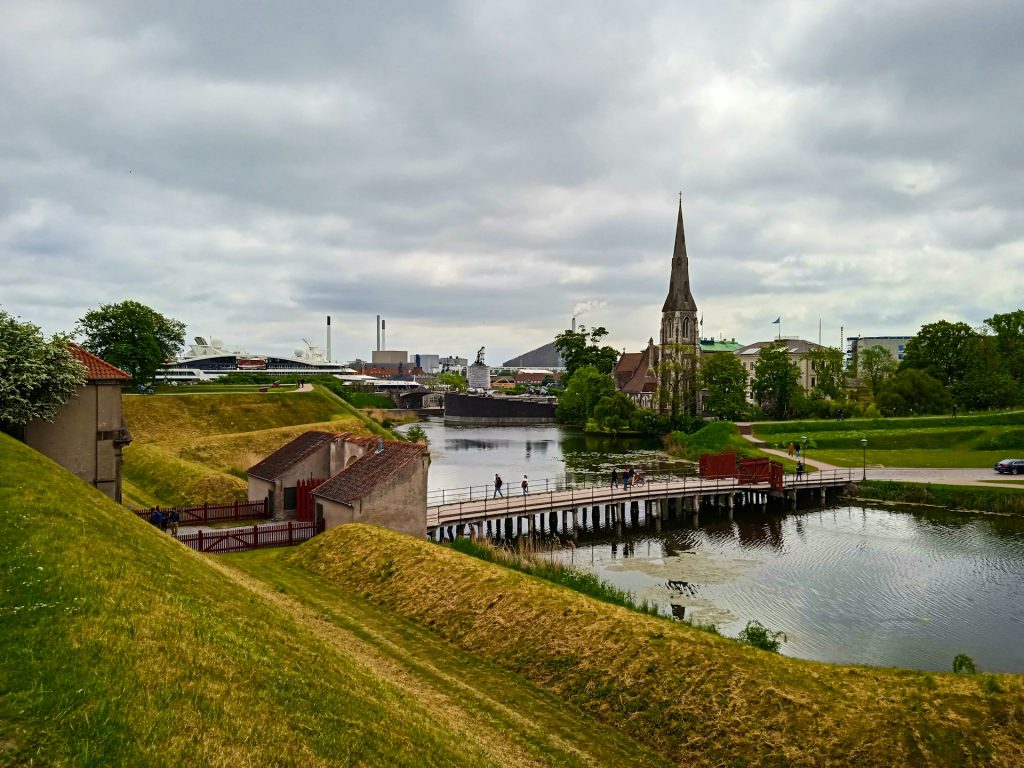
Copenhagen embraces short winter days through intentional design and hygge traditions. The city prioritizes cozy interiors, candlelit cafes, and well-lit streets that make evenings inviting. Compact neighborhoods allow sightseeing within limited daylight, including Nyhavn and historic districts. Museums and design centers provide rich indoor options. Winter cycling remains common, supported by infrastructure and lighting. Seasonal events and warm food culture reinforce comfort during darker months. Copenhagen demonstrates how thoughtful urban planning and cultural habits transform reduced daylight into an opportunity for closeness and calm. Residents value winter rhythms that emphasize togetherness, design, warmth, balance.
Amsterdam, Netherlands

Amsterdam thrives during winter by focusing on intimacy and illumination. Short daylight hours are sufficient for exploring canals, museums, and historic streets within a compact area. As night falls, bridges and waterways reflect city lights, creating distinctive scenery. World-class museums anchor afternoons, while cafes and cultural venues sustain evenings. Winter reduces crowds, offering quieter experiences. Efficient public transport and walkability support exploration after dark. Amsterdam’s balance of indoor culture, scenic lighting, and manageable scale ensures that limited daylight enhances atmosphere rather than restricting enjoyment. Visitors often find winter evenings calm, reflective, culturally rich, memorable.
Quebec City, Canada
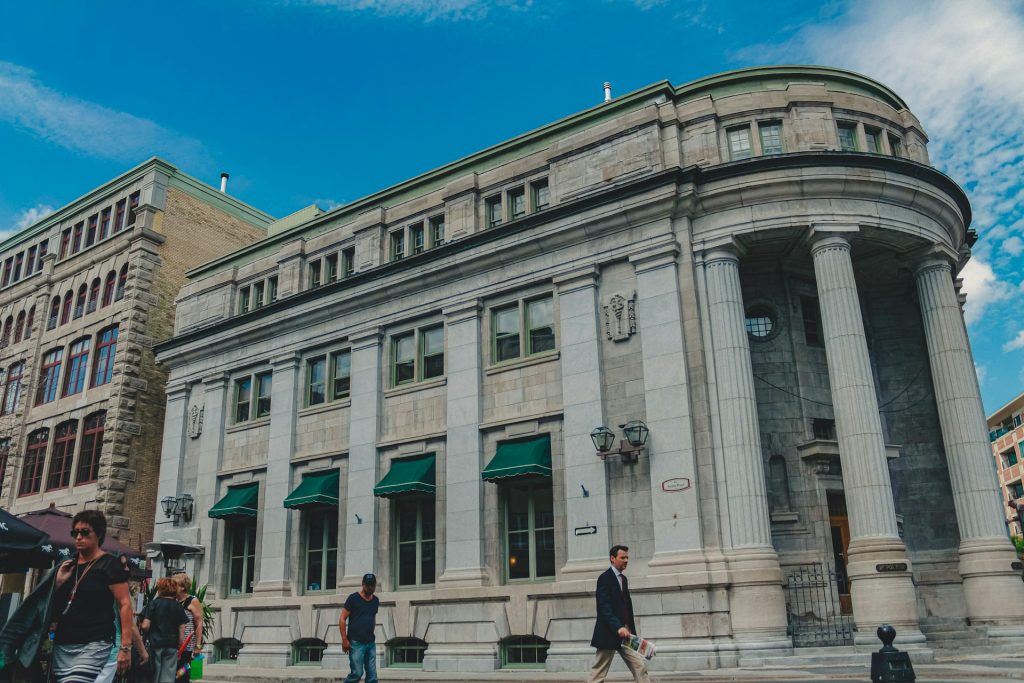
Quebec City turns short winter days into a defining strength through tradition and architecture. Snow-covered streets reflect light, extending brightness during daytime. The fortified Old Town remains walkable and visually striking under winter conditions. Historic buildings and narrow streets glow after sunset, creating a European feel in North America. Winter festivals, outdoor ice activities, and hearty cuisine anchor evenings. Museums and shops provide warmth during colder hours. Quebec City’s embrace of winter culture ensures that early sunsets contribute to charm rather than inconvenience. This balance makes winter visits feel immersive, festive, and unhurried. Travelers appreciate how darkness highlights seasonal rituals.