14 U.S. Destinations Facing Boycotts From Travelers in 2026

The United States has seen various travel boycotts throughout its recent history as communities, advocacy groups, and visitors responded to political decisions, social issues, or economic policies that sparked national conversation. These boycotts did not always reflect a community’s broader identity but often emerged from complex circumstances tied to legislation, corporate decisions, or high-profile events. While many destinations later recovered or shifted policies, the periods of reduced tourism left lasting impressions on local businesses and residents who rely heavily on visitor spending. Travelers exploring these histories can gain insight into the social climate of the time, recognizing how travel patterns often respond to broader cultural debates. Each destination on this list once found itself at the center of significant public attention, illustrating how quickly national sentiment can influence movement, perception, and economic reality across the country.
Arizona (SB 1070 Boycott)

Arizona experienced one of the most widely publicized travel boycotts in the United States following the passage of SB 1070 in 2010, a state immigration law that drew national criticism from civil rights organizations, advocacy groups, and city governments across the country. Several municipalities suspended official travel to Arizona, and conventions canceled events in protest. The economic impact sparked statewide discussion about tourism’s role in shaping public perception. Although the controversy eventually shifted as courts reviewed parts of the law, the boycott demonstrated the influence organized travel decisions can have on major industries. Arizona’s experience remains a prominent example of how legislation can temporarily affect tourism and public sentiment on a national scale.
North Carolina (HB2 “Bathroom Bill” Boycott)

North Carolina faced a large and highly publicized boycott after passing House Bill 2 in 2016, legislation that restricted restroom access and overturned local nondiscrimination protections. Major companies, performers, sports organizations, and conferences canceled events or relocated business activities. The state lost expected revenue from tourism and hospitality sectors before later revising the law in response to backlash. The episode highlighted how social policy can influence travel decisions and generate economic pressure. Many travelers avoided the state during the height of the controversy, making it one of the most documented modern examples of a statewide tourism boycott driven by concerns about civil rights and inclusion.
Indiana (RFRA Boycott)
Indiana experienced a travel boycott in 2015 following the passage of the Religious Freedom Restoration Act, which critics argued could enable discrimination against LGBTQ individuals. Advocacy groups, businesses, and several city governments announced that they would suspend travel or events in the state. The controversy drew national attention, prompting Indiana lawmakers to amend the legislation soon after to clarify protections. The situation demonstrated how quickly convention and tourism-related industries can react to political developments perceived as discriminatory. While Indiana maintains a strong hospitality sector today, the boycott illustrates how state-level policies can trigger immediate responses from travelers and organizations across the country.
Alabama (HB 56 Immigration Law Boycott)

Alabama faced calls for travel boycotts after enacting HB 56 in 2011, an immigration law criticized for its severity and broad enforcement measures. Several advocacy organizations and civic groups discouraged travel to the state, and national attention focused on the potential economic effects on businesses reliant on visitors. The law’s provisions were later challenged in court, and portions were blocked or revised. The controversy contributed to ongoing discussions about immigration policy nationwide. Alabama’s experience shows how state legislation and national debates can intersect to influence travel behavior, sometimes creating ripple effects for local economies dependent on tourism and regional events.
Mississippi (HB 1523 Boycott)

Mississippi encountered travel boycotts after the passage of HB 1523 in 2016, a bill critics argued could allow discrimination based on religious beliefs. Civil rights groups, businesses, and several cities across the country restricted official travel or canceled previously scheduled events. The law drew extensive national discussion and legal challenges, placing Mississippi in the center of a larger conversation about equality and religious freedom. Although the state continued to welcome visitors, the boycott highlighted tension between legislation and public perception. Tourism organizations worked to address concerns while the situation unfolded, illustrating how policy decisions can directly influence visitor sentiment and travel patterns.
Colorado (Historic Anti-LGBTQ Boycott of the 1990s)
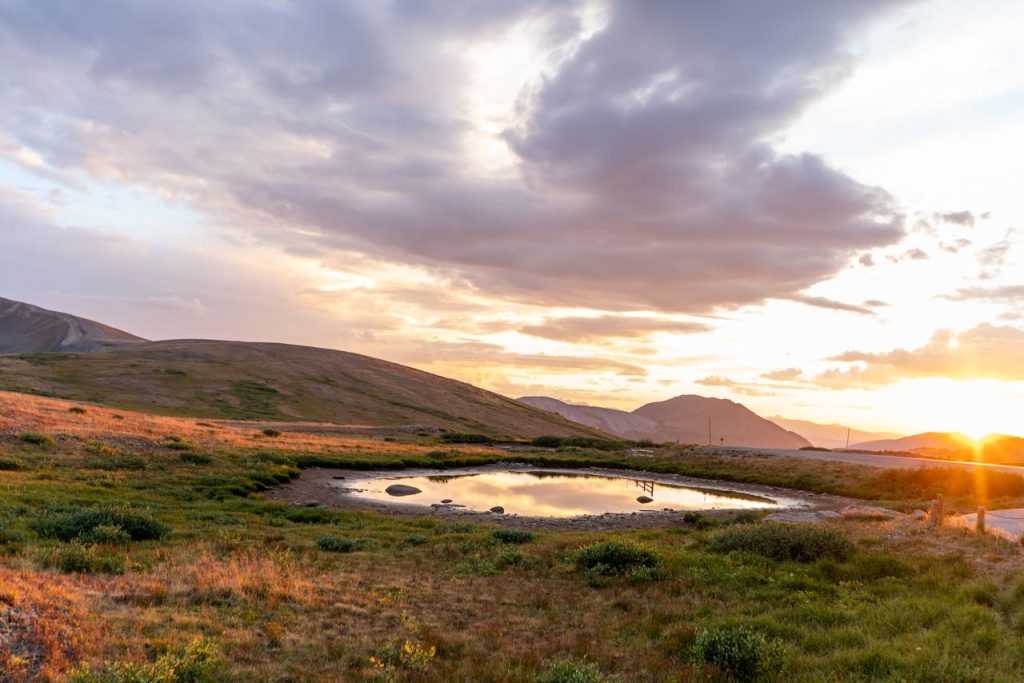
Colorado faced a significant travel and convention boycott in the early 1990s following the passage of Amendment 2, which prevented local governments from enacting anti-discrimination protections for LGBTQ residents. Advocacy organizations and city governments across the country encouraged travelers to avoid Colorado, and several conventions relocated. The controversy eventually reached the U.S. Supreme Court, which struck down the amendment in 1996. The boycott marked one of the earliest widespread examples of travel activism tied to civil rights issues. Colorado later rebuilt its tourism image, but the event remains a notable part of the state’s political and cultural history.
Florida (Stand Your Ground Law Controversies)

Florida experienced travel boycotts and public calls for avoidance after high-profile cases involving the state’s Stand Your Ground law drew national attention and sparked debates surrounding racial justice. Some organizations, artists, and advocacy groups chose not to host events in the state during periods of heightened controversy. Although Florida’s tourism industry remained strong overall, the boycotts reflected a broader national conversation about community safety, equity, and legal interpretation. These events demonstrated how criminal justice policies and social movements can influence travel decisions, even in destinations with well-established tourism sectors that traditionally draw millions of visitors each year.
Missouri (NAACP Travel Advisory Boycott)
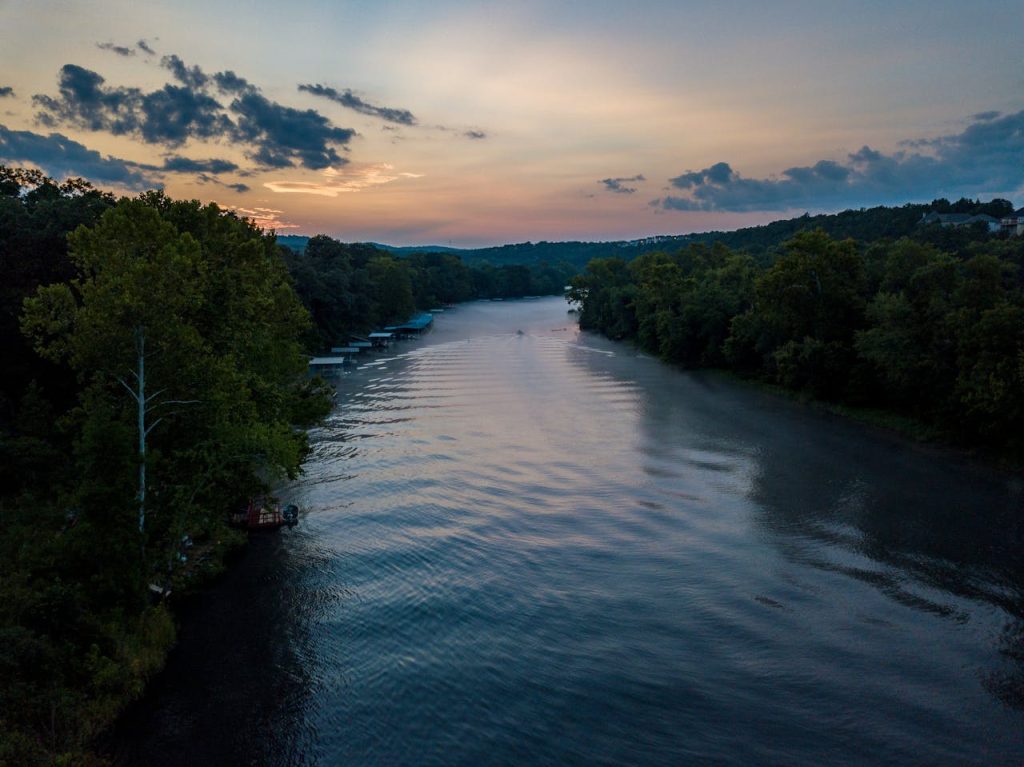
Missouri became the focus of a historic statewide advisory in 2017 when the NAACP issued its first-ever travel warning for a U.S. state, citing concerns about discrimination and policing practices. The advisory encouraged travelers to exercise caution and brought widespread national attention to the state’s civil rights climate. Advocacy organizations and some travelers responded by avoiding Missouri for events and tourism. The situation prompted discussions among residents, lawmakers, and tourism officials. Although the state continued welcoming visitors, the advisory marked a significant moment in modern travel activism, highlighting how safety perceptions and civil rights issues can directly influence visitor decisions.
Georgia (Voting Law Boycott Calls)

Georgia faced calls for travel and business boycotts in 2021 following the passage of new voting regulations that critics argued could restrict access for certain communities. Several organizations, entertainers, and corporations issued statements or relocated projects in response. The controversy reached national prominence due to Georgia’s role in recent elections and its growing entertainment industry. Tourism officials worked to address concerns while local businesses experienced uncertainty about potential economic effects. Although not all boycott efforts fully materialized, the situation showed how election-related legislation can generate widespread debate and influence travel planning. The discussions surrounding Georgia highlighted the intersection of civic policy and public perception.
South Dakota (Tribal Boycotts Over Black Hills Disputes)
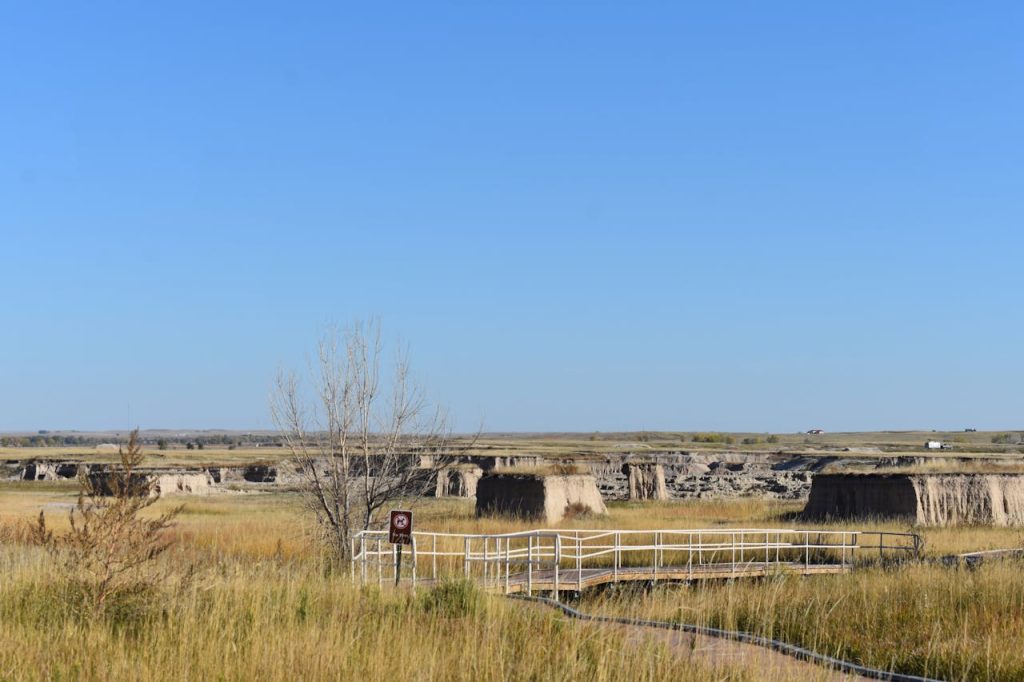
South Dakota has periodically faced targeted travel boycotts organized by Indigenous groups in response to longstanding disputes over the Black Hills, a region sacred to the Lakota people. These boycotts have focused attention on historic treaties, land rights, and cultural preservation. Activists encouraged travelers to support Indigenous-owned businesses or avoid certain state-run attractions. While tourism remains a major part of South Dakota’s economy, the boycotts highlighted sensitive cultural and historical issues that continue to shape regional identity. The movement underscores how land stewardship, sovereignty, and historical agreements can influence travel choices and generate important dialogue across communities.
Tennessee (Entertainment Industry Boycott Calls)
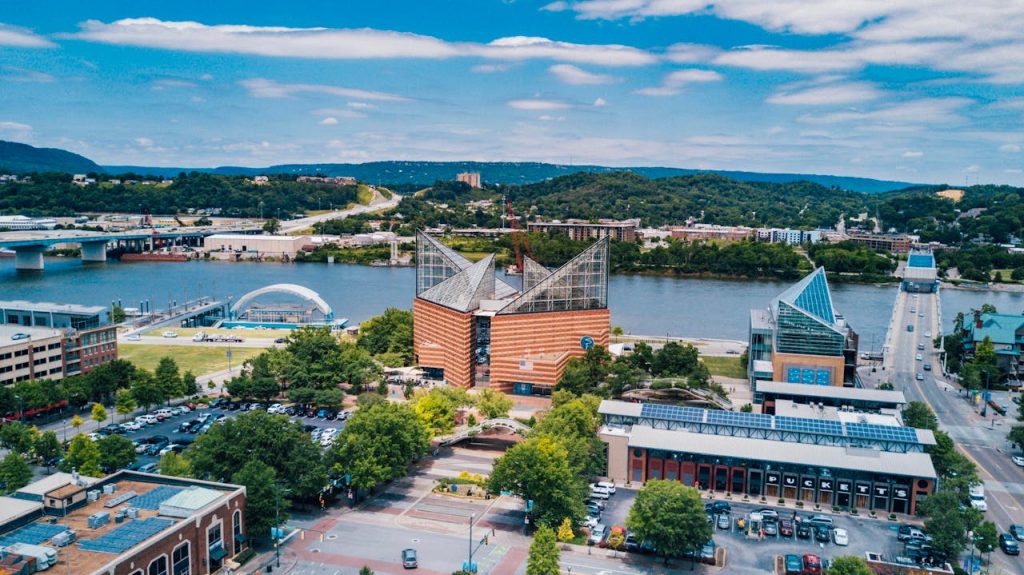
Tennessee has faced multiple rounds of boycott calls, particularly from members of the entertainment industry, in response to legislative actions involving LGBTQ rights and other cultural issues. Some performers and organizations canceled events or avoided scheduling new ones, bringing national attention to the state’s policies. Tourism officials worked to balance differing viewpoints while supporting local businesses dependent on visitors. The situation demonstrated how artists, conventions, and large-scale events can play significant roles in shaping travel patterns. Though many travelers continued visiting Tennessee, the boycott discussions reflected tensions between cultural policy and the state’s position as a major destination for music and entertainment.
New Orleans, Louisiana (Katrina Recovery and Boycott Discussions)
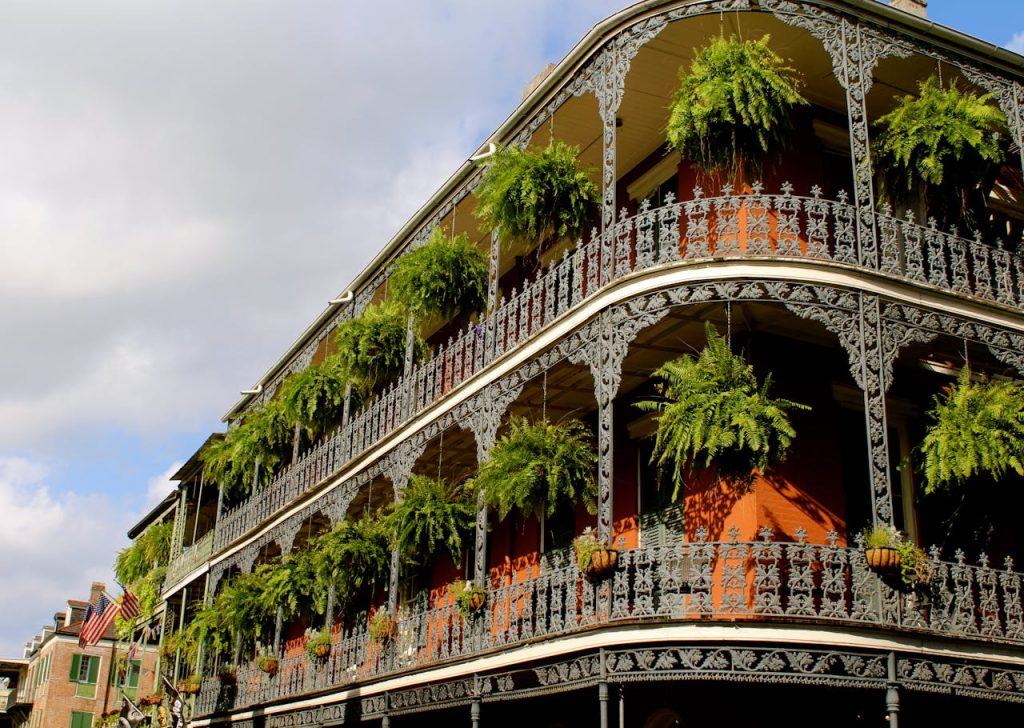
New Orleans experienced calls for boycotts in the years following Hurricane Katrina, particularly during debates about reconstruction funding, tourism messaging, and local governance. Some groups argued that travel decisions should support equitable rebuilding efforts rather than strained infrastructure. Although many visitors continued to return, the conversations highlighted how natural disasters and recovery policies can influence travel behavior. The city’s unique culture, music, and food traditions remained strong, yet the period revealed the delicate balance between tourism promotion and community needs. The situation offered an important example of how environmental crises intersect with economic concerns in major American destinations.
California (Protests Over Proposition 8)
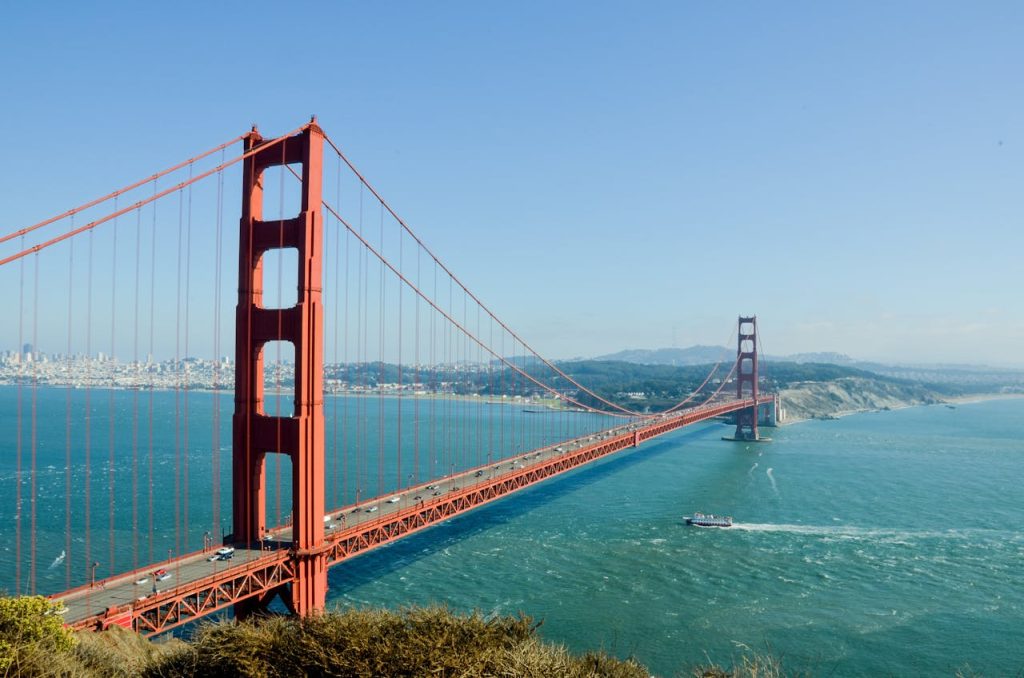
California faced partial boycotts after the passage of Proposition 8 in 2008, which banned same-sex marriage before later being overturned. Advocacy groups encouraged travelers to avoid supporting certain businesses or regions involved in the campaign. The controversy extended far beyond state borders due to California’s cultural influence and legal prominence. While tourism across the state remained steady overall, the boycott nonetheless represented a significant moment in national discussions about marriage equality. The period showcased how political ballot measures can spark targeted travel responses. California later regained momentum as legislation shifted and public opinion evolved.
South Carolina (Confederate Flag Boycott)
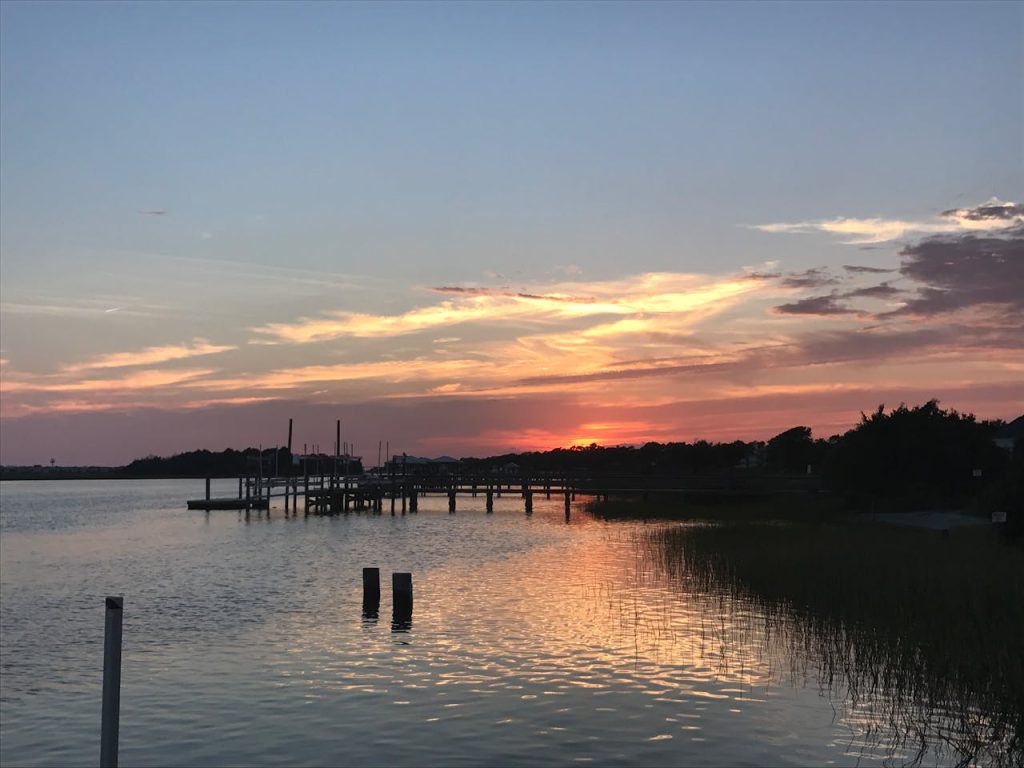
South Carolina faced one of the longest-running travel boycotts in modern history due to the Confederate flag’s presence on statehouse grounds. Beginning in the 1990s, civil rights organizations encouraged travelers and event organizers to avoid the state until the flag was removed. Conventions relocated, and national debate intensified over the symbol’s meaning and public visibility. The flag was ultimately taken down in 2015 following renewed calls for change. The extended boycott period illustrated how deeply historical symbolism can affect tourism, business decisions, and public identity. South Carolina’s experience remains a notable example of long-term travel activism and its cultural impact.
Arkansas (Controversies Over Religious Freedom Legislation)

Arkansas experienced travel boycott discussions in 2015 when legislation similar to Indiana’s RFRA bill raised concerns about potential discrimination. Advocacy groups and some organizations warned of economic consequences if the bill passed without revisions. The debate prompted state officials to amend the legislation before its final approval. Although a full-scale boycott did not mature, the incident revealed how rapidly political decisions can influence travel sentiment. Businesses and tourism groups monitored public reactions closely as events unfolded. Arkansas’ experience demonstrated the growing influence of social policy on convention planning, corporate travel, and the broader hospitality industry across the United States.