14 U.S. Wildlife Refuges Safe for Family Visits

Families often look for outdoor destinations that balance natural beauty with predictable environments, and many national wildlife refuges are designed precisely for that purpose. These protected areas emphasize clearly marked trails, reliable visitor services, and wildlife viewing structures that keep people at safe distances while still allowing them to enjoy ecosystems in meaningful ways. Because staff at these refuges monitor conditions throughout the year, parents can plan visits with confidence, knowing they’ll encounter maintained paths, informative signage, and viewing areas created to prevent sudden or unsafe wildlife interactions. Whether families prefer scenic drives, boardwalk strolls, shaded forest loops, or broad wetland overlooks, these refuges offer options that remain accessible across seasons, giving travelers a chance to slow down and appreciate nature without navigating unpredictable or demanding terrain.
1. Bosque del Apache National Wildlife Refuge
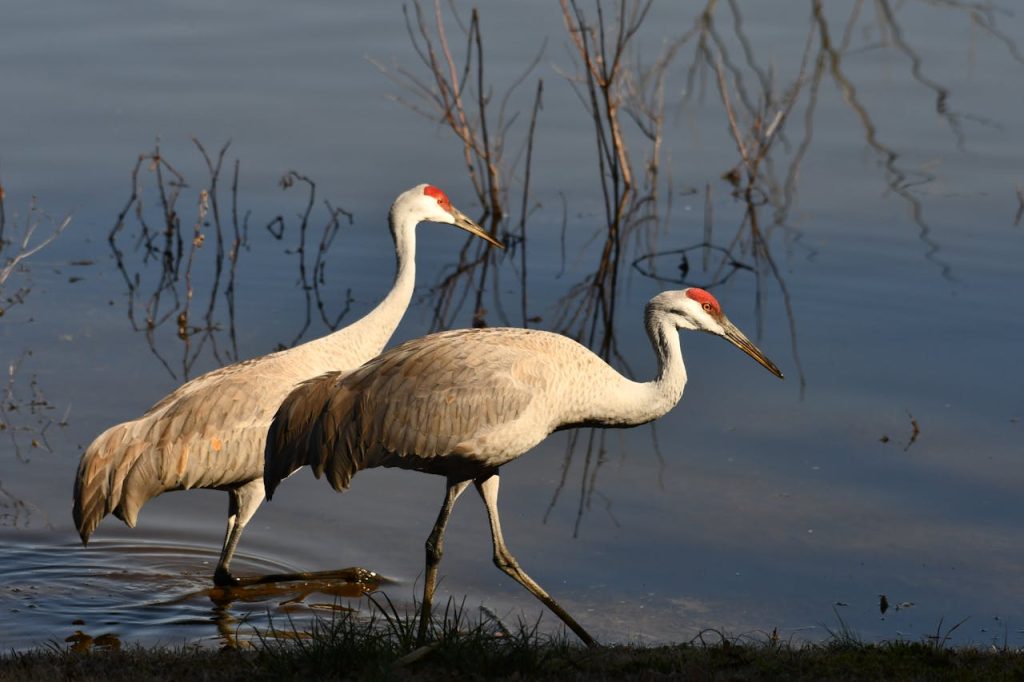
This refuge is known for its broad landscapes and structured viewing areas that make wildlife watching easier for families who want reliable sightlines without venturing into uneven or remote terrain. The refuge’s loop drives give visitors the ability to stay close to their vehicle while still experiencing the spectacle of migratory birds and desert wetlands, and its short interpretive trails allow children to walk safely without the risk of straying into sensitive zones. Staff maintain predictable routes so parents know exactly where they’re going, and observation decks help prevent crowding, especially during peak seasons when wildlife concentrations rise considerably. Families appreciate the combination of open scenery and managed access because it helps them feel immersed in the environment yet calm enough to navigate at their own pace, pausing whenever younger visitors need breaks or time to take in the views.
2. Harris Neck National Wildlife Refuge

Families visiting this refuge benefit from a layout that keeps most trails close to water bodies and small forest patches, creating a series of loops that prevent visitors from wandering into isolated spaces. Because the refuge is compact and overseen by attentive staff, parents feel more comfortable guiding children through well-maintained paths that remain easy to follow even for beginners. The observation towers and designated wildlife viewing spots encourage slower exploration rather than long distances, giving families a chance to learn about nesting birds and marsh habitats without worrying about sudden environmental changes. The refuge’s calm surroundings and numerous benches allow people to rest often, promoting longer visits without fatigue, and educational signage provides context that helps children understand how species interact in the ecosystem without needing complicated explanations from adults.
3. Wheeler National Wildlife Refuge

This refuge has gained a reputation for its structured birding facilities, including enclosed observation buildings that let families watch large numbers of migrating birds without being exposed to unpredictable terrain or uncomfortable weather. Because the refuge invests in accessible pathways and indoor-outdoor viewpoints, visitors can experience wildlife even on days when conditions aren’t ideal for a long hike. Parents appreciate that the refuge staff communicate clearly about seasonal wildlife trends, making it easier to plan a visit that aligns with children’s energy levels and interests. The open wetlands also offer wide visibility, reducing the possibility of startling wildlife or encountering animals unexpectedly. By balancing developed facilities with natural scenery, the refuge creates a welcoming environment that encourages families to explore at a relaxed pace.
4. Chincoteague National Wildlife Refuge
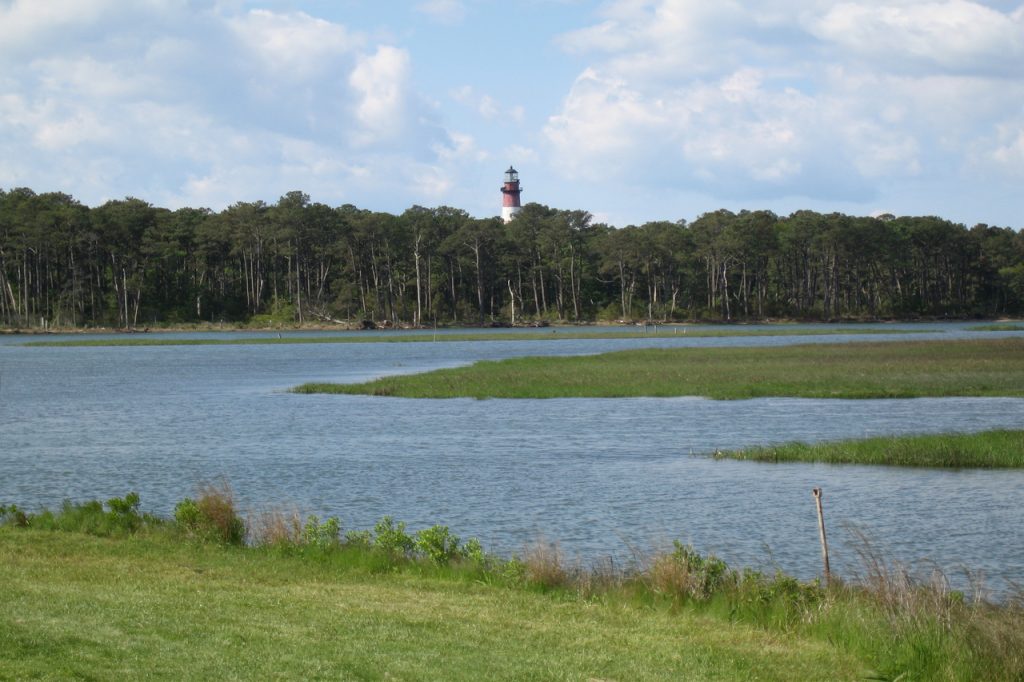
This refuge is known for its structured access to coastal habitats, offering boardwalks, paved trails, and designated beach crossings that guide visitors through dunes and marshes safely. Families often choose it because its popular routes remain manageable for children and because wildlife viewing occurs from clear vantage points that prevent accidental encroachment on sensitive areas. Rangers consistently update visitors about tides, closures, and seasonal shifts, ensuring parents can make informed decisions before heading onto the trails. The combination of beaches, forests, and marshlands provides variety without overwhelming families, and the refuge’s thoughtful infrastructure encourages exploration that feels safe and predictable. The wide boardwalks also make it easy for families with strollers or younger children to move at a comfortable pace.
5. Neal Smith National Wildlife Refuge
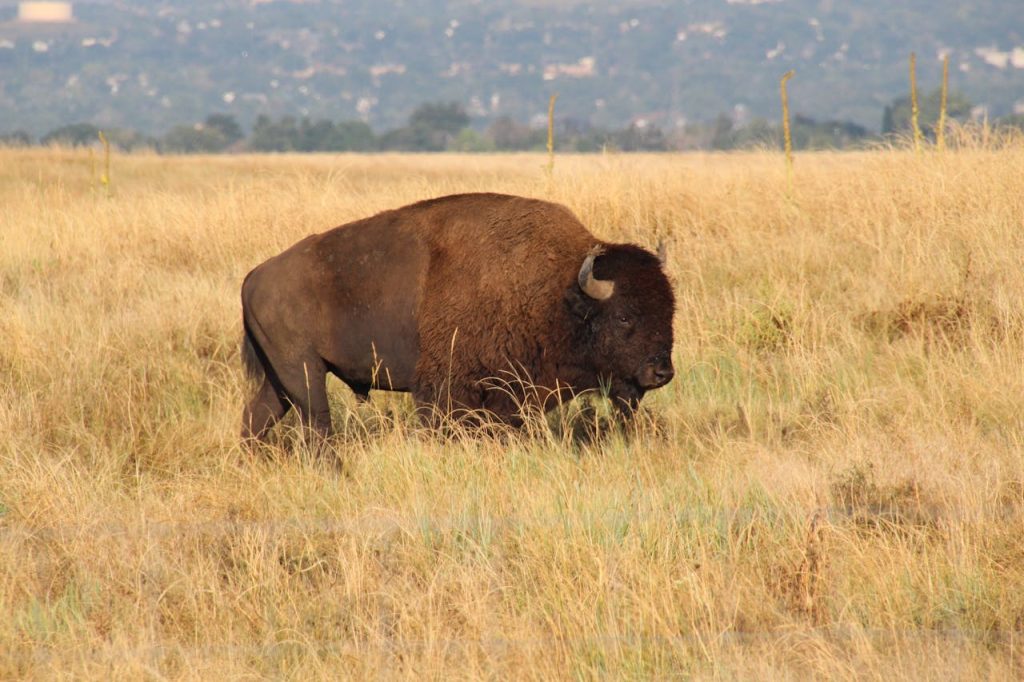
Families visiting this refuge appreciate its reliance on scenic drives and clearly defined grassland trails that showcase restored prairie landscapes without exposing visitors to challenging terrain. The auto tour lets parents maintain full control over pacing, allowing children to experience bison and elk from a safe distance through the comfort of a vehicle. Interpretive pullouts encourage slower movement, and short walking paths give families the option to step outside briefly without committing to long or strenuous hikes. Wide open views help orient visitors, preventing the sense of isolation that can sometimes accompany prairie environments. Staff emphasize safety around wildlife by communicating predictable patterns, ensuring families know where observation points offer the best visibility while maintaining responsible distance.
6. Don Edwards San Francisco Bay National Wildlife Refuge
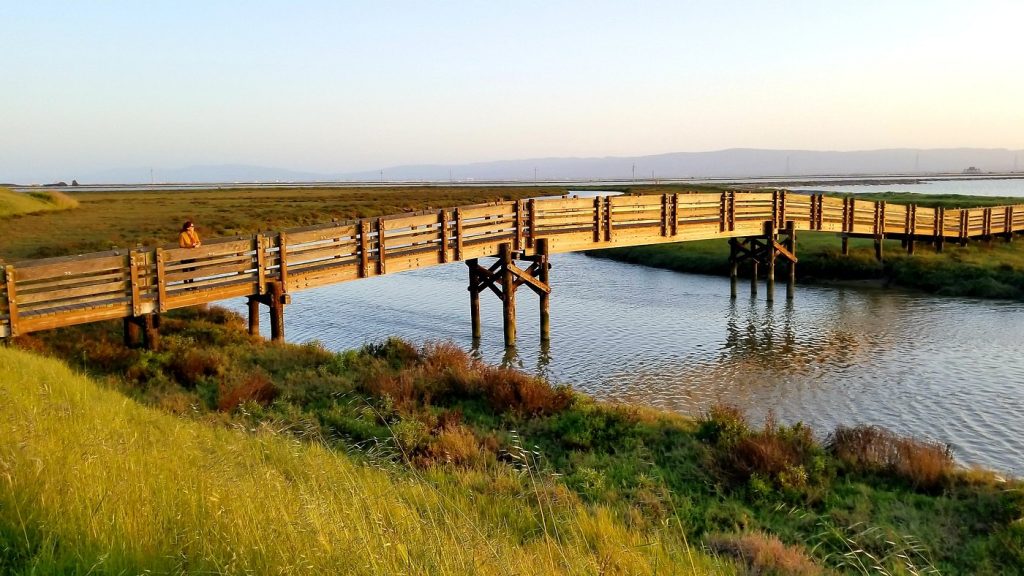
This refuge features a network of levee trails and marsh overlooks that make exploring tidal wetlands both safe and easy for families. The broad, flat paths provide predictable footing and unobstructed visibility, allowing parents to confidently walk with children while enjoying sweeping views of the bay. Educational panels along the routes add natural pauses to the experience, giving families time to rest and learn about the ecosystem without leaving the main trail. Because the refuge is close to urban areas, staff maintain steady communication about conditions, ensuring that families always know which paths are suitable on any given day. The balanced mix of wildlife viewing and accessible infrastructure encourages visitors to extend their stay without feeling overwhelmed or rushed.
7. Tualatin River National Wildlife Refuge
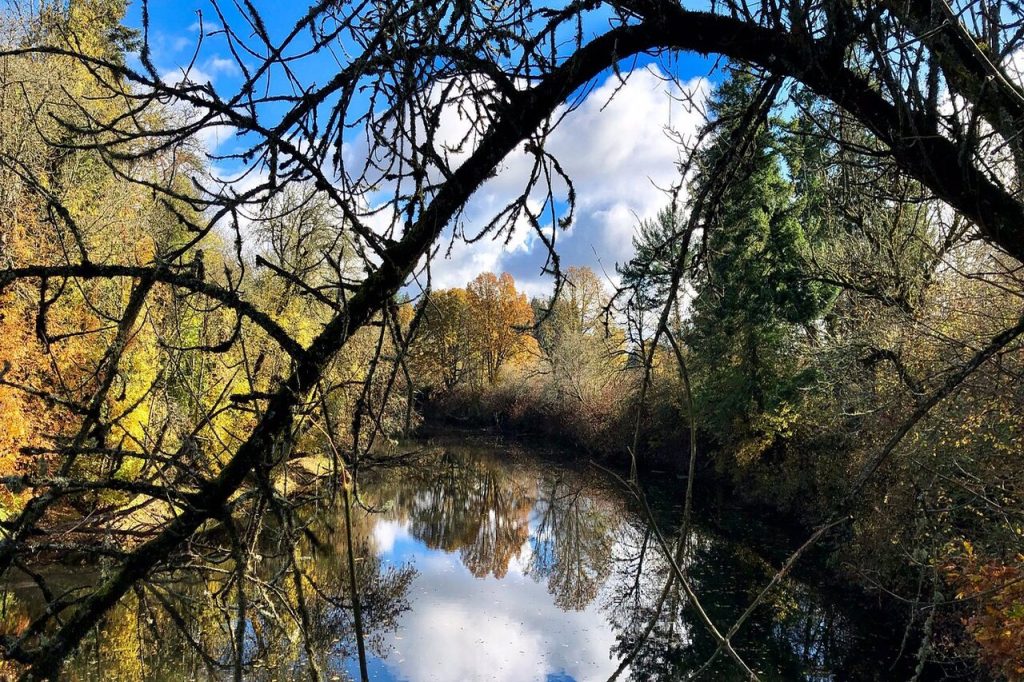
Families are drawn to this refuge because its forested trails offer shade, stability, and reliable maintenance throughout the year. The refuge’s layout keeps most walkways close to water features and open meadows, creating a sense of variety while still allowing children to navigate without difficulty. Staff frequently update trail conditions during the rainy season, ensuring that families encounter clear expectations before setting out. Interpretive displays highlight the ecological relationships between river, forest, and wetland, making every stop along the path more meaningful. The refuge’s design encourages slow, thoughtful exploration rather than long-distance trekking, making it especially suitable for families with younger children who benefit from shorter loops and plentiful stopping points.
8. National Elk Refuge
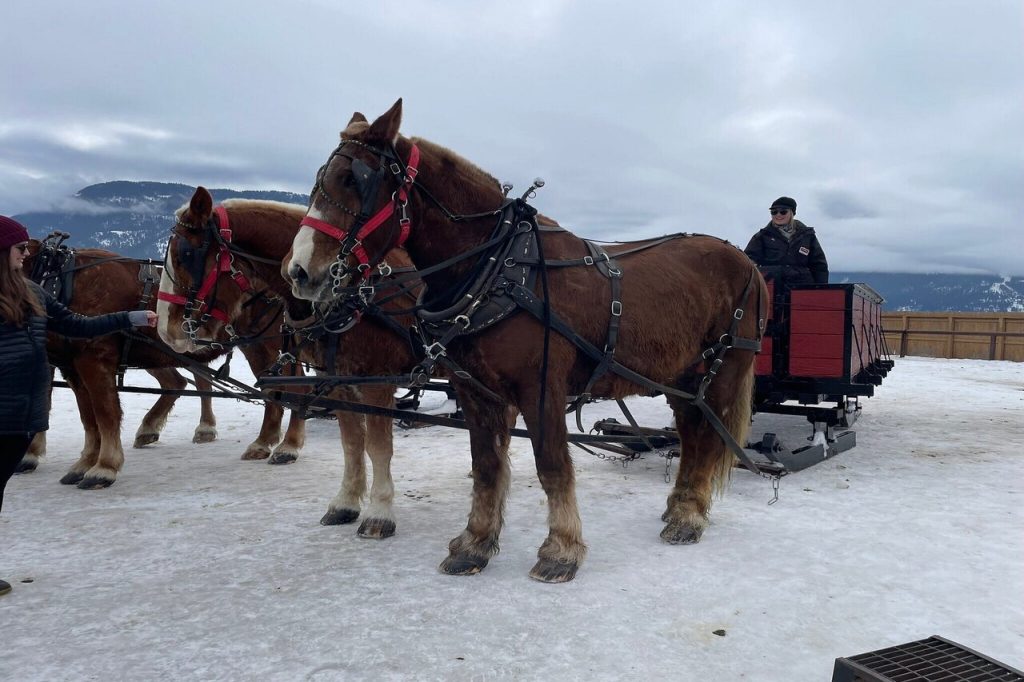
This refuge ensures safe viewing of wintering elk herds through controlled access points and guided sleigh routes that prevent visitors from approaching wildlife too closely. Families appreciate that these viewing opportunities occur on predictable routes overseen by trained guides who explain animal behavior while ensuring everyone stays at a safe distance. The high visibility of the terrain reduces uncertainty because families can see the landscape clearly and anticipate where wildlife might appear. During warmer seasons, the refuge’s open environment and staff direction create a safe setting for families who want to observe animals from designated perimeters without navigating rugged mountain terrain. The refuge’s management approach prioritizes education and safety equally, making it appealing to parents with children who are curious about large mammals but not ready for challenging hikes.
9. J.N. ‘Ding’ Darling National Wildlife Refuge
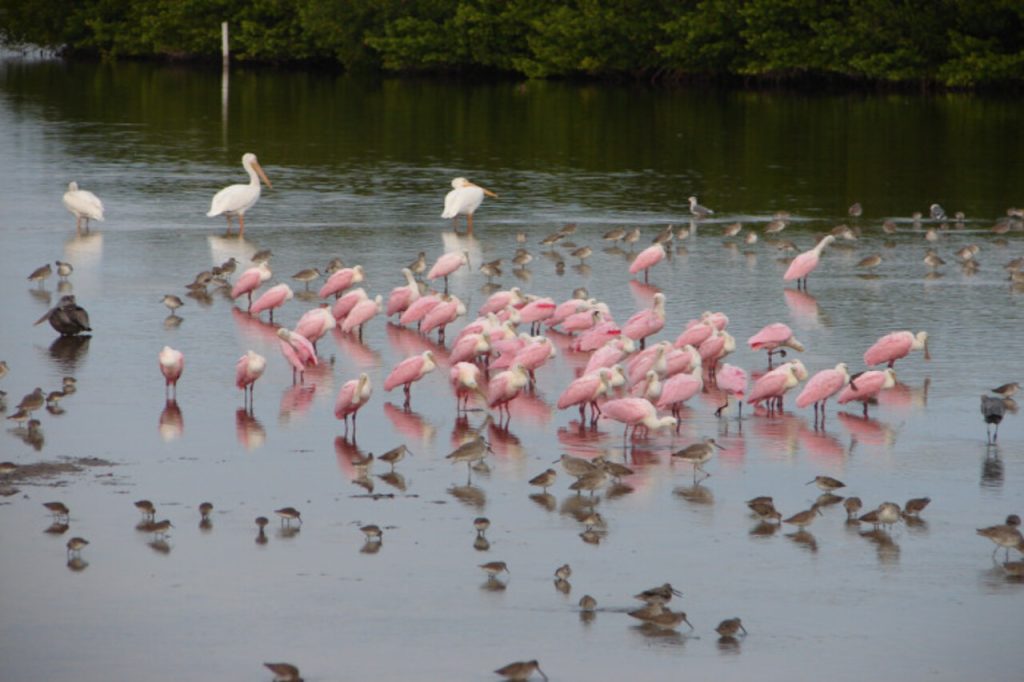
This refuge is known for its scenic drive and short, structured boardwalks that let families explore subtropical habitats without venturing into dense mangroves or uneven ground. The accessible driving route allows visitors to set their own pace, making it easy to accommodate children’s needs while still enjoying high-quality wildlife viewing. Along the loop, interpretive stops invite families to step out and learn about bird species, tidal ecosystems, and conservation efforts. Because the refuge closely monitors visitor flow during busy seasons, staff can offer real-time guidance about the best locations for family-friendly viewing. The combination of predictable surfaces, managed access, and engaging educational features makes the refuge an ideal starting point for families new to Florida’s coastal ecosystems.
10. Seney National Wildlife Refuge
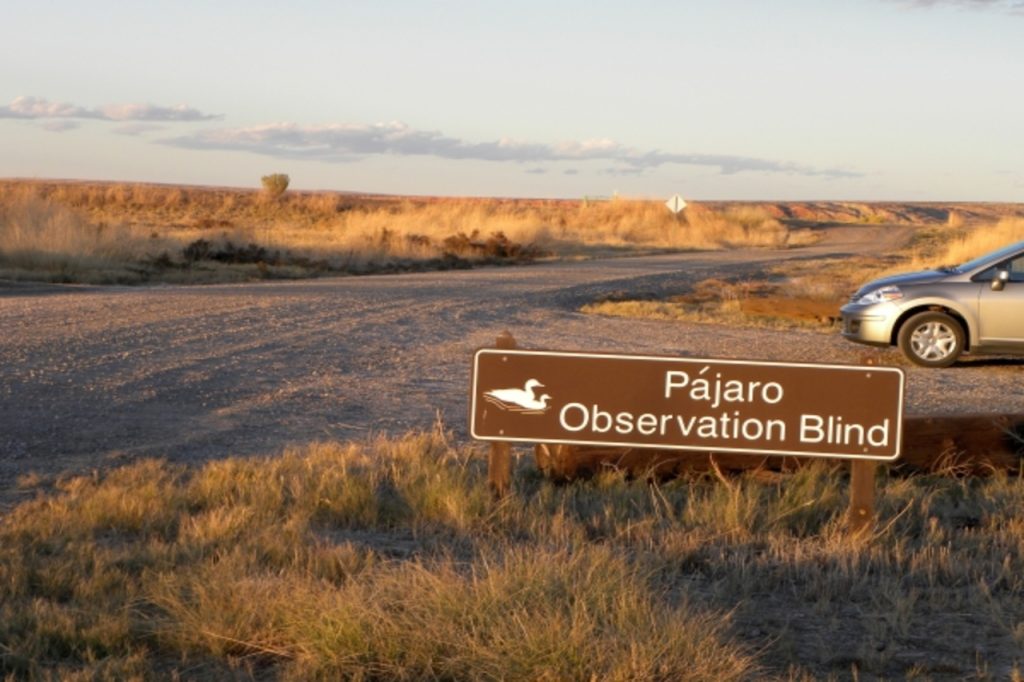
Families appreciate this northern refuge for its wide driving loops and boardwalk-accessible wetlands that make exploration possible even during variable weather conditions. The roads provide stable routes through marshes and forests, allowing visitors to observe wildlife from their car or step out briefly when the terrain feels comfortable. Staff offer clear updates about road closures or sensitive nesting periods, helping parents make informed decisions before starting the loop. The refuge’s open water views reduce surprise encounters because visitors can easily see where wildlife is concentrated. This sense of predictability is valuable for families who want the richness of a northern wetland ecosystem without venturing deep into backcountry settings.
11. Sacramento National Wildlife Refuge
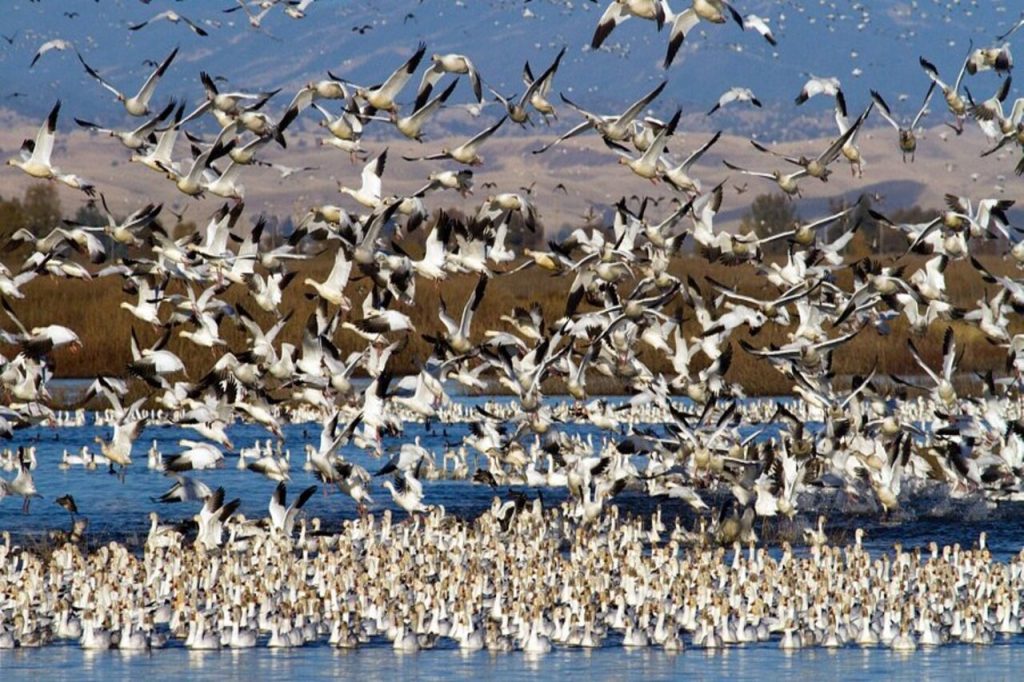
This refuge is designed around a structured auto tour that guides families through expansive wetlands with numerous pullouts for safe, extended viewing. Because the refuge manages human movement carefully, parents can remain confident that they’re keeping a safe distance from wildlife while still experiencing migratory bird concentrations. The short walking spurs connected to the loop allow visitors to stretch their legs without entering unpredictable terrain. Staff share seasonal updates that help families plan visits during peak wildlife periods without encountering off-limit areas. The refuge’s predictable layout and unobstructed views create a calming experience that suits visitors of all ages, especially those who prefer a slower, more controlled approach to nature.
12. Laguna Atascosa National Wildlife Refuge
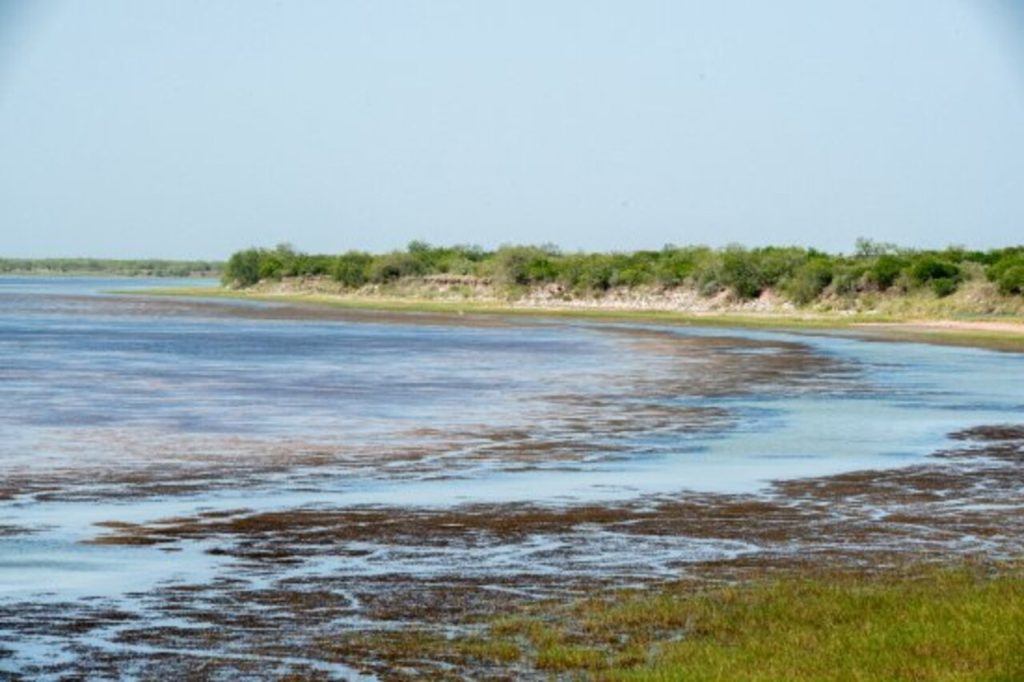
This refuge offers an appealing mix of observation decks, brushland trails, and coastal views that remain accessible to families due to clear marking and consistent maintenance. Rangers frequently guide visitors toward the safest paths for wildlife observation, ensuring that families don’t inadvertently wander near sensitive habitats. The refuge’s expansive layout provides long sightlines, reducing the possibility of unexpected encounters and giving parents confidence about the direction they’re heading. Interpretation centers help contextualize the refuge’s rare species and unique borderland ecosystem, encouraging families to engage more deeply with the environment while still following a structured route. Because of the region’s weather variability, staff maintain strong communication about safe times to visit and which trails are best suited for younger children.
13. Nisqually National Wildlife Refuge
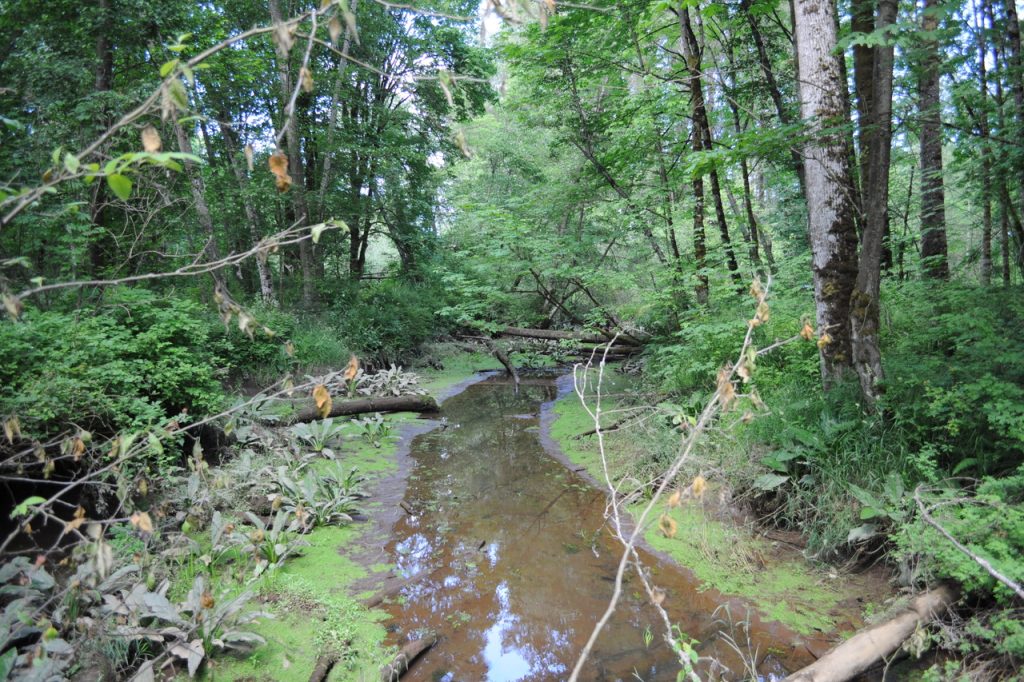
Families value this refuge for its long, elevated boardwalk that stretches over tidal flats, offering a scenic experience without requiring visitors to navigate mud, uneven surfaces, or shifting marshland. The boardwalk’s width allows for comfortable movement even during busier times, and interpretive signage creates natural stopping points where families can absorb details about the estuary’s changing tides and bird migrations. Because the route is linear and easy to follow, parents don’t need to worry about navigation challenges, and the clear views help children understand the landscape’s vastness without confusion. Staff regularly update visitors about tide schedules, ensuring that families know exactly what to expect when planning their visit.
14. Kofa National Wildlife Refuge
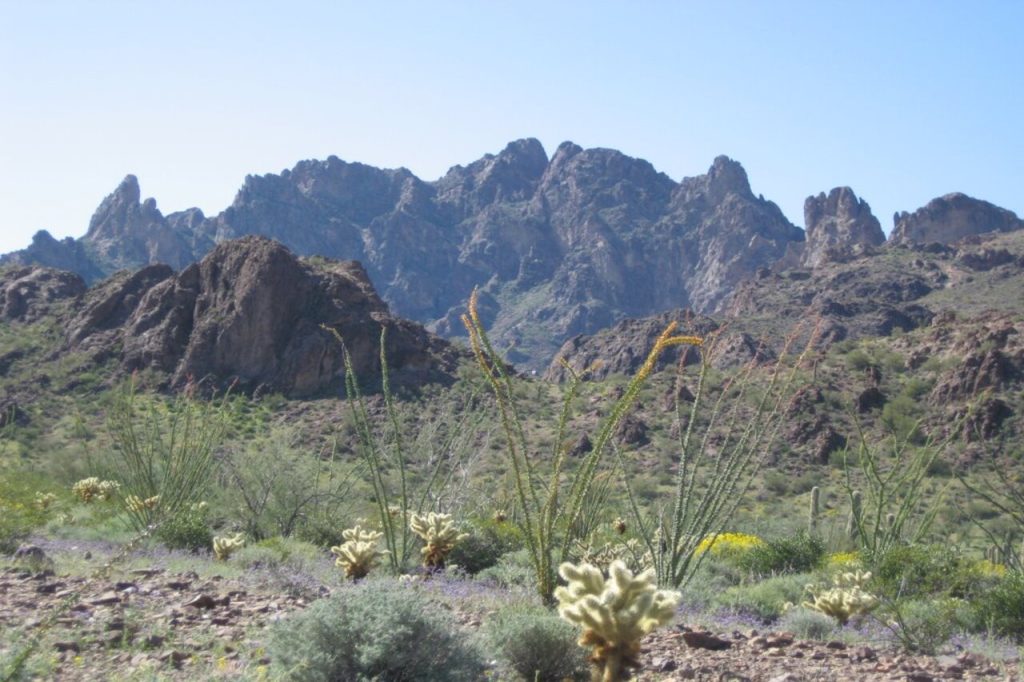
Although this desert-edge refuge contains rugged areas, families can still enjoy safe visits by following the clearly defined scenic drives and short nature trails that remain close to accessible terrain. The refuge’s vast visibility helps parents keep track of their surroundings, reducing the likelihood of surprising wildlife or getting disoriented in open desert expanses. Staff guide families toward routes suited for beginners, ensuring that children experience the desert’s distinctive scenery in a manageable way. Because the refuge emphasizes staying on marked paths, visitors can enjoy panoramic views while avoiding difficult backcountry sections. Educational materials available at access points help explain desert ecology in a way that encourages slower and more thoughtful exploration.