15 European Cities with Relaxing Parks—If You Avoid Peak US Tourist Hours
Many European cities feature peaceful parks that offer calming scenery and a comfortable pace when visited outside peak American travel hours. These green spaces combine historical charm, landscaped gardens, and shaded pathways that create inviting settings for slow exploration. Each city maintains outdoor areas designed for rest, reflection, and scenic views. The balance of greenery and cultural elements helps visitors enjoy quieter moments that highlight local character. These parks become especially appealing when crowds concentrate near major landmarks.
Paris
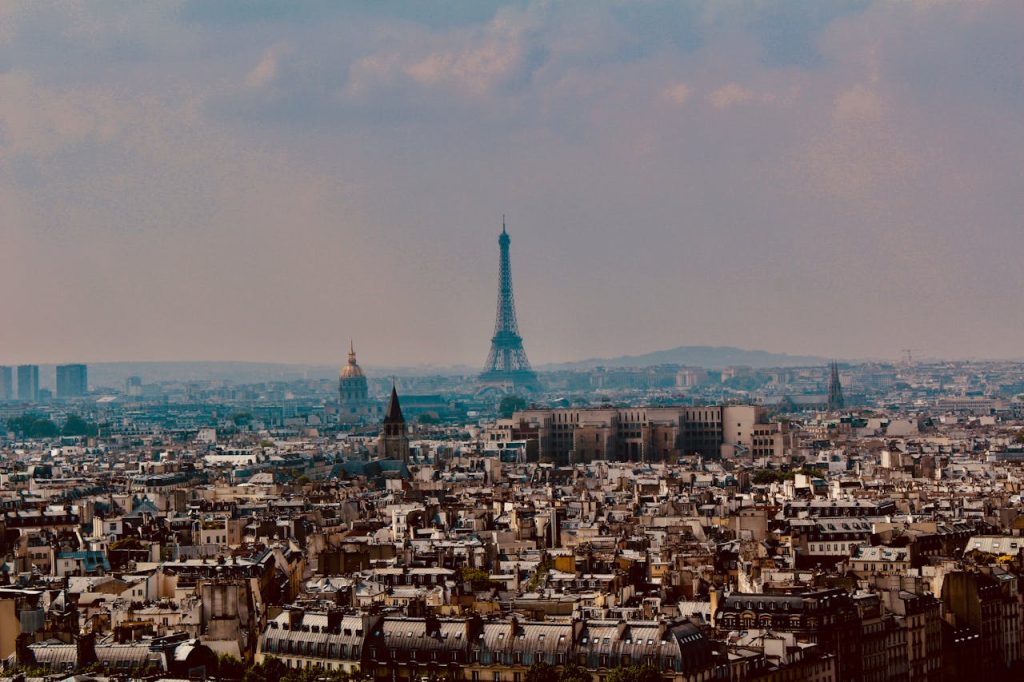
Paris maintains a wide range of parks such as Jardin du Luxembourg and Parc des Buttes Chaumont, where landscaped lawns, shaded groves, and reflective ponds shape the atmosphere. Early hours highlight architectural details, gentle fountains, and stone pathways surrounded by mature trees. Benches placed along promenades offer chances to observe gardens without heavy foot traffic. Seasonal flowers and trimmed hedges provide visual continuity throughout the grounds. These elements make green spaces across Paris feel especially calm outside midday rushes.
London
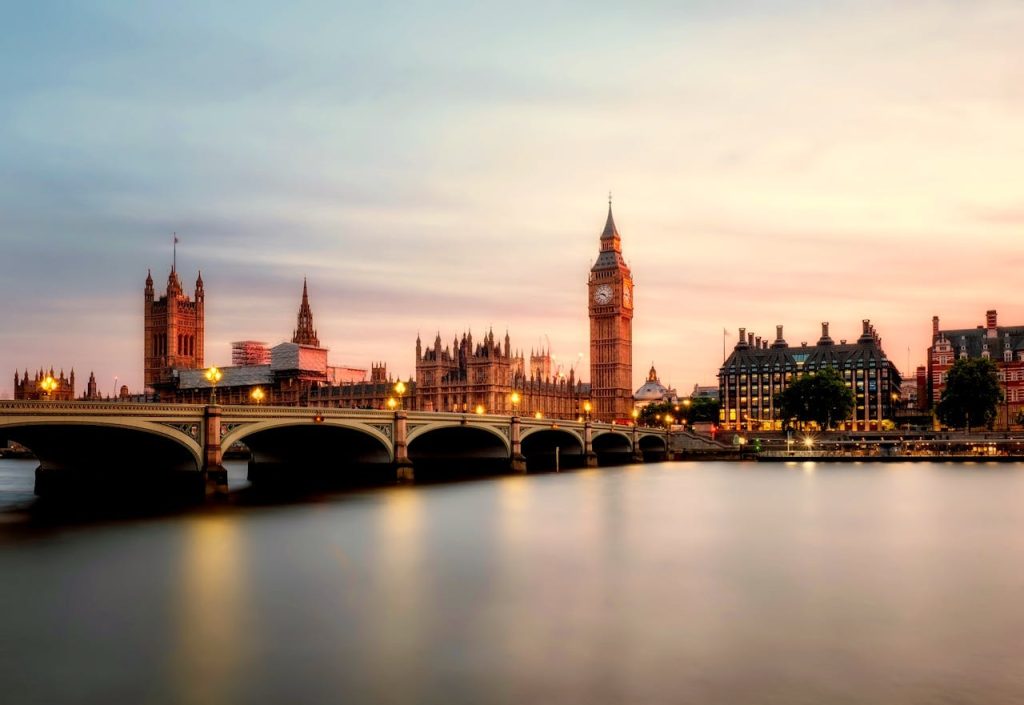
London features expansive Royal Parks such as Hyde Park and Regent’s Park, where open lawns, formal gardens, and quiet lakes create scenic retreats before late morning. Pathways circle shaded areas framed by tall trees and flowering borders arranged in colorful patterns. Wildlife commonly moves through meadows and ponds during early hours. Water features and stately structures add gentle visual interest without disrupting the peaceful setting. These parks remain consistent examples of the city’s long gardening tradition.
Rome
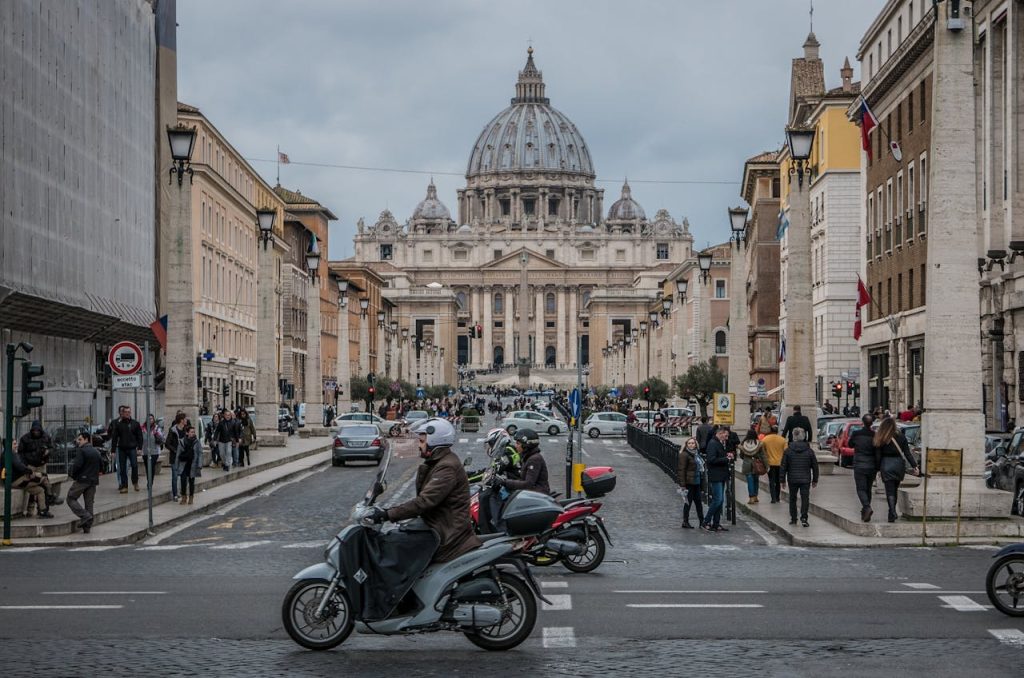
Rome offers Villa Borghese and other historic parks that blend natural scenery with centuries of architectural influence. Shaded avenues lead to stone fountains, landscaped terraces, and lakeside viewpoints that appear tranquil in the morning. Sculptures placed throughout the grounds reflect artistic heritage linked to the city’s cultural identity. Tree canopies soften sunlight around walking routes that curve through open lawns. The combination of classical structures and greenery creates a peaceful environment separate from crowded historic districts.
Vienna
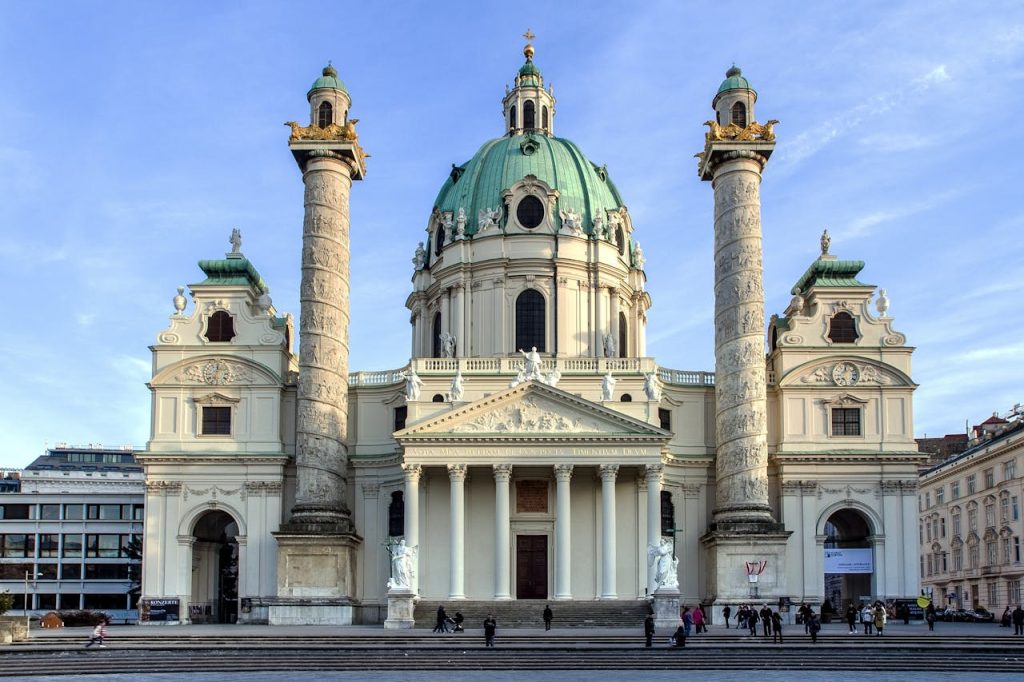
Vienna’s parks reflect careful horticultural planning shaped by imperial history. Stadtpark and Volksgarten include rose beds, decorative fountains, and shaded seating areas that appear calm before daily activity increases. Wide paths connect scenic viewpoints with monuments honoring cultural figures. Flower displays and manicured shrubs demonstrate the city’s long dedication to botanical design. Early hours highlight symmetry and detail across each garden. These factors help maintain smooth, relaxing movement through Vienna’s park landscapes.
Amsterdam
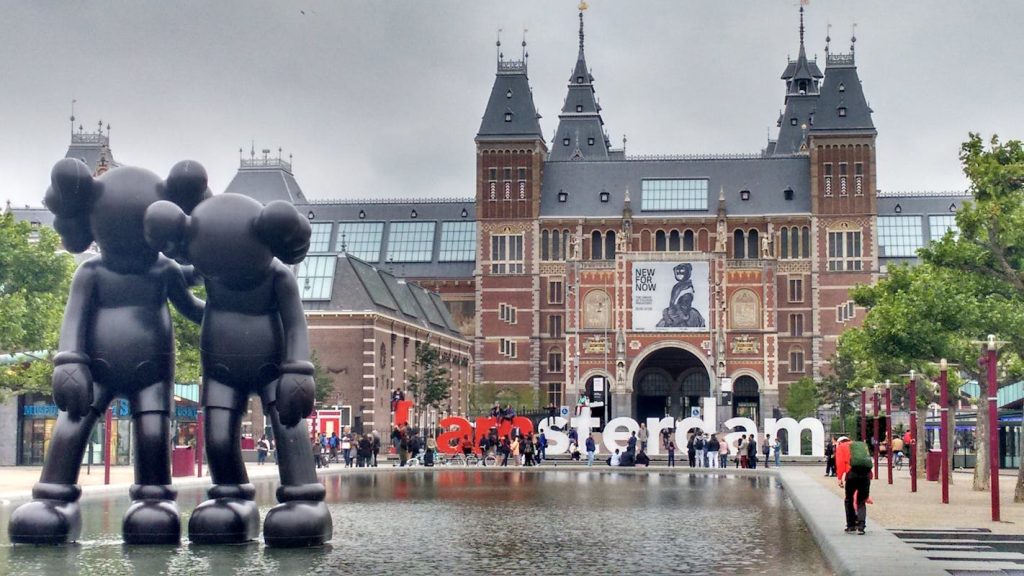
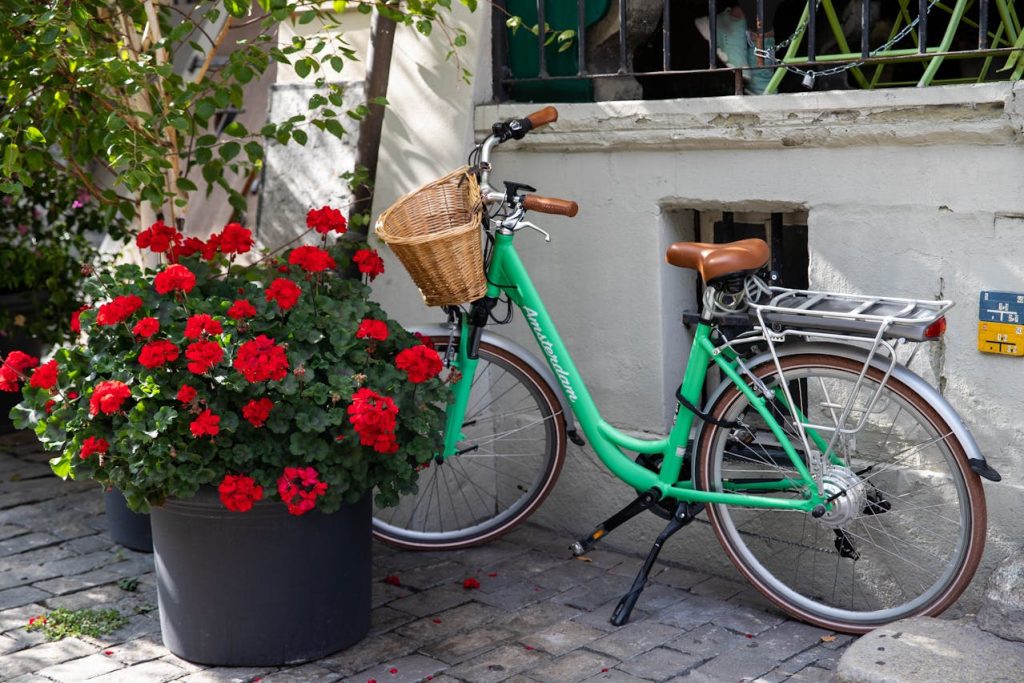
Amsterdam features Vondelpark and other city parks where tree-lined routes, reflective ponds, and open fields support unhurried exploration in the morning. Bridges and curved paths guide visitors between meadows and wooded corners that remain quiet during cooler hours. Birds, gentle breezes, and soft water ripples contribute subtle ambient sound. Sculptures placed throughout the landscape add cultural context without interrupting the natural environment. These elements give Amsterdam’s parks a steady rhythm outside peak visitor periods.
Barcelona
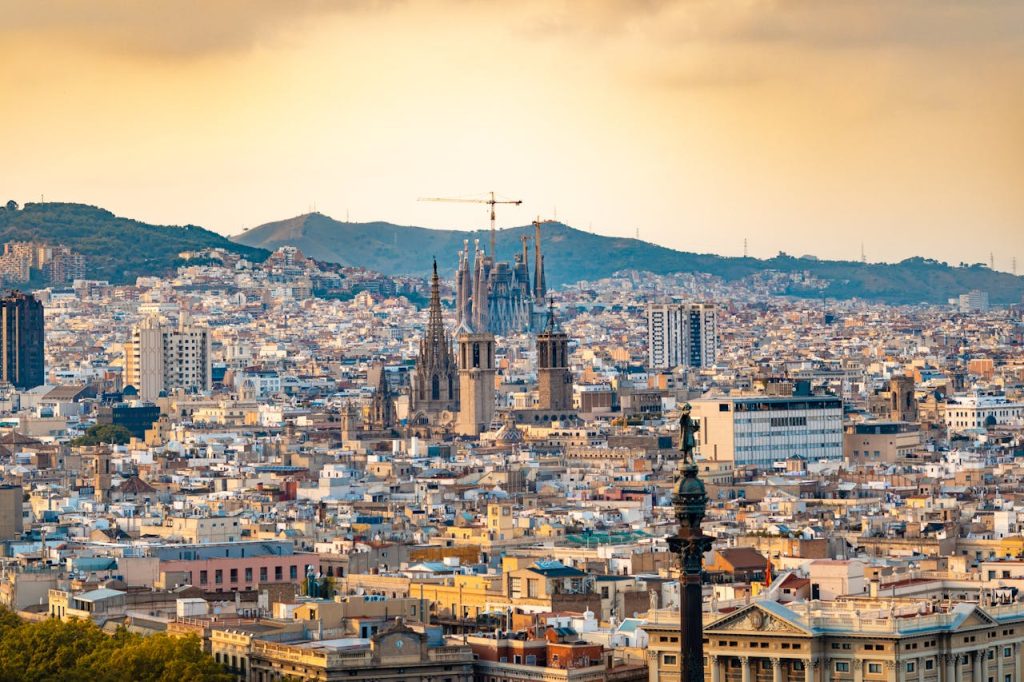
Barcelona’s Parc de la Ciutadella and surrounding green spaces offer shaded lawns, historic structures, and decorative fountains that retain a peaceful feel before midday. Trees form a protective canopy over walkways that wind toward ponds and calm corners tucked between gardens. Statues and palm-lined paths reflect the region’s architectural influences. The park’s broad layout provides several areas where open space balances with cultural landmarks. Early visits reveal detailed landscaping often missed during crowded hours.
Prague
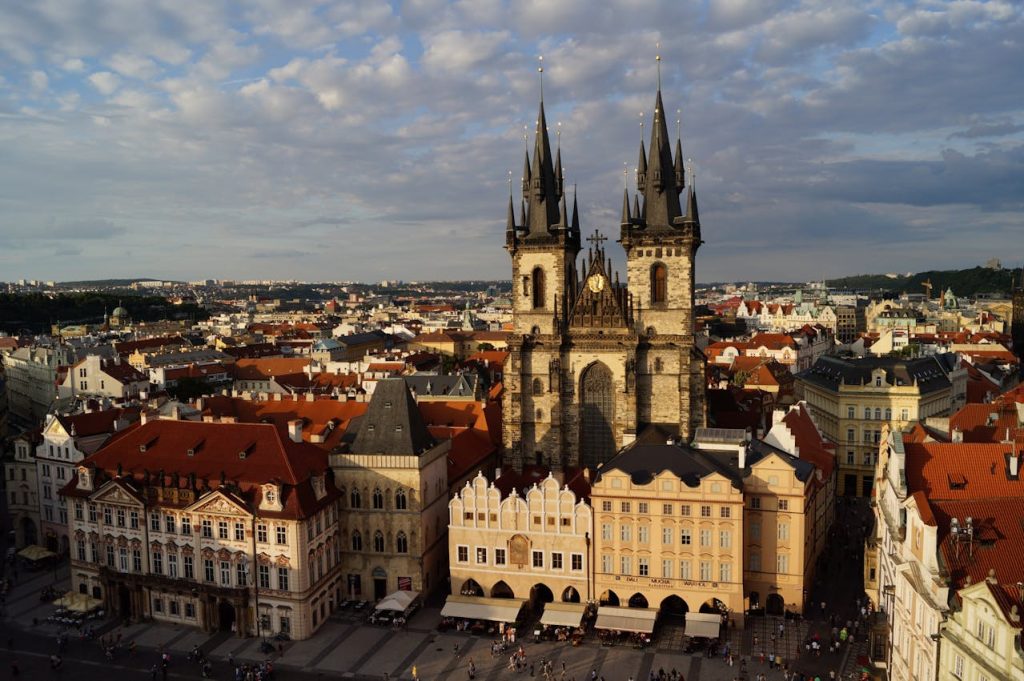
Prague includes Letná Park and other elevated green areas that overlook the Vltava River and historic skyline. Broad lawns extend toward scenic viewpoints framed by mature trees and gently sloping terrain. Morning light brightens shaded walkways that cross wooded sections and open clearings. Architectural elements such as pavilions and pathways lined with stone add visual depth. These features create a relaxing environment above the city’s busier districts. The sense of calm increases when daily tourism remains concentrated below.
Budapest
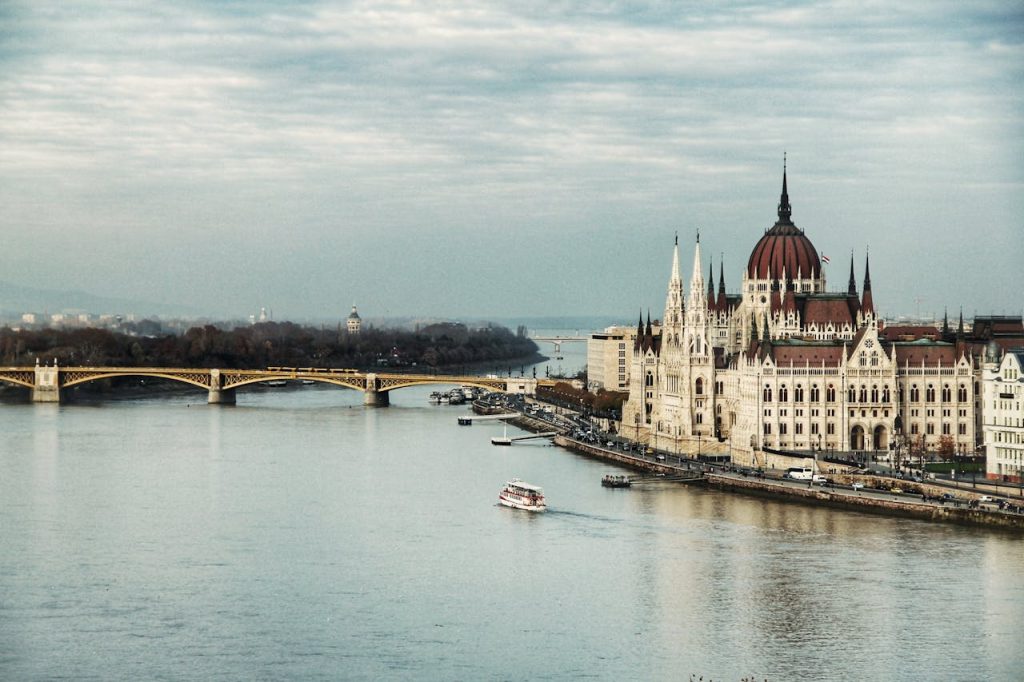
Budapest’s City Park blends cultural landmarks with lakes, wooded sections, and quiet stretches of lawn that maintain a restful pace during early hours. Bridges connect tree-shaded routes, while historic structures like Vajdahunyad Castle add storybook scenery. Reflective water surfaces provide cool airflow that complements surrounding greenery. Benches, gardens, and broad pathways support slow movement across the park’s central areas. These elements make City Park a reliable refuge from busier city zones.
Copenhagen
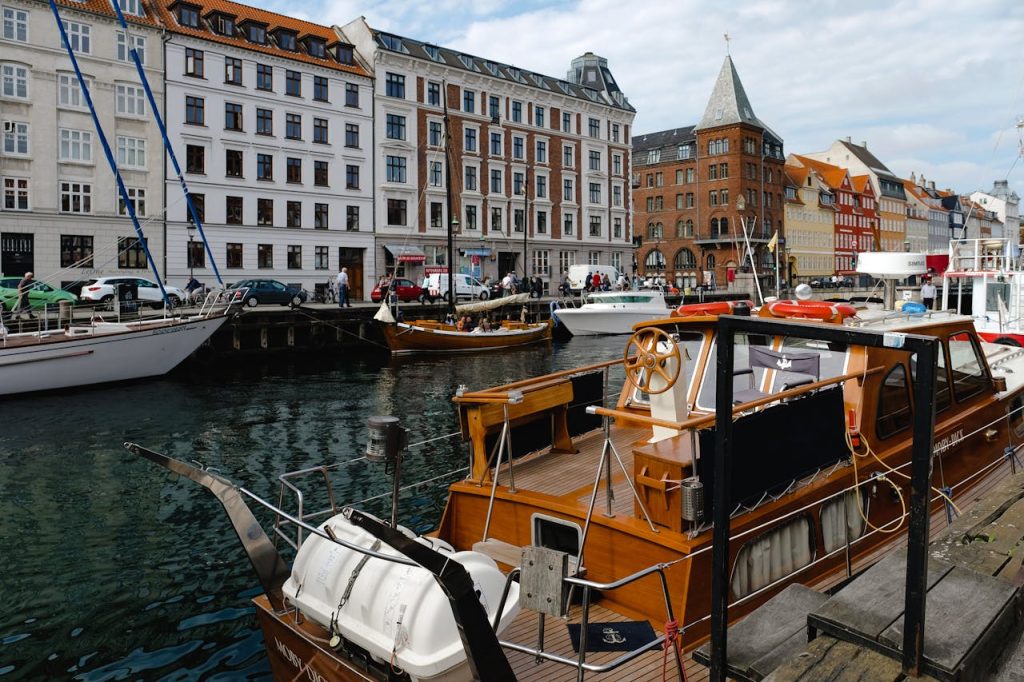
Copenhagen offers Frederiksberg Gardens and other parks where canals, wooded glades, and grassy fields maintain steady tranquility before crowds gather. Winding paths follow landscaped curves around small lakes that reflect early sunlight. Wildlife such as swans and ducks frequently appear near the water’s edge. Shaded groves provide relief from warmer temperatures while maintaining natural airflow. The park’s design supports calm exploration centered around nature and balanced scenery.
Stockholm
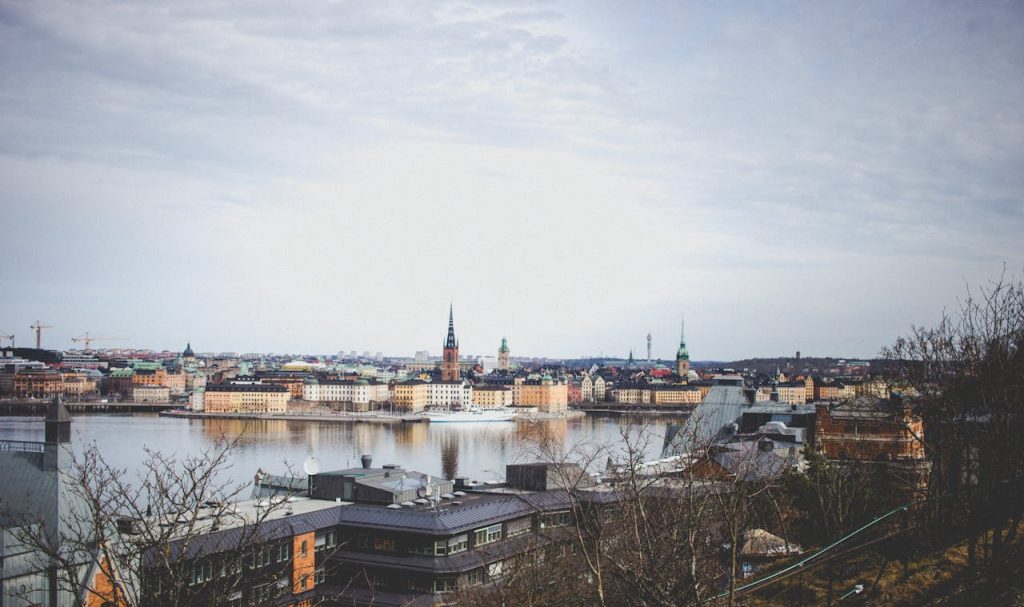
Stockholm’s Djurgården and other island parks combine forested landscapes with waterfront views shaped by the city’s archipelago setting. Trails pass through pines, birches, and open meadows where early quiet enhances the natural surroundings. Bridges link wooded sections to calm inlets that support steady breezes. The expansive layout allows movement without congestion even near popular cultural sites. Morning hours reveal subtle changes in light and color across the water.
Lisbon
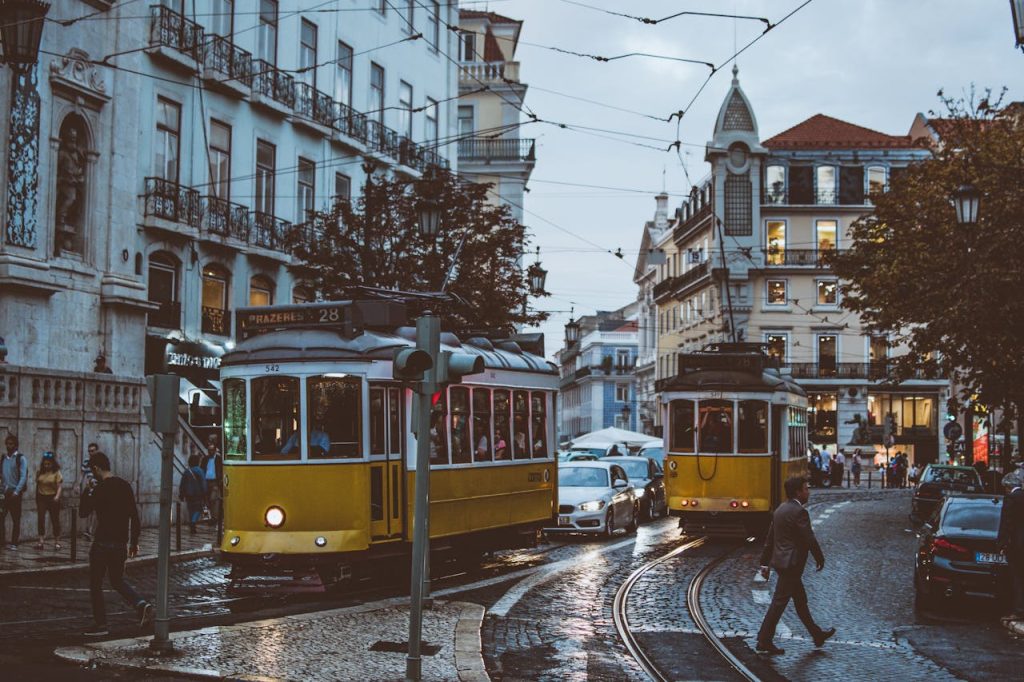
Lisbon’s Eduardo VII Park provides layered terraces, geometric gardens, and tree-lined pathways that remain peaceful before visitor numbers climb. Views from elevated sections show the city spreading toward the Tagus River. Flowers and hedges planted in symmetrical patterns highlight the park’s formal design. Long central lawns create open sightlines that complement surrounding hills. Cooler morning air adds comfort as sunlight illuminates statues, fountains, and carefully maintained greenery.
Zurich
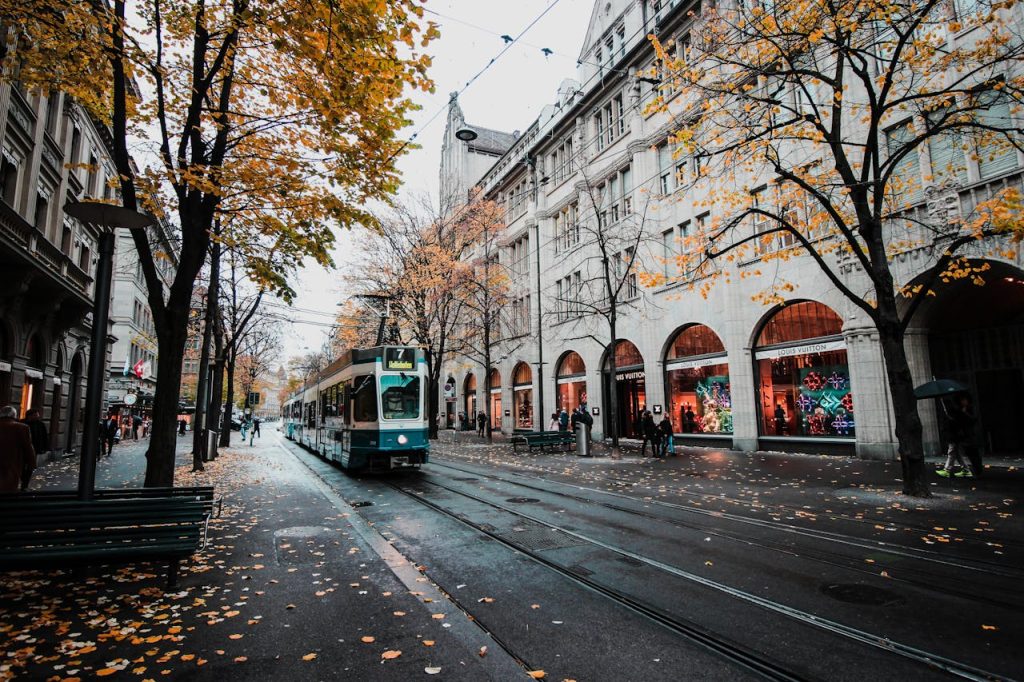
Zurich’s Platzspitz Park sits between two rivers, offering distinctive airflow and shaded pathways ideal for early walks. Water movement creates a calming backdrop for lawns framed by centuries-old trees. Bridges and landscaped flowerbeds add charm without overwhelming the natural setting. Benches near the water provide scenic resting points. These combined features help maintain the park’s reputation as a restful retreat close to the city center, especially outside the busiest hours.
Ghent
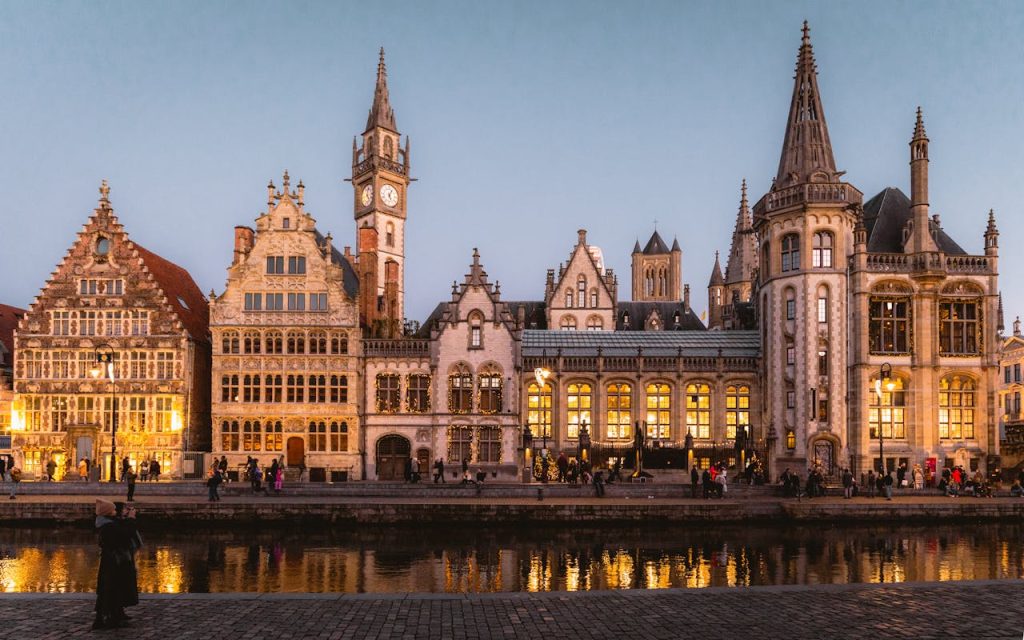
Ghent’s Citadel Park includes wooded terraces, stone pathways, and ponds arranged across gently rolling ground. Morning light filters through mature tree canopies, revealing sculpted landscaping that reflects the park’s historic origins. Quiet corners appear between slopes and shaded benches placed near water features. Cultural venues surrounding the park add architectural interest without drawing heavy early crowds. This creates a balanced environment where greenery remains the main focus.
Kraków
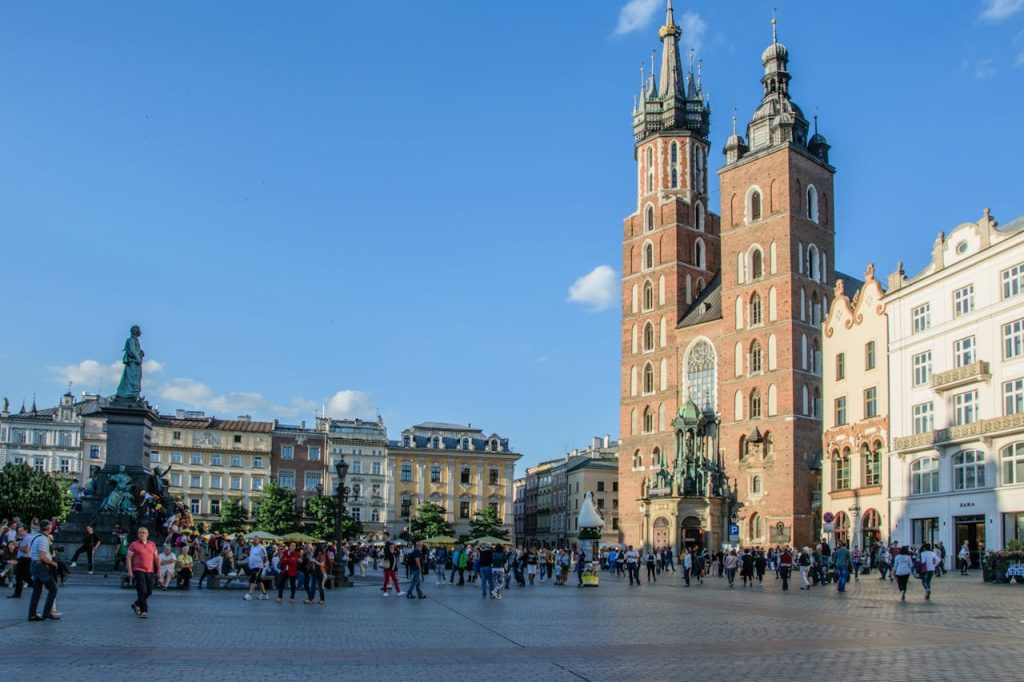
Kraków’s Planty Park encircles the Old Town with a continuous ring of shaded paths and landscaped gardens that remain inviting during early hours. Trees arch overhead, forming leafy corridors that reduce noise from surrounding streets. Benches provide regular resting points along the circumference. Seasonal flowers and trimmed hedges maintain visual cohesion across the park’s segmented zones. This combination helps preserve morning serenity even near busy historical landmarks.
Edinburgh
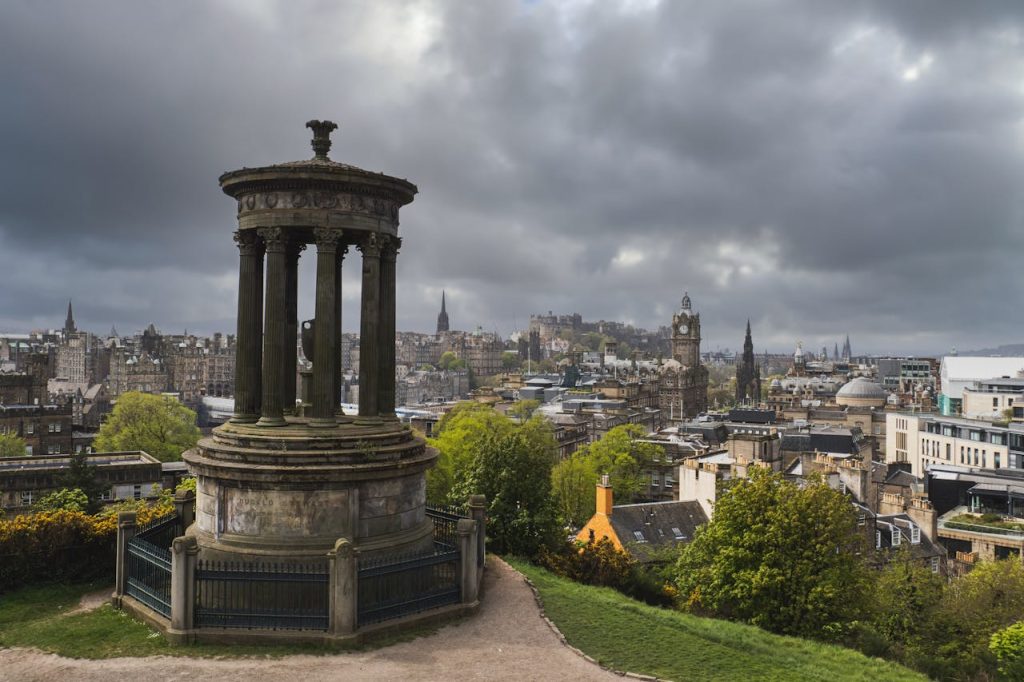
Edinburgh’s Princes Street Gardens sit beneath the castle and feature lawns, floral borders, and mature trees that offer soft shade in early light. Sloping terrain creates natural separation between pathways and busier streets above. Monuments and fountains add visual interest while remaining secondary to the park’s greenery. The morning atmosphere feels cool and quiet compared with later hours. These conditions make the gardens a dependable refuge within the city center.