15 Phone Scams Targeting Travelers Booking Trips This Year

Travel planning often brings excitement as travelers search for flights, hotels, and memorable experiences, yet that same excitement makes the perfect entry point for scammers who craft believable phone schemes designed to interrupt the process. Many callers imitate legitimate companies, offer deals that sound irresistible, or create fake problems requiring immediate attention to secure payment. These tactics rely on urgency and familiarity, often referencing real brands, destinations, or booking platforms to appear trustworthy. Scammers understand that travel often involves deadlines, confirmation numbers, and complex arrangements, giving them leverage to push individuals into quick decisions before thinking critically.
The Fake Airline Cancellation Call

The fake airline cancellation call remains one of the most disruptive scams because callers claim a booked flight has been unexpectedly canceled or changed. Scammers often mimic customer service agents by using professional language, flight terminology, and spoofed caller IDs that resemble official airline numbers. They insist that immediate payment is required to secure a new seat or avoid losing the reservation entirely. Travelers caught off guard by the urgency may disclose credit card information before verifying the issue. This scam thrives because real schedule changes do occur, making the fraudulent narrative seem plausible in stressful travel planning moments, especially during peak travel seasons when confusion increases noticeably.
The Phony Hotel Rebooking Scheme
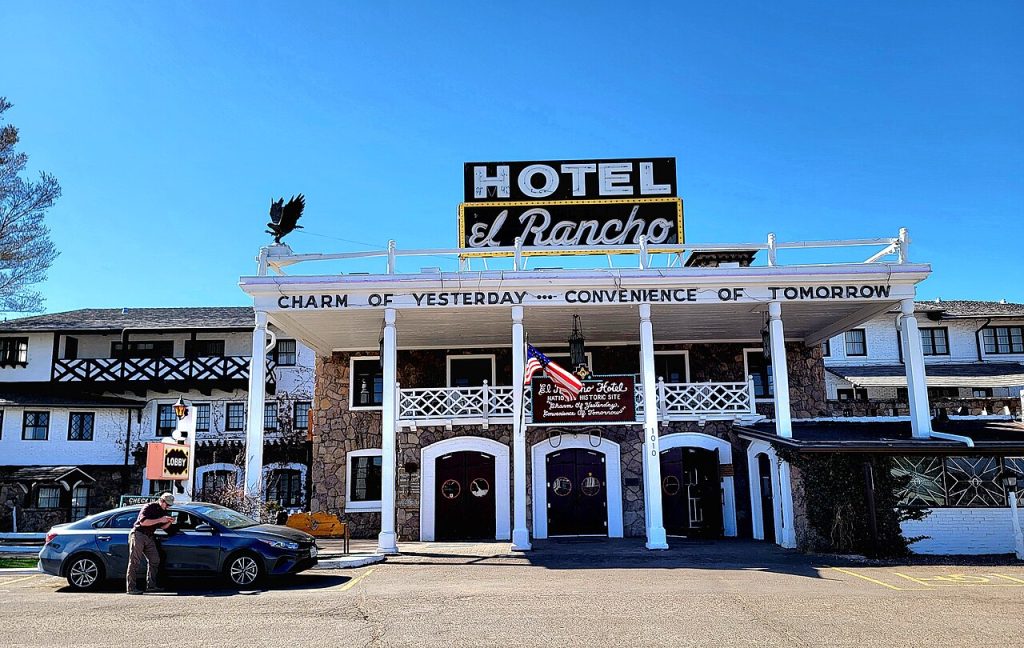
The phony hotel rebooking scheme typically begins when callers claim that a reservation cannot be honored due to overbooking, system errors, or payment problems. They offer to rebook the same room or upgrade the stay for a fee, encouraging quick action to avoid losing lodging. Scammers often reference real hotel names, loyalty programs, and reservation styles found in third-party booking sites, giving the conversation a believable rhythm. Victims who pay the requested amount later find that their actual hotel has no record of the call. This scam exploits the worry travelers feel when accommodations appear uncertain, pushing them toward swift decisions that benefit the fraudulent caller during already busy travel periods.
The Fake Travel Insurance Upgrade
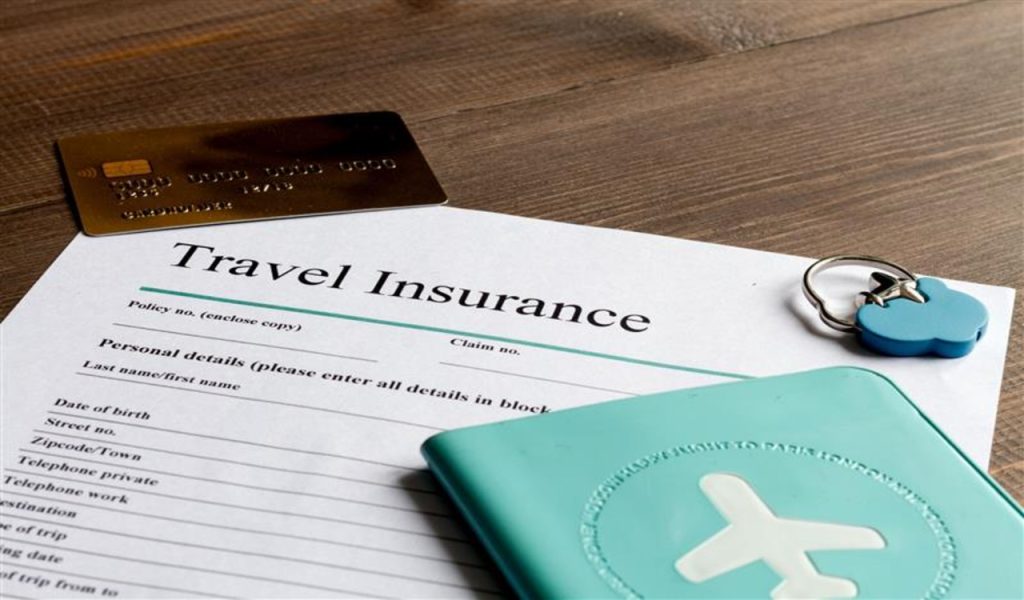
Scammers promoting fake travel insurance upgrades call travelers with claims that their current policy lacks essential coverage for weather disruptions, illness, or emergency changes. They emphasize potential risks and insist that immediate payment ensures protection during the upcoming trip. Travelers may assume the warning is credible due to the complex nature of insurance policies. However, the coverage described often does not exist, and the money collected goes directly to the scammer. This scheme highlights how fear-based persuasion can pressure travelers into purchasing services not actually provided during their journeys, particularly when planning complicated itineraries or seasonal vacations.
The Cruise Upgrade Imposter

The cruise upgrade imposter scam targets travelers planning ocean vacations by offering discounted premium cabins, or exclusive excursions. Callers often reference real cruise lines and itineraries to build trust, claiming that special deals must be purchased immediately. Scammers speak confidently about ship layouts and amenities, making the offer sound legitimate. Once payment is sent, the promised upgrade never appears on the traveler’s account. This scam leverages the excitement surrounding cruises and the perception that last-minute promotions are common, encouraging rapid action before travelers have time to verify the details with official customer service representatives, especially when departure dates are fast approaching.
The Rental Car Deposit Scam

The rental car deposit scam begins when callers warn that a reserved vehicle is at risk of cancellation unless an additional deposit or verification fee is paid. Scammers often use industry terms and reference real rental companies to sound credible. They claim that holiday demand, maintenance issues, or computer glitches require immediate action. Travelers who provide payment later learn that the car reservation was never in jeopardy. The scam thrives because rental shortages and rising travel demand make such warnings feel believable. Callers use this tension to push victims toward rushed decisions, creating an opportunity for financial exploitation during trip preparation when stress levels tend to increase significantly.
The Bogus Destination Tax Call

The bogus destination tax call involves scammers posing as officials who claim that travelers must pay new or updated tourism taxes before entering a specific city or country. They reference real-sounding regulations and may threaten denied boarding or fines if payment is not secured immediately. While tourism fees exist in some destinations, legitimate agencies do not collect them through unsolicited phone calls. This scam exploits the complexity of international travel requirements and the fear of encountering problems upon arrival. Travelers may misinterpret the request as a routine part of trip planning, giving scammers a chance to collect funds under the guise of official authority during moments when clarity feels especially important.
The Fake TSA Problem Alert

The fake TSA problem alert scam frightens travelers by claiming that identification issues, flagged documents, or security concerns require immediate resolution before a flight. Scammers insist that failure to act will delay the trip or require rebooking fees. They may reference real TSA terminology, creating a veneer of legitimacy. Victims, anxious about potential airport delays, sometimes comply without verifying the call. The Transportation Security Administration does not conduct such outreach, making this scam entirely fraudulent. Its success stems from its focus on urgency and the fear of travel disruptions that travelers naturally want to avoid during busy planning stages, especially when preparing for tight schedules.
The Impersonated Booking Site Representative
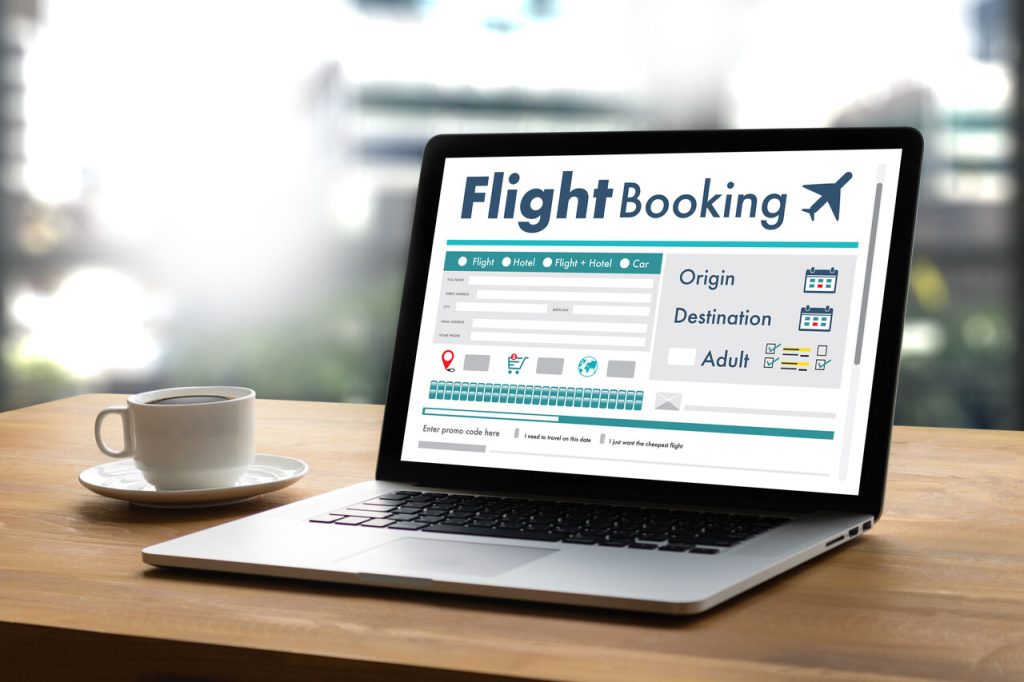
The impersonated booking site representative scam occurs when callers pretend to work for well-known travel platforms. They claim that a booking requires verification or correction due to outdated payment information, incorrect traveler details, or system errors. Their tone often resembles that of genuine support agents, and they may reference real confirmation numbers harvested from phishing attempts. Victims who comply may have their accounts compromised or payments redirected. This scam works because travelers often rely on booking platforms for convenience and trust their customer service formats, making the impersonation difficult to spot without careful scrutiny during already hectic travel arrangements.
The Vacation Rental Identity Verification Scam

The vacation rental identity verification scam targets people booking alternative accommodations by claiming that extra identity checks are required. Callers state that verification codes, or personal details must be confirmed to prevent booking cancellations. Scammers often reference real rental platforms and may provide property descriptions to appear legitimate. Who share requested information risk fraudulent charges or compromised accounts. Because identity verification is sometimes part of the rental process, the request feels familiar. The scam takes advantage of this ambiguity, creating confusion that prompts travelers to comply quickly rather than question the legitimacy of the call, especially when coordinating multi-night stays.
The Reward Points Redemption Hoax

The reward points redemption hoax involves scammers who claim that travel loyalty points are set to expire unless redeemed through an immediate phone transaction. Callers sound knowledgeable about loyalty programs and may reference real brands. They request account numbers, login credentials, or payment to process supposed upgrades or free flights. Once provided, the scammer drains the loyalty account or uses the information for additional fraud. This scheme remains effective because travelers often lose track of point balances and expiration dates, making an urgent phone reminder sound helpful. The scam highlights the need for caution when handling loyalty program inquiries, particularly during seasonal promotional periods.
The Fake Lost Luggage Assistance Call
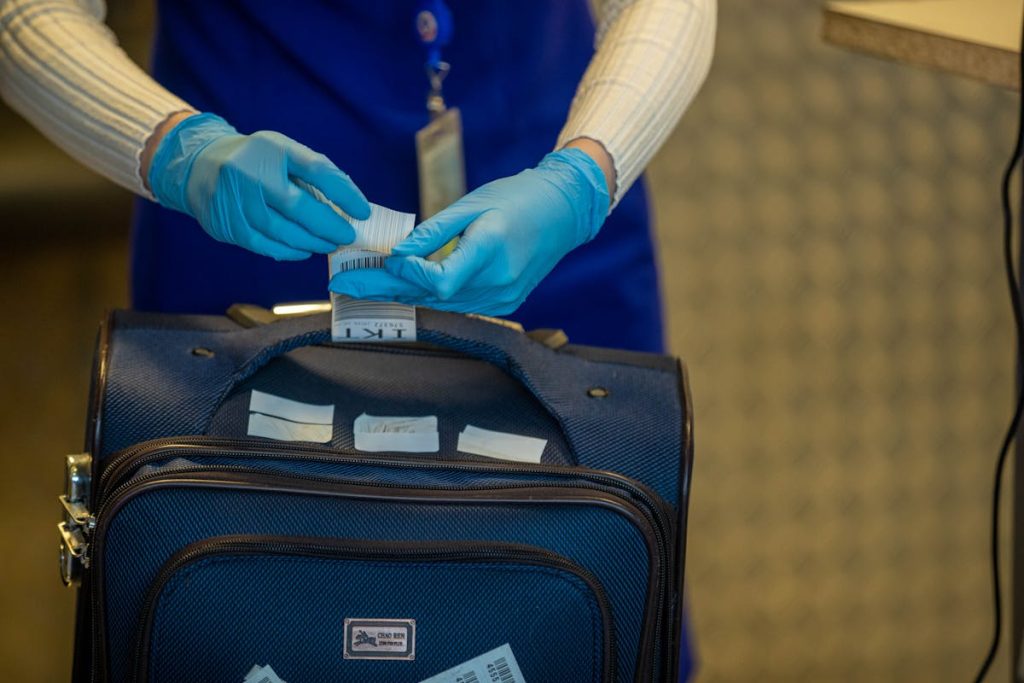
The fake lost luggage assistance call typically occurs after a traveler posts about trip plans publicly or shares information inadvertently online. Scammers claim that luggage has been misplaced or flagged and requires an additional fee for tracking or expedited return. They rely on the anxiety travelers feel about luggage issues and use industry terminology to sound official. Victims who pay often realize later that the airline had no record of a problem. This scheme works because lost luggage is a common travel concern, and scammers exploit that fear to encourage immediate action. The goal remains to collect payment before the traveler questions the authenticity of the call, especially during holiday travel rushes.
The Phishing Call for Passport Information
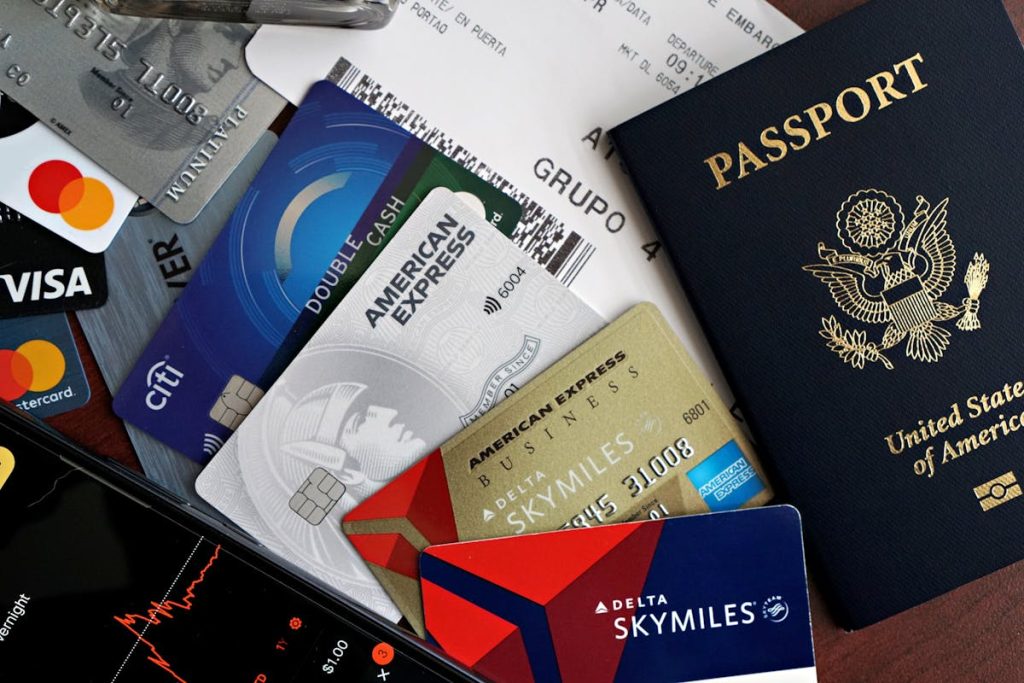
The phishing call for passport information involves scammers pretending to represent government agencies or travel registries. They claim that passport numbers, renewal details, or identity information must be verified before a trip. These callers often speak with authority and reference real travel regulations. Victims may feel pressured to comply due to fear of travel delays or denied entry. Government agencies do not conduct phone-based verification of passport details, making these calls entirely fraudulent. The scam highlights how easily official-sounding language can be used to manipulate travelers seeking clarity about documentation requirements, particularly when preparing for international departures or long-haul flights.
The Fake Guided Tour Confirmation

The fake guided tour confirmation scam begins when callers reference tour reservations that do not exist or claim that booked excursions require additional fees. They may describe local landmarks or sightseeing packages to appear authentic. Travelers expecting structured activities may not question the call immediately, especially if they previously browsed. Scammers leverage this familiarity, encouraging payment before the traveler investigates further. Victims later discover that legitimate tour operators made no such outreach. This scam capitalizes on the anticipation travelers feel when planning excursions, using that enthusiasm to collect funds for nonexistent experiences, particularly during peak travel seasons or festival periods.
The Airport Parking Reservation Scam

The airport parking reservation scam targets travelers looking for affordable parking options near major airports. Callers claim to represent parking facilities and state that reservations require immediate deposits or updated payment information. They may reference real airports or terminals to sound credible. Travelers who pay the requested amount later discover that the parking facility has no record of their booking. This scam exploits the time-sensitive nature of airport travel and the desire to secure reliable parking before a trip. Scammers rely on hurried decision-making to convince victims to provide payment details without independently verifying the offer, especially during high-volume holiday travel windows.
The “Last-Minute Deal” Pressure Call

The “last-minute deal” pressure call appears as a limited-time offer promising heavily discounted flights, cruises, or vacation packages. Scammers insist that the traveler must purchase immediately to lock in the price, emphasizing that quantities are extremely limited. They reference real destinations and carriers, creating the illusion of authenticity. Travelers excited by the possibility of savings may pay without recognizing the lack of verification or official documentation. Once the transaction is complete, no booking ever appears. This scam thrives because it mirrors legitimate promotional language used by travel companies while removing the safeguards that protect consumers during actual sales, especially when emotions run high.