16 Coastal Drives in Ireland for Stunning Views—Minus the Local Glare
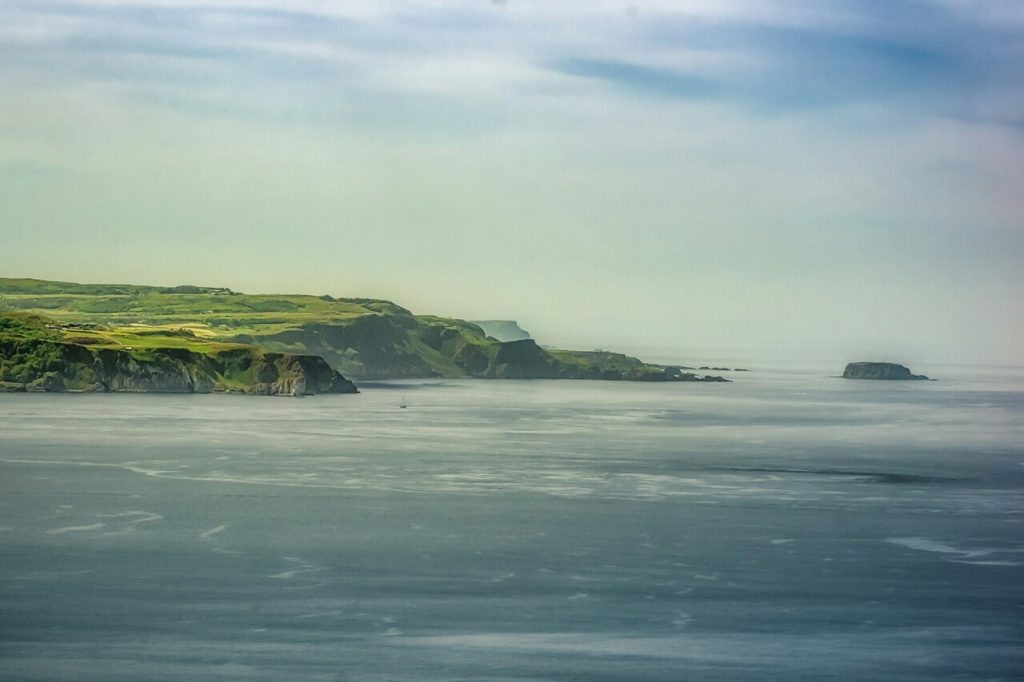
Ireland’s coastline rewards patient travelers who prefer slow roads and steady scenery over busy viewpoints, and these coastal drives stand out for their natural drama and welcoming pace. Rather than rushing between well-known stops, each route encourages a rhythm shaped by cliffs, beaches, and villages where daily life continues without the self-consciousness that comes from overt tourism pressure. The drives here stretch along shorelines shaped by the Atlantic and the Irish Sea, giving visitors chances to stop for quiet nature walks, sheltered coves, and wide-open headlands. What makes them ideal is not simply the scenery but the relaxed way the landscape unfolds, letting drivers move at a comfortable speed while taking in sea stacks, dunes, bird habitats, and fishing harbors still tied to traditional routines. You can plan a full loop or explore smaller stretches depending on the time available, but each route supports detours into lesser-visited pockets of countryside that remain calm even in peak season, making them especially appealing for travelers hoping for views without the feeling of being watched or hurried.
1. Wild Atlantic Way – Donegal Section
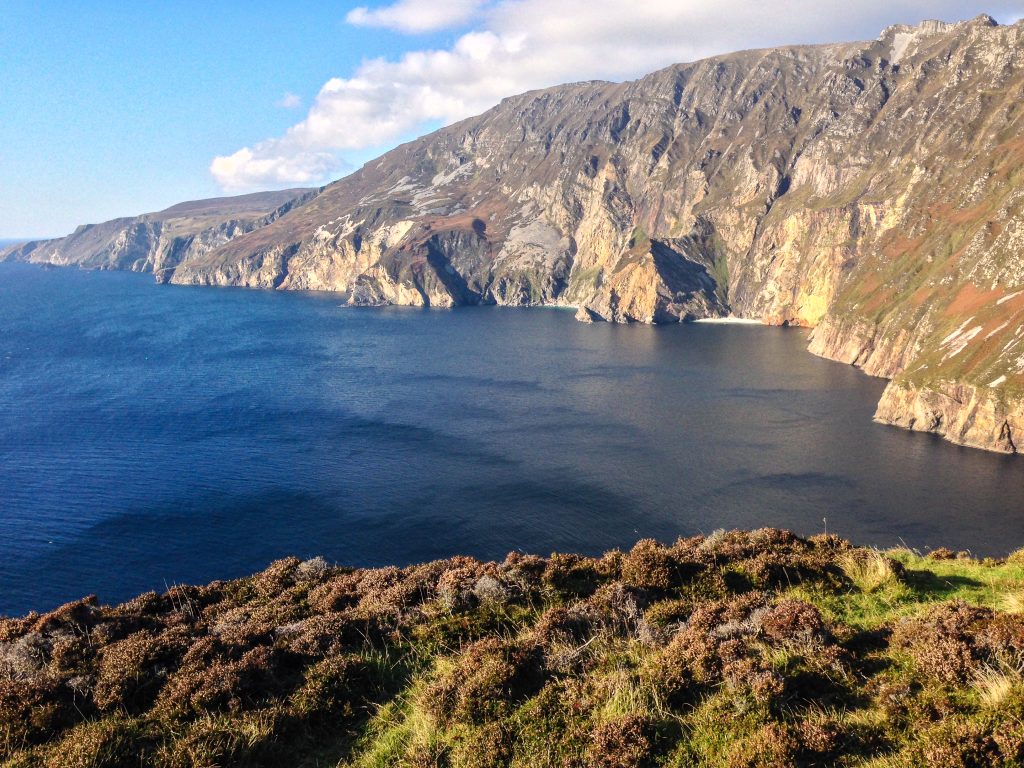
The northern reaches of the Wild Atlantic Way in County Donegal deliver some of the least crowded coastal scenery in Ireland, with long, empty stretches of road passing by hilltops, remote beaches, and sea cliffs. Driving from the vicinity of the Slieve League area toward the quieter peninsulas lets you witness landscapes shaped by Atlantic winds and slow rural life, where sheep often outnumber people on the roadside. This segment is especially rewarding because it avoids the heavier tourism found farther south, giving drivers a calm rhythm to follow as they pass headlands, boglands, and sheltered coves. The vastness of Donegal’s coast means you can stop at small turnouts without worrying about crowds forming, and many villages maintain a modest scale that suits visitors seeking understated beauty rather than curated viewpoints. The open skies, shifting clouds, and distant mountains give the drive a sense of wide horizons, and you can take your time without feeling pressure from traffic or commercial attractions.
2. Inishowen Peninsula Drive
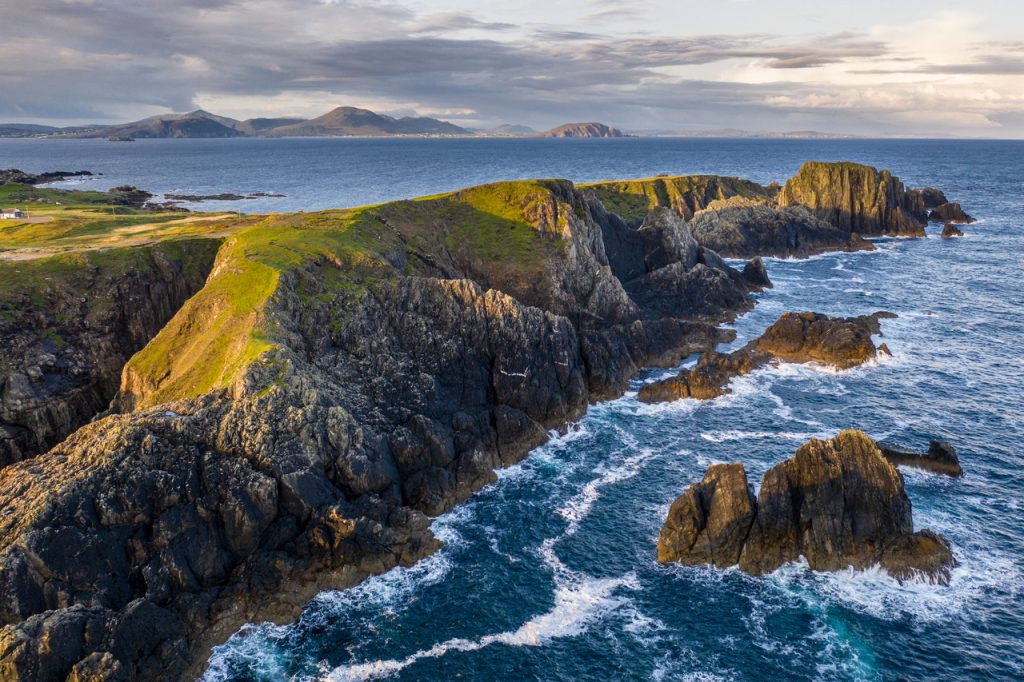
Circling the Inishowen Peninsula provides one of the most far-reaching coastal drives in Ireland because its roads trace rugged shorelines, quiet farms, and secluded beaches. From the northern tip near the Malin Head region, the drive unfolds along looping roads that stay close to the water while climbing toward elevated viewpoints with wide panoramas. What distinguishes this route is the combination of crisp Atlantic air, narrow rural byways, and minimal commercial signage, making it feel like a genuine journey through a lived landscape rather than a choreographed scenic corridor. Drivers have multiple chances to exit at small fishing villages where the pace of life remains unhurried, and even in summer the dispersed stops prevent overcrowding. The changes in weather, from mist to bright clear skies, give the scenery a dynamic quality that keeps the drive interesting without demanding constant planning or timed visits. The result is a coastal circuit that remains welcoming while maintaining a strong sense of place and privacy.
3. Fanad Head Coastal Loop
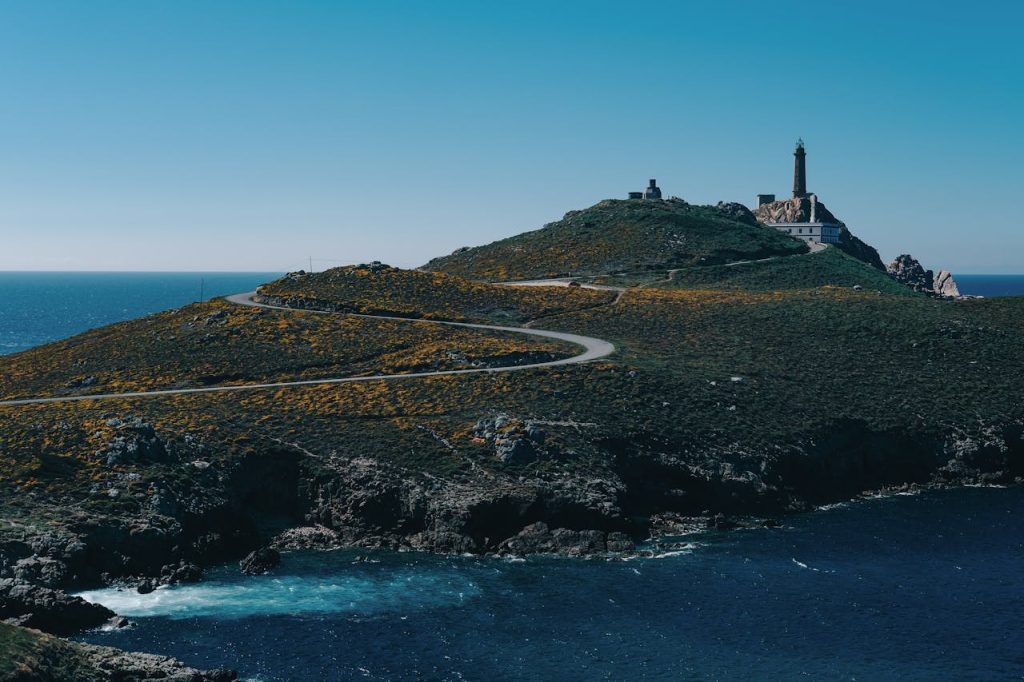
The Fanad Peninsula rewards drivers with a peaceful combination of shoreline curves, lighthouse views, and quiet grazing fields. Approaching the area around the Fanad Head Lighthouse, the route transitions into a series of bends that rise above inlets and then descend toward sheltered beaches where the surf remains gentle compared to more exposed Atlantic locations. This drive is particularly soothing because the peninsular geography keeps traffic light; many visitors stop only at the lighthouse itself, leaving much of the surrounding road nearly empty. The scenery here is defined by gradual changes in elevation and broad perspectives across sea inlets framed by low hills. Drivers can comfortably pull off at unofficial viewpoints without worrying about congestion, creating an organic pacing that suits long, reflective journeys. Small communities along the route retain a lived-in feel, and their modest scale ensures that the environment encourages slow driving rather than rushing from point to point.
4. Horn Head Scenic Loop
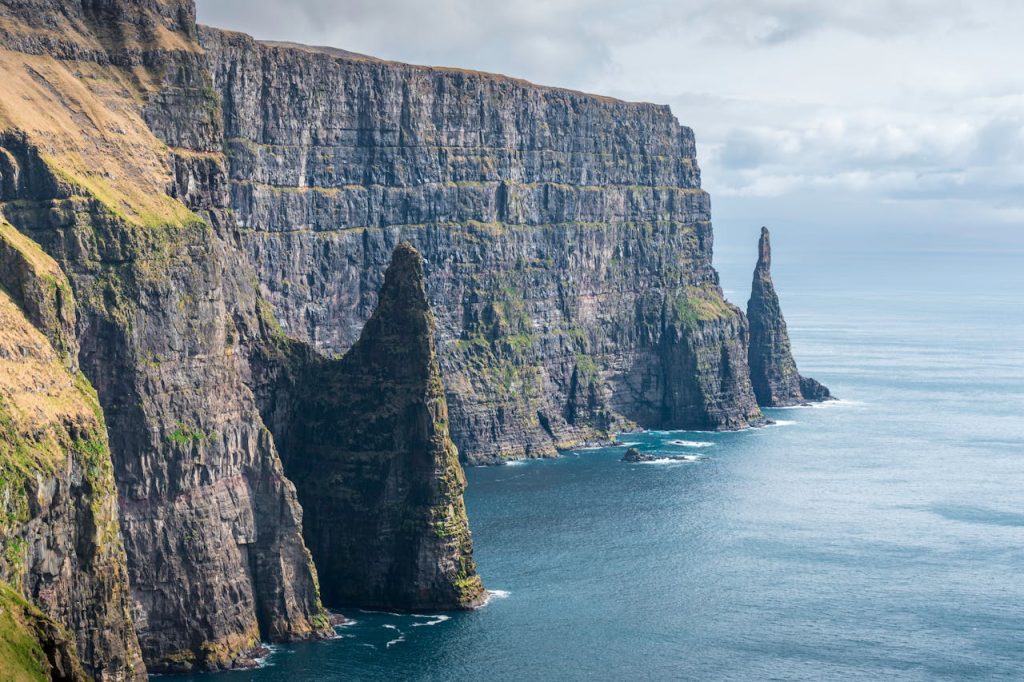
For drivers seeking a compact but visually intense coastal circuit, the loop near the Horn Head provides sweeping cliffside panoramas with minimal infrastructure. The route’s tight curves and steady climbs reward caution, yet the low traffic volume makes the drive comfortable even for slower, sightseeing-focused travel. From elevated vantage points, the Atlantic appears in layers of shifting blues beneath cliffs carved into dramatic shapes by centuries of erosion. What makes Horn Head distinct is the quietness—aside from occasional walkers, the area feels unforced and undisturbed. The lack of heavy commercial development preserves a sense of remoteness even though the loop is relatively short, and the views offer an authentic expression of Donegal’s coastal character. Drivers can pause at the designated viewing areas or simply idle at roadside pull-ins where birds glide along wind currents rising from the cliffs.
5. Glenveagh to Gweedore Coastal Route
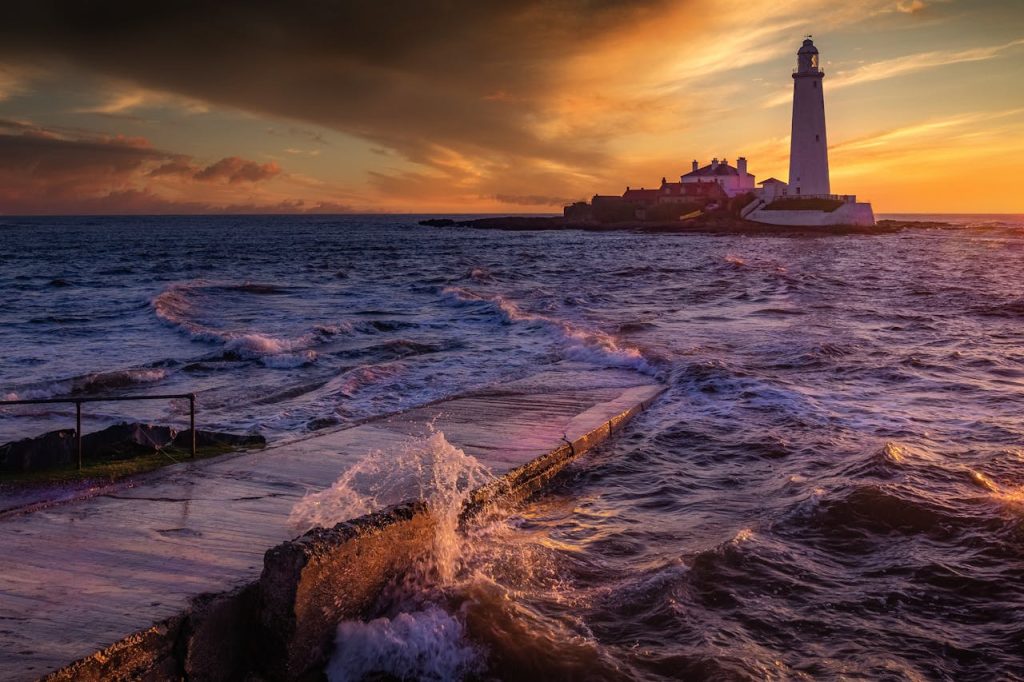
Transitioning from the inland calm of the Glenveagh region toward the Gweedore coastline allows drivers to experience a changing landscape that moves from moorland to beach-lined bays. Although Glenveagh is known for its national park, the coastal extension toward the town influenced by the Gweedore cultural area brings visitors into a Gaeltacht community where traditional language and music shape daily life. The route gives glimpses of distant islands, long sandy stretches, and low-lying dunes dotted with grasses that sway under steady Atlantic winds. Because the region spreads across multiple small villages rather than one central hub, drivers encounter modest traffic and have freedom to stop in quiet places. The sense of cultural continuity enriches the drive, making the journey feel grounded in local identity rather than curated sightseeing. Gentle road gradients and open coastal plains create a calm rhythm that suits travelers spending extended time exploring by car.
6. Sligo’s Coastal Drive to Mullaghmore Head
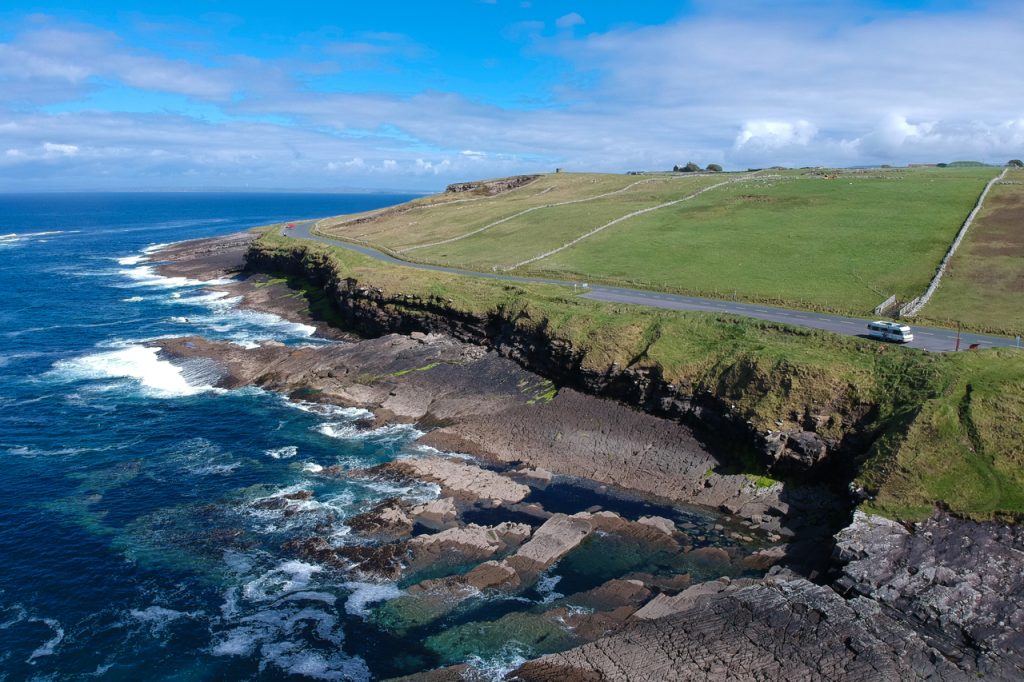
Heading into County Sligo, the coastline between the town and the Mullaghmore Head area offers consistent views of sea cliffs, surf-shaped coves, and open farmland that meets the water in gentle slopes. Drivers can follow a steady route hugging the coastline while keeping Benbulben’s plateau visible in the distance, grounding the scenery in a sense of regional identity unique to Sligo. This drive manages to feel expansive without requiring long hours on the road because the varied landscapes appear in quick succession. Fishing boats, calm harbors, and low-tide rock pools give the shoreline an accessible scale, while the headland itself provides a dramatic terminus where waves break against resilient rock surfaces. The road remains smooth and uncrowded, supporting a relaxed pace that encourages spontaneous stops at beaches tucked just a few minutes off the main route.
7. Achill Island Atlantic Drive
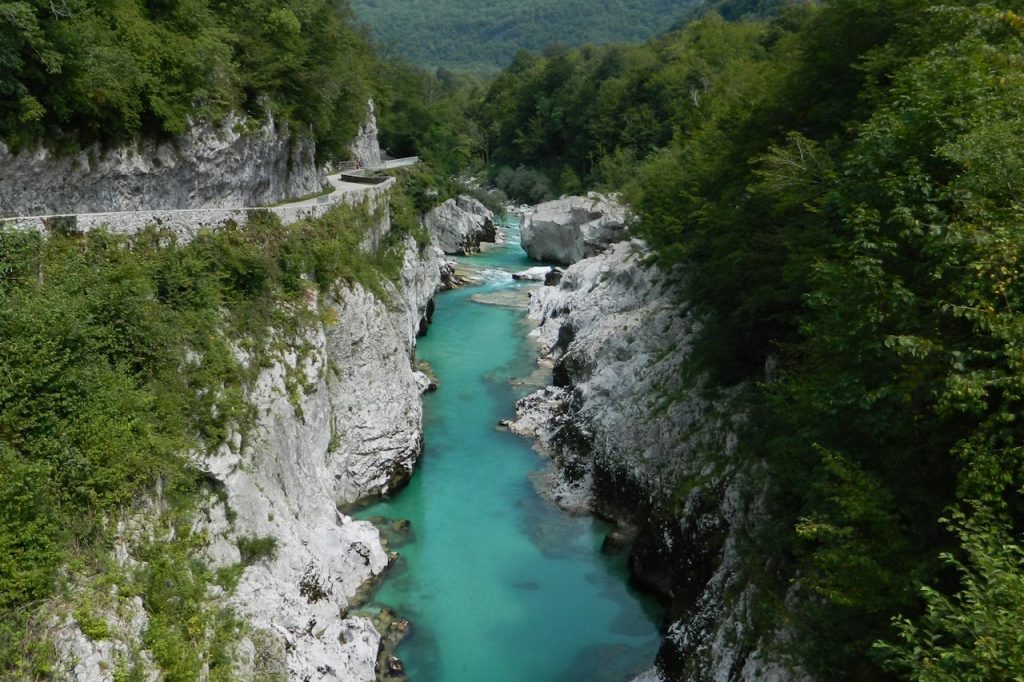
Accessed via a bridge, Achill Island rewards visitors with an unhurried coastal circuit known for cliffs, beaches, and traditional crofter landscapes. The Atlantic Drive around the area near Keem Bay forms one of Ireland’s most striking sequences of sea views, rising steadily before curving down toward a sheltered beach where clear water and steep green hills meet. The road remains narrow but generally quiet, with long stretches offering space to pull over without obstructing traffic. Drivers experience a powerful sense of exposure to the Atlantic while also enjoying moments of softness in grassy slopes and valley pockets. The story of the island’s fishing heritage and old settlements enriches the experience, providing cultural depth without heavy commercialization. Achill’s scale allows for both short excursions and day-long exploration while maintaining a comfortable level of calm.
8. Clew Bay Coastal Drive
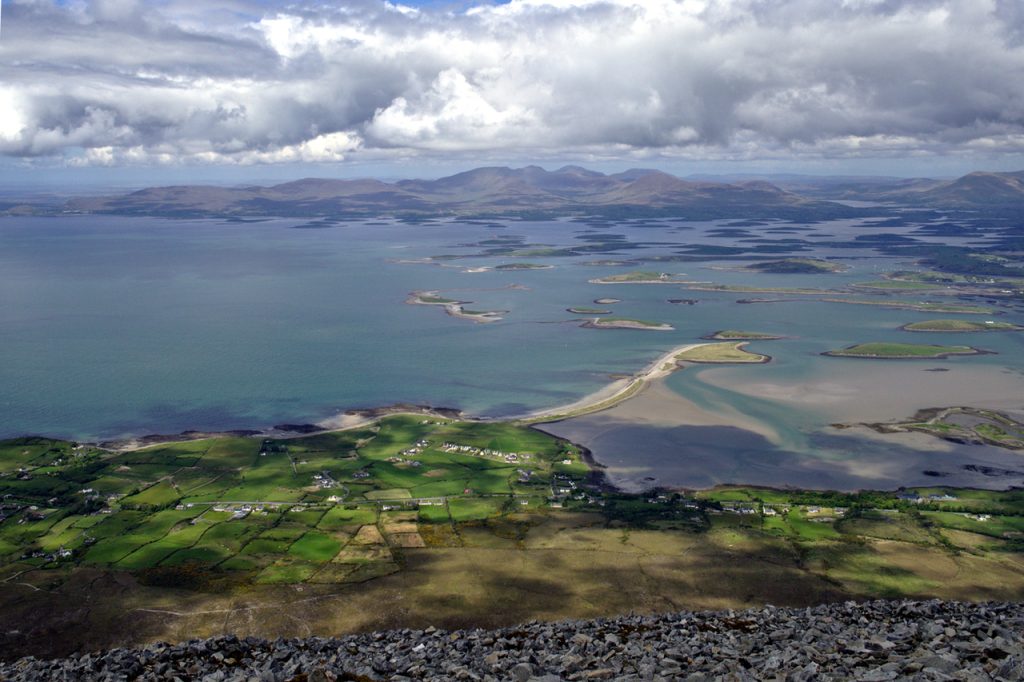
Following the curve of Clew Bay leads drivers through a region dotted with small drumlin islands and framed by mountain silhouettes. Starting near the historic town shaped around the Westport area, the drive remains pleasantly paced as it follows coastal roads that open into bayside lookouts and quiet beaches. Clew Bay’s geography produces a complex coastline where even short stretches of road feature constantly changing viewpoints. Drivers can stop at fishing piers, tidal flats, and picnic areas situated away from busy tourist paths. The clarity of the air, especially in the late afternoon, highlights the forms of the islands just off the coast, making the drive particularly rewarding for photography without needing any extreme vantage points. The combination of mountains, sea inlets, and calm local roads gives the route a well-balanced and steady character that suits unhurried exploration.
9. Connemara’s Sky Road
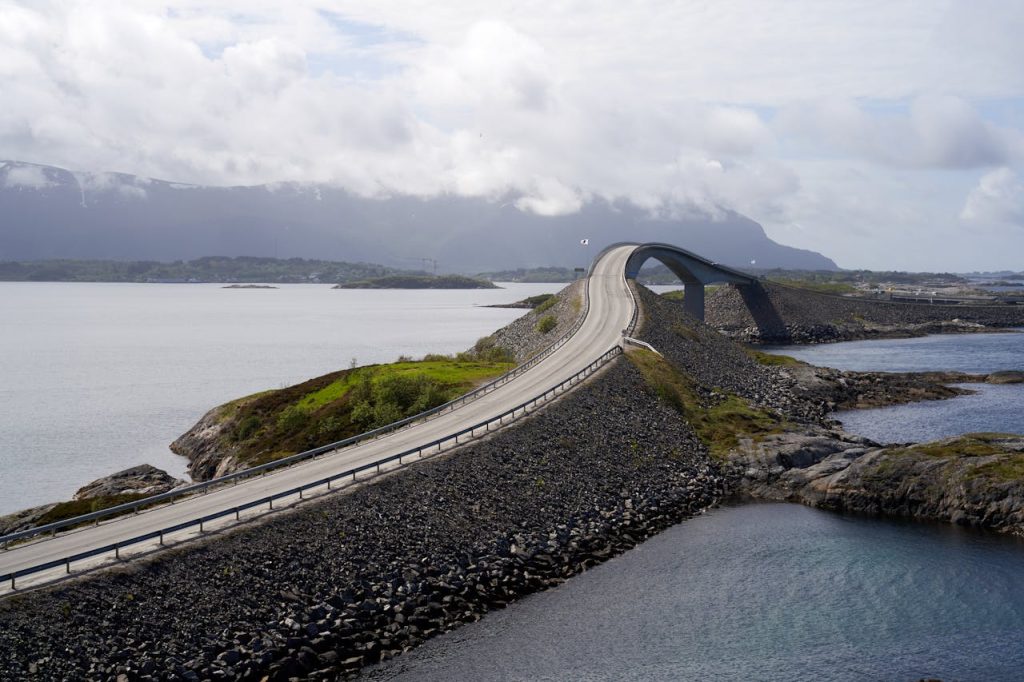
Located near the village centered around the Clifden region, the Sky Road is one of Connemara’s signature coastal drives thanks to its broad ocean views and elevated paths that wrap around headlands. Despite its reputation, this route often remains calm outside peak hours because travelers tend to stop at only one or two primary viewpoints. Drivers willing to continue around the full loop experience a mix of rugged cliffs, sheltered bays, and fields divided by stone walls. The smooth gradients help maintain a relaxed pace, and the road’s naturally expansive views require no heightened lookout points to feel rewarding. Local life continues at a modest rhythm along the route, with grazing animals frequently visible against the horizon. The interplay of light, sea, and rock creates a dynamic but not overwhelming backdrop that remains consistent across seasons.
10. Roundstone to Ballyconneely Coastal Line
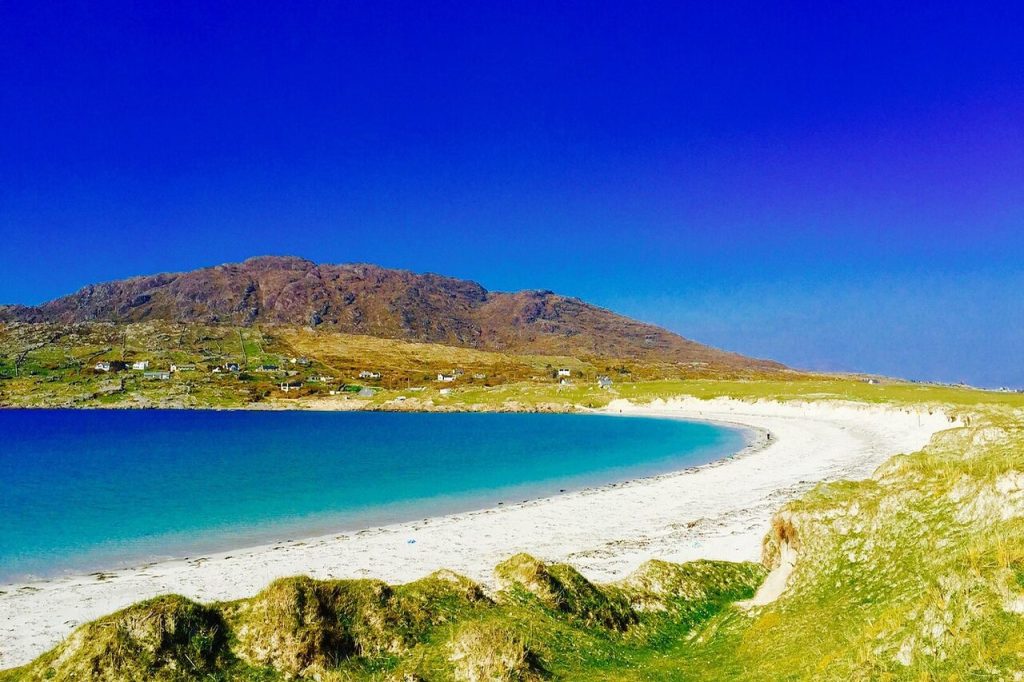
The drive between Roundstone and the Ballyconneely region offers a subtle but richly textured coastal landscape marked by white-sand beaches, low dunes, and calm bays. Near the scenic stretch associated with the Dog’s Bay area, the coastline opens into sweeping crescents of sand meeting clear water that shifts from pale blue to deep green. The road remains lightly trafficked, giving drivers freedom to stop in designated car parks or small roadside spaces without pressure. This route is notable for its understated beauty: instead of high cliffs, the scenery relies on smooth contours, reflective shallows, and quiet rural surroundings. Wildlife sightings, especially shorebirds, are common along the tide line. As drivers move toward Ballyconneely, homes and farms appear at widely spaced intervals, contributing to a sense of gentle continuity across the landscape.
11. Burren Coastal Route
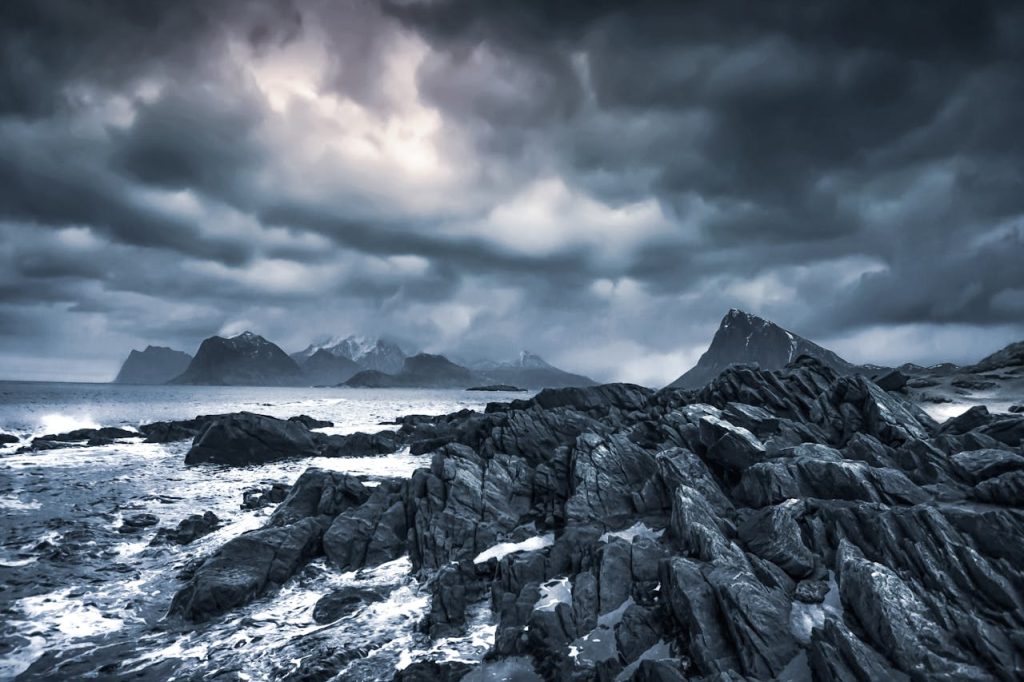
Running along County Clare’s coastline, the Burren coastal stretch offers a striking contrast between limestone landscapes and open sea. Near the area surrounding the Black Head viewpoint, the road sits close to terraced rock formations that extend toward the water in natural steps. The drive passes through villages where traditional shops and small harbors remain integrated with everyday life, ensuring the region avoids the curated feel of more tour-dense counties. Drivers experience the Burren’s trademark mix of rocky surfaces, wildflowers, and unusual geological patterns that appear consistently along the route. The presence of the Atlantic tempers the starkness of the limestone, creating a compelling visual balance. Because the coastal road offers many informal lookout points, travelers can stop frequently without contributing to congestion or disrupting the slow flow of local traffic.
12. Loop Head Peninsula
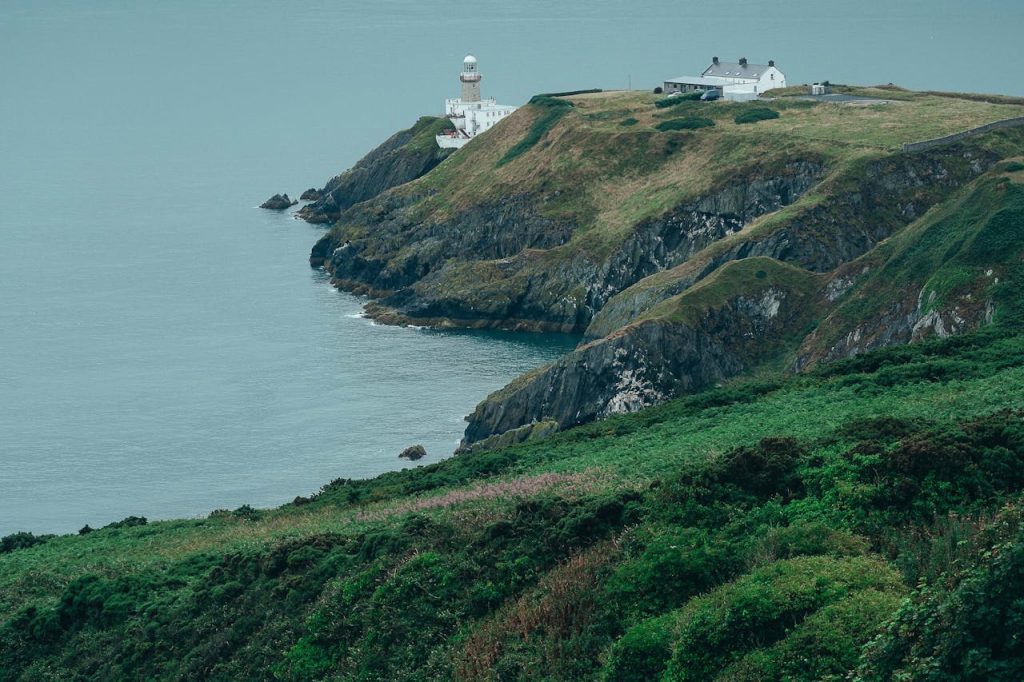
The Loop Head Peninsula in County Clare delivers a quiet coastal drive shaped by lighthouses, cliffs, and grass-covered headlands that receive steady Atlantic winds. Approaching the area around the Loop Head Lighthouse, drivers encounter a long sequence of open views across the ocean and toward rock formations carved by centuries of weather exposure. Traffic remains minimal because the peninsula functions as an out-and-back route rather than a through-corridor, giving it a calm, contemplative atmosphere. The flat, expansive grasslands contrast with steep drops into the sea, creating a landscape that feels both welcoming and powerful. Numerous roadside stops allow for brief walks to viewpoints, and the lack of built-up attractions helps preserve a natural rhythm that rewards slow, steady driving. Even short stretches of this route deliver high scenic value without the need for detours.
13. Dingle Peninsula Slea Head Drive
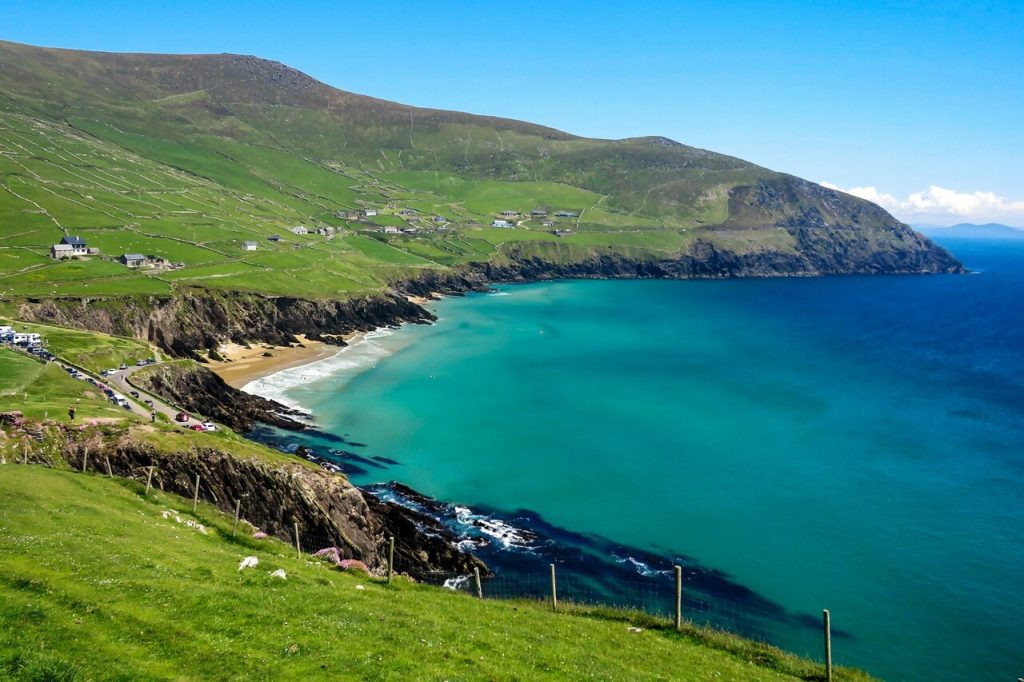
The Slea Head Drive near the town that surrounds the Dingle region is known for its historic sites, rock-lined pathways, and views of the Blasket Islands. Although it is popular, choosing early or late hours helps ensure a quiet, uninterrupted coastal circuit. The route’s sequence of bends reveals cliffs, beaches, and iconic stone structures that reflect centuries of local heritage. Traffic moves slowly, allowing drivers to enjoy the scenery without feeling pushed along, and many pull-ins offer elevated perspectives that don’t require extensive hiking. The interplay between overland pastures and offshore islands gives the region a sense of constant openness. Villages along the peninsula maintain a lived-in authenticity where fishing and farming continue, offering a stable backdrop to the route’s dramatic geography. Even on busier days, the spread-out nature of the drive supports a relaxed pace.
14. Ring of Kerry Coastal Stretch (Sneem to Waterville)
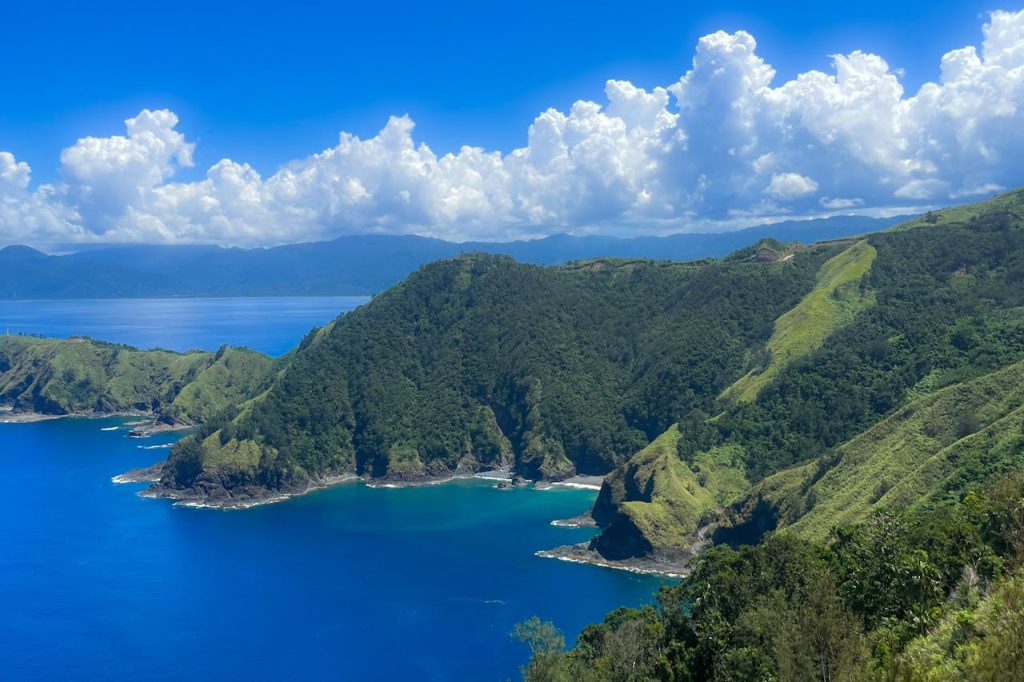
Focusing on the southern section of the Ring of Kerry between the village associated with the Sneem area and Waterville provides a calmer subset of the larger loop. This section follows long, open views of the Atlantic interspersed with sheltered coves and quiet rural homesteads. Drivers benefit from smoother pacing compared to the busier northern arc of the ring. The landscape alternates between rugged hill slopes and gentler bays, offering a varied but steady scenic sequence. Because many tour buses focus on different sections or concentrate their stops elsewhere, this stretch remains accessible for independent travelers. Small cafés and viewpoints appear at modest intervals, offering natural rest points without overwhelming the continuity of the drive. Clear sightlines and soft curves make for comfortable driving even for those unfamiliar with Irish coastal roads.
15. Beara Peninsula Coastal Drive
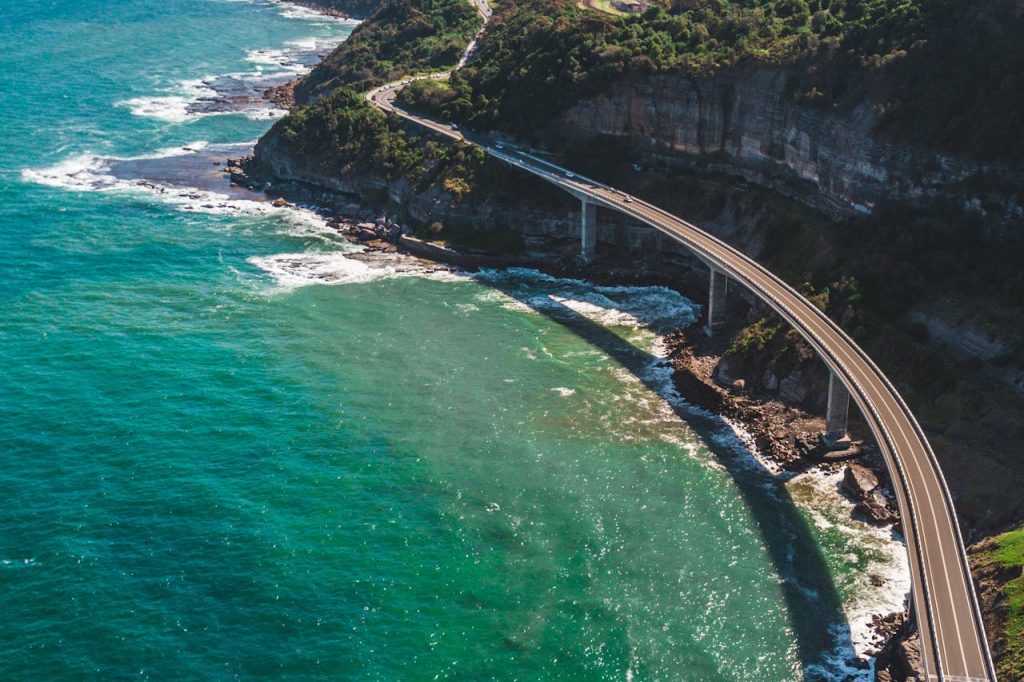
The Beara Peninsula remains one of Ireland’s quietest major peninsulas thanks to its geographic isolation and limited through-traffic. The drive near the region surrounding the Dursey Island turnoff offers rugged character, strong Atlantic exposure, and winding roads bordered by low stone walls. Drivers encounter a pattern of small bays, projecting headlands, and rolling terrain that rises into mountains farther inland. Beara’s charm lies in its lack of large visitor centers and the presence of long stretches where the only sounds come from wind and distant waves. Fishing villages retain a close-knit feel, and the narrow roads encourage slow, attentive driving that naturally aligns with the peninsula’s pace. The combination of mountainous backdrops and exposed coastline makes this route visually rich while still maintaining a calm, unpressured travel experience.
16. Copper Coast Drive
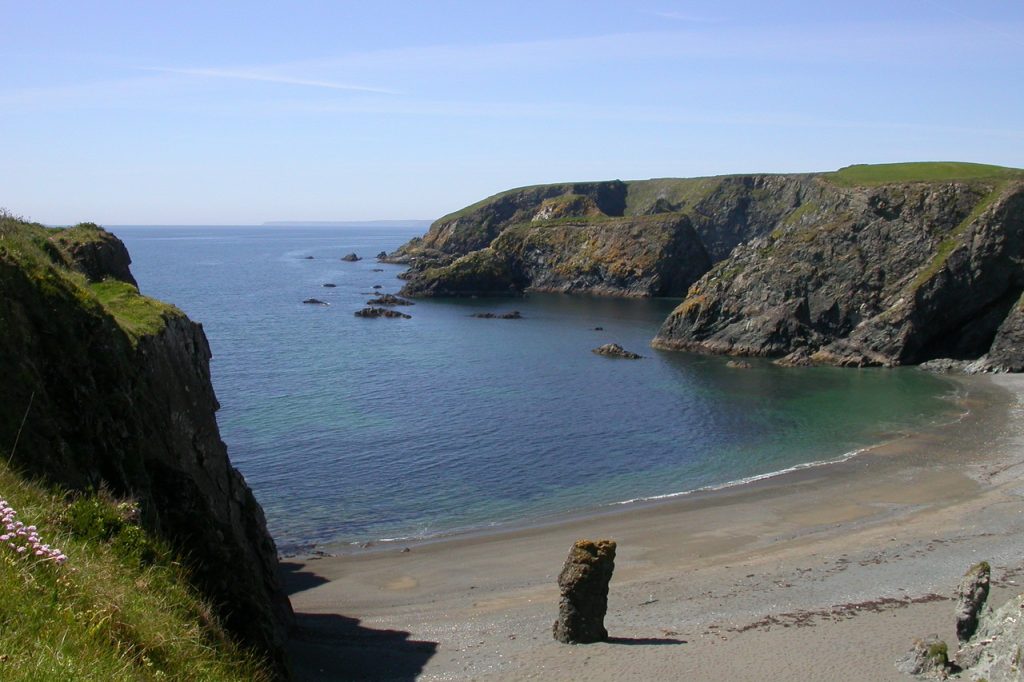
Stretching through County Waterford, the Copper Coast provides a coastal drive defined by cliffs, geological formations, and small beaches where the land folds into sheltered coves. Near the vicinity of the Bunmahon area, the route displays rock strata that date back millions of years, visible in cliff faces that shift color under changing daylight. Drivers can easily pull over at several official stops designed for viewing without commercial clutter. The region’s mining history adds depth to the scenery, but the modern landscape remains quiet, shaped by nature rather than tourism. The road’s gentle elevation changes expose new angles of the coastline every few minutes, keeping the drive engaging while maintaining a slow, peaceful character. Villages appear at balanced intervals with small cafés and viewpoints that enhance the experience without compromising the coastal continuity.