16 Picture-Perfect Lakeside Towns in Switzerland Now Charging New Tourist Taxes
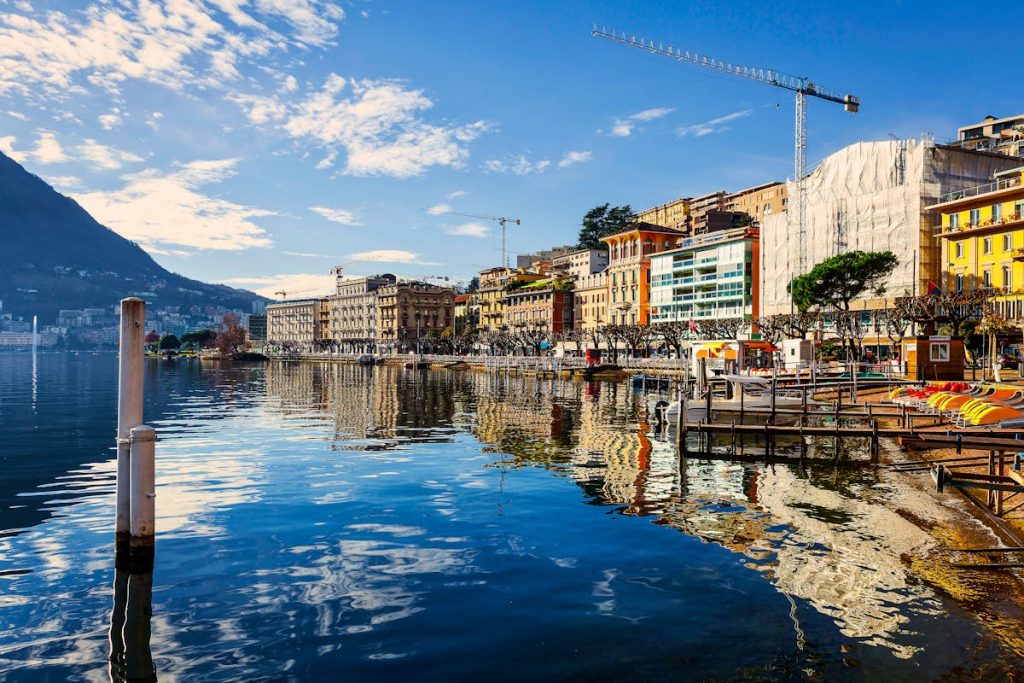
Many lakeside towns in Switzerland continue to experience rising seasonal visitation, prompting local authorities to introduce modest tourism fees that help protect shorelines, maintain public spaces, and ease infrastructure pressure. Scenic waterfronts, historic landmarks, and mountain views remain central to each town’s appeal, yet increased travel demands consistent upkeep. These visitor taxes support sustainability goals and preserve access to promenades, cultural centers, and lakeside trails that define each destination. Switzerland’s lakeside communities rely on careful planning to balance economic growth with protection of fragile landscapes.
Montreux
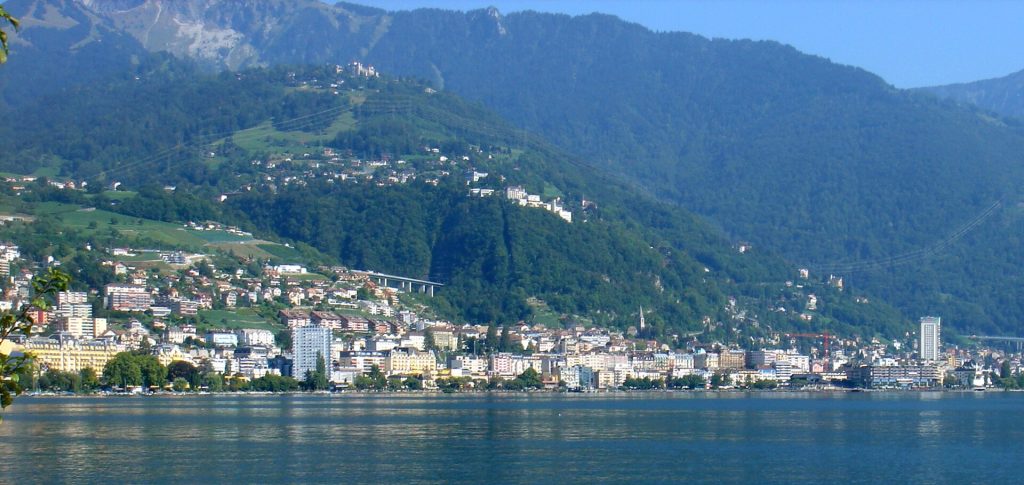
Montreux along Lake Geneva blends mild weather, clear water, and mountain scenery that frames a long promenade lined with flowers and public art. New visitor fees support shoreline conservation programs and cultural events that draw steady attention to the region. Historic hotels, waterfront cafés, and landscaped paths highlight Montreux’s long connection to the arts. The town’s setting offers calm lake views paired with striking alpine silhouettes. Tourism revenue helps maintain parks, preserve public gardens, and reinforce infrastructure shaped by strong seasonal demand.
Vevey
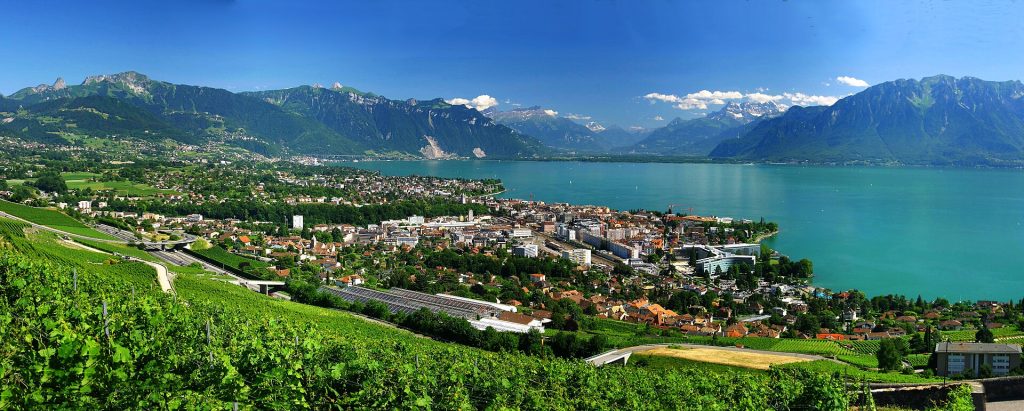
Vevey rests along Lake Geneva with a compact old town known for local markets, food traditions, and sculptural landmarks near the waterfront. Recent tourism fees help maintain pedestrian zones, lakeside access points, and public squares that support community activities. Surrounded by terraced vineyards, the town presents distinct cultural depth tied to regional farming heritage. The harbor area remains calm, offering steady views of distant peaks. Vevey’s balance of modest scale, scenic quality, and accessible cultural experiences strengthens long-term sustainability across the shoreline.
Spiez
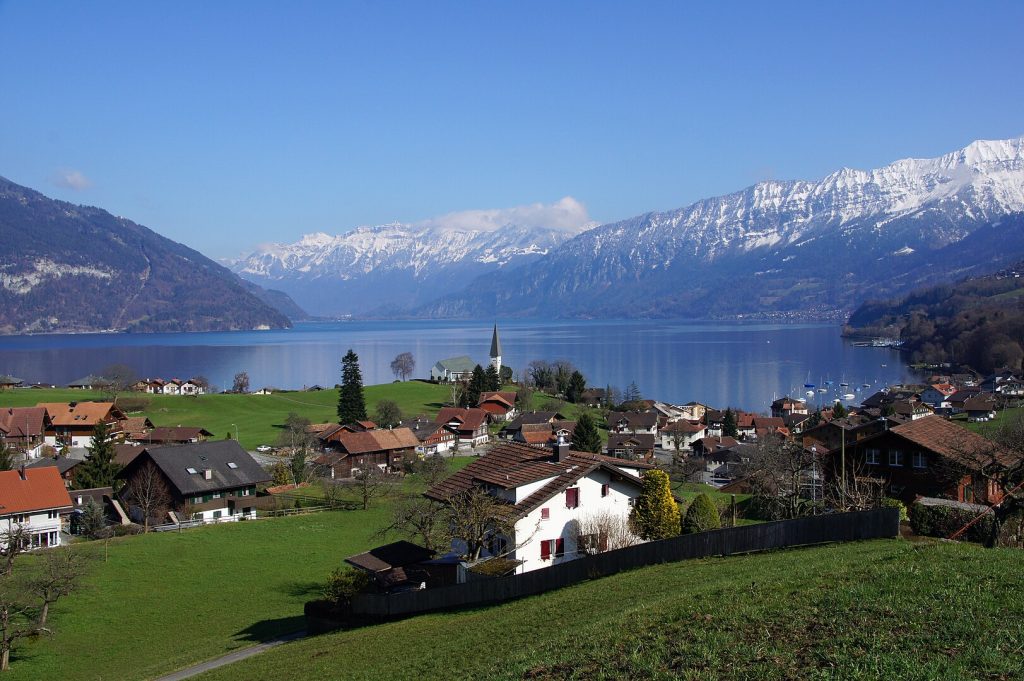
Spiez on Lake Thun features a sheltered bay framed by vineyards and a medieval castle positioned above clear blue water. Visitor taxes contribute to upkeep of lakeside trails, marinas, and parklands central to the town’s outdoor appeal. Scenic pathways lead around landscaped gardens and soft hillsides shaped by centuries of cultivation. The lake supports recreational boating and gentle shoreline activities that reflect the region’s relaxed rhythm. Spiez preserves both cultural landmarks and natural assets through targeted conservation funded by tourism revenue.
Thun
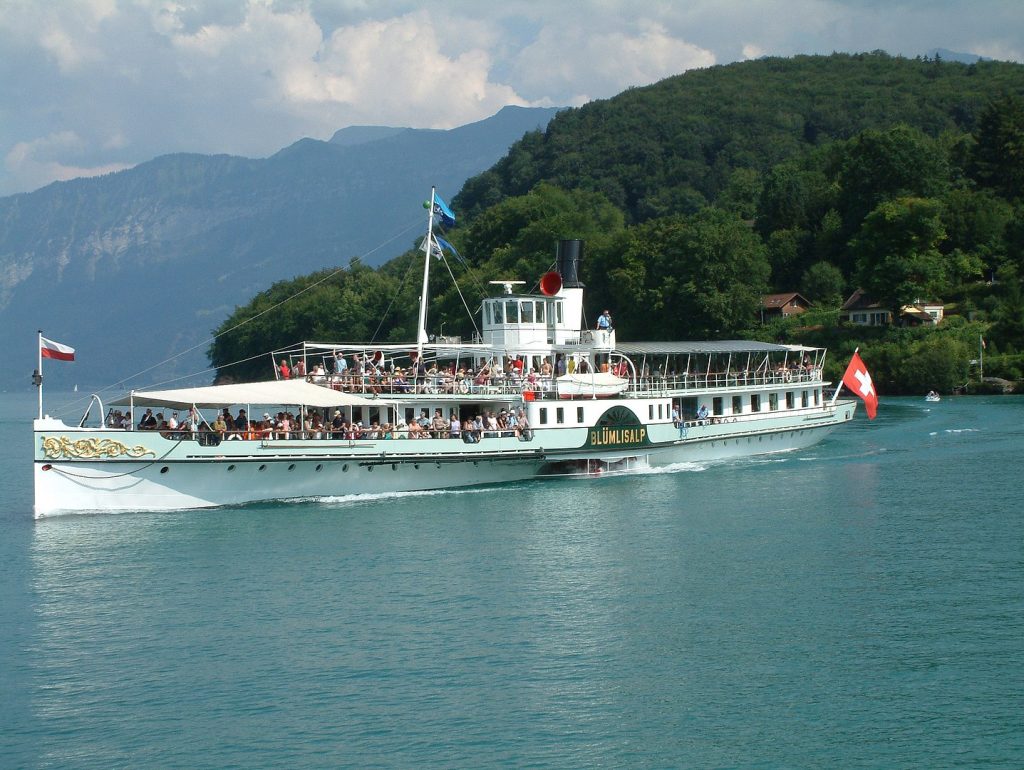
Thun stands at the northern edge of Lake Thun where river channels meet a lively town center shaped by medieval towers and elevated walkways. Tourism fees assist with restoration of historic structures and maintenance of lakefront viewpoints. The surrounding Alps rise above calm waters, creating a dramatic contrast between open scenery and urban character. Markets and cafés near the shore highlight the region’s traditions. Thun’s blend of cultural depth and natural atmosphere supports steady interest while preserving essential public spaces.
Weggis
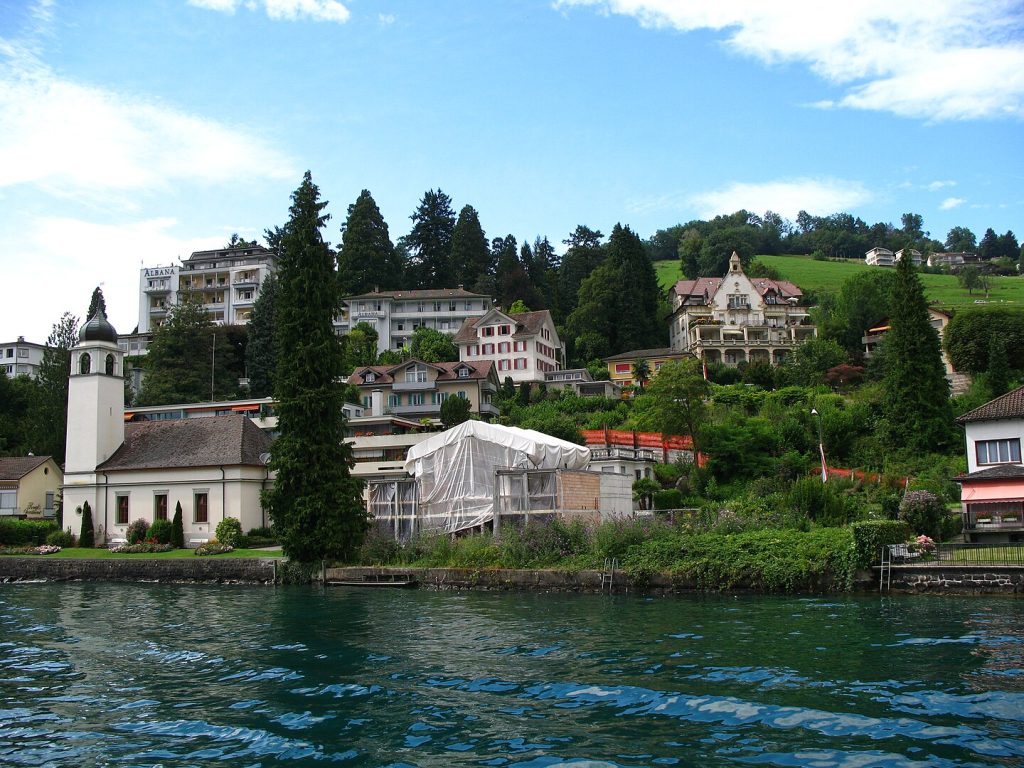
Weggis on Lake Lucerne offers mild temperatures, palm-lined walkways, and hillside views shaped by the surrounding mountains. Tourism taxes support transport links, lakeside promenades, and public recreation areas used throughout the year. The town’s marina remains active, with boat connections reinforcing its role as a gateway to nearby alpine attractions. Historic hotels complement shaded paths and waterfront seating areas. Weggis maintains a calm pace enhanced by its scenic alignment with Mount Rigi, relying on sustainable planning to preserve shoreline accessibility.
Vitznau
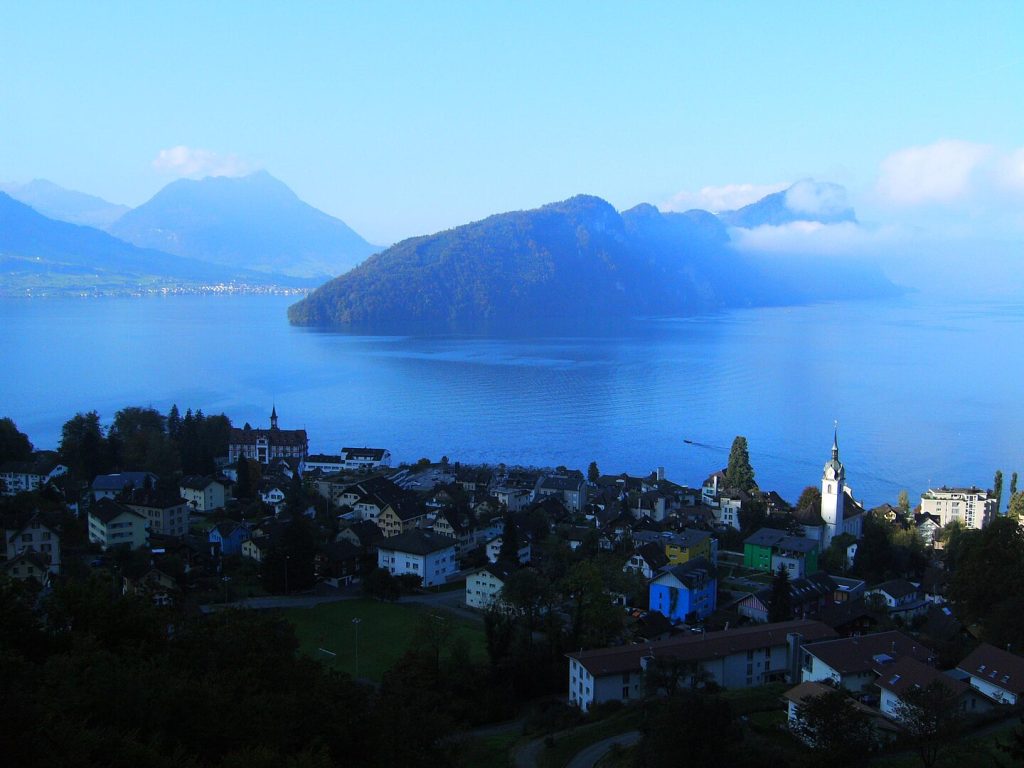
Vitznau sits at the base of Mount Rigi with forested slopes meeting clear lake water along a narrow shoreline. Visitor fees help maintain public docks, trails, and transportation links that connect the lake to mountain routes. The town’s terraced buildings and historic hotels reflect early tourism traditions. Vitznau’s peaceful setting combines gentle waves with steep natural contours shaped by geological history. Revenue from tourism supports conservation measures protecting both wooded hillsides and lakeside infrastructure central to year-round recreation.
Lucerne
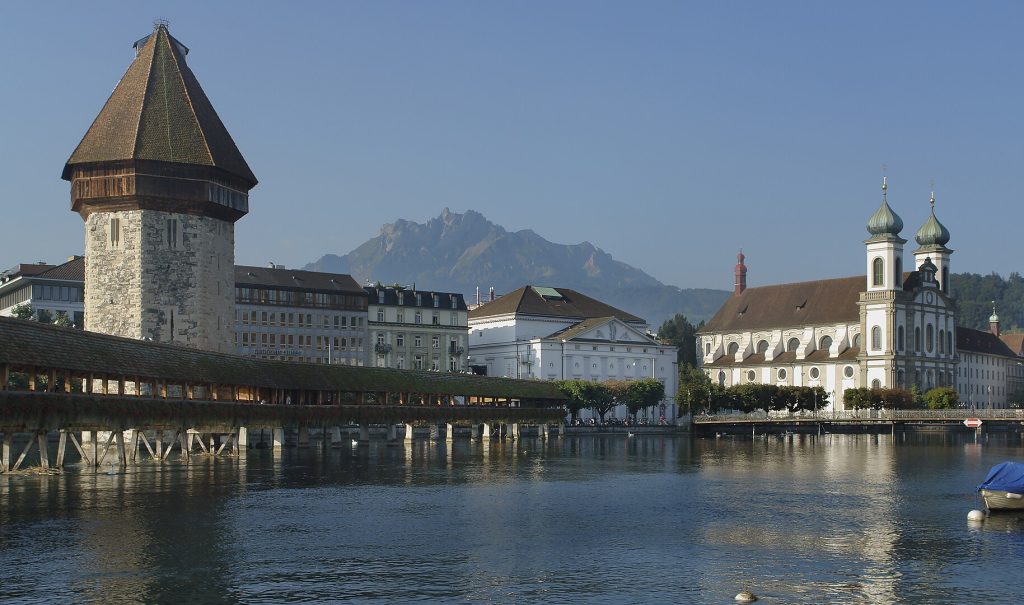
Lucerne presents a medieval old town paired with a broad lakeside promenade that offers expansive views of Mount Pilatus and surrounding summits. Tourism taxes assist with cultural programming, ferry services, and pedestrian improvements that support regional mobility. Historic bridges, painted façades, and well-kept plazas reinforce the city’s strong cultural identity. The lake provides a calm focal point for daily activity, contrasting with the intricate architectural details. Lucerne’s sustainable measures help maintain both civic heritage and outdoor access.
Morges
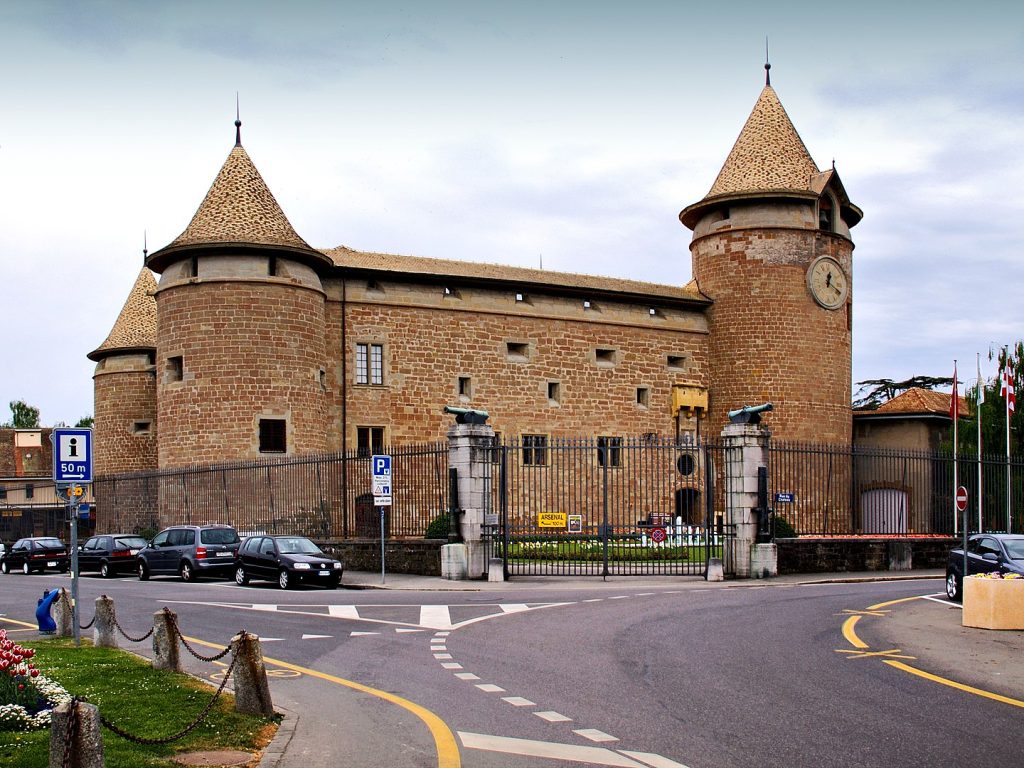
Morges along Lake Geneva features flower-lined walkways, open waterfront lawns, and a historic district shaped by traditional Swiss architecture. Recent visitor fees help preserve parks, shoreline paths, and marina facilities essential to the town’s relaxed environment. Seasonal festivals and markets highlight local craftsmanship and food culture. The lake’s gentle waters provide steady scenic interest backed by distant alpine silhouettes. Morges continues to maintain its inviting character through long-term planning that supports both community life and tourism.
Brienz
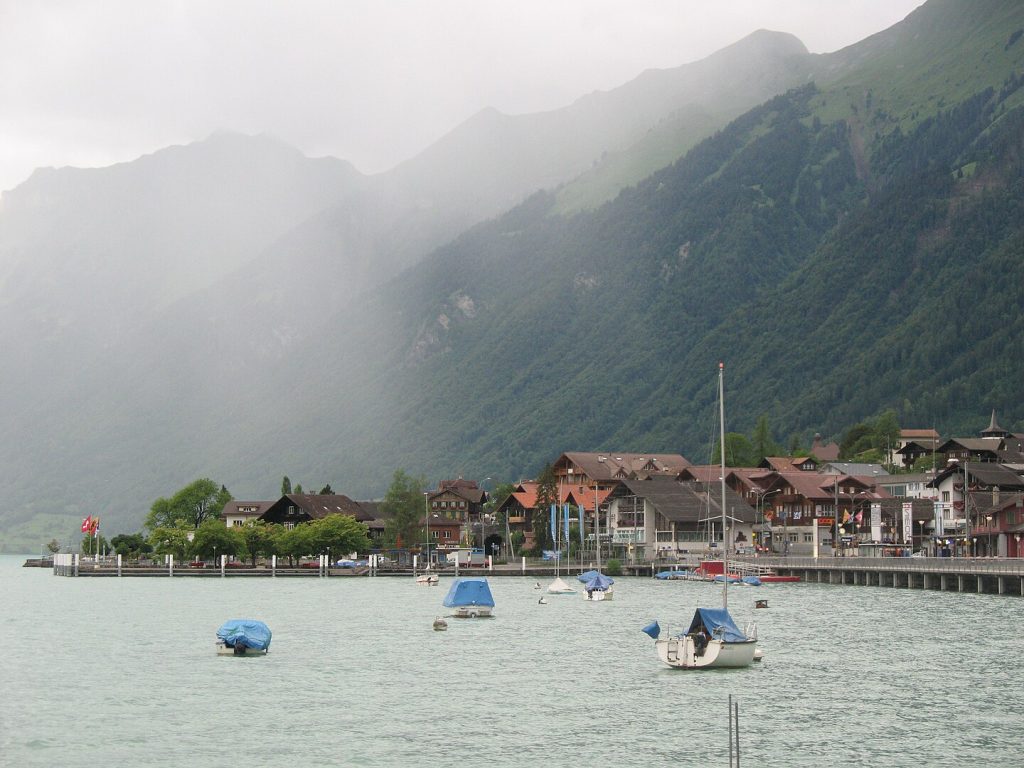
Brienz on Lake Brienz is known for its turquoise water, woodcarving heritage, and traditional chalets stretching along a narrow shoreline. Tourism taxes assist with maintenance of trails, waterfront access, and cultural sites that interpret regional craftsmanship. The lake’s dramatic color comes from glacial minerals carried down from surrounding peaks. Scenic boat routes and hillside walks reinforce the area’s calm identity. Brienz’s conservation priorities protect natural features and preserve customs that support its distinctive lakeside appeal.
Interlaken
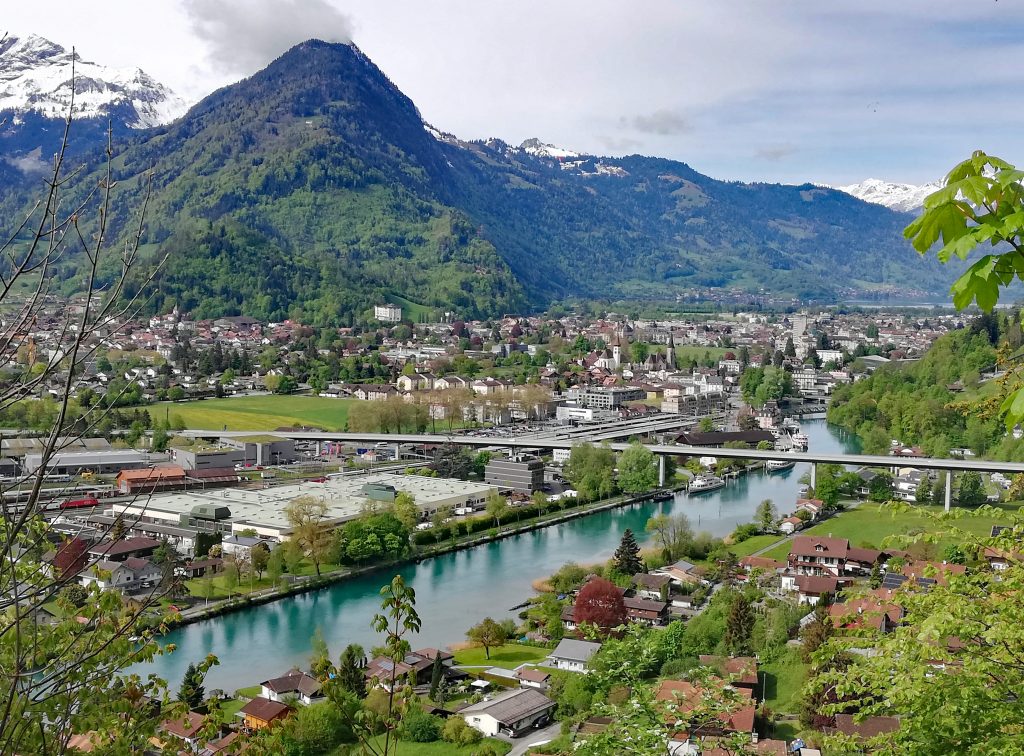
Interlaken between Lake Thun and Lake Brienz serves as a central hub for exploring the alpine region surrounding the Jungfrau. Visitor fees support transportation systems, public parks, and walkways linking the lakes. Open green spaces frame views toward steep mountains and river channels crossing the town center. Interlaken’s landscape-driven identity remains central to its appeal. Sustainable tourism planning helps manage significant seasonal crowds while ensuring continued access to waterfront areas and scenic vantage points.
Sarnen
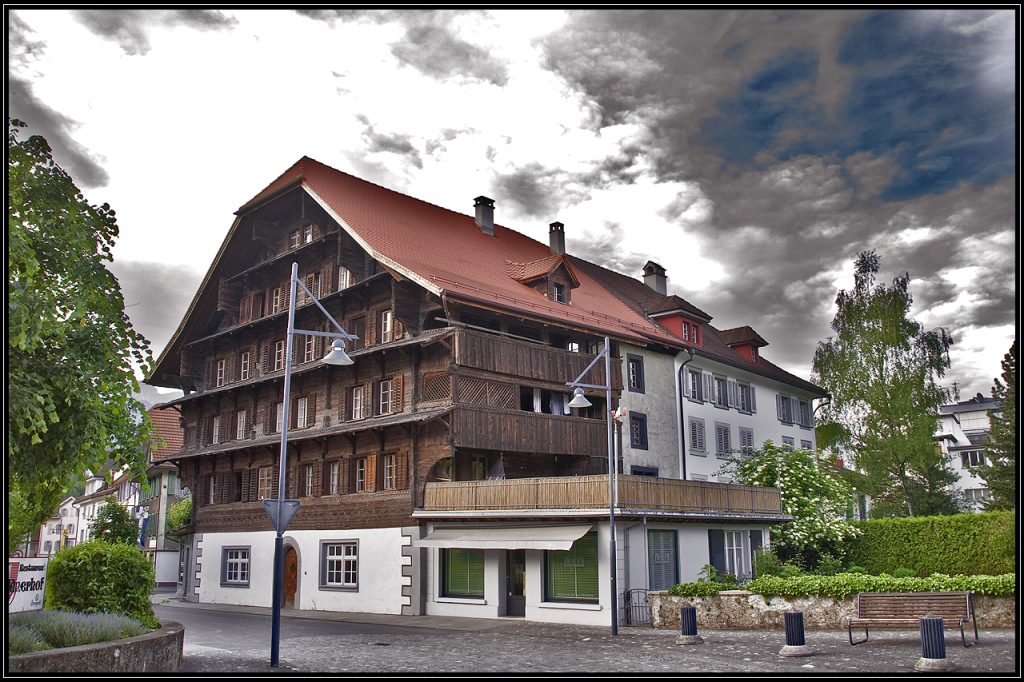
Sarnen along Lake Sarnen presents a quiet lakeside district bordered by open meadows, forested hills, and traditional Swiss homes. Tourism taxes help maintain recreation areas, beaches, and cultural landmarks important to community life. The lake’s clear water contributes to a steady outdoor rhythm that complements local customs. Scenic pathways guide walkers toward viewpoints framed by surrounding mountains. Sarnen’s modest scale supports calm exploration while sustainable measures protect landscapes that define the region’s enduring charm.
Zug
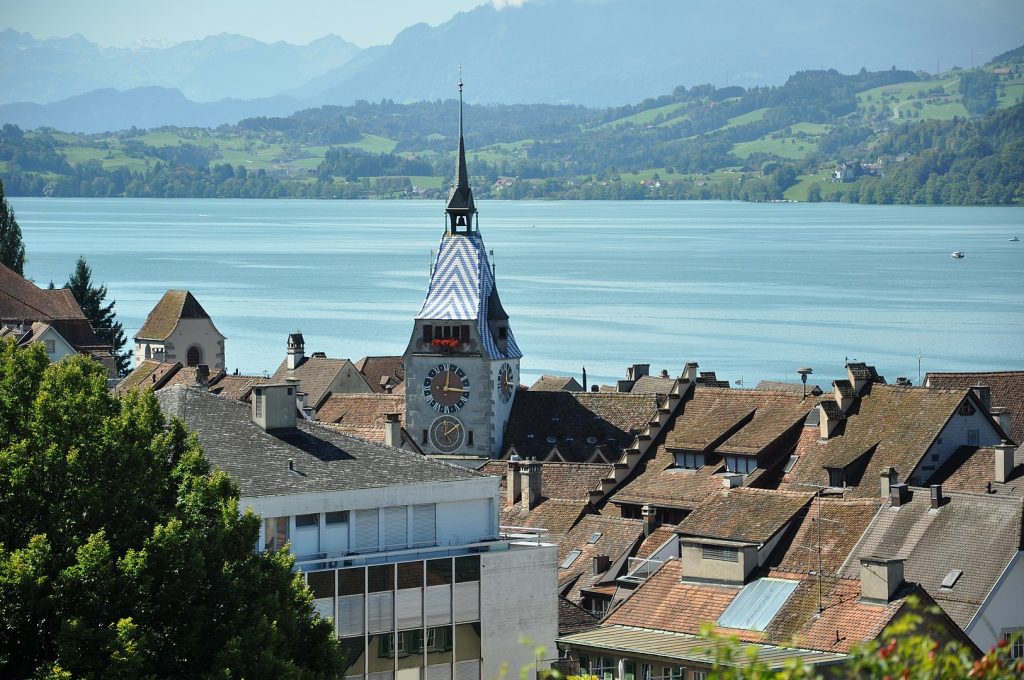
Zug on Lake Zug blends a historic old town with modern amenities and promenades offering unobstructed lake views. Visitor fees reinforce upkeep of cycling paths, waterfront parks, and cultural programs central to the town’s identity. Sunsets across the lake create vivid reflections that draw steady interest. The compact urban layout supports calm movement along scenic corridors. Zug’s sustainable planning ensures continued harmony between its business center and preserved lakeside neighborhoods.
Locarno
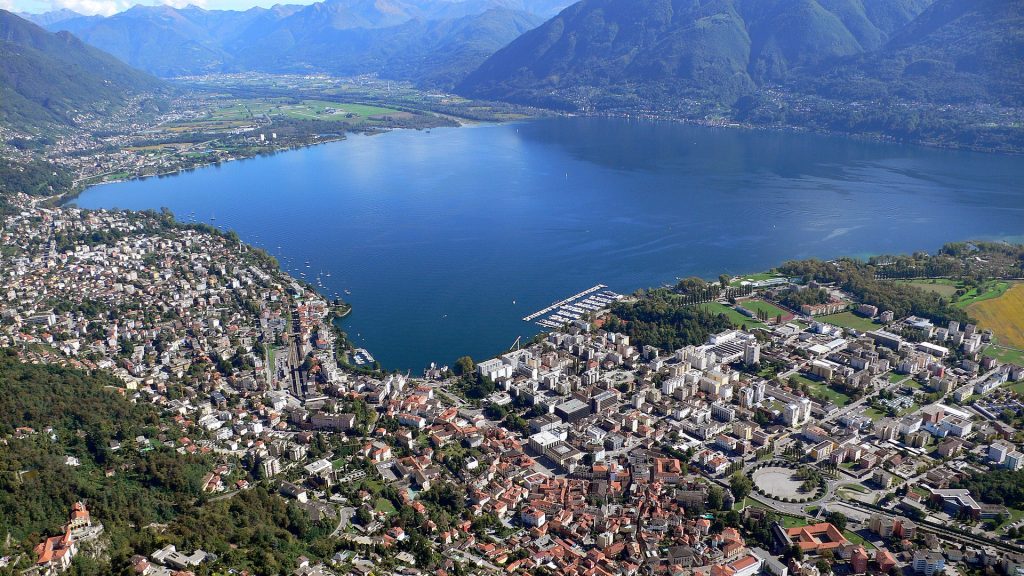
Locarno along Lake Maggiore presents mild weather, palm-lined promenades, and a historic core shaped by architectural influences from southern Switzerland. Tourism taxes assist with shoreline preservation, garden maintenance, and cultural festivals that define the town’s rhythm. The lake’s broad views meet surrounding mountains in layered scenic compositions. Locarno’s relaxed environment supports leisurely exploration through plazas, lanes, and terraced residential areas. Conservation measures help safeguard both natural and cultural assets.
Ascona
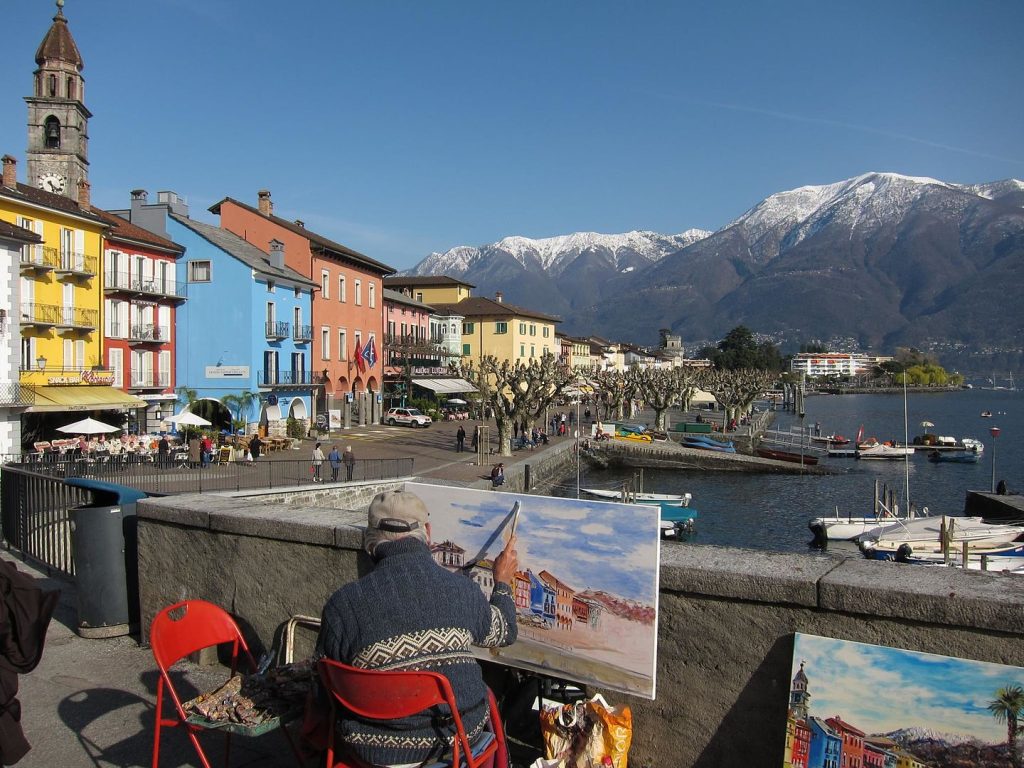
Ascona on Lake Maggiore features a broad promenade lined with bright façades, waterfront cafés, and scenic boat landings that create a warm coastal feel. Visitor fees contribute to park upkeep, public events, and shoreline conservation. Narrow streets connect the lake with art galleries and historic structures. The region’s mild climate supports lush vegetation along the water. Ascona maintains a balanced approach to tourism, reinforcing its relaxed identity while preserving essential natural and cultural resources.
Arbon
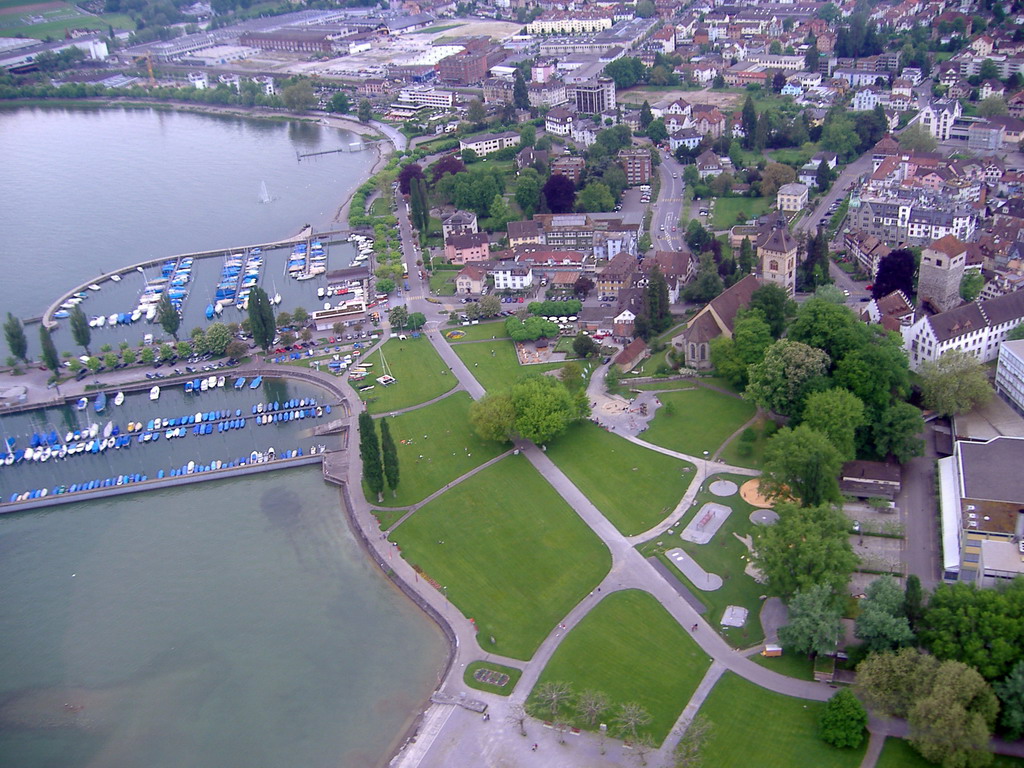
Arbon on Lake Constance blends medieval towers, tree-shaded lawns, and an accessible shoreline used for swimming, cycling, and quiet recreation. Tourism taxes help sustain parks, promenades, and cultural institutions. Historic buildings reflect centuries of settlement along an important trade route. The lake’s calm surface and open vistas promote an inviting environment. Arbon’s thoughtful development maintains steady appeal while preserving public access to waterfront areas that support outdoor activities and community events.
Rapperswil
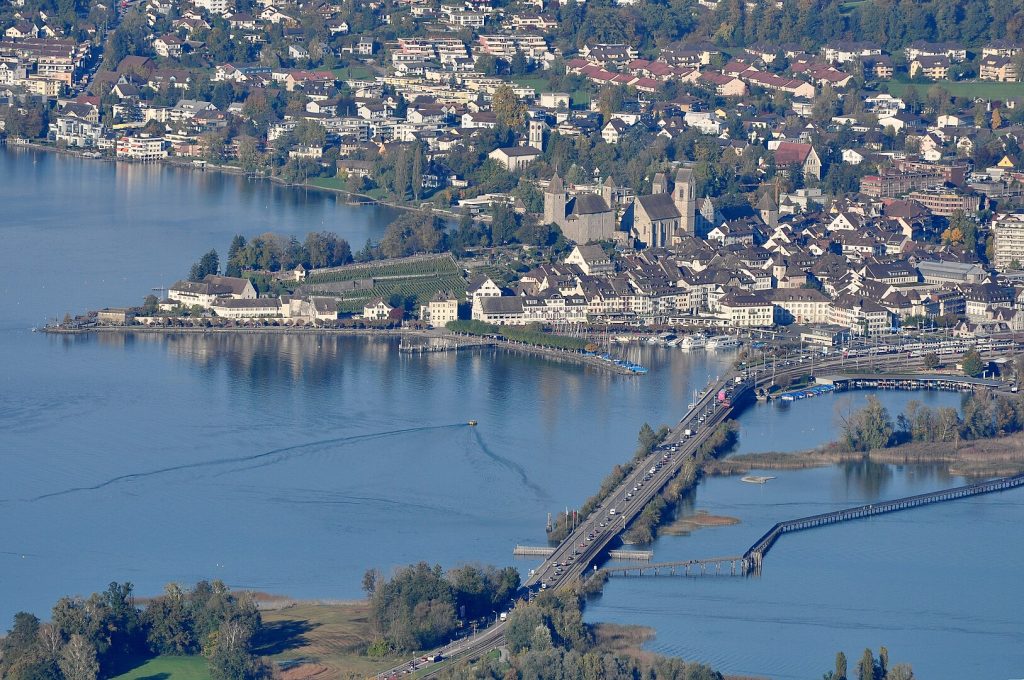
Rapperswil on Lake Zurich showcases a medieval castle, rose gardens, and a peaceful harbor bordered by traditional buildings. Visitor fees assist with maintaining pedestrian routes, lakeside green spaces, and cultural venues. The town’s narrow lanes encourage calm movement across the old quarter. Open water views extend toward forested hills. Rapperswil’s blend of natural setting and historic architecture shapes its inviting character, while sustainable planning ensures long-term protection of lakeside resources.