18 U.S. Cities Stuck in the Past That Refuse to Modernize
Across the United States, some cities sprint toward glass towers and tech campuses, while others seem content to linger in another century. Brick streets, strict preservation boards, and cautious local politics keep skylines low and change slow. For residents, that can feel both comforting and limiting at the same time. Visitors often fall in love with the character, then notice how hard basic updates can be. These places carry memory in every facade, and they are in no rush to let it go.
Savannah, Georgia
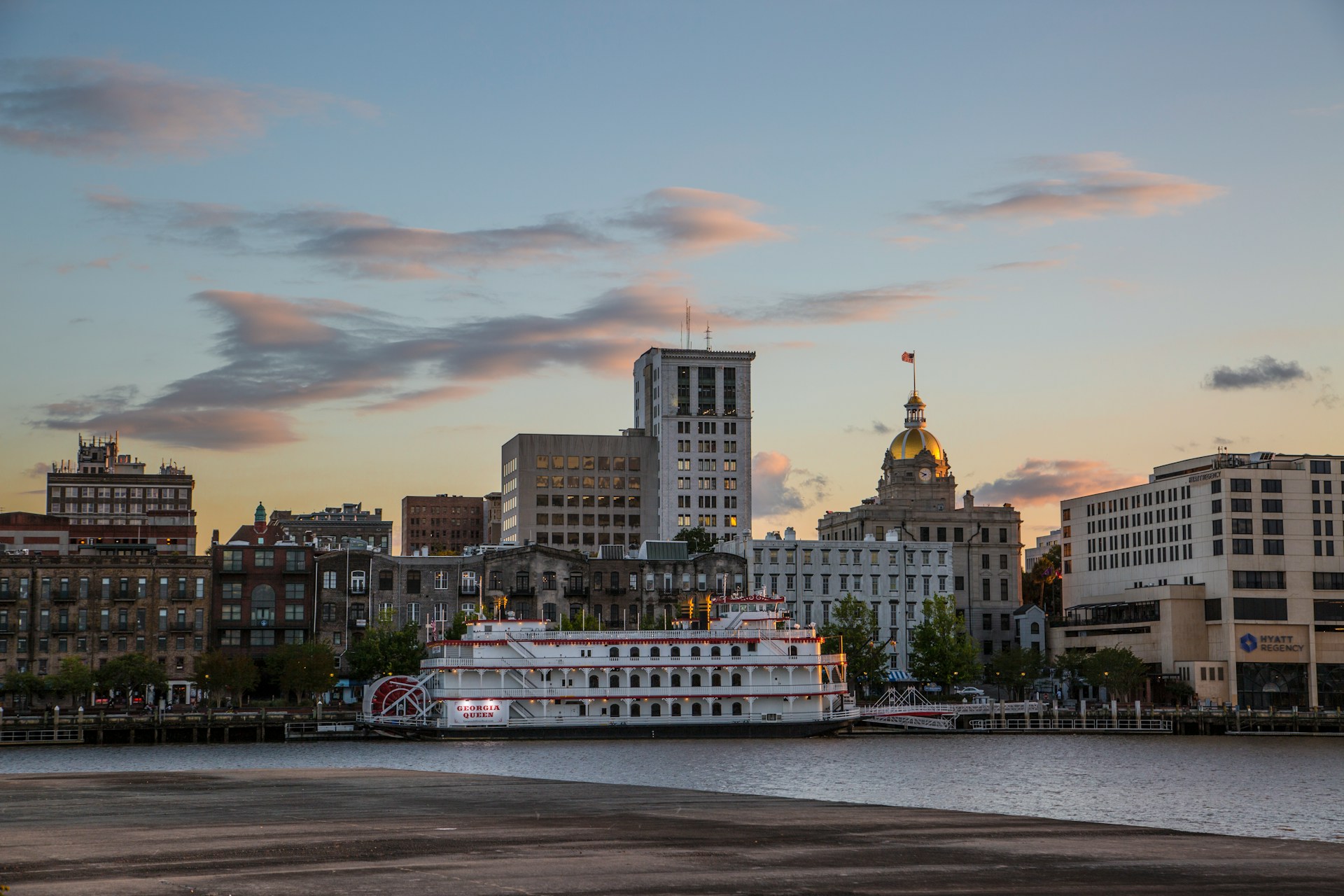
Savannah’s grid of shady squares and live oaks looks almost unchanged from old postcards. A powerful preservation culture watches over each balcony, cornice, and cobbled lane, which keeps modern towers away from the historic core. New buildings often must mimic older neighbors, even when needs have shifted. The result is a downtown that feels soft, walkable, and hushed at night, but also a city where adding housing, transit, or bolder architecture turns into a long, careful argument.
Charleston, South Carolina
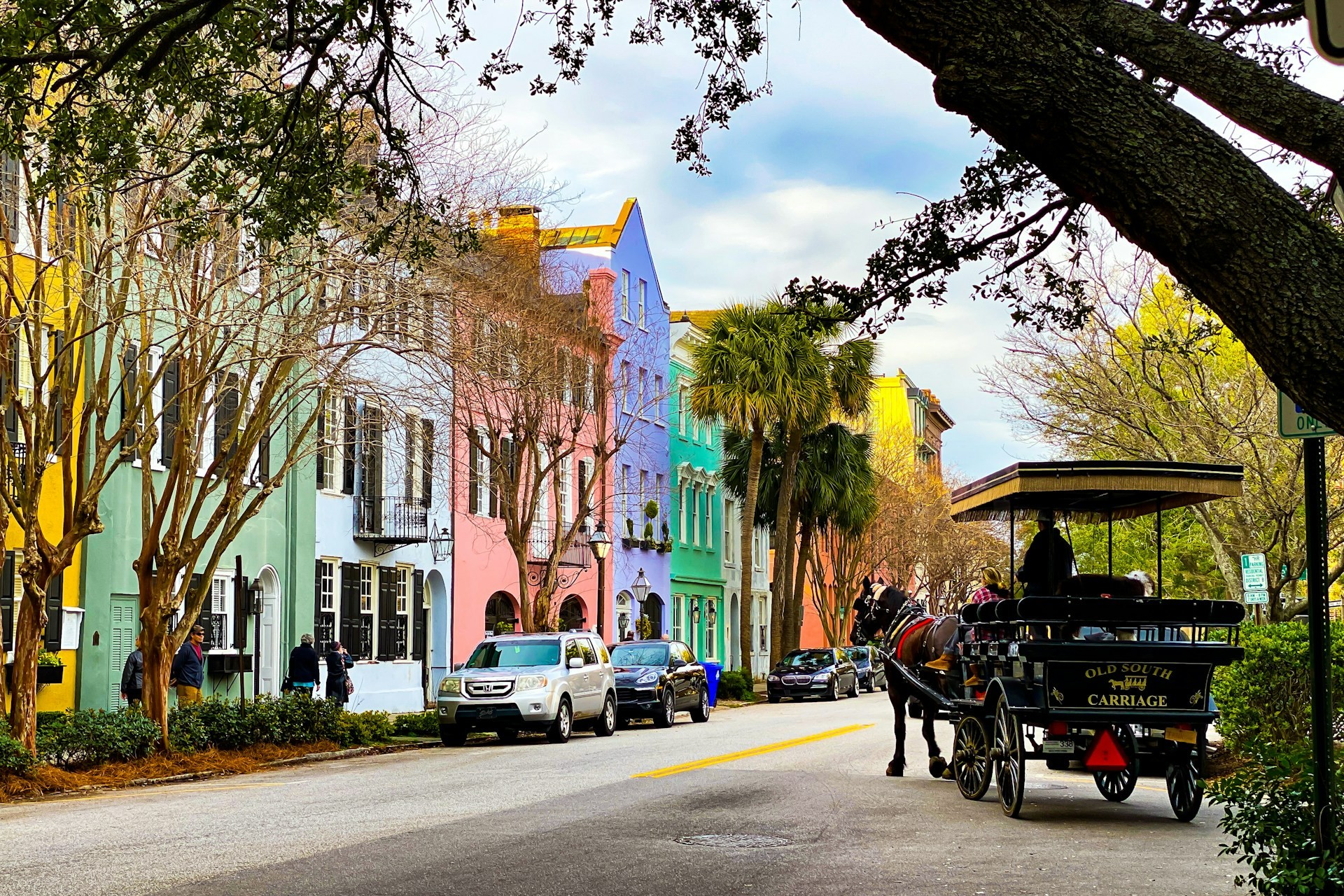
Charleston’s waterfront blocks and pastel houses are guarded by a review board that weighs height, style, and even small design details. That constant scrutiny protects the low skyline and the rhythm of narrow streets lined with piazzas. It also slows large projects that might ease flooding, traffic, or rising costs. The city leans on its elegant past for tourism and identity, while residents debate how much charm they can afford before everyday life becomes too difficult to sustain.
New Orleans, Louisiana
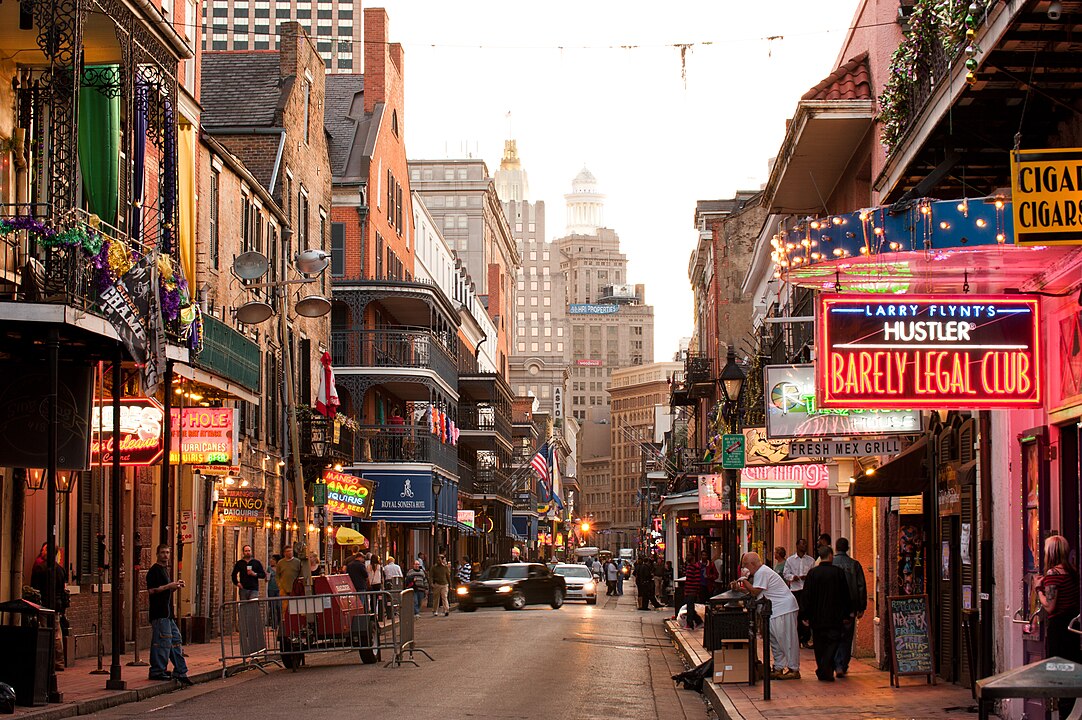
New Orleans holds tight to its layered past, especially in the French Quarter where balconies, shutters, and old brick rule the view. Strict rules limit tall buildings, garish signs, and chain storefronts, keeping the district visually close to what it was generations ago. Underneath the music and neon, aging infrastructure, sinking streets, and recurring floods demand serious updates. The city constantly walks a tightrope between preserving its haunted, musical atmosphere and admitting just how much work the bones now need.
Natchez, Mississippi
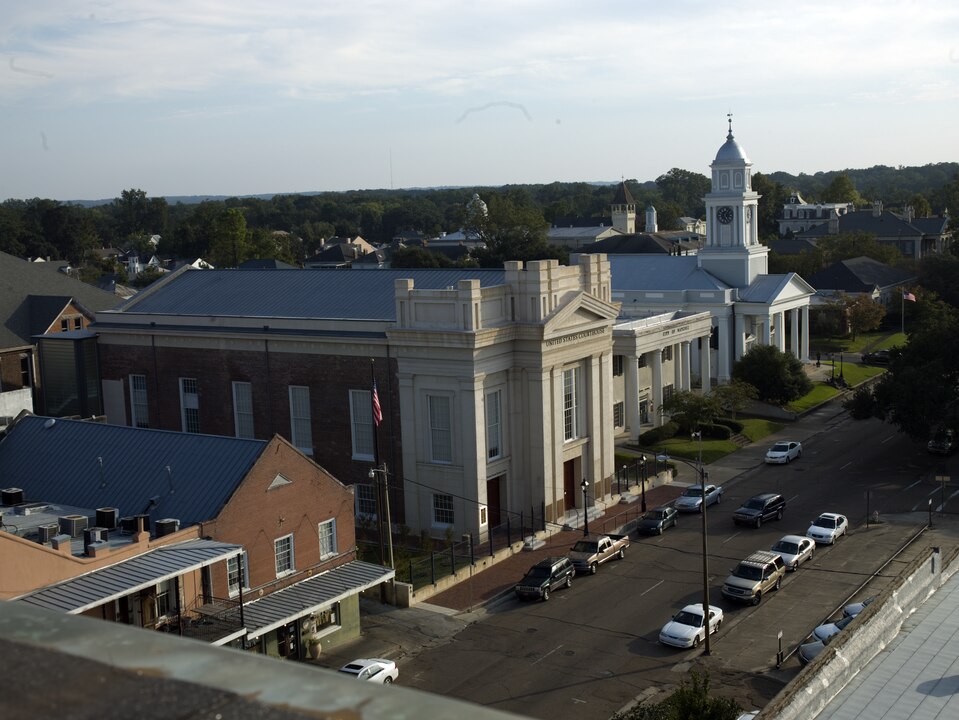
Natchez leans heavily on antebellum mansions perched above the Mississippi River, many restored to a polished version of their nineteenth century selves. Seasonal home tours and costumed events anchor the local economy, encouraging the city to keep streets and viewpoints aligned with that old image. New construction near these landmarks faces close scrutiny, which can leave entire districts feeling like carefully tended theater sets. Jobs are tied to nostalgia, even as younger residents worry about limited paths beyond hospitality and history.
St. Augustine, Florida
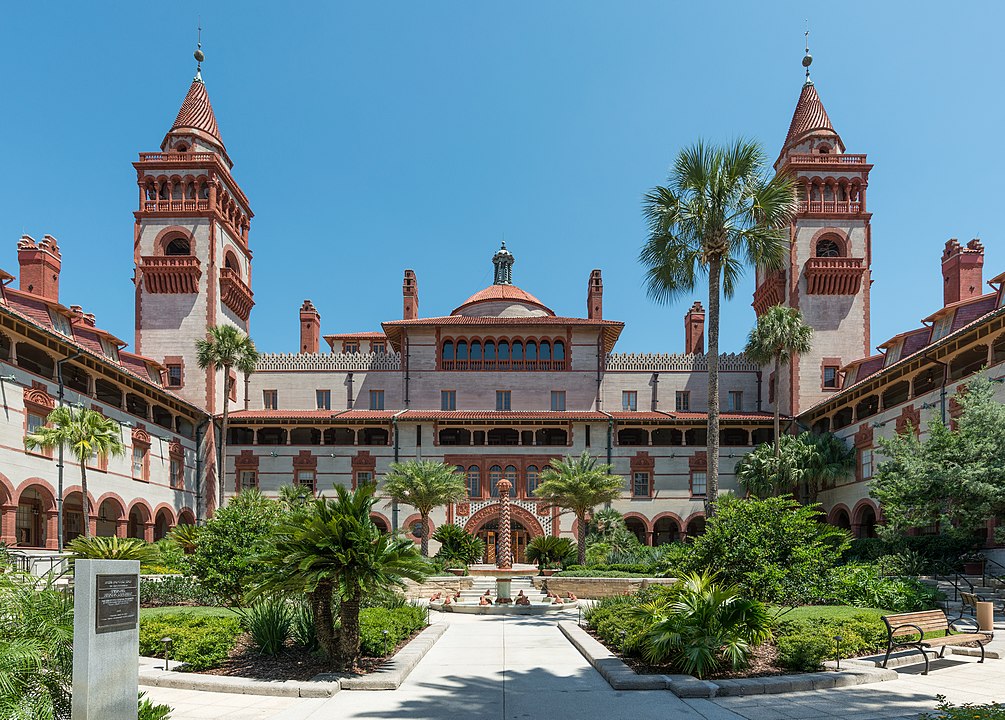
St. Augustine presents itself as the oldest city in the country and works hard to look the part. Coquina forts, narrow lanes, and Spanish style facades dominate the historic core, where building rules favor romantic arches over bold contemporary lines. Modern businesses often tuck inside old shells instead of tearing anything down. While surrounding suburbs sprawl outward with typical Florida development, the central streets stay low and stage like, giving travelers a taste of the past and locals a daily dose of constraint.
Williamsburg, Virginia
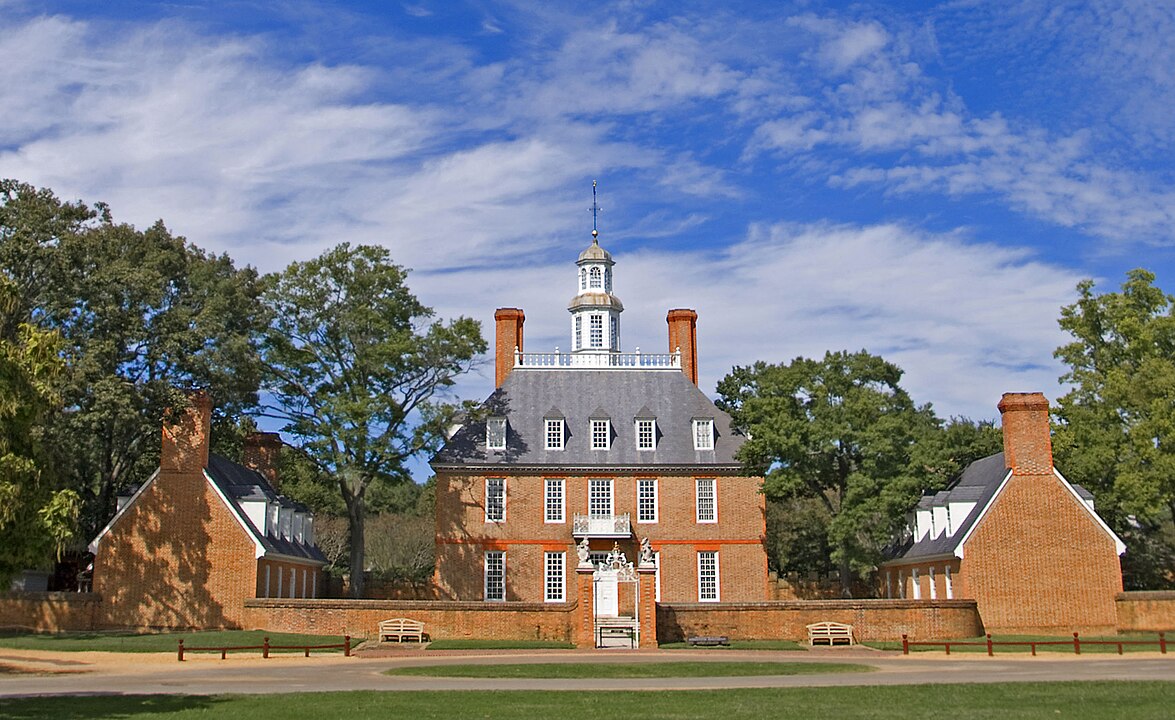
Williamsburg is almost intentionally frozen, built around a living history district where tradespeople in period clothing share streets with students and tourists. Many modern structures step back or hide behind colonial style facades so they do not break the visual story. That devotion to a specific century shapes zoning battles, campus expansion, and retail choices. Residents live with a constant awareness that their errands and commutes unfold inside a place half designed as a teaching tool about another era.
Galena, Illinois
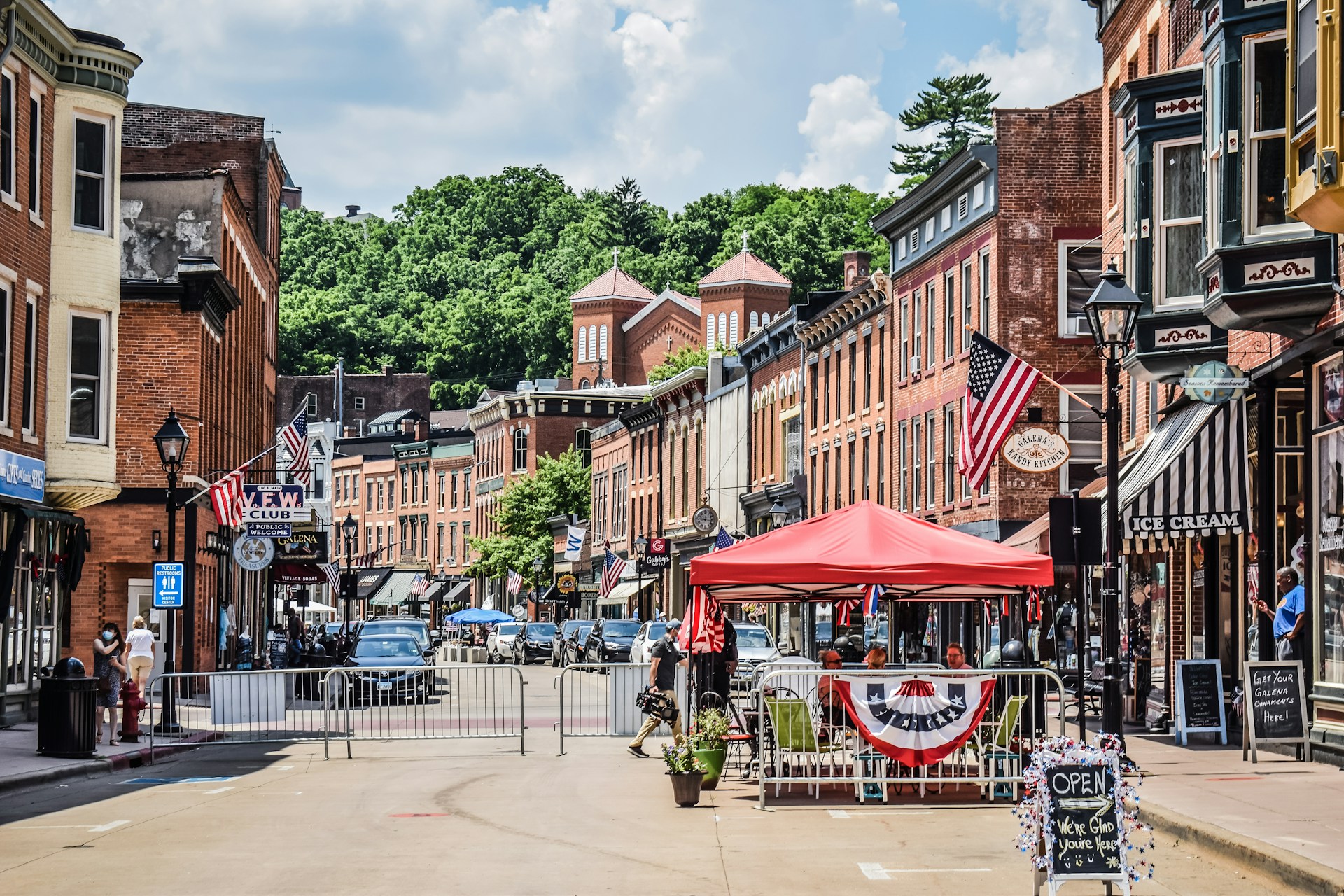
Galena’s main street follows a bend in the river, lined with brick commercial blocks that look much as they did in the nineteenth century. When the mining boom faded, heavy industry never really returned, which left little pressure to demolish and rebuild. Today, galleries, inns, and antique shops fill the old storefronts rather than glass towers or big malls. Locals benefit from steady tourism but also navigate steep hills, limited parking, and narrow spaces that were never planned for today’s traffic or pace.
Mackinac Island, Michigan
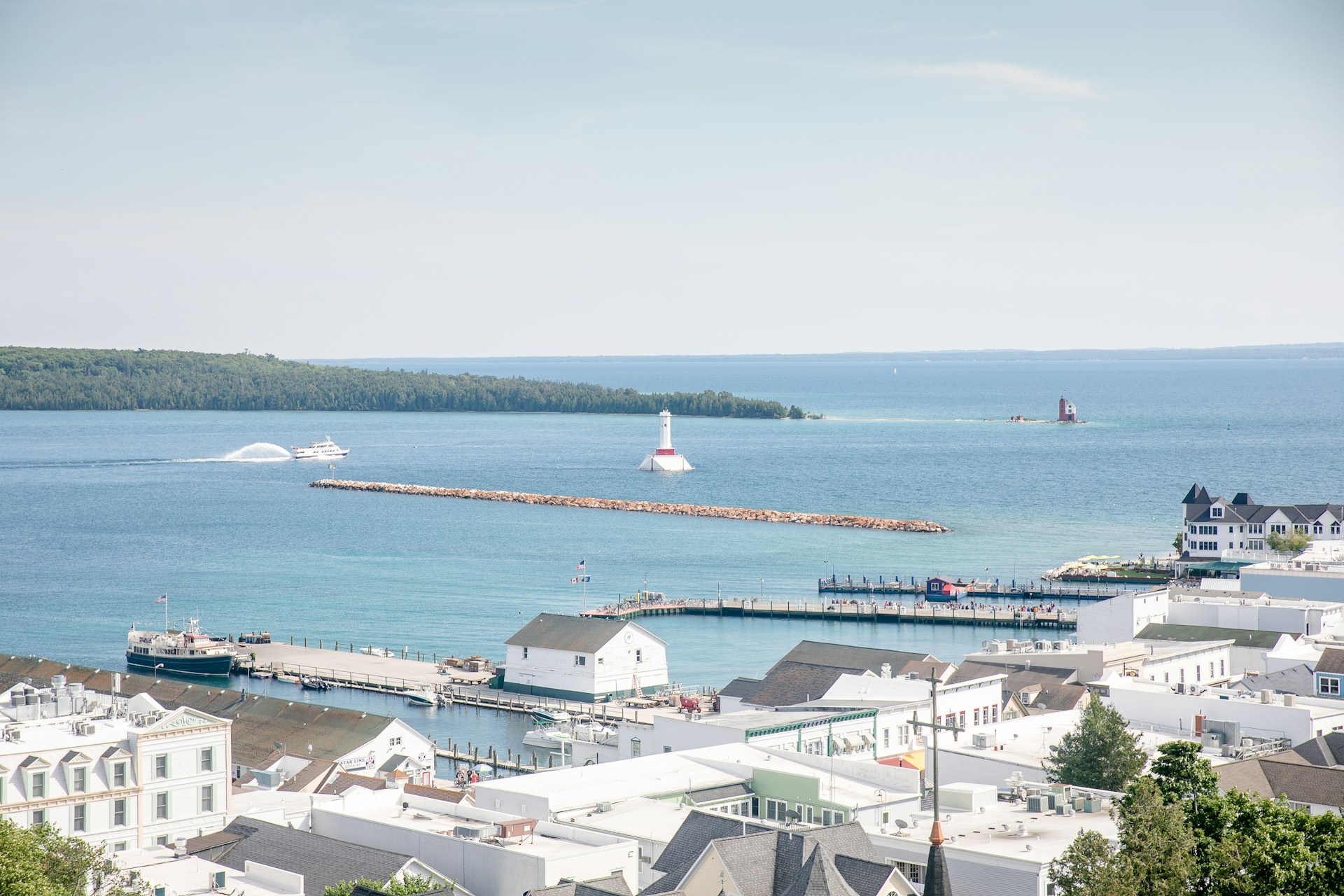
Mackinac Island famously keeps cars off its streets, relying on bicycles, ferries, and horse drawn carriages to move people between big wooden hotels and tidy cottages. That choice locks in a late Victorian resort feel and keeps the soundscape full of hoofbeats instead of engines. It also makes basic logistics more complex and expensive, especially in bad weather. The island has internet and modern services, but the public face stays stubbornly loyal to a world of porches, boardwalks, and slow arrivals by boat.
Cape May, New Jersey
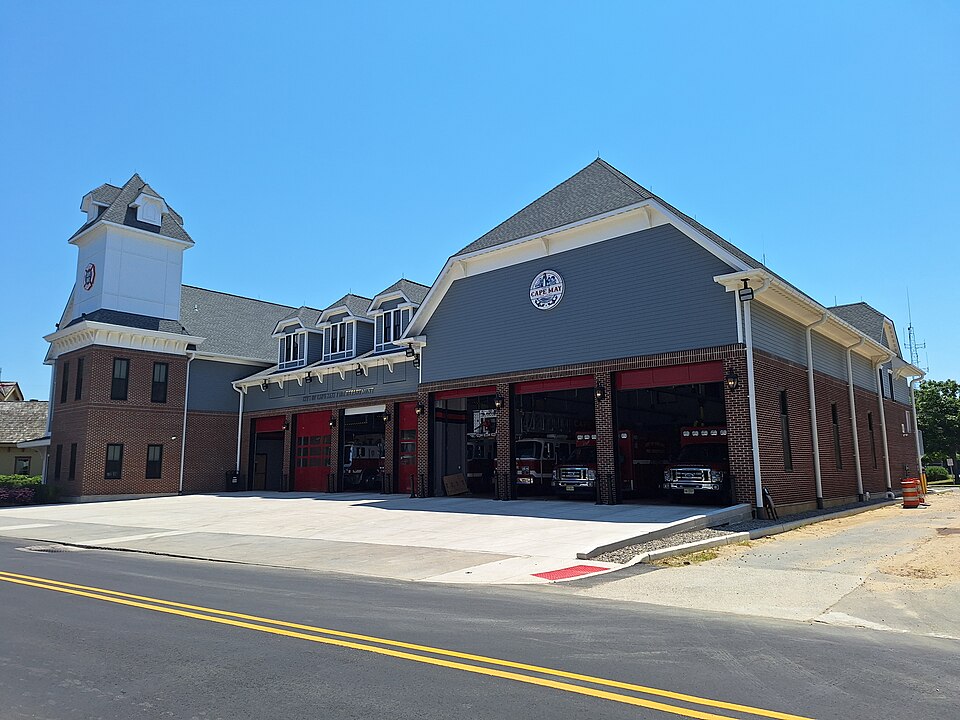
Cape May’s shoreline is framed by blocks of painted Victorian homes and seaside inns, each trimmed with gingerbread details and bright porches. Preservation rules and local pride keep developers from simply replacing these structures with high rise hotels. While nearby towns stack condos toward the sky, Cape May’s skyline stays low and frilly. Visitors get a rare sense of an older resort culture, while year round residents contend with high upkeep costs, seasonal jobs, and strict design expectations on nearly every project.
Nantucket, Massachusetts
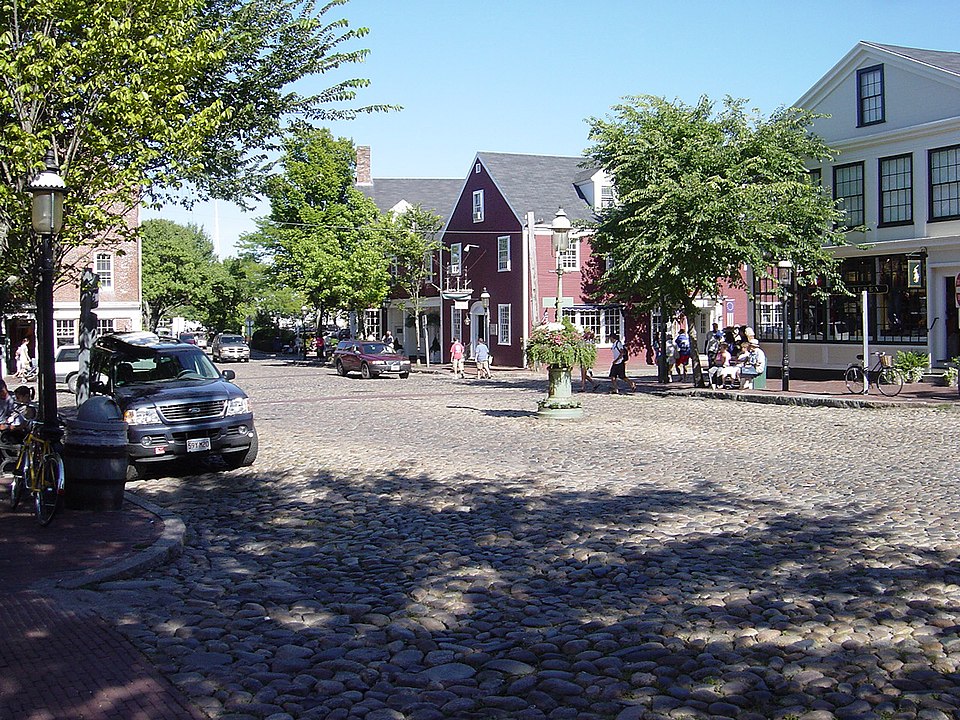
Nantucket’s weathered gray shingles and cobblestone streets are not an accident. Local boards enforce rules on siding, rooflines, and even window styles to protect a tightly curated maritime look. New construction blends into the old, often disappearing into a sea of similar materials and forms. The island’s historic charm attracts wealth and visitors but also pushes housing prices skyward. For many longtime families, the same aesthetic that draws global attention also makes it harder to live in the place they helped shape.
Beaufort, South Carolina
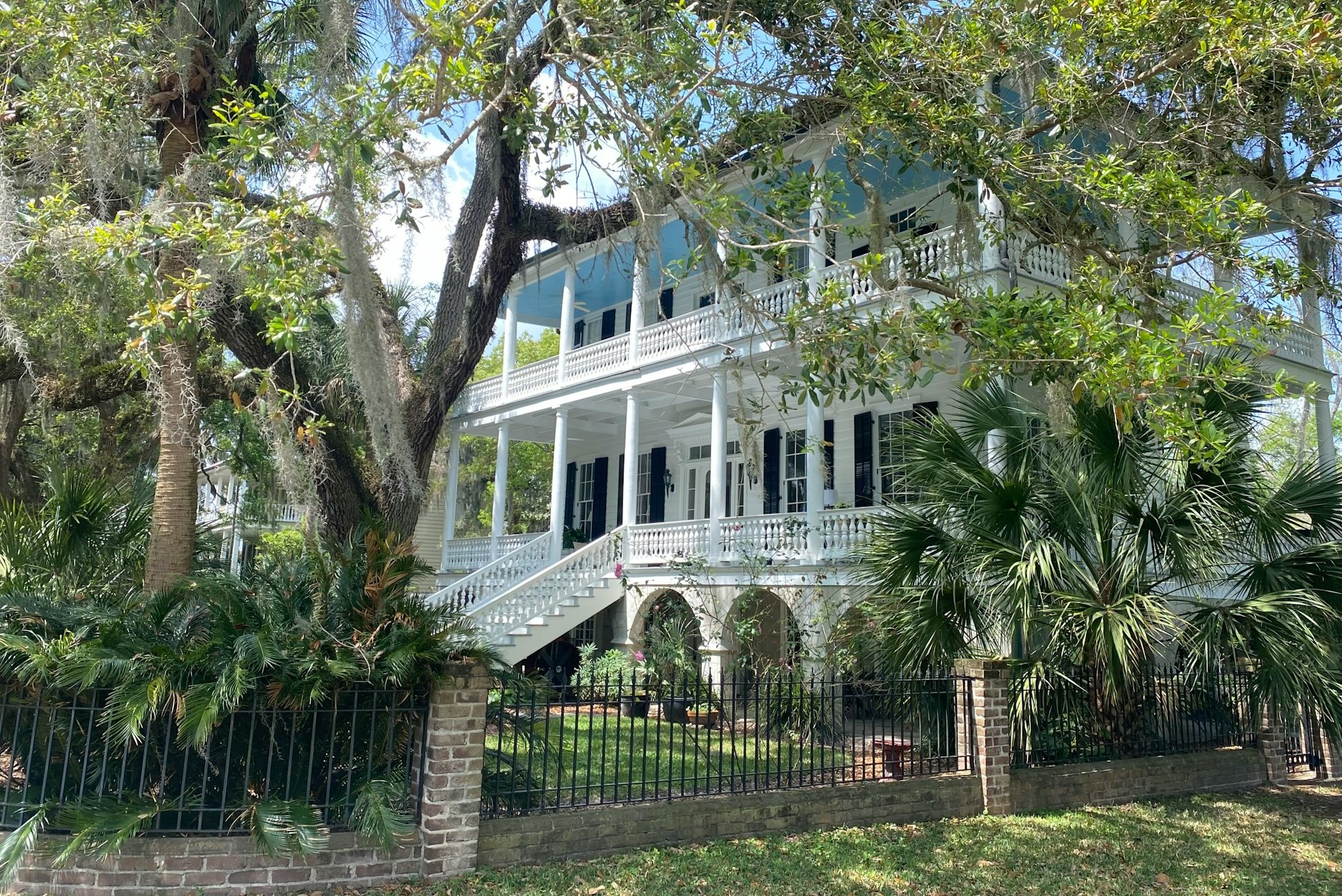
Beaufort’s waterfront is defined by big porches, moss draped branches, and streets that feel built for walking rather than speeding through. A large historic district protects many of these homes and civic buildings, discouraging large modern intrusions. That protection preserves shade, proportion, and a quiet rhythm that many locals value deeply. At the same time, it can slow down efforts to add denser housing, new commercial hubs, or wide roads, holding the town in a gentle balance between postcard beauty and practical needs.
Eureka Springs, Arkansas
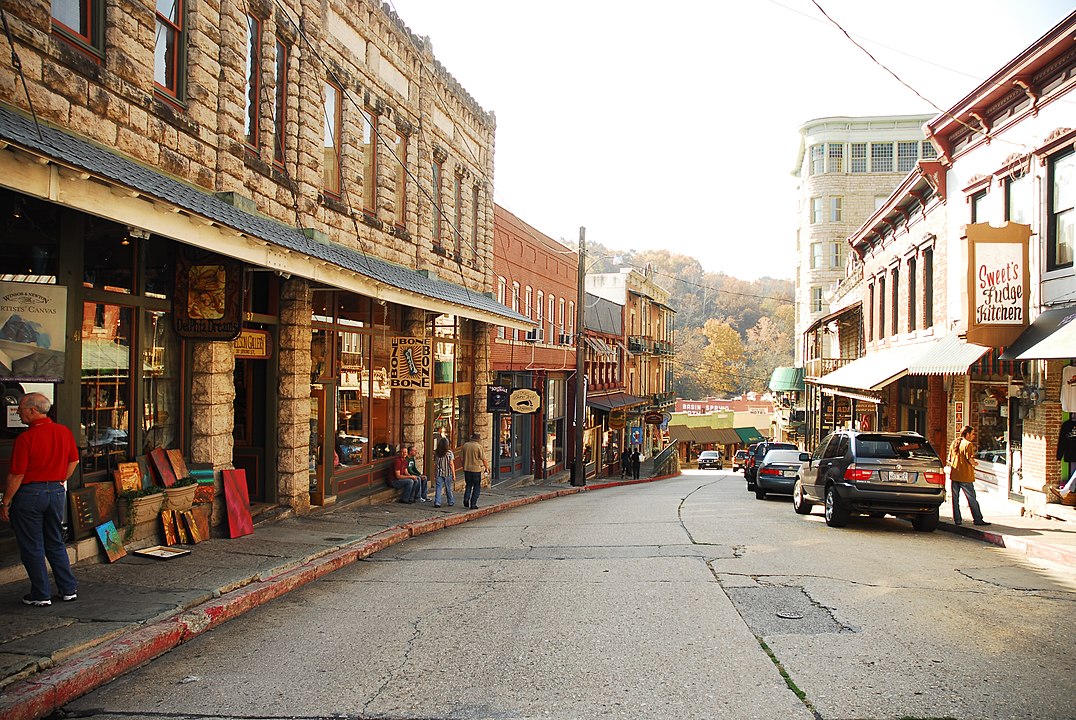
Eureka Springs climbs over steep Ozark hillsides in layers of stone walls, winding streets, and ornate hotels that seem to grow out of the rock itself. Early planners did not imagine tall parking garages or straight boulevards, and the terrain still resists those ideas. Preservation and geography together keep the town’s layout oddly intimate and stubborn. Businesses move into carved out corners and terraces instead of fresh lots, giving daily life a handmade feel that is charming and sometimes cramped.
Deadwood, South Dakota
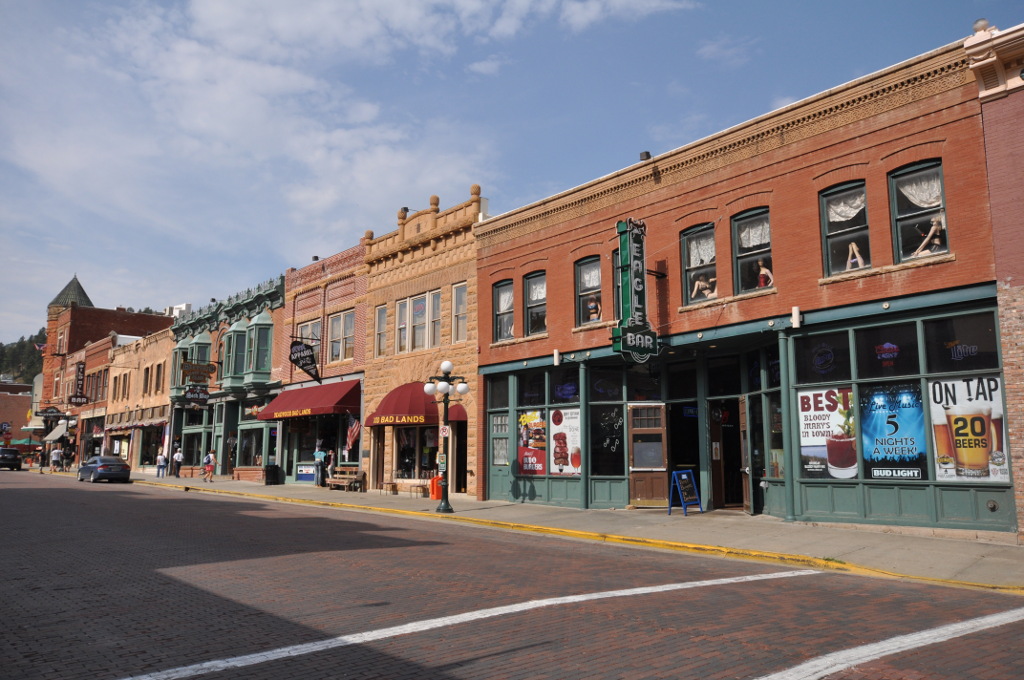
Deadwood leans into its frontier past with wooden sidewalks, restored saloons, and storefronts that recall the gold rush era. Gambling revenue funds ongoing preservation but also relies on the city keeping a Wild West image front and center. New hotels and casinos often hide behind old style facades so they do not break that spell. Residents live in a place where the line between history and entertainment is always blurred, and where modern projects must dress in costume to be accepted.
Virginia City, Nevada
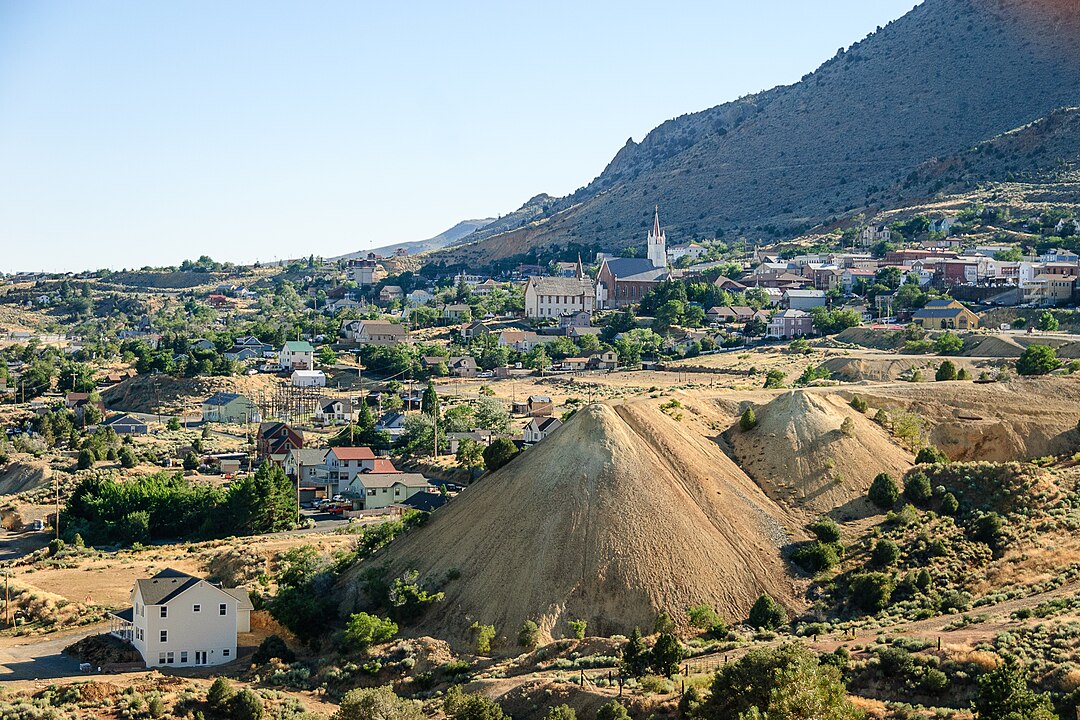
Perched on a slope above the desert, Virginia City feels like a mining camp that never quite closed. Boardwalks, ornate brick hotels, and narrow streets cling to the mountainside. Local and federal protections discourage major alterations, leaving many structures creaky but intact. The economy revolves around tours, saloons, and festivals that celebrate the town’s rough past. Progress arrives mainly as repairs and subtle upgrades, while the overall scene stays fixed on the age of silver booms and heavy ore wagons.
Jerome, Arizona
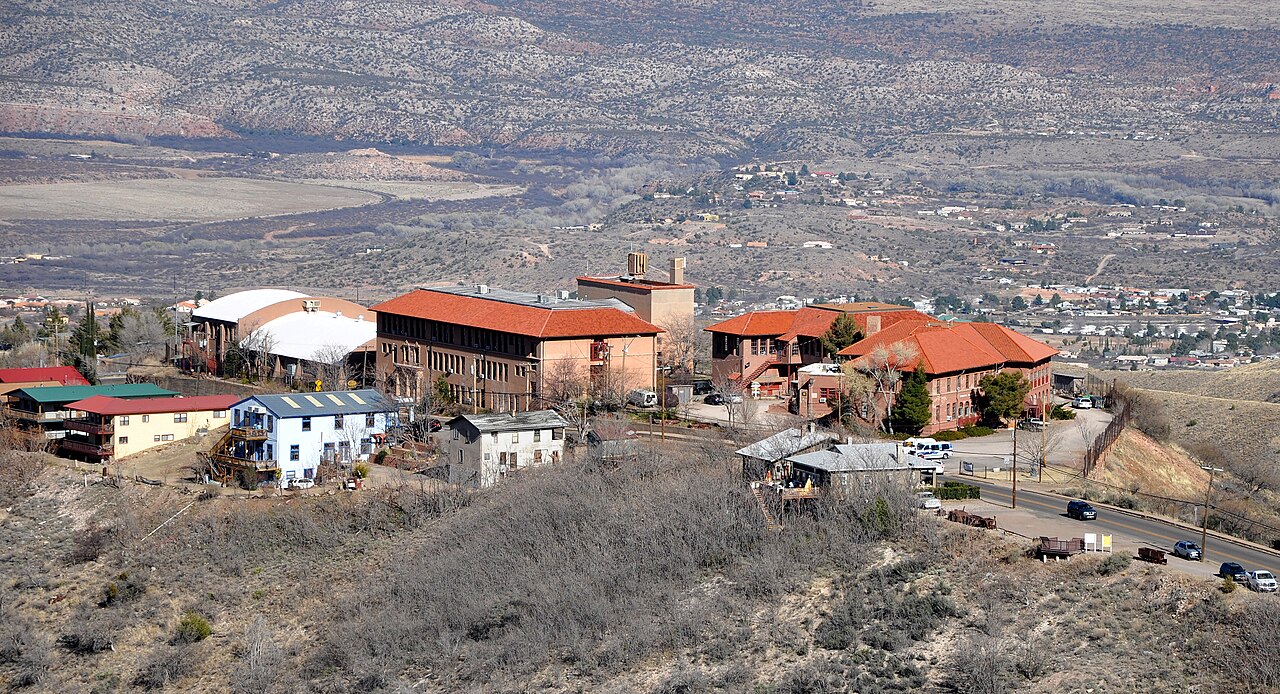
Jerome was once a thriving copper town, then nearly a ghost, and now a mix of artists, small businesses, and determined preservationists. Buildings cling to switchback streets with views across the valley, many still showing the wear of decades of abandonment. Rather than flatten and rebuild, the community has chosen to stabilize, repaint, and repurpose what remains. That choice gives the town an appealingly rough honesty, even as it complicates parking, accessibility, and basic expansion in such steep terrain.
Tombstone, Arizona
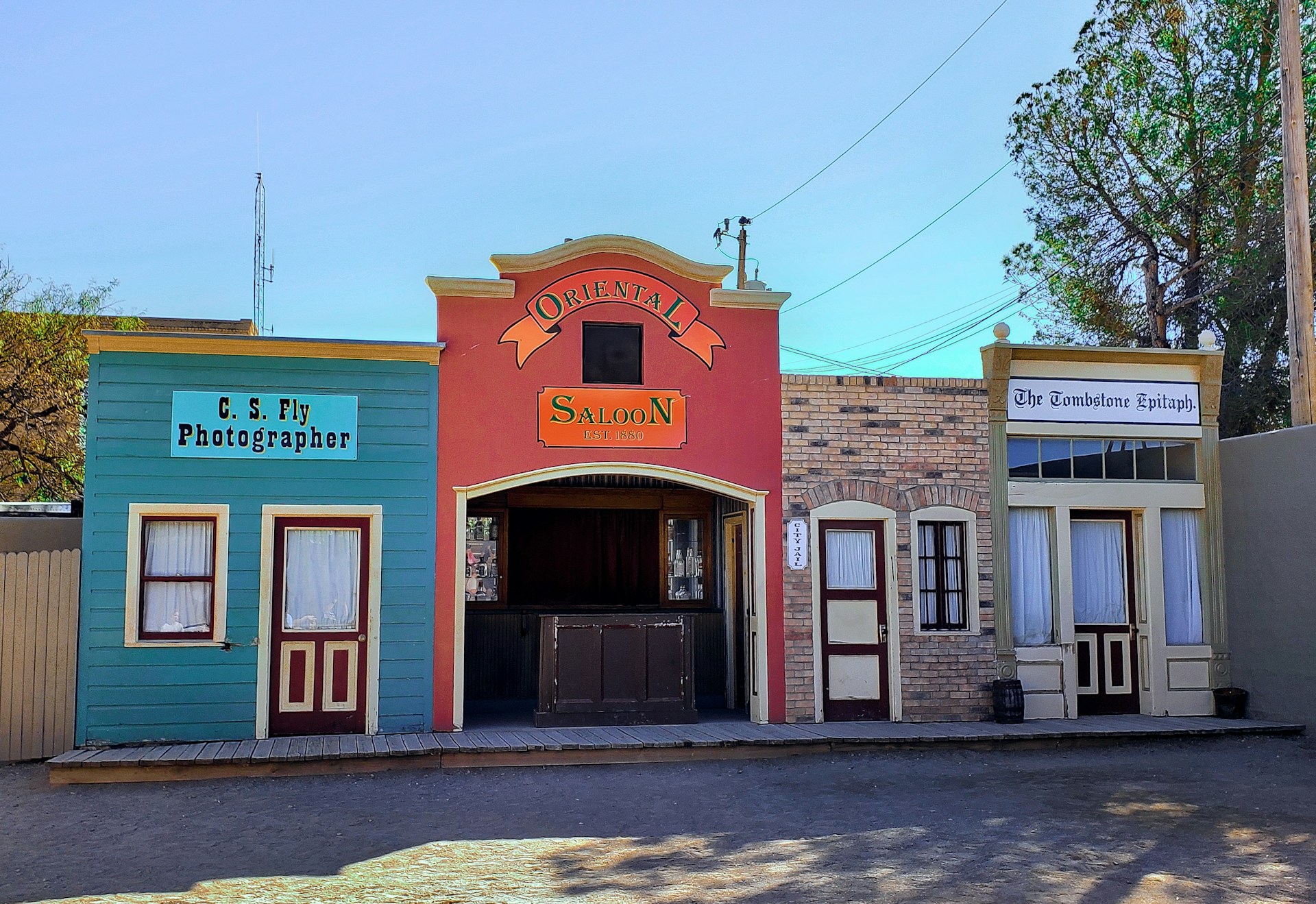
Tombstone survives on its legend as the site of a famous gunfight and a classic frontier showdown. Main streets are lined with wooden facades, staged shootouts, and shops that lean hard into Old West imagery. While utilities and safety codes slip in behind the scenes, the public space is meant to look as if time stopped around the late nineteenth century. Some residents welcome the dependable tourist draw, while others feel the town is locked forever in a single dramatic chapter.
Harpers Ferry, West Virginia
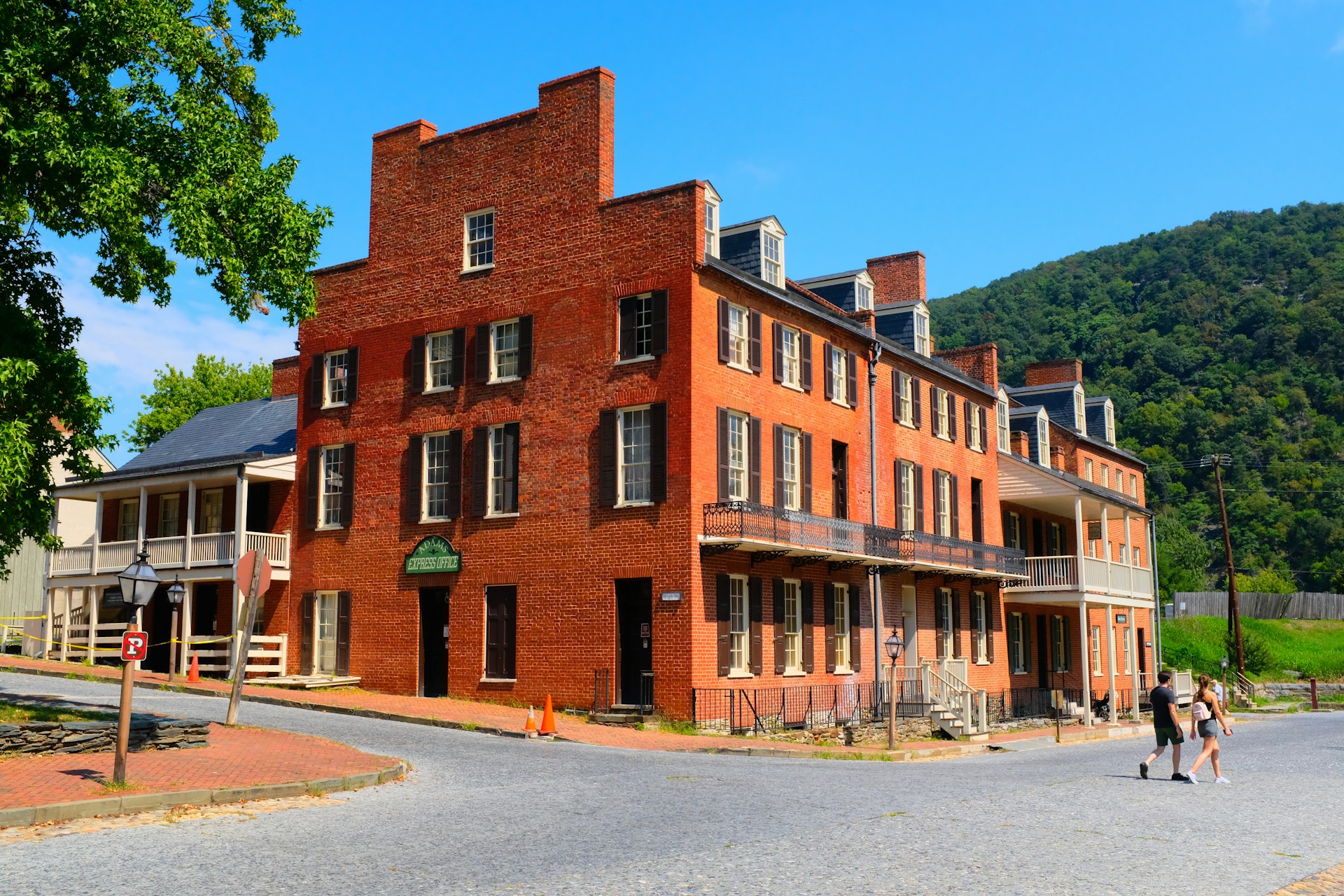
Harpers Ferry sits at the meeting of two rivers, framed by cliffs and packed with Civil War and abolition history. Much of the lower town is run as a national park site, with careful reconstructions and preserved buildings that echo the mid nineteenth century. Modern services tuck into upper streets or nearby communities, leaving the historic core mostly free of new forms. The place often feels more like a film set than a typical town, a quality that both helps and limits daily life.
Leavenworth, Washington
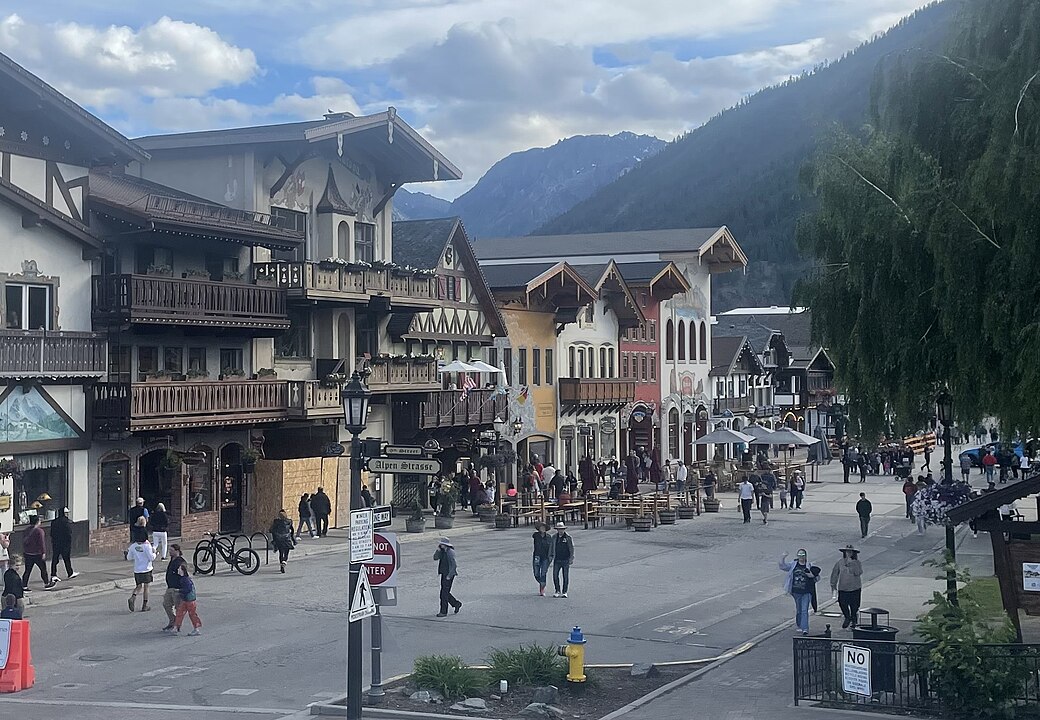
Leavenworth deliberately remade itself into a Bavarian style village, wrapping storefronts and hotels in alpine details. Town codes now expect timber accents, painted signs, and cheerful gables, even for national chains. That themed identity keeps tourist numbers high and storefronts busy. It also freezes the visual language in one imported idea of Europe, regardless of who actually lives there. Residents navigate a city where nearly every building joins the performance, leaving little room for clean modern lines or experiments.