5 New Types of Marriages Emerging Around the World
Marriage is not one fixed idea anymore. Around the world, lawmakers, courts, and couples are reshaping what legal union can look like.
Some of these changes are driven by rights campaigns, others by technology, migration, and changing family norms. Together, they show how one of the oldest institutions in society is entering a new phase.
Same-sex marriages are expanding through courts and parliaments
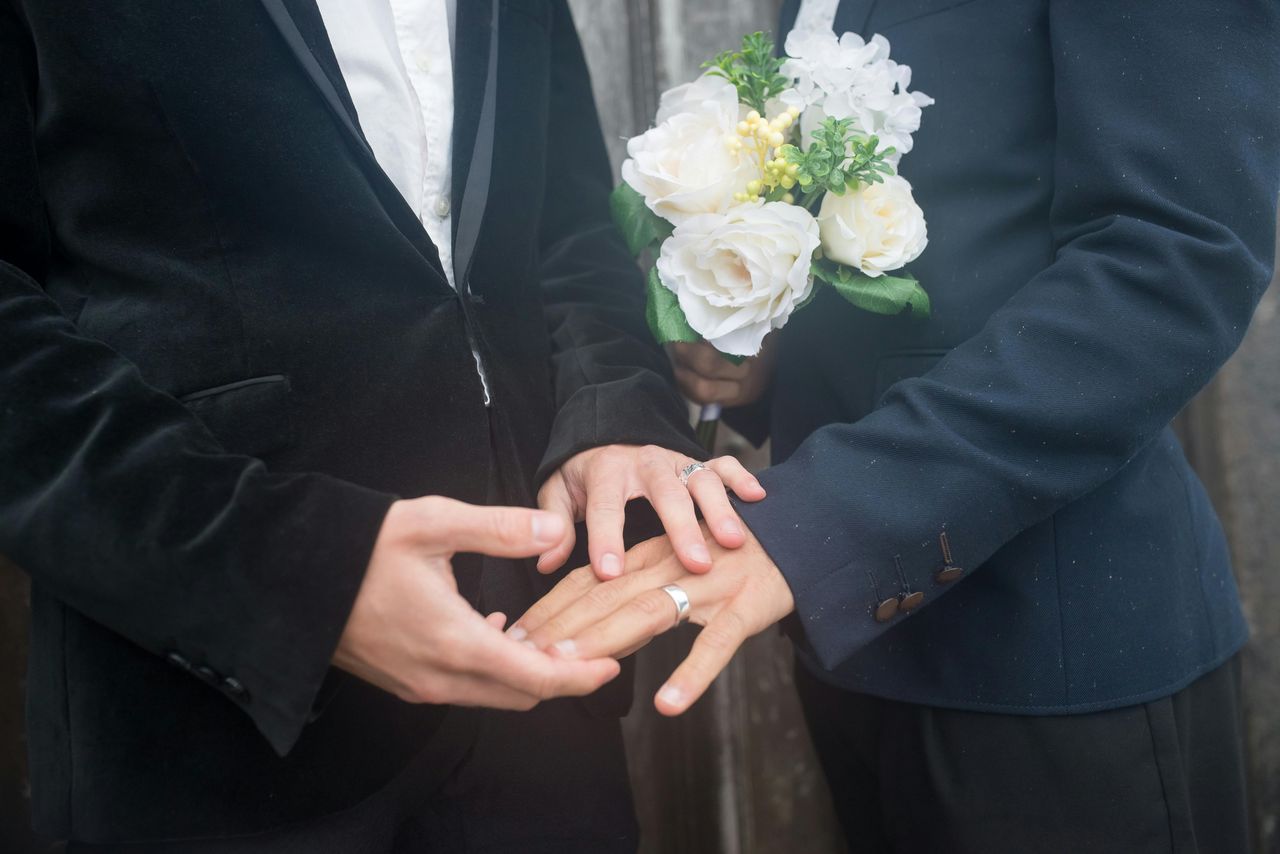
Same-sex marriage remains one of the clearest examples of a newer form of marriage gaining ground worldwide. In the past two decades, dozens of countries have legalized it, but the pace has continued in recent years through court decisions, parliamentary votes, and constitutional rulings. For many couples, this has meant moving from civil unions or partial rights into full legal marriage.
Thailand became a major recent case in Asia after lawmakers approved marriage equality legislation in 2024, making it the first country in Southeast Asia to do so. Supporters said the change mattered not only symbolically but also in practical areas such as inheritance, medical decision-making, adoption, and tax treatment. Rights groups across the region described the move as a sign that legal definitions of marriage are still changing in places once seen as unlikely to move quickly.
Elsewhere, court challenges continue to shape the issue. In countries where same-sex partnerships have some recognition but not full marriage, activists argue that separate systems create unequal rights. Legal experts say these rulings matter globally because they often influence neighboring countries, especially where judges look at international human rights standards.
For a general U.S. audience, the trend is familiar but still notable. The American debate helped define much of the last decade, yet overseas developments show the issue is not settled globally. Marriage equality is now less a single political fight and more a continuing worldwide restructuring of who can marry and under what law.
Online and proxy marriages are moving from exception to mainstream option
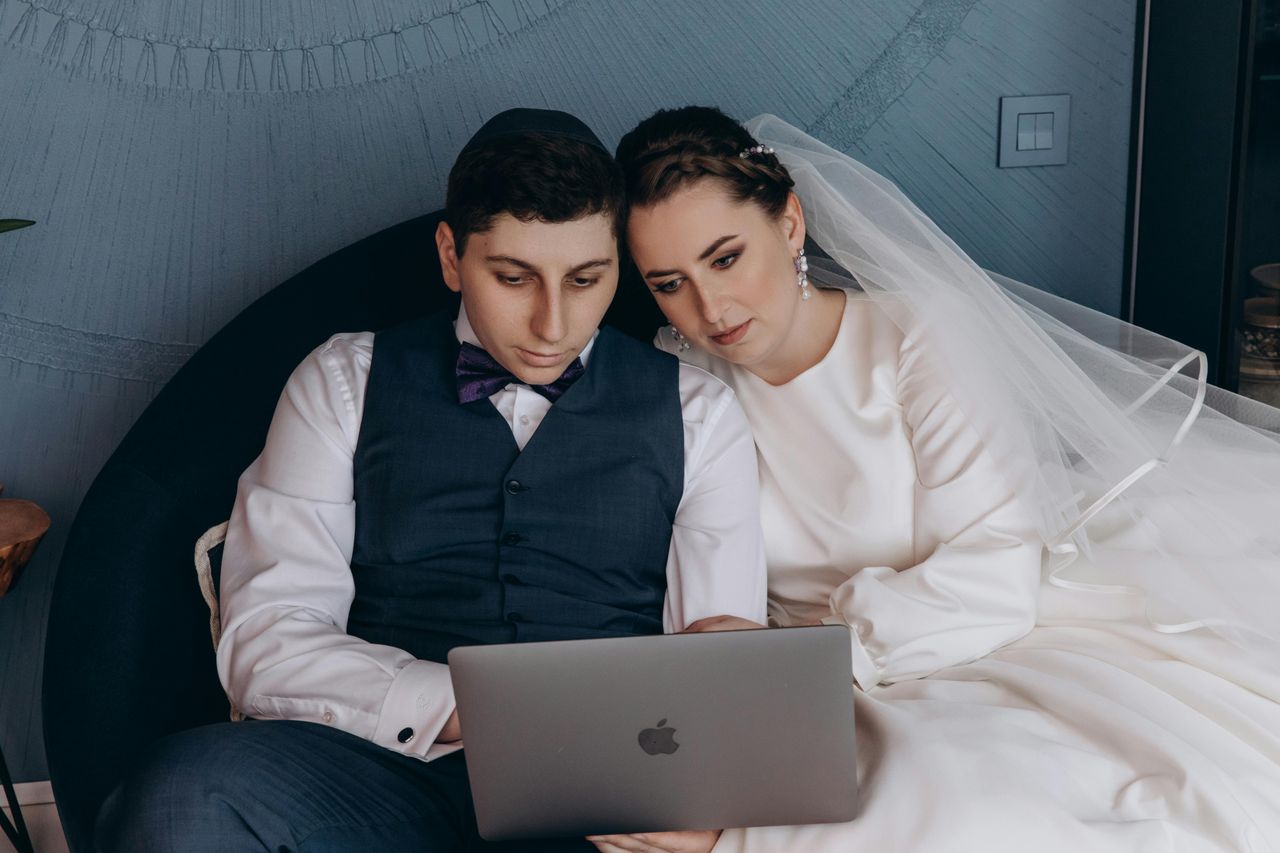
Another fast-growing type of marriage is the online or proxy ceremony, where one or both partners are not physically present in the same room. What once seemed unusual has become more common because of military deployment, immigration barriers, long-distance work, and the habits formed during the pandemic years. In some places, governments temporarily allowed remote weddings, but the idea has lasted beyond emergency rules.
In the United States, Utah became widely known for allowing fully online civil marriage ceremonies that drew international couples. Those marriages have received attention because some immigration lawyers and cross-border families see them as a practical legal solution when travel is difficult. The key issue, experts note, is whether a marriage recognized in one place will also be accepted by another government for residency, benefits, or family status.
Proxy marriage, where another person stands in for one partner, also continues in limited legal systems. It has long existed in military and special hardship cases, but awareness has grown as couples look for alternatives to expensive travel and visa delays. Family law specialists say the modern difference is not just the legal form, but the normalization of remote commitment in daily life.
This matters because marriage is increasingly tied to a mobile world. Couples may live on different continents, work in different time zones, or wait months for paperwork. As a result, marriages conducted partly through screens or legal representatives are no longer fringe cases. They are becoming a recognizable part of how families form across borders.
Interfaith civil marriages are rising as couples move beyond religious rules
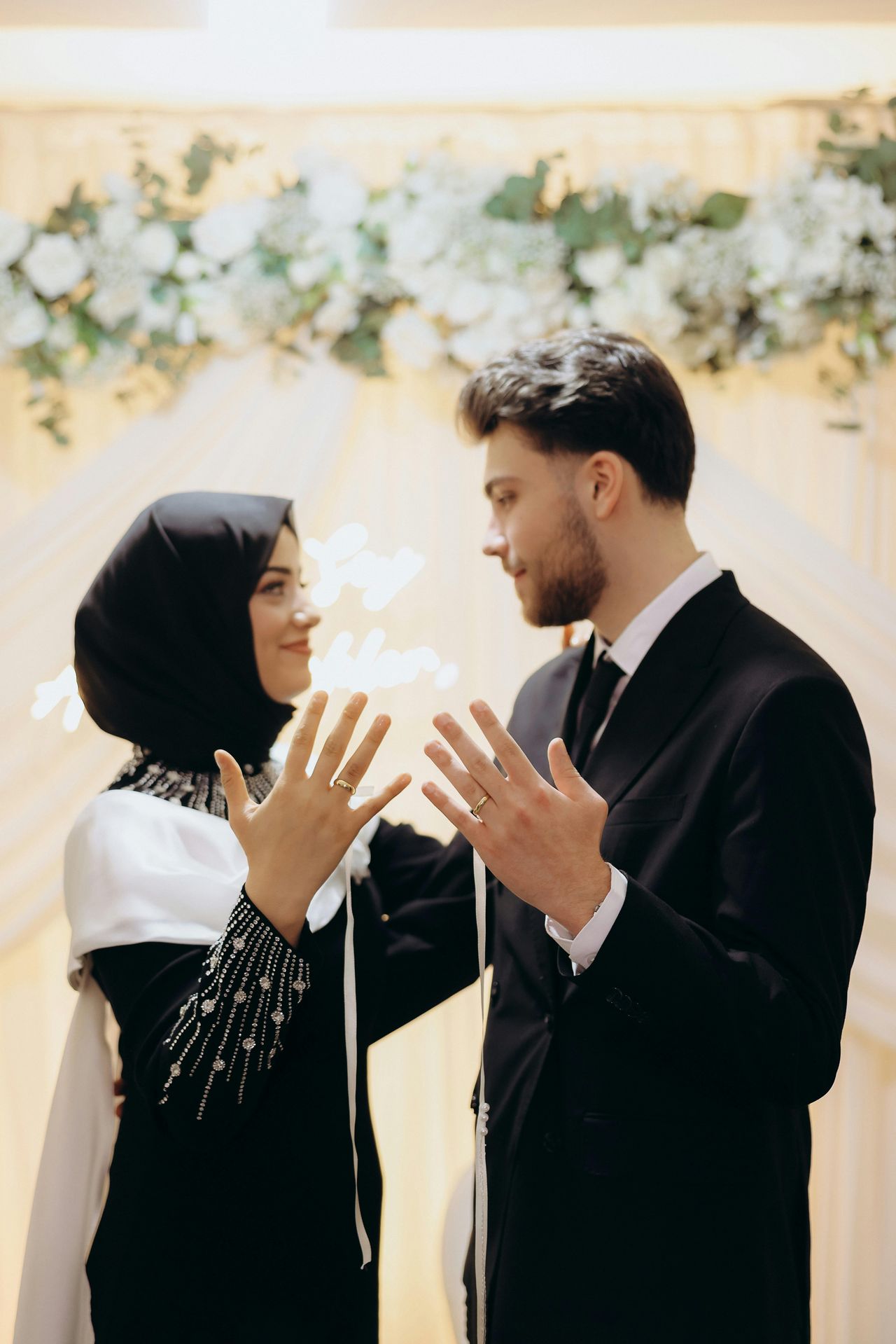
A third emerging type is the interfaith civil marriage, especially in countries where religious authorities have traditionally controlled marriage law. In several parts of the Middle East, South Asia, and the Mediterranean, couples from different faith backgrounds have historically faced steep hurdles if they wanted a legal union without conversion. That pressure is now pushing more people toward civil marriage systems at home or abroad.
Lebanon has long been cited by researchers as a key example because many couples travel to Cyprus or other nearby countries for civil weddings not available under Lebanon’s sect-based system. Similar workarounds have appeared elsewhere, with cross-border weddings becoming a practical path for couples who do not want religious institutions deciding whether they can marry. Lawyers say these unions are not entirely new, but their scale and visibility have increased.
The shift reflects deeper social changes. More young adults are studying, working, and socializing across religious lines, especially in large cities. As that happens, marriage laws built around strict communal boundaries can feel out of step with everyday life. In response, civil society groups in several countries have pushed for optional civil marriage frameworks that would sit alongside religious ones.
For U.S. readers, the issue may seem distant, but the core idea is relatable. Many Americans take for granted that the state can marry two adults regardless of faith. In parts of the world where that remains contested, interfaith civil marriage has become a meaningful new category, one tied to personal freedom, migration, and the growing divide between private belief and public law.
Eco-conscious and low-impact marriages are becoming legally and socially distinct
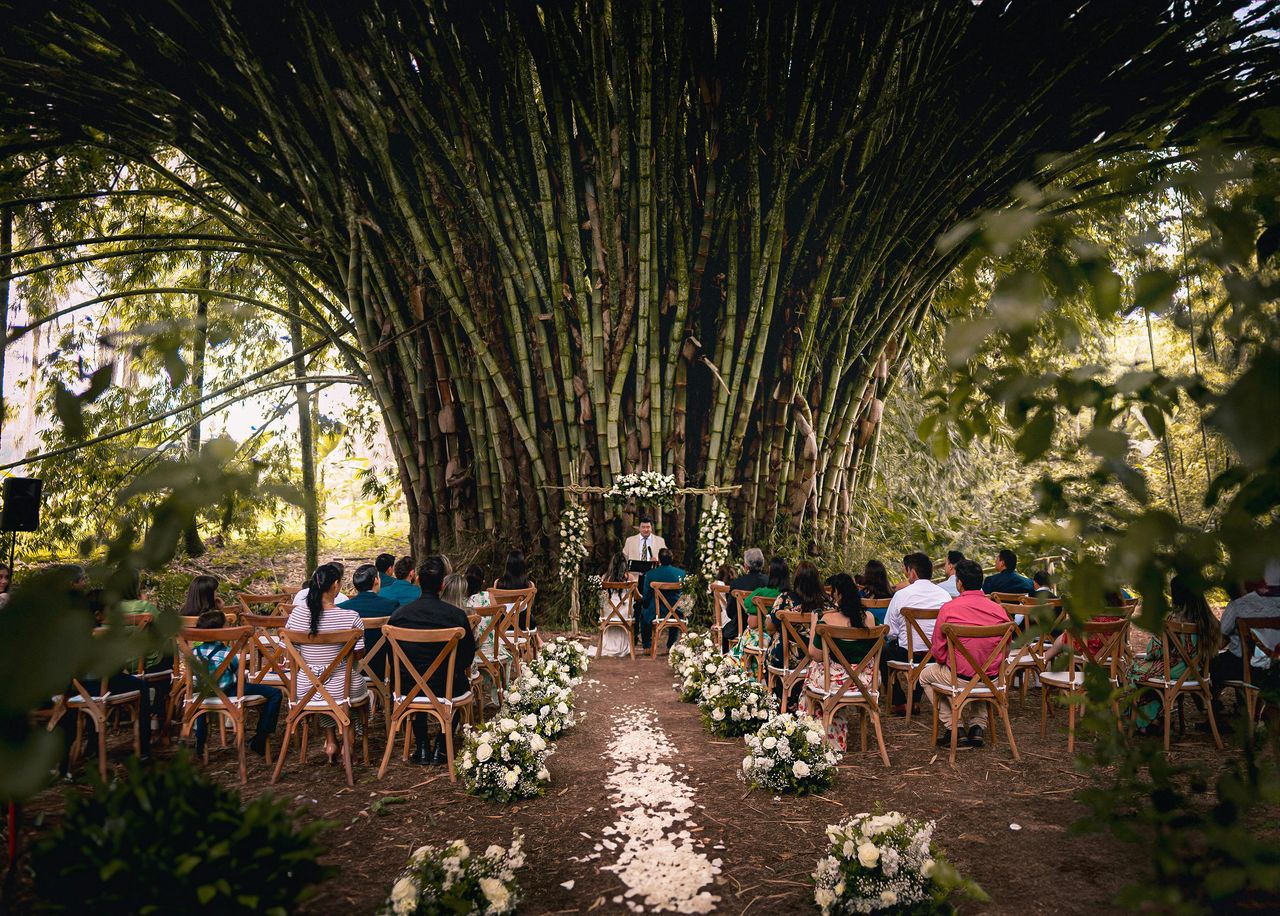
Not every new type of marriage is defined by who marries. Some are defined by how the marriage is performed, and increasingly that means low-impact, climate-conscious ceremonies that are being treated as a distinct social category. Wedding planners, tourism boards, and consumer researchers have all reported growing demand for smaller events, local sourcing, recycled attire, and venues that reduce waste and emissions.
This trend accelerated after the pandemic disrupted the large destination wedding model. Couples in Europe, North America, and parts of Asia began choosing micro-weddings, registry-office ceremonies, and outdoor events with fewer guests. Industry analysts say the motivation is part financial and part ethical, especially among younger adults concerned about the environmental cost of traditional celebrations.
Some jurisdictions have also made it easier to separate the legal act of marriage from the expensive social event around it. That has helped normalize marriages that are intentionally simple and low-waste rather than scaled-down versions of a larger plan. In effect, these weddings are emerging as a recognizable type of union, marked by sustainability goals and a different set of social expectations.
Why does that matter? Marriage has always reflected status and custom, so when couples reject excess in favor of a courthouse, public park, or community hall, they change the institution’s public image. For a broad audience, this may be one of the most relatable shifts. It shows that marriage is evolving not only through law, but also through what people now consider responsible and realistic.
Multi-country marriages are growing as legal identity crosses borders
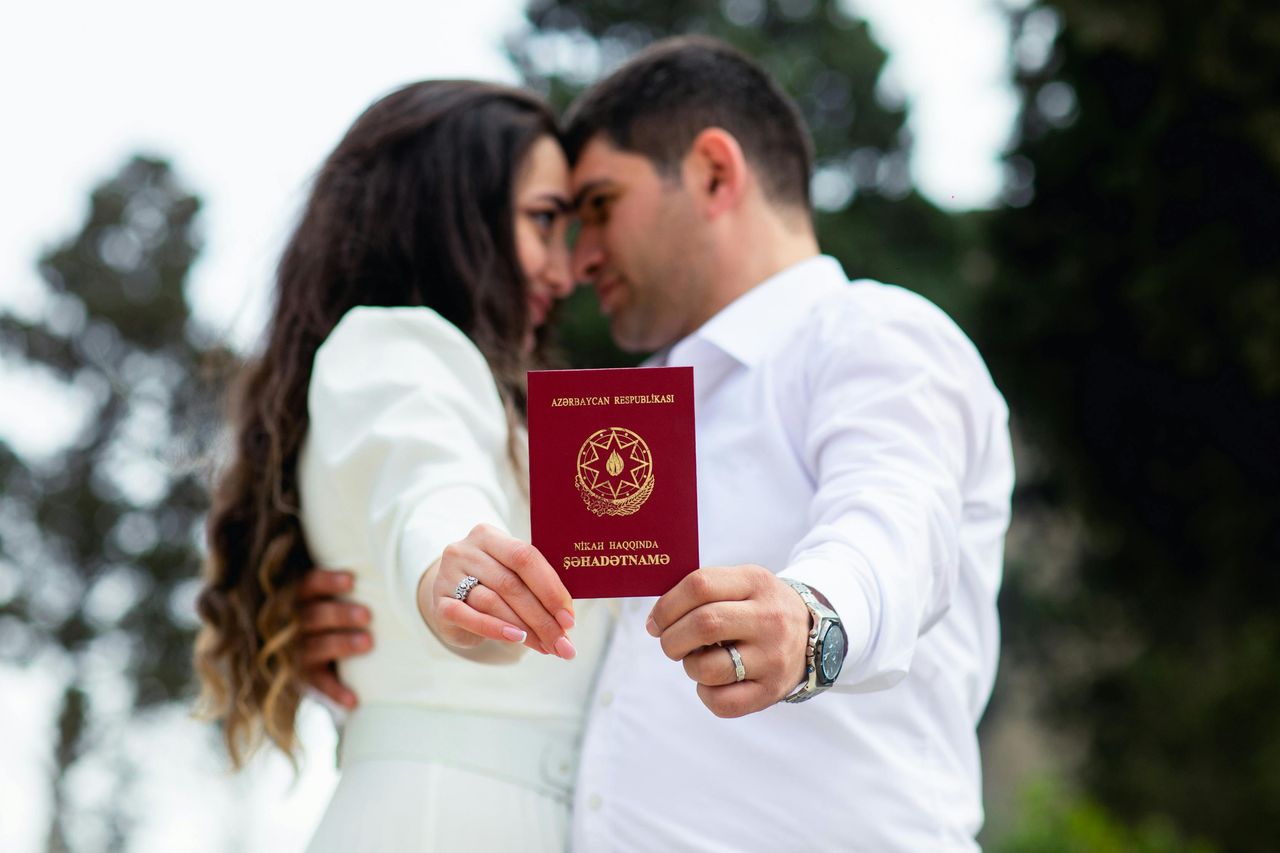
A fifth emerging form is the multi-country marriage, where a couple’s legal status depends on several jurisdictions at once. This is increasingly common for international couples who marry in one country, live in another, and hold citizenship or residency in a third. While international marriage itself is not new, the legal complexity around recognition, surnames, property, parental rights, and divorce has created a more distinct category of cross-border union.
Immigration attorneys say these marriages are becoming more visible because global mobility has rebounded unevenly since the pandemic. One spouse may work remotely for a U.S. company while living abroad, while the other relies on local residency rules or family visas. In those cases, a marriage certificate is not just symbolic. It can determine tax exposure, health access, school enrollment, and whether a family can stay together legally.
Governments are also under pressure to update paperwork systems that were built for simpler domestic marriages. Same-sex spouses, dual nationals, and people with different naming customs often find that one country’s records do not match another’s. That mismatch can delay benefits or force couples into repeated legal verification, even when the marriage itself is valid.
Seen together, these cases point to a broader shift. Marriage is no longer only a local institution tied to one town, one church, or one courthouse. For a growing number of couples, it is a cross-border legal framework that must function in a world of visas, digital records, and competing legal definitions. That makes the multi-country marriage one of the most important new forms to watch.