6 New EV Laws That Could Make Driving Harder
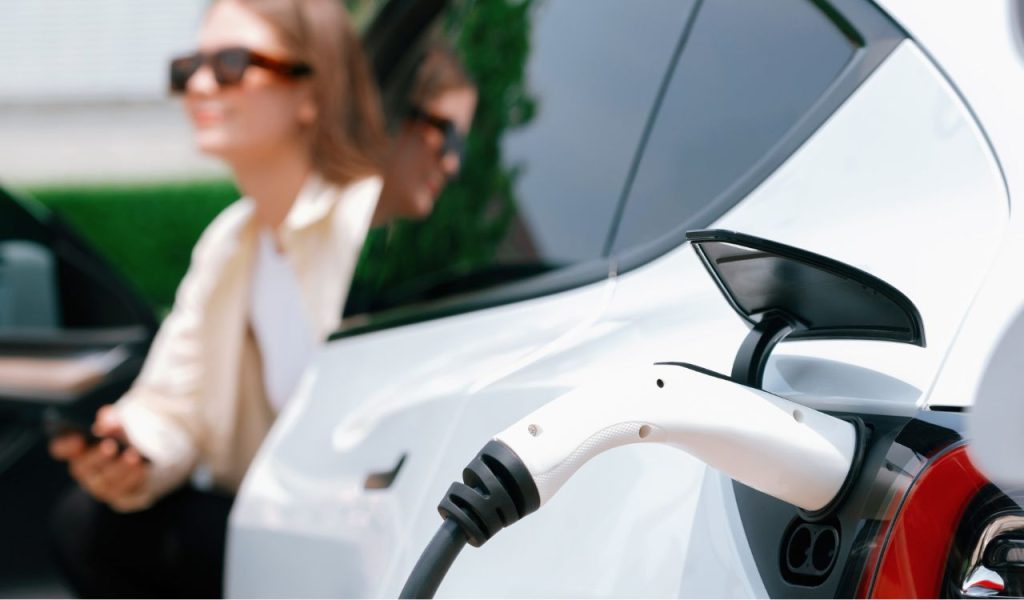
Navigating the world of electric vehicles (EVs) requires keeping up with new laws that might impact your daily drives. For families considering an EV or already owning one, staying informed ensures smoother journeys. Recent legal changes could alter how you manage your vehicle, from upkeep costs to fueling routines. Understanding these laws can help you adapt, ensuring your family’s drive remains efficient and enjoyable.
Stricter Emission Standards

New emission regulations aim to reduce environmental impact, but they add pressure on EV manufacturers and owners. While these standards push for cleaner air, they might also affect vehicle prices due to enhanced production requirements. For families planning to buy an EV, consider how these standards could influence choices and budget. Staying informed allows you to select vehicles that comply with regulations, ensuring sustainable and worry-free driving.
Mandatory Software Updates

Keeping up with software updates is becoming essential as new laws demand the latest tech in EVs for safety and efficiency. These updates often require scheduling and might take time, potentially disrupting your routine. For busy families, setting reminders for downloads and installations can help. Prioritize updates to access improved features and stay compliant. This proactive approach ensures your vehicle runs smoothly and meets all legal requirements.
Increased Registration Fees

Some regions are increasing registration fees for EVs to offset reduced fuel tax revenues, impacting household budgets. Anticipate this additional cost when planning your annual expenses. Families should consider all ownership costs, including these fees, when budgeting for an EV. Understanding financial implications helps you manage expenses without surprises. Keeping a close eye on local regulations ensures you’re aware of any fee changes in advance.
Tighter Charging Station Rules

New rules governing charging stations might mean more stringent installation requirements or fewer locations. For EV owners, especially those traveling frequently, understanding where and how you can charge is crucial. Families planning road trips should check local charging rules to avoid inconvenience. Stay updated on changes to maximize your vehicle’s efficiency and range. Being prepared with a backup plan can save time and reduce stress on busy days.
New Insurance Requirements

New mandates are stepping up insurance requirements for electric vehicles. This means premiums may adjust, sometimes increasing due to advanced technology and repair costs. It’s important to review your policy and compare quotes from multiple providers. Understanding what coverage you truly need can save you money and ensure you’re not caught off guard. Parents and busy professionals will appreciate the peace of mind that comes with comprehensive, yet affordable, coverage.
Limited Battery Disposal Options

As electric vehicles gain popularity, the challenge of disposing of old batteries becomes more pressing. New laws may soon limit disposal options, making it crucial to find certified recycling centers. This could lead to higher costs and planning ahead to manage battery life. Families should stay informed about local recycling solutions and potential incentives for proper disposal. By doing so, you not only comply with regulations but also contribute to environmental conservation.