8 Cities Where Christmas Traffic Is Worse Than Expected
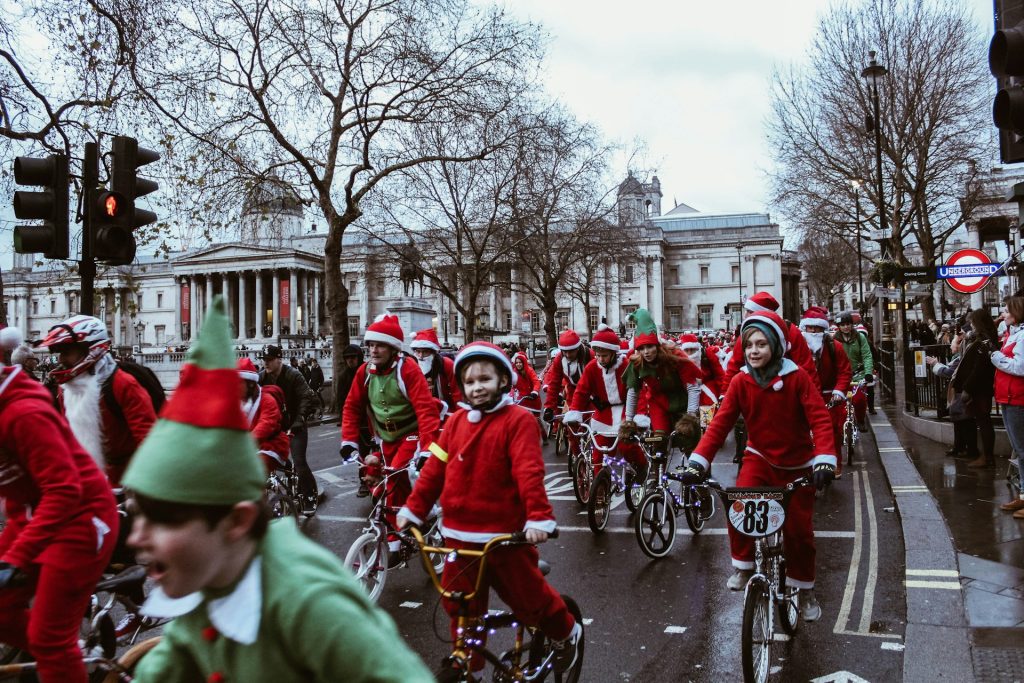
Christmas week can make even familiar cities feel oddly slow. Shopping districts swell, airport runs stack up, and neighborhoods that usually breathe suddenly jam at every intersection. It is rarely one single choke point. It is the mix of office parties, school breaks, delivery vans, special street controls, and drivers hunting for curb space near lights and markets. These cities can look magical in late December, but the roads can test patience, especially at dusk, when crowds shift from errands to evening plans.
New York City, New York
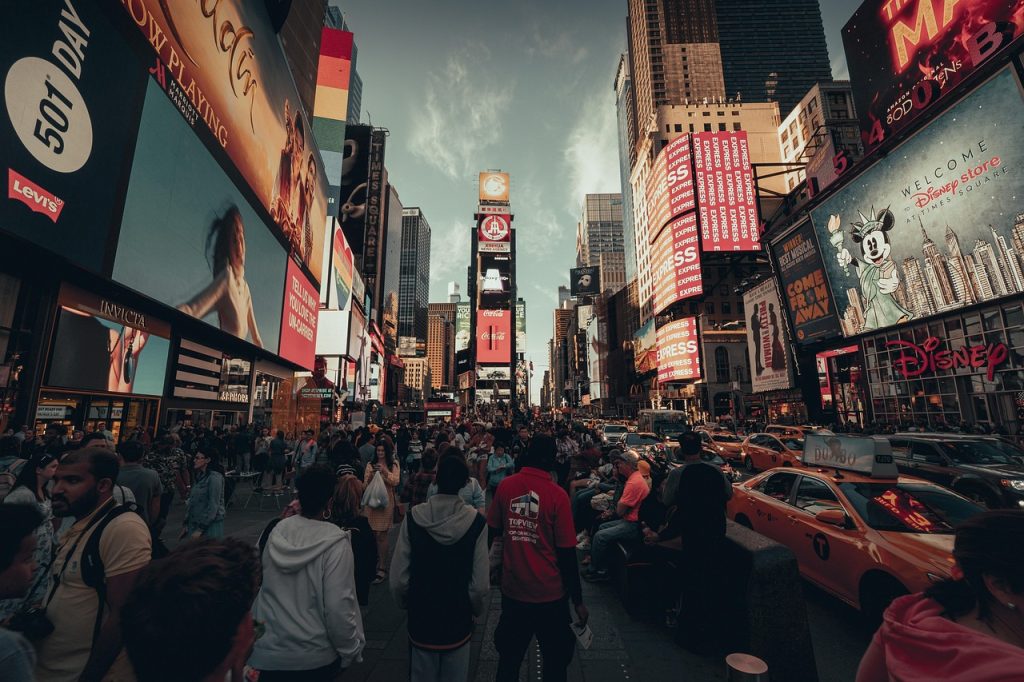
New York’s Christmas traffic is a Midtown squeeze that spreads outward. Shoppers and sightseers crowd Fifth Avenue, Rockefeller Center, and Bryant Park, while taxis and ride-shares circle for the same curb gaps near hotels and theaters. Barricades, police posts, tour buses, and delivery vans shrink lanes, so short distances turn into slow blocks and missed lights. By early evening, bridge and tunnel approaches thicken, and avenues feed into each other like one long line. In many cases, walking a few blocks beats committing to another turn, especially near holiday displays and showtimes.
London, England
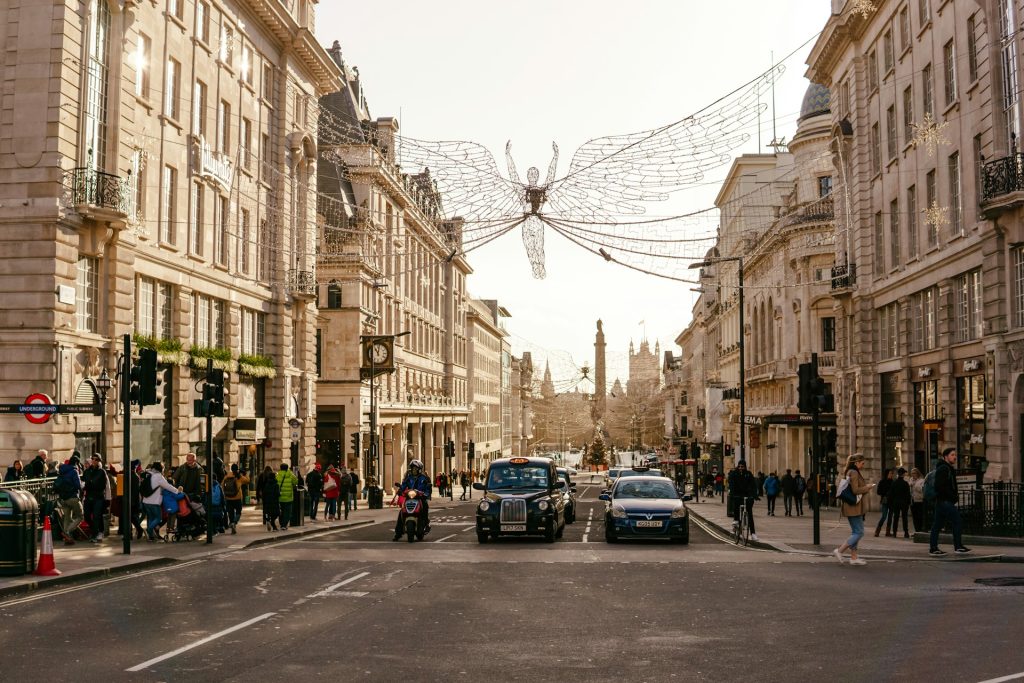
London’s holiday traffic spikes because old streets carry modern demand, and Christmas week pushes that mismatch into view. Oxford Street, Regent Street, Knightsbridge, and the West End pull steady crowds, and every turn meets bus lanes, curb restrictions, and tight junctions that limit flow. Delivery vans and ride-hail pickups pause, and the delay lingers longer than expected because there is little extra space to absorb it. When showtimes end and dinner plans begin, cross-town trips can feel like red-light roulette. The city stays bright and festive, yet drivers often inch forward while pedestrians glide past.
Paris, France

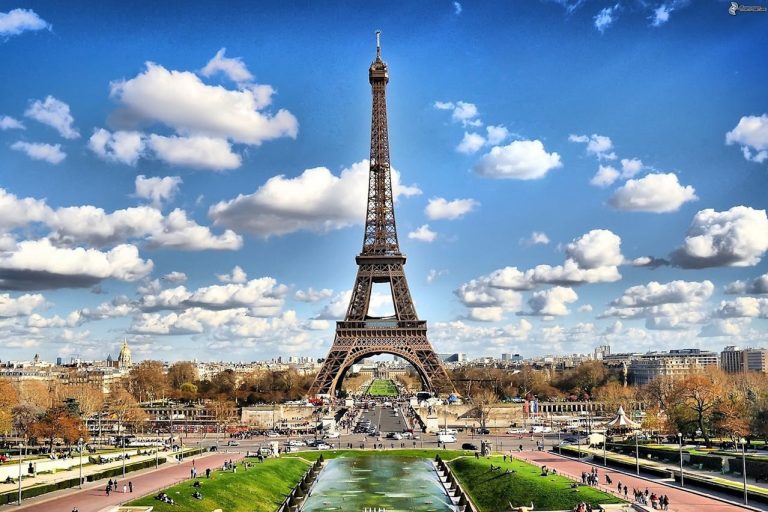
Paris slows down when its prettiest corridors become the destination. Department stores along Boulevard Haussmann, the Champs-Élysées lights, and riverfront areas draw crowds at the same hours, and security zones plus short blocks compress traffic quickly. A single double-parked vehicle can turn a boulevard into a crawl and push spillover into side streets that were never built for detours. After 5 p.m., commuters mix with holiday wanderers, and the result is a steady shuffle of brakes and quick stops. The glow is real, but arrival times become guesses, not plans.
Los Angeles, California

Los Angeles already runs on merges, so Christmas week adds weight where the system is most fragile. LAX runs, mall corridors, and big light displays pull cars off freeways at the same time, and one small incident can ripple for miles. Detours push drivers onto surface streets filled with shoppers, delivery vans, and long stoplight sequences that turn a quick hop into a slow chain of intersections. By nightfall, the city can feel like one extended lane change, with every ramp and left turn demanding extra patience. The traffic is not constant everywhere, but when it hits, it hits hard.
Chicago, Illinois
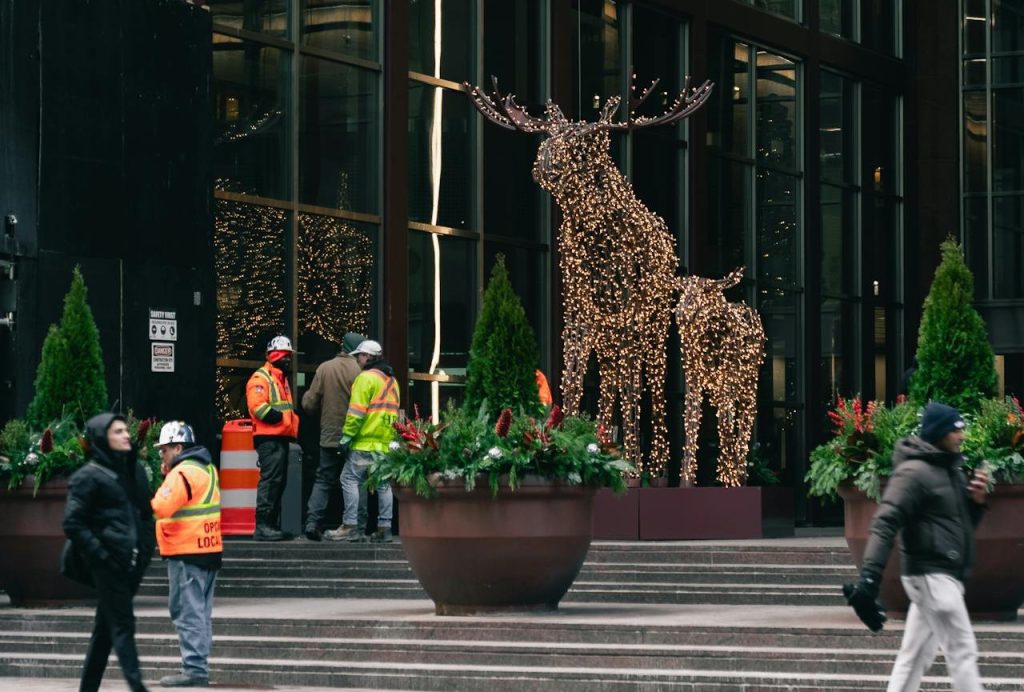
Chicago’s holiday traffic surprise is how quickly winter turns normal delays into real gridlock. Downtown streets tighten when office parties, shopping crowds, and theater nights compress into the same evening window around the Loop and Michigan Avenue. Areas near seasonal markets and department stores add heavy foot traffic, and a light snowfall can lower speeds enough to stack intersections block by block. Parking hunts in tight grids add more circling, and bridges can back up as cars search for the next open lane. The city looks crisp and bright from the sidewalk, but the drive often moves at a slow winter pace.
Mexico City, Mexico
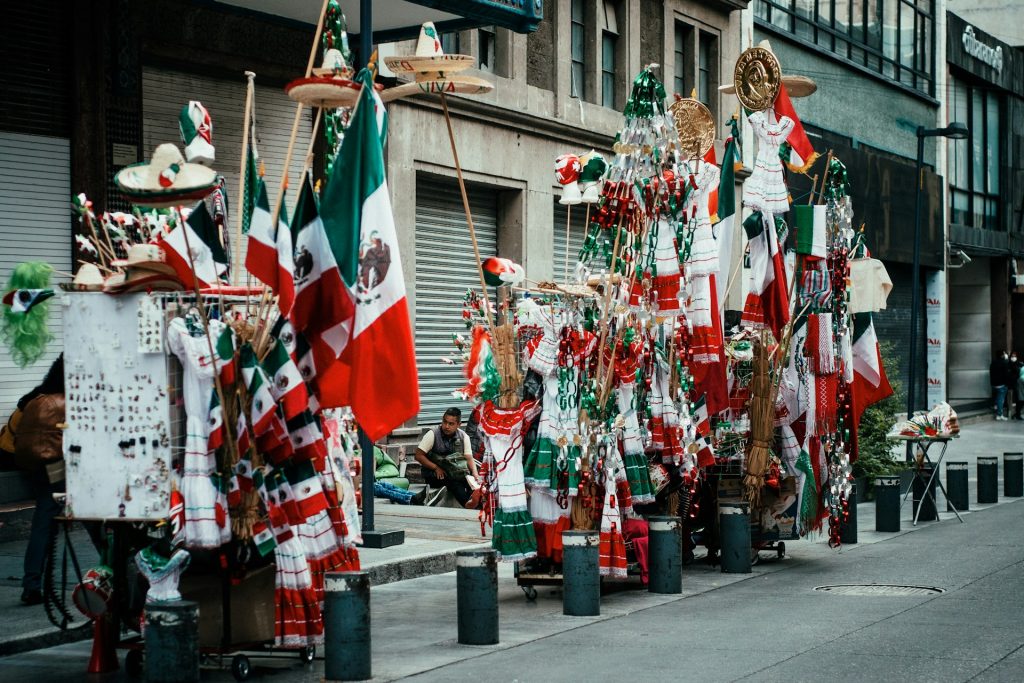
Mexico City in late December can feel like congestion has its own schedule. Shopping trips, family gatherings, and end-of-year celebrations load main avenues and ring roads from afternoon into late night, and the sheer scale means traffic spreads instead of staying in one zone. When one route stalls, drivers pour into side streets, which quickly clog and spill back onto the main roads. Vendors, deliveries, and event crowds add friction at intersections, so travel times become hard to predict even for familiar trips. The city is lively, but planning needs slack, because the final few kilometers can take longer than the first 20.
Rome, Italy
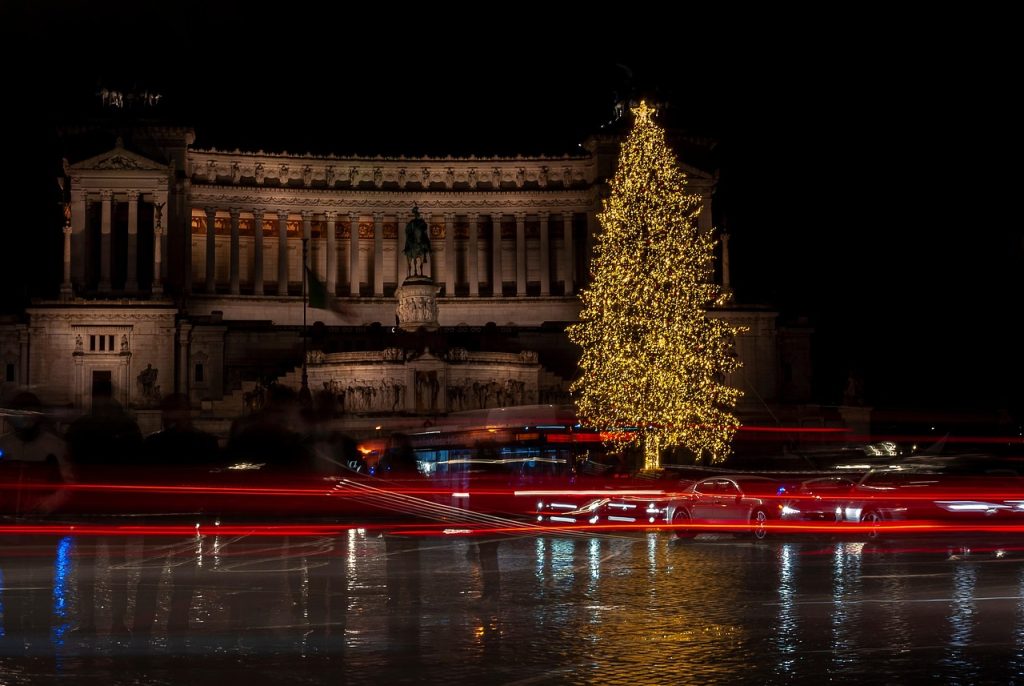
Rome’s Christmas traffic tangles when narrow streets and holiday crowds overlap near major churches, piazzas, and seasonal markets. Temporary closures and security controls interrupt direct routes, and a single stopped car can stall an entire block while buses, scooters, and drivers negotiate tight gaps. Evening brings another wave as people head to dinner, concerts, and midnight services, so congestion shifts and resurfaces in new pockets. The city feels warm and luminous, yet the drive can feel longer than expected, with frequent reroutes, short bursts of movement, and long pauses. In Rome, the quickest line is often the one taken on foot.
Tokyo, Japan
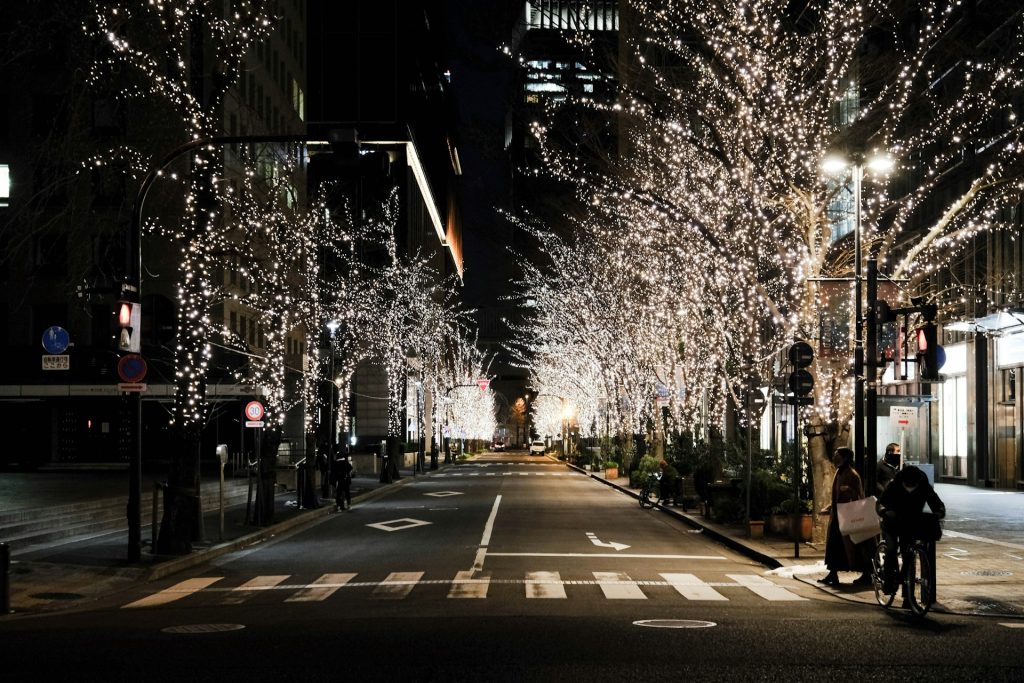
Tokyo’s Christmas traffic can surprise because the city keeps its weekday rhythm while adding seasonal crowds. Retail districts, illumination events, and year-end parties stack onto normal commuter flow, and taxis queue near stations as groups head to dinner right after work. Expressways can bog down at ramps, while surface streets slow when crosswalks stay packed in places like Shinjuku and Ginza. The system still functions, it just runs full, and small delays compound quickly in dense zones. The city’s lights look calm, but the roads around them can move in careful, stop-start increments through the evening.