8 Cities Where History Influences Modern Travel Rules
My original plan for 2025 was simple. I wanted to land in a major European capital with a backpack, a rail pass, and zero itinerary, letting the wind decide where I slept next. It was the kind of romantic, spontaneous travel I grew up reading about, wandering into a piazza for a sunset spritz or stumbling upon an ancient temple without a reservation. But as I started booking, the reality of 2026 travel hit me hard. The era of just showing up is effectively over, replaced by a complex web of preservation rules, entry taxes, and strict capacity caps designed to protect the world’s most fragile heritage sites from their own popularity.
The shift isn’t just about crowds; it is about survival. Historic cities are no longer passive backdrops for vacations but active, fragile ecosystems fighting to maintain their structural integrity and resident quality of life. Costs have risen, yes, but the real currency now is planning. I realized that seeing these places meant accepting that the rules of engagement have fundamentally changed.
Kyoto, Japan
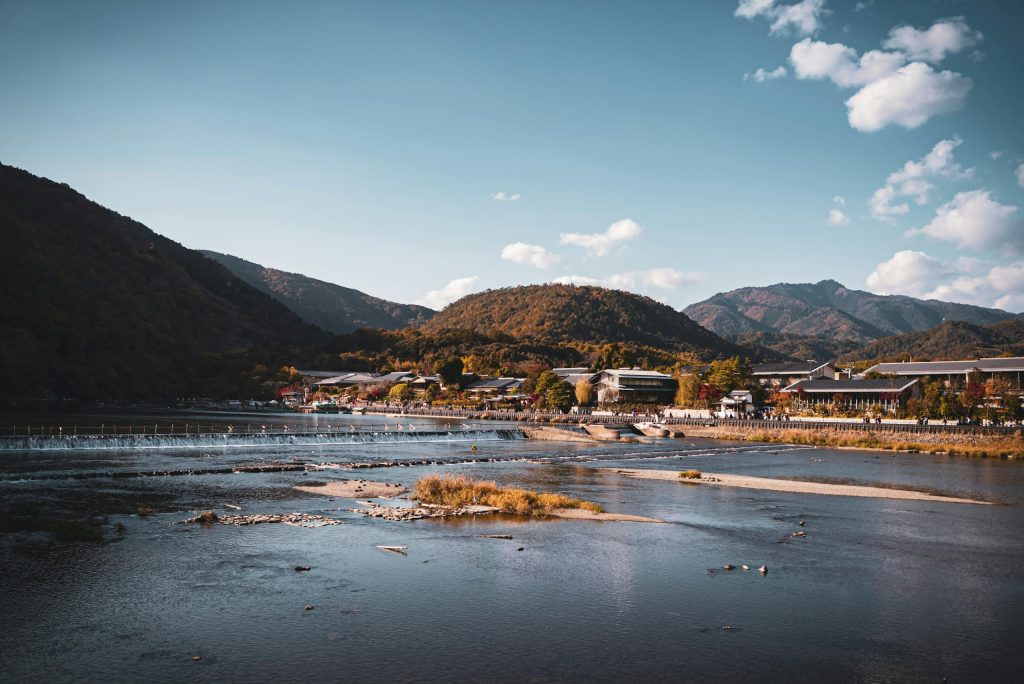
The narrow, atmospheric alleys of Kyoto’s Gion district have long been the image of traditional Japan for millions of visitors, but that accessibility has come to a sharp end. City officials and local councils have instituted strict bans on tourists entering specific private alleys in the geisha district to protect residents and traditional entertainers from harassment. The days of wandering freely through every side street in search of the perfect photo are over; signage now explicitly warns of fines for trespassing in these heritage zones.
According to local tourism authorities, the drivers here are privacy and cultural preservation. The friction between daily residential life and surging visitor numbers forced a hard pivot from “welcome everyone” to “respect our boundaries.” Beyond the access rules, the financial barrier is rising. Experts note that new lodging tax structures are being discussed to ensure tourists contribute more to the heavy infrastructure costs their presence incurs. This creates a regulated environment where visitors are channeled onto main thoroughfares, leaving the intimate, historic fabric of the neighborhood to those who actually live there.
The tradeoff here is a loss of intimacy. Travelers are effectively confined to the public stage, viewing the history from a designated distance rather than immersing themselves in the quiet, residential hum of the district.
Venice, Italy
Venice has moved beyond theoretical discussions of overtourism to implementing one of the world’s most scrutinized crowd-control experiments, the Access Fee. Heritage institutions and urban planners argue that the city’s physical survival depends on reducing the daily load of transient visitors who stress the ancient infrastructure without contributing to the economy. The result is a system where day-trippers must pay a fee on peak days to enter the historic center, a policy aimed directly at the hit-and-run tourism model that the old default plan relied on.
The drivers are environmental fragility and housing pressure. Risk analysts and climate experts have long warned that the lagoon city cannot sustain unrestricted foot traffic combined with rising water levels. The new rules require every visitor to interact with a government portal, either to pay the fee or to register for an exemption if staying overnight. It is a digital border check for a city that used to be open to all.
That implies a new administrative burden for every trip. Even if a traveler is exempt from the fee because of a hotel booking, navigating the registration process to generate the necessary QR code is mandatory. The spontaneity of hopping on a train from Verona for a quick lunch in St. Mark’s Square now involves checking a calendar and filing paperwork.
Athens, Greece
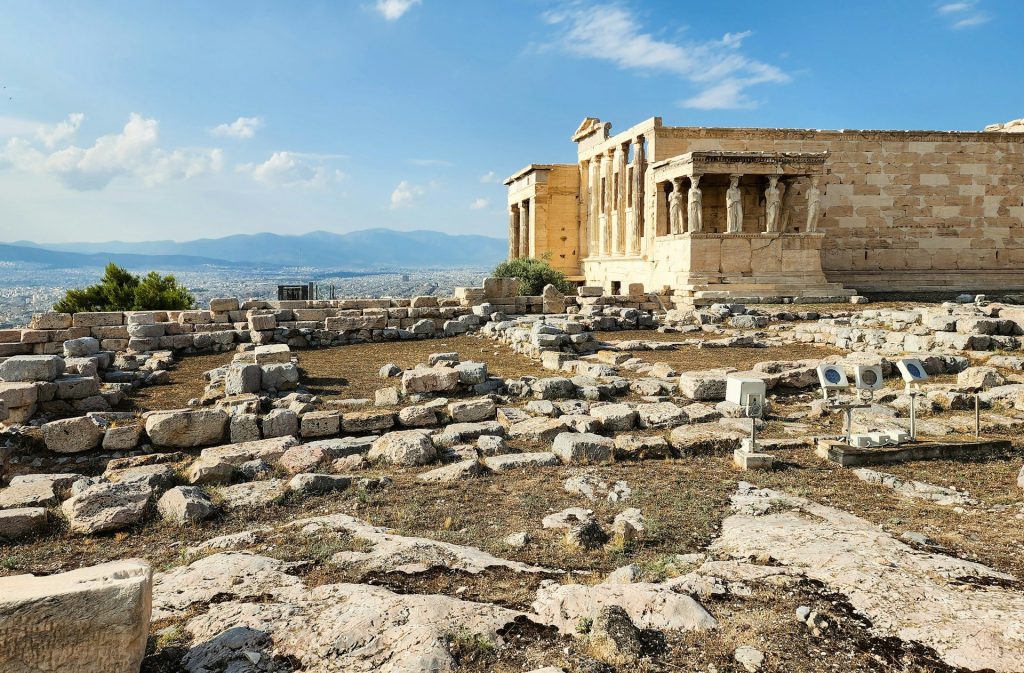
The Acropolis is the symbol of Western civilization, but it has also become a case study in modern crowd management. The Greek Ministry of Culture has implemented strict daily visitor caps and a rigid time-slot system to prevent the dangerous bottlenecks that plagued the site in previous years. Archaeologists and site managers explain that the sheer weight and vibration of thousands of people on the Sacred Rock, combined with intensifying heatwaves, posed a threat to both the monuments and visitor safety.
The primary drivers are physical preservation and climate adaptation. Heritage experts note that the limestone pathways and ancient foundations were never engineered for mass tourism. By forcing visitors into specific hourly windows, authorities can flatten the peak crush that used to occur every morning. This is often paired with emergency closures during midday heat spikes, a safety protocol that has become standard as Mediterranean summers grow more extreme.
The tradeoff is a complete lack of flexibility. If a visitor misses an entry window due to a delayed flight or heavy traffic, waiting for the next one is not possible; entry may be denied entirely. The casual morning hike up to the Parthenon now requires the same logistical precision as a medical appointment.
Rome, Italy
The Eternal City has adopted a zero tolerance approach to protecting its monumental architecture from modern behavior. City ordinances now strictly ban sitting on the Spanish Steps, a rule enforced by police officers who whistle at violators the moment they touch the stone. Heritage institutions successfully argued that the cumulative effect of millions of people sitting, eating, and spilling drinks on the 18th-century travertine was causing irreversible staining and erosion.
The drivers here are conservation and public order. Restoration experts emphasize that cleaning these monuments is a multi-million dollar endeavor, and preventing damage is the only sustainable strategy. The rules extend to fountains as well, with hefty fines for anyone attempting to dip their feet in the Trevi Fountain or eat messy snacks near major monuments. It is a shift from treating the city as a living room to treating it as an open-air museum where the visitor is strictly an observer.
This creates a rigid atmosphere in spaces designed for leisure. The romantic notion of idling for hours on the steps of Piazza di Spagna is legally dead. Visitors must keep moving, turning these historic gathering spots into places of transit rather than places of rest.
Amsterdam, Netherlands
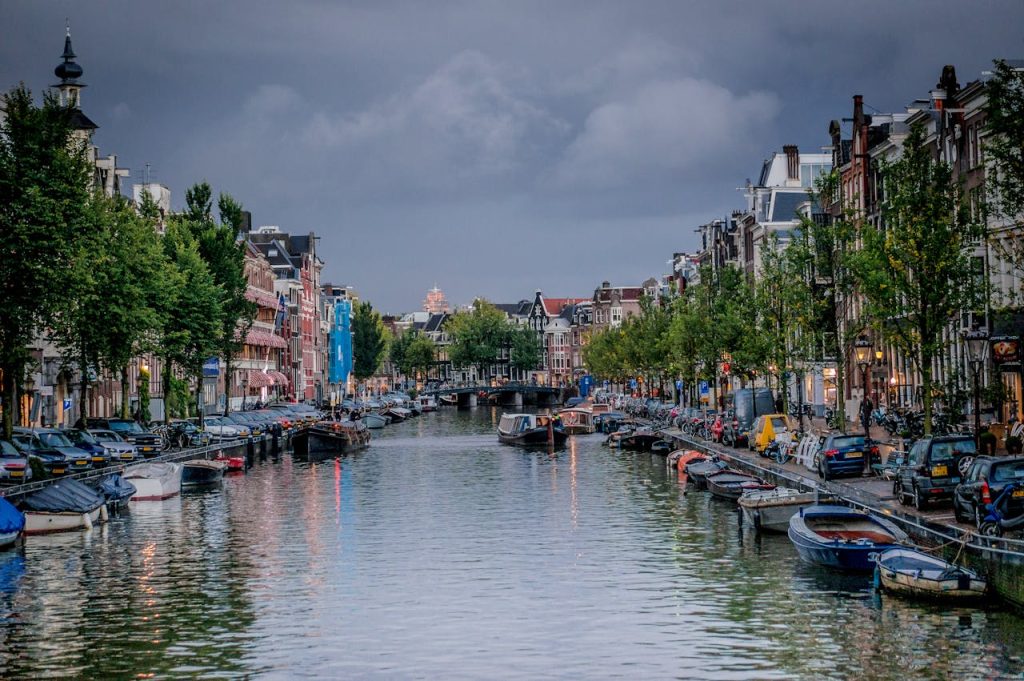
Amsterdam is actively dismantling its reputation as an “anything goes” party destination through a policy framework called “Tourism in Balance.” City planners and local government officials have enacted a moratorium on new hotel construction and are aggressively reducing the number of river cruises allowed to dock. The goal, according to urban sociologists, is to reclaim the 17th-century canal ring for residents and preserve the historic character that initially attracted visitors.
The drivers are housing shortages and quality of life. Economic researchers report that the explosion of short-term rentals and budget tourism displaced locals and hollowed out the city center. By capping the number of tourist overnight stays and launching “stay away” campaigns targeting nuisance visitors, the city is forcing a shift toward high-value, respectful tourism.
The tradeoff is significantly higher costs and lower availability. Finding a budget-friendly hotel in the city center is becoming mathematically impossible as supply is artificially constrained. The spontaneity of a weekend trip is replaced by the need to book months in advance at premium rates, pushing impulsive travelers to the suburbs or other cities entirely.
Barcelona, Spain
The Gothic Quarter of Barcelona is a maze of medieval history, but it is now a regulated zone for tour groups. To combat noise pollution and congestion in these acoustically amplified stone corridors, the city has capped organized tour groups at 20 people and banned the use of megaphones in favor of whisper-audio systems. Neighborhood associations and city councilors pushed for these rules to allow residents to exist in their own homes without a constant barrage of guided commentary echoing through their windows.
The drivers are social sustainability and noise control. Conflict researchers in tourism studies point out that Barcelona was one of the first cities where “tourismphobia” became a recognized political force. The regulations are a direct response to resident demands for quiet and space. Specific historic squares now have restrictions on when and how many groups can enter, effectively rationing the history.
For the traveler, this means the end of the large, social walking tour that was a staple of backpacker culture. Visits are now quieter, more formal, and often more expensive, as smaller group sizes drive up the per-person price of guided history.
Dubrovnik, Croatia
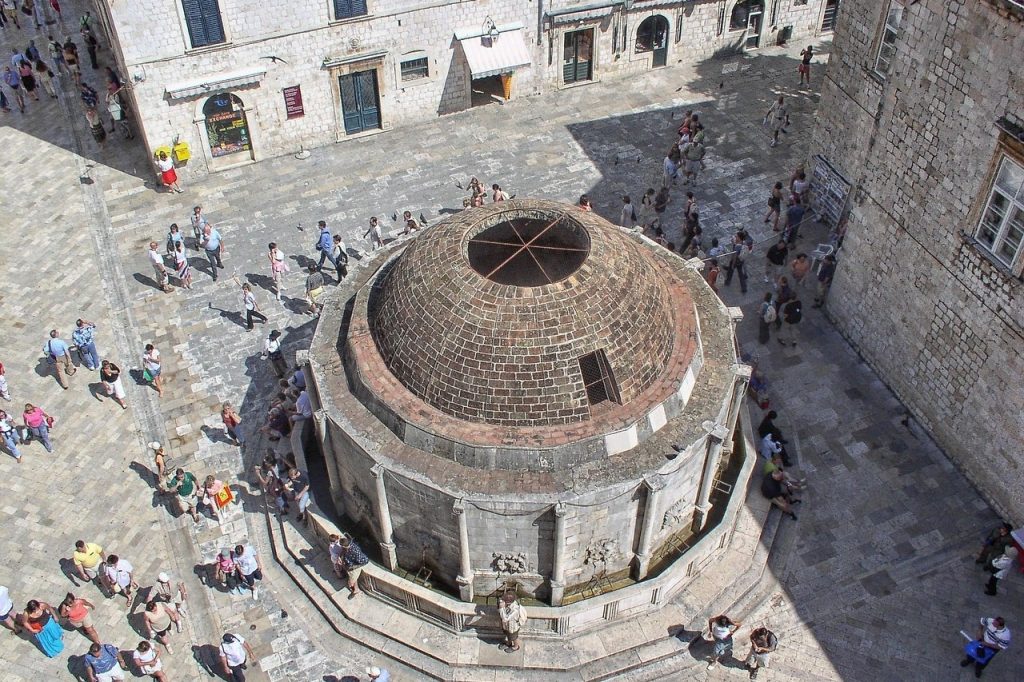
Dubrovnik’s “Respect the City” initiative has targeted a specific, unusual enemy of preservation; the sound of luggage wheels on limestone. To reduce the noise pollution that reverberates through the walled Old Town, and to protect the medieval pavers from wear, the city has issued guidance urging visitors to carry their suitcases rather than roll them. While often reported as a ban, it functions as a strong behavioral policy backed by the threat of potential fines and future logistical restrictions, such as mandatory luggage drops outside the city walls.
The drivers are acoustic preservation and infrastructure protection. Conservationists note that the constant grinding of plastic wheels on stone acts like sandpaper over time, while the noise disturbs the dwindling local population trying to sleep in the historic core. This is coupled with strict scheduling for cruise ship arrivals to prevent the midday crush that previously made the city unnavigable.
The tradeoff is physical exertion and logistical hassle. If staying within the walls, visitors must be prepared to physically haul bags up steep, stepped streets. The carefree arrival is replaced by a physical workout or the extra cost of a porter service.
Machu Picchu, Peru
The Inca Citadel is perhaps the most strictly regulated heritage site on the planet. To prevent the physical erosion of the ruins, the Ministry of Culture has implemented a rigid circuit system. Visitors must choose a specific path (Circuit 1, 2, or 3) at the time of booking and cannot deviate from it. Wandering freely or backtracking to see a view a second time is no longer possible; once the path moves forward, the visitor is committed.
The drivers are structural integrity and erosion control. Geologists and archaeologists warn that the earth beneath the site is unstable and cannot support the unrestricted movement of millions. The strict time limits, often capping visits at a few hours, ensure that the maximum daily capacity is not exceeded at any single moment.
The tradeoff is a fragmented experience. Seeing the “whole” site in one go is impossible; visitors see the slice the ticket allows. The dream of sitting for hours on a terrace to watch the clouds clear over the peaks is incompatible with the new flow management, making the visit feel more like a conveyor belt than an exploration.
Source
https://japanandmore.com/gion-tourist-ban
https://cda.veneziaunica.it/en/access-fee
https://www.theacropolismuseum.gr/en/plan-your-visit