8 Countries Where Tipping Is Considered Rude (And Americans Still Do It)

Good intentions can land strangely when money carries different meaning across borders. In many countries, strong service is treated as part of the job, supported by wages and pricing that assume no extra cash at the end. Visitors who tip often mean well, trying to show gratitude in the language they know. The friction comes from mismatched expectations: a gesture meant to be kind can feel unnecessary, or simply confusing. A little cultural awareness keeps appreciation warm and effortless.
Japan

Japan treats great service as professional pride, so extra cash can feel like a mismatch with the expected rhythm, especially in small eateries where roles are precise and etiquette is quiet. In many restaurants and shops, staff will refuse a tip or even return it, because the payment is meant to end cleanly and stay fair, with no sense that one guest can buy warmer treatment than another. Americans still leave bills after an excellent meal, but it can create confusion and extra steps for busy teams; a sincere thank-you, patience at the register, and following house procedures communicates respect more clearly than money on the table.
South Korea

In South Korea, tipping is not built into everyday service, from cafés and taxis to salons and casual dining, where the price already represents the full exchange. Extra money may be declined because it suggests pay should swing with customer mood instead of staying predictable and even, and some workers worry it turns a normal interaction into something transactional and uneven. Americans still add cash out of habit, then see it handed back; paying the posted price, rounding only when customary, and offering a warm thanks fits local comfort while keeping the moment smooth for everyone involved.
China

In much of China, tipping is not part of ordinary restaurant or taxi culture, and extra cash may be refused as unnecessary, particularly outside high-end hotels and tourist-focused tours. It can read as a visitor habit rather than a local norm, so staff sometimes insist on returning it to keep the interaction proper and straightforward, avoiding any suggestion that service depends on a bonus. Americans still tip in hotels or guided services where expectations can differ, then generalize it; checking for service charges, watching what locals do, and using small, appropriate gestures prevents awkwardness while still showing appreciation.
Singapore

Singapore often includes service in the bill, and many restaurants add a 10% service charge, so tipping is generally not expected, even when the service feels polished and attentive. The culture favors fast, accurate transactions, which means extra money can feel out of place at the counter, or like an added complication when staff are focused on closing the receipt cleanly and moving the line along. Americans still reach for tip math after a great meal, but paying what is charged, rounding only small amounts when appropriate, and saying thanks keeps the moment tidy, respectful, and aligned with local norms in hawker centers and dining.
Iceland

In Iceland, wages and pricing are set with the assumption that staff are not relying on tips, so menu prices already carry the cost of service, which helps keep expectations steady across the room. Adding a large percentage can feel unnecessary, even when the intention is generous, because the bill is designed to be the final word, not the start of a second negotiation about value after the plates are cleared. Americans still default to 20%, but locals typically pay the total and maybe round up for truly standout help, especially on long tours, keeping gratitude simple rather than turning dinner into a calculation.
Denmark
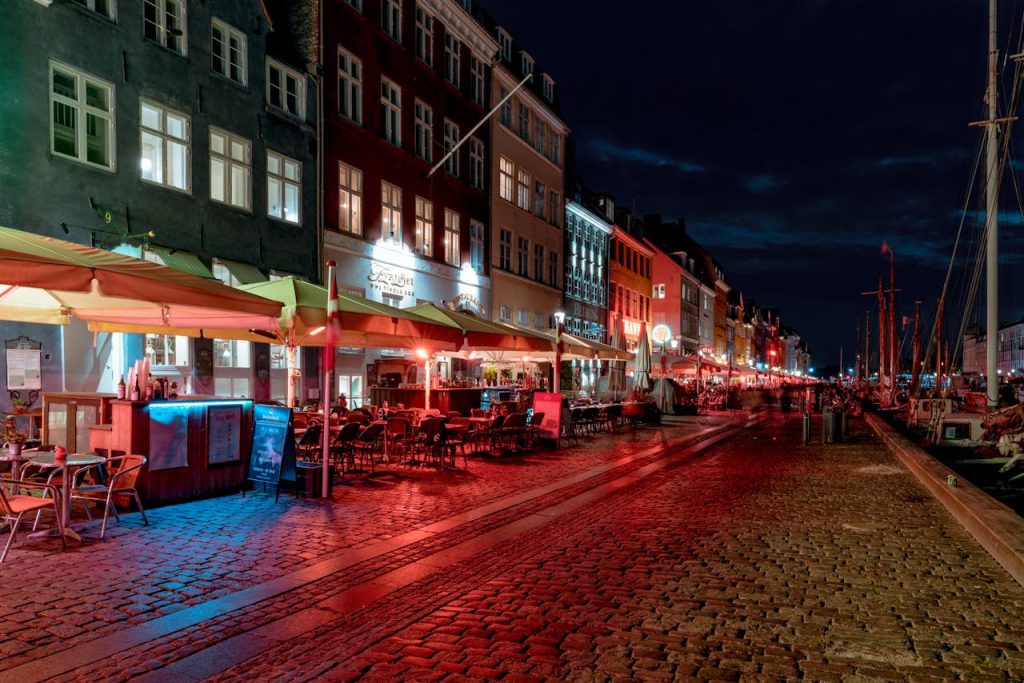
Denmark expects employers to pay staff fairly without customers topping up wages at the table, so tipping is not a standard practice, and the bill is meant to stand on its own. Service is included, and many locals never tip at all, which can surprise Americans who link no tip with dissatisfaction, even when the meal was excellent and the server was attentive from start to finish. Americans still add a big percentage, but a modest round-up at most is the local style; calm courtesy, clear communication, and not rushing staff often read as the stronger compliment in a culture that values understatement.
Finland
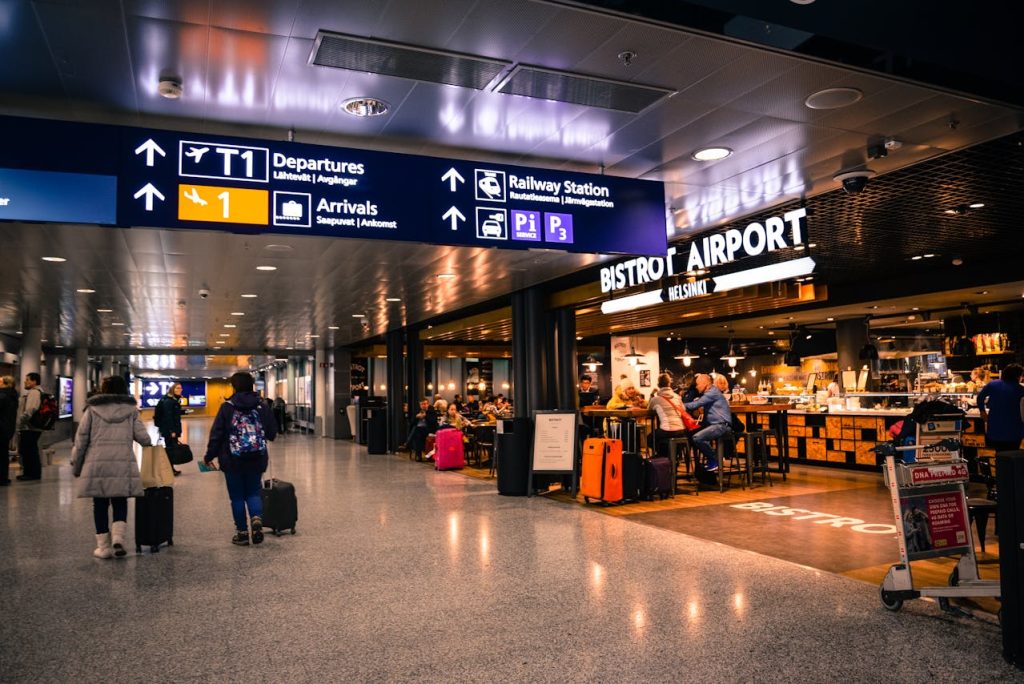
Finland’s service culture is understated, with prices structured so extra money is not expected after meals, taxis, or haircuts, and good service is treated as the baseline, not a performance. A large tip can land oddly because the social style values straightforward pay, privacy, and equality, and many people prefer not to turn a simple thank-you into a public moment about money in a quiet dining room. Americans still tip by reflex, but locals tend to round up small amounts, if anything, and show appreciation through simple thanks, respectful timing, and letting the interaction end cleanly without lingering over change.
Switzerland

In Switzerland, service is typically included, and listed prices are designed to cover labor, so tipping is treated as optional, not a social obligation attached to every meal. Locals might round up a few francs for friendly service, but a large added percentage can feel excessive because it implies the price was incomplete, rather than a fair total agreed upfront and clearly printed. Americans still tip heavily, yet the local norm is practical: pay the bill, round modestly only when moved, and keep gratitude plain and unforced, especially in cafés and everyday restaurants where efficiency is part of the charm.