8 Destinations Where Locals Are Just Paying the Price for Your Trip
Tourism can bring pride and paychecks, yet it can also tilt a housing market in a hurry. When homes earn more as short stays than as long leases, rents rise, listings vanish, and the people who keep a place running start living farther away. That shift changes more than price tags. It changes school enrollments, shop windows, and the small familiarity of seeing the same faces each week. These destinations remain beautiful and culturally rich, but they are also wrestling with how to welcome visitors without turning everyday life into a luxury.
Lisbon, Portugal
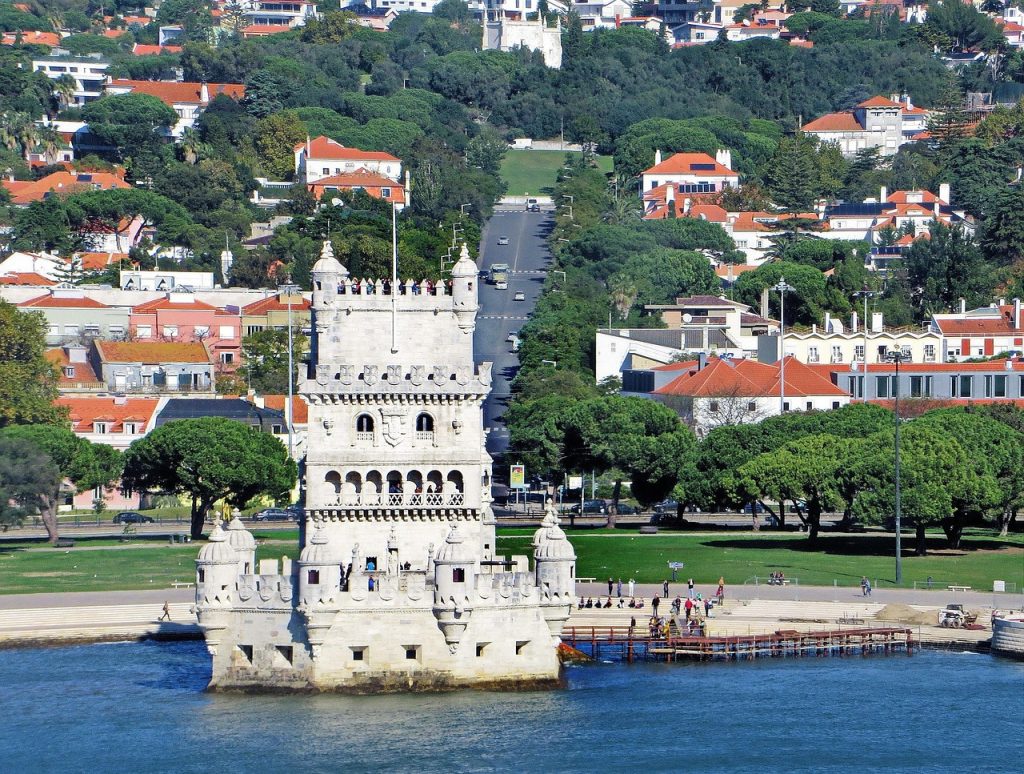
Lisbon’s river light still sells the dream, but housing has become the real storyline. In Alfama, Mouraria, and parts of Baixa, apartments that once held long leases can earn more as short stays, and that changes who can live near work. Cafés and corner shops adapt to a rotating crowd, while longtime residents look farther out for predictable rents. Rules and enforcement help at the edges, yet the core issue is simple: local paychecks are competing with global holiday budgets. On a Tuesday morning, the city runs on cleaners, cooks, and tram drivers, many commuting in from farther and farther away.
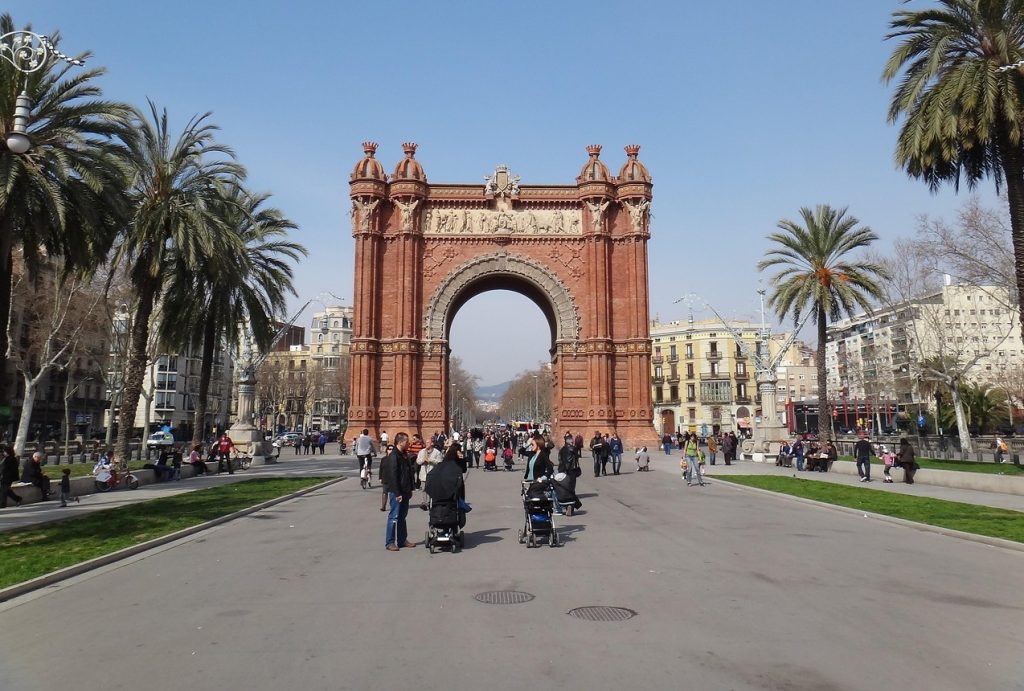
Barcelona, Spain
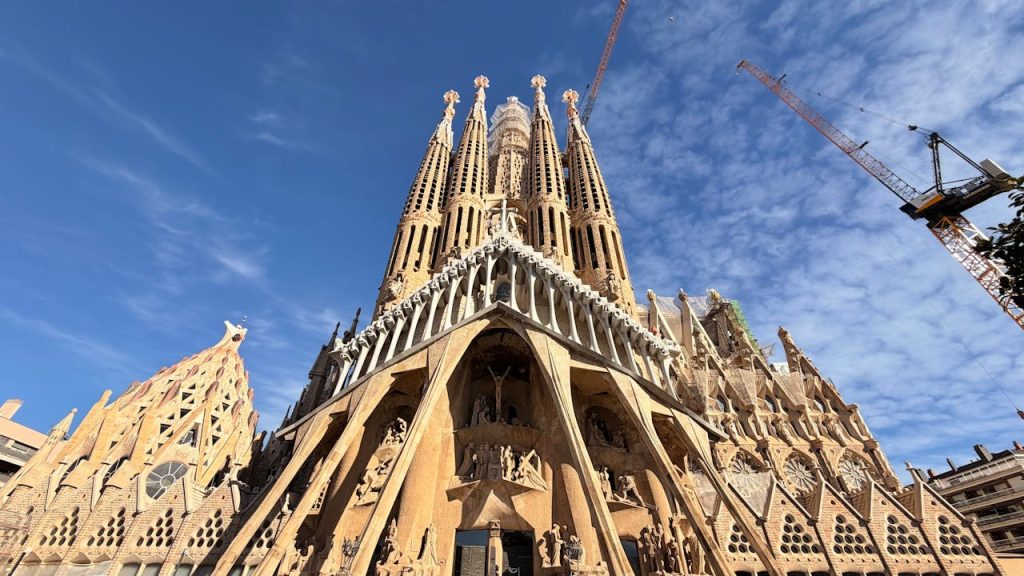
Barcelona’s busiest quarters can feel like a conveyor belt: keys exchanged, suitcases rolling, and familiar faces replaced by stays. In the Gothic Quarter, El Born, and slices of Eixample, homes convert to visitor lodging because the math works, even when neighborhoods lose continuity. The city has tightened rules and set an end date for licensed tourist apartments to push units back toward long-term use. Locals notice it in practical ways: fewer everyday services, more visitor-only storefronts, and rents that outpace regular salaries. Small rituals, like recognizing the neighbor at the stairwell, fade when doors turn over so often.
Venice, Italy
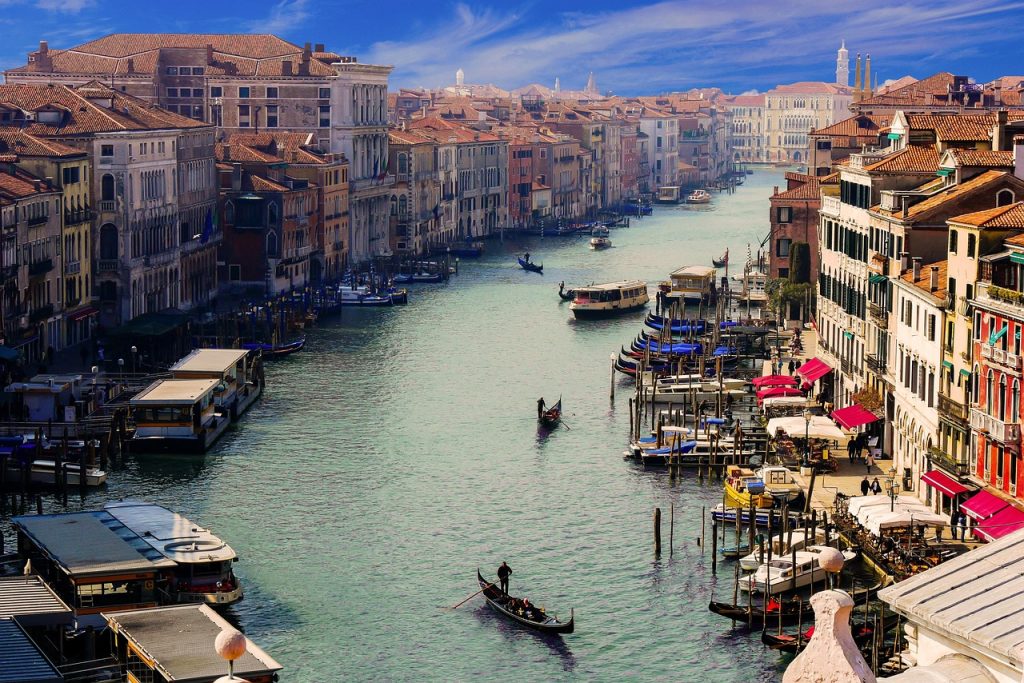
Venice is not only a masterpiece; it is also a small city trying to keep ordinary life intact. As more properties shift to second homes and short stays, the historic center loses residents, and basics get harder to find at reasonable prices. A smaller year-round population can mean fewer schools, fewer grocers, and more jobs tied to peak seasons, which rarely support city-level rents. The canals stay timeless, but the housing market moves fast, and many locals end up living on the mainland and commuting in. That commute is not just distance; it is a daily reminder that the city’s address is becoming a luxury item.
Dubrovnik, Croatia
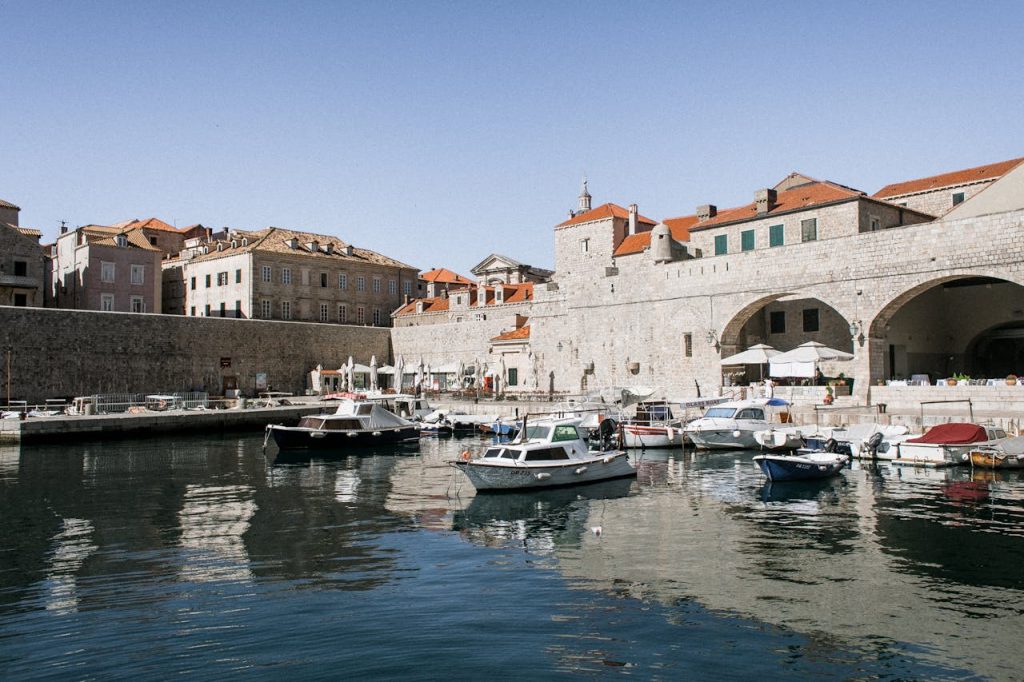
Dubrovnik’s walls protect history, but they cannot protect affordability on their own. Inside the Old Town, homes that once held families increasingly operate as short-term rentals, and the effect is a quiet thinning of year-round community. City leaders have experimented with limits on new rentals in large buildings and even purchased apartments to lease to young families, trying to keep lights on beyond summer. The pattern is familiar: visitor demand raises property values, and owners follow the incentive. The result is a place that can feel busy all day, yet strangely empty at night, when a neighborhood should sound like home.
Reykjavik, Iceland
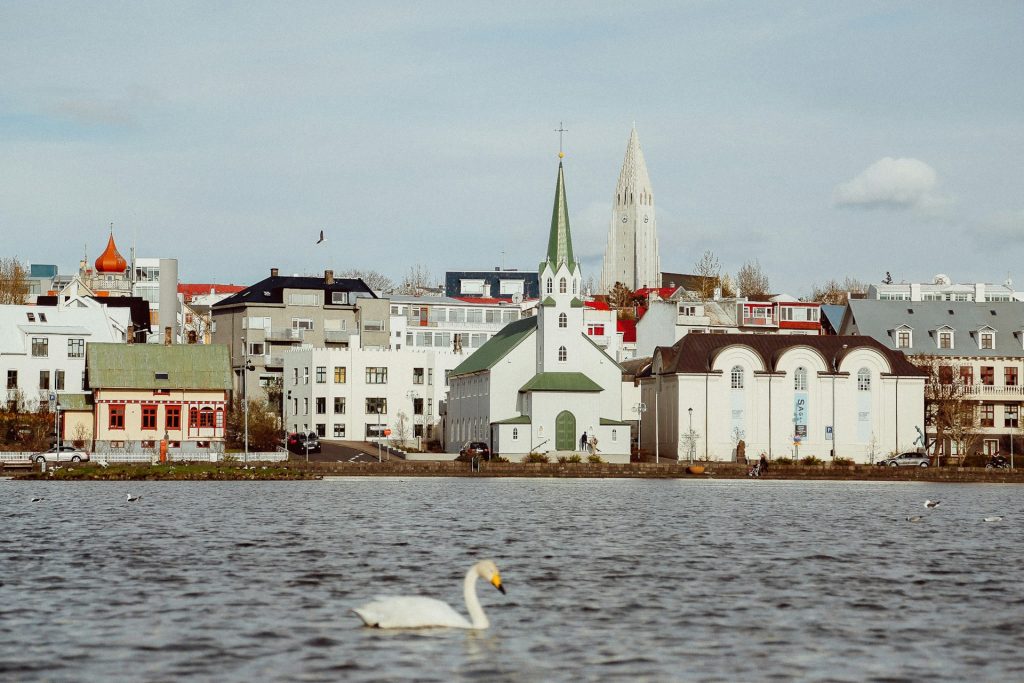
Reykjavik grew into a global stop quickly, and housing supply did not keep pace. As more homes became short-term stays, renters faced tighter listings and higher costs, especially near the most walkable streets. Iceland has moved toward stricter rules to keep residential housing available for residents, but the tension remains: hospitality relies on workers who need stable homes. When housing turns into a flexible investment, stability becomes scarce, and even mid-career locals find themselves priced out of central neighborhoods. The city still feels friendly, yet the rental hunt can feel like a second job with uncertain results.
Mexico City, Mexico
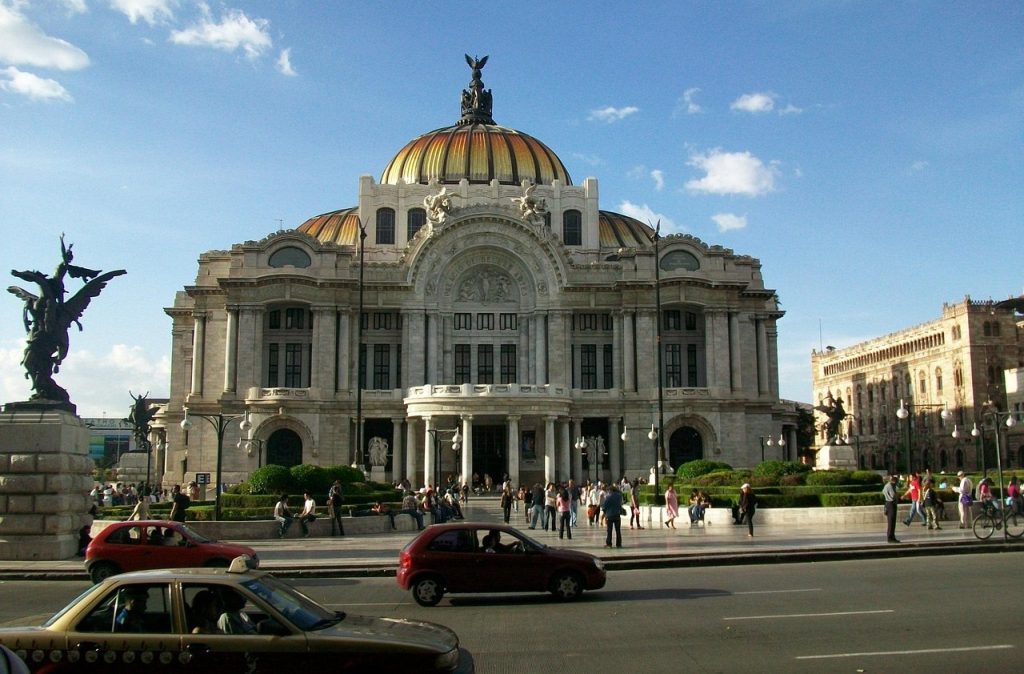
Mexico City’s housing shifts are visible in small details: a building renovated for furnished stays, a lease that resets higher, a neighborhood that changes its pace. In Roma and Condesa, the mix of short-term rentals and demand from higher-earning newcomers has pushed prices up faster than many local incomes. That does not define the whole city, but it can reshape a few blocks in a single year. Officials and residents debate regulation, fairness, and what kind of growth is worth the trade. The cultural energy remains, yet the cost of staying near it can rise faster than the opportunities that created it.
Canggu, Bali, Indonesia
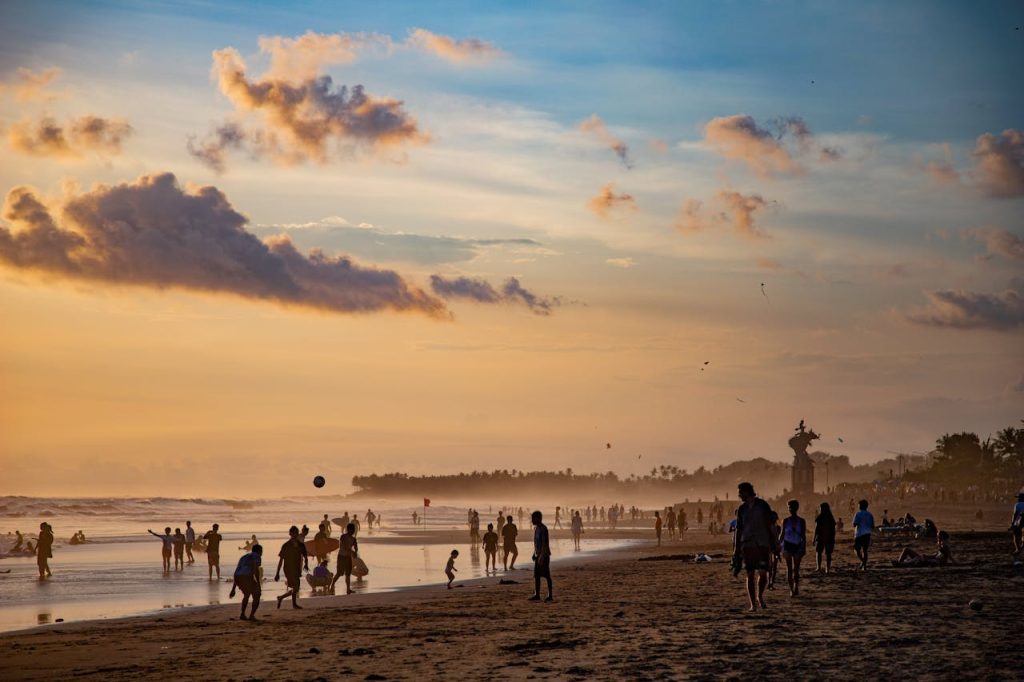
Canggu’s rise has been fast enough to feel like a rewrite. Villas, cafés, and co-working spaces spread into former rice-field edges, and land values climb in ways that everyday salaries cannot match. Officials have discussed limits on new hotel and villa development in heavily built-up parts of Bali, acknowledging strain on roads, water, and housing. For local families, the pressure shows up as harder choices about where to live and what to do with inherited land. Tourism brings income, yet it also pulls the area toward a visitor calendar, where quiet months matter less than peak weeks.
Maui, Hawaii

Maui’s scenery draws visitors year-round, and that steady demand has turned housing into a high-stakes shortage. In areas with many vacation rentals, long-term units can be scarce, pushing rents upward and making it harder for teachers, caregivers, and service workers to live near their jobs. County leaders have moved to phase out thousands of short-term rentals in certain districts, arguing that homes should serve residents first. The debate is intense because tourism funds many livelihoods, even as it tightens the housing market. What locals want is not less beauty or less welcome, but a fair chance to build a stable life on the island.