8 Destinations Where Seasonal Travel Feels Unbalanced
Seasonal travel does not spread itself evenly. Some destinations swell for a few intense weeks, then quiet down so quickly that hours shorten and services thin out. That imbalance changes the feel of a trip: peak season can be expensive and crowded, while off-season can feel under-served even when the scenery is still excellent. These places are not off-limits. They simply reward timing, nearby neighborhoods, and plans built around how the destination actually moves through the year instead of how it looks in a single photo.
Santorini, Greece
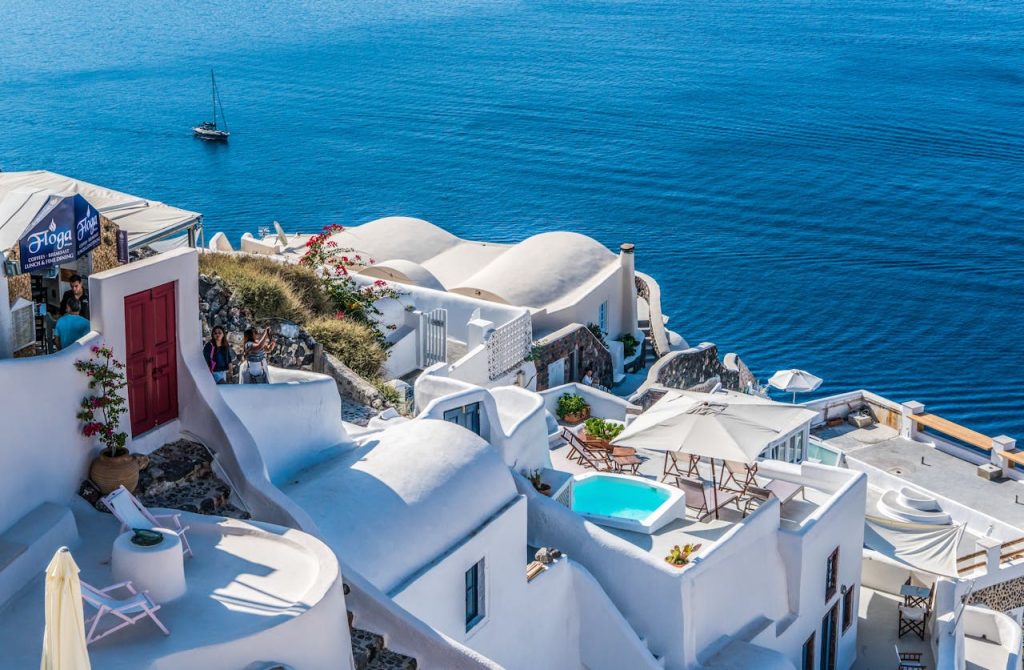
Santorini still delivers its caldera drama, but the season feels lopsided. July and August bring full ferries, jammed lanes in Oia and Fira, and dinner reservations that shape the day as much as the view does, with prices rising on everything from rooms to transfers. Winter flips hard in the other direction, with many businesses closed and fewer transport options, which makes sunsets peaceful but choices limited. The island lands best in May or late September, when beaches still work, hikes are comfortable, and villages like Pyrgos or Megalochori offer open terraces, quieter lanes, and long meals that feel relaxed, not scheduled around a crowd.
Venice, Italy
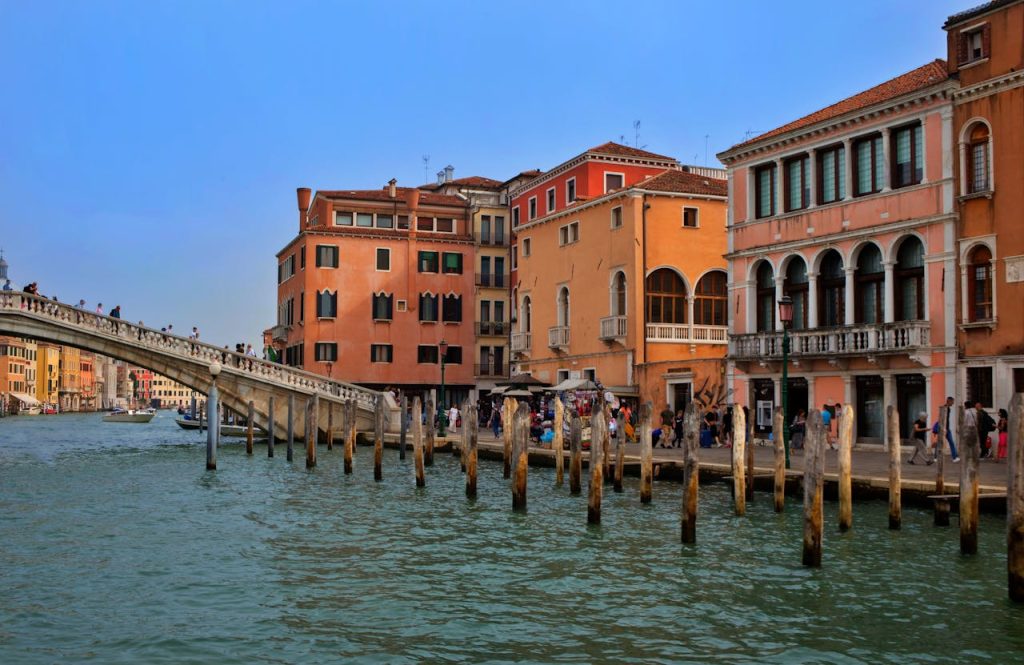
Venice carries a calendar that concentrates demand into a few headline weeks, so summer crowds often spill into September and the lanes near San Marco can feel like a slow-moving line. Rates reflect scarcity more than comfort, and even simple errands, vaporetto rides, a quick coffee, take patience at the same pinch points. Winter swings the other way: the city can feel quieter, with shorter hours and fewer open tables, which is lovely for mood but not always convenient. The most balanced Venice often arrives in November or early spring, when lagoon light is soft, museums are calm, and evenings in Cannaregio or Castello feel normal again, with cicchetti stops that do not require strategy.
Banff And Lake Louise, Canada

Banff and Lake Louise swing between extremes. Summer and early fall bring full parking lots, crowded shuttles, and trailheads that fill before breakfast, while winter weekends can be booked solid with skiers and holiday escapes. Between peaks, services may scale back, and travelers can arrive expecting daily tour departures that are not running anymore. The trip feels more balanced on weekdays in late September and early October, when larch hikes and lakeside walks still shine and wildlife watching can be calmer. Town dinners become easier, and the day can be built around light, weather, and appetite instead of reservation pressure and parking stress.
Bali, Indonesia
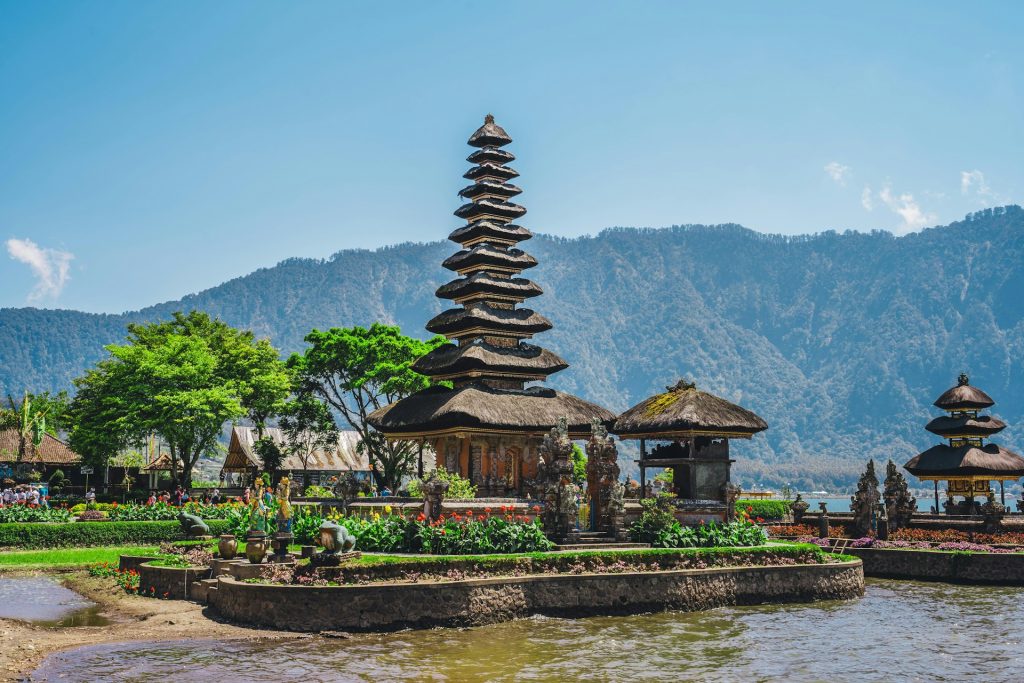
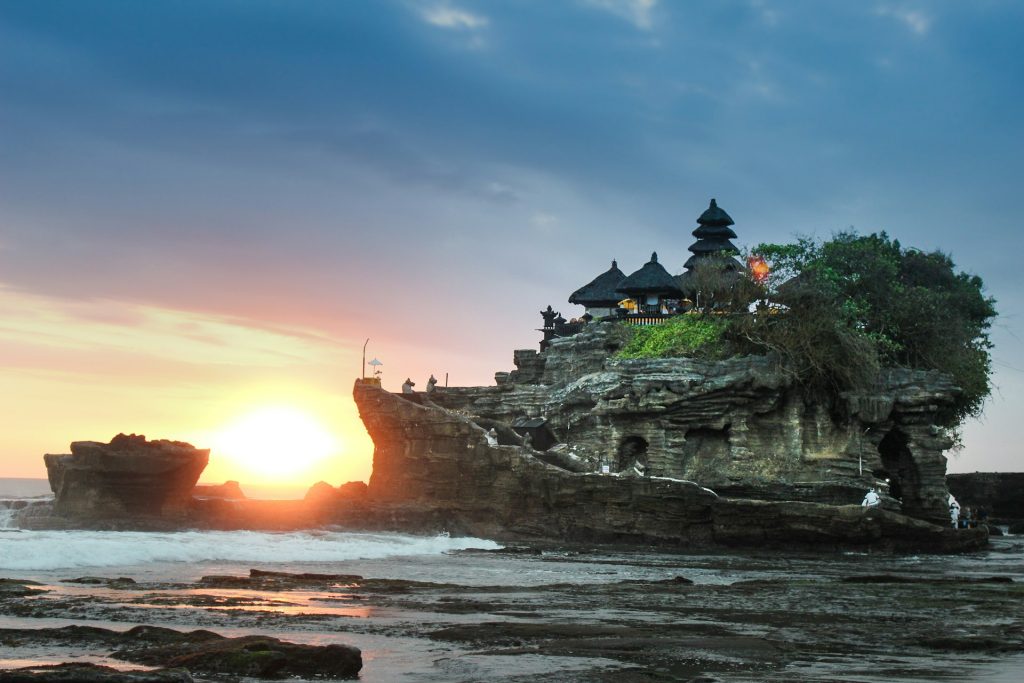
Bali’s year can feel like two different islands. Dry season, especially July and August, brings packed beach roads, busy cafés, and villa prices that climb fast in Canggu, Seminyak, and Ubud. Rainy season then arrives and some businesses quiet down, even though the island stays lush and many days still hold clear windows between showers. Shoulder months often feel best, but only when travel spreads out beyond the headline districts. A more balanced Bali usually comes in May, June, or September, with time in Sidemen, Amed, or North Bali, where guides have space, traffic eases, and the island’s calm side shows up without needing perfect weather every hour.
Aspen, Colorado, USA

Aspen’s demand curve is steep. Winter holiday weeks and prime powder weekends can turn the town into a high-priced grid of sold-out rooms, busy lifts, and dinner bookings that decide the day before it starts. After that, shoulder season can feel unusually quiet, with fewer flights, shorter restaurant hours, and a sense that the town is resetting rather than hosting. The most balanced Aspen often arrives in late September and early October, when golden leaves light the valleys, trails stay open, and patios still work at midday. With fewer pressures, a simple day can hold a hike, a gallery stop, and a slow coffee without the constant sense of competing for space.
Kyoto, Japan
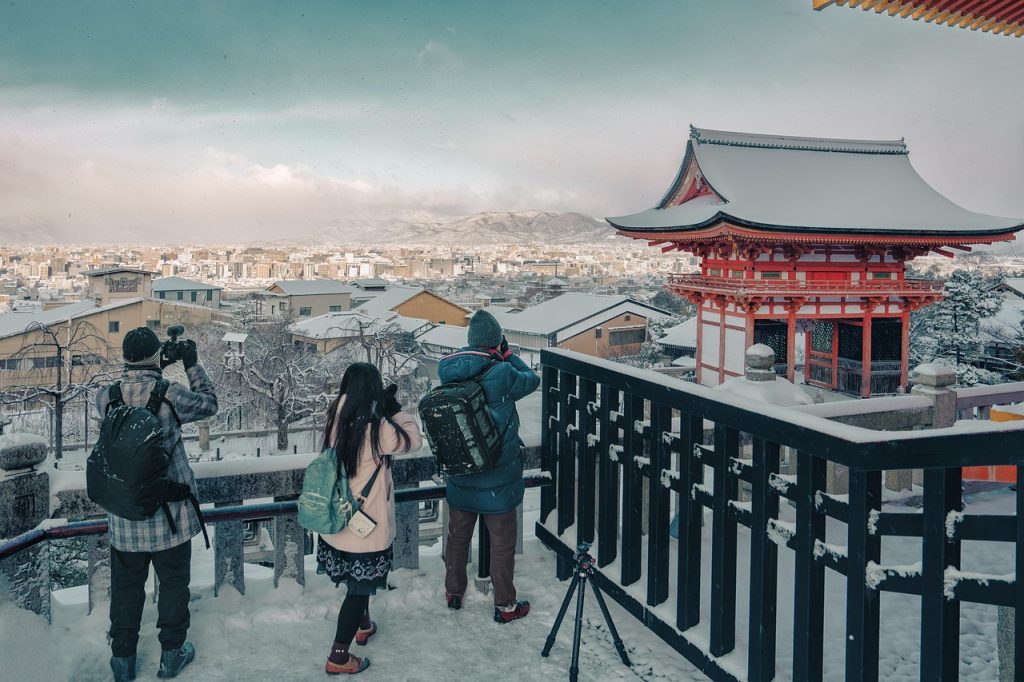
Kyoto’s travel seasons are intensely concentrated around cherry blossoms and fall color, which can make spring and November feel like crowded corridors from Kiyomizu-dera to Arashiyama. The city is still beautiful, but time gets spent in lines and on packed buses, and the experience can feel more managed than meditative. Between peaks, Kyoto can be calmer, yet some visitors arrive expecting the same special illuminations and extended hours that only run at select times. Kyoto often feels most balanced in early December or February, when temples are quiet enough to hear footsteps on gravel, cafés have open seats, and the city’s charm comes from tea breaks and neighborhood walks, not chasing one famous frame.
Cape Cod, Massachusetts, USA
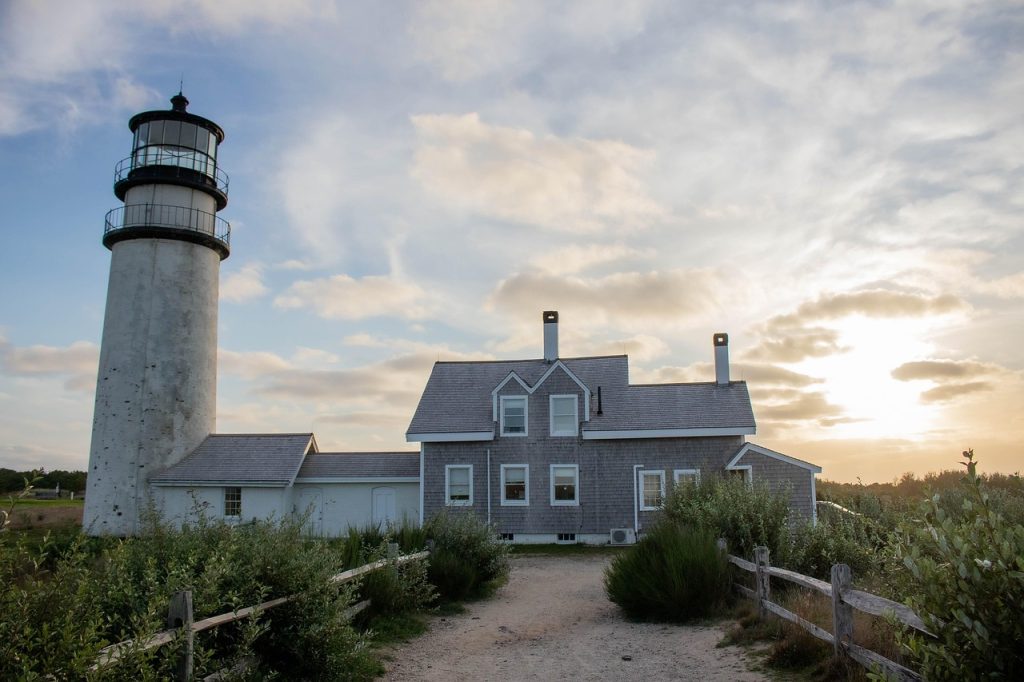
Cape Cod can feel like two separate economies. Summer brings beach traffic, full rentals, and restaurant waits that make short drives feel longer than the map suggests. Once school starts, the Cape thins out quickly, and by late fall and winter many places reduce hours or close, which can surprise travelers expecting the same spread of seafood shacks, galleries, and ferry options. The Cape feels most balanced in September, when the ocean still holds warmth and the towns regain a local rhythm. Places like Wellfleet and Chatham become easier to enjoy with bike paths, dune walks, and calm harbors, and dinner feels like a choice, not a competition.
Queenstown, New Zealand
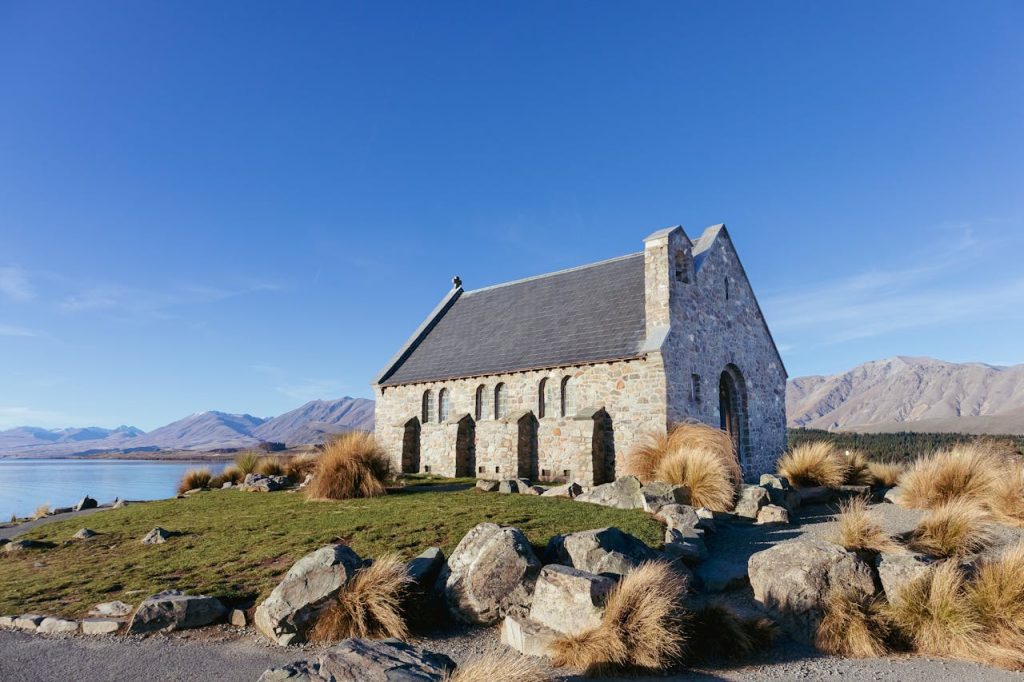
Queenstown’s calendar is built around peaks. Summer brings adventure crowds, full lakefront hotels, and busy restaurants, while winter ski weeks pack roads and book out slopes and shuttles. Between those highs, tours often reduce departures and the town can feel quieter than expected for a place known for constant motion, even though the scenery never changes. A more balanced window often lands in late March or May, when trails are comfortable, lake walks feel calm, and wineries and cafés have time. The Remarkables still look dramatic, but the experience shifts from rush to rhythm, and the day can unfold without fighting a calendar.