8 Famous European Streets Where Visitor Movement Is Now Restricted
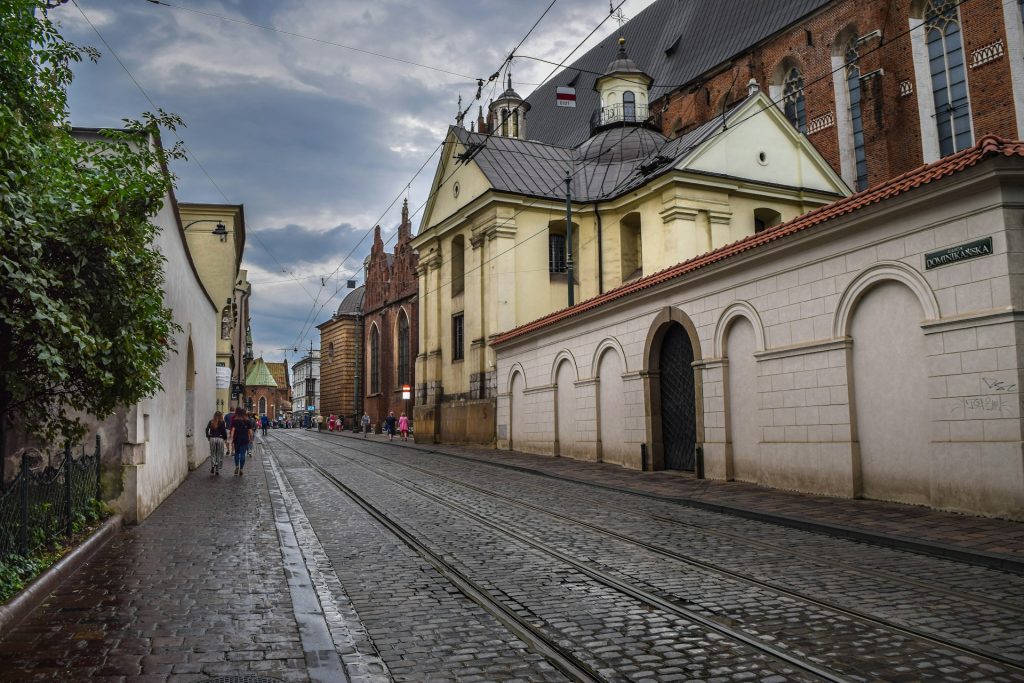
Europe’s iconic streets were built for neighbors, carts, and quick errands, not for endless tour surges and tripod pauses.
When a lane becomes a photo bottleneck, a small stop turns into a full jam, and the everyday shortcuts that locals rely on quietly disappear.
Cities have answered with narrow rules that shape movement: tour-group caps, headset-only guiding, one-way corridors for guided groups, and timed vehicle access near historic cores. The streets remain public, but the flow is managed so doorways, crossings, and emergency access keep working, even in peak season. It changes how a visit feels, but it can also restore calm.
Carrer del Bisbe
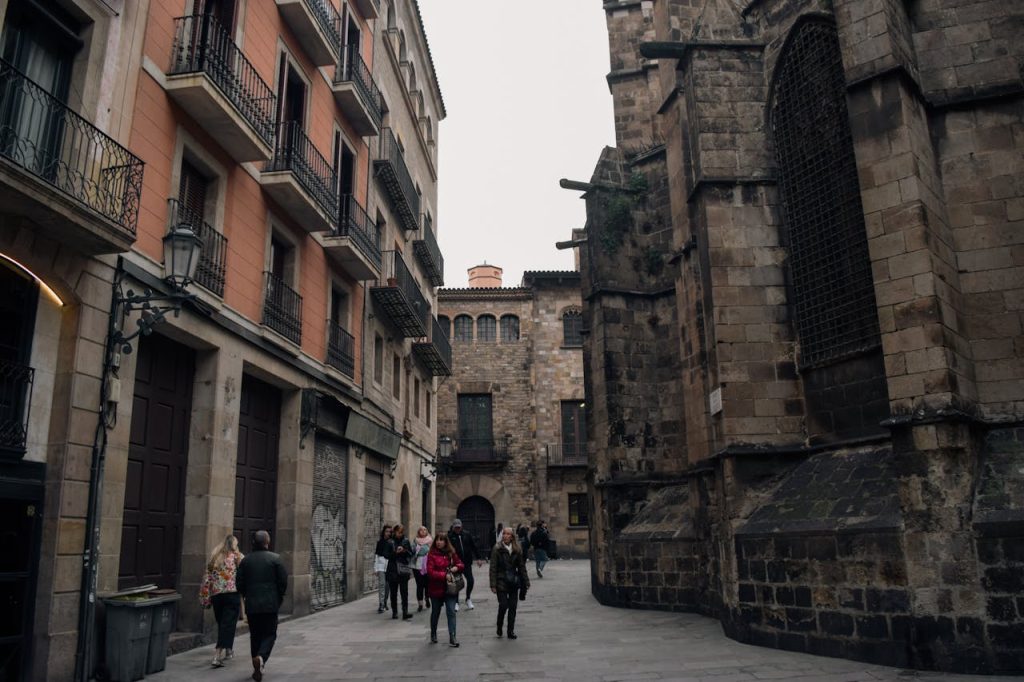
Barcelona’s Carrer del Bisbe is so narrow that one guided stop can seal it shut, especially when the cathedral area is humming.
A 2022 mayoral decree for Ciutat Vella restricts guided tourist groups to 15 people plus the guide and sets one-way traffic for those groups on Carrer del Bisbe from mountain toward the sea.
In practice, tours move like a stream instead of a cluster. Guides keep rows tight, shift explanations to wider corners, and rely on quieter audio systems, which leaves space for residents, deliveries, and people simply crossing the quarter without getting stuck. The lane stays busy, but it keeps moving.
C/ de Salomó ben Adret
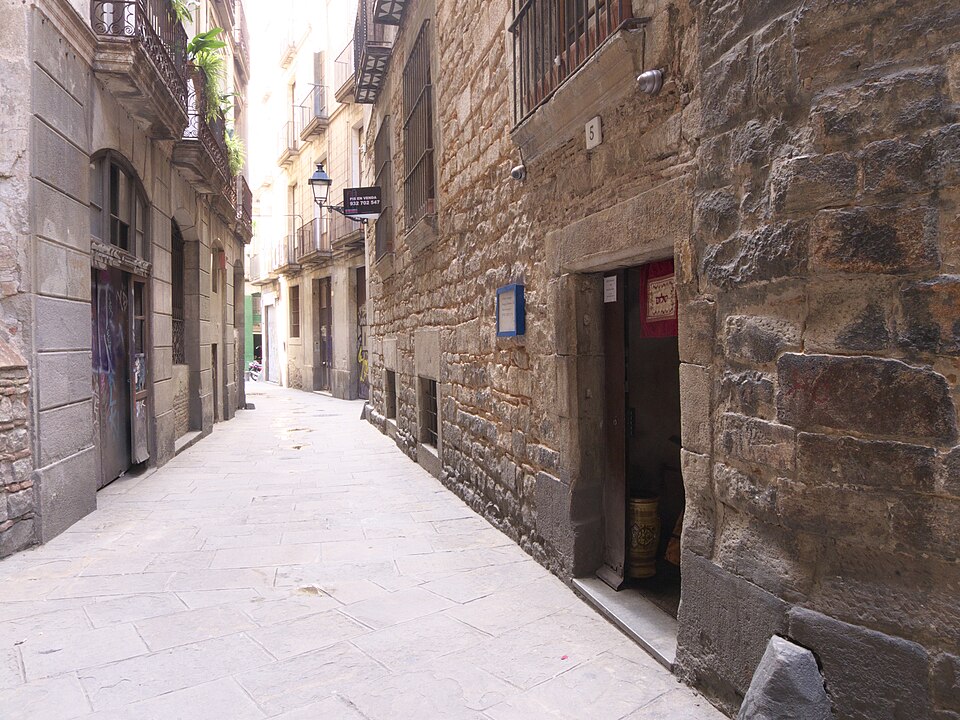
C/ de Salomó ben Adret runs through the Call, where corners pinch, voices echo, and two groups meeting head-on can freeze the lane for everyone behind them.
The Ciutat Vella decree lists this street for one-way movement by guided groups, set from mountain toward the sea, alongside a strict cap of 15 people plus the guide.
That setup favors continuous walking over stand-and-explain moments. Guides keep the line narrow, avoid circles at bends, and let residents slip past. The result is quieter flow, fewer awkward squeezes at doorways, and less of that stalled feeling that turns a historic lane into a queue.
C/ Sant Honorat
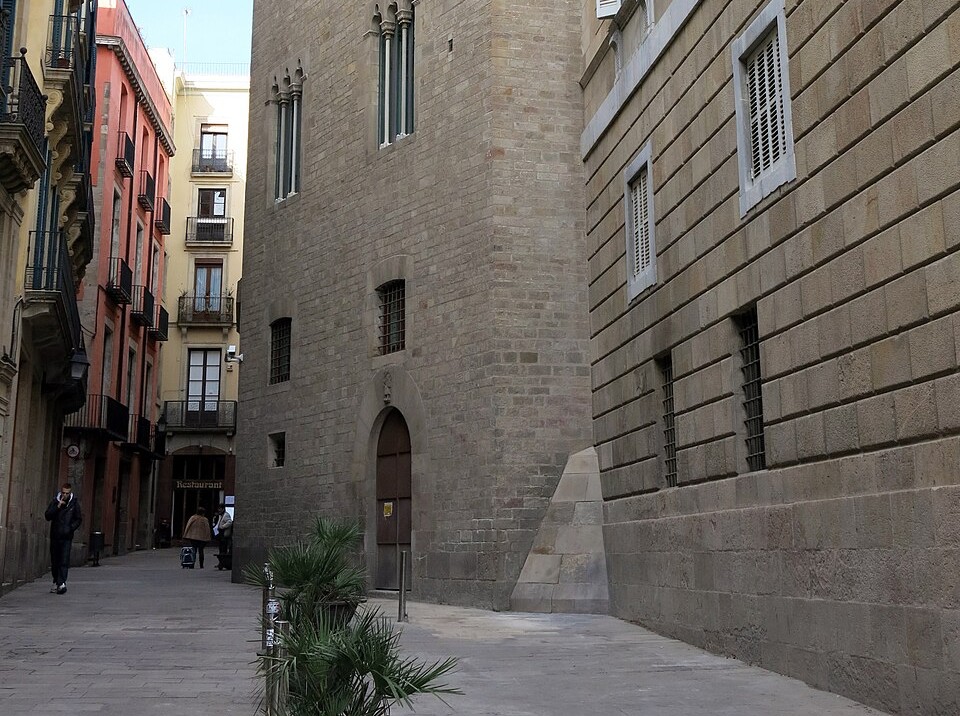
C/ Sant Honorat links busy shopping blocks to civic squares, yet the street is barely wider than two people with a bag.
In the 2022 Ciutat Vella decree, guided tourist groups are capped at 15 plus the guide, and the street is set as one-way for those groups from sea toward the mountains.
That pushes tours to treat the lane as transit, not a stage. Stops shift to wider nodes, the group keeps tight formation, and thresholds stay clear for deliveries and neighbors. The payoff is practical: fewer dead stops, fewer forced sidesteps into the roadway, and a street that works again at midday. Even peak Saturdays feel less tense.
Le Mercerie
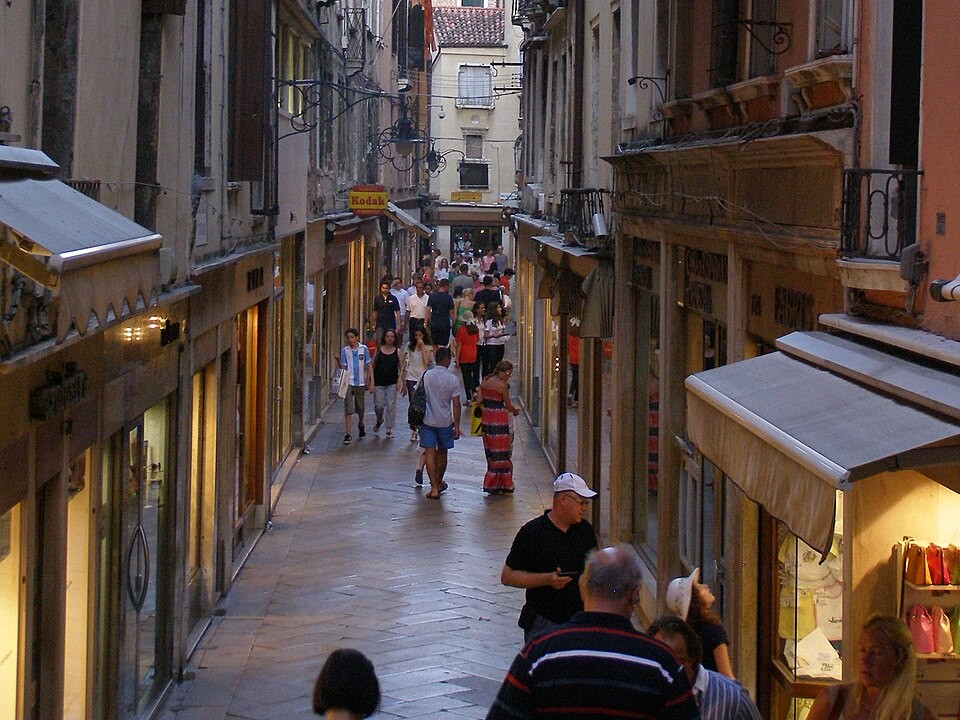
Venice’s Le Mercerie is a famous shopping corridor between Rialto and San Marco, and it bottlenecks even on ordinary mornings.
From Aug. 1, 2024, Venice limited guided tour groups to 25 people and banned guides from using loudspeakers, part of a broader push to reduce crowd pressure.
On lanes this tight, sound creates stopping, and stopping creates gridlock. Smaller groups occupy less pavement, quieter guiding keeps people from clustering mid-lane, and bridges stay passable. The street still feels lively, but the flow turns steadier, which matters most when cruise-day peaks hit. Locals regain small gaps to pass.
Oudezijds Achterburgwal
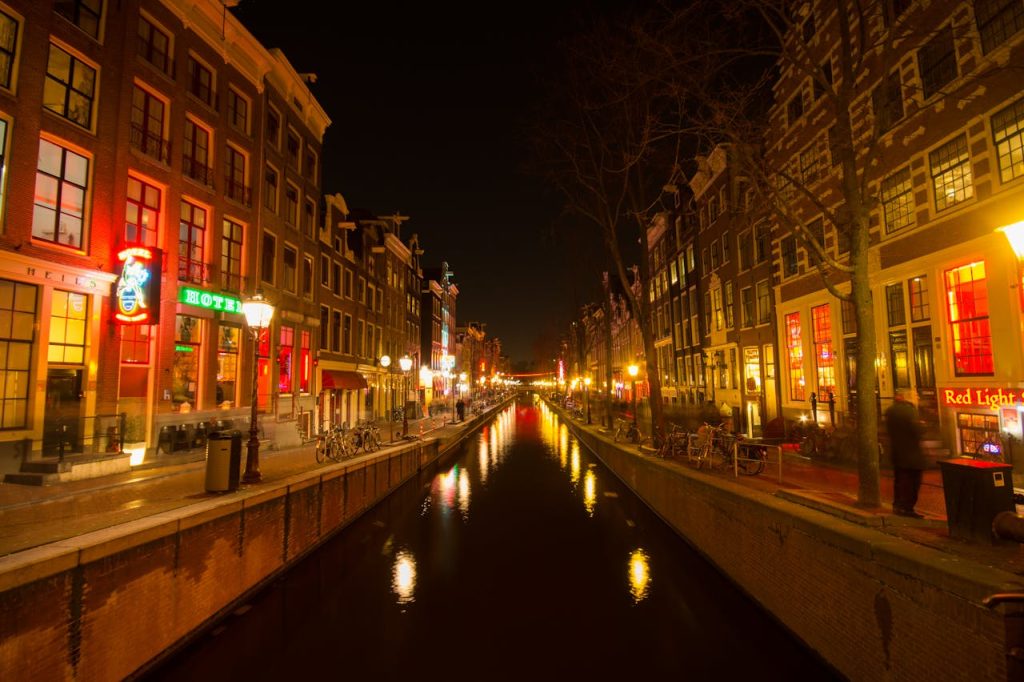
Oudezijds Achterburgwal runs along a tight canal in Amsterdam’s city center, where sidewalks leave little room for lingering. In the evening, it crowds fast.
City rules for guided tours cap groups at 15 participants and require an exemption for groups larger than four. The rules also bar guided tours from walking along sex workers’ windows.
That reshapes movement more than access. Tours route around pinch points, skip window stretches, and keep commentary rolling while walking. The canal stays busy, but less stop-and-go reduces friction for residents and passersby. It is meant to cut nuisance and protect privacy.
Via de’ Neri
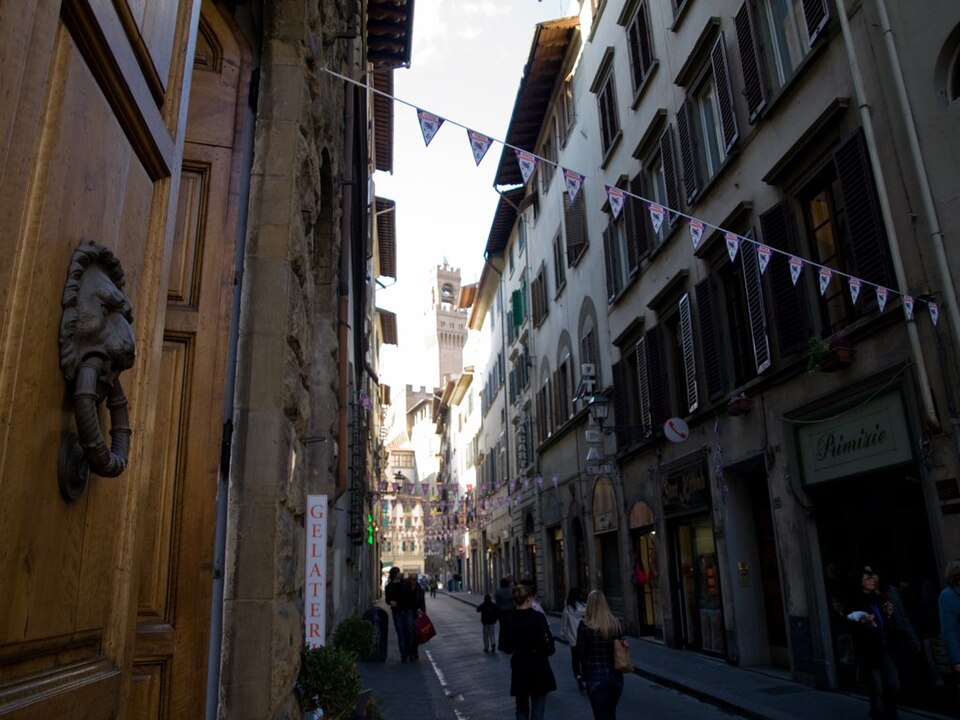
Florence’s Via de’ Neri became famous for quick street food, then notorious for crowds stopping on curbs and doorsteps in a lane built for walking.
A Sept. 2018 ordinance set a time-window rule on Via de’ Neri: between 12–3 p.m. and 6–10 p.m., eating while lingering on sidewalks and on shop or home doorsteps is forbidden.
The point is flow. When snack lines spill into a narrow corridor, passersby get forced into the roadway, and trash accumulates at pinch points. The restriction pushes pauses into squares and keeps entrances usable for locals and deliveries, which makes the street feel less like a queue at peak hours.
Steenstraat
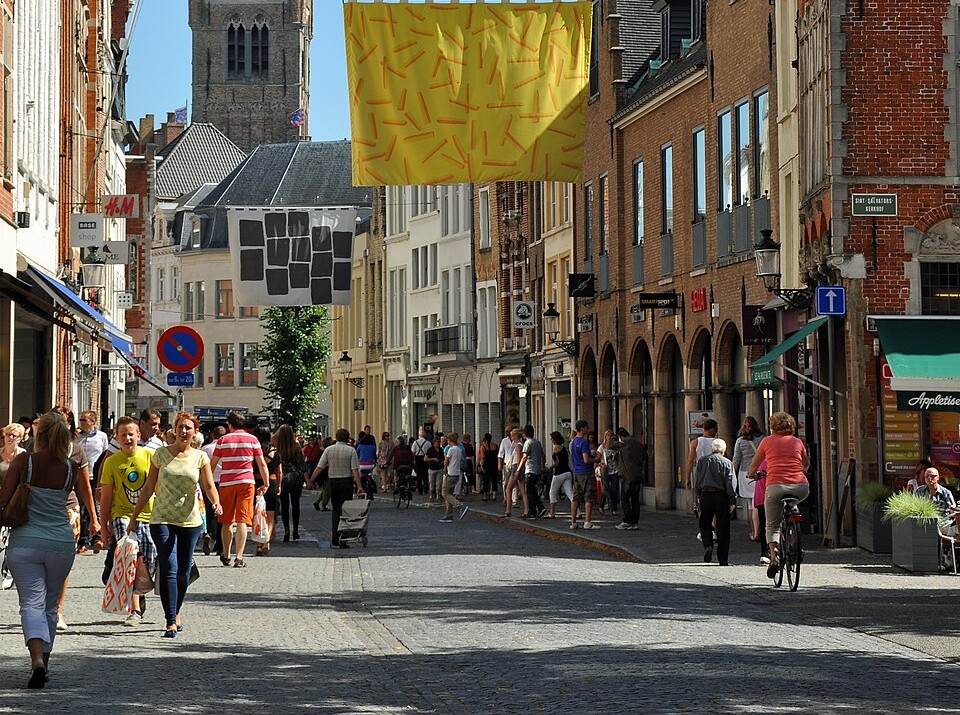
Bruges’ Steenstraat is the main shopping approach into the historic core, and afternoons used to mix heavy foot traffic with slow cars edging forward.
City mobility rules now make Steenstraat completely car-free every day from 1:00 p.m. to 6:00 p.m., with enforcement through ANPR license-plate cameras.
The restriction reshapes visitor movement as much as traffic. Pickups and drop-offs get routed to the edges, and deliveries shift earlier, so pedestrians stop threading around bumpers. The street feels calmer when crowds peak, storefronts become easier to reach, and crossings feel simpler for families and residents.
Zagreba?ka Street
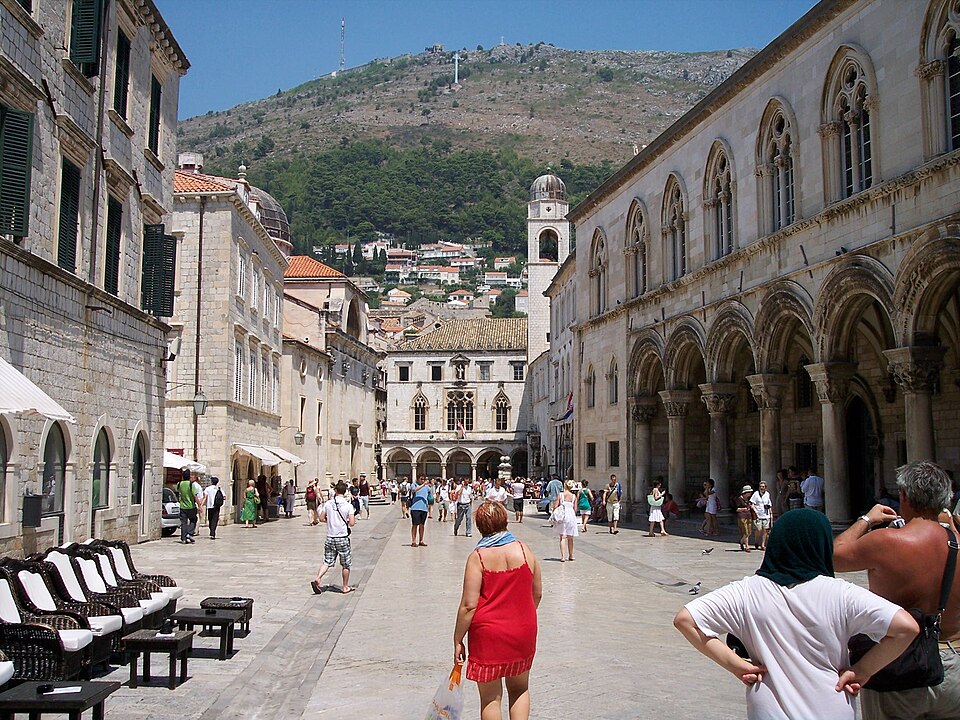
Dubrovnik’s Zagreba?ka Street feeds the approach to the Old City, where peak-season traffic once crawled and stacked up near the gates.
A Special Traffic Regulation Zone began on June 2, 2025, spanning Ilijina glavica, Zagreba?ka Street, Viktorija, and the Pile-to-Boninovo area. Entry is limited to vehicles with special approval.
The aim is to prevent circling. Warning screens, signs, and traffic lights alert drivers early, steering arrivals to planned routes and drop-offs. Visitors still reach the walls, but the final approach stays calmer and more walkable when traffic is filtered before it hits the bottleneck.