8 Jobs AI Cannot Touch No Matter How Advanced It Gets
AI is moving fast, and it is already reshaping how Americans work. But even with major advances in chatbots, robotics, and automation, some jobs still rely on human skills that machines struggle to match.
That matters as workers across the US weigh career changes, schools rethink training, and employers look for roles that stay resilient. Labor economists, trade groups, and workplace analysts say the safest jobs tend to require empathy, dexterity, trust, and real-world judgment.
Nurses and bedside caregivers

Nursing remains one of the clearest examples of work AI cannot fully replace. The US Bureau of Labor Statistics has projected strong demand for registered nurses through the decade, driven by an aging population, chronic illness, and long-term care needs. Hospitals are using AI for scheduling, charting, and risk alerts, but not for the human side of care.
At the bedside, nurses read body language, calm families, and respond to subtle changes that do not always show up neatly in data. A patient in pain, confusion, or distress often needs reassurance as much as medication. That kind of live emotional support is difficult to automate.
Caregiving roles also require physical presence. Turning patients, helping with bathing, and assisting with mobility are hands-on tasks in unpredictable settings. Robots can support some lifting or delivery functions, but experts in elder care say trust and compassion remain central to the job.
Electricians
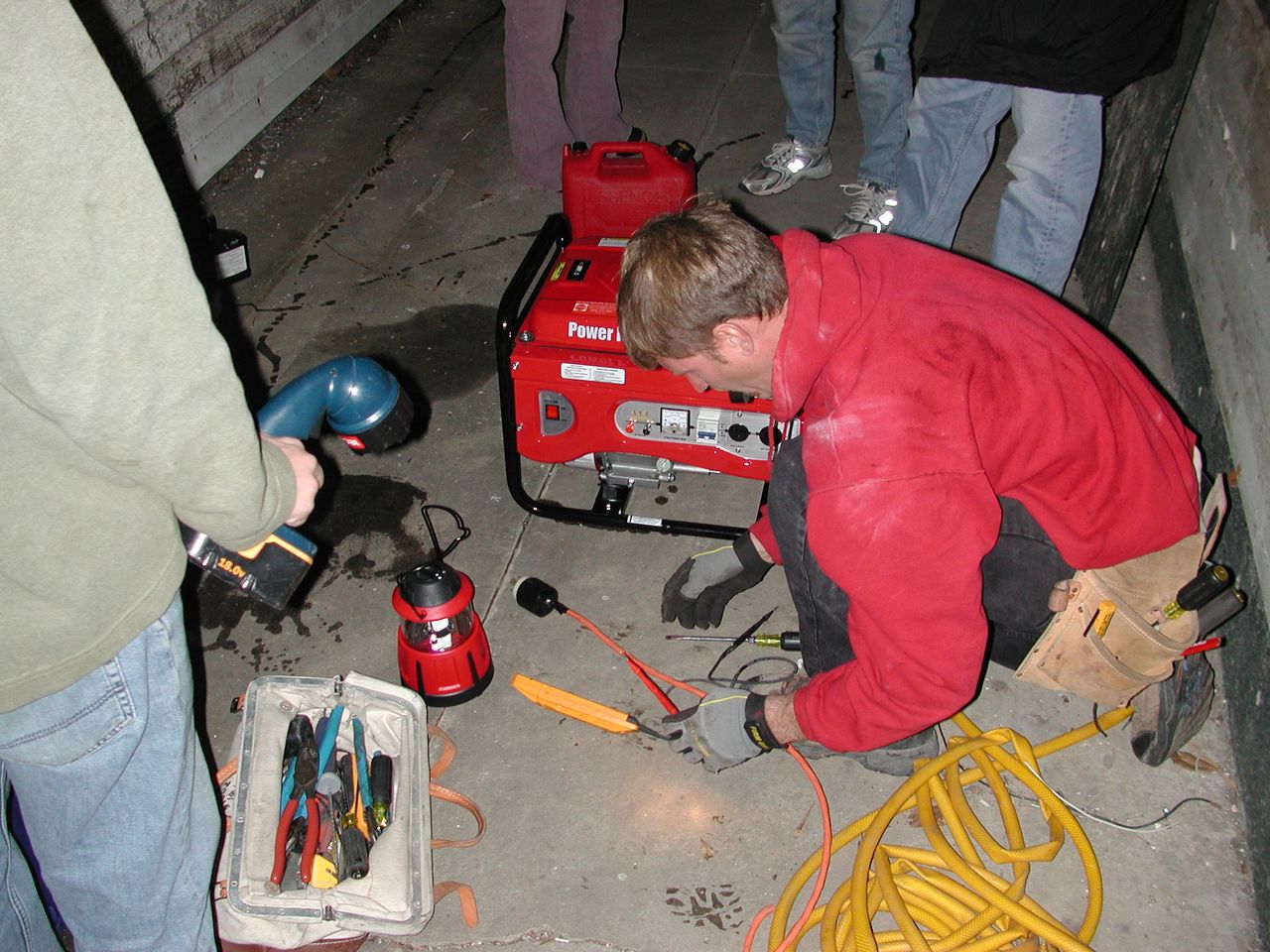
Electricians work in changing environments where no two days are exactly alike. One home may have old wiring from the 1950s, while another building may have modern smart panels, solar integration, or code issues that only appear after walls are opened. AI can help with design or diagnostics, but it cannot easily replace on-site problem solving.
The National Electrical Contractors Association has repeatedly pointed to a shortage of skilled labor as demand grows. New housing, data centers, electric vehicle charging networks, and grid upgrades are creating more work, not less. That means trained electricians remain in high demand across much of the country.
The job also depends on safety judgment. Electricians make quick calls around live current, structural surprises, and weather exposure. A machine may process rules, but experienced tradespeople often rely on instinct built from years in the field.
Plumbers
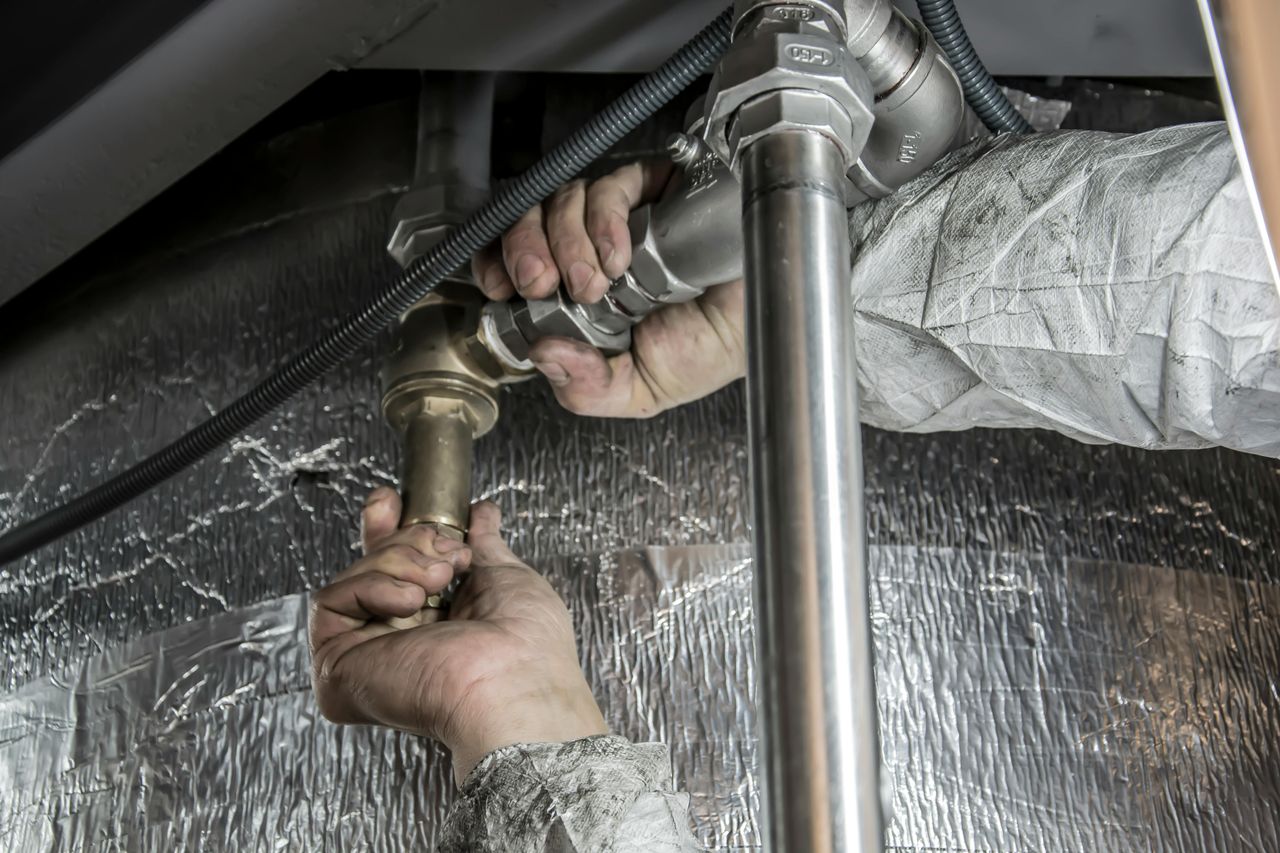
Plumbing work sounds straightforward until something goes wrong behind a wall, under a slab, or inside an older city system. Plumbers are often dealing with unique buildings, emergency leaks, local codes, and damage that cannot be solved by a standard script. That level of variation makes full automation hard.
Industry groups including the Plumbing-Heating-Cooling Contractors Association have warned for years about a shrinking skilled trades pipeline. Meanwhile, water system upgrades, home remodeling, and weather-related damage continue to create demand. For many homeowners, a plumber is not optional. It is urgent.
AI can assist with appointment routing, inventory planning, or camera-based inspections. Still, cutting pipe, sealing joints, diagnosing pressure issues, and navigating cramped job sites require coordination and physical adaptability. Those are areas where humans still outperform machines by a wide margin.
Therapists and mental health counselors

Mental health care has expanded sharply in the US since the pandemic, and licensed therapists remain difficult to replace. AI chatbots can offer prompts, mood tracking, and scripted support, but professional counseling depends on trust, ethics, and nuanced listening. Experts in behavioral health say that is a major boundary for automation.
A therapist is not just hearing words. The work involves reading pauses, contradictions, trauma responses, and changes in tone over time. Sessions often require careful judgment about safety, crisis intervention, and when to adjust treatment. Those decisions carry legal and medical consequences.
Demand is also real and growing. Federal health agencies and nonprofit groups have documented rising rates of anxiety, depression, and burnout, especially among young adults. In that environment, AI may serve as a tool, but the licensed human provider remains the core of care.
Teachers, especially in early education
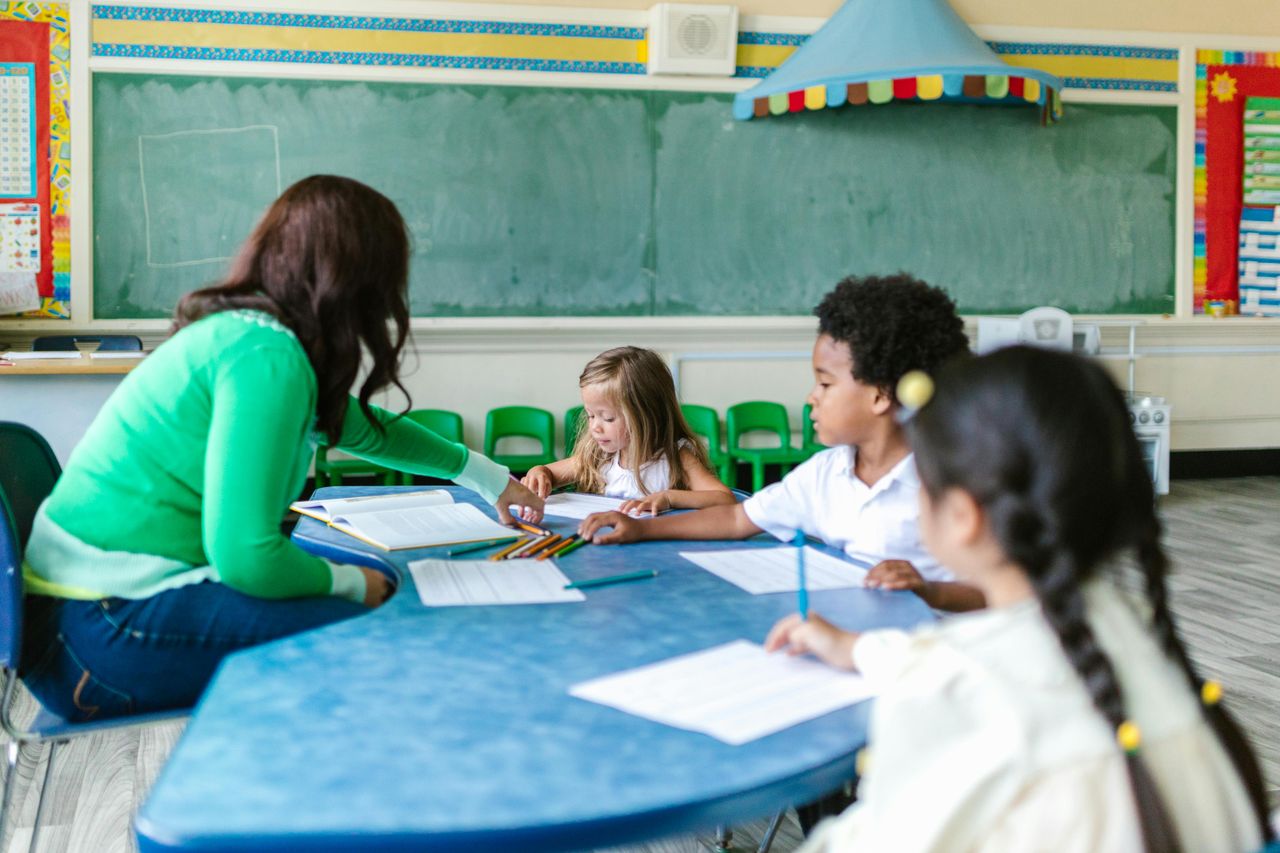
Teachers use AI already for lesson planning, grading support, and classroom materials. But education experts say teaching, especially with younger children, is deeply human work. It involves attention, patience, motivation, and the ability to manage a room full of students with different needs at the same time.
In early education, children learn through relationships as much as instruction. A teacher notices when a child is withdrawn, frustrated, hungry, or suddenly falling behind. Those signals may shape how a lesson unfolds that day, and they often matter more than any software output.
The role also goes beyond academics. Teachers help build social skills, conflict resolution, and confidence. Parents and school leaders may welcome technology in the classroom, but few see it as a substitute for the adult who knows the students and keeps them engaged.
Firefighters and emergency responders
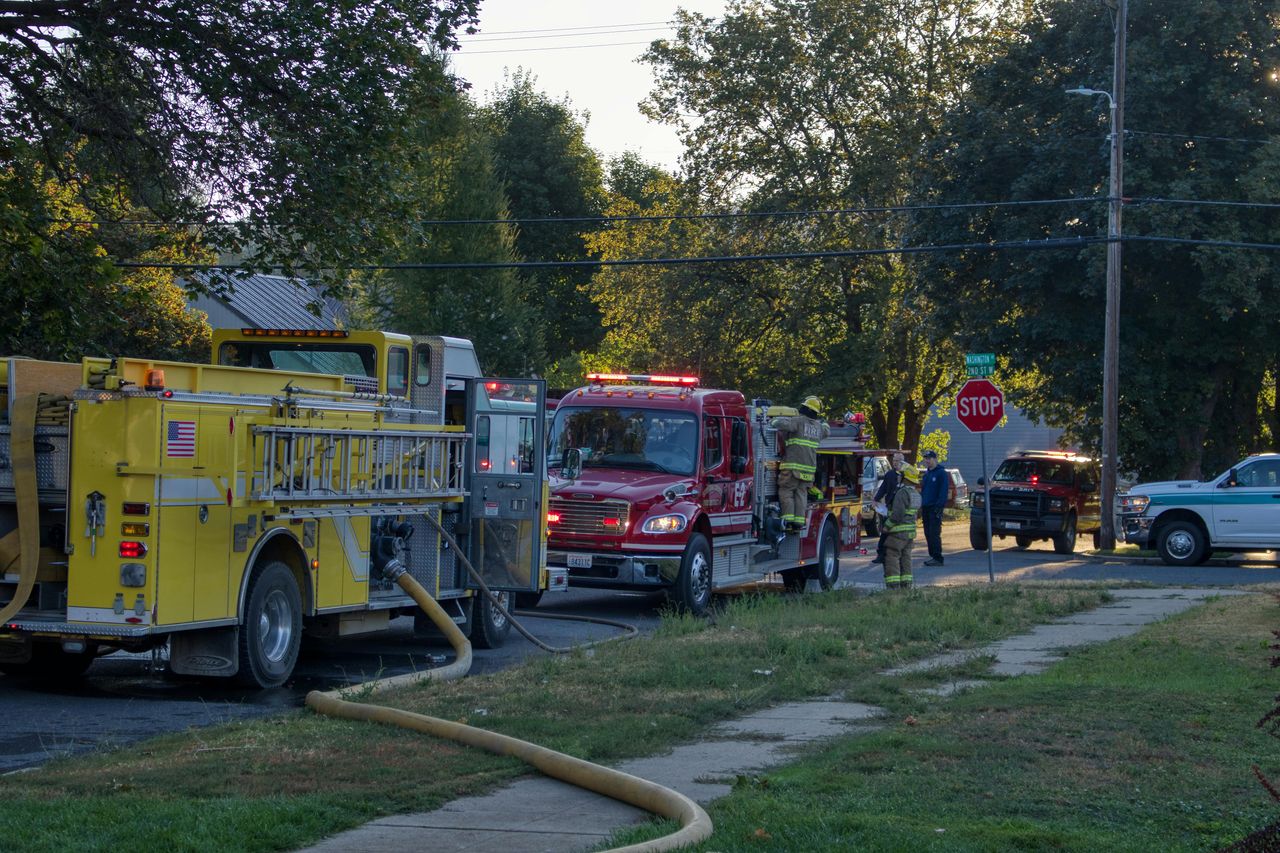
Emergency response is one of the least automatable forms of work because it happens in chaos. Firefighters, paramedics, and rescue crews enter smoke, traffic, bad weather, collapsing structures, and medical crises where conditions change by the second. AI can support dispatch and mapping, but it cannot take over the mission.
These jobs require courage, teamwork, and split-second decision making. A responder may need to triage multiple victims, calm panicked bystanders, and choose a course of action with incomplete information. That kind of judgment is not just technical. It is deeply human.
Departments across the country are adding technology, from drones to predictive analytics. Even so, local officials still emphasize staffing, training, and field readiness. In an emergency, people want a skilled human being showing up at the door, not a machine making suggestions from far away.
Skilled chefs and restaurant cooks

Food service has automated parts of ordering, payment, and even prep, but skilled cooking remains hard to hand over completely. In busy restaurants, chefs are balancing timing, taste, texture, substitutions, and customer expectations all at once. That blend of craft and improvisation is difficult for AI or robots to replicate.
Professional kitchens also change constantly. Ingredients run short, equipment fails, and dinner rushes force instant adjustments. An experienced cook can fix a sauce, adapt a menu, or coordinate a line under pressure. Those decisions often come down to sensory judgment, not just data.
There is also the human side of hospitality. Diners respond to creativity, presentation, and local flavor. In independent restaurants especially, the chef often shapes the identity of the place. Technology can streamline operations, but it does not replace culinary instinct or personal style.
Child care workers and social workers
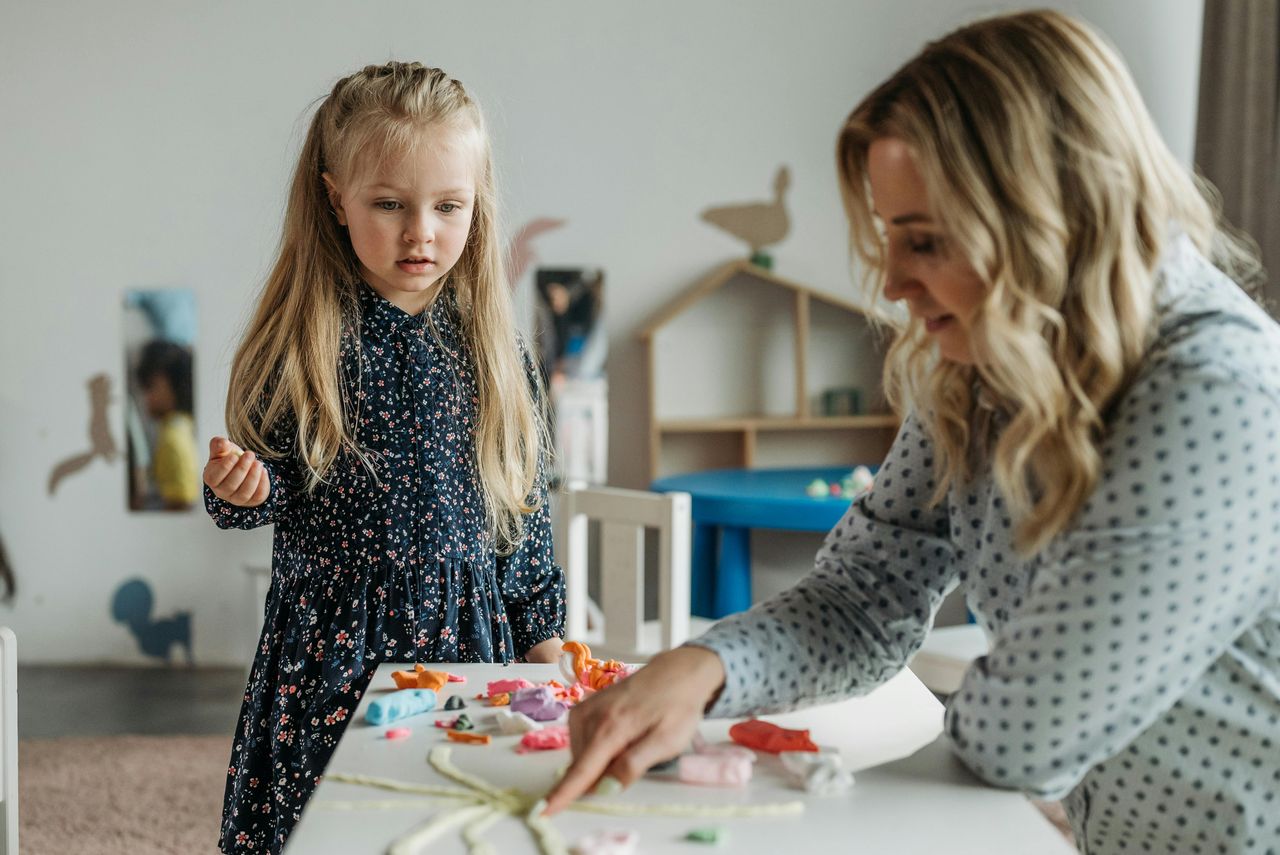
Child care workers and social workers handle some of the most sensitive human situations in the labor market. They support children, parents, older adults, and vulnerable families facing stress, neglect, disability, housing problems, or crisis. AI tools can organize records, but they cannot replace direct human care.
These roles depend on trust that is built face to face over time. A child care worker comforts a toddler who is scared or overwhelmed. A social worker may assess a home situation, de-escalate conflict, and make difficult calls that affect safety and welfare.
The stakes are high, and context matters. Public agencies and nonprofits across the US continue to report staffing shortages in both fields, even as demand remains strong. For now, and likely for a long time, the jobs that matter most in moments of vulnerability still belong to people.