8 Old-School Grocery Items Making a Comeback in Rural America
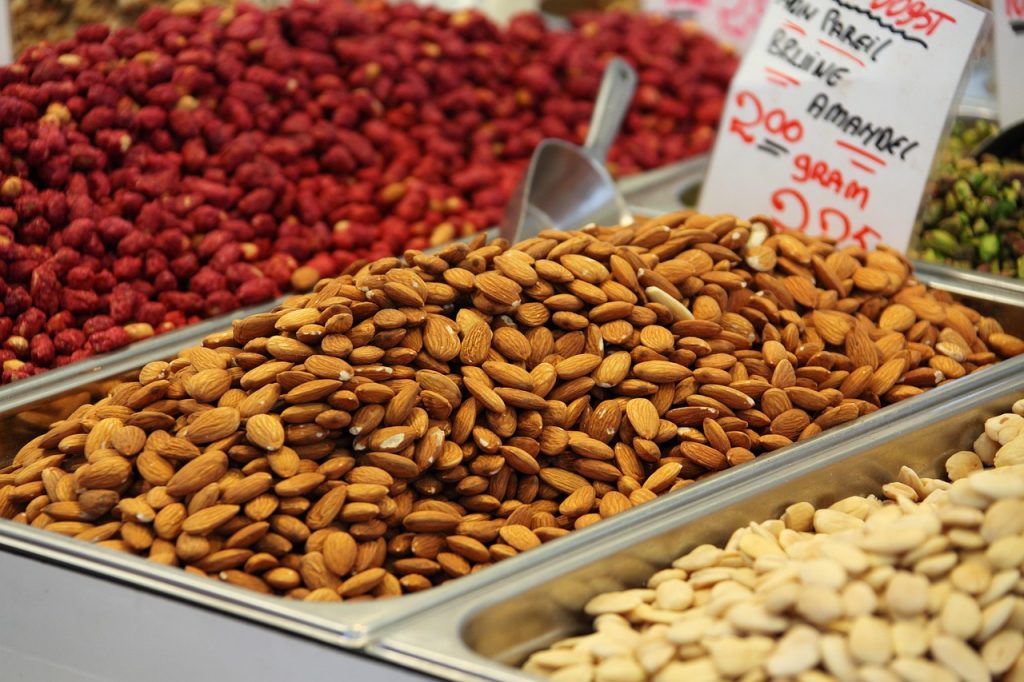
In many rural towns, the grocery aisle still functions like a weekly plan, a recipe exchange, and a quiet form of preparedness. Older staples are returning for practical reasons: long drives into town make fewer trips worth more, and budgets favor ingredients that stretch. Gardens, farm stands, and hunting seasons also push families toward pantry cooking and preservation. What’s different now is the confidence behind it. Younger shoppers are learning the small, useful tricks from parents and neighbors, then buying these basics on purpose, not by habit. They want food that lasts, tastes good reheated, and wastes almost nothing.
Dry Beans Sold By The Scoop
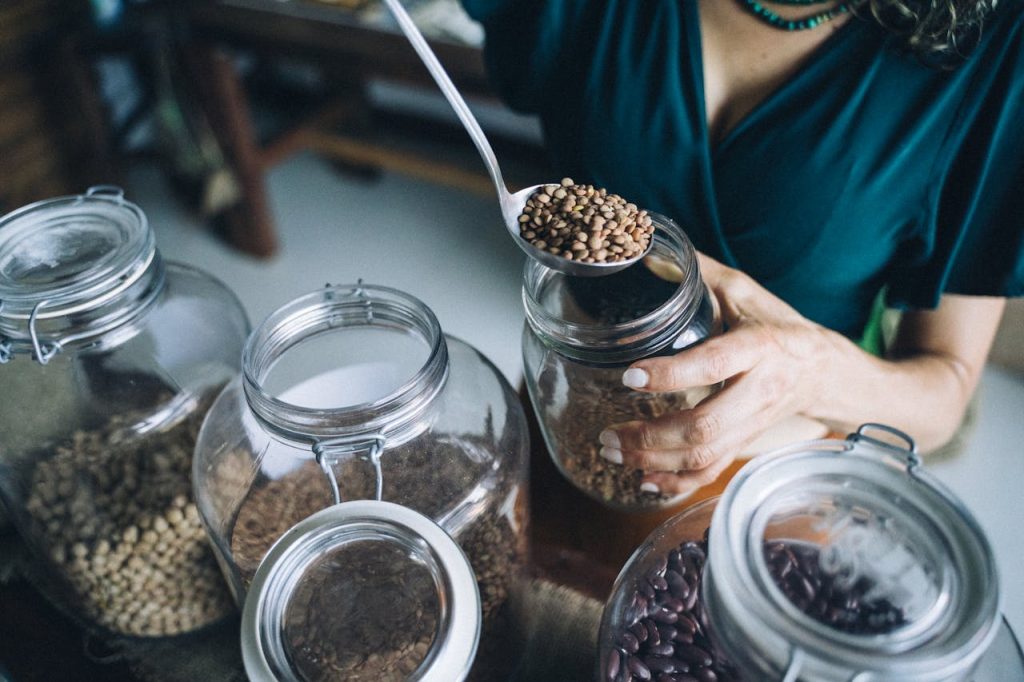
Bulk beans are showing up again because they solve supper without drama and keep costs predictable when prices jump. Pintos, navies, and black beans turn into chili, soup, or a simple pot of seasoned beans that covers several meals, then freezes well for later. They fit the reality of long drives into town: shelf-stable for months, easy to buy in quantity, and flexible enough to stretch a little meat, garden vegetables, and rice into something that still feels generous after a slow simmer with onions and garlic. When time is short, a pressure cooker gets the same comfort fast, and leftovers taste better the next day with cornbread.
Stone-Ground Cornmeal And Grits
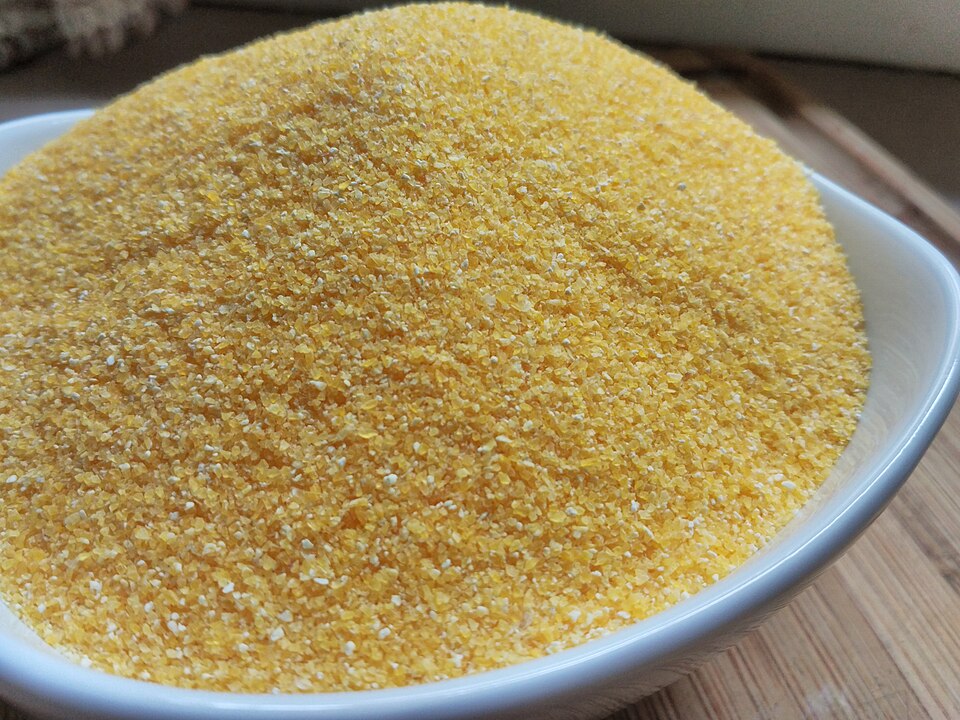
Stone-ground cornmeal and grits are back because they make filling food from a short list of ingredients and one reliable pan. A bag can handle skillet cornbread with a crisp edge, hush puppies for a fish fry, or slow grits topped with eggs, cheese, and sautéed greens. In many counties, nearby mills and farm stores stock fresher grinds that taste nuttier and cook evenly in cast iron. Leftovers reheat well, feed a crowd, and turn odds and ends in the fridge into a warm, steady supper. Cornmeal also thickens stews and stretches meatballs, and it keeps best in the freezer, ready whenever a snow day or long week hits.
Lard And Beef Tallow
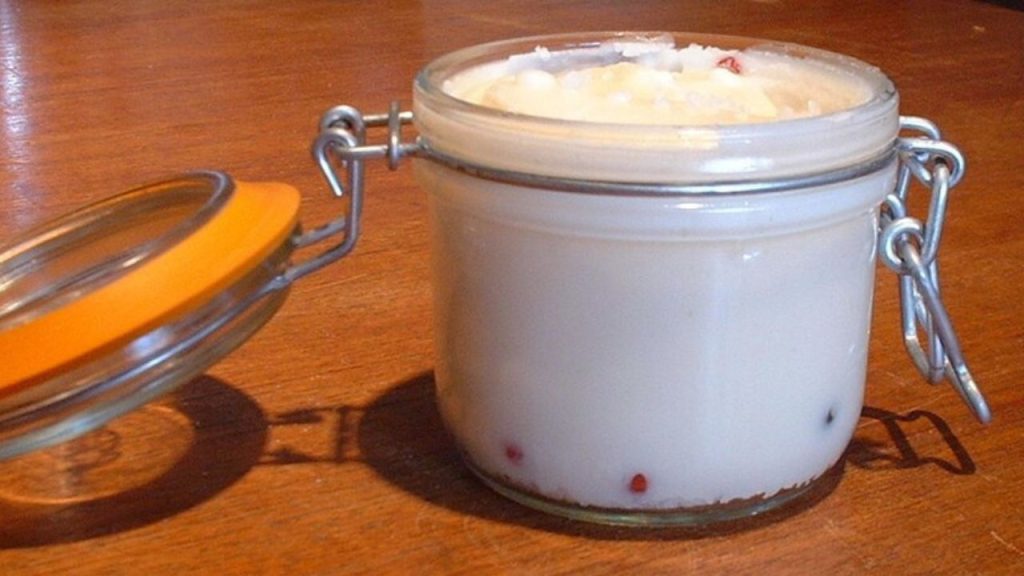
Lard and beef tallow are earning space again where baking and frying are everyday skills, not special occasions. They brown potatoes cleanly, keep chicken and fish crisp, and make biscuits and pie crusts flake in a way many neutral oils cannot match. The appeal is practical: these fats handle high heat, a little goes far, and they store well when wrapped and kept cool. In some towns they also connect back to local processors, so more of the animal is used wisely and fewer specialty products are needed to cook well. They also keep cast iron seasoned and bring a savory depth that helps simple meals taste finished.
Powdered Milk
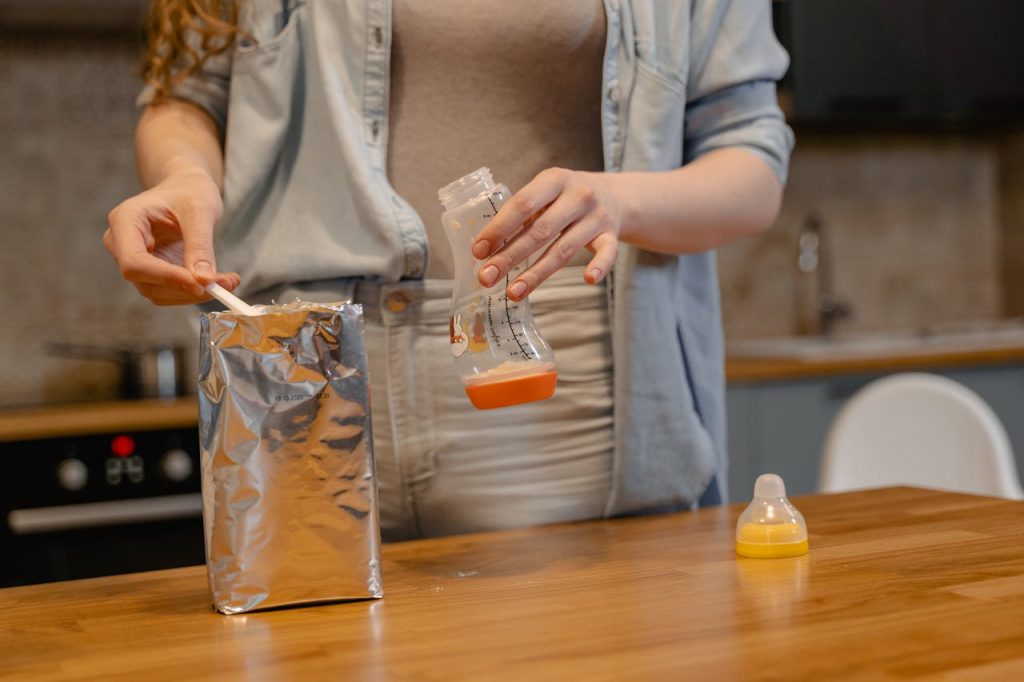
Powdered milk looks old-fashioned until roads turn slick, schedules collapse, or the nearest store is a long drive away. It lasts for months, does not crowd the fridge, and works in pancakes, cornbread, cocoa, mashed potatoes, and creamy casseroles without wasting a full jug. It can be mixed a cup at a time for oatmeal or coffee, and it quietly improves baking by adding extra milk solids. For families trying to cut spoilage and unnecessary trips, a can in the pantry feels like calm planning that keeps breakfast and supper on track. It isn’t for every use, but it covers the gap when life gets messy and kids still need breakfast.
Evaporated Milk

Evaporated milk is selling again because it waits on the shelf and steps in the moment a recipe needs it. It smooths mac and cheese, deepens chowders, and makes gravy richer while staying steady on the stove, even when the heat runs a little high. For households that stretch meals across the week, one can can stand in for fresh dairy, thicken soups, and round out casseroles without a last-minute trip. It also shines in desserts, from pumpkin pie to simple fudge, where that concentrated creaminess makes a small pantry feel more capable. In places with fewer restaurants, it brings familiar comfort at 6 p.m. without much cost or waste.
Mason Jars, Pectin, And Pickling Salt
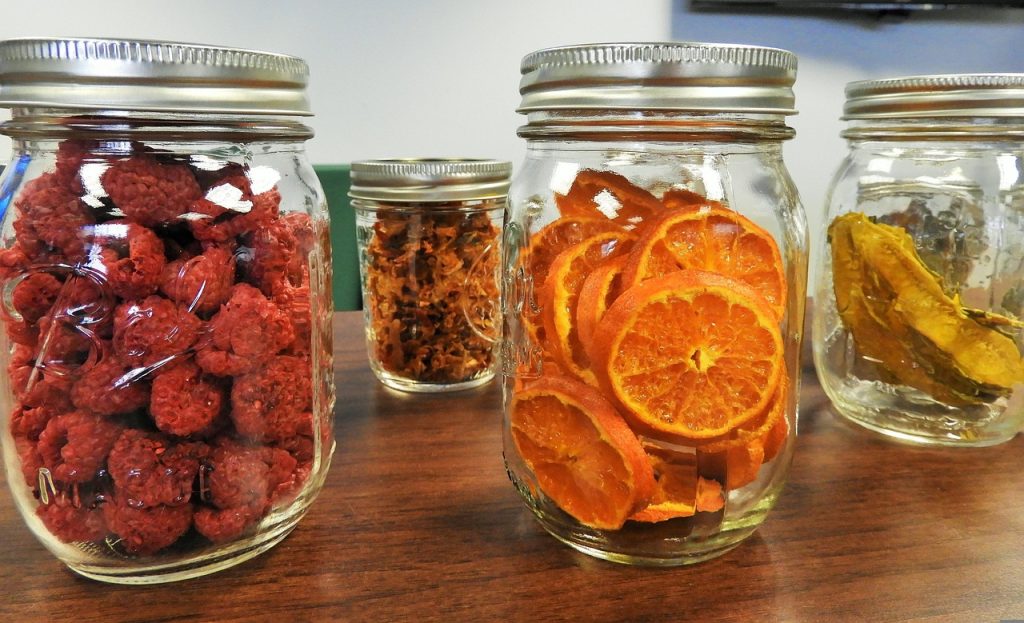
Canning supplies are moving again because gardens still produce more than a family can finish in a week, and wasting it feels like throwing away work. Mason jars, pectin, and pickling salt turn cucumbers into crisp pickles, berries into jam, and tomatoes into sauce that can be opened in February. There is a social rhythm to it: extra jars get traded, lids get shared, and recipes travel across fences and church kitchens. Extension-style classes and family know-how keep the process safe, and the payoff is simple food security that tastes like summer even when the fields are bare. It is thrift, memory, and planning in one shelf.
Sorghum Syrup
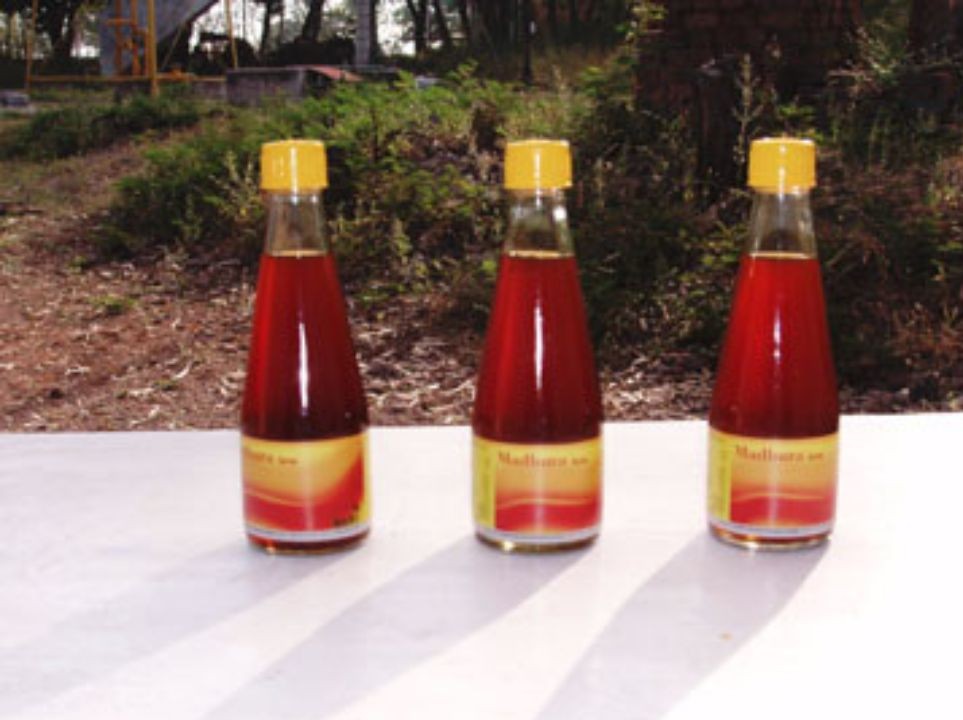
Sorghum syrup is reappearing where regional foods still matter and small producers can sell enough jars to keep the craft alive. It has a darker, toasted sweetness that fits biscuits, cornbread, baked beans, and barbecue glazes, and a little goes a long way. Many shoppers buy it first for tradition, then keep buying because it tastes distinct without being loud, and it works in coffee, oatmeal, or a simple buttered slice of bread. Farm stands and community markets help the revival, tying the jar back to local fields, local labor, and porch breakfasts that feel unhurried. It is sweet, but it also feels specific to place.
Active Dry Yeast And Bread Flour
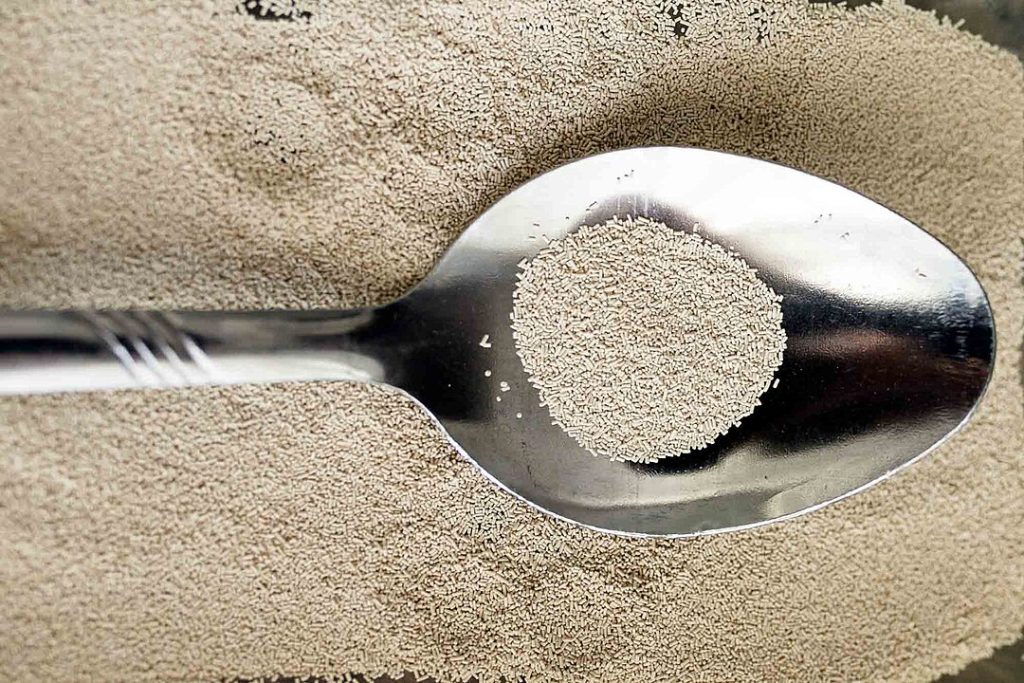
Yeast and bread flour keep selling because homemade bread remains one of the simplest ways to make a kitchen feel stocked. A single batch becomes sandwich slices, dinner rolls, or pizza crust, and it turns leftovers into lunches that travel well without extra spending. In rural areas with fewer restaurants and long workdays, baking saves money and time later in the week, especially when weather or schedules change. These ingredients store easily, and once a routine is built, a fresh loaf on the counter becomes less of a project and more of a steady habit that feeds whoever walks in. Even the smell lifts a tired house.