8 Quiet U.S. Deserts Women Visit When They Need Space and Stars
Astrophysicists and wilderness therapists note a growing trend among female travelers who are actively seeking out the darkest and most silent landscapes in the country. While forested retreats offer a certain type of isolation, experts suggest that the vast, unobstructed horizons of the American desert provide a unique psychological reset. Clinical psychologists explain that the sheer scale of these arid environments diminishes everyday anxieties, allowing visitors to experience a profound sense of grounding. Furthermore, the absence of light pollution in these specific regions unlocks celestial displays that are invisible to the majority of the population.
Solo female travel safety consultants and dark sky preservationists emphasize that not all deserts provide the necessary conditions for a restorative solo journey. The most highly recommended destinations share a combination of low visitation numbers, established ranger presence, and internationally recognized dark sky designations. By choosing these specific protected lands, women can secure the physical safety and immense personal space required to comfortably observe the Milky Way. These eight locations represent the premier sanctuaries for those chasing true quiet and unimpeded views of the universe.
Big Bend National Park In Texas
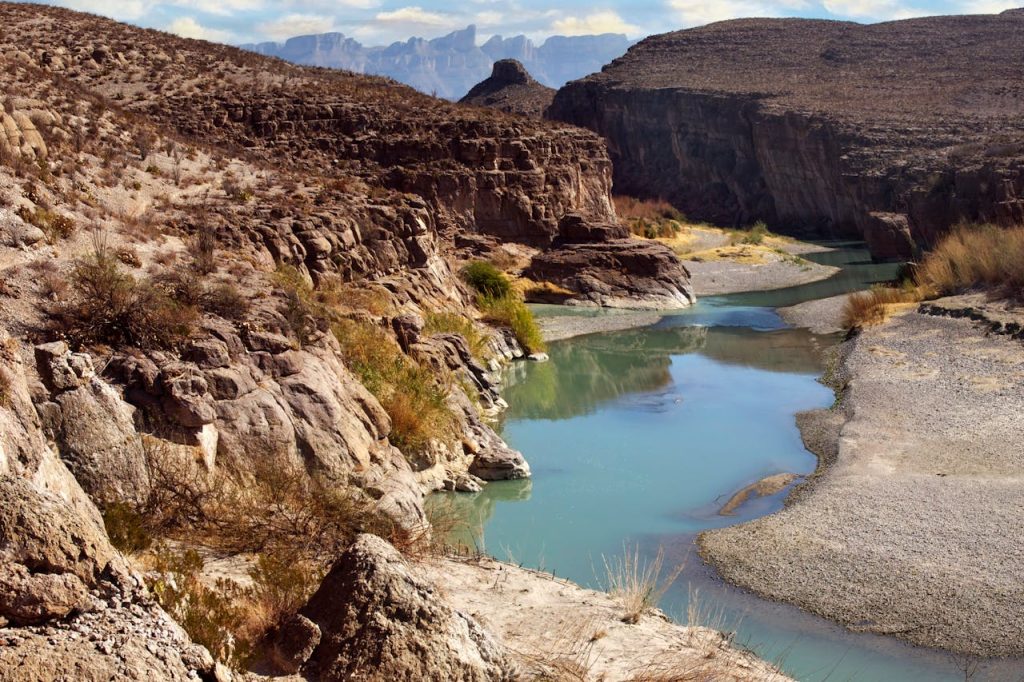
Dark sky preservationists and National Park Service rangers consistently rank Big Bend as the ultimate destination for celestial observation in the lower forty-eight states. Located in the remote Chihuahuan Desert along the Mexican border, the park is geographically isolated from major urban light sources. Astronomers note that this vast wilderness holds a Bortle Scale rating of one, meaning the night sky here is as dark as naturally possible, allowing visitors to view the Milky Way with absolute clarity.
Wilderness therapists highly recommend this park for women seeking profound solitude because the sheer size of the reserve naturally disperses the already low number of visitors. The Chisos Basin provides a secure and elevated vantage point where the surrounding mountain peaks frame the starry expanse. Park officials maintain regular patrols and offer structured astronomy programs, creating an environment that feels simultaneously incredibly wild and reliably safe for solo explorers.
Great Basin National Park In Nevada

Geologists and high-altitude ecologists describe Great Basin National Park as a hidden fortress of silence in eastern Nevada. Unlike lower-elevation deserts, this park features towering peaks and ancient bristlecone pine forests that thrive in the harsh, dry air. Atmospheric scientists explain that the combination of high elevation, low humidity, and zero light pollution creates an optical window into the cosmos that is virtually unmatched in North America.
Solo travel advocates point out that the park is one of the least visited in the national system, making it an ideal retreat for those actively avoiding crowds. Women traveling here find a serene, unbothered landscape where the only sound is the wind moving through trees that are thousands of years old. Ranger-led astronomy festivals offer a welcoming community for stargazers, while the expansive backcountry provides endless opportunities for undisturbed reflection under a canopy of stars.
Chaco Culture National Historical Park In New Mexico
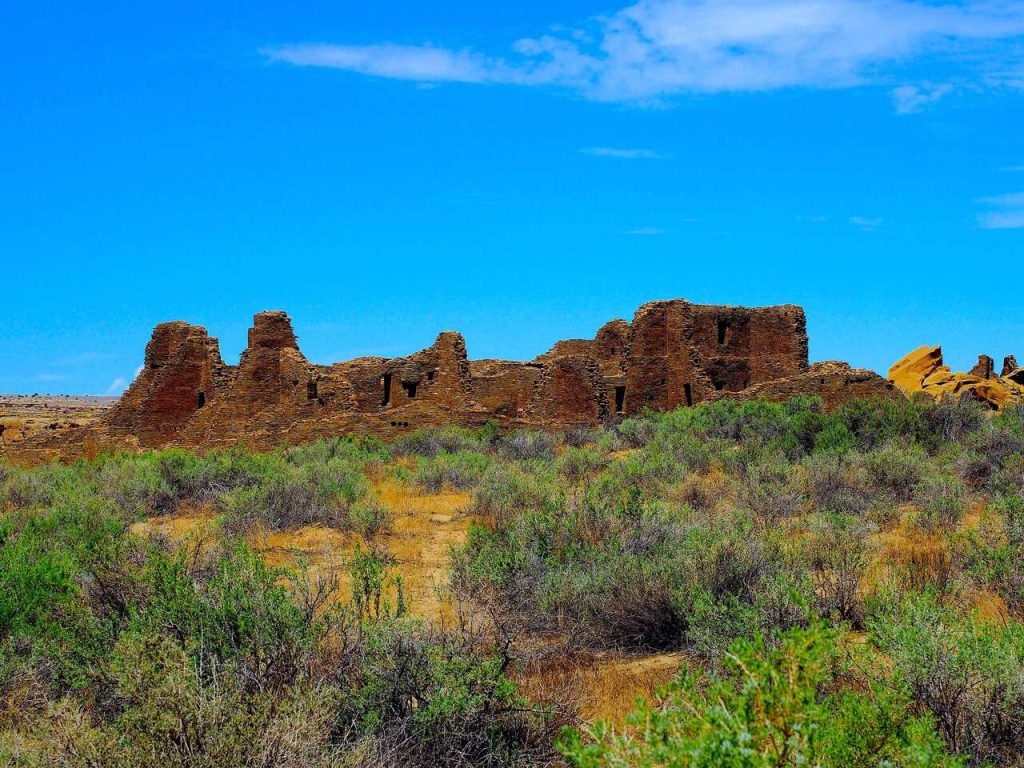
Archaeoastronomers and cultural historians revere Chaco Canyon as a site where ancient peoples actively engaged with the cosmos. The Ancestral Puebloans constructed massive stone buildings here perfectly aligned with solar and lunar cycles, demonstrating a deep understanding of celestial mechanics. Preservation experts note that the park is a designated International Dark Sky Park, ensuring that modern visitors experience the exact same pristine night sky that guided indigenous populations a millennium ago.
Safety consultants highlight that reaching the park requires navigating miles of rough dirt roads, a logistical barrier that effectively keeps casual tourists away. For women willing to make the trek, the reward is an intensely quiet, spiritually resonant environment. Park rangers enforce strict protection of the ruins, fostering a culture of deep respect among the few visitors present, which makes standing beneath the stars here feel like a profound historical communion.
Natural Bridges National Monument In Utah
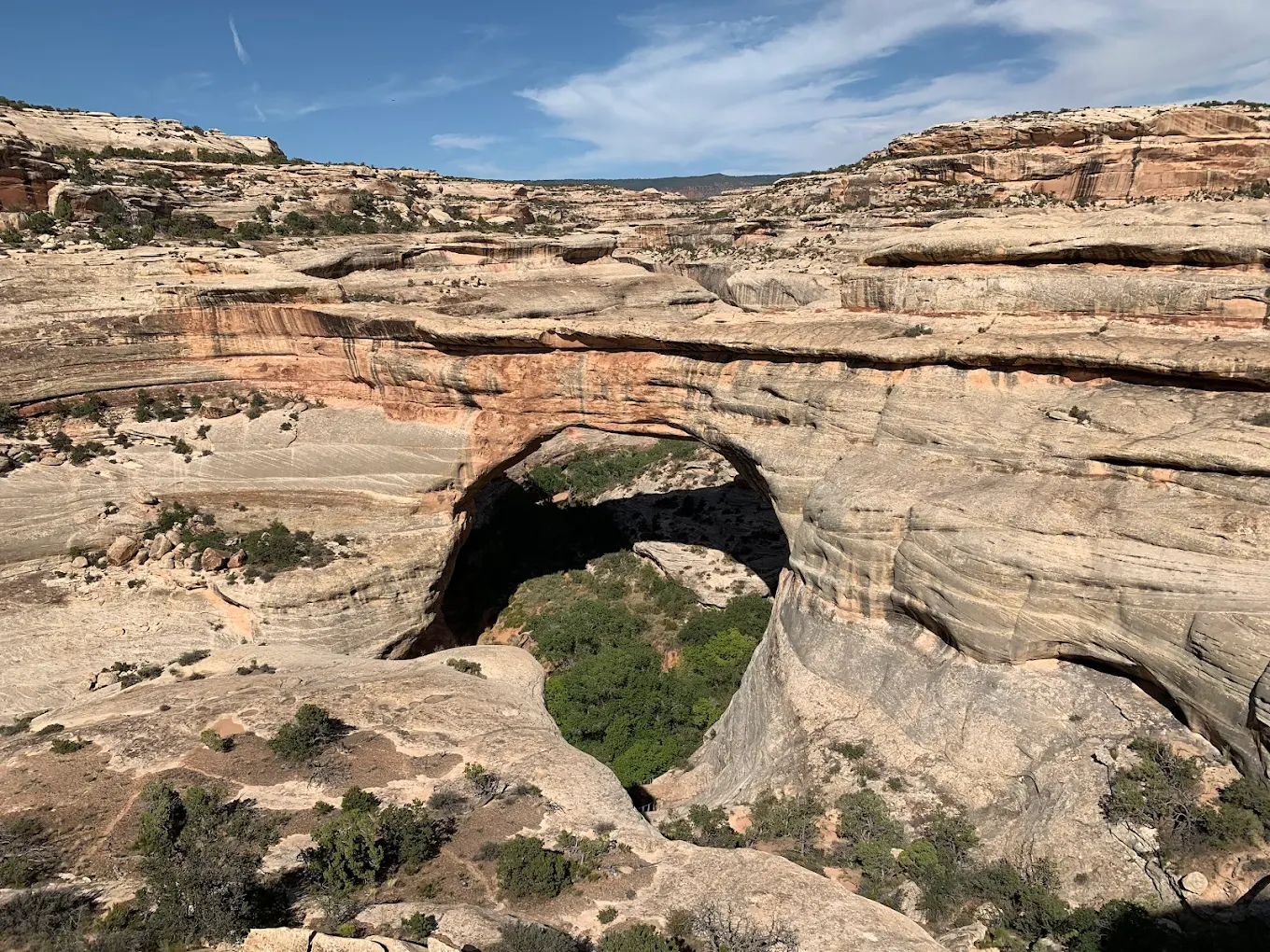
Dark sky advocates proudly identify Natural Bridges as the first location in the world to be certified as an International Dark Sky Park. Set on the rugged Colorado Plateau, the monument is famous for three massive natural rock bridges carved by ancient rivers. Astronomers celebrate the park because the local topography blocks artificial light from distant towns, preserving a view of the heavens that includes thousands of individual stars and faint planetary glows.
Backcountry guides recommend the site for female travelers because the trail system is well-marked and relatively compact, offering high-reward scenery without the need for multi-day expeditions. The presence of a dedicated visitor center and active camp hosts ensures a secure basecamp. Women can comfortably hike down to the Sipapu or Owachomo bridges at dusk, watching the rock silhouettes frame a dizzying display of constellations in complete silence.
Anza-Borrego Desert State Park In California

Desert botanists and state park officials champion Anza-Borrego as a massive, untamed alternative to the heavily congested parks of Southern California. Covering hundreds of thousands of acres of the Colorado Desert, the park surrounds the town of Borrego Springs, which is an official Dark Sky Community. Lighting engineers explain that local ordinances strictly regulate outdoor illumination, meaning the entire region cooperates to protect the visibility of the night sky.
Outdoor safety experts note that the expansive badlands and palm oases offer limitless space for dispersed camping, allowing visitors to claim their own private section of the desert. Female travelers frequently praise the area for its welcoming, low-key atmosphere and the immediate accessibility of the wilderness. The stark, eroded landscapes provide a dramatic foreground for astrophotography, making it a favorite for artists and creatives seeking inspiration away from the urban grid.
Capitol Reef National Park In Utah
Sedimentary geologists and backcountry rangers consider Capitol Reef to be the quietest of the major Utah parks, bypassed by the heavy traffic heading to Zion or Arches. The park is defined by the Waterpocket Fold, a massive geological wrinkle in the earth that creates a labyrinth of colorful canyons and towering domes. Conservationists emphasize that the remote northern section, known as Cathedral Valley, offers an unparalleled sense of isolation and geological grandeur.
Travel safety planners advise that the unpaved roads leading into the deep backcountry require preparation, but they reward the prepared traveler with absolute solitude. Women visiting this section find themselves surrounded by monolithic sandstone structures that stand like silent sentinels under the night sky. The sheer vastness of the dark, quiet desert here provides a powerful antidote to digital fatigue and urban stress.
Mojave National Preserve In California
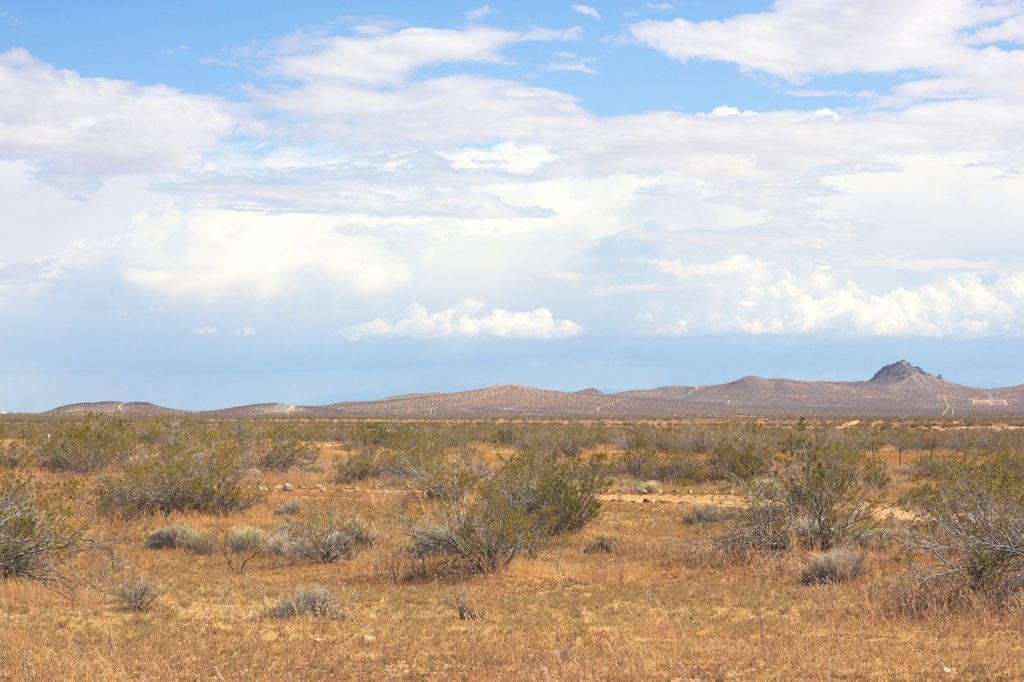
Wildlife biologists and arid land ecologists describe the Mojave National Preserve as a transition zone where immense biological diversity meets deep geological silence. Far less crowded than nearby Joshua Tree, this preserve features the massive Kelso Dunes and dense forests of Joshua trees without the accompanying traffic jams. Astronomy clubs frequently utilize the preserve because the air clarity allows for unobstructed observation of deep-space objects.
Wilderness survival instructors highlight the preserve as a destination that demands self-reliance, appealing to women seeking an empowering solo adventure. The lack of commercial development inside the park boundaries guarantees an environment free from modern distractions. Setting up camp near the Teutonia Peak trail offers a profound experience of emptiness, where the vastness of the desert floor merges seamlessly into the star-studded horizon.
Black Rock Desert In Nevada
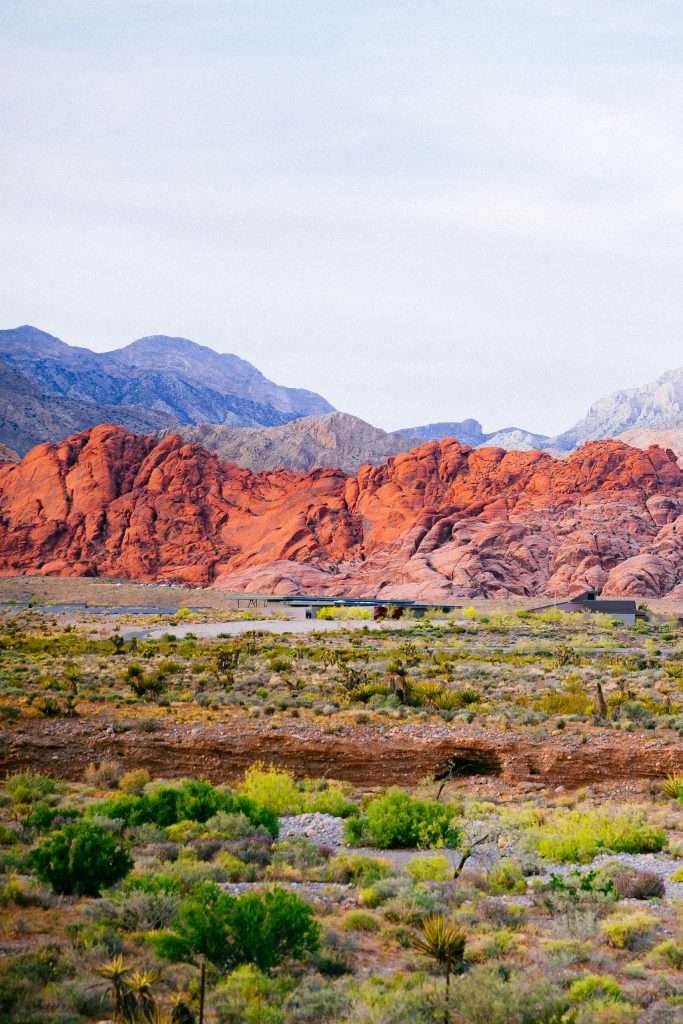
Off-grid travel specialists and playa geologists know the Black Rock Desert as one of the largest, flattest expanses of land on earth. Outside of the brief period when it hosts a massive annual arts festival, the playa is a stunningly empty, silent void. Atmospheric researchers note that the lack of vegetation and the flat, pale ground create a unique visual environment where the sky appears to stretch a full three hundred and sixty degrees down to the horizon.
Solo travel consultants warn that driving on the playa requires understanding weather conditions to avoid getting stuck in mud, but the reward is total, absolute privacy. Women seeking the ultimate expression of space find that the Black Rock Desert delivers an almost lunar experience. Standing alone on the cracked earth at midnight, with the Milky Way casting a faint shadow on the ground, provides a rare and humbling encounter with the infinite.