8 Reasons Women Are Picking Fewer Stops and Longer U.S. Stays

My travel ambition used to be defined by mileage. I measured the success of a trip by how many state lines I crossed and how many hotels I checked into within a single week. I would map out frantic itineraries that hit three major cities in seven days, convinced that movement equaled discovery. But looking at 2026, that exhausted approach has lost its appeal. The rising cost of transit, the logistical friction of constant packing, and a growing desire for personal safety have shifted the focus. The new strategy is about depth rather than distance, selecting one location and inhabiting it fully to prioritize rest over velocity.
This shift is particularly pronounced among female travelers who are increasingly rejecting the “burnout vacation” model. Travel sociologists and hospitality researchers note that the trend is moving toward “slow travel” hubs within the United States where safety, walkability, and community offer a sense of ease that the chaotic, multi-stop road trip lacks. The old default of the high-speed coastal tour is being replaced by destinations that allow for settling in. I realized that meaningful travel now means unpacking once and actually seeing the place I am visiting.
Sedona, Arizona
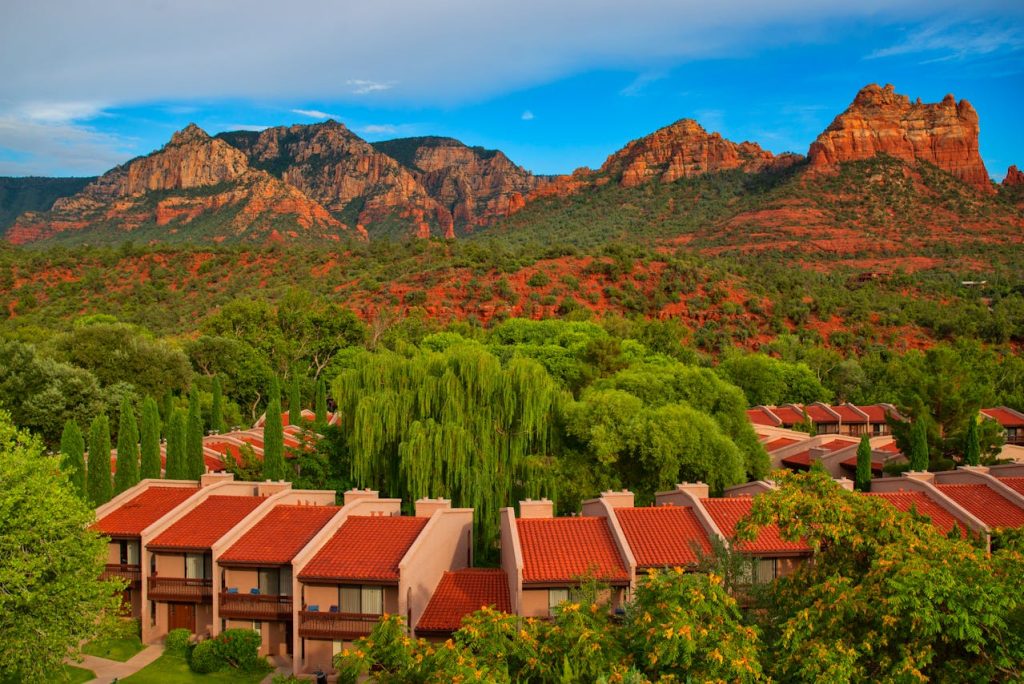
Sedona has emerged as a primary sanctuary for women seeking solo safety and spiritual grounding without the need for international logistics. Wellness tourism experts and safety analysts consistently rank it as one of the most secure destinations for female travelers due to its navigable size and robust tourism infrastructure. The red rock landscape offers a natural barrier to the urban sprawl and crime rates that plague larger, more chaotic metro hubs.
Hospitality data indicates that the drivers here are personal wellness and physical safety. The abundance of guided hiking options and reputable retreat centers allows visitors to access the outdoors without the risks associated with isolated wilderness travel. Staying here for a week allows the body to acclimate to the high desert pace, a stark contrast to the stress of driving between multiple national parks in a few days. That is why the math changes when prioritizing mental health.
The town is defined by towering sandstone formations, energy vortex sites, and a quiet, early-to-bed culture.
A tradeoff involves the high cost of lodging and significant crowding on popular trails. Local rangers warn that peak seasons create traffic bottlenecks that can trap visitors on the main road for hours. Additionally, the strict dark sky ordinances mean nightlife is virtually non-existent, which may disappoint those looking for social energy after sunset.
Charleston, South Carolina
Charleston draws travelers who want the density of a European walking city without leaving the Southeast. Urban planners and historic preservationists highlight the peninsula’s grid layout as a key factor in its appeal, allowing visitors to exist entirely without a car for weeks at a time. This walkability offers a level of independence and safety that is difficult to find in the sprawling suburbs of the typical American vacation spot.
Travel industry researchers note that the drivers are architectural beauty and culinary depth. Unlike the frantic “eat and run” model of a road trip, a longer stay here permits access to the complex layers of Gullah Geechee history and the evolving Southern food scene. The city functions as an open-air museum where the itinerary is dictated by the weather and the tides rather than a rigid schedule.
This city is characterized by cobblestone streets, pastel row houses, and a polite, leisurely social rhythm.
The tradeoff is the oppressive humidity and the risk of seasonal flooding. Meteorological records show that summer heat indices can be dangerous, forcing activity into the early morning or late evening. Furthermore, king tides frequently make streets impassable, requiring visitors to understand local tide charts to navigate the downtown area safely.
Santa Fe, New Mexico
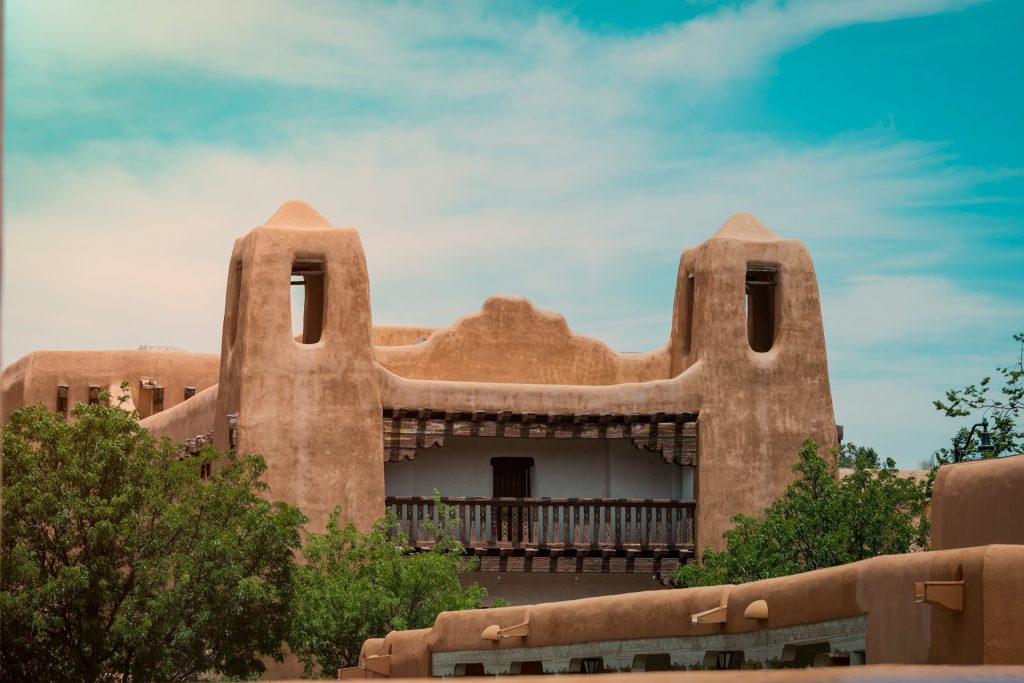
Santa Fe offers a distinct cultural immersion that feels entirely separate from the rest of the United States. Art historians and cultural anthropologists point to the city’s status as a UNESCO Creative City as a major draw for women seeking intellectual and artistic engagement. The density of galleries and museums on Canyon Road allows for a deep dive into Native American and Spanish colonial history that cannot be absorbed in a weekend flyby.
Safety consultants emphasize the relaxed, small-town atmosphere as a critical factor for solo female travelers. The drivers here are cultural preservation and a slower, altitude-adjusted pace of life. Staying for an extended period allows for day trips to Taos or Bandelier National Monument while maintaining a stable, safe home base in a luxury adobe rental.
The capital is known for its adobe architecture, high-desert light, and the scent of burning piñon wood.
A significant tradeoff is the altitude and the cost of living. Medical experts warn that the elevation of 7,000 feet requires a legitimate adjustment period that can cause headaches and fatigue. The real estate market is also priced for the ultra-wealthy, meaning long-term rentals can be prohibitively expensive compared to other Southwest destinations.
Asheville, North Carolina
Asheville serves as a mountain refuge for those prioritizing outdoor access and creative community over high-status luxury. Outdoor industry analysts and community organizers describe the city as a hub for safe, accessible adventure where women can hike the Blue Ridge Mountains during the day and return to a vibrant, well-lit downtown at night. The presence of the Biltmore Estate and a strong arts district provides a structured itinerary that balances nature with civilization.
The drivers are climate resilience and artistic freedom. Climate adaptation researchers often cite the region as a desirable location due to its moderate temperatures and distance from coastal storm surges. A longer stay here facilitates a connection with the local craft culture, moving beyond the tourist shops to engage with the working studios in the River Arts District.
The city offers a mix of Art Deco architecture, mountain vistas, and a bohemian, counter-culture vibe.
The tradeoff is the limited infrastructure and mountain driving conditions. Transit advocates note that the public bus system is limited, making a car necessary for accessing trailheads or outlying neighborhoods. Navigating winding mountain roads at night or during fog can be intimidating for drivers accustomed to flat, grid-based cities.
Savannah, Georgia
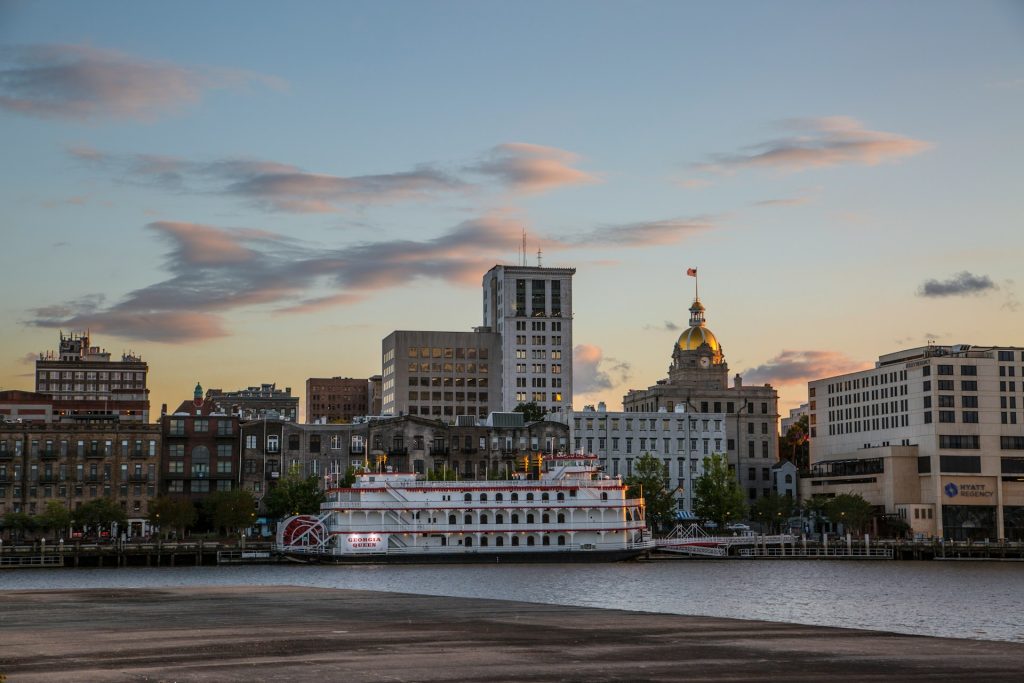
Savannah appeals to travelers who want to trade the stress of modern navigation for the predictability of historic squares. Landscape architects and urban designers praise the Oglethorpe Plan for creating a city that is inherently walkable and visually permeable, which enhances the feeling of personal safety. The slower pace of the “Hostess City” encourages lingering in parks rather than rushing between attractions.
Heritage tourism experts explain that the drivers are aesthetic pleasure and historical narrative. The city functions as a living storybook where a two-week stay allows for ghost tours, riverboat rides, and slow dining that the weekend crowd misses. It offers the romance of the Old South without the logistical nightmare of coordinating travel across multiple state lines.
This destination is defined by Spanish moss, 22 public squares, and a legal open-container culture within the historic district.
A tradeoff is the intense insect population and the reality of crime outside the tourist zone. Local residents warn that safety can vary significantly block by block, requiring visitors to stay vigilant and within the well-trafficked historic core. The summer sand gnats can also make outdoor dining unbearable during certain months.
Portland, Maine
Portland has solidified its reputation as a culinary capital that feels safe, manageable, and welcoming to solo diners. Food critics and hospitality consultants highlight the city’s incredible density of owner-operated restaurants as a primary reason to linger. Unlike the impersonal service of major metros, the small-scale hospitality here fosters a sense of belonging for women traveling alone.
Economic researchers note that the drivers are summer climate relief and personal safety. The low crime rates and walkable waterfront make it an ideal escape from the heat and aggression of larger East Coast cities. A longer stay allows visitors to take the ferry to the Casco Bay islands, turning a simple dinner trip into a mini-expedition without changing hotels.
The city is known for its working waterfront, Victorian mansions, and a rugged, independent spirit.
The tradeoff is the extreme seasonality and high cost of summer lodging. Travel industry data confirms that hotel prices skyrocket from June to August, competing with luxury markets like the Hamptons. Additionally, the winter months can be brutal, with many businesses reducing hours or closing entirely, limiting the appeal to a strict seasonal window.
San Diego, California
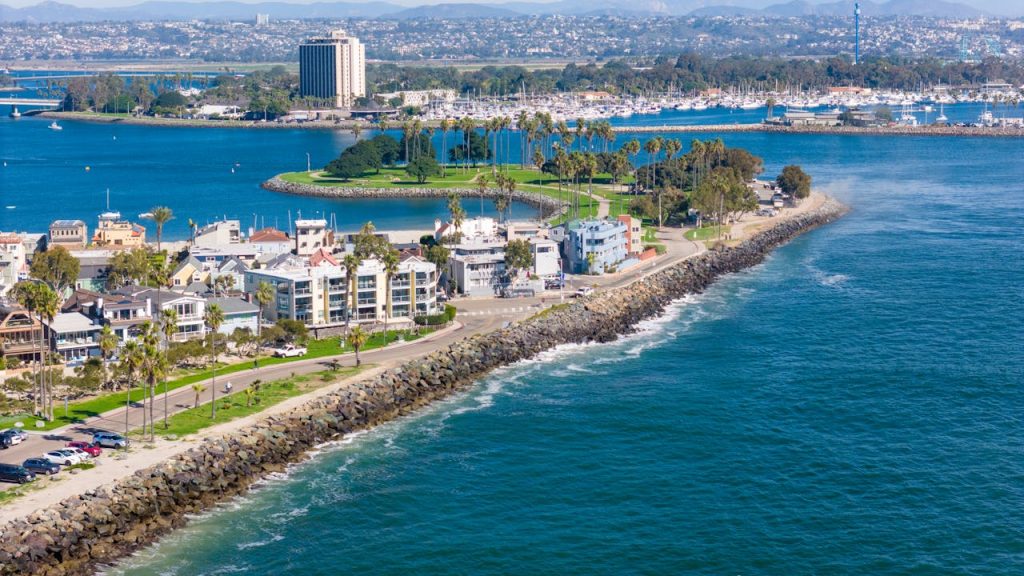
San Diego attracts women seeking the consistent climate of Southern California without the chaotic sprawl of Los Angeles. Urban planners and lifestyle researchers point to neighborhoods like La Jolla and Little Italy as examples of safe, pedestrian-friendly enclaves within a major city. The consistent weather allows for a reliable outdoor routine that is often disrupted in other regions.
The drivers are personal safety and outdoor consistency. Fitness experts and mental health professionals note that the ability to walk safely along the coast year-run provides a mental health boost that is a key component of the “slow travel” motivation. Staying here avoids the “freeway fatigue” associated with trying to see the rest of the state.
This city offers vast urban parks, miles of accessible coastline, and a relaxed, border-town influence.
A tradeoff is the visibly high cost of living and the presence of homelessness. Social policy researchers note that like many West Coast cities, the housing crisis is visible in public spaces, which can be confronting for visitors. The price of dining and activities is also among the highest in the nation, requiring a substantial budget for a long-term stay.
Napa Valley, California
Napa Valley represents the ultimate shift from “doing” to “being.” Luxury travel consultants and wine industry experts explain that the region is designed for slow consumption and sensory pleasure. The high cost of entry serves as a filter, creating a quiet, curated environment that feels exceptionally safe for women traveling alone or in small groups.
The drivers are relaxation and culinary excellence. Unlike the “drink and dash” bachelorette party model, the new trend involves booking a private bungalow for a week to experience the agricultural cycle of the valley. It creates a rhythm of spa treatments, tastings, and early nights that restores rather than depletes.
The region is characterized by rolling vineyards, mustard fields, and a sophisticated, agrarian luxury.
The tradeoff is the constant risk of fire season and the astronomical expense. Meteorological data warns that late summer and fall bring smoke and evacuation risks that can cancel a trip at the last minute. The price of a simple tasting fee has also surged, making it a destination exclusive to those with significant disposable income.
Source
https://visitsedona.com/
https://www.charlestoncvb.com/
https://santafe.org/
https://www.exploreasheville.com/
https://visitsavannah.com/
https://www.visitportland.com/
https://www.sandiego.org/
https://www.visitnapavalley.com/