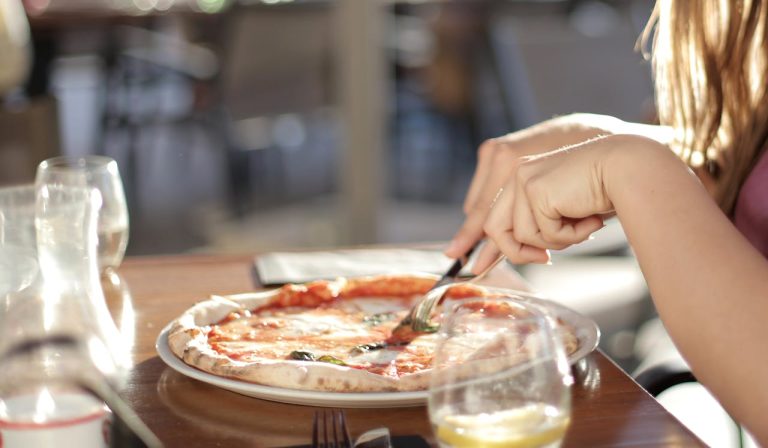
8 Small-Town Bakeries Keeping Forgotten Recipes Alive
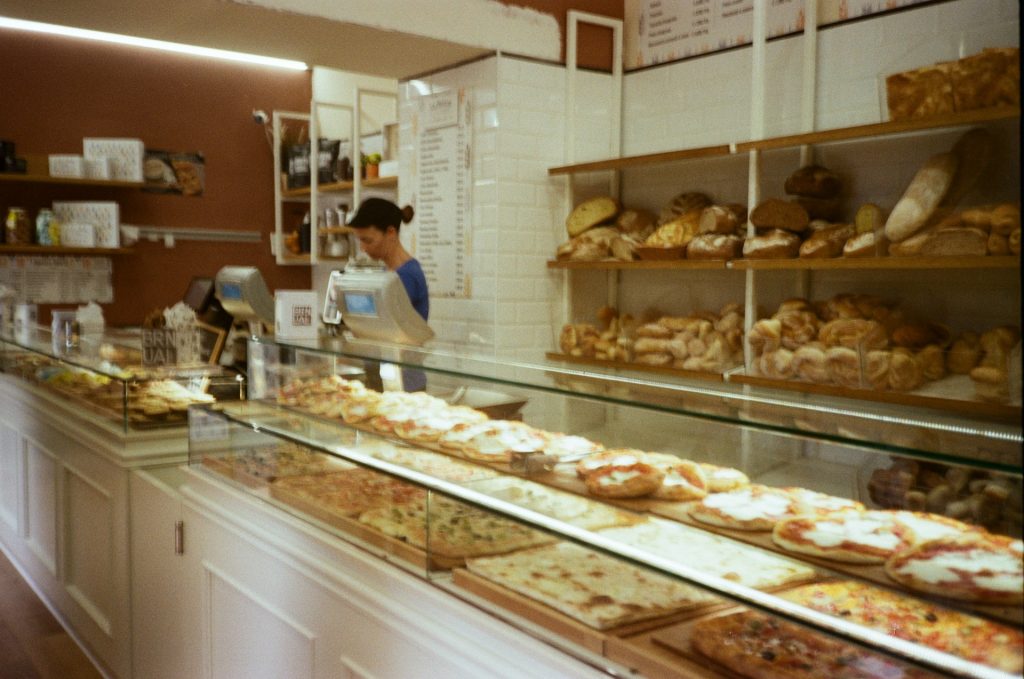
Some recipes survive only because someone refuses to let them disappear. In small towns, that someone is often a baker who learned dough by touch, kept a notebook stained with butter, and still rises before dawn to do it the slow way. These shops are not chasing novelty. They are protecting flavors that once marked weddings, harvests, and Sunday tables, then slipped out of modern rotation. The proof is in the routine: a starter fed, a dough rested, a tray slid in, and a tradition served warm.
Saffron Hearth Bakery, Lindsborg, Kansas
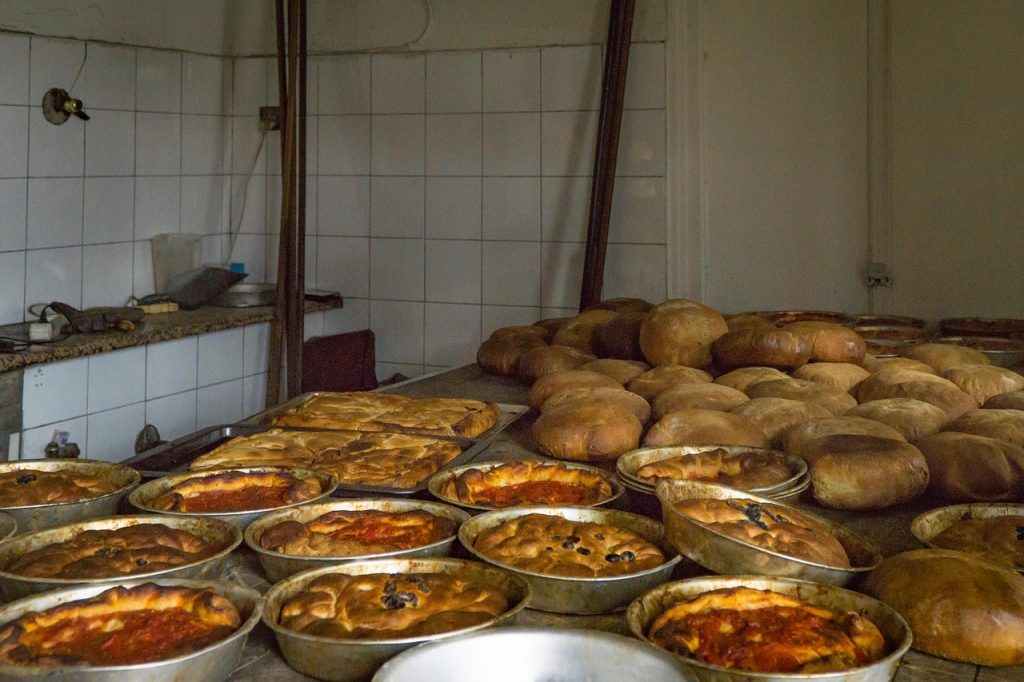
In Lindsborg, Saffron Hearth keeps Swedish breads in daily rotation, not just for festival weekends, so the town’s heritage stays edible and practical, week after week, through every season. Limpa rye arrives dark and fragrant with orange peel, molasses, and anise, baked to a crust that snaps, while cardamom knots and saffron buns rely on slow proofing, steady humidity control, and careful hand shaping at dawn. A rye starter is fed on a strict rhythm and never rushed, and the owners skip glossy shortcut glazes, letting each loaf taste balanced, warm, and quietly proud without needing decoration or extra sugar.
Tulip Street Oven, Pella, Iowa
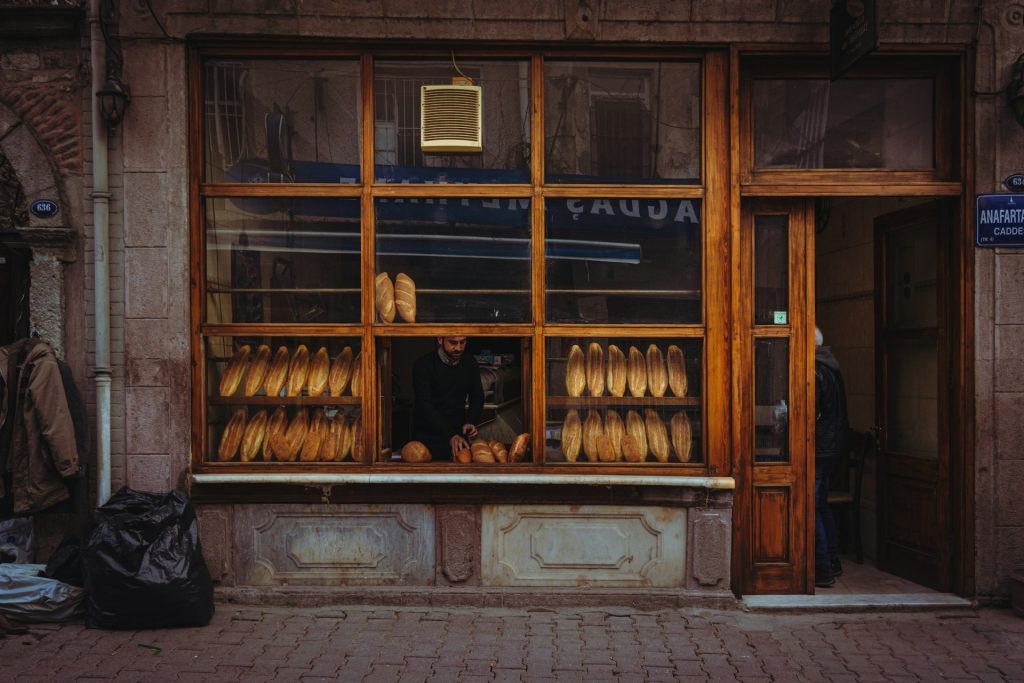
Pella’s Tulip Street Oven refuses to let Dutch letters become a once-a-year souvenir, keeping the S-shaped pastry in the case even when the tulip crowds are gone and the streets slow down. The dough depends on cold butter, steady folds, and a patient chill, or it turns flat and oily, and the almond paste is mixed in-house so it stays fragrant, slightly nutty, and never cloying or gritty. Each letter holds a crisp curve, flakes cleanly, and lands with a clean finish that grocery versions miss, turning a festival memory into a weekday treat that locals pick up with coffee on the way to work, then share at the office.
Amana Hearth & Crumb, Amana Colonies, Iowa
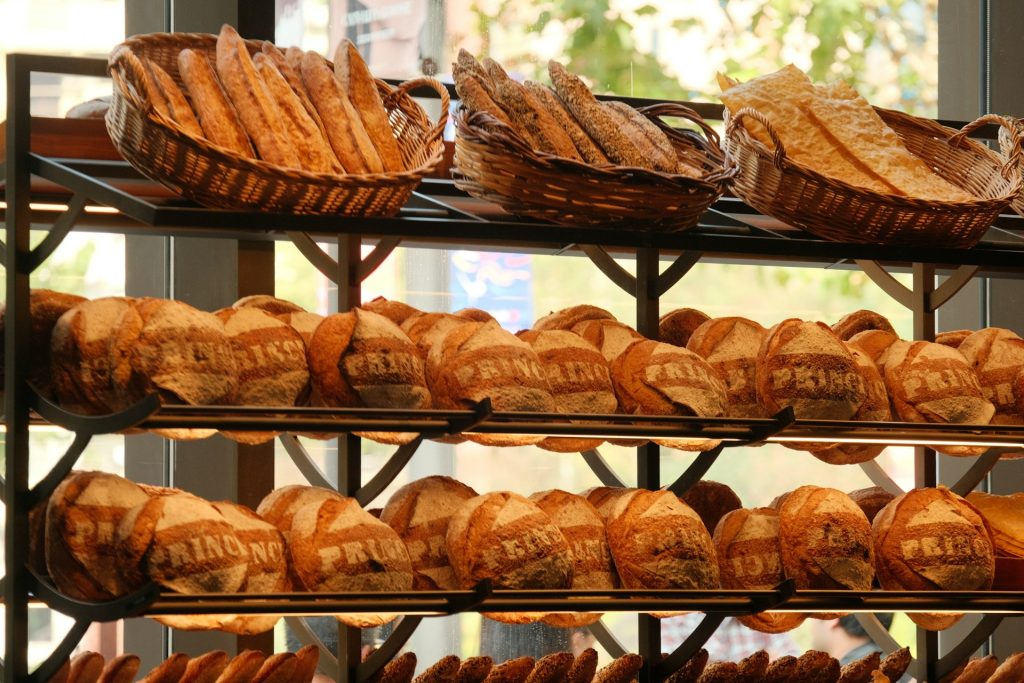
In the Amana Colonies, Amana Hearth & Crumb treats old German baking as everyday pantry knowledge, the kind that survives by being repeated, priced fairly, and eaten often by neighbors. Stollen is rested long enough for fruit, candied citrus peel, and marzipan to settle into a mellow sweetness, while pfeffernüsse and lebkuchen stay on shelves beyond December, warm with spice, honeyed depth, and a hint of pepper. Packaging stays simple and timing stays precise, so these recipes feel normal on a weekday morning, not locked behind holiday nostalgia or staged as a novelty for visitors passing through.
Little Prague Bakery, West, Texas
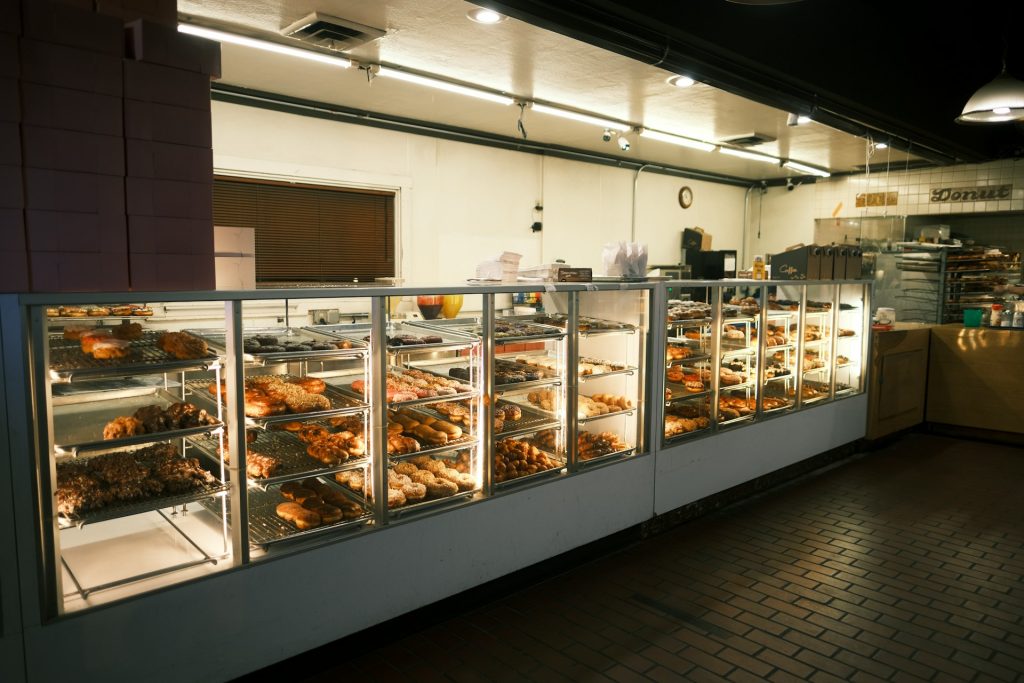
West, Texas, has long been a Czech stop, and Little Prague Bakery keeps the legacy vivid through kolaches that follow older dough logic instead of modern shortcuts, even in peak season. The bread is tender but structured, proofed for flavor rather than speed, and fillings like prune, poppy seed, and apricot share space with savory klobásníky that still feel lunch-ready, not dessert-only. Sealed by hand, the edges bake smooth while the center stays jammy, and the balance stays true, never over-sugared or overfilled, so regulars recognize the taste as something learned at family tables and church halls across town.
Horno House Panadería, Taos, New Mexico

Taos has modern cafes, but Horno House keeps the older rhythm of adobe ovens alive, treating bread as a craft tied to place, weather, and steady heat control in a working kitchen. Horno loaves come out blistered and fragrant, meant to be torn and shared, and biscochitos stay crisp with anise and orange, baked with patient heat so the cookie stays light instead of heavy or dry. By making these classics often, not occasionally, the bakery turns heritage into habit, and the flavors feel like everyday life, the kind of food that belongs on a kitchen table, not behind a souvenir label for tourists.
Green Mountain Bakeworks, Woodstock, Vermont
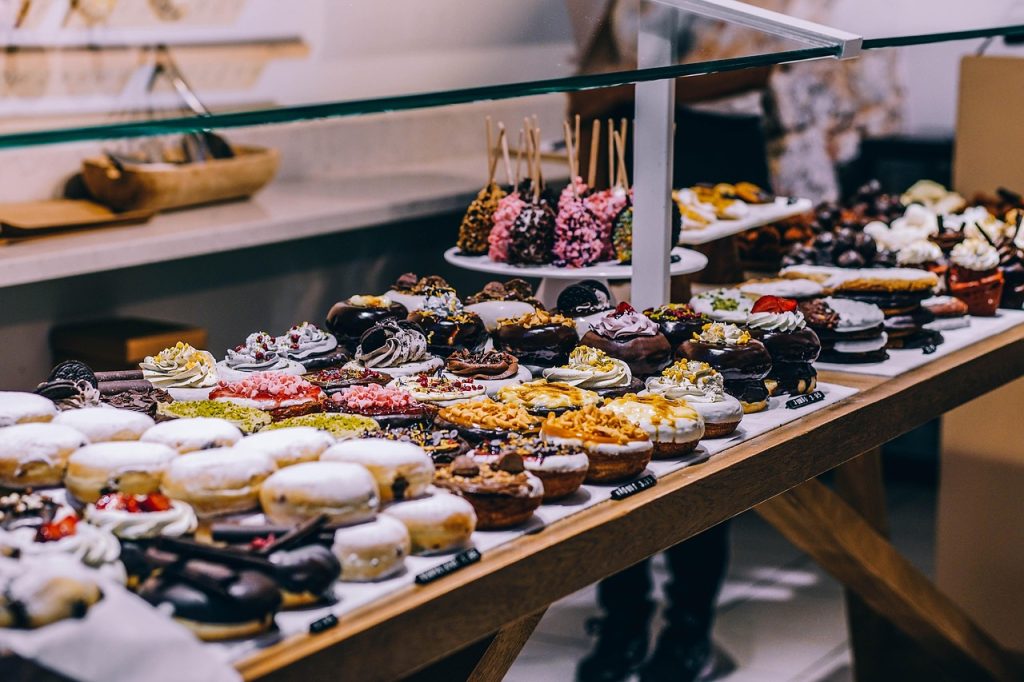
In Woodstock, Green Mountain Bakeworks keeps New England’s thrifty classics in view with anadama-style loaves built on cornmeal and molasses, made for real winter appetites and long soup seasons. The sweetness stays dark and measured, and maple-ginger cakes use real syrup and modest sizing so the crumb remains tight, sliceable, and easy to share, with spice kept gentle so the maple stays clear. Nothing is designed for a quick photo; everything is designed for weather, warmth, and the quiet comfort of familiar flavors that hold up in a lunch pail and still taste good toasted the next morning at home.
Yooper Pulla Bakery, Houghton, Michigan
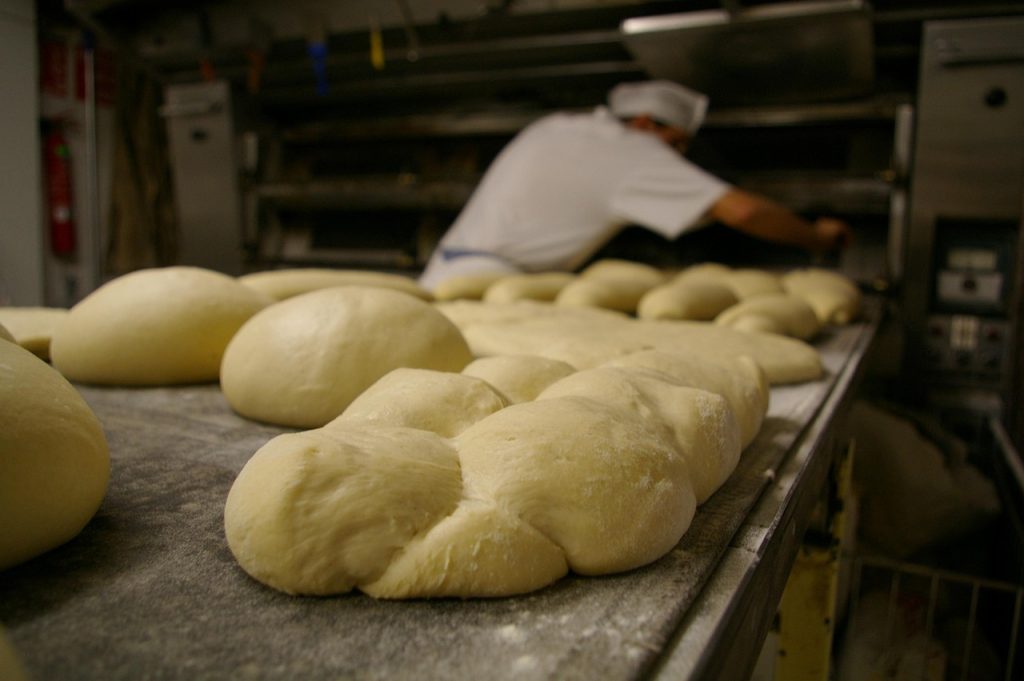
In Houghton, Yooper Pulla Bakery keeps Finnish-American baking from fading by braiding pulla with cardamom that is fragrant but restrained, the way older kitchens preferred it. Pearl sugar crackles on top instead of melting into syrup, the crumb stays soft enough for coffee dipping, and nisu rolls and rye rounds appear for weeknights as well as gatherings, baked on a steady schedule. Priced plainly and finished with consistent browning, the bread stays part of daily life, and that repetition is what keeps the recipe alive for elders while still feeling welcoming, clear, and easy to love for newcomers.
Bayou Calas Bakery, Saint Martinville, Louisiana
In Saint Martinville, Bayou Calas Bakery protects a Creole breakfast that can vanish when cooks rely on mixes, keeping the craft tied to the town’s mornings and its older rice traditions. Calas are made from cooked rice and a slow batter, fried in small batches so the outside stays crisp while the center stays tender and light, then finished with a gentle dusting of sugar that never turns sticky. They pair naturally with strong coffee and quiet conversation, and the recipe survives because the bakery treats it as routine, served warm and dependable, with the same texture and timing every single day.