8 Ways Fewer Canadian Visitors Are Affecting U.S. Border Spots for Women

Northern border communities are built on rhythm. Cars cross, day trips happen, familiar faces return, and local businesses plan staffing around that steady pulse. When that rhythm weakens, the impact is not abstract. It shows up in quieter lunch counters, slower checkout lanes, and thinner appointment books.
In many of these towns, women are central to how the local economy runs. They manage front desks, run salons, own boutiques, supervise dining rooms, and keep guest services moving. A drop in cross-border traffic lands directly on roles that already demand long hours and tight scheduling.
The pressure is not always loud at first. It starts with fewer peak days, then smaller orders, then one shift cut from the weekly roster. Over time, these small adjustments become a structural problem for pay stability, business growth, and career progression.
What follows is a practical look at how fewer Canadian visits are changing life in U.S. border spots, especially for women workers, women owners, and women-led households that depend on tourism-linked income.
Main Street Retail Feels the Drop First
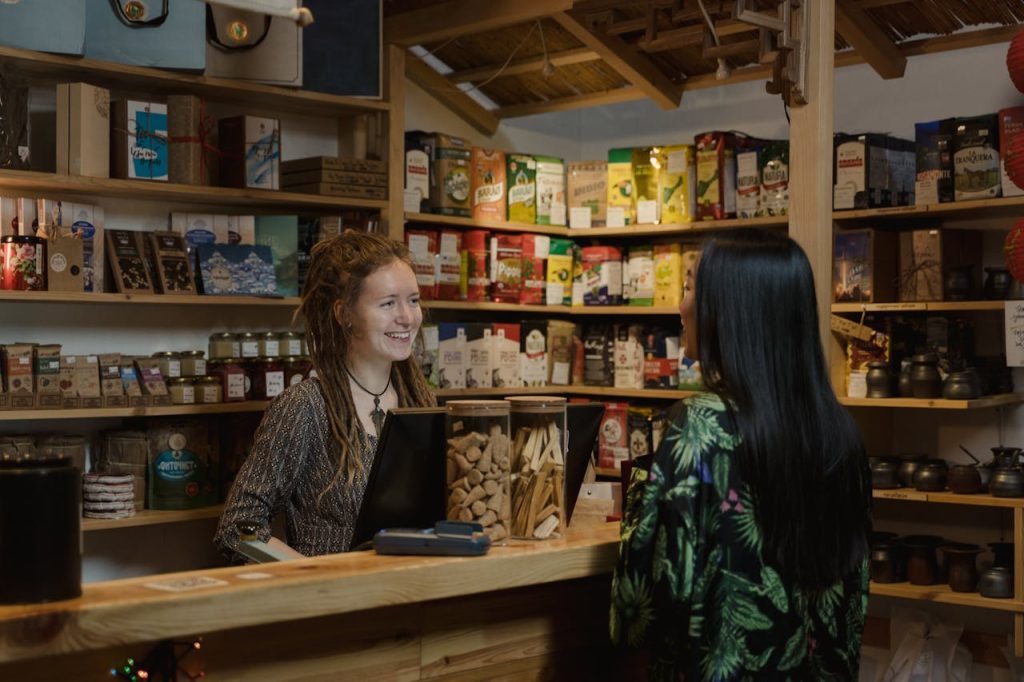
Retail strips near border crossings rely on repeat cross-border shoppers more than many outsiders realize. Pharmacy pickups, outlet runs, gift purchases, and routine household buys can all come from short Canadian trips. When that foot traffic dips, these stores lose the dependable base that smooths out slower weekdays.
Women hold a large share of customer-facing retail roles in many communities, from sales floor support to checkout and assistant management. That makes them especially exposed when store owners reduce labor costs. A single reduced shift may look minor on paper, but it can break carefully planned monthly budgets.
Store-level decisions usually follow a predictable sequence. Managers shorten hours, delay restocking, and pause hiring before making larger cuts. Each step can reduce income opportunities for women who depend on flexible but reliable shifts.
The emotional effect matters too. Retail workers build relationships with regular cross-border customers, and that social rhythm supports job satisfaction. When visitor patterns fade, the work often feels less stable and less rewarding, even before wage impacts deepen.
Hospitality Shifts Become Unstable
Hotels, diners, quick-service counters, and coffee shops in border zones are sensitive to small swings in visitor counts. A light week of arrivals can change staffing decisions by the weekend. That volatility usually lands first on part-time and hourly teams.
Women are heavily represented in front-of-house hospitality work, including desk roles, service roles, and guest-facing operations. These jobs often require exact timing, especially for workers balancing childcare, elder care, or school schedules. When shifts move around suddenly, family logistics unravel fast.
Employers trying to manage uncertainty often split schedules into shorter blocks. Workers may be called in late, sent home early, or rotated between less predictable time slots. This creates income variability that is hard to absorb, even when total hours look similar month to month.
The short version is simple. Fewer visitors do not just reduce customer volume. They increase planning chaos for workers whose lives depend on predictability, and women are often carrying the largest share of that burden.
Women-Owned Shops Carry More Risk on Less Volume

Women-owned small businesses are a powerful force in local economies, and border towns are no exception. Many operate in categories most exposed to visitor demand, including retail, food, personal care, and specialized local services. When Canadian traffic eases, these firms lose high-frequency revenue that keeps cash flow healthy.
For a small business owner, slower visitor activity can trigger tough choices quickly. Inventory orders get cut, promotions get delayed, and contractor hours are reduced. None of that feels dramatic in isolation, but together it can stall momentum built over years.
Cash flow stress also affects confidence in expansion. Owners may postpone equipment upgrades, avoid lease renewals in better locations, or defer hiring a needed manager. Women entrepreneurs who already navigated financing barriers are then asked to absorb yet another layer of risk.
In border markets, resilience is often personal, not corporate. Owners are usually making decisions that affect family income directly, not distant shareholders. That is why a modest decline in cross-border demand can have an outsized impact on women-led businesses.
Beauty, Wellness, and Appointment Businesses Lose Repeat Traffic
Not every border-economy business depends on big-ticket purchases. Many depend on repeat appointments and routine services, such as hair, nails, skincare, massage, and wellness visits. Canadian day-trippers can be part of that repeat mix, especially in towns known for convenience and value.
When repeat travel drops, appointment calendars become less predictable. Businesses may still see occasional spikes, but they lose the dependable cadence that keeps staffing efficient. That makes it harder to guarantee hours for technicians and support staff.
Women make up much of the workforce and ownership in these categories. Income in these sectors is often tied to booking density, rebooking rates, and add-on service sales. Fewer repeat clients mean narrower margins and more income volatility week to week.
These sectors also rely on confidence and continuity. Clients return where trust is strong and routines are easy. When cross-border movement slows, these routine relationships weaken, and rebuilding them later can take longer than expected.
Cultural Venues and Seasonal Markets Thin Out

Border communities often run on layered tourism, not a single attraction. Museums, galleries, craft markets, waterfront events, and seasonal festivals all benefit from quick regional trips. Canadian visitors frequently help fill that middle layer between locals and long-haul tourists.
When that layer shrinks, cultural organizations face a soft but steady revenue problem. Ticket sales dip, workshops fill slower, and gift shop revenue becomes less reliable. Small venues with tight budgets feel this first because they have limited room for seasonal setbacks.
Women work across these spaces as educators, event coordinators, performers, administrators, and vendors. Reduced attendance can mean fewer contracts, fewer paid event days, and fewer opportunities to build long-term cultural careers locally.
The loss is not only financial. Cultural spaces are anchors of community identity, especially in small towns near the border. When programming contracts, women who lead and sustain these spaces often carry the emotional labor of keeping them alive with less support.
Lean Staffing Changes Safety and Commute Reality
As revenues tighten, many businesses move to lean staffing models. Fewer people cover more duties, and overlapping shifts become less common. On paper, this can look efficient. In daily life, it can create new stress points.
For women closing stores or finishing evening service shifts, reduced staffing can change basic safety conditions. Exits happen later, parking lots are emptier, and public transit options may be limited. Even when nothing goes wrong, the sense of risk climbs.
Longer commutes from more affordable housing areas add another layer. If shifts become shorter and less predictable, commuting costs take a bigger share of earnings. Workers can end up paying more per hour worked just to stay employed.
Safety conversations in border economies should include this operational reality. Visitor declines do not only affect top-line sales. They reshape how and when women move through workdays, and that deserves policy and employer attention.
Career Ladders in Border Tourism Start to Narrow

Tourism and hospitality often provide early career ladders in border towns. Workers start in entry roles, gain supervisory experience, and move into management with steady demand and stable turnover. A prolonged slowdown interrupts that progression.
When demand softens, employers tend to freeze hiring and delay promotions. Training budgets are reduced, and mentoring becomes informal rather than structured. That slows advancement for workers who are ready for more responsibility.
Women trying to move from hourly roles into leadership can get stuck in place during these periods. They may carry senior responsibilities without title upgrades or pay changes because businesses are cautious about formal restructures. Over time, this can lead to burnout or exit from the sector.
A thinner career ladder also affects the next generation. Younger workers lose visible examples of growth pathways in their own communities. That makes talent retention harder and weakens the long-term leadership pipeline for women in border economies.
Recovery Plans Need a Women-Centered Lens
Recovery conversations often focus on visitor counts, hotel occupancy, and tax receipts. Those are important metrics, but they miss the lived mechanics of local economies. Border communities recover faster when policy makers and business leaders track who is absorbing the volatility.
A women-centered lens starts with practical measures. Stable scheduling practices, predictable transit support, safer close-out conditions, and stronger childcare access can protect income continuity during demand swings. These steps are not symbolic. They directly improve workforce resilience.
For women-owned businesses, targeted support can make the difference between pause and closure. Flexible microloans, seasonal bridge financing, and local procurement partnerships help owners maintain operations while demand recalibrates. Recovery becomes real when cash flow and confidence return together.
The broader point is straightforward. A border economy is not only crossings and receipts. It is people, routines, and invisible systems that keep towns functioning, and women are central to each of those systems.