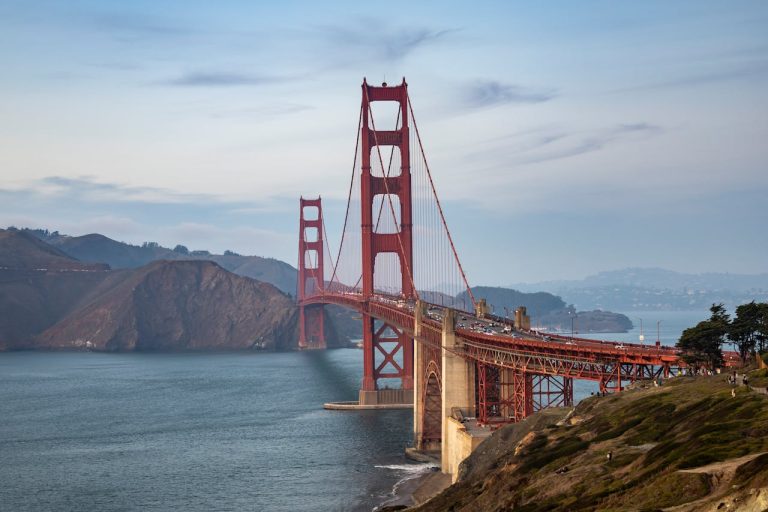
9 Asian Cities Where Rules Strongly Shape The Visitor Experience
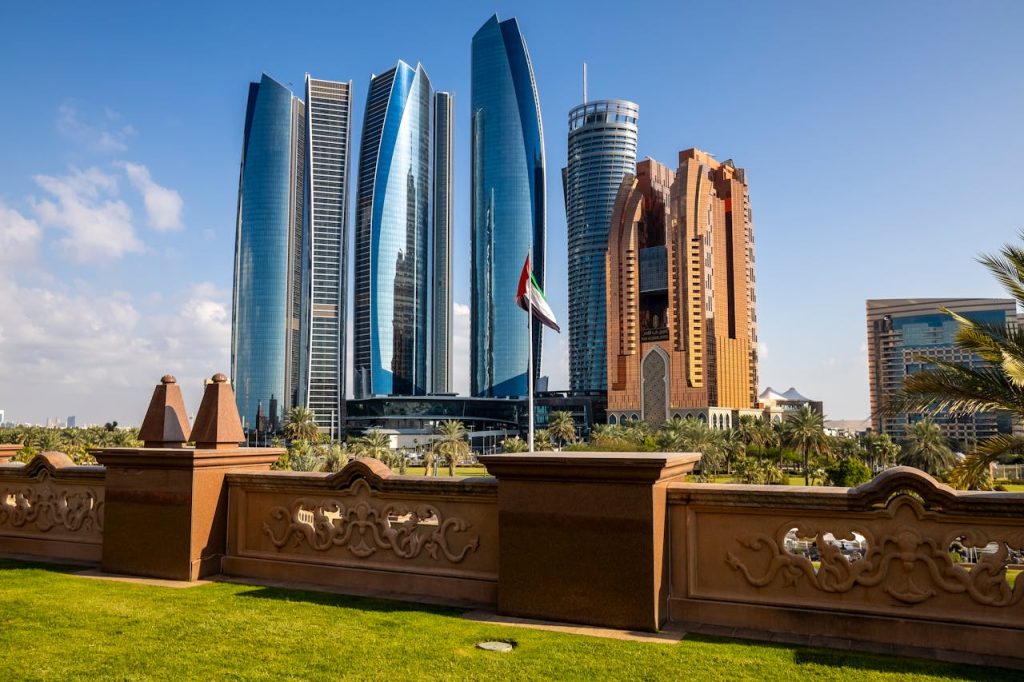
Some cities teach their values through rules that visitors can feel within minutes. Signs, queues, and quiet customs guide how people move, dress, eat, and speak in shared space, often with surprising consistency.
That structure can feel soothing after messy travel days, but it asks for attention. A missed instruction at a gate, a careless photo, or the wrong habit on transit can change the tone fast. In the cities below, boundaries protect privacy, keep crowds flowing, and leave daily life in local hands, so the visit runs on awareness as much as curiosity.
The payoff is often calm streets, clearer access, and fewer surprises.
Singapore
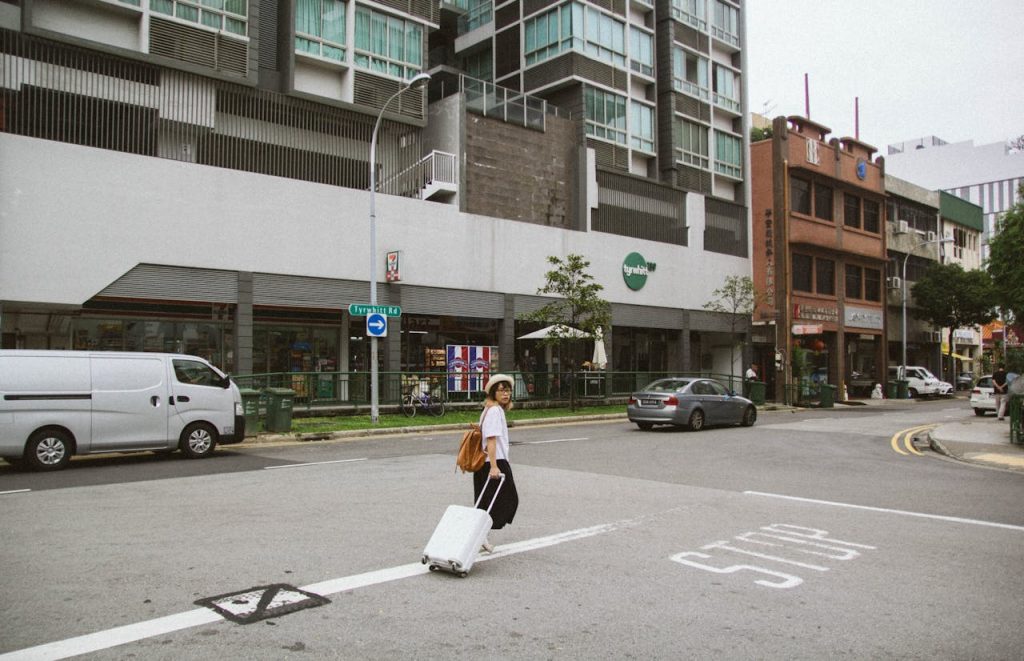
Singapore’s rules show up in ordinary moments. Cleanliness is treated like public infrastructure, so smoking is pushed into marked areas, and food and drink are kept off most public transit. The tone is clear: shared spaces are not personal storage.
That clarity shapes the day. Coffee cups stay capped before the fare gates, litter stays pocketed until a bin appears, and queues form with little drama because consequences are not abstract. The reward is a city that feels readable at rush hour, where sidewalks, stations, and parks stay calm even when they are full. Visitors who follow cues blend in quickly and waste less time second-guessing.
Hong Kong
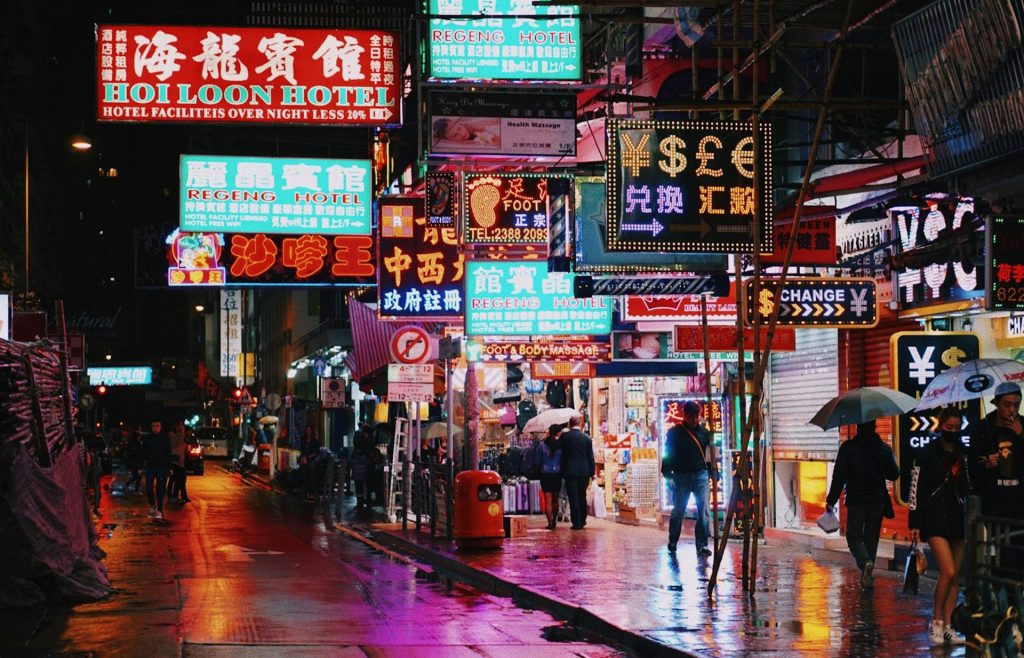
Hong Kong’s MTR is built for density, and the rules are written to keep packed platforms workable. Eating and drinking are restricted, smoking rules are strict, and signs make it clear that shared space comes with expectations.
Those boundaries shape behavior fast. Snacks stay sealed, bags stay close, and people let riders exit before boarding because a small lapse can stall a whole car door. The payoff is speed without chaos, plus stations that feel cleaner than their foot traffic would suggest. Visitors who copy the local rhythm find the city easier to trust. Even escalators have a code: stand to one side, keep the flow, and move on.
Tokyo, Japan
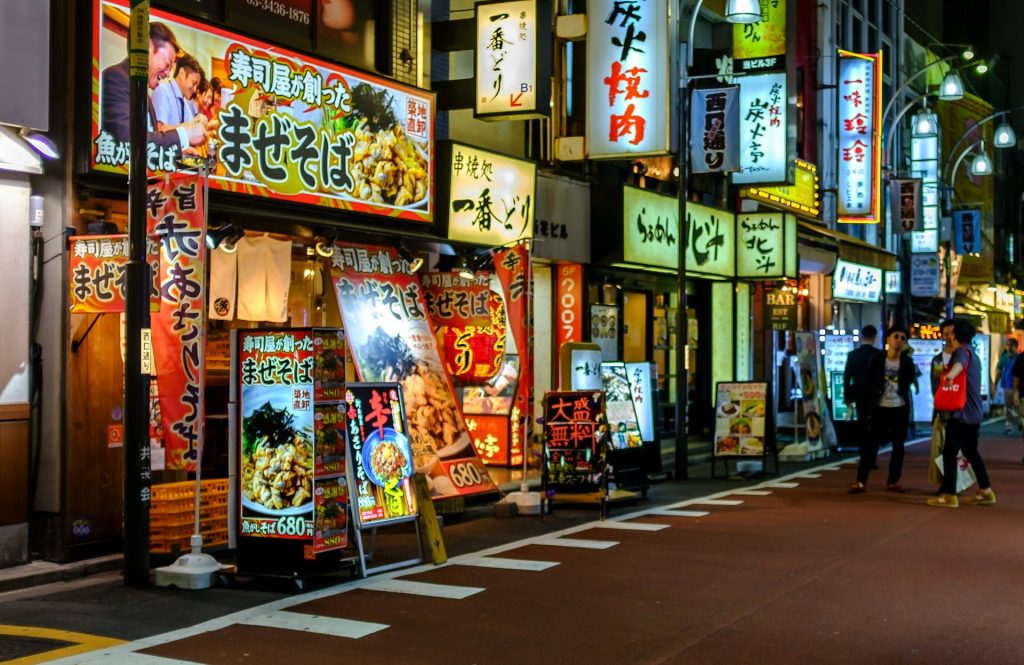
Tokyo’s strongest rules often arrive as etiquette with real weight. Phone calls on trains are discouraged, voices stay low, and platform lines are treated like a promise. The city runs on tiny courtesies repeated all day.
Order shows in motion: quick exits before boarding, steady escalator flow, and priority seating that is respected without theatrics. Limited public bins also shape habits, so people carry trash longer and keep snacks discreet. The reward is calm inside huge crowds, where a packed commute can still feel almost quiet. Awareness blends in better than confidence. Visitors who match the tempo rarely feel policed, only guided.
Kyoto, Japan
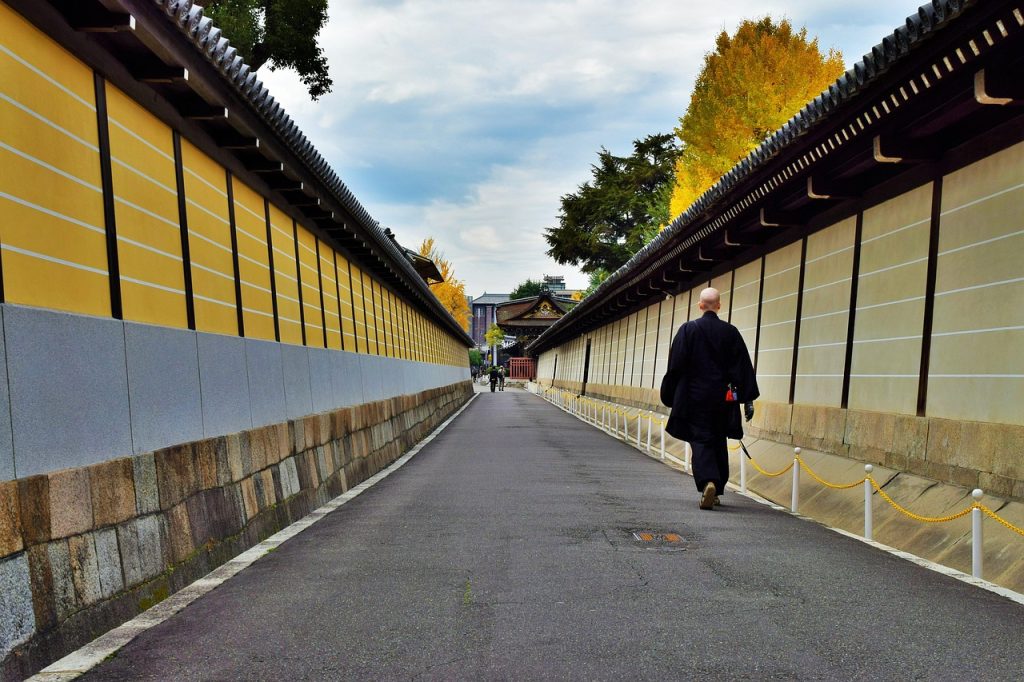
Kyoto protects intimacy as actively as it protects temples. In parts of Gion, certain narrow lanes are treated as private living space, and visitors are steered away when crowds or cameras start to press too close.
That boundary changes the whole feel. Photography becomes a choice, not a reflex, and wandering turns more intentional because signs and staff make the limits clear. Quiet conduct is expected near shrines and small streets, where residents still work, shop, and walk home. Visitors who slow down notice more craft and less commotion, and the city feels less like a stage. Respect buys access to the real mood of the place.
Seoul, South Korea
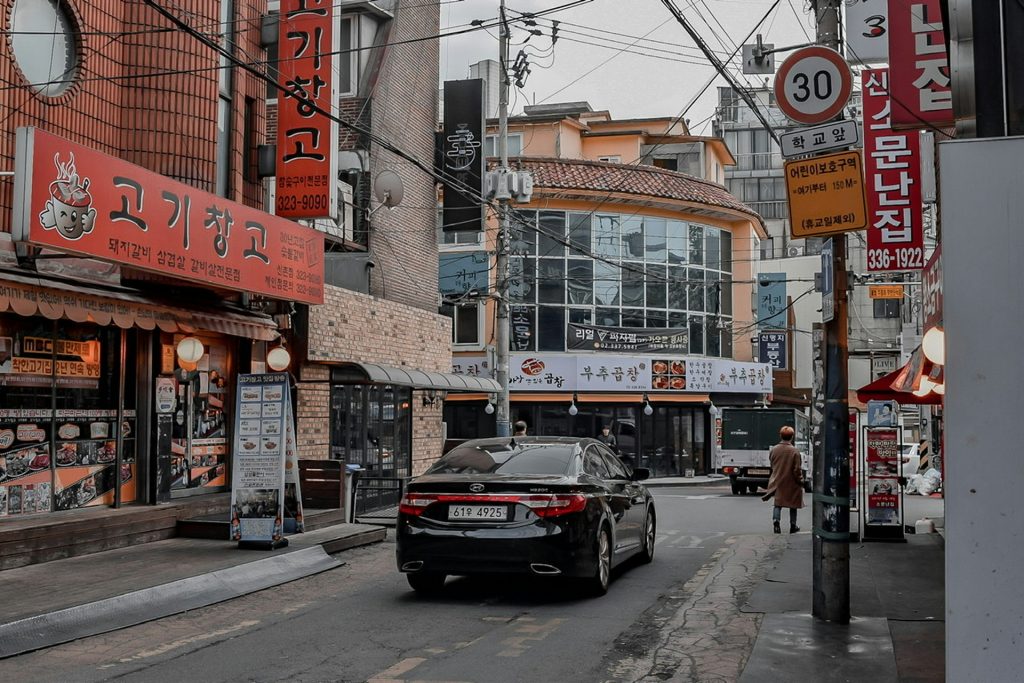
Seoul pairs high energy with firm guardrails in shared space. Smoke-free zones around stations and busy sidewalks are common, and rules push smoking into marked spots so entrances and platforms stay clearer.
On transit, expectations lean quiet and efficient. Riders line up at floor markings, let people exit first, and keep calls low because packed cars have no room for extra noise. In many buildings, trash sorting is also treated as routine, not optional. The result is a city that stays lively without slipping into disorder, even late at night in busy districts. Visitors notice the difference when crowds move fast but still feel considerate.
Beijing, China
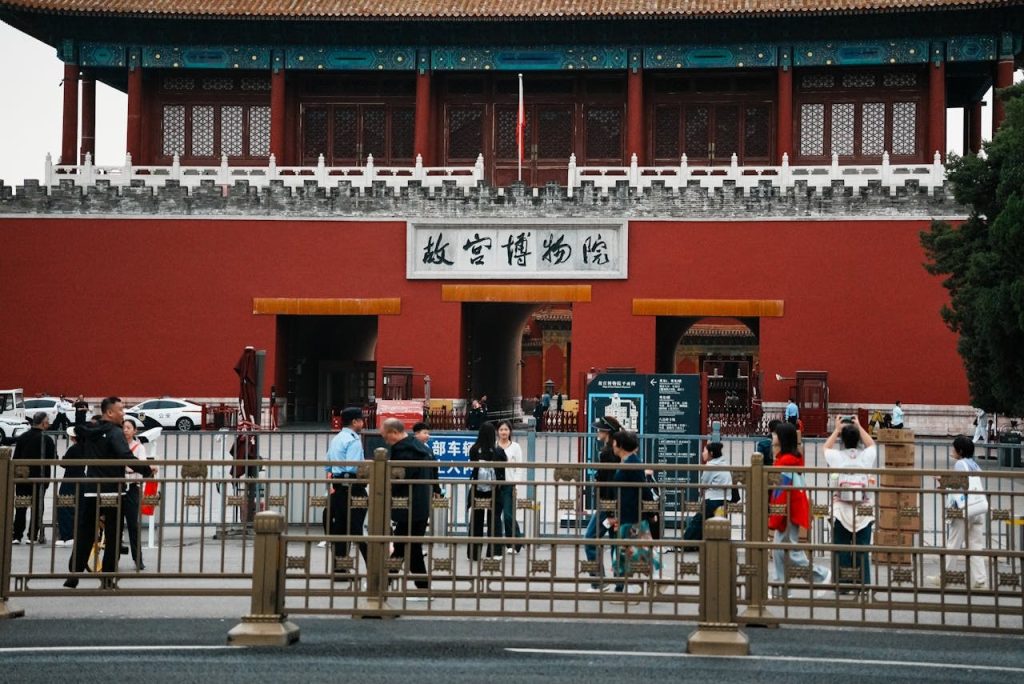
Beijing often rewards planning more than spontaneity. Many major sights rely on real-name reservations, timed entry, and ID checks, so the day can start with confirmations and documents long before the first gate.
That structure shapes how crowds behave. Lines move in waves tied to time slots, security screening becomes routine, and a small booking mistake can reroute an entire morning. The upside is fewer uncontrolled surges inside palaces and courtyards, plus calmer movement through narrow passages. Visitors who plan carefully trade flexibility for a smoother, less compressed experience. It feels strict, but it is predictable.
Lhasa, Tibet Autonomous Region
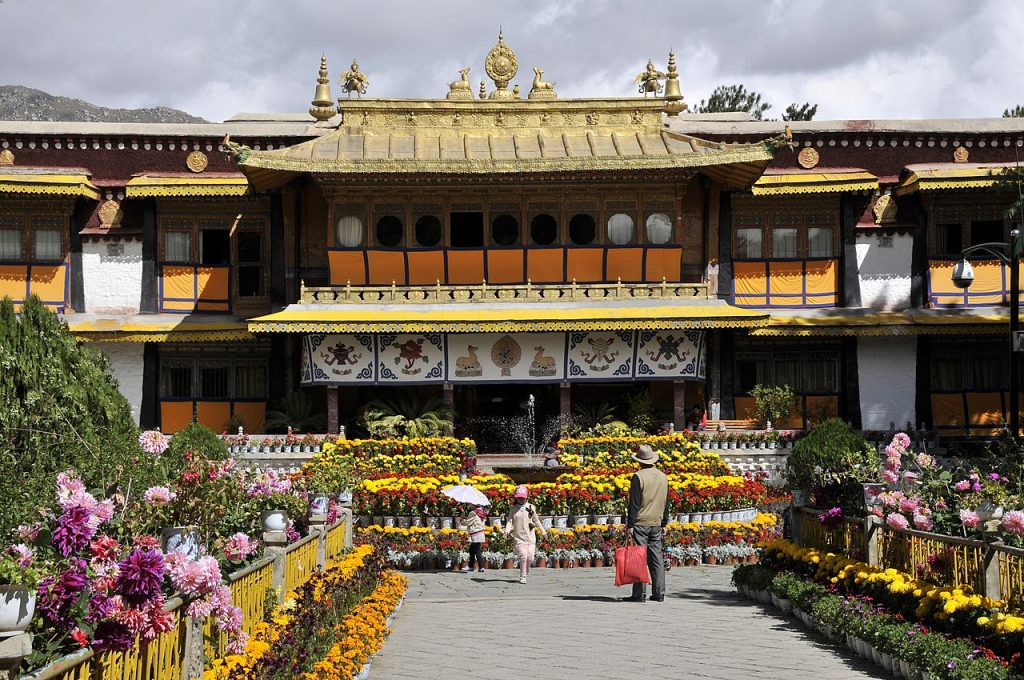
Lhasa is shaped by permissions as much as altitude. For many foreign visitors, travel depends on permits arranged in advance and, in practice, a guided structure that ties hotels, routes, and timing to approved paperwork.
That requirement rewrites the rhythm of exploration. Checkpoints and document checks become part of the day, and improvisation has less room than in most cities. The upside is clarity: expectations are set early, logistics are handled, and the focus can stay on monasteries, markets, and mountain light. The rules signal sensitivity, and visitors feel it in how carefully access is managed. Planning is the price of entry.
Dubai, United Arab Emirates
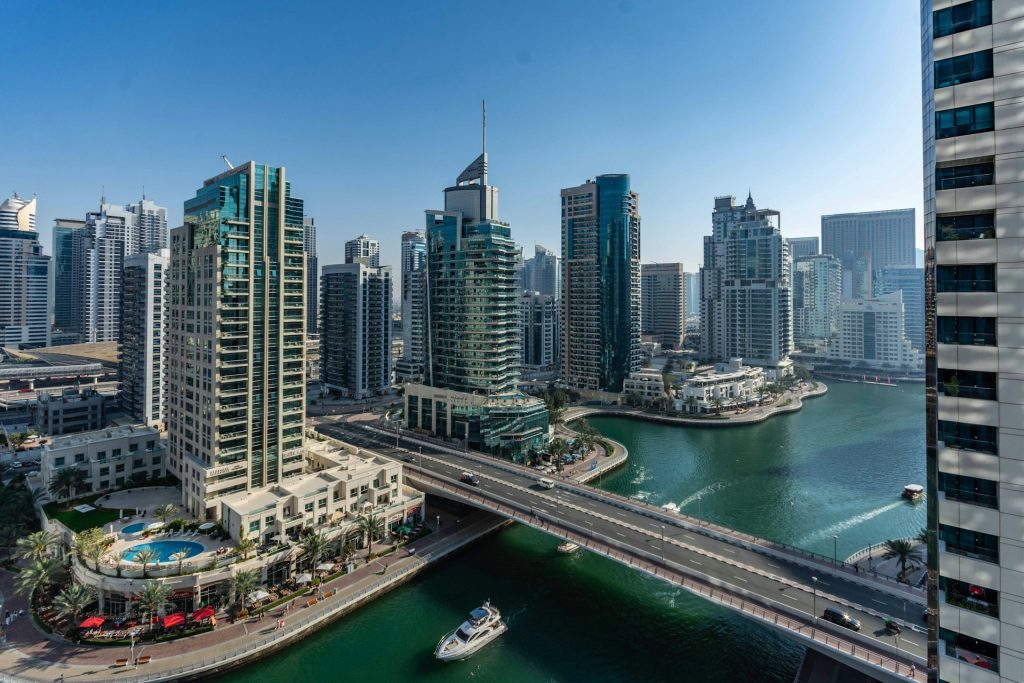
Dubai can feel relaxed in resorts and nightlife zones, yet public-space rules still set the tone. Alcohol is generally confined to licensed venues, and dress and conduct expectations stand out in malls, metro stations, and older districts.
Those boundaries create two moods. Private venues can be permissive, while public areas carry stronger norms about language, public affection, and respectful behavior. Visitors who read context usually glide through. Keeping transit volume low and dressing a bit more conservatively in civic spaces prevents awkward moments and keeps the day smooth. Public space runs on restraint and venues loosen the rules.
Abu Dhabi, United Arab Emirates
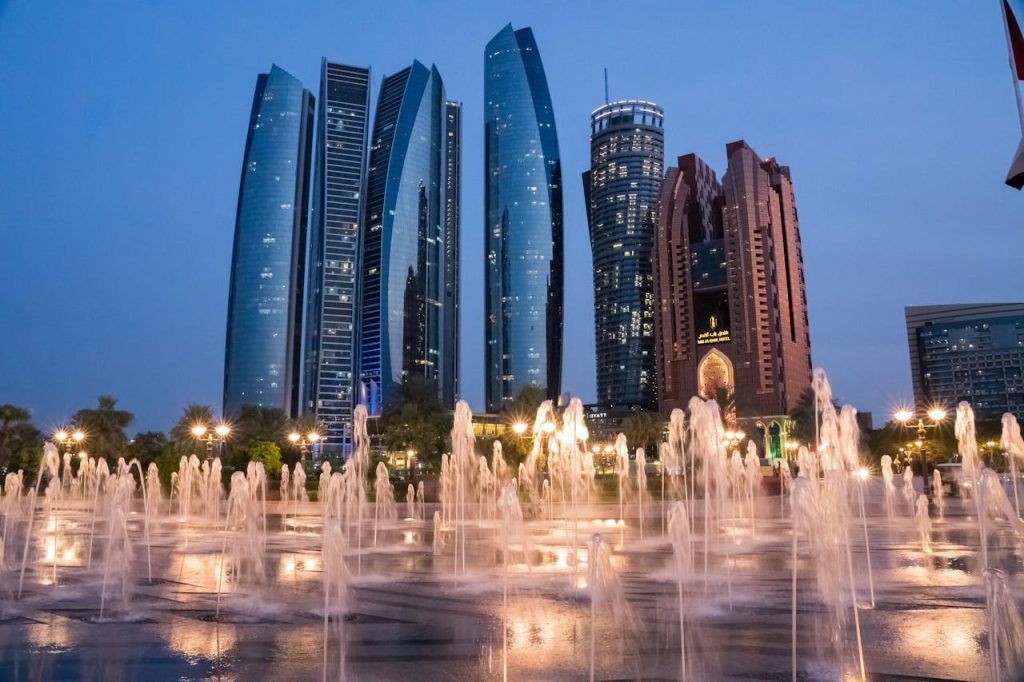
Abu Dhabi’s public norms lean conservative, and visitors feel it quickly in dress, privacy, and pace. Modest clothing is expected in many everyday settings, and photography can be sensitive around people and official sites.
Cultural venues provide clear guidance. Grand mosques, museums, and government areas ask for quiet conduct and appropriate attire, and staff reinforce the rules in a steady, practical way. The result is public space that feels composed, where hospitality comes with an implied request for restraint. Visitors who follow the cues often find the city welcoming, because respect is understood without debate.