9 Asian Cities Where Rules Strongly Shape The Visitor Experience
Travel across Asia often reveals a quiet pattern before it reveals any skyline. Order arrives first through station signs, museum portals, curbside markings, and neighborhood notices that shape movement hour by hour. The mood is not harsh. It is intentional, civic, and often calming once rhythms become clear.
In these cities, rules do more than punish mistakes. They protect shared spaces, reduce friction in crowded systems, and turn millions of daily interactions into something coordinated. Visitors who notice those patterns early usually move with less stress, fewer delays, and deeper respect for local life, even on tightly scheduled trips.
Singapore, Singapore
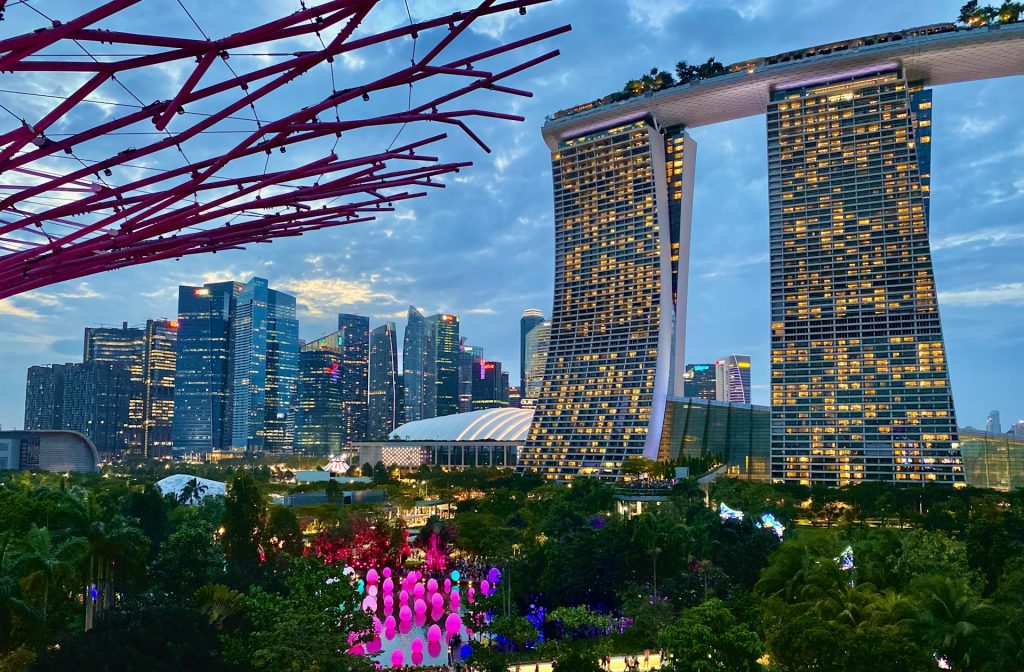
Singapore runs on precision, and visitors feel it almost immediately at customs and on the street. Import rules prohibit regular chewing gum, with narrow medical exceptions, and e-cigarettes are treated as prohibited imitation tobacco products. The legal framework is clear long before hotel check-in.
That same logic extends into public behavior, including smoking controls in designated non-smoking zones and tightly managed nightlife rules in specific districts. The result is a city experience where convenience is high, but personal freedom is consistently balanced against collective order, cleanliness, and predictable public rhythm.
Tokyo, Japan
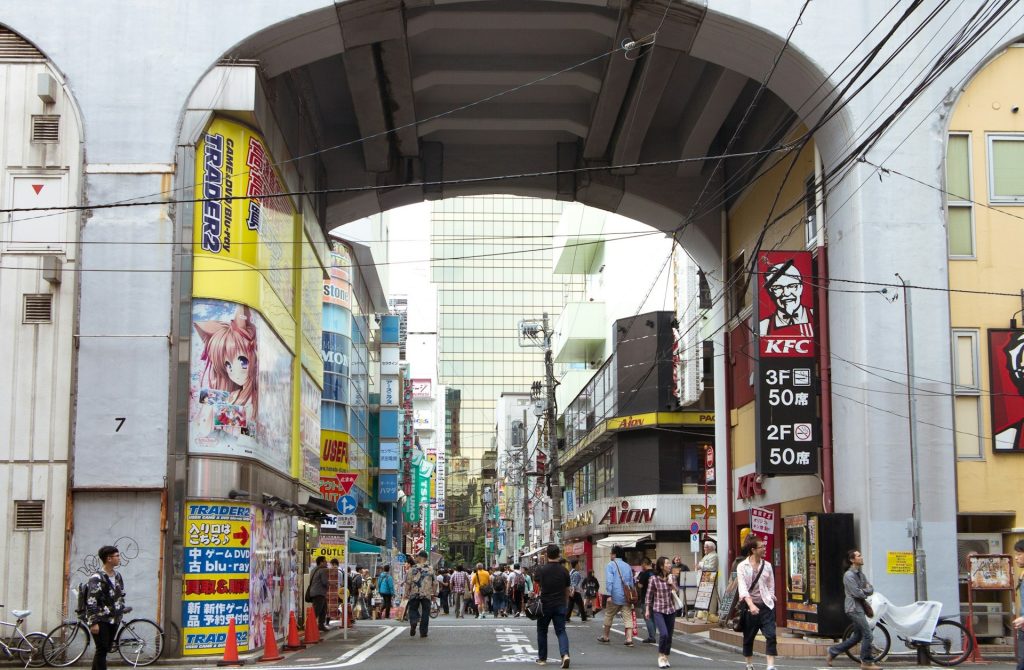
In Tokyo, hyper-urban life still depends on very local rules. In Chiyoda Ward, smoking on public streets is banned outside designated areas, and ward authorities can issue on-the-spot penalties for violations. The famous scramble energy hides a strong culture of micro-governance that keeps dense sidewalks functional.
What stands out is how enforcement and courtesy reinforce each other. Commuters line up, escalator flows stay predictable, and public space remains usable even at rush-hour intensity. For visitors, citywide impressions are often built from ward-level ordinances residents treat as normal civic practice every day.
Kyoto, Japan
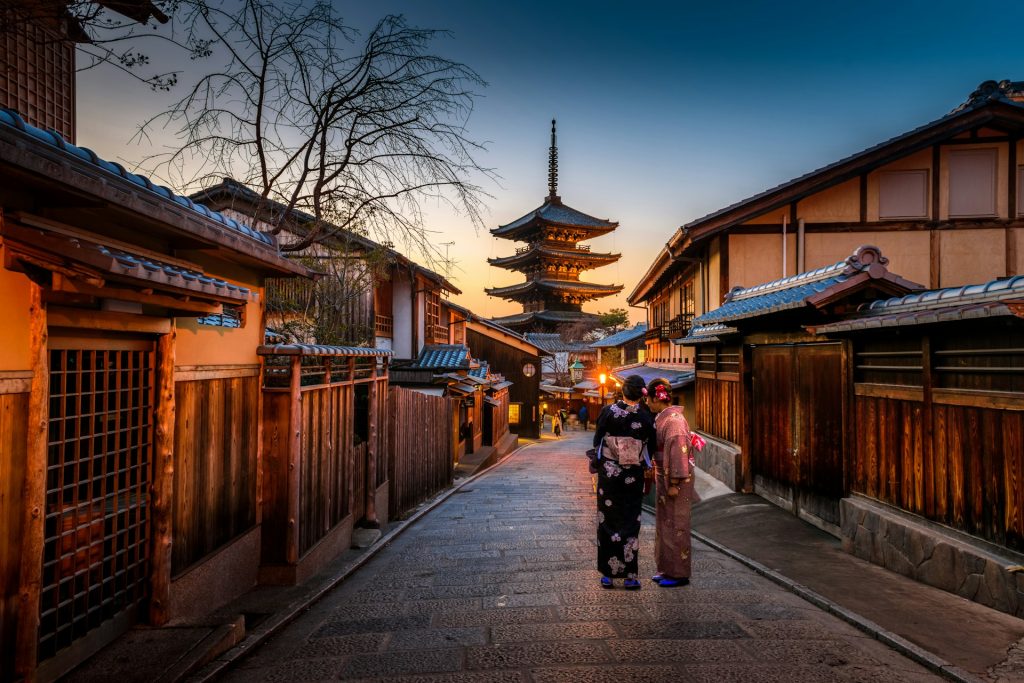
Kyoto asks for a different kind of discipline, rooted in cultural respect. In Gion, local guidance warns against intrusive photography and disruptive behavior around geiko and maiko districts, where daily life is not a staged performance. Streets that look cinematic are still working neighborhoods with residents and routines.
That framing changes how a visit feels. Instead of chasing a perfect shot, thoughtful travelers slow down, keep distance, and let place take priority over content. Kyoto still welcomes global tourism, but it increasingly signals that heritage survives only when guest behavior supports community life.
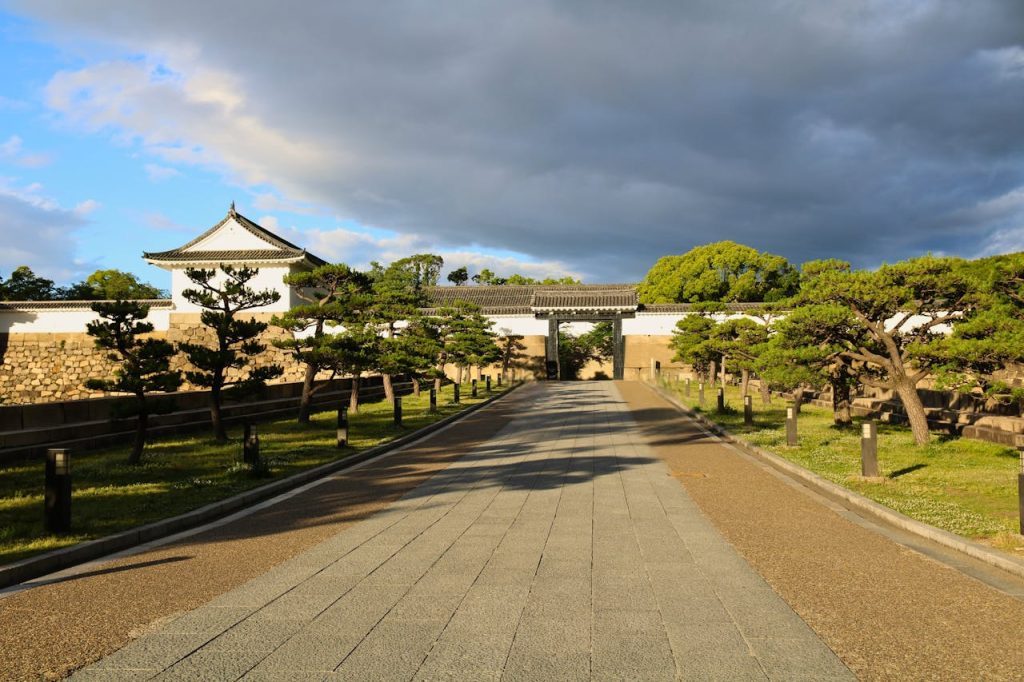
Osaka, Japan
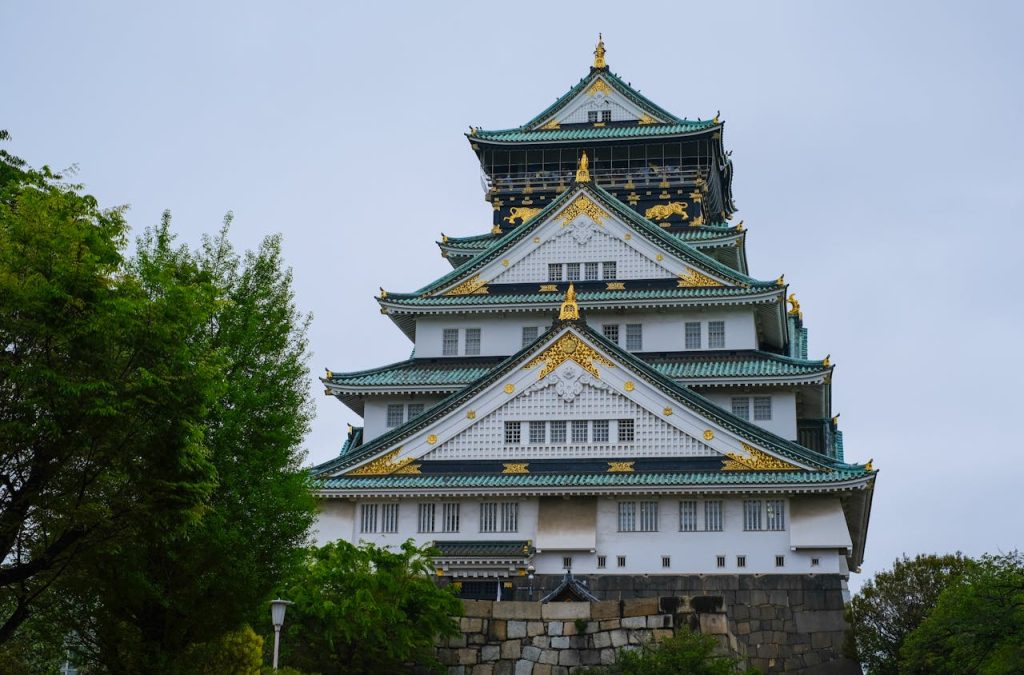
Osaka has moved toward stronger citywide anti-smoking enforcement in public outdoor areas, including roads, parks, and plazas, with financial penalties for noncompliance. For visitors, the shift is visible in street design: designated smoking points become anchors, while formerly casual smoking spots are clearly restricted.
The bigger takeaway is how quickly urban norms can change once policy and signage align. Osaka remains energetic, informal, and food-driven, yet the public realm now carries a stricter civic tone. Tourists who read the streets carefully tend to adapt fast and avoid small missteps that sour a day outdoors.
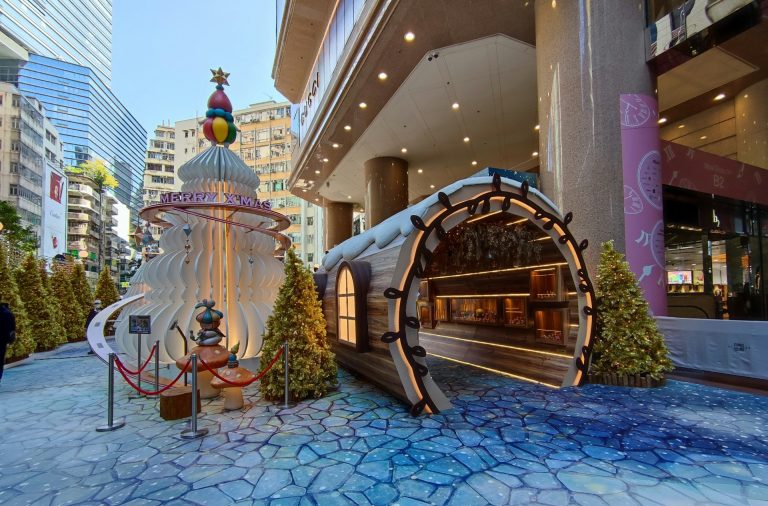
Hong Kong, China
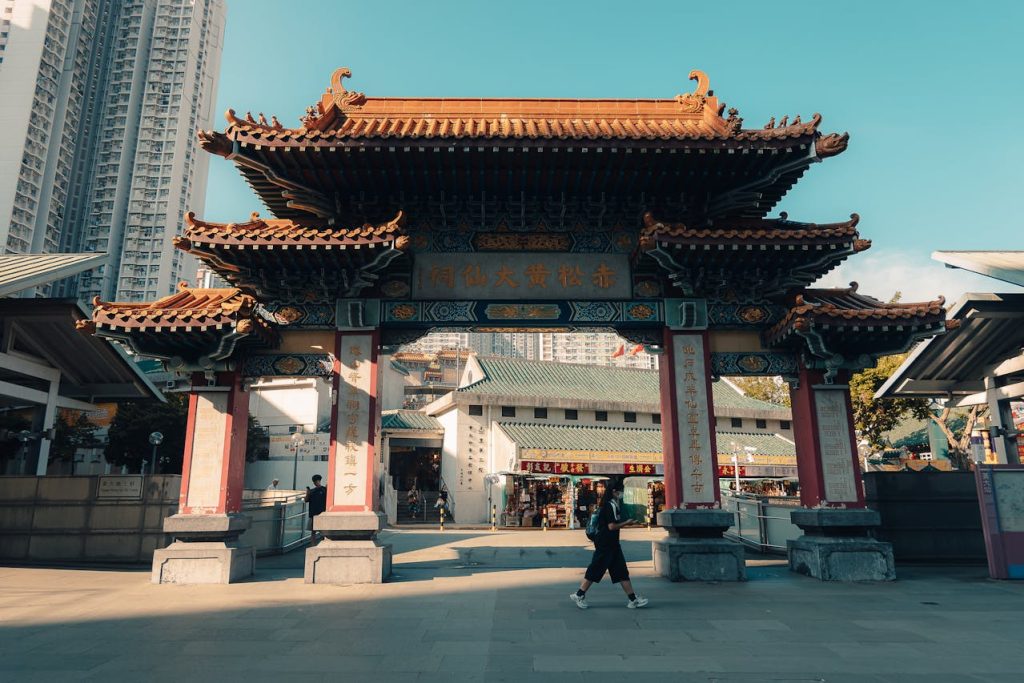
Hong Kong’s rail culture is famously efficient, and the MTR by-laws make that efficiency explicit. Eating or drinking in paid areas is an offense, and the published penalty schedule is not symbolic. Rules also cover nuisance behavior, littering, and conduct that disrupts passenger flow through crowded platforms.
That legal clarity shapes the emotional tempo of movement across the city. Cars stay cleaner, queues hold, and rush-hour friction stays lower than many systems of similar size. For newcomers, the city feels strict at first, then generous once expectations are understood and transit etiquette becomes second nature.
Taipei, Taiwan
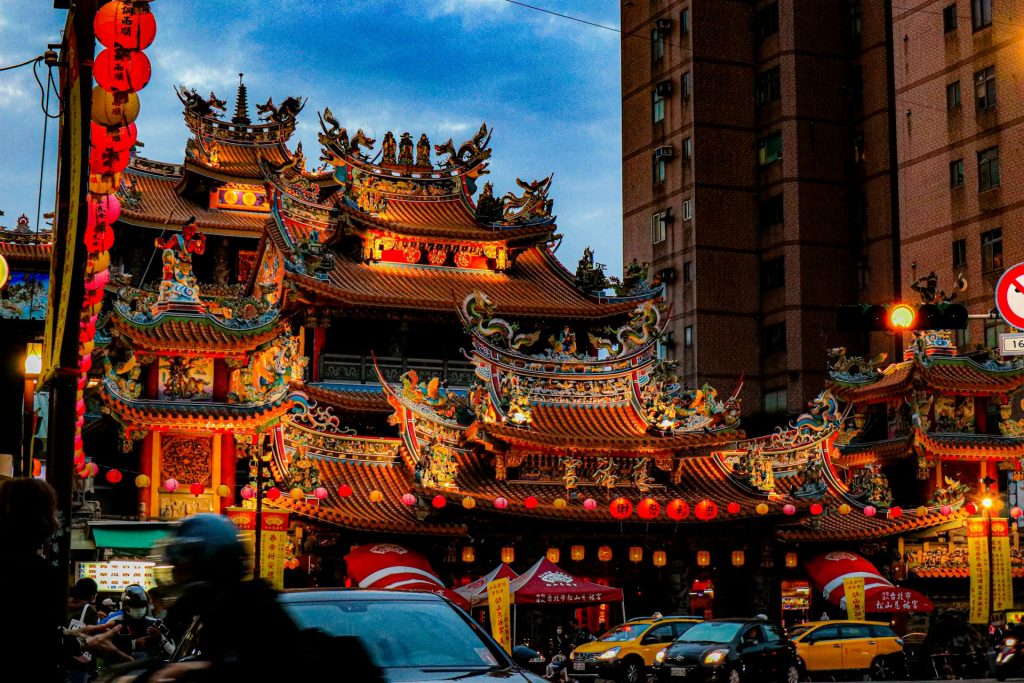
Taipei’s MRT culture rests on a firm boundary: no eating or drinking within the paid area, including water, with staff empowered to enforce the rule across stations and trains. The policy is widely discussed because it surprises first-time visitors from cities where sipping on trains is routine.
Yet that same rule helps explain why stations feel orderly and floors stay clean despite heavy daily ridership. Taipei pairs legal enforcement with visible etiquette cues, from queue lines to platform behavior, creating a transit environment that feels calm rather than tense. The system asks for discipline, then pays it back in reliability.
Bangkok, Thailand
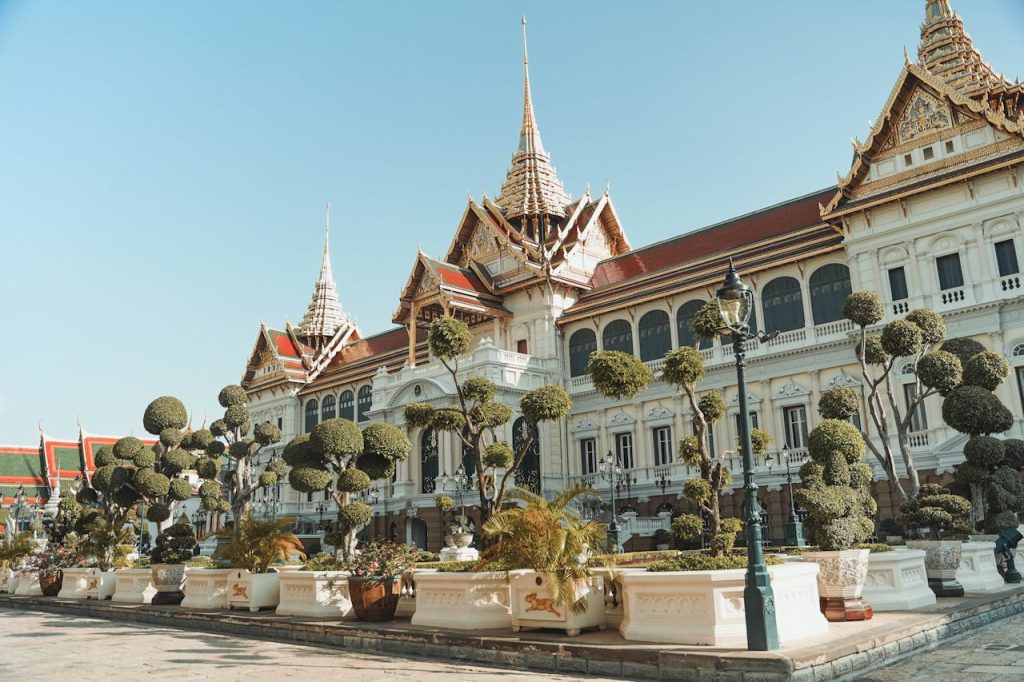
Bangkok is described as spontaneous, but legal boundaries are tighter than many visitors expect. Official travel advisories continue to warn that e-cigarettes are illegal in Thailand, with potential fines or imprisonment for carrying or using them. Public smoking restrictions and alcohol sales windows add another layer of timing rules.
In practice, trip planning matters more than instinct. A casual habit that seems harmless elsewhere can trigger trouble in a city known for hospitality and street life. Visitors who treat Bangkok as both warm and rule-bound usually move with fewer confrontations and more room to enjoy what the city does best.
Beijing, China
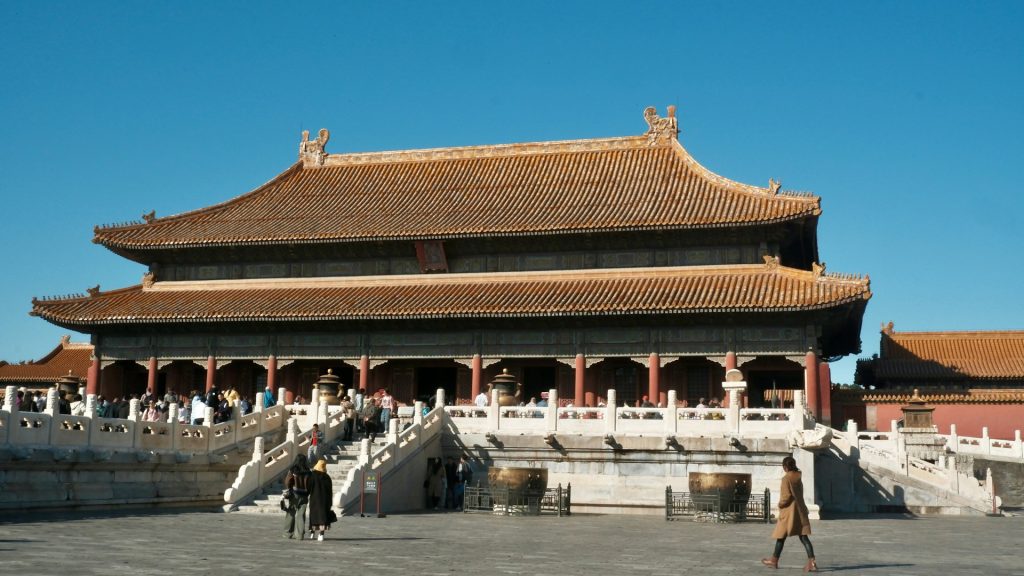
Beijing’s Forbidden City experience starts with digital and identity rules before any imperial architecture comes into view. Ticketing guidance states there are no same-day tickets, reservations are real-name based, and entry requires the original valid ID used at booking. Even route logistics are prescribed through designated gates.
These procedures can feel strict, yet they reduce chaos at one of the world’s busiest heritage sites. Timed access, identity matching, and controlled entry points protect both artifacts and crowd safety. For visitors, preparation is part of the visit itself, and last-minute improvisation is rarely rewarded.
Dubai, United Arab Emirates
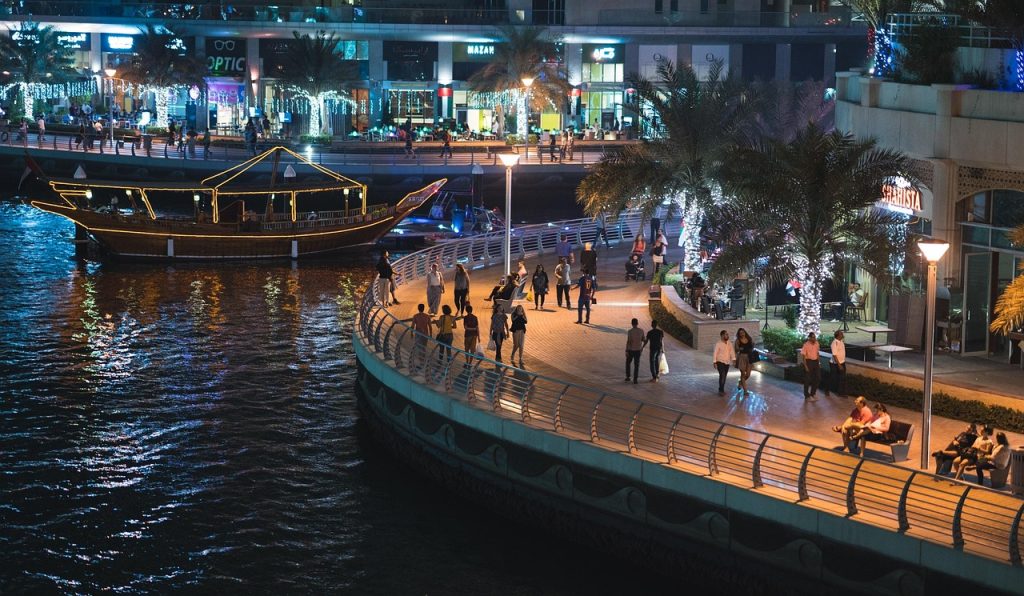
Dubai combines global tourism polish with social norms that are formally codified rather than loosely implied. UAE guidance highlights expectations around public conduct, including restrained displays of affection and respect for local religious and cultural conventions in shared spaces. The city feels modern, but the rulebook remains visible.
That contrast shapes visitor decisions, from clothing choices in public settings to behavior during religious periods and nightlife shifts. Most travelers adapt quickly once they read social context instead of only the skyline. Dubai tends to reward awareness, while carelessness meets firm boundaries.