9 Christmas Destinations Where Prices Spike Overnight
Christmas travel can turn ordinary price tags into moving targets. A city may look calm on the street, yet rooms, trains, and dinner reservations tighten by the hour as holiday leave aligns across calendars. The sharpest spikes hit places with limited inventory, signature events, or a narrow sweet spot of winter weather. Once key dates sell through, algorithms reset the baseline, and a familiar destination suddenly reads like a luxury splurge. By the time the crowds arrive, the budget has already changed.
Rovaniemi, Finland (Lapland)
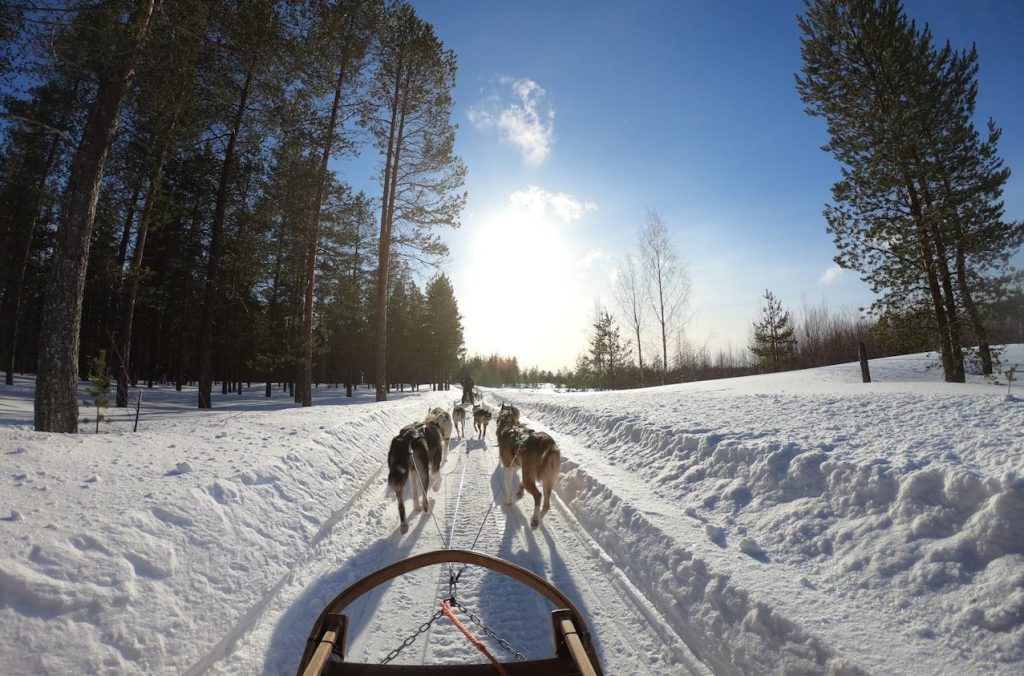
Rovaniemi sells a concentrated version of December magic, and the pricing follows that concentration the moment mid-month dates start disappearing from booking calendars. Beds are limited, family demand is intense, and many stays are bundled with airport transfers, snowmobile outings, husky sled rides, and Santa-themed visits, so the cheapest rate plans vanish first and the floor rises quickly. Once a single weekend sells out, the remaining cabins reprice upward with minimum-stay rules and stricter deposits, and scarce guides and tour slots tighten the squeeze until even plain lodges cost like premium resorts.
London, England
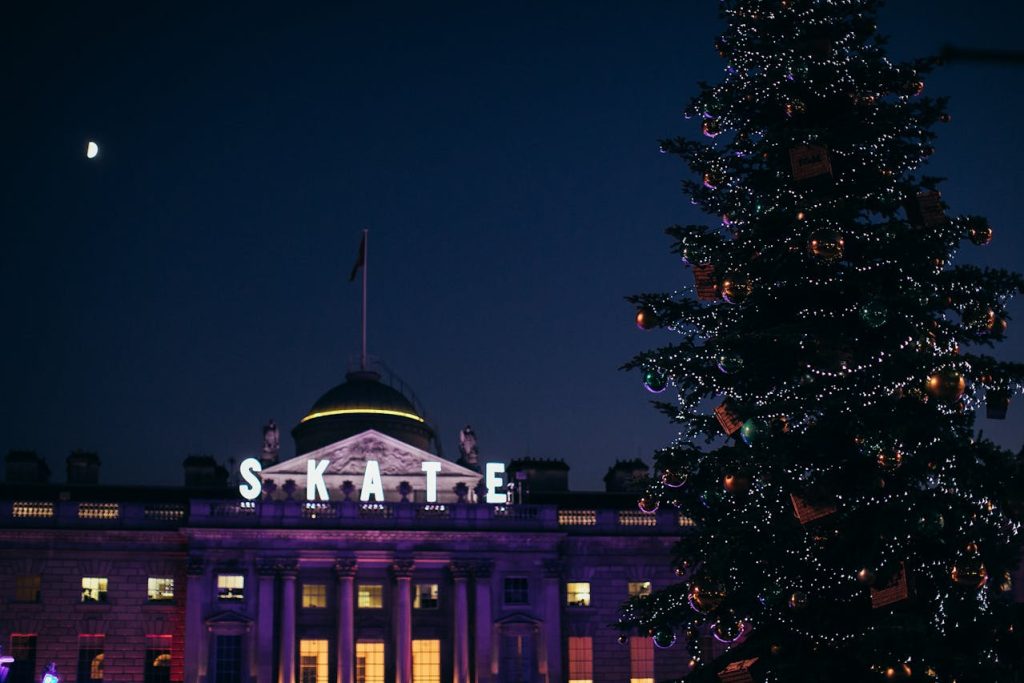
London’s holiday surge is less mystery than logistics: finite rooms, global demand, and a short window when everyone wants the same postcodes at the same time, usually with flexible cancellation. West End shows, seasonal displays, and the New Year run-up compress visitors into central zones, where hotels lean on festive packages, prepaid rules, and set-menu add-ons that quietly lift the total before taxes. When one block sells through, pricing resets across nearby properties, so a room that looked normal in early Dec. can jump sharply overnight once flexibility disappears from the map and minimum stays appear.
Vienna, Austria
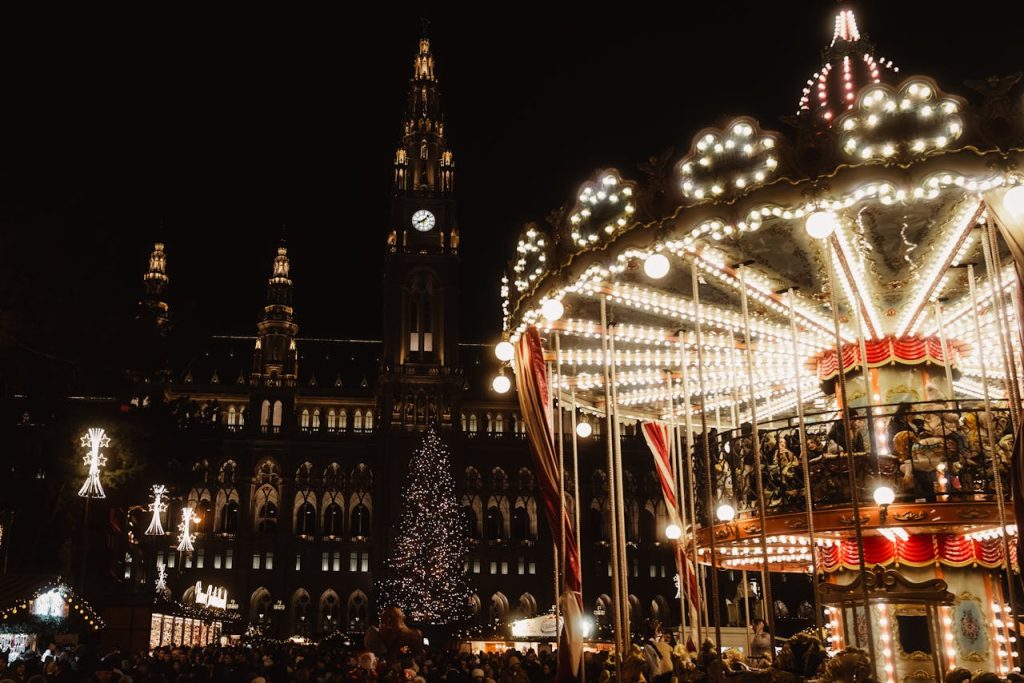
Vienna’s Christmas markets invite slow wandering, but lodging prices move fast once peak weekends arrive and the central neighborhoods start filling in layers, especially near the big squares in the inner districts. Travelers cluster near the Innere Stadt, Rathausplatz, and concert halls, so the walkable footprint sells through early and leaves only higher-priced rooms, awkward locations, or nonrefundable deals. As availability shrinks, hotels reprice the remainder like event nights, often adding stricter cancellation terms, breakfast bundles, or multi-night minimums, turning a midrange stay into a sudden splurge.
Strasbourg, France
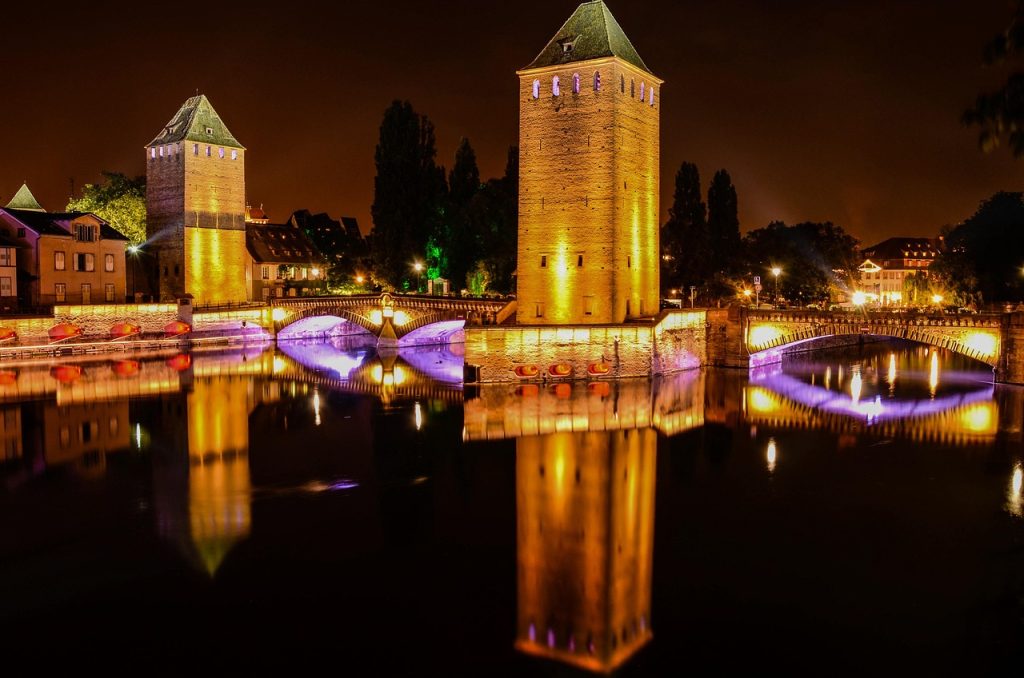
Strasbourg’s “Capital of Christmas” reputation pulls visitors into a compact center where walkability is the main luxury and the bed supply is simply not deep, especially on weekends. Most rooms inside the old core sell early for market dates, and what remains gets priced as scarce inventory, often bundled with set-date packages, dinner add-ons, and tighter refund rules. Because many travelers insist on staying within a few blocks of the cathedral, one sold-out stretch can reset rates citywide, and even plain rooms start reading like boutique stays for the same reason: location, not extra comfort.
New York City, New York
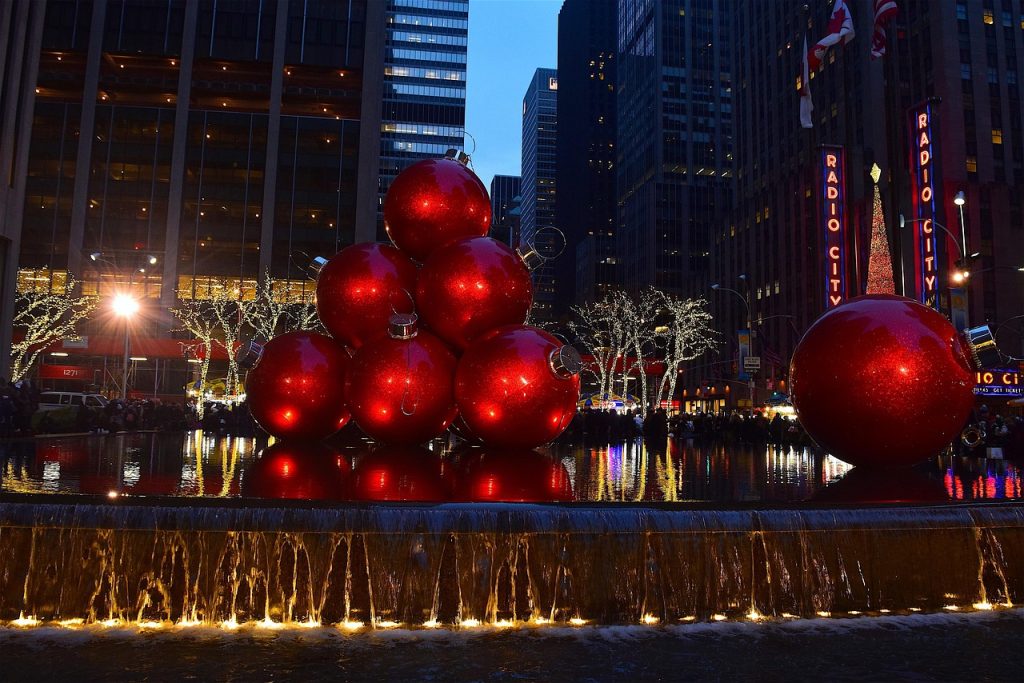
New York’s late-December spike runs on date-locked demand, with holiday crowds, Broadway, and the march toward New Year’s Eve stacking on the same few neighborhoods and subway lines. Hotels price like airlines, tightening discounts, raising deposits, and nudging rates upward as inventory disappears, especially in Midtown and areas with easy transit, iconic displays, and late-night dining. The shift can happen in days because one conference, one show weekend, or a weather hiccup compresses bookings into fewer options, so scarcity, not quality, becomes the price setter for the whole week. It is peak-season math in real time.
Aspen, Colorado
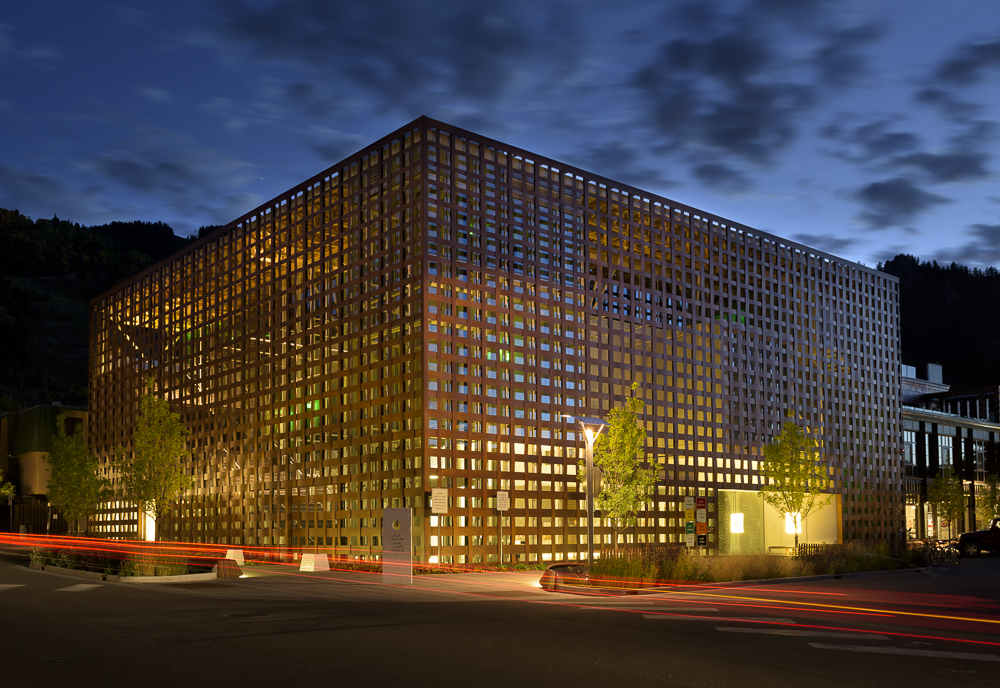
Aspen is small by design, which is why Christmas week can flip prices so fast once the last flexible rooms start getting snapped up across hotels, condos, and vacation rentals. Ski season already sets a high baseline, then holiday leave stacks family trips, group rentals, and minimum-stay rules on top, squeezing the remaining inventory into a tight corner. When only a handful of units remain, the market resets upward everywhere at once, and “package” language becomes a polite way of saying the cheap rates are gone, the add-ons are mandatory, and the calendar is in control. That is the holiday squeeze.
Zermatt, Switzerland
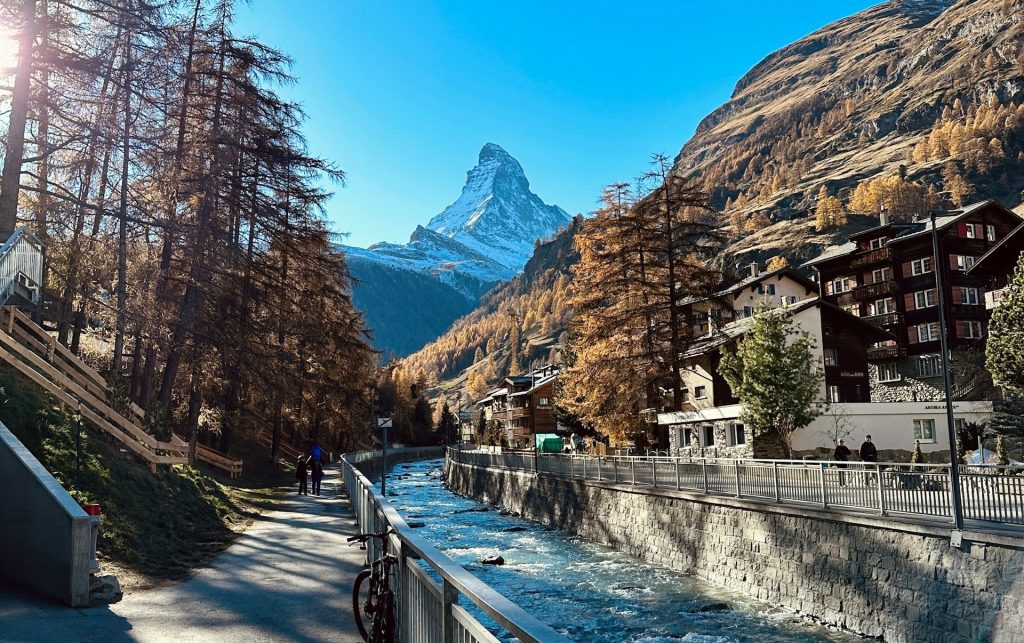
Zermatt’s charm is contained: a car-free village, a tight core, and a limited number of slope-adjacent hotels where convenience, views, and easy dinner access are the real luxury. Late December demand concentrates on that narrow set of properties, and once they fill, the remaining rooms reprice quickly, often with half-board bundles, stricter deposits, and multi-night minimums. Because rail arrivals, ski school slots, and dinner reservations tighten together, late planners get forced into fewer choices, and the village can feel serene while the pricing reacts with speed and very little mercy, even for simple rooms.
Dubai, United Arab Emirates
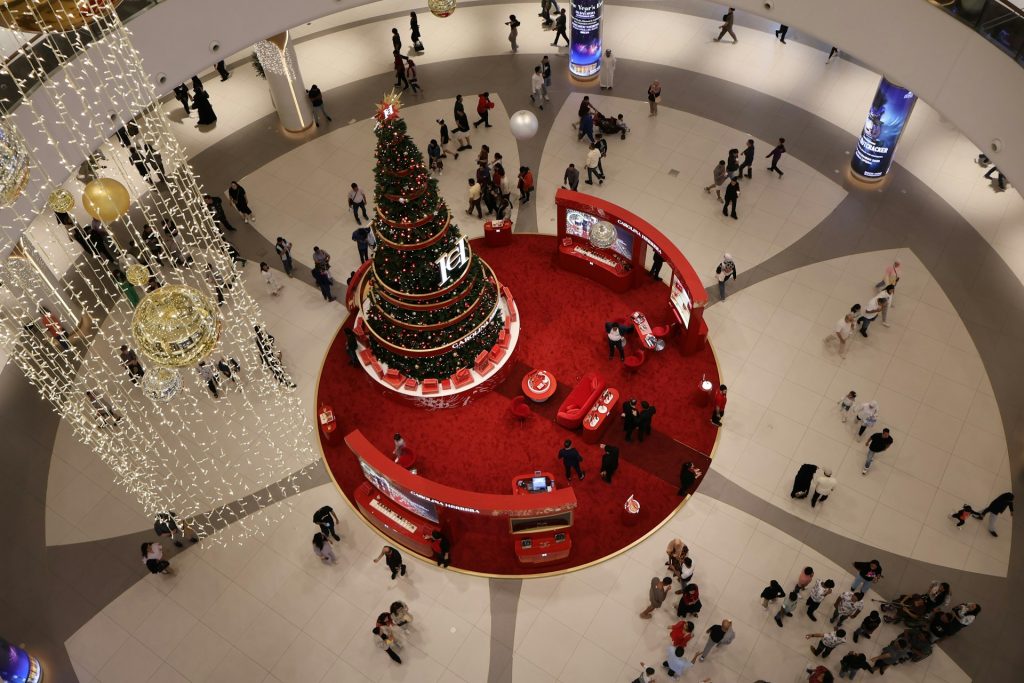
Dubai’s spike is driven by timing: mild weather, school breaks, and an events calendar that turns late December into peak season before the year even ends, especially for beach stays. Hotels remove the cheapest rate plans during blackout dates, then add festive dinners, New Year packages, and prepaid rules that lift the true cost even when the room looks unchanged on a listing page. Prime zones reprice first, especially beachfront and Downtown, and the ripple spreads outward as availability tightens, so the jump feels overnight even though it is built into the calendar and enforced by policy across the week.
Québec City, Québec

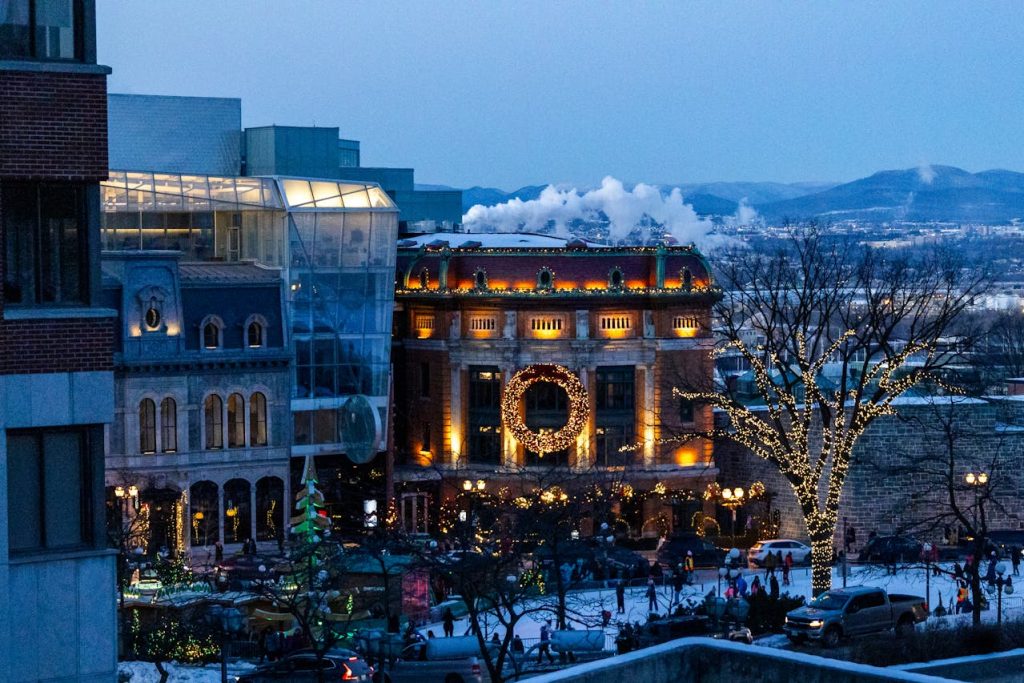
Québec City feels storybook in winter, and Old Québec is where most travelers want to stay, creating an immediate bottleneck inside a small historic core with limited modern inventory. Holiday weekends concentrate demand around walkable streets, cozy restaurants, and seasonal programming, but the room supply cannot stretch, so the cheapest options disappear quickly. Once central hotels sell through, rates climb and budget beds slide outward with minimum stays and stricter deposits, and winter weather can compress arrivals into fewer days, making the spike feel abrupt and unavoidable. The charm stays, the inventory does not.