9 Fall Travel Myths That No Longer Hold True
Fall travel used to come with simple rules: cheaper rooms, empty trails, steady weather, and a clear moment when summer ended and autumn began. Those rules were never universal, and now they break even faster, as demand shifts, weather patterns swing, and popular spots stay busy longer than expected. The good news is that fall is still one of the smartest times to travel, once the myths get retired. With a clearer view of what has changed, planning becomes calmer, and the season’s best moments arrive without the usual stress.
Fall Is Always Cheaper
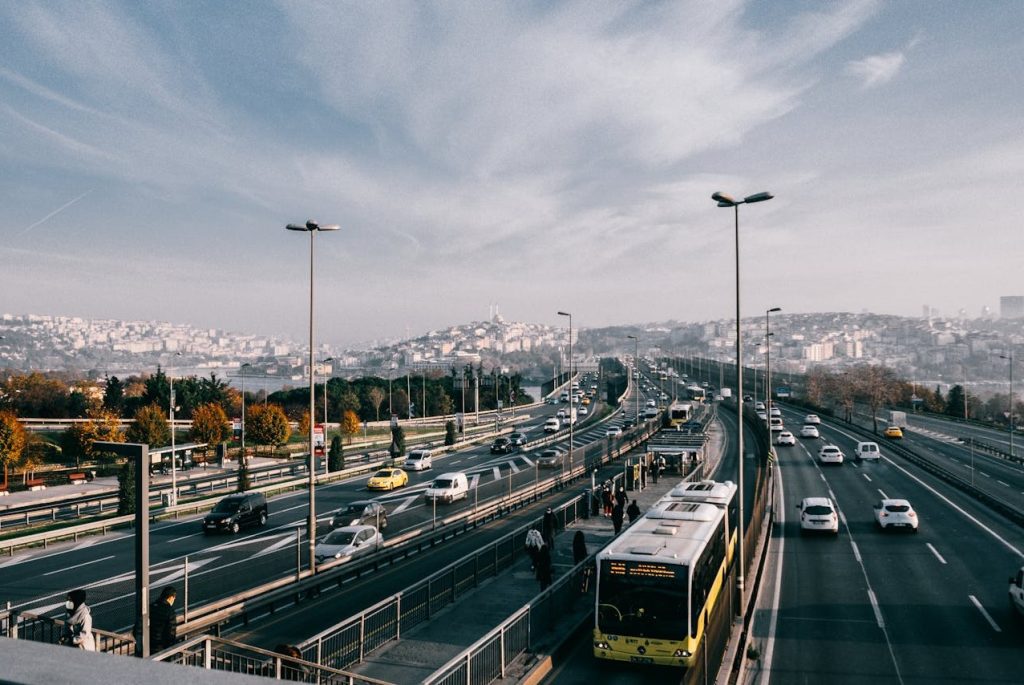
Fall used to signal discounts, but September and October now draw real demand as travelers chase cooler days and shoulder-season ease. In popular cities, rates can stay stubborn, and the best deals shift to midweek arrivals, less famous neighborhoods, or small towns just outside the postcard core, where transit, food, and views still deliver. Value comes from flexibility, not the month name, because a marathon weekend, a school break, cruise turnarounds, or a major conference can quietly lift flights, rooms, rental cars, and even the simplest dinner reservation without much warning at all. Now.
Leaf Peeping Guarantees Peak Color
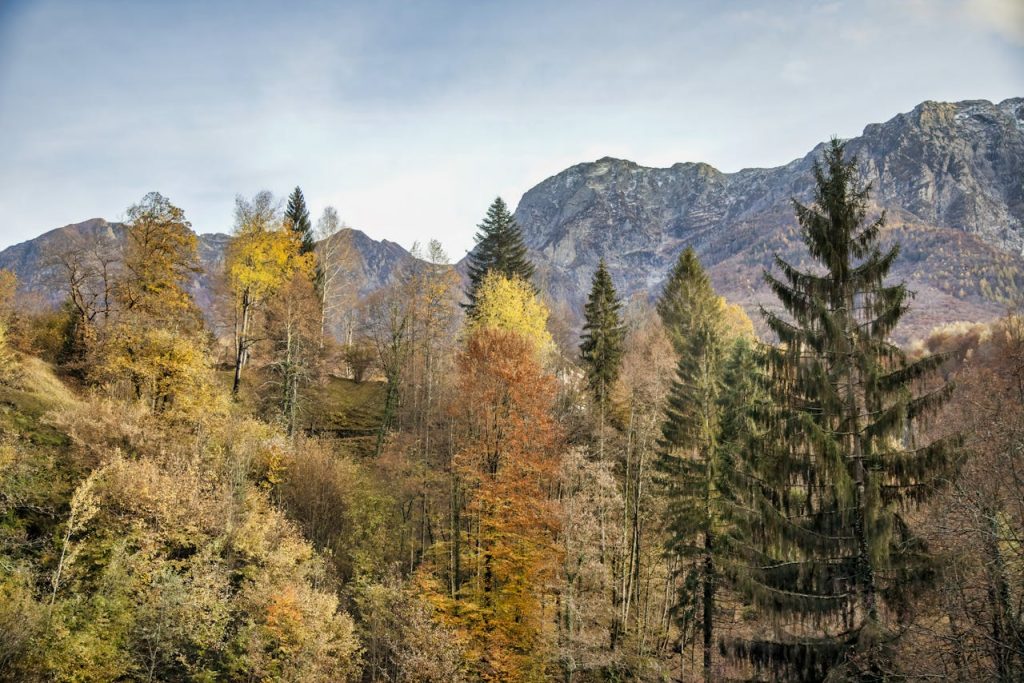
Peak color is not a fixed appointment, and it never was, but warmer falls have made the timing even less predictable across many regions. Leaves can turn later, arrive in patches by elevation and exposure, or fade fast after a warm spell and rain, so the single perfect weekend can disappoint even repeat visitors who booked months ahead. Trips work better with a range plan: a base near valleys and high ridges, one flexible day for driving, refundable lodging, and local foliage updates treated as guidance, not a promise, so the route stays relaxed and the color feels like an earned surprise. Too.
Storm Season Ends After August
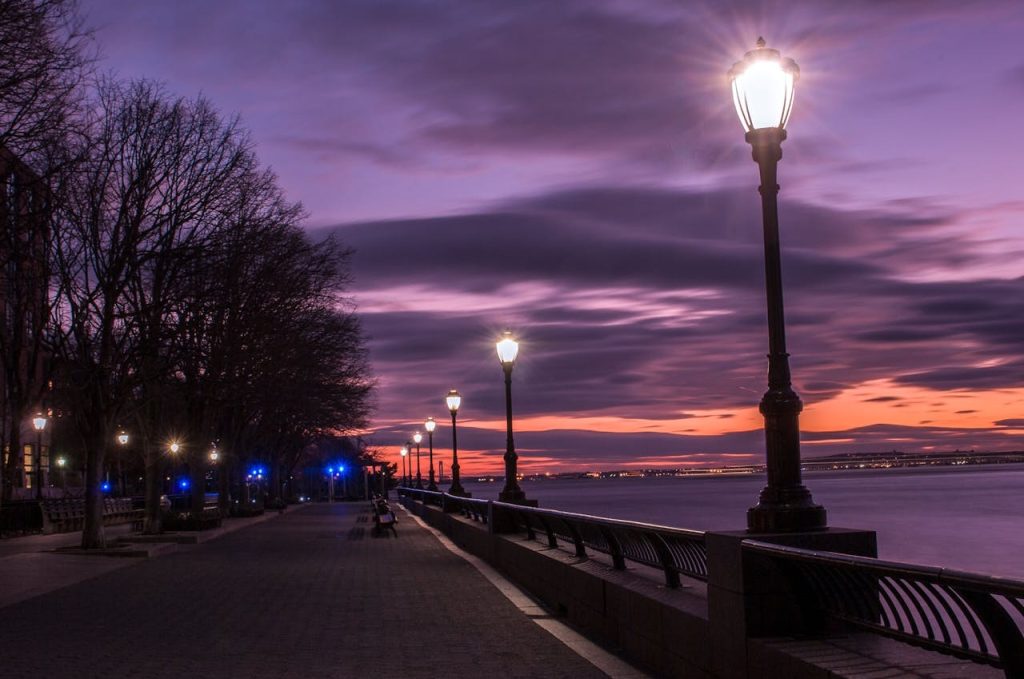
Coastal fall trips get sold as carefree once summer ends, yet the Atlantic storm season officially runs from June 1 through Nov. 30. September and October can still bring shifting forecasts, so plans work best with refundable rooms, changeable flights, and a schedule that does not depend on one perfect beach day, one ferry, or a prepaid tour locked to a single hour. A calm itinerary builds in inland alternatives, rail-friendly cities, and indoor anchors like museums, food halls, and covered markets, plus one buffer day for rescheduling, so a forecast change feels like a simple pivot, not a trip-defining problem.
Labor Day Clears The Crowds Everywhere

Labor Day does thin some destinations, but plenty stay busy well into October because fall has become prime travel time, not an afterthought. Mountain towns fill for color weekends, college cities spike for football Saturdays and parent visits, and big hubs stay packed when conferences, concerts, and weddings stack the calendar. The advantage is real, just uneven, so the smart play is tactical: arrive midweek, book one early-morning highlight, keep afternoons for neighborhoods, and choose a nearby alternative viewpoint or trailhead when the famous one clogs, then return later when the flow loosens.
Fall Always Means Mild Weather

Fall can be glorious, but it is also the season of sharp swings, when one day feels like late summer and the next asks for a jacket by noon. Rain can roll in fast, wind cuts harder near water, and mountain conditions can flip within hours, so counting on steady mild weather is a gamble, especially across microclimates where a sunny valley sits under a cold ridge. Trips run smoother with layers, a compact rain shell, and one indoor anchor each day, plus plans that still feel good in drizzle, such as markets, galleries, thermal baths, and long meals that turn the forecast into atmosphere instead of an obstacle.
Shorter Days Make Trips Less Worth It
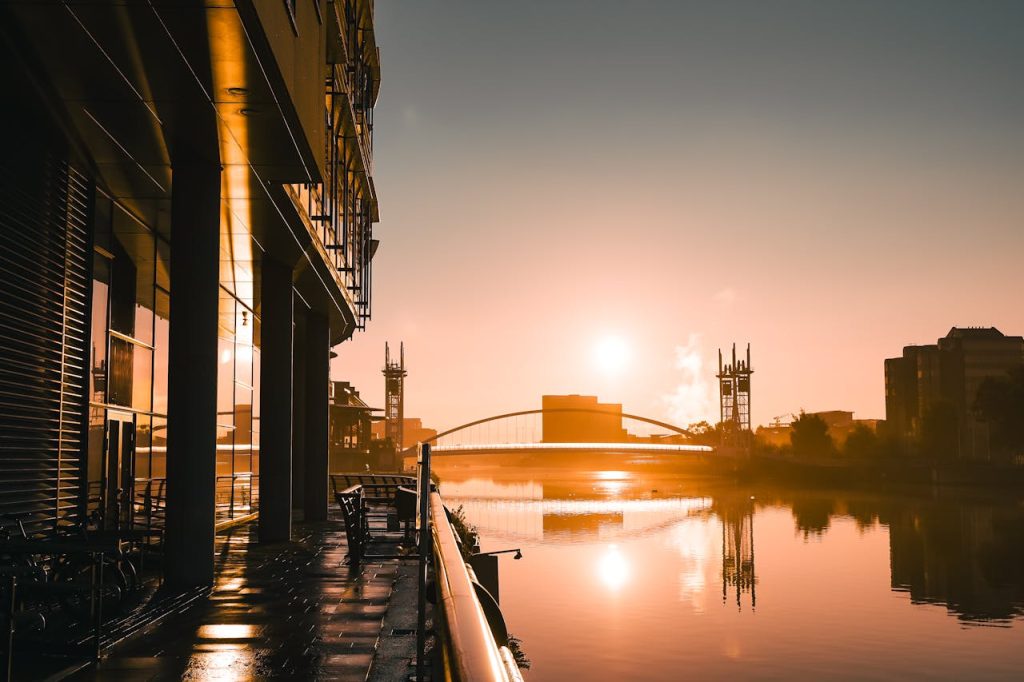
Shorter days do not shrink a trip if the rhythm changes with the light instead of fighting it. Cooler temperatures support longer walks and easier transit, and earlier sunset brings a built-in golden hour for viewpoints, waterfronts, and city photos, then nudges plans toward warm interiors when streets are prettiest and quieter. A strong fall itinerary pairs daylight anchors with one cozy night ritual, a show, live music, a bookstore browse, a sauna, or dessert and coffee, so the day feels complete and unhurried without stretching every minute to midnight or racing the clock just to prove it.
Shoulder Season Is Only For Budget Travelers
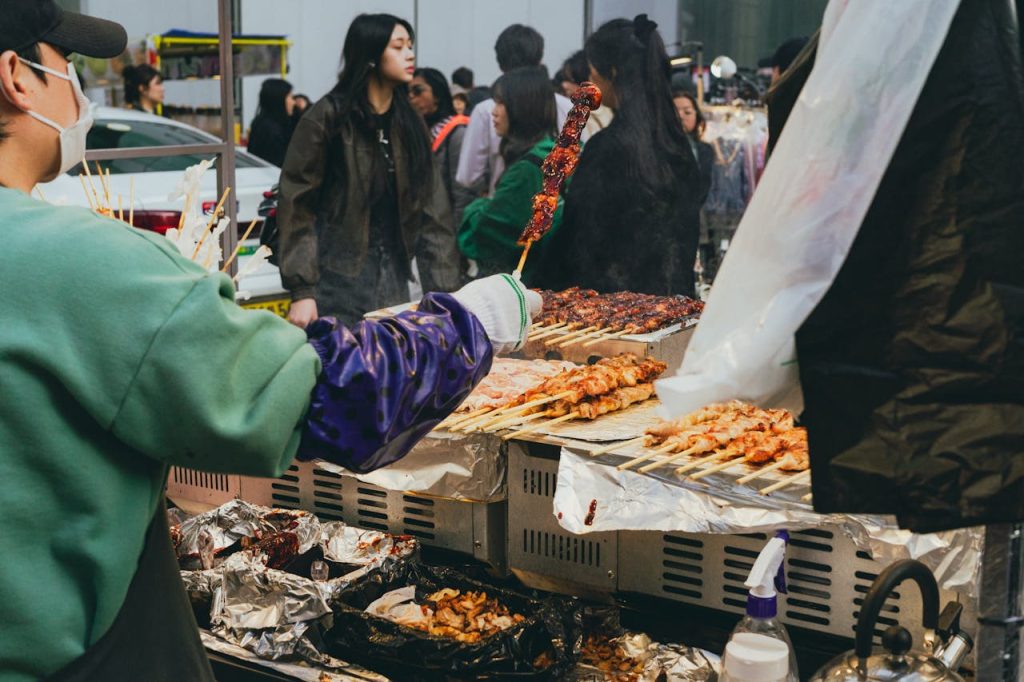
Shoulder season is not only about saving money, even if deals still exist on the right weekdays and in the right neighborhoods. Many travelers choose September through November for comfort, calmer streets, and better conditions after intense summer heat, and some destinations treat fall as a true peak for food festivals, harvest events, and city breaks. The payoff is quality: easier tables, quieter trailheads, and conversations with guides and shopkeepers who have time again, plus museums that feel less rushed, which makes a place feel lived in instead of staged and turns a simple day into something personal.
Nature Trips Shut Down In Fall
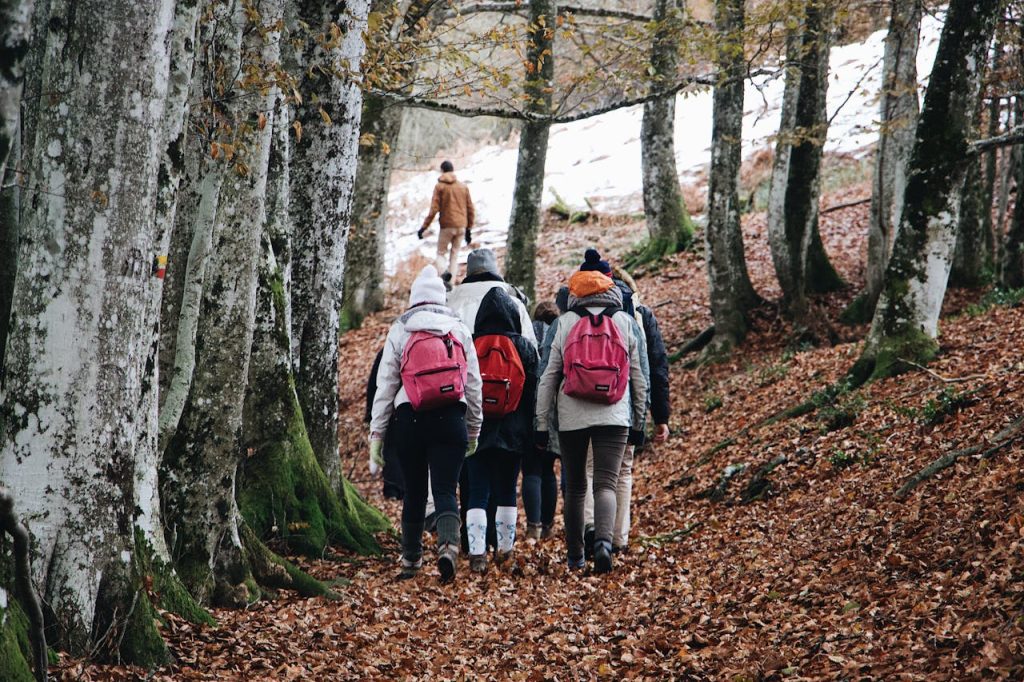
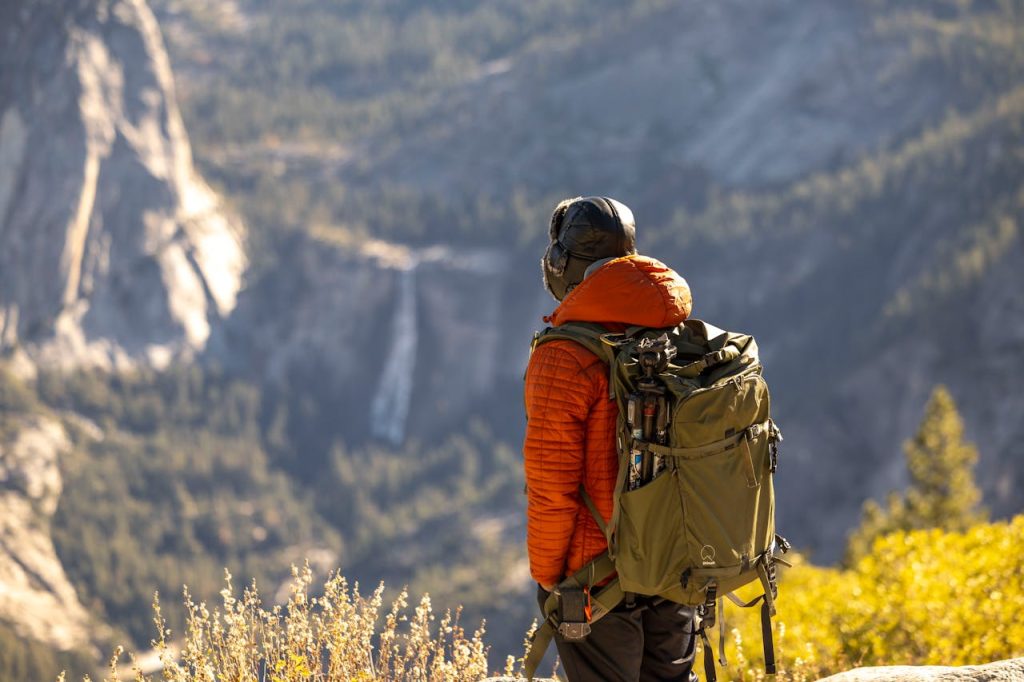
Nature does not shut down in fall; in many regions it finally becomes comfortable enough to enjoy for hours. Cooler temperatures make hikes and scenic drives easier, and many parks, lakes, and coastal trails stay accessible through late September and October, often with clearer views, migration sightings, and less parking stress than midsummer. The key is checking seasonal hours, campground dates, and shuttle schedules, then pairing big outdoor mornings with cozy town evenings, so the trip holds both daylight scenery and relaxed dinners even when services thin slightly after summer in places.
Packing For Fall Has To Be Bulky
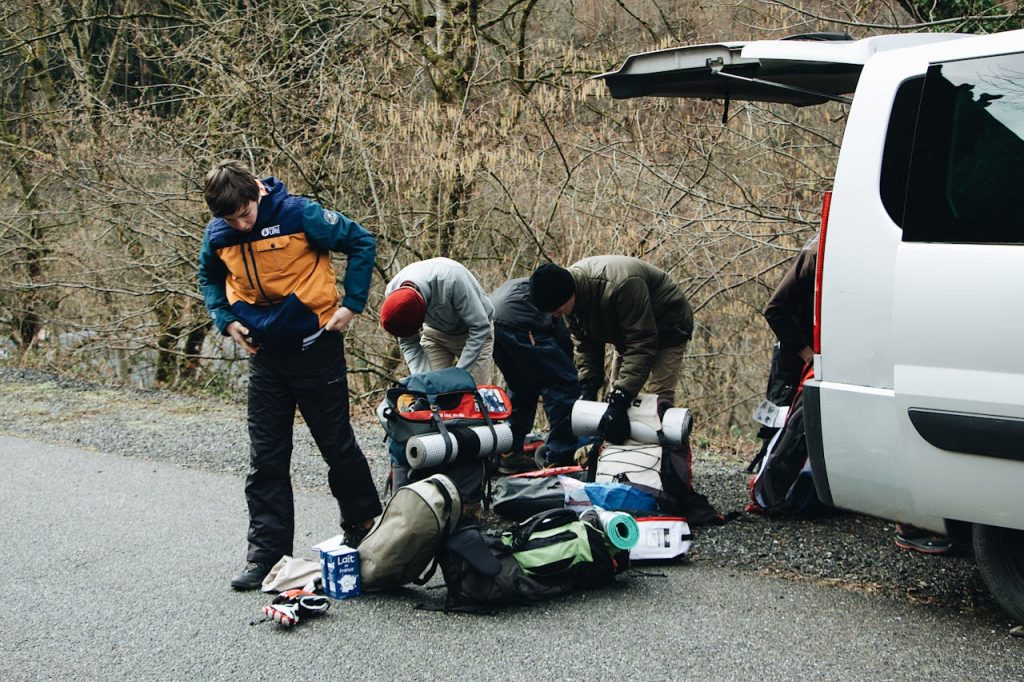
Fall packing does not need heavy luggage; it needs layers that mix cleanly across changing temperatures and different indoor heating levels. A light rain shell, one warm mid-layer, and shoes that handle wet sidewalks cover most days, and a scarf or cap often does more than a second coat, especially in cities where mornings feel brisk and afternoons warm up. The smarter kit is modular: repeatable basics, one nicer outfit for dinner, quick-dry tops, a simple laundry plan, and a little empty space for local finds, so the bag stays light, outfits stay flexible, and the forecast feels manageable. Too.