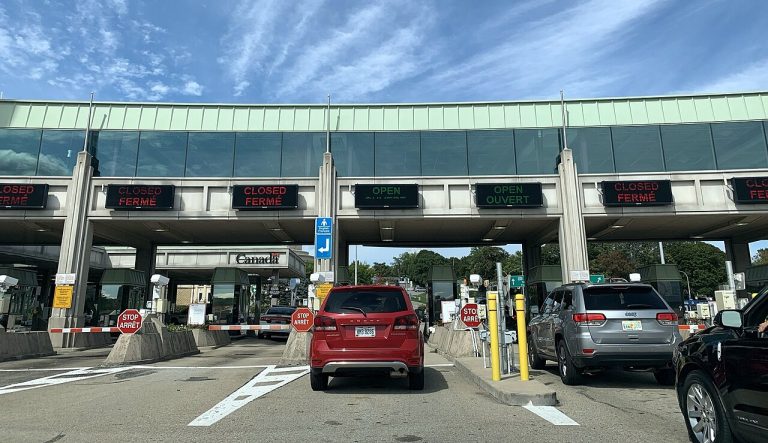
9 Places In The U.S. Where Spontaneous Travel Is Harder Now
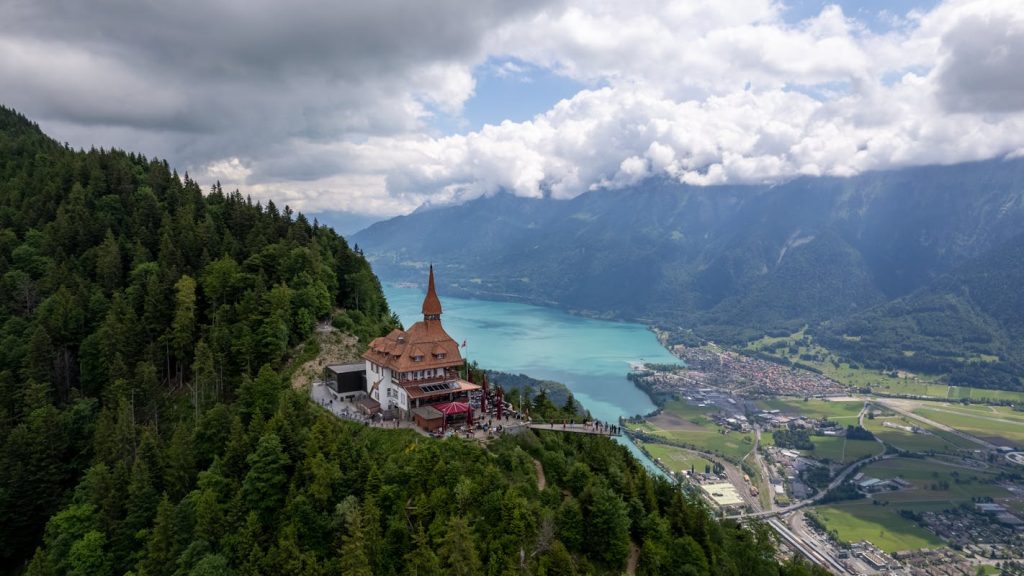
Travel industry analysts and park superintendents report a permanent shift in American tourism toward a model of strict managed access. Following a decade of explosive visitation numbers that overwhelmed infrastructure and threatened ecological resources, federal and state agencies have implemented rigorous reservation systems. These experts emphasize that the era of simply driving up to a national park gate or a popular trailhead on a whim has largely ended. Authorities argue that these measures are essential to mitigate overcrowding and ensure safety, but they undeniably create a new barrier for the impulsive traveler.
Resource management officials note that these regulatory frameworks are designed to distribute visitor impact more evenly throughout the day and year. By capping the number of daily entries or vehicle passes, land managers can prevent the gridlock that previously paralyzed iconic destinations. Prospective visitors now face a landscape defined by booking windows, lotteries, and timed-entry slots. Understanding these requirements is the primary logistical challenge for modern road trippers, as showing up without a barcode often results in being turned away at the entrance station.
Glacier National Park In Montana
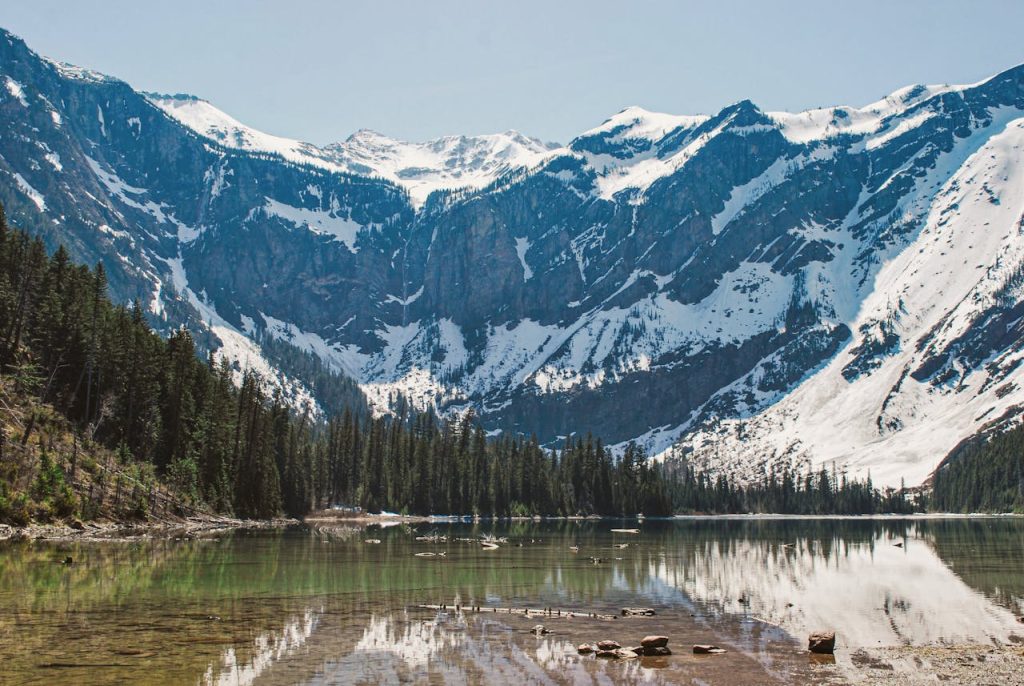
Park administrators implemented a vehicle reservation system for the famous Going-to-the-Sun Road to address dangerous congestion levels that historically gridlocked the alpine corridor. Transportation planners observe that the sheer volume of traffic during the short summer season previously caused unauthorized parking on fragile vegetation and blocked emergency vehicle access. The reservation requirement effectively meters the flow of cars entering the park’s most popular sections between May and September.
Rangers emphasize that securing a pass requires strategic planning months in advance or immense luck with the limited next-day release window. Visitors attempting to enter the West Glacier or St. Mary entrances without a reservation are redirected away from the scenic drive. This system prioritizes the preservation of the glacial environment and the quality of the visitor experience over the freedom of unrestricted access.
Arches National Park In Utah
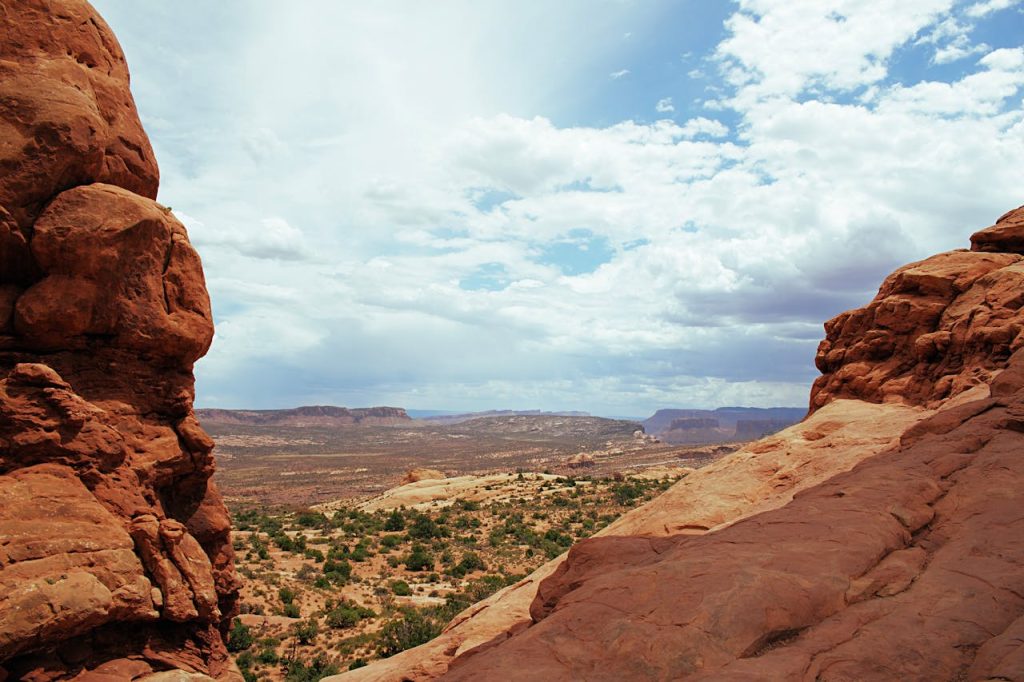
National Park Service officials instituted a timed entry pilot program to combat the severe traffic jams that once stretched from the entrance station onto the highway. Resource protection specialists highlight that the unmanaged influx of vehicles resulted in visitors spending hours in line rather than exploring the red rock formations. The timed entry system now requires travelers to book a specific one-hour arrival window to gain access to the park between April and October.
Local tourism boards advise that spontaneity is virtually impossible during the peak season as slots often sell out weeks ahead of time. The regulation ensures that parking lots at trailheads like Devils Garden and The Windows do not overflow. While the system guarantees a less crowded experience for ticket holders, it forces travelers to adhere to a rigid schedule rather than the natural rhythms of a road trip.
Zion National Park In Utah
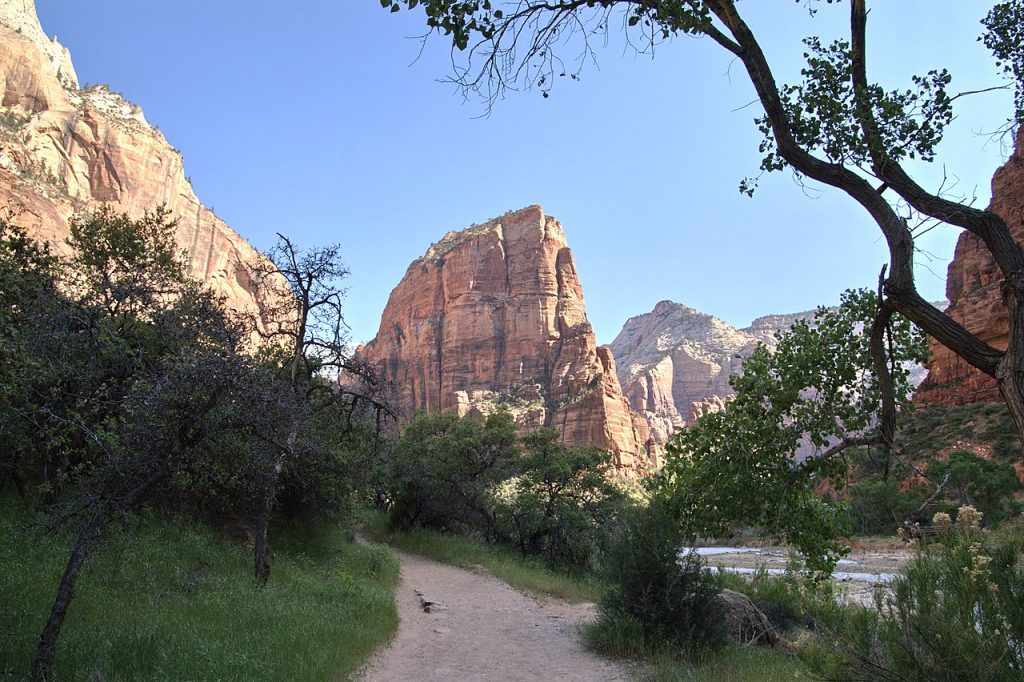
Safety experts and park managers introduced a lottery system for the Angels Landing trail to mitigate critical overcrowding on the perilous fin of rock. Risk assessment teams determined that the bottleneck of hikers on the chain-assisted section created unacceptable safety hazards and diminished the wilderness character of the canyon. Hikers wishing to attempt the climb must now secure a permit through a seasonal or daily lottery.
Wilderness rangers strictly enforce the permit requirement at the Grotto trailhead and turn back hundreds of unprepared visitors daily. The system separates the committed planner from the casual sightseer and reduces the physical risk of falls caused by jostling crowds. This regulatory hurdle means that standing atop the iconic lookout is no longer a guaranteed reward for showing up early but a privilege granted by chance and preparation.
Yosemite National Park In California
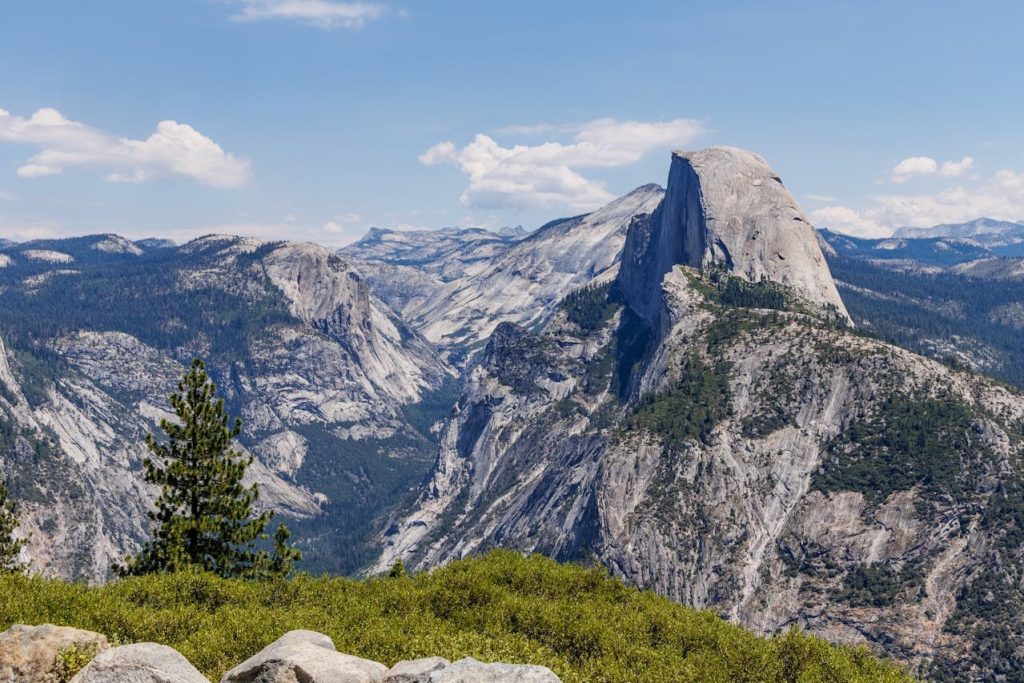
Park superintendents have utilized various reservation systems during peak summer months and the “Firefall” phenomenon to manage crushing visitation numbers. Traffic engineers note that the narrow valley floor acts as a funnel where excess vehicles create gridlock that can last for hours. The entry reservation requirements restrict the number of vehicles allowed into the park to prevent the infrastructure from collapsing under the weight of tourism.
Conservationists argue that these limits are vital for protecting the Merced River ecosystem and the tranquility of the valley. Visitors planning a summer trip to see El Capitan and Half Dome must monitor the park announcements closely as the specific dates and types of reservations can shift annually. The days of driving into the valley on a whim to camp or hike are gone, replaced by a competitive booking process.
Maui State Parks In Hawaii
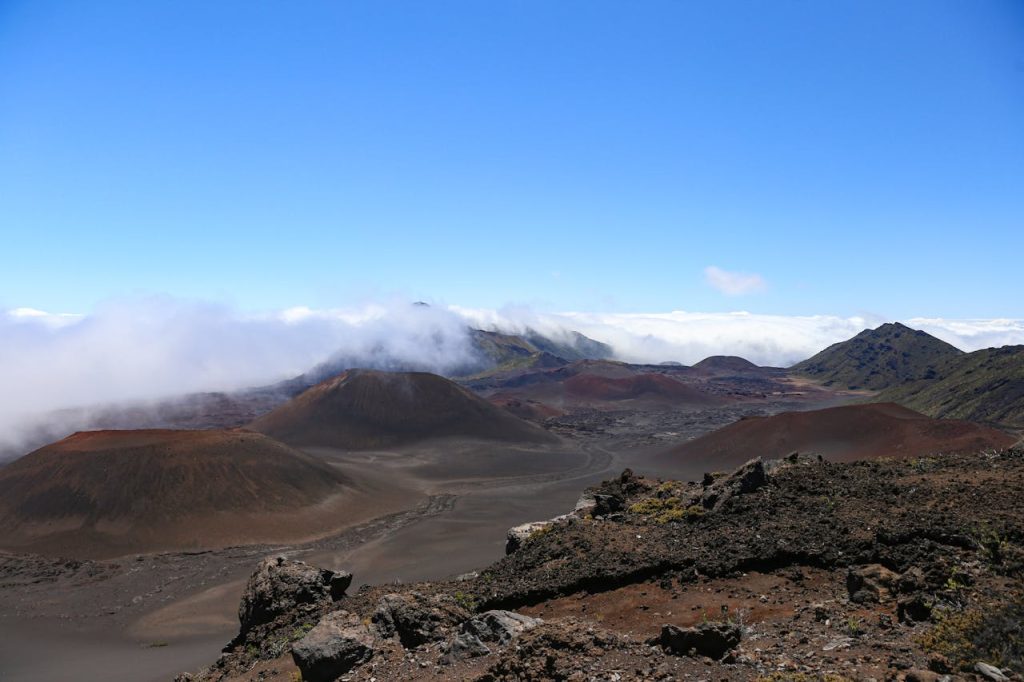
Hawaii state officials and community leaders have implemented reservation systems for iconic locations such as Waianapanapa State Park and Iao Valley State Monument. Land management agents explain that these measures were necessary to reduce the impact of rental cars on local residents and to protect sensitive cultural sites. The reservation system mandates that non-residents book both entry and parking slots in advance.
Local residents emphasize that the regulations help prioritize the “Malama” ethos of caring for the land by limiting the human footprint. Travelers who arrive at the black sand beach of Waianapanapa without a voucher are denied entry by attendants. This shift forces visitors to plan their island itinerary with precision and respects the capacity limits of the finite island resources.
Acadia National Park In Maine
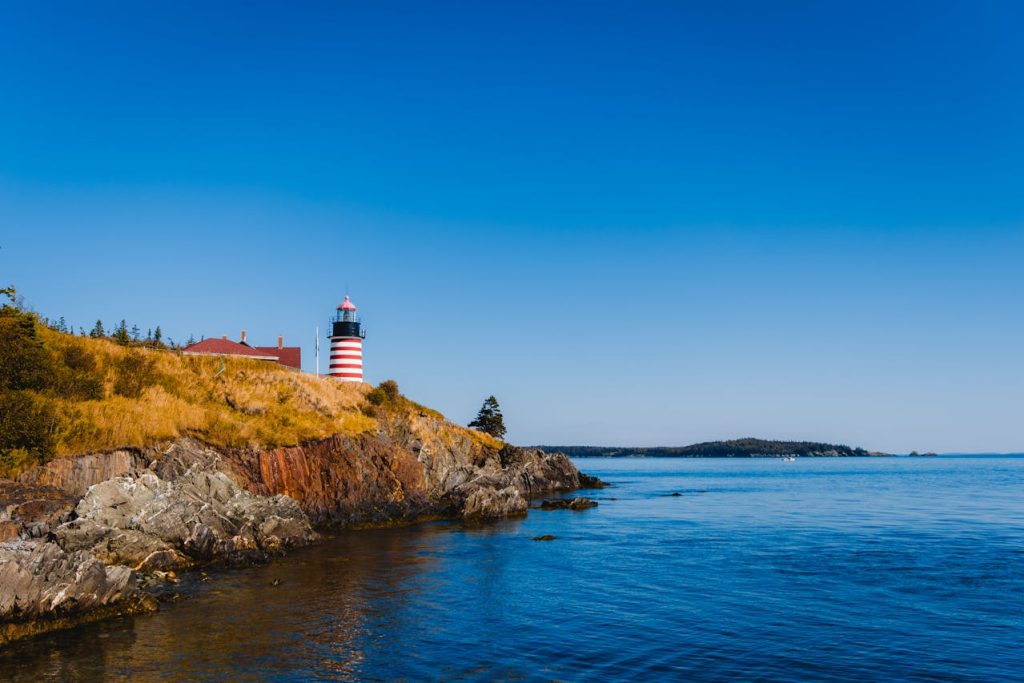
Traffic safety engineers targeted the summit of Cadillac Mountain for a specific vehicle reservation mandate due to hazardous congestion during sunrise and sunset. The narrow road leading to the highest point on the North Atlantic seaboard previously saw gridlock that prevented emergency response and damaged roadside vegetation. Park managers explain that the reservation system creates a predictable flow of traffic and ensures legal parking for ticket holders.
Environmental monitors observe that the reduction in illegal parking has allowed the subalpine flora to recover from years of trampling. Visitors hoping to catch the first light of day in the United States must compete for a limited number of vehicle slots released online. This rule change prioritizes visitor safety and resource protection over the freedom to drive up the mountain at will.
Rocky Mountain National Park In Colorado
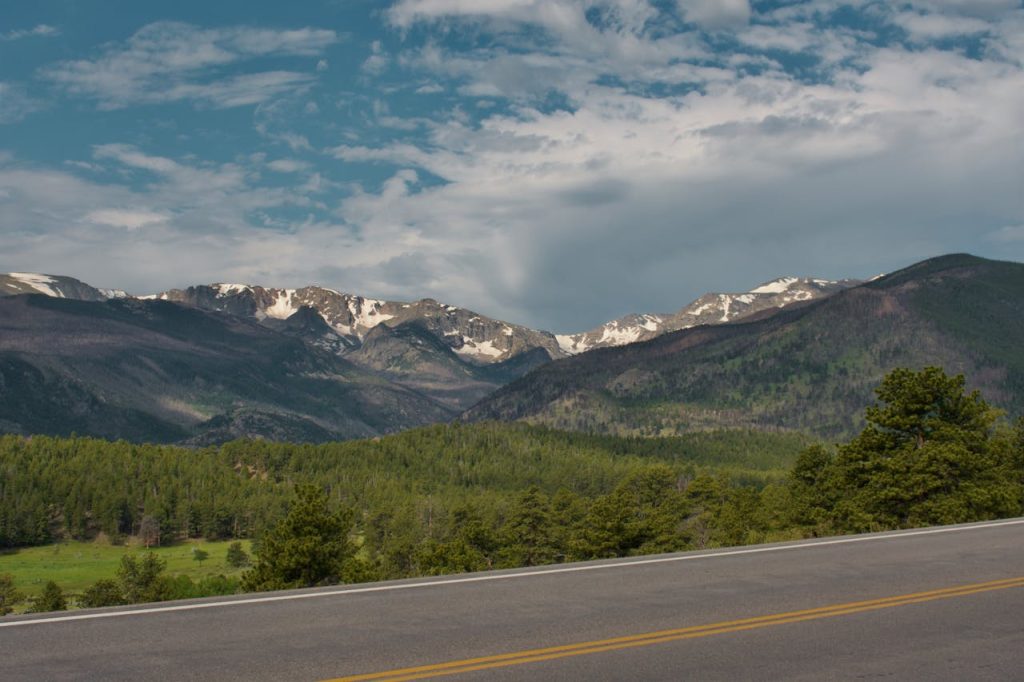
Park service administrators devised a timed entry system to manage the distinct traffic patterns affecting the Bear Lake Corridor and the rest of the park. Resource protection specialists highlight that the concentration of hikers in the Bear Lake area was unsustainable and led to trail erosion and human waste issues. The permit system segments visitors by directing flow away from the most impacted areas and distributing impact more evenly.
Rangers emphasize that this tiered access model forces visitors to decide on their itinerary well before arrival. Those without the specific Bear Lake permit are legally barred from accessing the most popular trailheads during peak hours. The regulation enforces a dispersion strategy that mitigates the ecological footprint of millions of annual visitors while maintaining a functioning transportation network.
Mount Rainier National Park In Washington
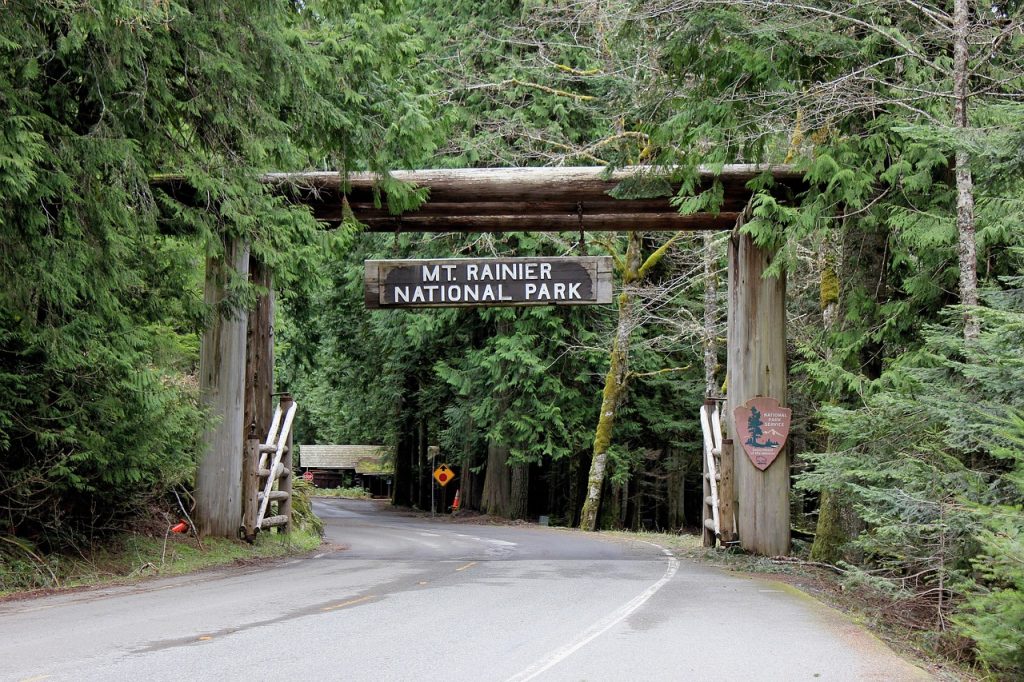
National Park Service planners recently introduced a timed entry reservation system for the Paradise and Sunrise corridors to address overwhelming summer visitation. Field operations data showed that parking lots were filling to capacity by mid-morning which forced drivers to circle for hours or park illegally on fragile meadows. The system requires reservations for vehicles entering these popular areas during peak hours to reduce wait times and resource damage.
Conservation biologists support the measure as a critical step in preserving the subalpine wildflower meadows that define the park. Travelers wishing to see the glaciated peak up close must now secure their entry slot in advance or arrive before the reservation window begins. The implementation of this system marks a significant change in access for the Pacific Northwest’s most prominent volcanic peak.
Multnomah Falls In Oregon
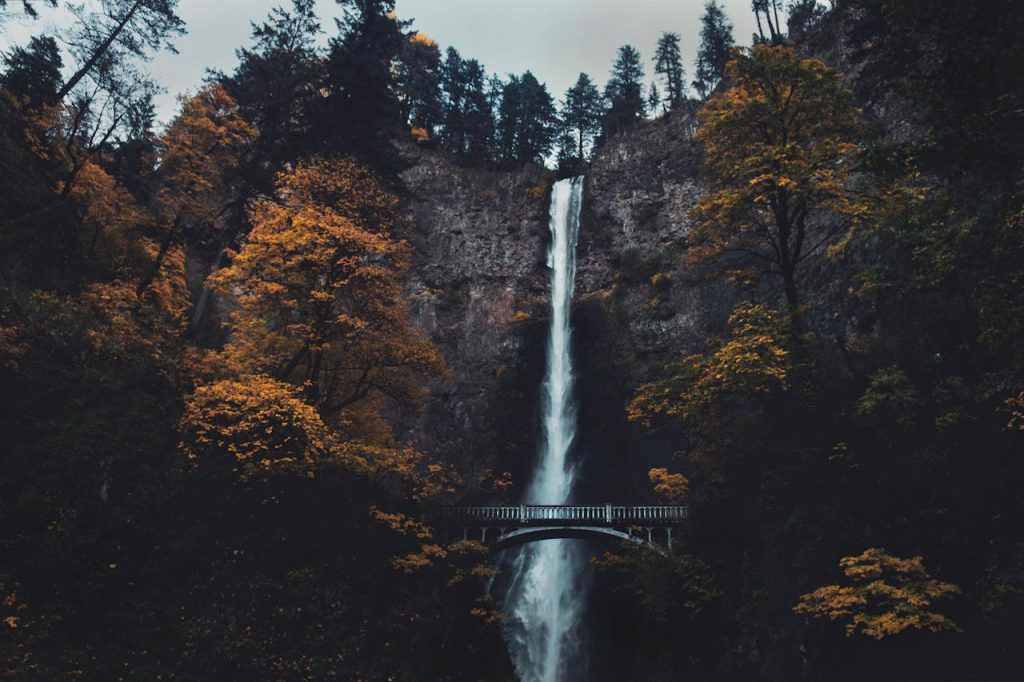
Transportation analysts and Forest Service recreation managers launched a timed use permit for the Waterfall Corridor to address hazardous highway conditions along Interstate 84. The Historic Columbia River Highway was frequently blocked by modern traffic jams near the falls which created safety risks for pedestrians and motorists alike. Safety officials note that the permit system eliminates the dangerous queuing of cars on the interstate off-ramps.
Tourism partners explain that visitors wishing to see the iconic waterfall must now book a slot or arrive via shuttle during peak season. The regulation removes the ability to simply pull over and view the site on a whim. This management strategy prioritizes the functionality of the regional transportation network and pedestrian safety over the convenience of the casual road tripper.