9 Places Where Nostalgia Meets Modern Travel Rules
Some places still feel like postcards that never faded: canal cities, lantern streets, stone forts, and coastal promenades lit by late sun. Yet the way people enter and move through those places has changed in visible, practical ways.
Across major heritage destinations, romance now runs alongside regulation. Timed entry windows, access fees, cruise limits, and protected neighborhood zones shape the day before the first photo is taken or the first turn is made.
The charm is still real. The difference is that wonder now depends on structure, and structure is what keeps beloved places from being loved past their limits.
Venice, Italy
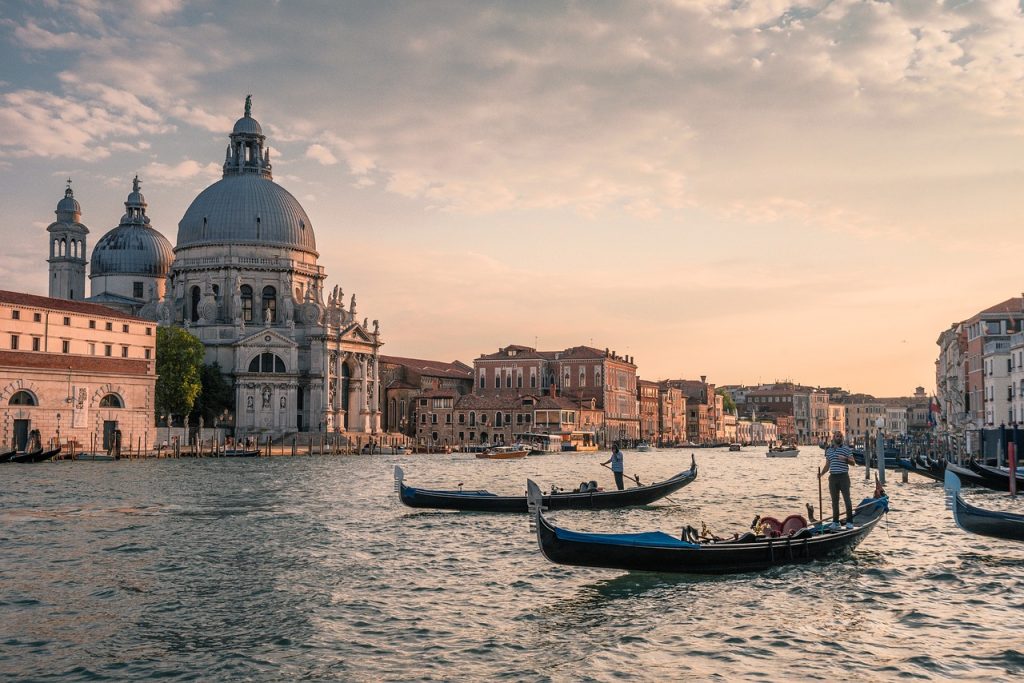
Venice still feels like a moving painting, with narrow lanes, low bridges, and facades that glow against canal water at dusk. On designated peak dates, many day visitors now register in advance and pay an access charge, which has replaced the old habit of spontaneous drop-ins. That administrative step may seem small, but it changes behavior before the trip starts and helps reduce sudden crowd pulses in the historic core.
Overnight stays still follow a different pattern, so the city quietly favors slower itineraries over brief, high-impact visits. Venice keeps its dreamlike character, yet modern rules now protect daily livability and fragile infrastructure. The nostalgia remains untouched, while entry has become intentionally managed.
Kyoto, Japan
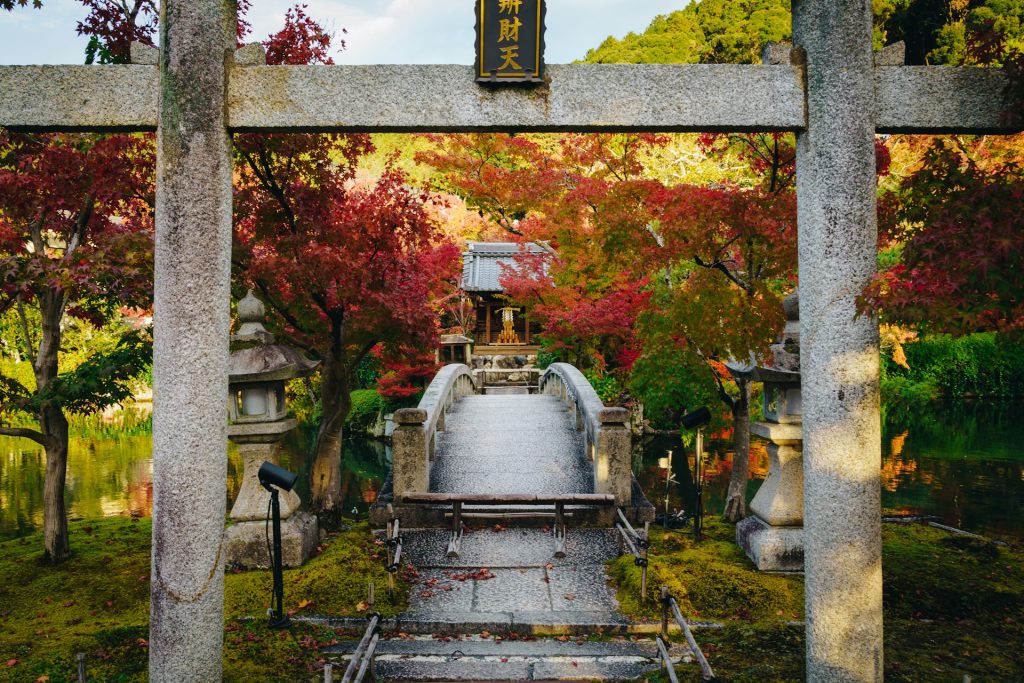
Kyoto still carries the quiet weight of memory in temple paths, wooden facades, and evening streets where the light feels softer than elsewhere. In parts of Gion, however, access boundaries became stricter after repeated problems with intrusive photography and disruptive behavior in private alleys. Not every visually striking lane is public space, and the city now enforces that distinction with clear signage and consequences.
The change protects residents, performers, and local workers whose routines were repeatedly interrupted. Visitors can still experience the district’s atmosphere in full, but movement now depends on respectful limits. Kyoto did not lose its charm. It preserved it by drawing firmer lines where heritage and everyday life intersect.
Machu Picchu, Peru
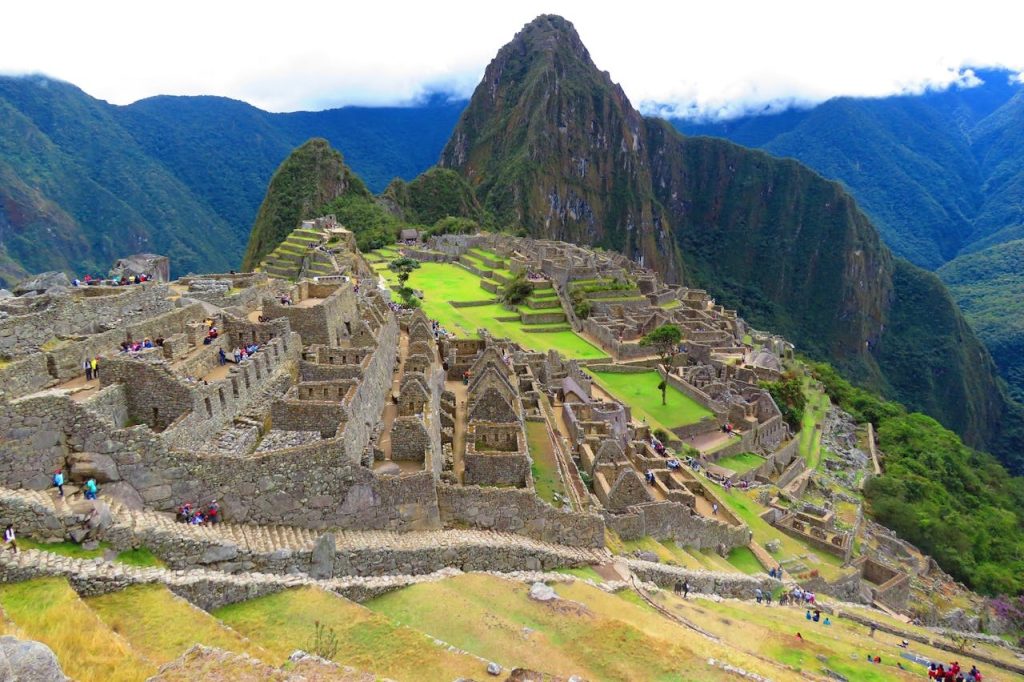
Machu Picchu still delivers the same first shock of awe, with cloud, stone geometry, and mountain silence shaping every step. What changed is flow. Entry now operates through timed tickets and defined circuits that guide movement across sensitive points, reducing congestion and wear on paths and terraces that were never built for unrestricted modern volume.
That structure asks for careful planning, especially in high season, yet it often improves the visit on site. Fewer bottlenecks mean more room to pause and absorb the landscape without constant shoulder pressure. The sense of wonder is unchanged. Modern access rules simply keep that wonder from eroding under demand.
Galápagos Islands, Ecuador
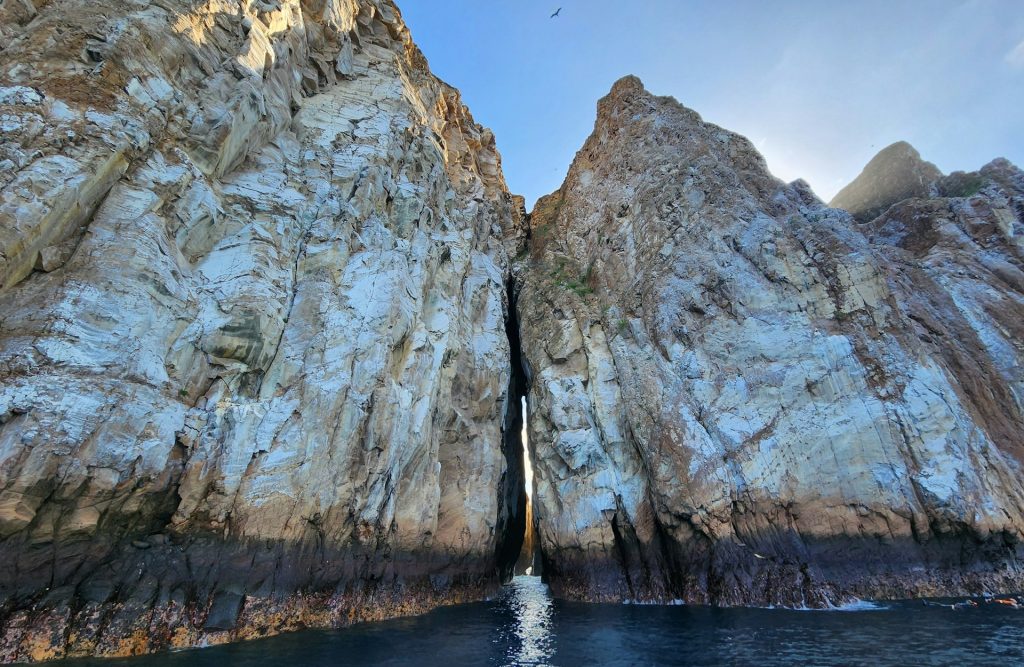
The Galápagos still feel like expedition travel in its purest form, where wildlife encounters happen in stark, unforgettable landscapes. Yet visiting now requires tighter coordination through formal entry steps, park fees, guided movement, and firm conduct rules around animal distance. The islands remain wild in feeling, but the visitor pathway is deliberately controlled from start to finish.
That control is the reason the experience still feels rare. Predictable routing lowers habitat stress, regulated behavior limits disturbance, and conservation funding supports long-term stewardship. Travelers still get the wonder of close observation, but within boundaries that protect ecological balance. Nostalgia survives here because access is treated as responsibility.
Bhutan

Bhutan still offers a travel mood that feels intentionally slower, with monasteries, mountain roads, and cultural rhythms that resist haste. Its daily sustainability fee model reinforces that identity by filtering volume and favoring deliberate itineraries over quick stopovers. The country’s policy does not market nostalgia. It manages for continuity, so culture and landscape are not compressed by unmanaged surges.
On the ground, that approach creates steadier flow, fewer extreme peaks, and better alignment between visitor activity and local capacity. Travelers often stay longer and move with more intention. Bhutan’s appeal remains timeless in tone, while the mechanism protecting that tone is clearly modern, structured, and explicit.
Amsterdam, Netherlands
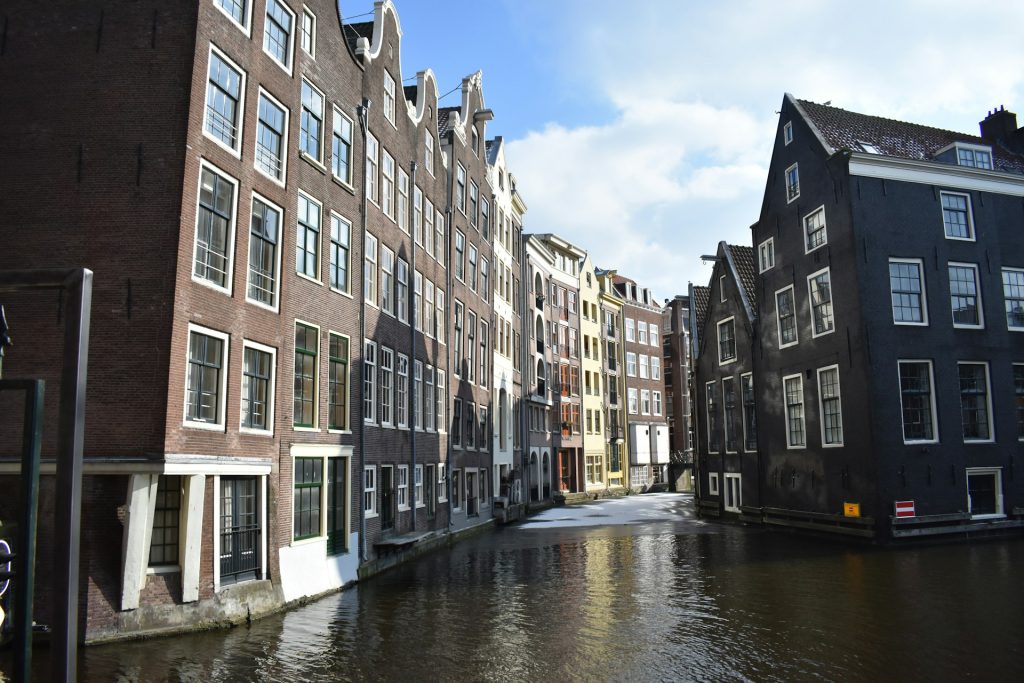
Amsterdam still reads like a classic European memory, with canal houses, narrow bridges, and central streets that seem built for another century. Yet the city now treats tourism pressure as an infrastructure issue, using tighter management around high-volume arrivals and concentrated hotspots. The goal is not to reduce identity, but to prevent overload from flattening daily life in compact neighborhoods.
When peak surges are moderated, the city feels different in practice. Streets remain walkable, transit nodes function better, and residents regain breathing room during busy windows. The visual nostalgia stays exactly where it was. What changed is the operating framework that keeps charm from tipping into permanent congestion.
Dubrovnik, Croatia
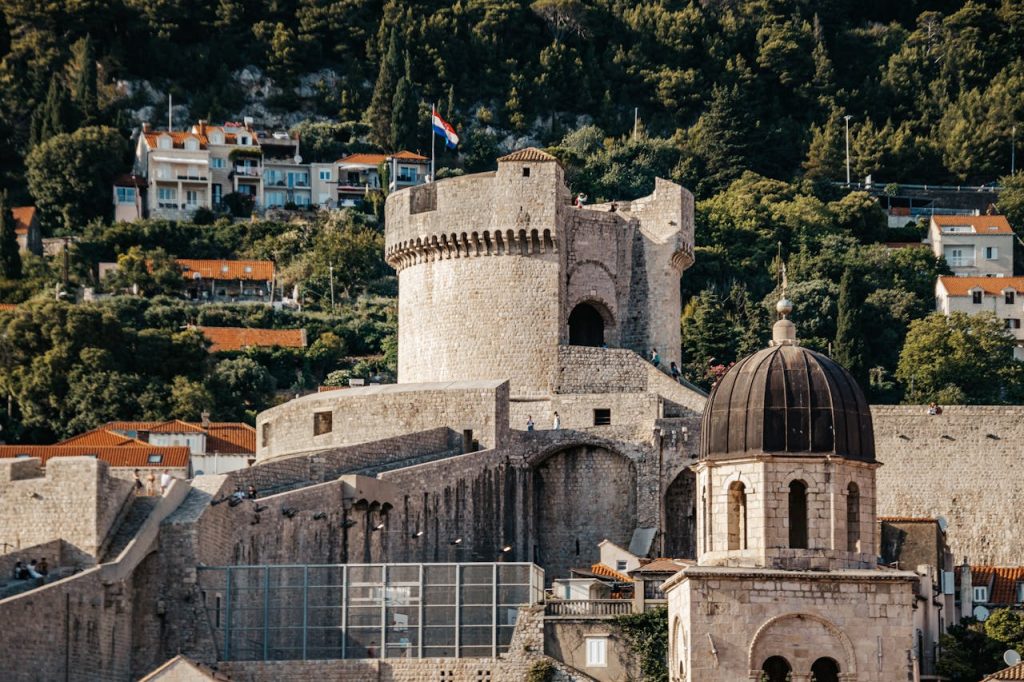
Dubrovnik still rises above the Adriatic with the same stone drama, fortified walls, and polished lanes that define its historic identity. Years of synchronized cruise arrivals, though, created heavy compression in the old core, so the city shifted toward tighter scheduling and flow controls. That transition turned crowd timing into a central tool for protecting both visitor experience and resident mobility.
With arrivals spread more carefully, bottlenecks ease at gates and main corridors, and the city’s scale becomes easier to read at walking pace. Dubrovnik did not alter its character. It adjusted the intake system around it. The nostalgia remains powerful because modern rules now absorb pressure before streets lock up.
Maya Bay, Thailand

Maya Bay still holds strong travel memory, with clear water, dramatic cliffs, and a shoreline known around the world. Its current access model is stricter: controlled windows, periodic closures, and tighter in-water limits now shape every visit. Those measures reflect a hard lesson from past overuse, when ecological stress outpaced the bay’s ability to recover under continuous, high-volume traffic.
The result is a more managed experience, but a healthier one. Visitor flow is steadier, habitat disturbance is lower, and recovery has a real chance between peak periods. The beauty never disappeared. What changed is the behavior expected around it. Nostalgia remains, supported by rules designed to prevent repeated damage cycles.
Cannes, France
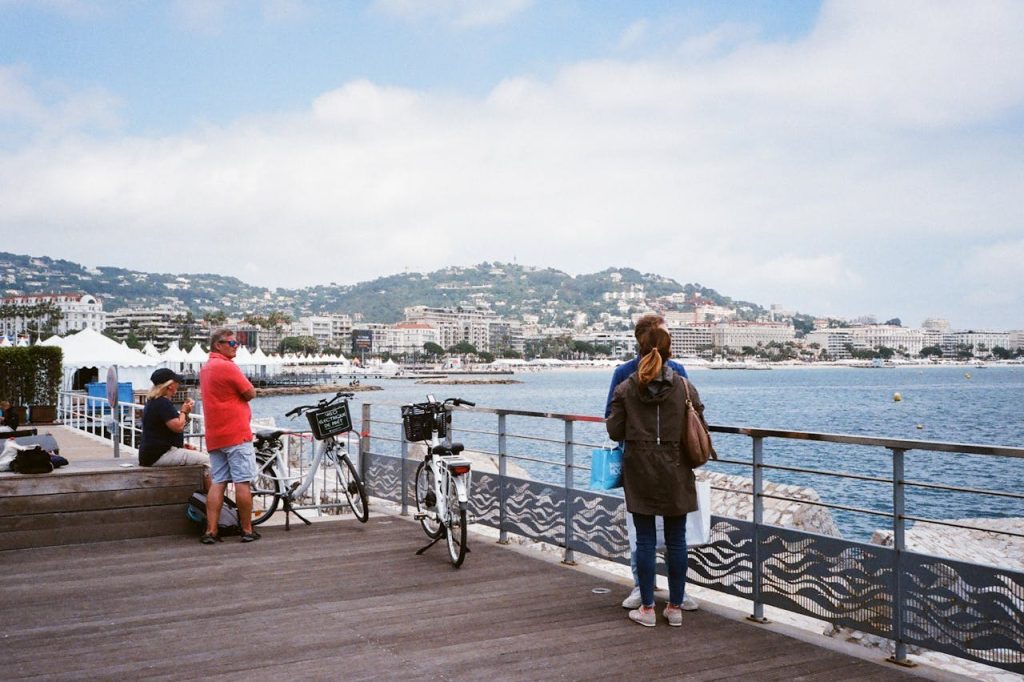
Cannes still projects Riviera nostalgia through harbor views, palm-lined promenades, and a public image tied to old-film glamour. At the same time, officials have moved toward tighter control of peak arrival pressure, including stricter thresholds for large disembarkation waves during high-demand periods. The shift reflects a practical reality shared by many coastal cities with limited street capacity.
This is not a rejection of tourism. It is a response to crowd timing that can overwhelm daily circulation in a matter of hours. By managing inflow earlier, Cannes protects walkability, resident routine, and the social texture visitors expect to find. The elegance remains visible, while governance now protects its operating conditions.