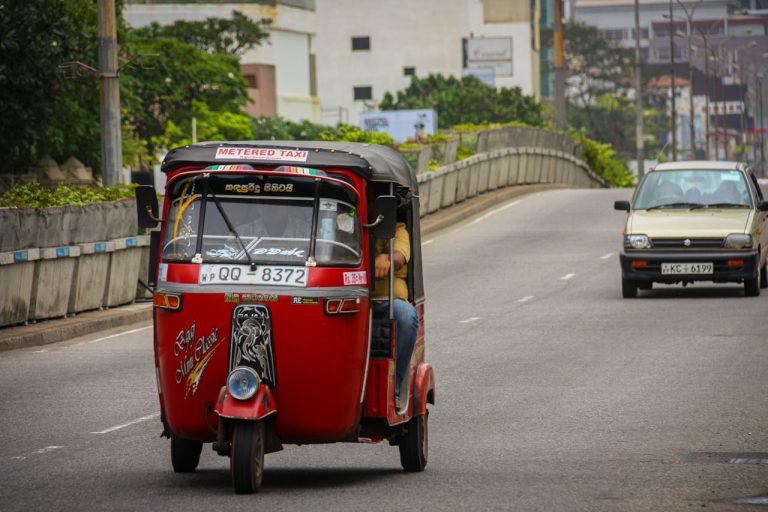
9 Popular Tourist Destinations Known for Corruption That Travelers Still Flock To

Some destinations stay magnetic even when travelers know the public sector can feel inconsistent. Transparency International’s Corruption Perceptions Index tracks perceived integrity risks, not the worth of ordinary people, and it helps explain why unofficial fees and uneven enforcement can show up in daily travel. Still, beaches, ruins, markets, and nightlife keep flights full. The trips that go best usually lean on official tickets, clear pricing, and patient pacing, so the day stays about discovery, not haggling over surprise rules at every turn. Fixed-price rides, receipts, and licensed guides make a real difference.
Cancun And The Riviera Maya, Mexico

Mexico’s CPI 2024 score is 26, a reminder that public-sector integrity concerns remain a national issue. Cancún and the Riviera Maya still draw nonstop crowds for warm water, cenotes, and easy day trips to places like Tulum and Chichén Itzá. The trip can feel tense when pricing turns flexible, from add-on resort charges to transport markups that appear mid-ride. Travelers who stick to official ticket counters, book licensed transfers, confirm totals in writing, and keep receipts often find the region feels far calmer, leaving more energy for reefs, ruins, and long, late meals with fewer surprises.
Cairo And Giza, Egypt

Egypt’s CPI 2024 score is 30, which signals ongoing concerns about public-sector integrity. Cairo and Giza remain irresistible for the Nile, the Egyptian Museum, and the pyramids rising out of desert haze, especially at sunrise. Pressure often gathers in crowded zones where unsolicited guidance, unclear totals, and small cash requests can blur what is optional and what is required. The smoothest days usually come from pre-booked, reputable guides, official ticket windows, and fixed-price rides arranged through hotels or major apps, so history stays front and center. A little structure buys a lot of calm.
Marrakech, Morocco
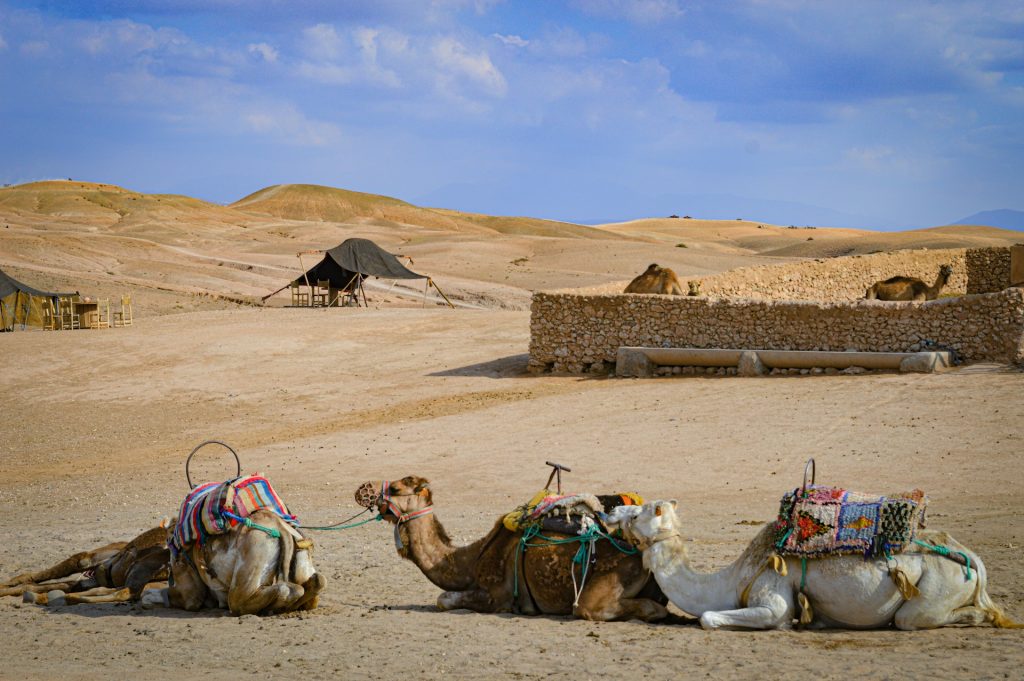
Morocco’s CPI 2024 score is 37, placing it in the middle range globally but still flagged for integrity challenges. Marrakech keeps pulling travelers back with courtyard riads, night markets, and day trips that reach the Atlas foothills in a single morning. The stressful moments tend to be negotiation-heavy: services offered before being asked, prices that change midstream, and payment requests that dodge receipts. Choosing licensed guides, agreeing on totals before a tour begins, and paying by card when possible usually keeps the medina’s energy fun instead of tiring, so the city feels like color and craft, not paperwork.
Bali, Indonesia
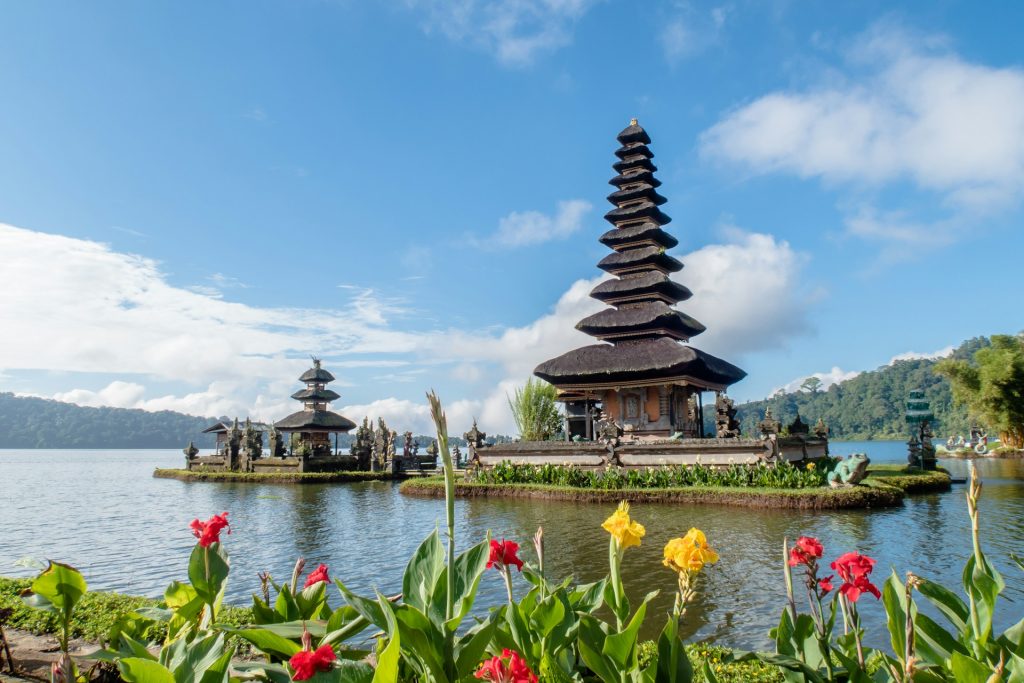
Indonesia’s CPI 2024 score is 37, a sign that governance concerns can coexist with polished tourism. Bali stays packed for temple ceremonies, surf breaks, and a food scene that can swing from beach shacks to careful tasting menus in one day. Friction usually appears when middle layers get involved: unclear permit fees, surprise charges added late, or transport priced by mood instead of distance. Travelers who book through established operators, confirm inclusions in writing, and keep digital proof of payment often find the island feels easy again, with more time for offerings, rice terraces, and quiet evenings.
Bangkok, Thailand

Thailand’s CPI 2024 score is 34, reflecting integrity concerns that can show up as inconsistent enforcement or confusing fees. Bangkok still wins people over with late-night street food, riverside temples, and a transit system that moves quickly when the plan stays simple. Stress often arrives in the gaps between official and informal services, where prices can swing and commissions appear without warning. Sticking to rail, metered taxis, and reputable tour desks helps, as does asking for a clear total before anyone starts helping. With that structure, the city’s intensity feels exciting instead of exhausting.
Istanbul, Türkiye

Türkiye’s CPI 2024 score is 34, pointing to public-sector integrity concerns that visitors sometimes feel through process and pricing. Istanbul remains a magnet for the Bosphorus skyline, layered empires, and neighborhoods where a quiet courtyard can sit one turn from a busy bazaar. Tension tends to come from add-on charges, unclear totals, or services that start before the price is truly agreed. Days run smoother when travelers use official ticketing, choose reputable guides, and keep payments traceable, especially for tours and transport. With those basics handled, the city’s daily life feels welcoming, and the history has room to breathe.
Rio De Janeiro, Brazil
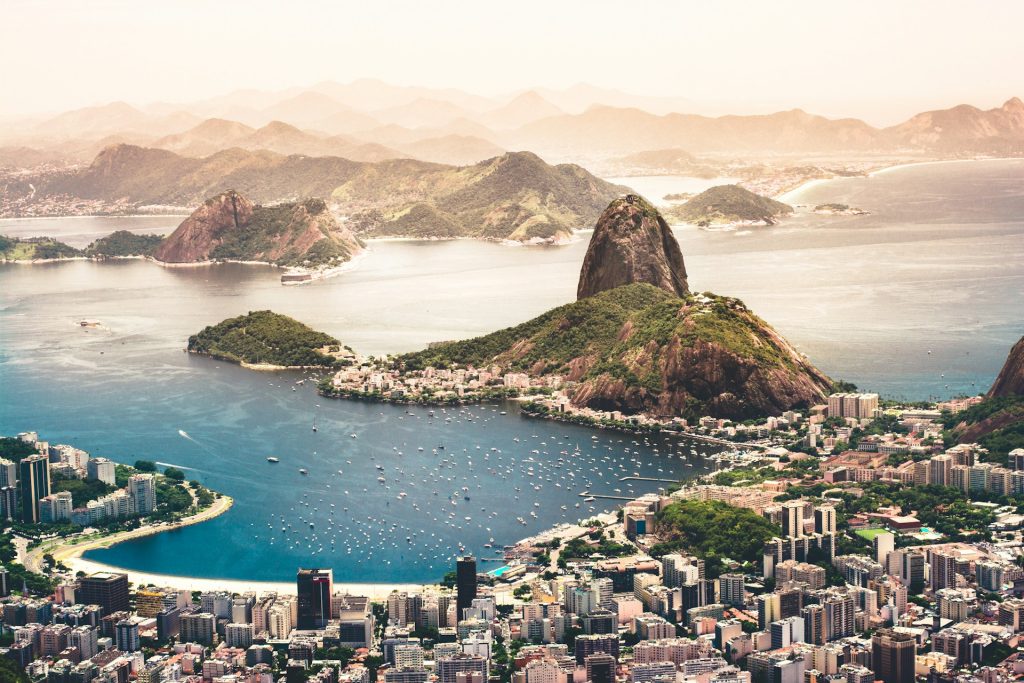
Brazil’s CPI 2024 score is 34, and that broader context can shape how rules, permits, and service fees are experienced day to day. Rio de Janeiro still draws travelers for beach culture, music, and the sweep of Sugarloaf and Corcovado views that make even a short stay feel cinematic. Stress shows up when costs feel negotiable: unclear add-ons, confusing booking terms, or crowded choke points where quick choices get expensive. Using established operators for tours, confirming totals in writing, and saving digital proof of payment usually keeps the focus on samba nights and ocean air, not on arguing over a receipt.
Palawan, Philippines

The Philippines’ CPI 2024 score is 33, which highlights integrity concerns that can surface in permits and fee collection. Palawan remains a dream for limestone lagoons, island-hopping routes, and beaches that still feel wild between villages and coves. The strain tends to sit in the administrative layer: environmental fees, tour caps, and operators who blur what is included once the boat leaves shore. Travelers who choose licensed crews, ask for official receipts, and match plans to local rules usually experience the place as calm and orderly, with clear water, steady pacing, and fewer unpleasant surprises surprises.
Nairobi, Kenya

Kenya’s CPI 2024 score is 32, signaling integrity concerns that can make bureaucracy feel slower and less predictable. Nairobi remains a major safari gateway, with national parks, conservancies, and the Great Rift Valley within reach of a short flight or drive. Most friction comes from logistics: permit steps, fees that vary by office, and services offered as shortcuts when travelers are tired or rushed. Booking with licensed operators, paying through official channels, and keeping written confirmations usually makes the experience feel straightforward, so the day stays about wildlife, landscapes, and conversation, not paperwork.