9 Reasons Locals Are Pushing Back Against “Experience Tourism”
Experience tourism promises more than sightseeing. It sells access, intimacy, and the feeling of living like a local for a day. In many places, that shift has brought money and energy, but it has also brought a new kind of strain. When every neighborhood becomes a stage and every tradition becomes a product, residents feel the pressure in daily routines, housing, and public space. Pushback is not always anti-visitor. It is often a demand for limits, fairness, and respect, so communities can stay functional while still welcoming guests.
It Turns Daily Life Into Content
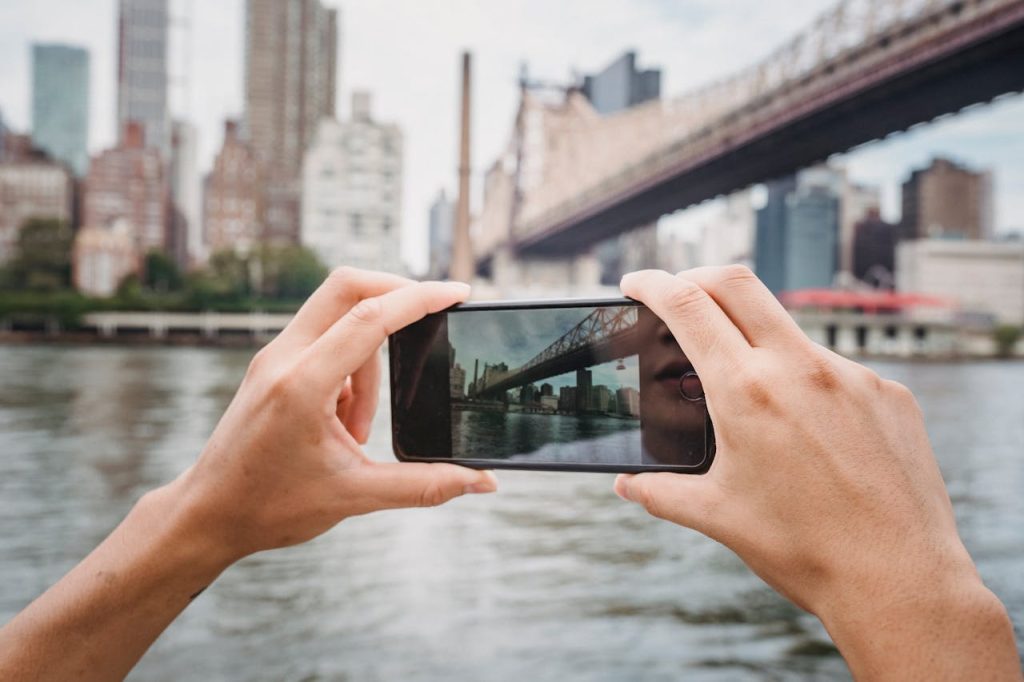
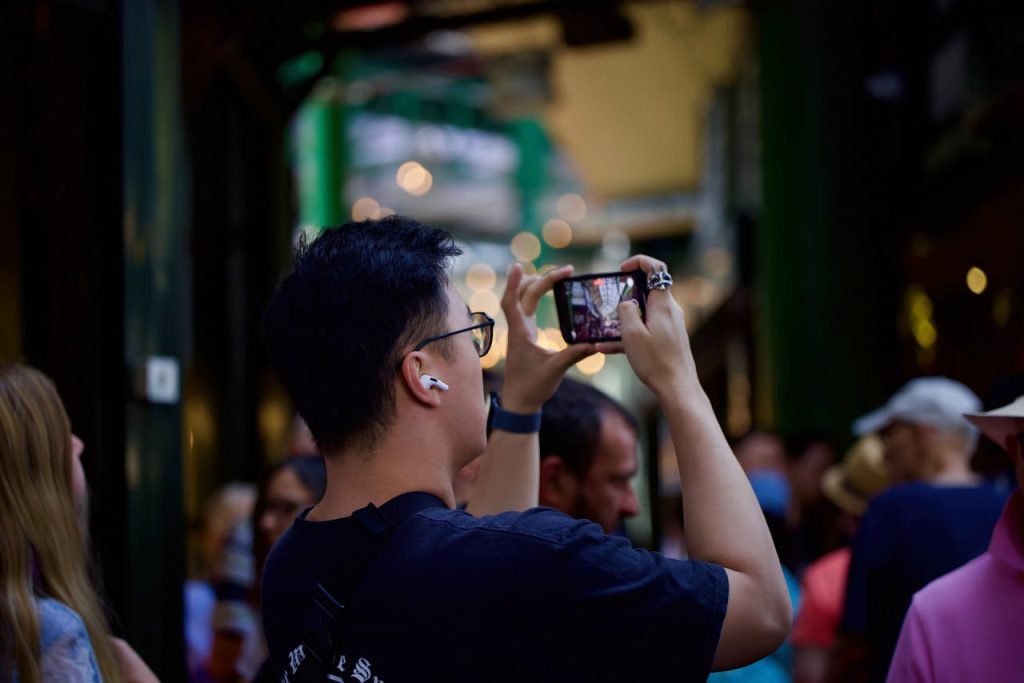
When travel becomes an “experience,” ordinary life gets reframed as scenery, and residents start feeling observed in places that used to feel private. Streets, stoops, markets, and cafés become sets for photos, reels, and narrated moments, and the line between curiosity and intrusion gets crossed fast when strangers film people without asking. Locals notice the behavioral shift: visitors walking slower to capture footage, blocking sidewalks, and treating everyday routines like props. Over time, residents change routes, avoid favorite spots, and stop using businesses that feel overtaken by content creation. The neighborhood may look the same, but the social atmosphere changes. People become cautious because they do not want their lives turned into someone else’s story.
It Pushes Housing From Homes To Short-Term Inventory
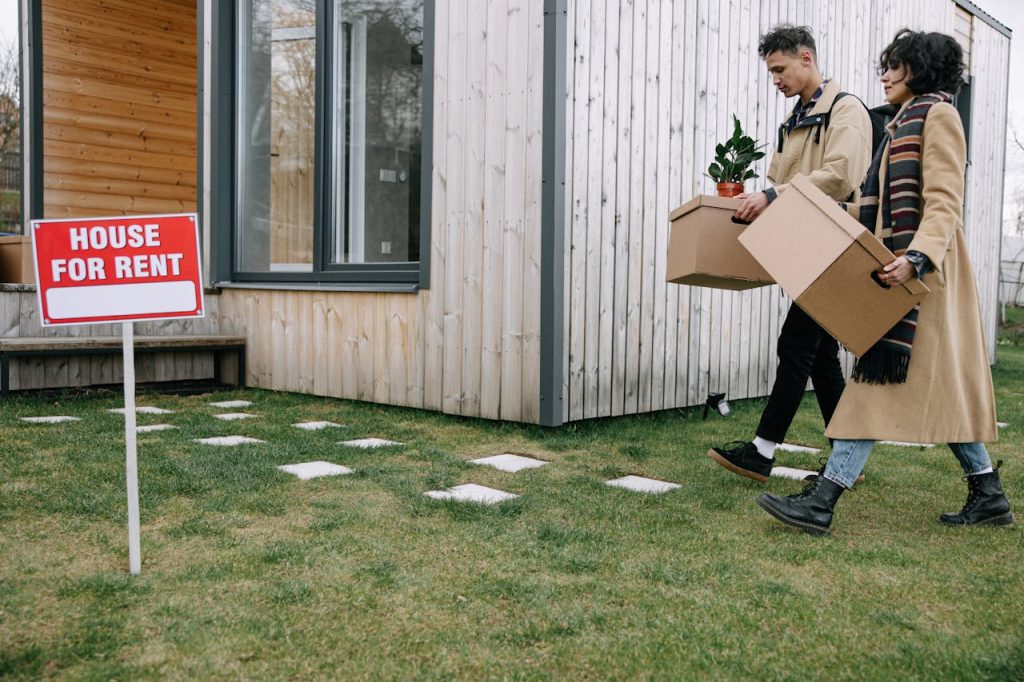
Experience tourism often runs on the promise of “live like a local,” which can quietly pull housing out of the long-term market. When apartments become short-term stays, rents rise, vacancy tightens, and neighborhoods lose the stable mix of families, older residents, and workers that gives a place continuity. Locals see it in small details: more keypads than doorbells, more suitcase traffic than familiar faces, and fewer people who know one another well enough to look out for a block. Pushback grows when essential workers cannot afford to live near jobs, and when the community starts feeling like a rotating audience, not a neighborhood. Even people who like tourism get tired of losing homes to nightly turnover.
It Crowds Public Space With Private Business

Many “experiences” use public space as the venue: guided photo walks, street-food crawls, pop-up tastings, and “hidden” meetups that funnel large groups onto sidewalks and into parks. Locals are rarely against tours. They are against privatizing shared space without paying the true cost. When groups stop in clusters, block crosswalks, or linger loudly outside homes, the street stops working for residents who are commuting, pushing strollers, or simply trying to get groceries. It can also shift enforcement, with more barriers, more signs, and more policing that affects locals first. What begins as a visitor perk becomes a daily friction point in compact neighborhoods built for normal foot traffic, not staged gatherings.
It Replaces Real Culture With Performative Versions
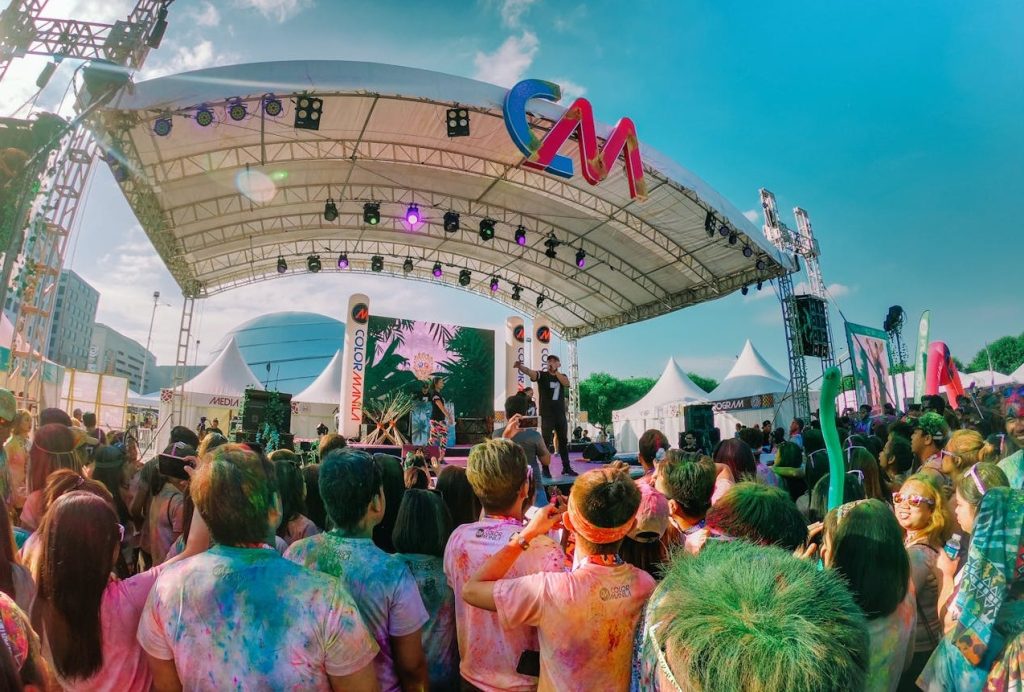
Experience tourism rewards what looks authentic on camera, and that pressure can push communities toward simplified, staged versions of themselves. A traditional meal becomes a “class” optimized for photos. A craft becomes a quick workshop designed around souvenirs. A festival becomes a curated schedule built for crowds, not for locals who once attended because it mattered, not because it trended. Residents feel the loss when nuance disappears and everything turns into a product with a time slot. The culture is still there, but it becomes harder to encounter in its natural setting because the most visible parts get repackaged and sold. Pushback often sounds like a desire to protect what is real from being flattened into a theme.
It Strains Small Businesses And Local Workers
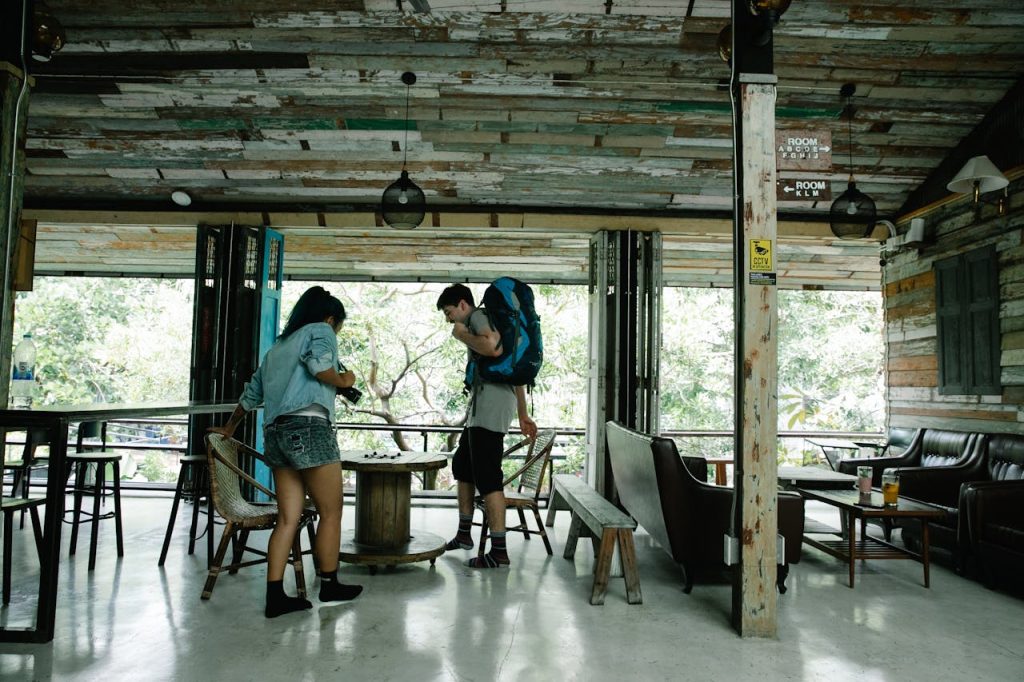
Experience tourism can flood small businesses with demand, yet that demand does not always translate into better livelihoods. Restaurants and cafés get added to itineraries, which can mean unpredictable rushes, higher expectations, and more complaints without higher wages or more staff. Workers deal with fast turnover, language friction, and guests who treat service as part of the experience rather than a job done by real people. Meanwhile, commercial rents rise as neighborhoods get popular, pushing out practical services like hardware stores, pharmacies, and affordable diners. Locals push back when the town starts catering to visitors at the expense of residents’ daily needs, and when the people doing the work still cannot afford to live nearby. A place can feel busy and still feel economically fragile.
It Creates Noise And Schedule Mismatch
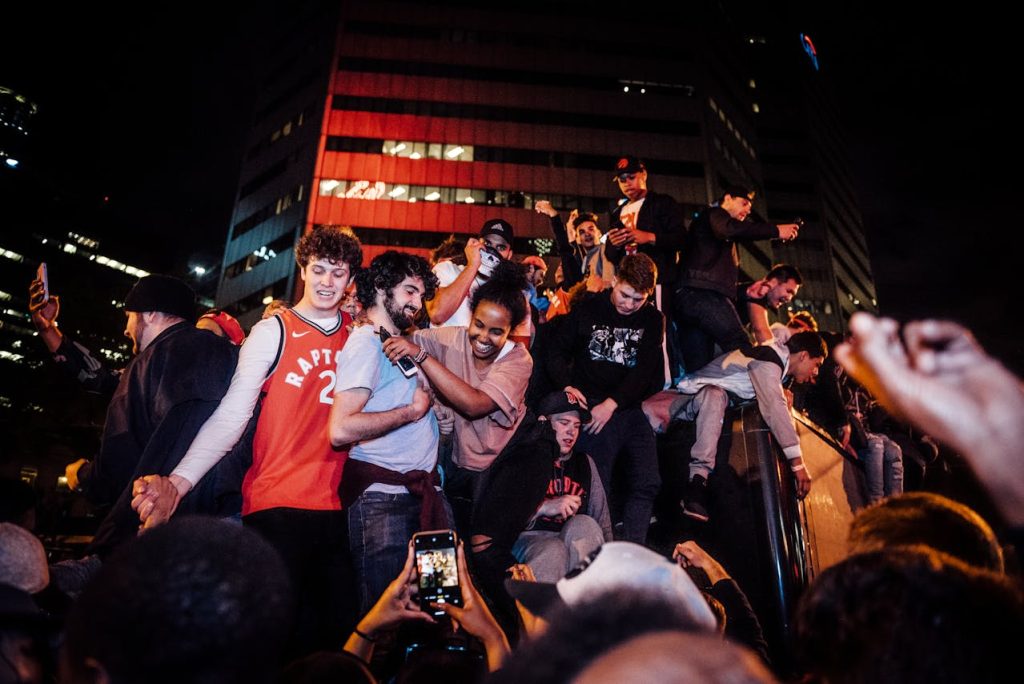
Experiences often happen when visitors are free, which can clash with how locals live. Late-night food tours, bar crawls, and rooftop events pull noise into residential streets, especially when groups move as a pack and treat quiet blocks like part of the nightlife. Even daytime experiences can be disruptive if they block driveways, crowd transit, or take over small plazas during commuting hours and school pickup. Locals do not resent fun. They resent losing sleep, parking, and normal access to their own streets. Over time, a place begins to feel less like a community with rhythms and more like a venue that never closes. Pushback is often an attempt to restore predictability, so residents can plan their week without bracing for constant disruptions.
It Drives Up Prices For Basics
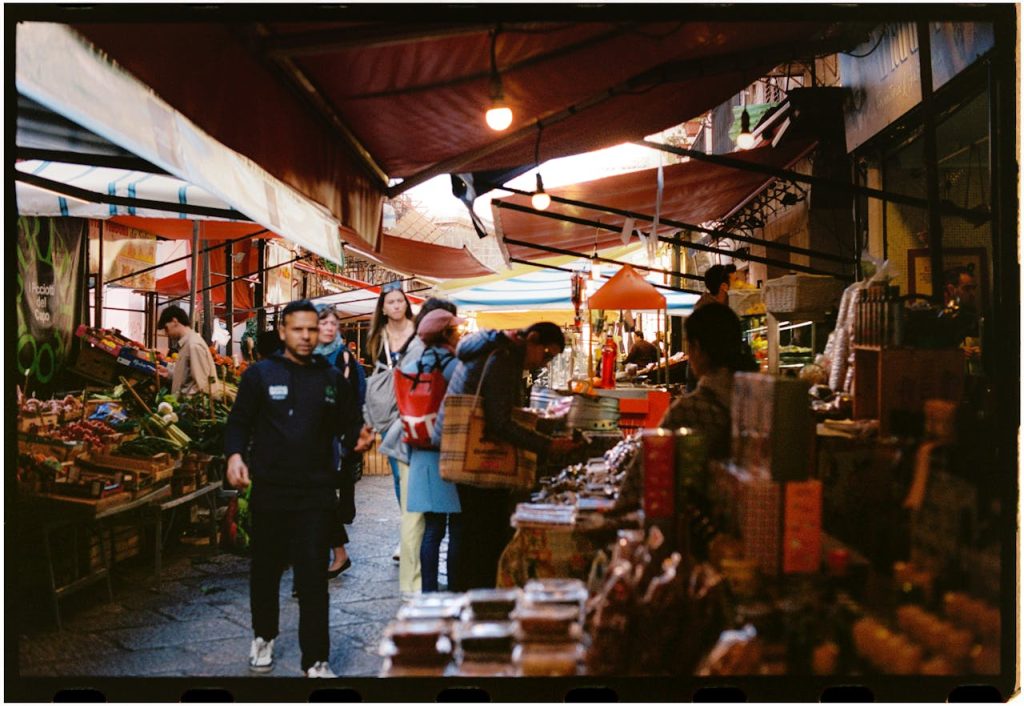
When a town becomes an experience destination, prices can rise beyond hotels and tours. Groceries, cafés, and casual meals start pricing for visitors, not residents, and everyday errands become surprisingly expensive. Some shops shift inventory toward souvenirs and “artisan” items because they sell better, leaving locals with fewer practical options and longer drives to find basics. Parking rates and entry fees can climb as cities try to manage crowds and fund maintenance, which can make residents feel like they are paying admission to their own home. Pushback intensifies when local wages stay flat while daily costs drift upward. The frustration is not just financial. It is the sense that the town is being re-priced for outsiders.
It Overloads Infrastructure Built For Smaller Crowds
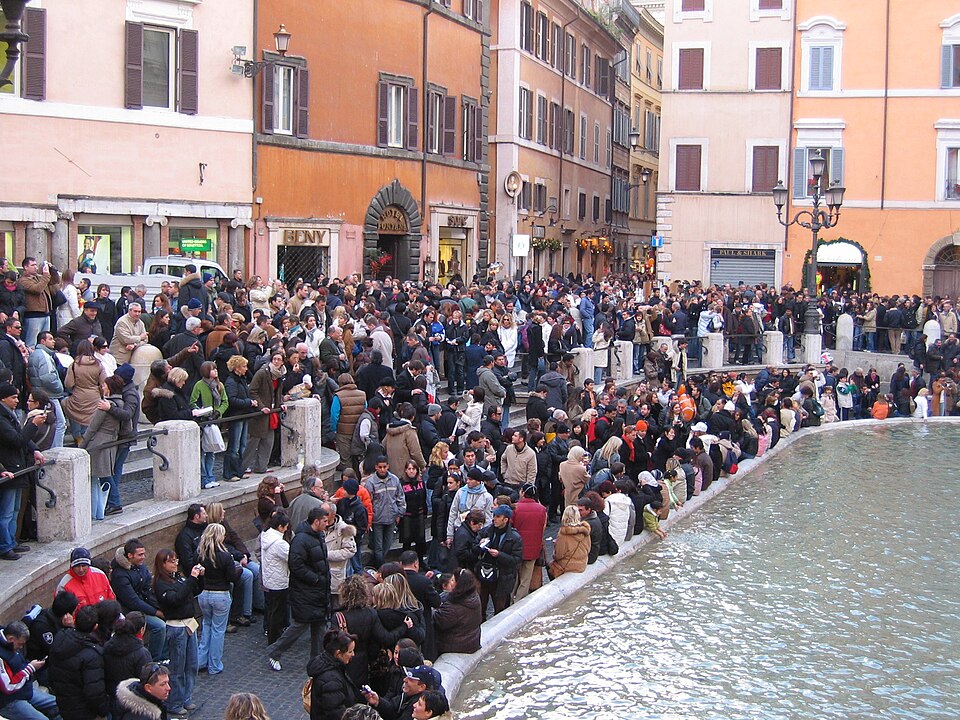
Many beloved destinations were never designed for constant high volume. Narrow roads, small water systems, fragile trails, and limited waste services can buckle under daily “experiences” that keep visitors circulating from sunrise into late night. Locals feel it as longer traffic backups, trash overflow, strained emergency services, and closures that restrict access to beaches, parks, and viewpoints residents once used freely. When infrastructure strains, governments add timed entries, permits, and enforcement, which can feel like the place is being redesigned around visitors. Pushback is often about capacity, not hostility. Communities can host guests, but they cannot expand endlessly without losing function, comfort, and a sense of normal life.
It Shifts Power Away From Residents
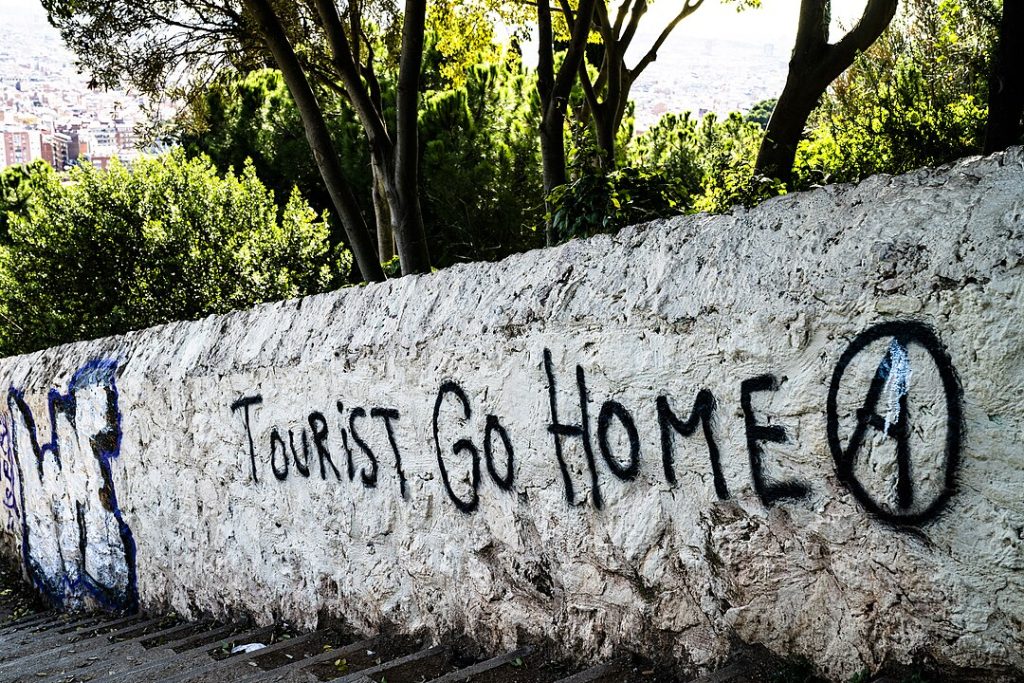
Experience tourism can move decision-making toward outside platforms and operators who control bookings, pricing, and visibility. Residents may feel they have less say over what happens on their streets because demand is driven by algorithms, influencer trends, and viral itineraries that swing quickly and ignore local limits. When problems appear, noise, litter, unsafe crowding, locals are the ones living with it, while profits may flow elsewhere. That imbalance fuels anger, especially when enforcement falls on residents or small businesses rather than on the companies selling the experience. Communities push back with permits, caps, zoning rules, and stricter enforcement because they want tourism to fit the place, not reshape it. Control matters when a town’s identity is at stake.