9 Reasons Wellness Trips Are Booming for Women in the U.S
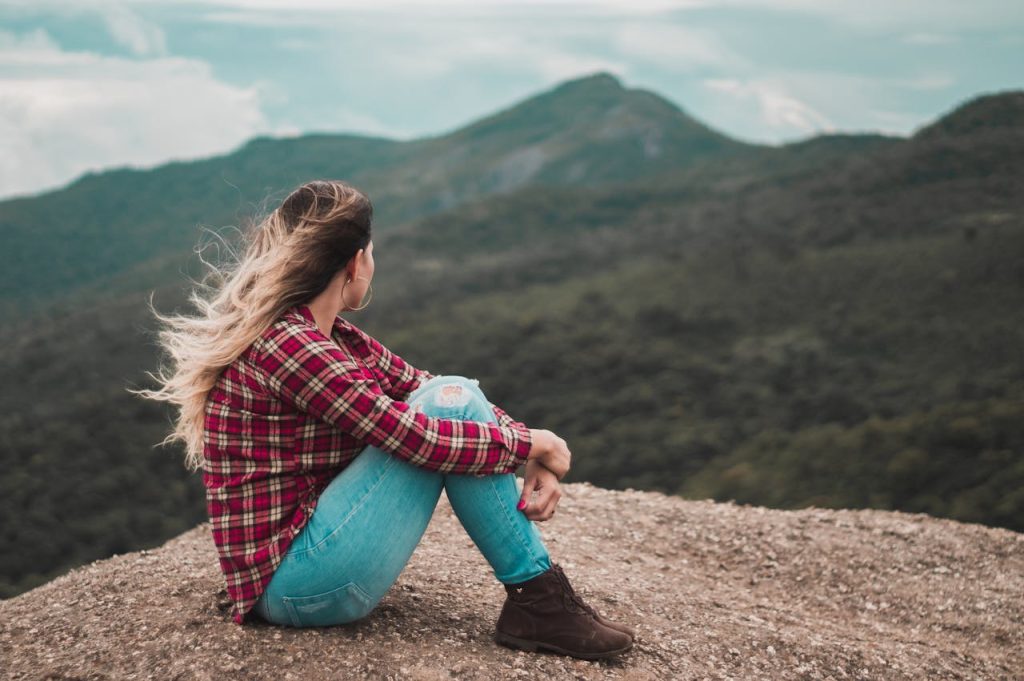
Wellness travel has shifted from occasional luxury to practical planning. For many women in the U.S., a trip built around rest, movement, and mental reset now feels less optional than it did a few years ago. The purpose is changing. It is no longer only about indulgence; it is about restoring capacity.
The daily pressure behind that shift is easy to recognize. Work expectations remain high, caregiving demands have not eased, and digital noise follows people into evenings and weekends. A standard vacation can leave the same fatigue in place. A wellness-focused trip is often chosen because it targets the fatigue directly.
The market has responded fast. Retreats, hotel programs, and guided experiences now cover a wider range of budgets, formats, and goals than before. Women can choose short local escapes, structured group programs, or solo stays with clear routines. Choice has made the category easier to enter.
Most important, outcomes are clearer. Better sleep, calmer mornings, less overwhelm, and stronger routines are concrete benefits people can feel after returning home. That practical return is a major reason demand keeps climbing.
Stress Loads Are Higher and Recovery Time Is Scarce
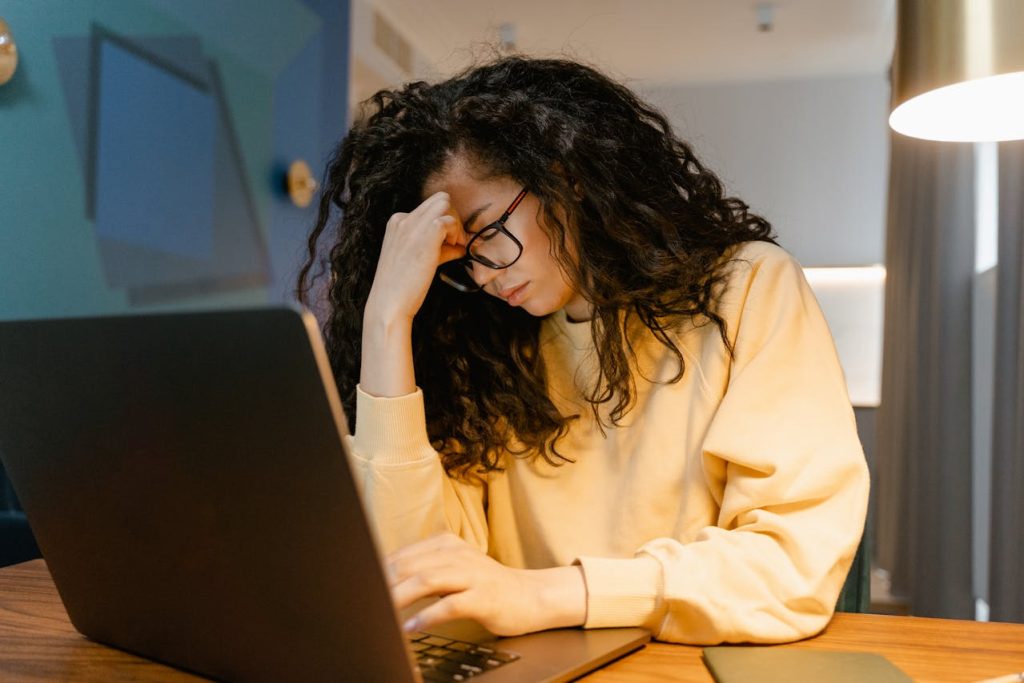
Many women are not booking wellness trips because they want to disappear from life. They are booking because regular life has become harder to regulate without protected recovery time. When stress runs long, even simple tasks feel heavier. A planned reset becomes a preventive step, not a reward.
Traditional vacations do not always solve this. Crowded itineraries, late nights, and constant logistics can create a different kind of exhaustion. Wellness travel changes the structure: fewer decisions, better pacing, and space for the nervous system to settle. That design is the real product.
The decision is often practical, not sentimental.
A few days of structured rest can improve sleep, patience, and focus faster than a packed week of sightseeing.
That is why repeat bookings are rising.
Women are increasingly treating these trips as maintenance. The same way routine checkups protect long-term health, periodic recovery travel can protect emotional capacity before burnout deepens. The framing has changed, and behavior has followed.
Wellness Spending Is Now a Mainstream Priority
Consumer behavior has moved decisively toward wellness categories. People are spending on sleep, fitness, stress support, and recovery tools in everyday life, and travel naturally sits inside that same pattern. A trip is now seen as part of a wider wellness plan, not a separate luxury bucket.
As demand grew, supply matured. Operators began offering more focused experiences with clear outcomes instead of vague spa language. Programs now combine movement, nutrition, rest, and coaching into coherent schedules. That clarity makes booking decisions easier.
Price range has widened too.
There are premium retreats, but there are also affordable domestic options and short formats designed for tight calendars.
Accessibility has expanded the audience.
Women who once felt wellness travel was not for them are now finding options that match both budget and lifestyle. When the category feels realistic, adoption accelerates. That is exactly what is happening across the U.S. market.
Sleep Problems Are Driving Travel Decisions
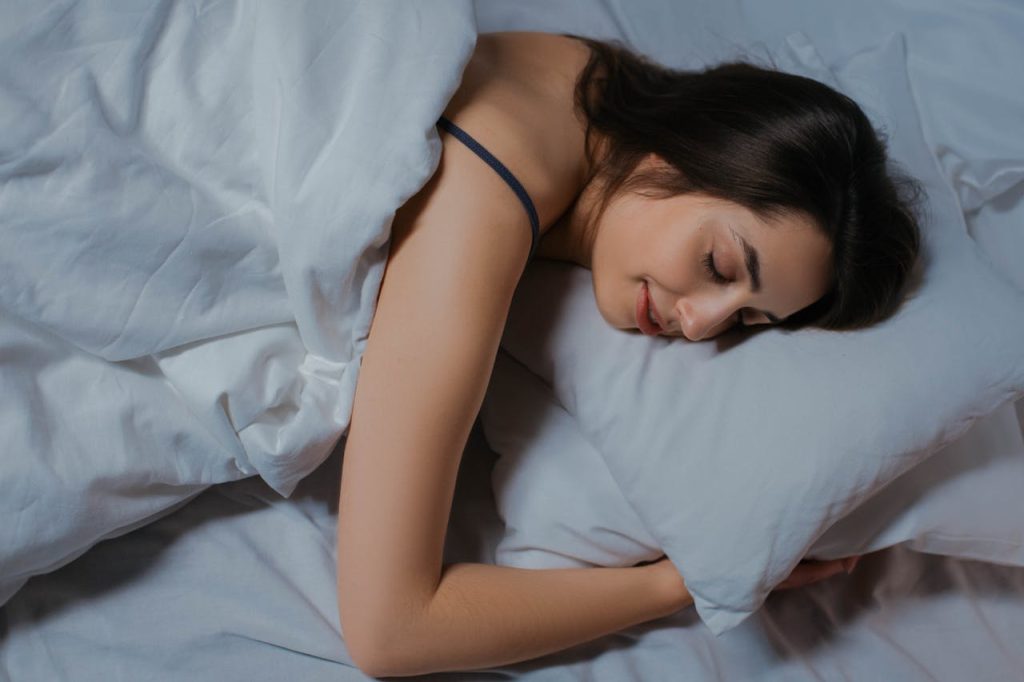
Sleep has become one of the strongest motives behind wellness trips. Many women report fragmented rest, irregular schedules, and mornings that start already depleted. A standard vacation may include better scenery, but it does not always rebuild sleep quality. Wellness itineraries are designed to do that on purpose.
Programs now include quiet-hour policies, low-stimulation evenings, guided breathwork, and routines that support circadian rhythm. These details sound small, but they are often the difference between temporary relief and measurable recovery. Sleep works as a multiplier for mood, focus, and physical energy.
Once sleep improves, other benefits follow faster.
Work feels less chaotic, decisions get cleaner, and social interactions become easier to manage.
That direct effect makes the value obvious.
Women are choosing trips where rest is a target, not a side effect. The growth of sleep-centered packages is a signal that travel priorities have changed at a fundamental level.
Solo Wellness Travel Feels Safer and More Purposeful
Solo travel has grown because it offers control, and wellness travel adds structure to that control. Women can move at their own pace while still having access to guided sessions, secure spaces, and predictable routines. That blend of independence and support is hard to find in other travel formats.
For many travelers, safety is not one single feature. It is the full environment: clear transportation options, staff presence, good lighting, transparent schedules, and communities that feel respectful. Wellness properties are increasingly designed around those basics. That design encourages first-time solo bookings.
Solo wellness trips also reduce social pressure.
There is no need to negotiate every meal, activity, or wake-up time.
Energy can be spent on recovery instead of coordination.
The emotional benefit is real. Many women return from solo retreats feeling clearer, steadier, and more connected to their own priorities. That outcome turns one trip into a repeat habit.
Flexible Work Makes Short Retreats More Feasible
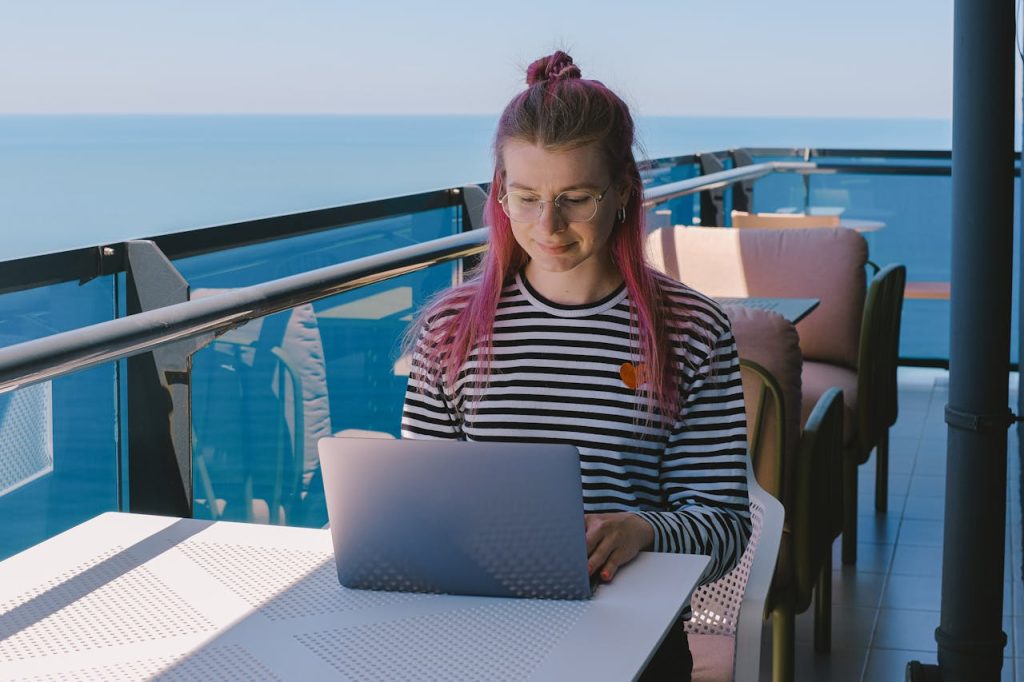
The rise of flexible work has changed travel timing. Women no longer need a long annual break to access meaningful recovery. Three to five days can be enough when the schedule is focused and logistics are simple. That makes wellness travel easier to fit into real life.
Short formats are especially useful for women balancing multiple roles. A compact retreat can be planned around school calendars, project deadlines, and family responsibilities with less disruption. The ability to leave briefly and return stronger is a powerful advantage.
This is where domestic travel matters most.
Short flights or drivable destinations reduce friction, cost, and planning load.
Lower friction usually means higher follow-through.
When a trip is feasible, it gets booked. Flexible schedules have expanded feasibility, and wellness operators have built formats that match it. The result is steady growth rather than one-off spikes.
Group-Based Wellness Supports Real Connection
Wellness travel is not only about individual treatment rooms anymore. Group walks, shared meals, reflection circles, and guided classes are now core parts of many programs. These experiences create social connection without the noise of typical group tourism. That balance is especially valuable for women navigating isolation or emotional overload.
Connection matters because recovery is not purely physical. Feeling seen by peers in a low-pressure setting can reduce mental strain quickly. Structured group environments also make it easier for quiet travelers to participate without forced extroversion.
The best programs get this pacing right.
They offer community, then preserve personal downtime.
That rhythm helps people open up without feeling drained.
Women often describe these trips as restorative because of both calm and companionship. The combination is hard to reproduce in daily routines, which helps explain why group wellness formats continue to expand.
Women-Specific Programs Finally Feel Relevant
One major shift is relevance. Wellness travel now includes programs tailored to women’s real concerns across life stages, including hormonal transitions, sleep instability, stress response, and energy management. Targeted support feels more useful than generic wellness language.
This relevance changes trust. Women are more likely to book when content speaks clearly to lived experience and provides practical guidance they can apply after the trip. Good programs now include education, not just amenities. That educational layer improves long-term value.
Design details matter here.
Instructors, session topics, meal planning, and recovery protocols increasingly reflect women-specific needs.
Better fit produces better outcomes.
When travelers see themselves in the program design, confidence rises. Confidence drives bookings, and positive outcomes drive referrals. That cycle is one of the strongest engines behind current growth.
Domestic Wellness Destinations Reduce Cost and Complexity

Domestic wellness travel is growing because it is easier to execute. International trips can be rewarding, but they add currency variables, long-haul fatigue, and more planning risk. Many women prefer a simpler path to recovery when time and energy are limited.
Local and regional options also allow experimentation. A traveler can try a shorter retreat first, evaluate outcomes, and adjust future choices without a major financial commitment. Lower entry risk encourages new participants to start.
This repeatable model is important.
Two or three shorter wellness breaks can deliver more consistent benefit than one large annual trip.
Consistency usually beats intensity for recovery.
As domestic options improve in quality and variety, women do not need distant destinations to get meaningful results. Better access close to home is a quiet but powerful reason the category keeps expanding.
Habit-Focused Itineraries Create Lasting Value
The strongest wellness trips are built around behavior change, not temporary comfort. They give travelers routines they can continue after checkout: sleep timing, movement blocks, screen boundaries, meal structure, and stress tools. That transfer into daily life is what makes the spend feel justified.
Women are increasingly choosing programs that teach, not just pamper. A massage can calm one afternoon, but a repeatable routine can improve an entire quarter. The market is rewarding providers that understand this difference. Value now means durability.
That durability shapes word of mouth.
People recommend trips that changed what weekdays feel like, not just what weekends looked like.
Practical outcomes spread faster than aesthetic impressions.
What started as a niche segment has become a clear response to modern pressure. Women are booking wellness travel because it helps them function better after they return, and that is a compelling reason to keep going.