9 Tourist Behaviors That Are Socially Unacceptable
Vacations bring out a person’s most relaxed self, and that is exactly when habits show. In busy squares, quiet temples, beach towns, and subway cars, locals notice patterns that repeat every season. The judgment is rarely dramatic; it is a glance, a pause, a bit less warmth at the counter. Most of it comes down to one idea: travel works better when visitors treat a place like someone’s home, not a stage. Small choices made all day long decide whether a destination feels welcoming or weary.
Treating Every Street Like a Photo Set

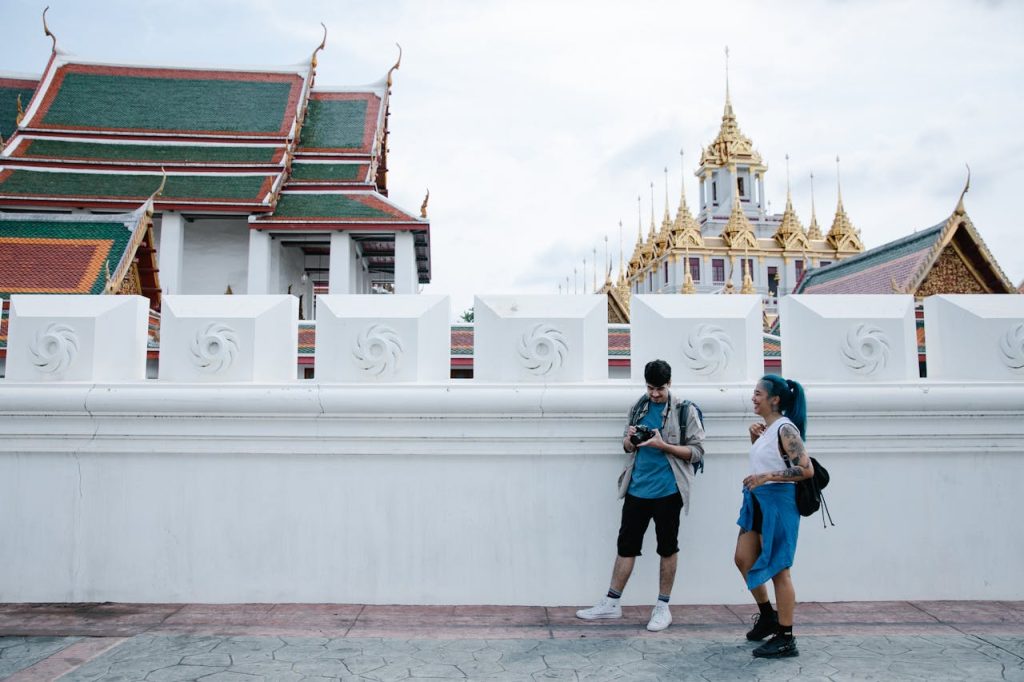
Some travelers stop mid-sidewalk, block doorways, and run the same pose on repeat, as if the city were a studio built for them. Locals read it as entitlement in commuter zones and markets where a single stalled moment clogs an aisle, traps a wheelchair, stalls a stroller, and forces workers carrying trays or boxes to step into traffic to pass. Irritation jumps when tripods appear in tight lanes, flash fires in small cafés, or staff are asked to rearrange other guests, because the message is that real life should pause so content can be captured, even in places where people live and work every day.
Talking Loudly in Quiet Places

Museums, trains, shrines, and small restaurants have their own volume, and it is usually lower than visitors expect. When a group keeps a running commentary at full voice, locals assume the travelers are not noticing anyone else, and that impression lingers, especially in places where silence is part of the experience and respect is shown through restraint. Quiet is not about being formal; it protects the soundscape people came for, and in stone halls and narrow streets even a few loud sentences can fill the whole space, flattening the mood and drawing looks from staff, regulars, and families nearby.
Skipping Basic Greetings and Politeness
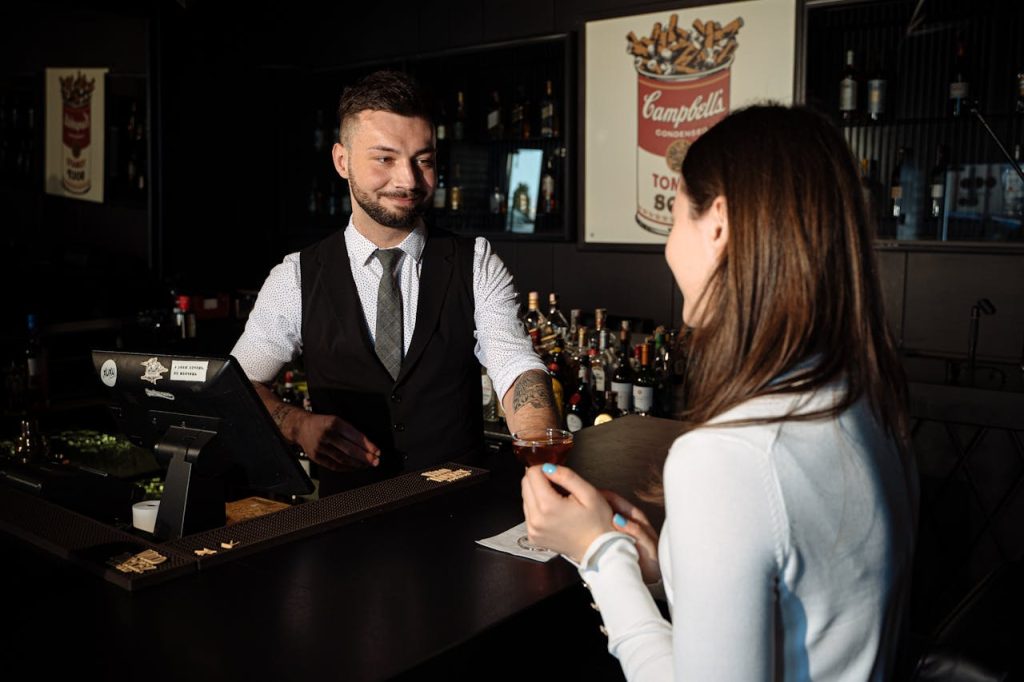
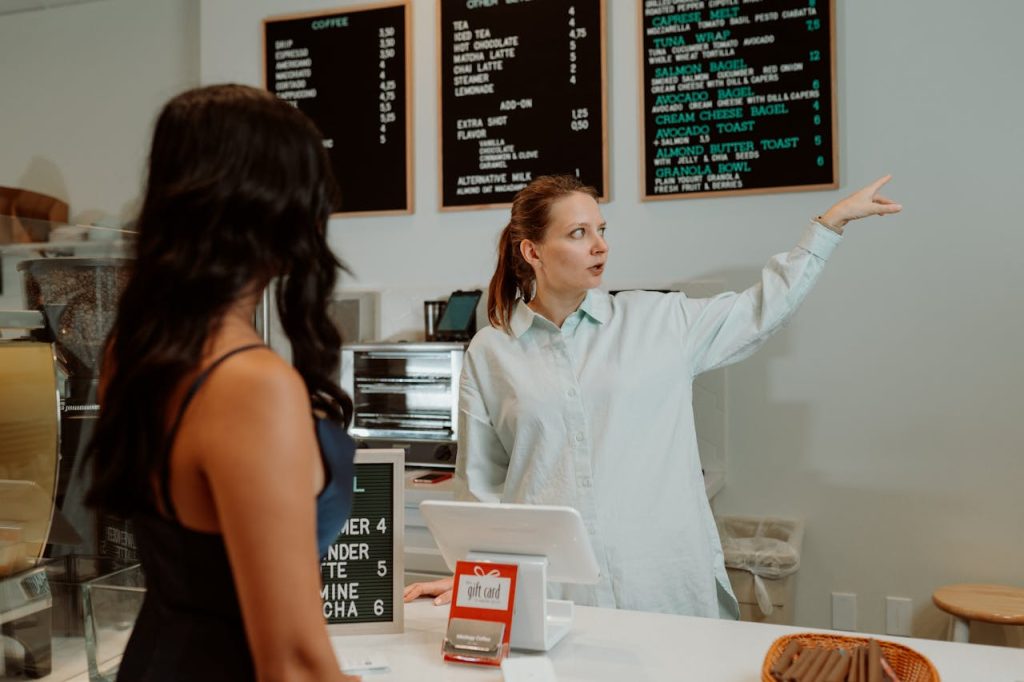
In many destinations, the first moments set the tone: a greeting at the counter, a quick thank-you, and a pause that shows respect before any request is made. Visitors who jump straight to demands can come off as impatient, even when language is a barrier, because the exchange starts without warmth or acknowledgment of the person doing the work, and that cool start can follow the interaction all day. Service staff remember who treats them like a human, not a tool for directions and discounts, and that memory quietly shapes how much patience, flexibility, and care shows up later, from explaining a menu to solving a mistake.
Treating Local Food Like a Dare

Ordering the most unfamiliar dish just to film a reaction can look immature, even when the intent is playful. Foods tied to family and tradition carry pride, so exaggerated faces, jokes, and half-eaten plates land badly in small kitchens where the cook can hear everything and the server has to smile through it, then clear away what was treated like a prop. Curiosity reads well when it is calm and specific: ask one clear question, taste with respect, and describe flavor without turning the meal into a stunt for the camera or a punchline for the group chat, because food is not a toy in most cultures.
Clothing That Ignores the Setting
Beachwear in a city center, gym clothes in a formal district, or overly casual outfits in sacred sites can draw quiet disapproval. It is not about luxury or fashion; it is about signaling respect for local norms and the people sharing the space, including elders and families who follow custom, especially in places where tradition still guides daily life and community standards matter. Some entrances post rules, but many rely on cues like covered shoulders, longer shorts, or shoes removed indoors, and ignoring those cues can turn a simple visit into a tense moment at the doorway and a story locals repeat later.
Assuming Every Place Works Like Home
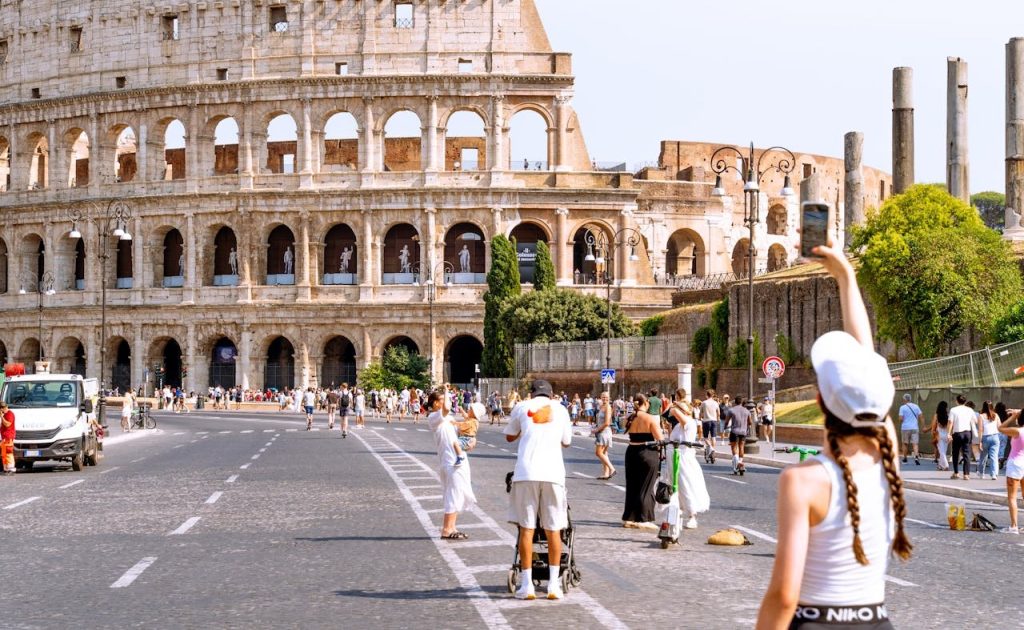
Trips get tense when visitors argue with rules that are normal locally, like cash-only stalls, reserved seating, recycling rules, or late-night quiet hours. Locals do not expect perfection, but they notice the reflex to debate instead of adapt, and it reads as disrespect in places that run on shared order and small courtesies, where the rules exist to keep crowds moving and neighborhoods livable. The same pattern shows up in lines and transit, where crowding, cutting, blocking an escalator lane, or ignoring a boarding cue signals that attention is elsewhere and everyone else should adjust, even when the system works fine.
Turning Public Spaces Into Personal Lounges
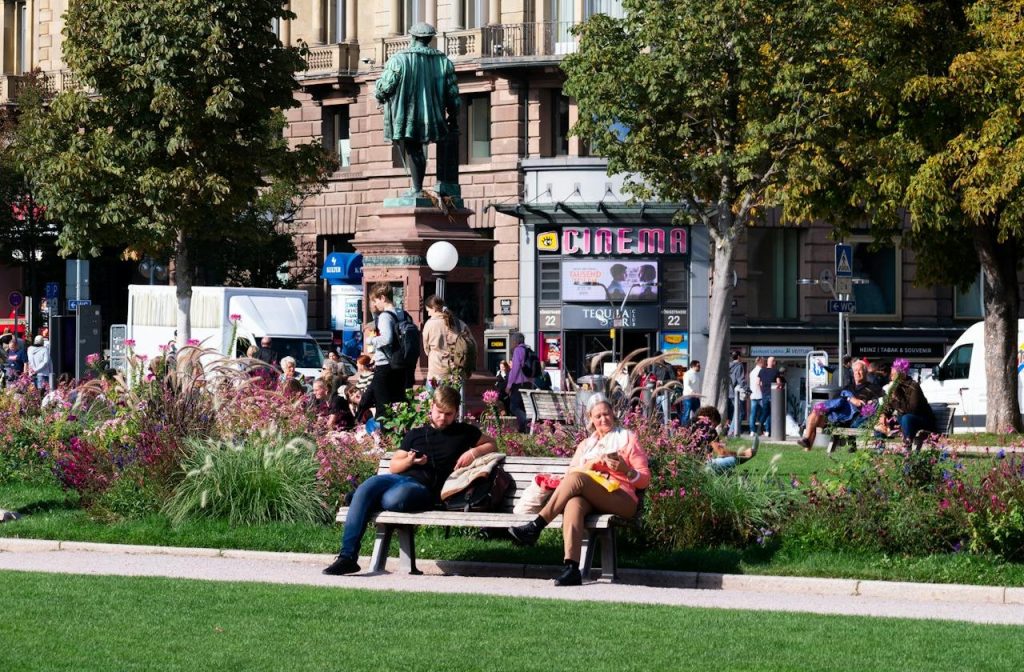
Some tourists spread bags across benches, take long calls on speaker, and play music aloud at viewpoints meant for shared calm, then act as if the space belongs to whoever arrived first. The message is simple: everyone else can adjust, whether it is a commuter grabbing a quiet bite, a parent settling a child, or a local trying to breathe for 15 minutes between shifts, and that attitude is easy to spot. Parks and beaches can handle relaxation, but not when trash is left behind, smoke drifts into posted no-smoking zones, or the best spot is claimed for hours, because locals notice who leaves a place better than they found it.
Feeding Wildlife and Chasing Cute Moments
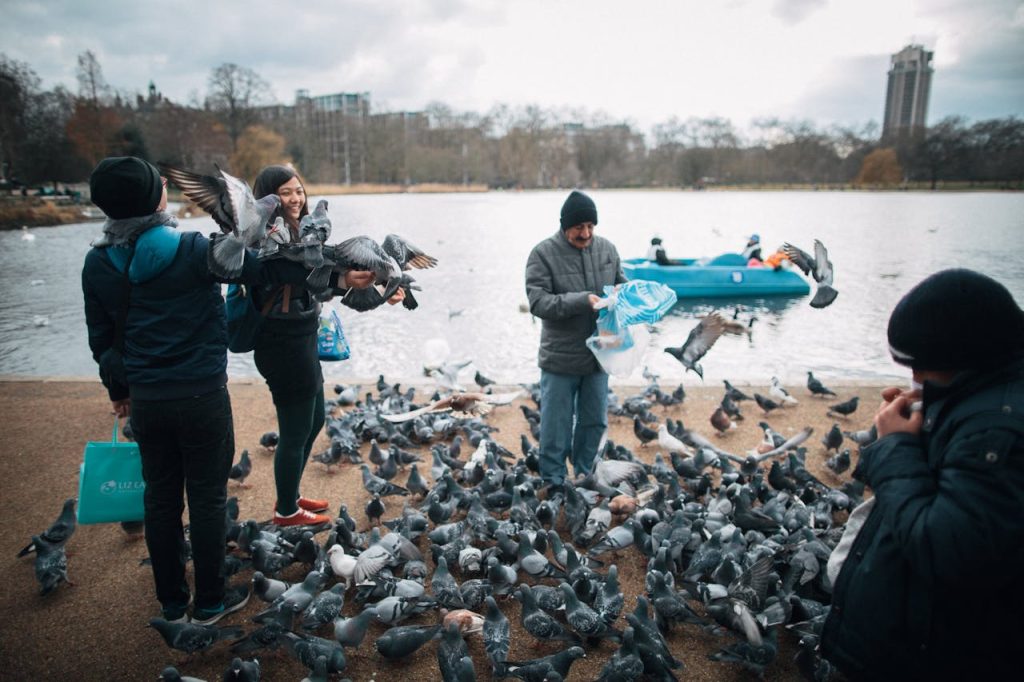
Animals near tourist zones learn fast, and the consequences ripple through the whole area. Feeding birds, monkeys, or other wildlife can change behavior, invite constant begging, and undermine local efforts to keep ecosystems balanced, which is why locals get frustrated when visitors treat it like a harmless game and ignore posted signs. The same goes for stepping too close for photos or crowding an animal for a reaction; distance and patience protect people, protect property, and protect the animals from stress and risky dependence on human food, which can lead to pushy encounters for everyone and bans.
Complaining About the Place While in It
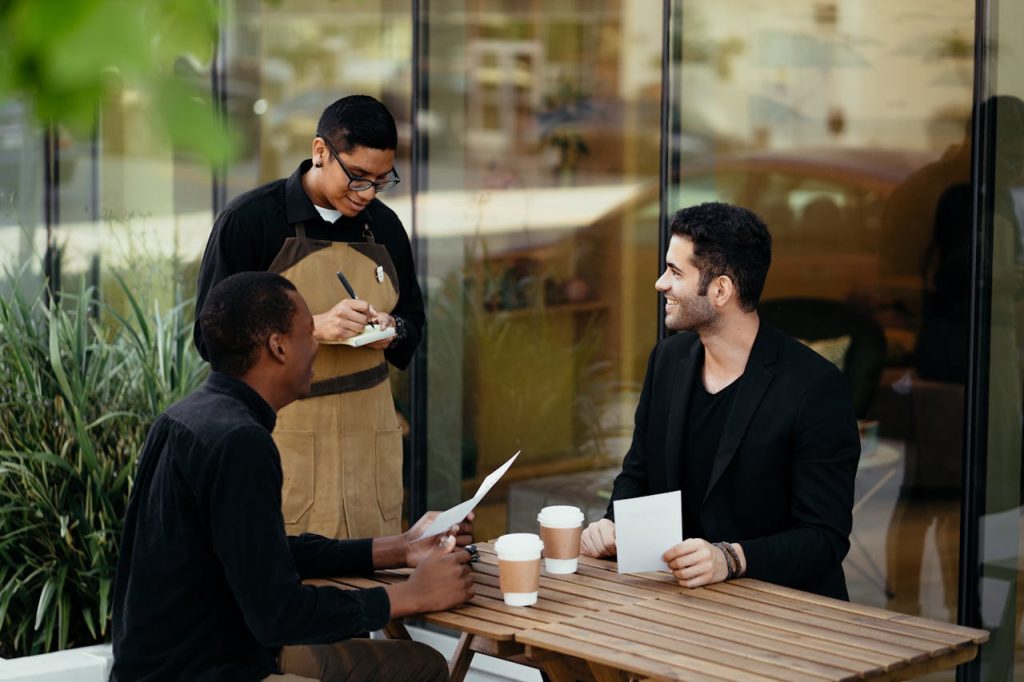
Every trip has rough edges, but constant criticism in public can sour a room. Loud remarks about prices, cleanliness, or how things are done back home land as disrespect, even when meant as venting, because locals hear it as a verdict on their daily life and a dismissal of their effort, especially when staff are within earshot. It shows up most in restaurants and shops, where a calmer tone and a simple question usually gets better help than a running complaint, and where kindness tends to be returned in practical ways, like a clearer recommendation or an extra bit of patience when things are busy.