9 Tourist Behaviors That Raise Red Flags With Locals

Locals rarely expect visitors to know every custom, but they do notice patterns that signal respect or entitlement. Small choices can change the mood of a street, a café, or a train car, and the reaction is often quiet: a shorter answer, a tightened smile, a quick step away. Most red flags are not about honest mistakes. They appear when someone refuses to adapt after the place has shown its rhythm. Good travel manners are simple. They treat shared space like a home, not a stage.
Theme-Park Attitude in Real Neighborhoods
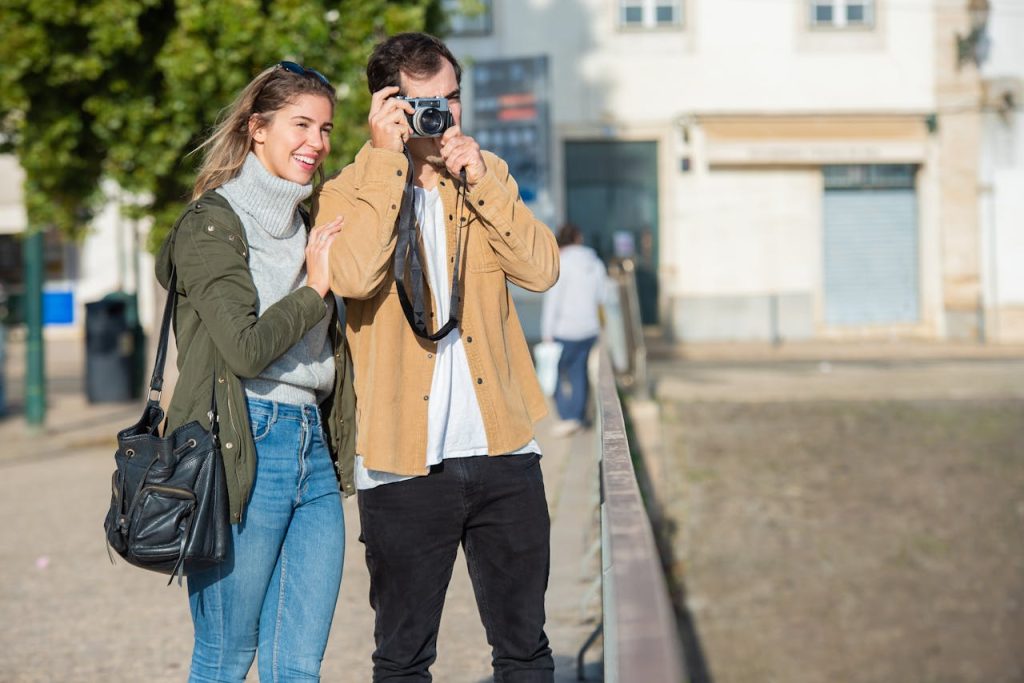
Some visitors treat ordinary streets like a set, lingering in doorways, leaning on gates, and clustering on stoops as if nobody lives behind them. Locals read it as a lack of awareness when sidewalks narrow and neighbors cannot pass with groceries, strollers, or bicycles, or when a building entrance is blocked like a photo booth. The red flag is the extended pose session, outfit changes, and loud directing, plus a slow drift past private signs or closed courtyards, while residents keep apologizing, squeezing through, and rerouting a normal day around someone else’s shoot for minutes at a time.
Loudness That Treats Quiet as Optional
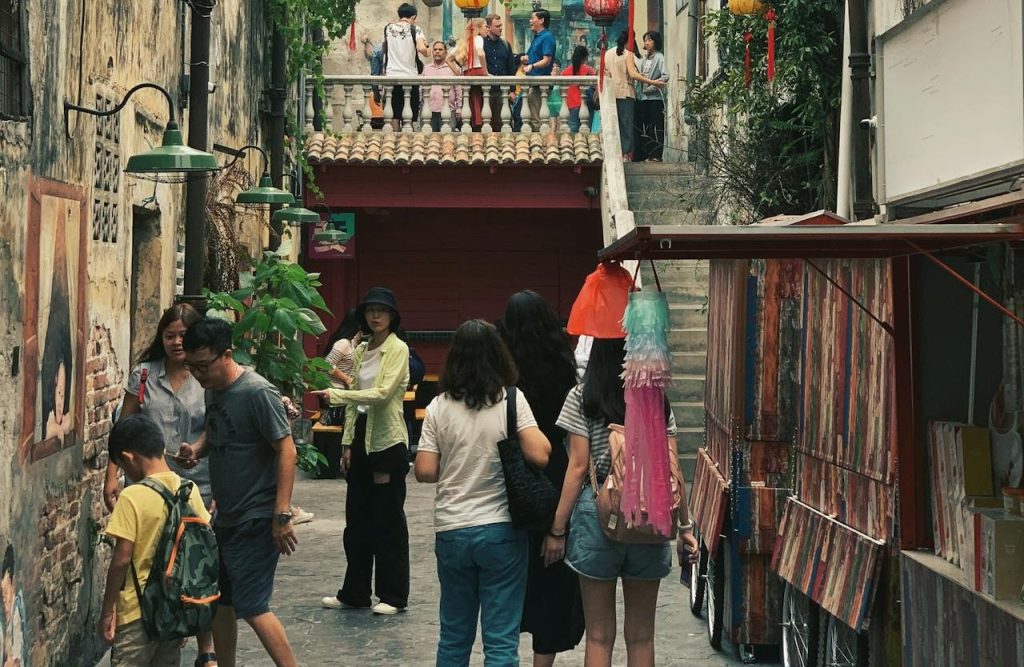
In many places, locals notice visitors by volume before any language gives it away, especially in older neighborhoods where sound carries through stone courtyards and thin windows. Speakerphone calls on narrow lanes, portable music on beaches, and lobby chatter after 11 p.m. signal that quiet is optional, even where people work early, nap midday, or put kids to bed. The red flag is ignoring posted quiet hours, train-car rules, and library-level cues in museums or churches, then acting surprised when smiles tighten, service speeds up, and directions become short for the rest of the stay, quietly.
Photographing Strangers Like Props
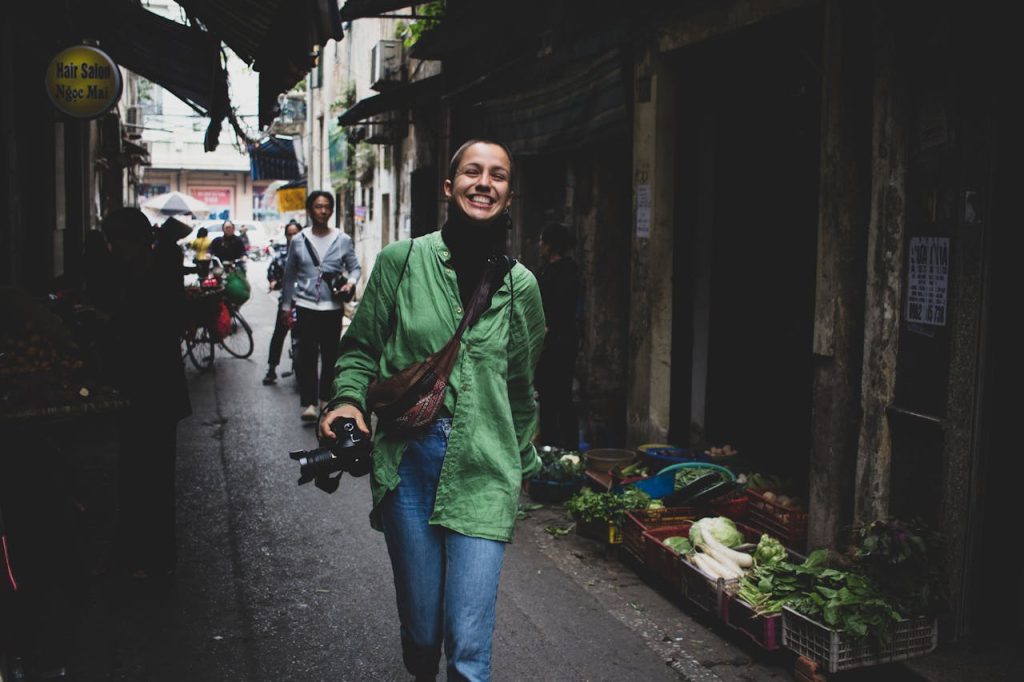
Cameras are normal in tourist zones, but locals bristle when strangers are treated like props rather than people with a day to finish. Close-up shots of vendors serving a customer, worshippers at prayer, or kids at play, taken without a nod or permission, can feel like privacy being traded for a souvenir, especially when the photographer blocks the counter to get the angle. The red flag is pushing a lens into faces, using flash in quiet spaces, or filming a tense moment for laughs, then walking away as if the scene belongs to the internet, not to the person living it in real time, right there.
Complaining That Things Aren’t Like Home
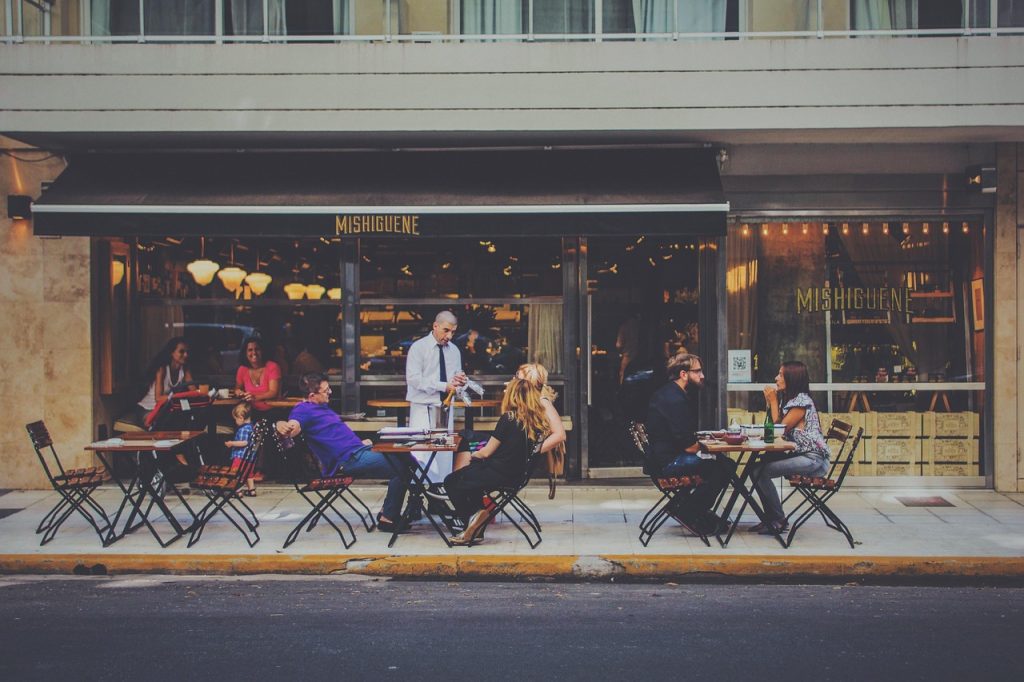
Curiosity lands well, but constant comparison wears thin, especially when it shows up as a running commentary during meals, tours, and check-ins. Grumbling that the coffee is too strong, dinner starts too late, streets feel too old, or the pace is too slow sends the message that the destination is being graded against home instead of understood on its own terms. The red flag appears when complaints turn into pressure on workers, like demanding off-menu changes everywhere, ridiculing local habits in public, or narrating discomfort loudly, because it treats community life as an inconvenience rather than the point of traveling.
Assuming Everyone Speaks the Tourist’s Language

Most locals appreciate effort, even if pronunciation is rough, because the attempt signals respect and keeps the interaction human. Red flags show up when someone skips basic greetings, waves a menu like a complaint form, and repeats the same phrase louder, as if volume creates understanding, while a line forms behind them and staff try to keep moving. The pattern can sour an exchange fast, since a translation app, a written address, and a patient pause usually solve the problem, and impatience often turns a willing helper into someone who points, shrugs, and steps away for good that day, too.
Ignoring Lines and Local Personal Space
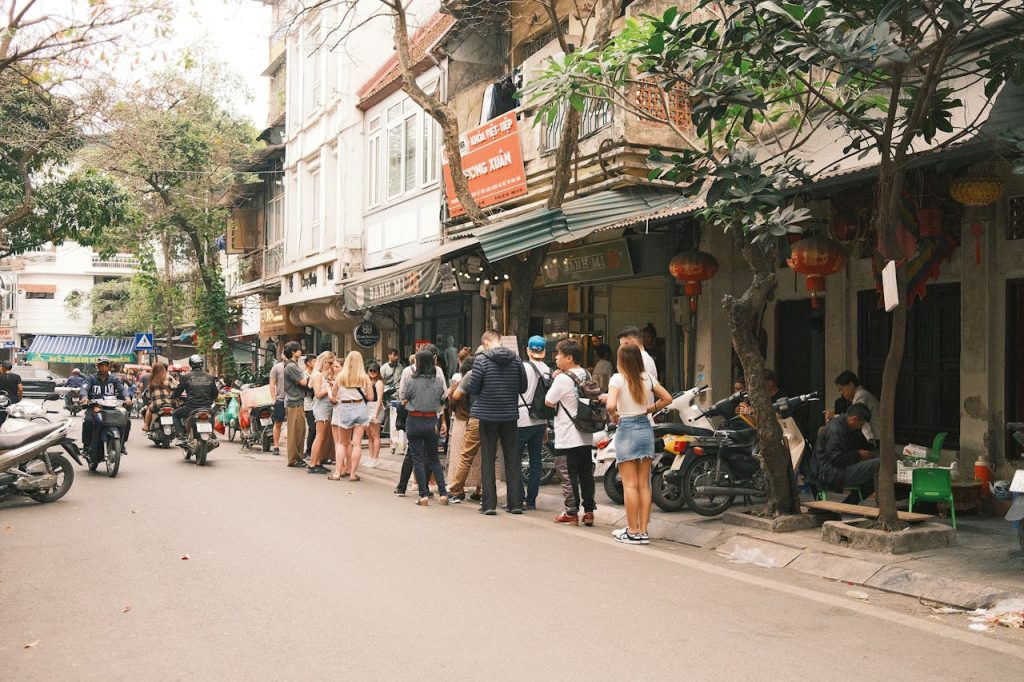
Every place has a rhythm for who goes next, even when the rules are not posted, and locals can spot the person who refuses to read the room. Cutting at a bakery, crowding a bus door before passengers exit, stopping at the top of an escalator to regroup, or sliding to the counter with an excuse-me that functions as a strategy reads as disrespect, not confidence. The red flag is repetition: small skips that force others to self-police and harden the mood, when a brief pause, a glance for the line, and leaving room for elders, families, and commuters would keep everything smooth and surprisingly fast.
Leaving Small Messes Everywhere

Locals rarely expect perfection from visitors, but they do notice who treats shared spaces with care, especially when a town’s beauty is also its livelihood. Leaving cups on a bench, cigarette ends on sand, and snack wrappers on a trail signals that cleanup is being outsourced to workers and neighbors who already manage crowds, weather, and overflowing bins. The red flag is the casual shrug, particularly near historic streets, beaches, and parks, since carrying trash to the next bin, sorting it properly, and keeping food scraps off the ground prevents pests, protects wildlife, and keeps public spaces pleasant for everyone.
Treating Public Transit Like a Private Lounge
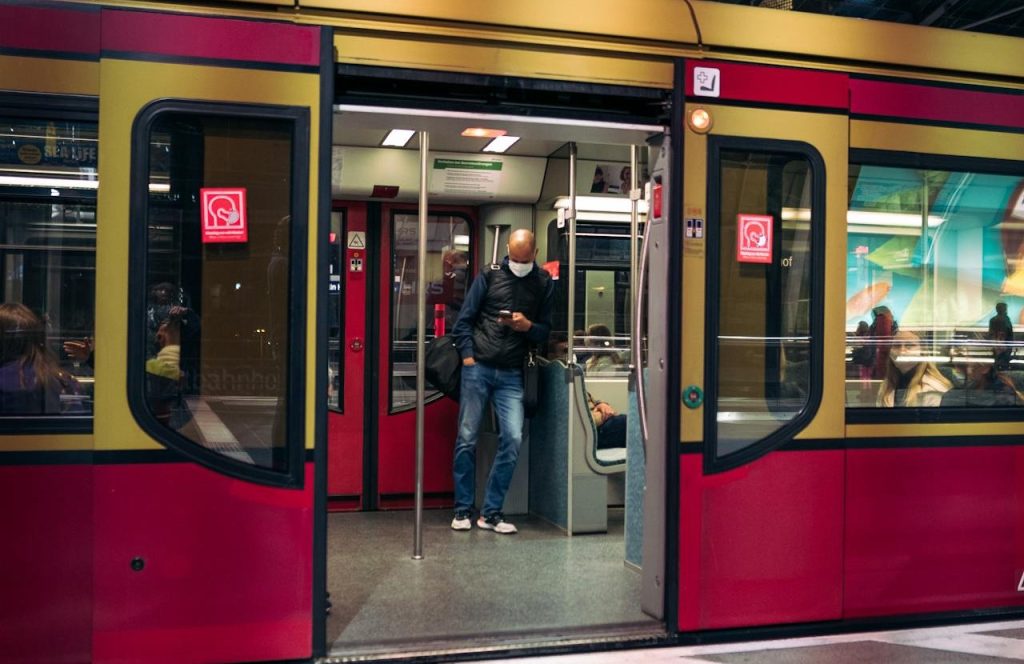
Transit is where locals notice manners quickly, because space is tight, exits are narrow, and everyone is on a schedule that does not pause for confusion. Blocking doors with rolling luggage, taking an extra seat with bags, stopping at the top of stairs to check a map, or spreading out on priority seating creates bottlenecks that ripple down a platform in seconds. The red flag is not scanning for flow: failing to let people exit first, ignoring quiet cars, and talking loudly on calls, since small moves, like stepping aside, keeping bags close, and following arrows, make the ride calmer for commuters and visitors alike.
Turning Every Price Into a Debate
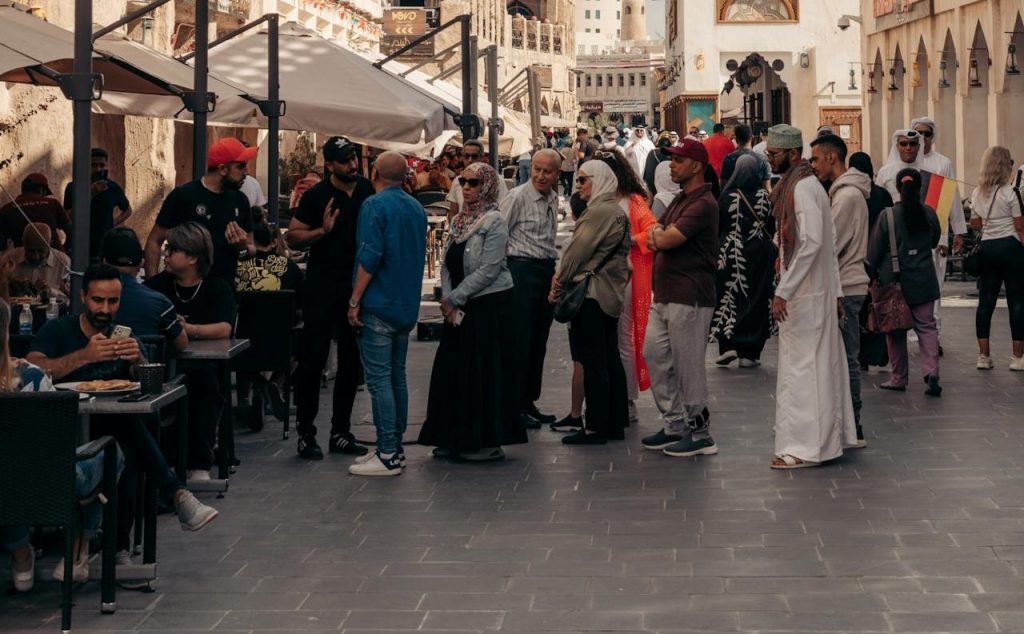
In some markets, bargaining is part of the culture, and locals even enjoy it when it stays light, fair, and friendly. Problems start when visitors haggle aggressively in places with set prices, argue over small differences, or treat service staff like opponents to defeat, especially when a line forms and everyone else is waiting. The red flag is the toughness performance: waving cash, demanding local rates, filming the negotiation, or complaining loudly about tipping norms, because it signals that saving a few dollars matters more than courtesy, and it turns a simple purchase into a tense scene that lingers.