9 Travel Destinations Many Women Are Rethinking Before Booking Their Next Trip
Travel analysts and hospitality experts report that the criteria for a successful getaway have shifted dramatically over the last year. According to tourism consultants and urban planners, many iconic global cities are struggling with overtourism, leading to degraded visitor experiences and rising costs. This has prompted female travelers to scrutinize popular spots more heavily, often opting for quieter or more sustainable alternatives that offer a genuine connection to the local environment.
Solo travel safety consultants and regional directors emphasize that shifting geopolitical climates and changing local policies also play a significant role in this reevaluation. Experts say that the prioritization of personal well-being and environmental impact has replaced the desire for simple check-list tourism. By analyzing travel data and on-the-ground reports from park rangers and city officials, industry leaders have identified nine specific locations where travelers are increasingly hitting the pause button before finalizing their reservations.
Venice Italy
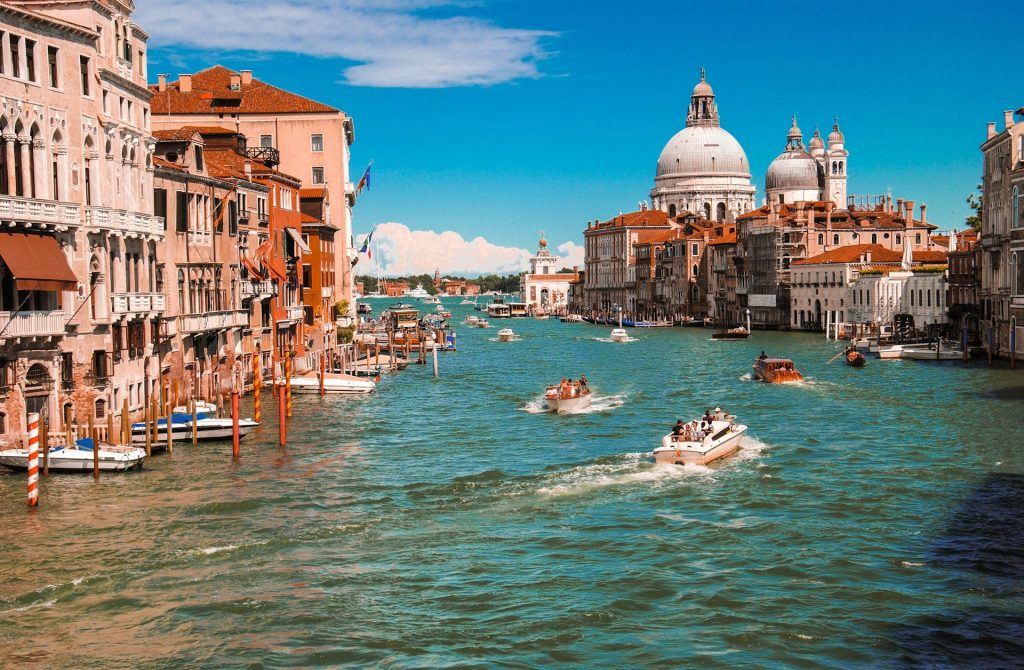
Urban planners and heritage preservationists describe Venice as the ultimate case study in the struggle between tourism and local livability. The implementation of entry fees for day-trippers and the ban on large cruise ships are direct responses to the immense pressure the city faces. Experts in sustainable travel note that the density of crowds often makes navigating the historic canals a stressful endeavor rather than a romantic one. This congestion has led many to seek out less crowded water-based cities that offer a more relaxed atmosphere.
Environmental scientists and hydrologists warn that the delicate infrastructure of the city remains at risk from rising sea levels and frequent flooding. Many travelers are rethinking visits during the peak summer months when the heat and humidity amplify the smell of the canals and the strain on local resources. Tourism analysts suggest that the commodification of local culture has made finding authentic experiences difficult, prompting a shift toward regional Italian towns where the pace of life remains undisturbed by massive tourist influxes.
Santorini Greece
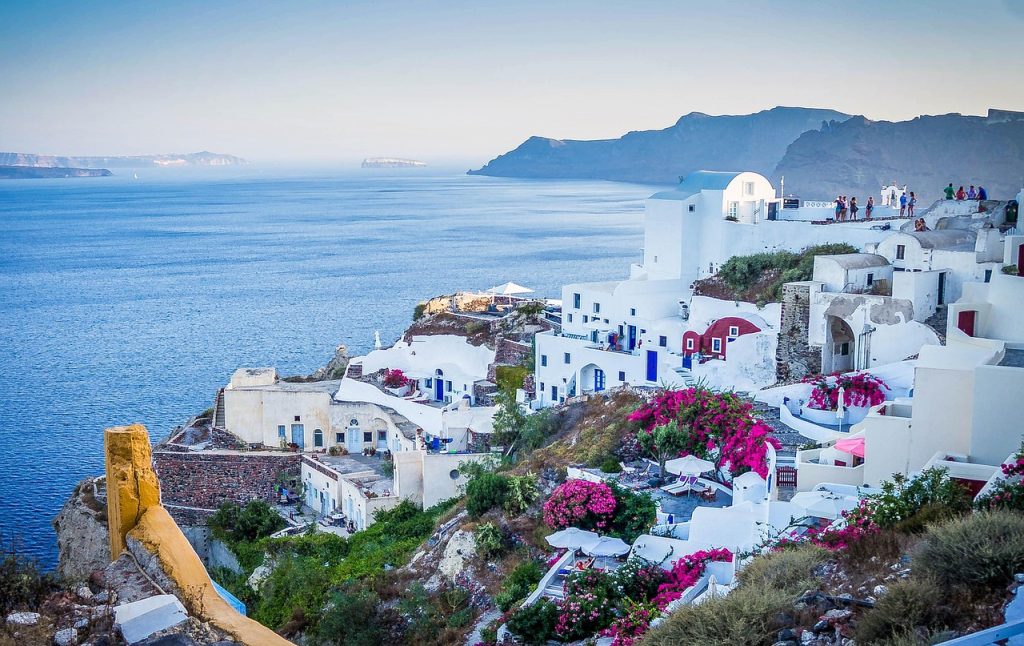
Coastal geographers and island hospitality experts observe that Santorini is reaching a breaking point due to its immense popularity on social media. The iconic white-washed buildings of Oia are often so crowded with photographers and influencers that the local charm feels entirely performative. Experts say the infrastructure of the small volcanic island was not built to support the thousands of visitors who arrive daily by ferry and plane. This has resulted in significant traffic on narrow roads and a strain on the island water supply.
Regional planners highlight that the cost of accommodation has skyrocketed, often providing poor value compared to neighboring islands like Naxos or Milos. Many women are choosing to skip the famous sunsets in favor of destinations where the local community is still the primary focus. Travel psychologists note that the pressure to capture a perfect image in such a crowded environment can detract from the restorative benefits of a vacation. This realization is leading to a broader interest in the lesser-known Cyclades where the Mediterranean lifestyle feels more genuine.
Barcelona Spain
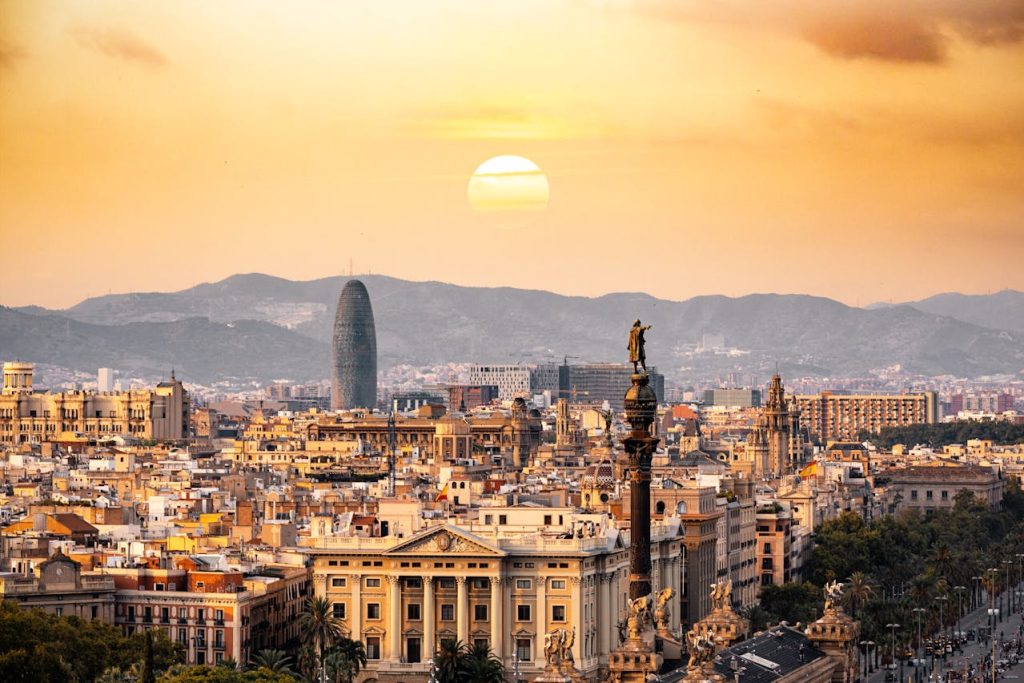
Urban sociologists and city officials in Barcelona have been vocal about the negative impacts of short-term rentals on the local housing market. Recent policy shifts aimed at phasing out apartment rentals for tourists reflect a growing tension between residents and visitors. Experts say that this friction can create an unwelcoming atmosphere for travelers who want to feel like a guest rather than an intruder. The heavy concentration of tourists in the Gothic Quarter and along Las Ramblas has also made these areas targets for petty crime, causing safety consultants to advise extra caution.
Public safety officials and travel advisors note that the sheer volume of visitors has led to long queues for major landmarks like the Sagrada Familia, requiring booking months in advance. This lack of spontaneity is a major deterrent for those seeking a relaxed and intuitive journey. Many are instead looking toward cities like Seville or Valencia, which offer rich Spanish culture and stunning architecture without the same level of overtourism. The desire for a more harmonious relationship with the local community is a driving force behind this shift in travel preferences.
Bali Indonesia
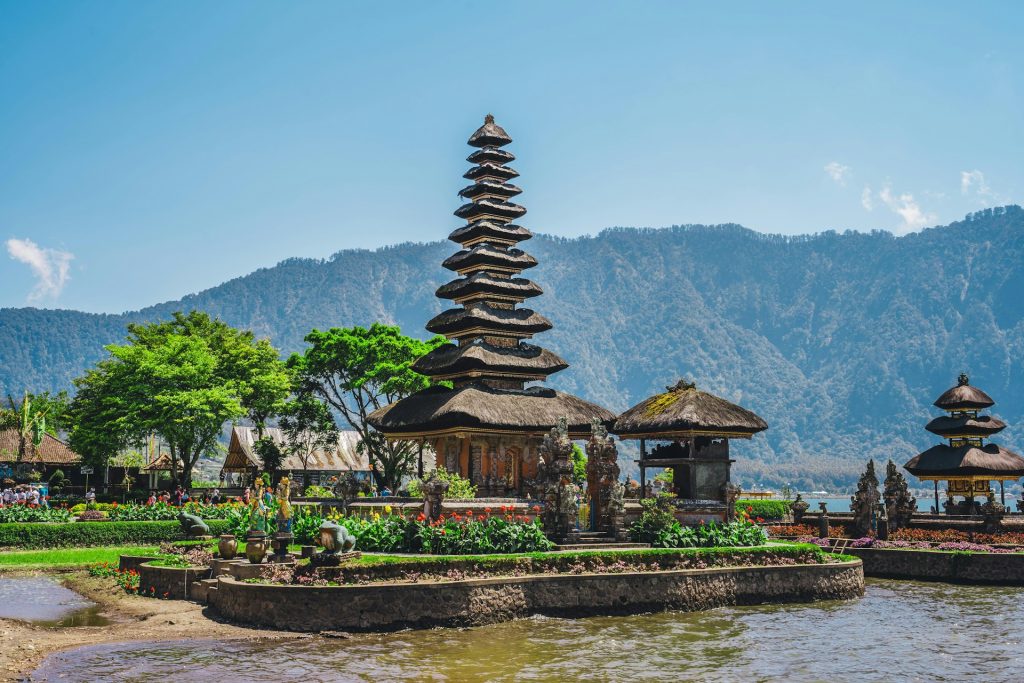
Tropical ecologists and cultural anthropologists describe Bali as a destination facing a complex identity crisis. While the island is famous for its spiritual retreats, the rapid development of areas like Canggu and Seminyak has led to significant traffic congestion and environmental degradation. Experts explain that the plastic waste problem and the depletion of local aquifers are critical issues that have made eco-conscious travelers wary. The once-quiet rice paddies of Ubud are increasingly surrounded by luxury villas, altering the very landscape that visitors come to see.
Tourism consultants observe that the spiritual atmosphere of the island is sometimes overshadowed by a party-centric culture that does not align with a quiet reset. Many women are rethinking Bali in favor of more remote Indonesian islands or rural Southeast Asian destinations where the traditional way of life remains intact. National park rangers in other parts of the region report a rise in interest in wildlife-focused trips that offer a more direct and beneficial impact on local conservation efforts. This movement away from the “Instagram-famous” hubs is part of a larger trend toward more responsible travel.
Amsterdam Netherlands
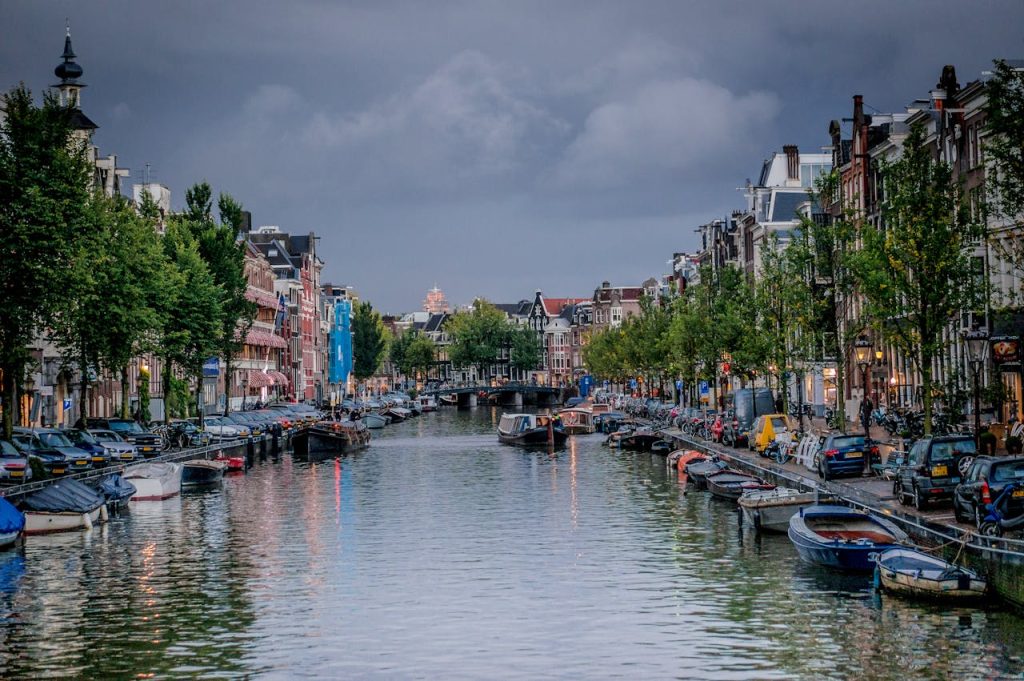
Urban planners and heritage preservationists in Amsterdam have launched aggressive campaigns to discourage disruptive tourism in the city center. The relocation of the cruise terminal and the potential move of the legal red-light district are part of a broader plan to reclaim the city for its residents. Experts say that the heavy focus on the city as a nightlife destination has made it less appealing for those seeking a sophisticated cultural getaway. The crowded canal rings can feel more like a theme park than a living city during the peak season.
Public safety officials and travel experts note that the city has also increased taxes on hotel stays and day visitors to manage the crowds. This has made Amsterdam one of the most expensive cities in Europe for a short stay, leading travelers to reconsider its value. Many are finding that cities like Utrecht or Haarlem provide the same beautiful Dutch architecture and canal-side charm with a much higher degree of tranquility. The desire to avoid the “tourist bubbles” of major capitals is encouraging a deeper exploration of regional Europe.
Kyoto Japan
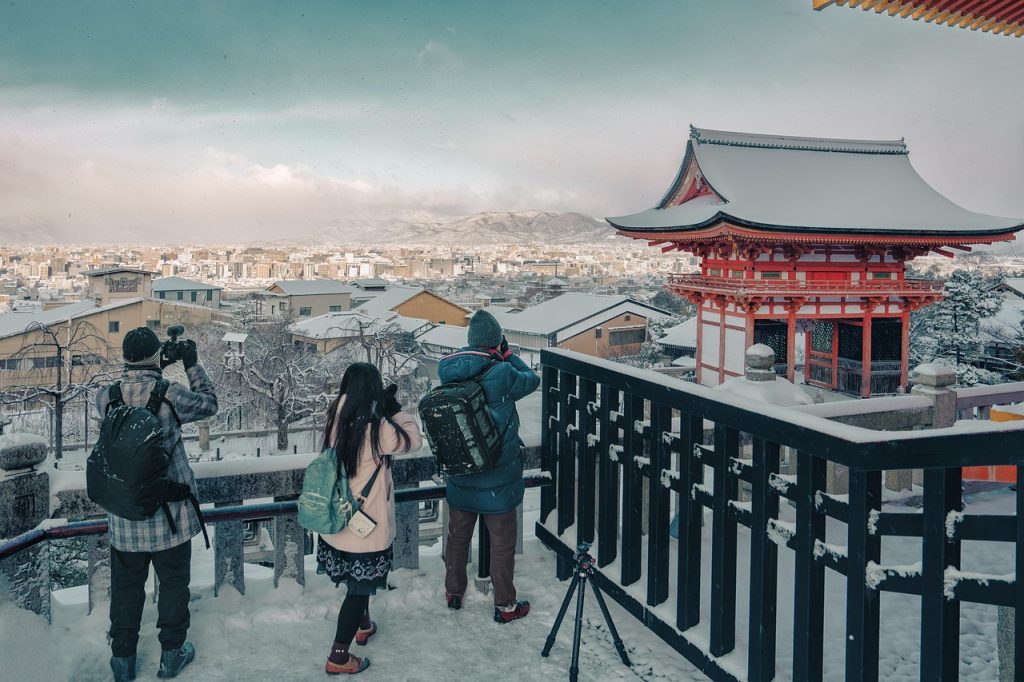
Cultural historians and Zen practitioners recognize Kyoto as a sanctuary of Japanese tradition, but they also warn that its popularity is threatening the very silence it promises. The Arashiyama Bamboo Grove and the Gion district are now subject to strict photography bans and visitor limits to protect the privacy of local residents and geisha. Experts explain that the influx of tourists has made it difficult for locals to use public transit, leading to a sense of “tourist fatigue” in the community. This atmosphere can make a visit feel intrusive rather than enlightening.
Regional directors and travel guides recommend exploring the northern coast of the prefecture or the neighboring mountains to find the quietude that Kyoto once offered. Many women are rethinking the standard Tokyo-Kyoto-Osaka route in favor of the Nakasendo Trail or the remote islands of the Seto Inland Sea. These alternatives provide a more profound connection to the landscape and the local history without the stress of navigating massive crowds. The shift is toward “deep travel” where the goal is quality of interaction over the quantity of sights seen.
Tulum Mexico
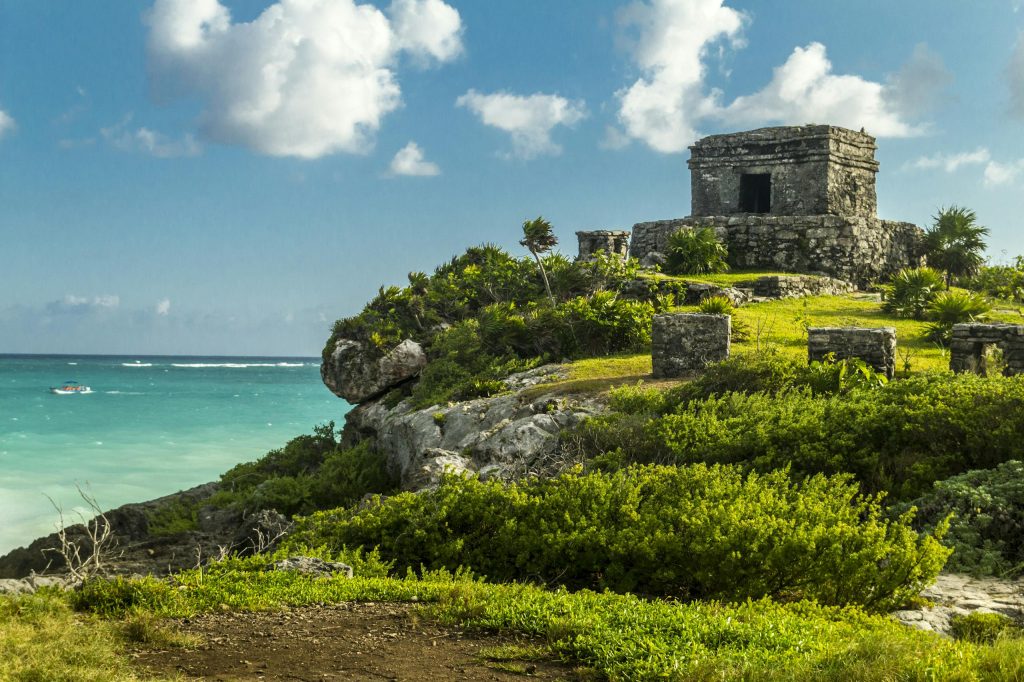
Coastal geologists and hospitality experts describe Tulum as a cautionary tale of rapid and unregulated tourism growth. The beachfront strip, once known for its eco-chic cabanas, is now plagued by chronic traffic jams and a lack of proper sewage infrastructure. Experts say the massive sargassum seaweed blooms on the beaches are an environmental challenge that can ruin the idyllic seaside experience. This has led many to question the high price point of a destination that is struggling to maintain its basic natural appeal.
Security consultants and travel advisors also note that the rise in nightlife-related incidents has made the area less attractive for solo female travelers seeking a safe and peaceful retreat. Many are instead looking at the Pacific coast of Mexico or the smaller inland towns of the Yucatan where the atmosphere remains grounded and authentic. The realization that the “Tulum vibe” can be found in more sustainable and secure locations is causing a significant shift in booking patterns. Travelers are increasingly prioritizing destinations that demonstrate a long-term commitment to environmental and social stability.
Hallstatt Austria
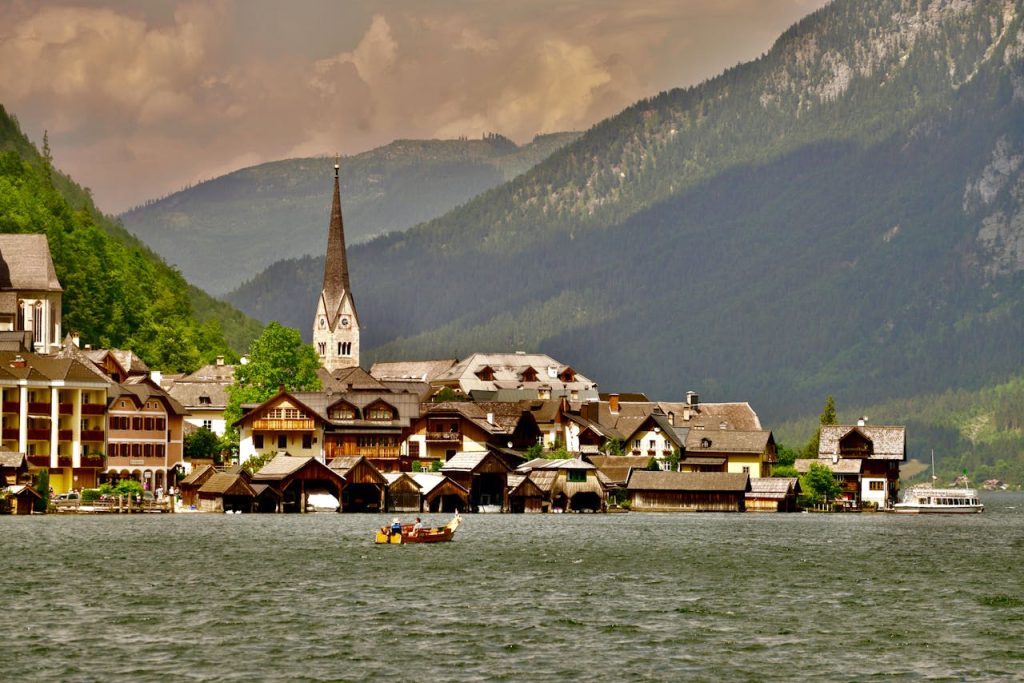
National heritage specialists and alpine tourism boards recognize Hallstatt as one of the most beautiful villages in the world, but they also acknowledge that its fame has become a burden. The village, which has a population of less than eight hundred people, can see upwards of ten thousand visitors a day. Experts explain that the physical capacity of the narrow streets and the local lakeside infrastructure simply cannot accommodate such numbers. This has led to the installation of visual barriers to prevent tourists from crowding private properties for photos.
Local park rangers and trail guides suggest that the surrounding Salzkammergut region offers dozens of equally stunning lake-side villages that remain largely undiscovered by the global market. Many travelers are rethinking a stop in Hallstatt because the experience has become so transactional and rushed. The desire for a quiet mountain escape is better met in the smaller valleys where the sound of cowbells and the wind through the pines are the primary features. This movement toward “alternative alp” destinations is a hallmark of the modern slow-traveler.
Machu Picchu Peru
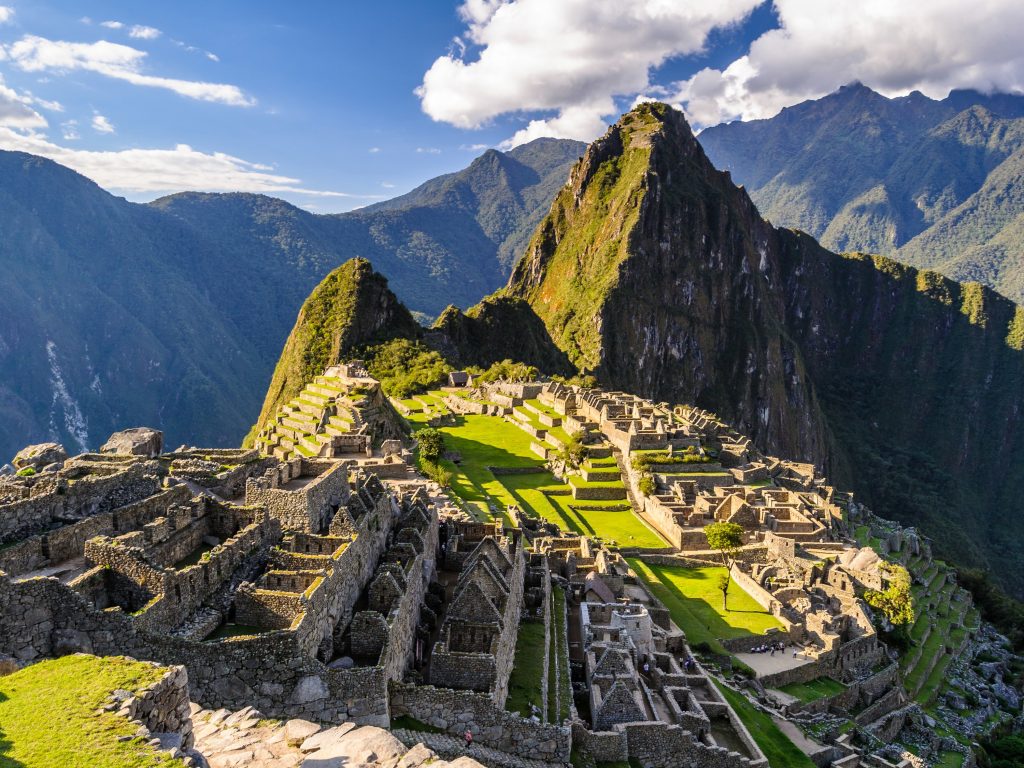
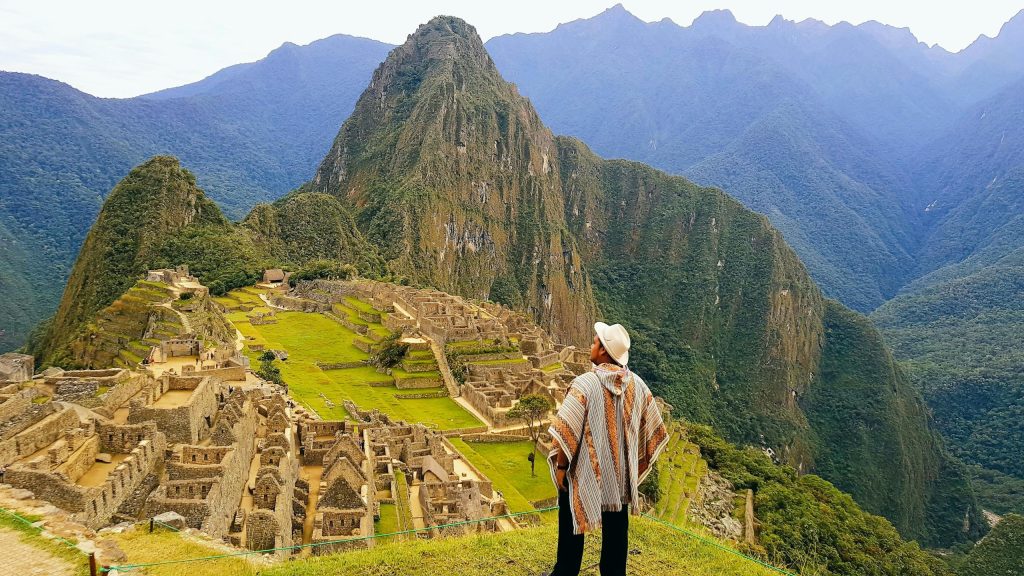
Archaeologists and high-altitude wilderness guides emphasize that the management of Machu Picchu is a delicate balancing act between preservation and access. The implementation of strict time slots and designated circuits is a necessary step to prevent the degradation of the ancient stone structures. Experts say that these regulations can make a visit feel more like an assembly line than a spiritual journey. The logistical challenge of reaching the site, including expensive train rides and bus queues, is causing many to weigh the effort against the potential for a crowded experience.
Cultural historians and regional experts point out that the Sacred Valley is home to dozens of other significant Inca sites that offer a more intimate and quiet encounter with the past. Many women are rethinking the “bucket list” trek in favor of slower explorations of the Peruvian highlands where they can engage with local communities on a more personal level. The trend is toward discovering the “hidden” history of the Andes rather than following the most-trodden path. This shift reflects a broader desire for travel that is as respectful of the past as it is enriching for the present.