9 Trips That Feel Worse After You Stop Ignoring the Headlines

Travel can feel completely different depending on timing, since weather, crowds, and local schedules shape everything from transportation to daily comfort. A destination that seems effortless in one month can feel frustrating in another, especially when heat, storms, snow, or peak-season crowds change how long it takes to get around. Seasonal closures, limited daylight, and festival surges can also affect lodging prices and access to key sights. A little planning around climate patterns and local calendars often saves energy and prevents disappointment. These nine trips highlight places where choosing the right season can make the experience calmer and more enjoyable, especially when reservations and transit plans align with local conditions.
Alaska Cruise In The Inside Passage
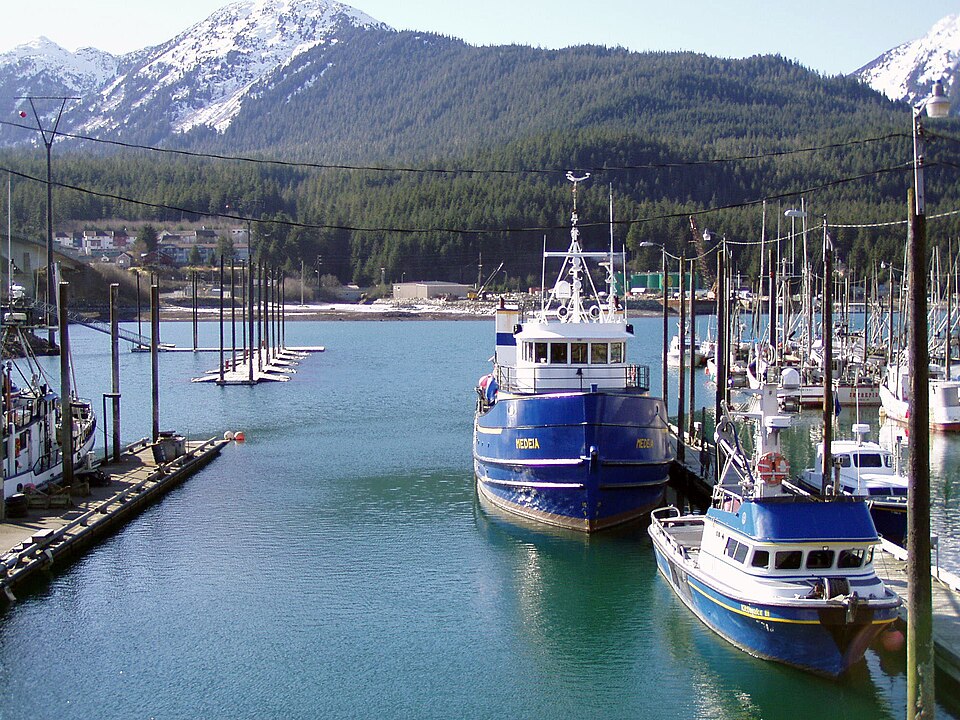
An Alaska cruise through the Inside Passage changes dramatically across the sailing season, so timing shapes what feels comfortable on deck and what appears along the shoreline. Late spring often brings longer daylight and fewer crowds, while mid-summer can feel busier in ports that depend on cruise arrivals. Weather stays variable throughout, with cool temperatures and frequent rain possible, so layered clothing matters. Whale watching peaks differ by species and location, and operators plan around those patterns. Glacier viewing also depends on itinerary and conditions. Choosing dates with realistic expectations helps the trip feel smoother from embarkation to final port, especially when packing rain gear and planning flexible shore excursions.
New England Fall Foliage Road Trip
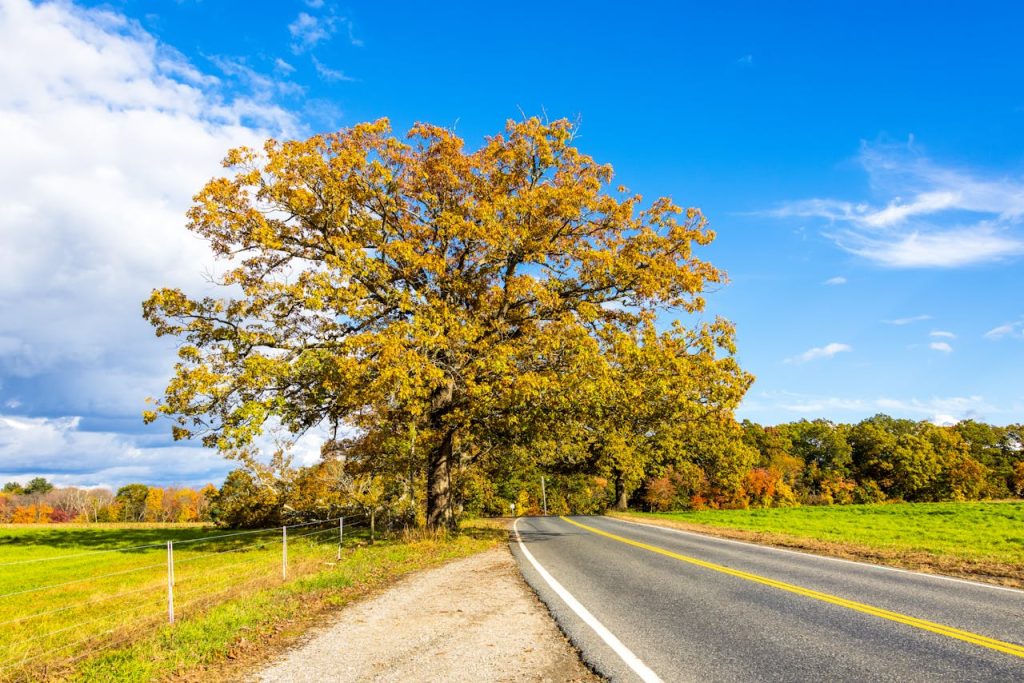
A New England fall foliage road trip depends on a narrow window, and timing varies by latitude, elevation, and weather. Northern areas and higher terrain typically turn earlier, while coastal and southern routes may peak later, so fixed dates can miss the best color. Rain and wind can strip leaves quickly, changing scenery overnight. Popular weekends bring heavy traffic, full hotels, and crowded overlooks, which can make short drives feel long. Shorter daylight in autumn also compresses sightseeing hours. Checking recent regional foliage reports and planning weekday drives can keep the experience relaxed while still capturing the season’s signature views, especially when starting early and reserving lodging near smaller towns off main highways.
Florida Keys Summer Getaway
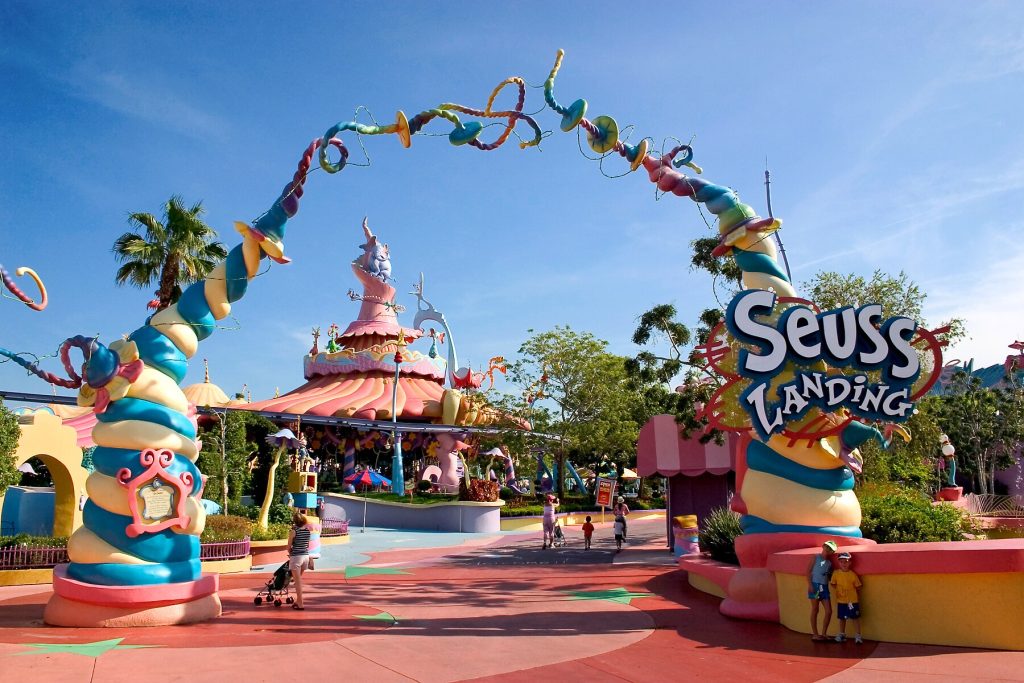
A Florida Keys summer getaway can feel tougher than expected because heat, humidity, and storm patterns dominate daily plans. Hurricane season officially runs from June through November, and late summer often brings higher risk of tropical systems that can disrupt travel and marine activities. Afternoon thunderstorms are common, so boating and snorkeling schedules may need early starts. Ocean temperatures rise, and some days feel sticky even in breezy areas. Crowds can thin compared with winter, yet some businesses adjust hours. Timing a trip around weather forecasts and flexible reservations can make the islands feel far more comfortable, especially by booking refundable stays and planning morning excursions before storms build.
Grand Canyon Winter Visit
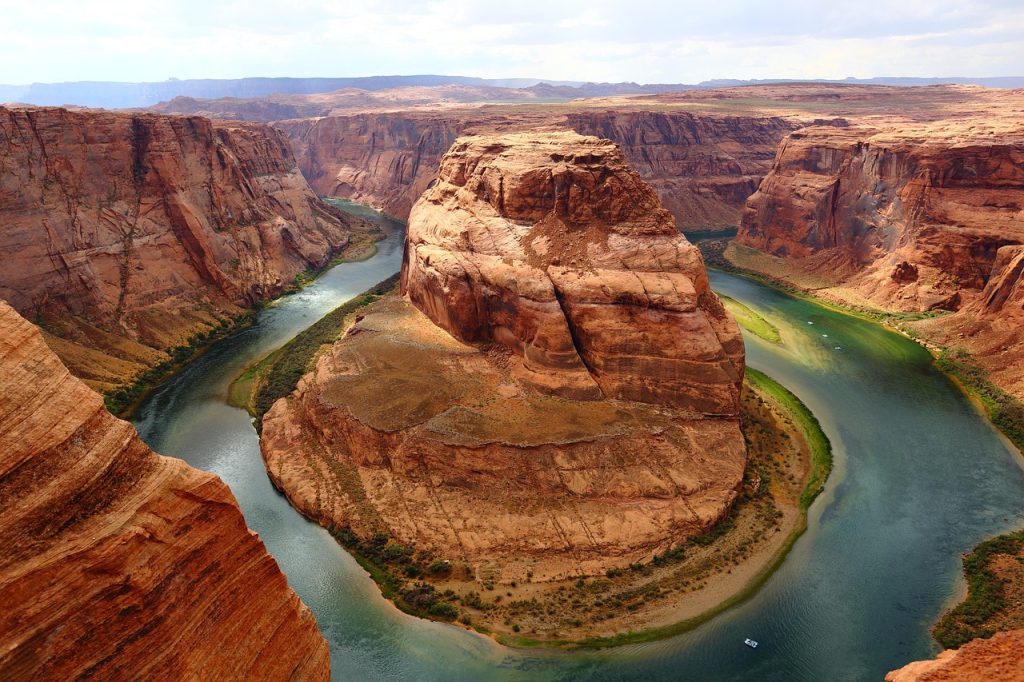
A winter visit to the Grand Canyon can feel peaceful, but seasonal conditions affect access, visibility, and comfort on the rim. The South Rim stays open year-round, yet snow and ice can appear, making viewpoints slick and trails hazardous without traction. The North Rim typically closes for winter due to heavy snowfall, which limits options for those expecting both sides. Short daylight means earlier sunsets and colder evenings to travel in the area, so sightseeing schedules tighten. Clear winter air can improve views, but storms can bring fog or low clouds. Packing warm layers and planning around road conditions keeps the experience manageable, especially when plows run late and morning shade keeps paths icy.
Yellowstone National Park Shoulder Season
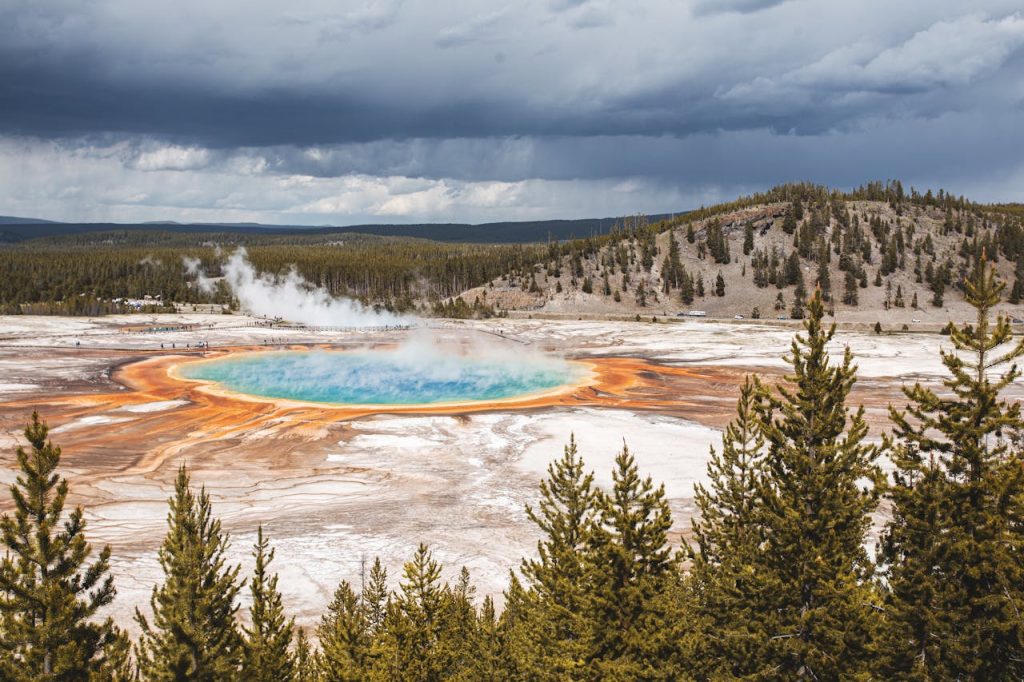
A Yellowstone trip in the shoulder season offers quieter roads, but timing becomes critical because services and routes change between winter and summer operations. In spring, many roads remain closed until plowing and maintenance finish, and some lodges and restaurants open gradually. Wildlife watching can be excellent, yet animals move with snowmelt and fresh forage, so hotspots shift week to week. In fall, early snow can arrive suddenly, and daylight drops quickly. Visitor centers and tours may run reduced schedules. Checking official road status and lodging dates helps prevent long detours and unexpected closures during this transitional period, especially when storms trigger temporary shutdowns and fuel stops remain limited between districts.
Japan During Cherry Blossom Season
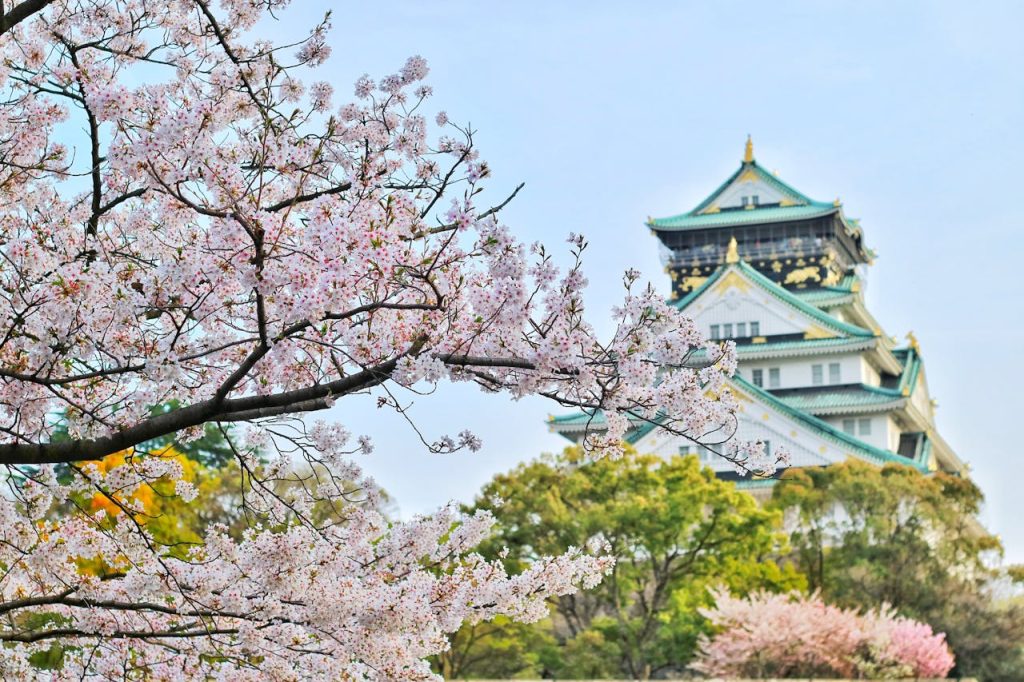
A Japan trip during cherry blossom season depends on bloom timing that shifts each year with temperature patterns. The peak can arrive earlier or later across regions, so Tokyo, Kyoto, and northern areas may not align on the same dates. Crowds surge around famous parks and riverside paths, and popular hotels can sell out far in advance. Weather matters too, since rain and wind can shorten the viewing window, while cool nights change packing needs. Train stations and sightseeing districts get busier during school holidays and weekends. Building a flexible itinerary and choosing less crowded viewing spots can keep the trip feeling calm, especially by visiting early mornings and exploring smaller riverside promenades outside major hubs.
Santorini In High Summer
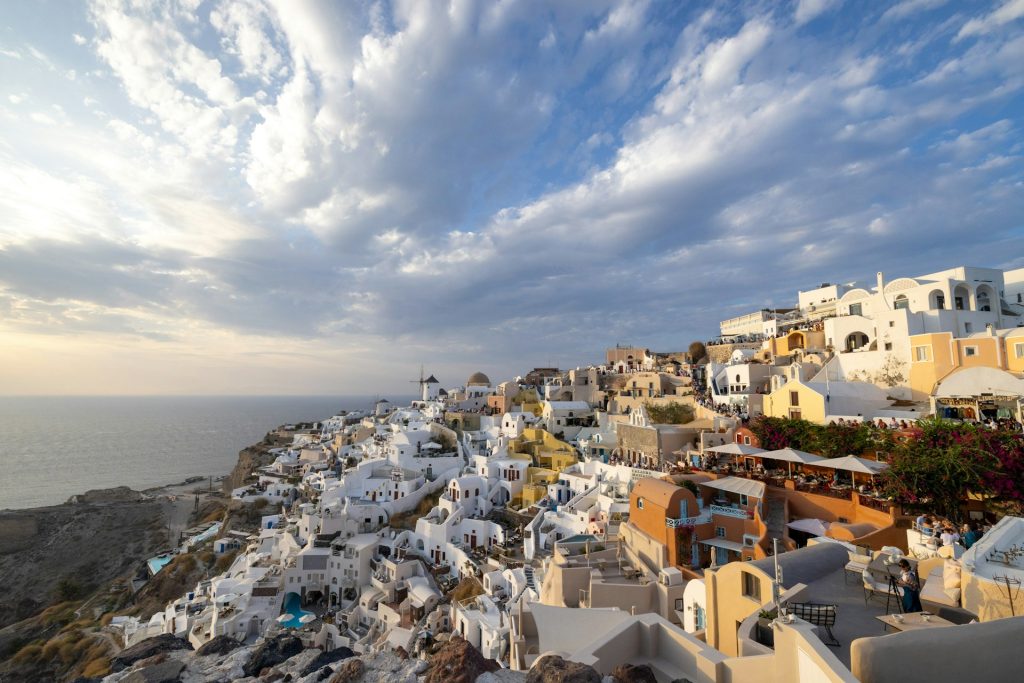
Santorini in high summer can feel strained by heat, crowds, and limited space, so timing shapes the entire island experience. July and August bring intense sun, and walking paths between villages can feel exhausting during midday hours. Cruise ship schedules can swell crowds in Fira and Oia, which affects lines, dining reservations, and photo spots. Beaches feel busier, and rental cars or scooters can become harder to secure. Strong meltemi winds sometimes appear in the Aegean, influencing boat tours. Visiting in late spring or early fall often means milder temperatures, fewer crowds, and smoother logistics across the island, plus easier sunset viewing without shoulder-to-shoulder crowds along popular caldera paths.
Swiss Alps Early Spring Trip
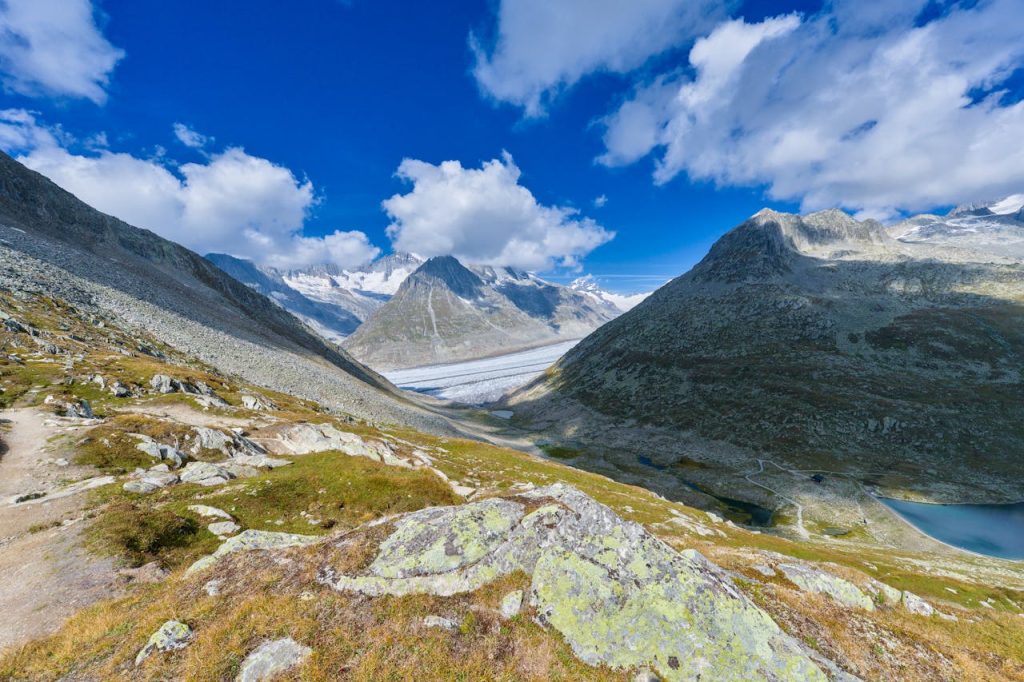
An early spring trip to the Swiss Alps sits in a transition zone where winter sports fade and summer hiking has not fully opened. Snow can linger on trails, and some mountain routes stay closed due to avalanche risk or maintenance. Lower valleys may feel mild, while higher elevations remain cold, creating packing challenges. Ski areas may still operate in some locations, but schedules often shorten as the season ends for skiing. Mountain railways and cable cars can run reduced timetables for inspections. Checking lift status and trail conditions ahead of time helps avoid arriving to find key viewpoints inaccessible or weather-challenged, especially after overnight snowfall and sudden fog at higher passes.
Utah Mighty Five In Late Summer
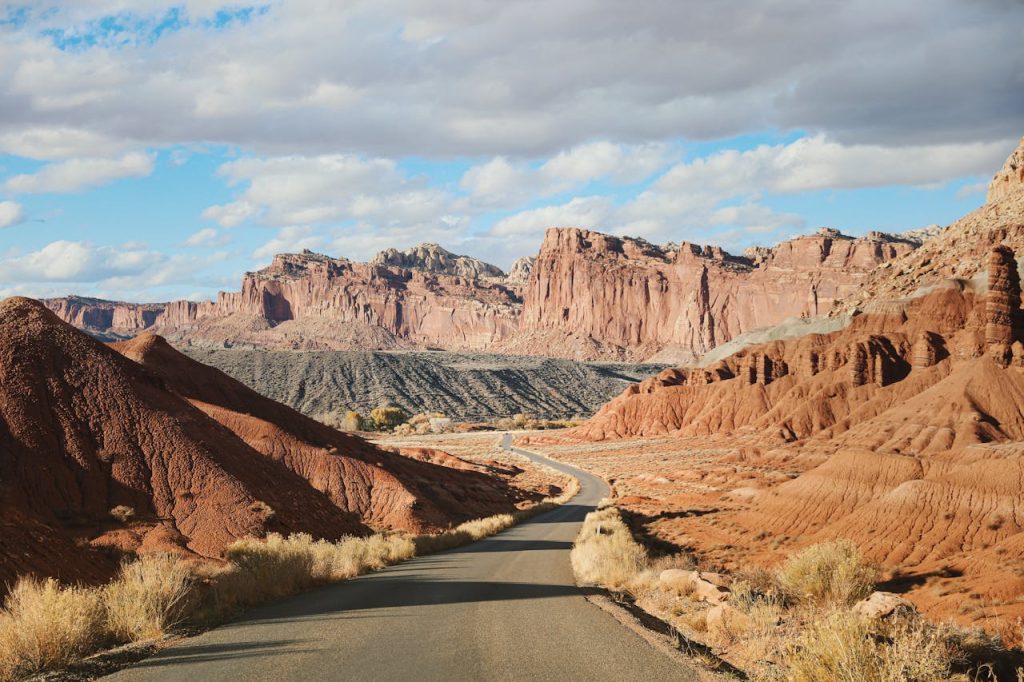
A late-summer tour of Utah’s Mighty Five national parks can feel demanding because extreme heat shapes hiking safety, timing, and comfort. Arches, Canyonlands, Capitol Reef, Bryce Canyon, and Zion sit in varied elevations, yet daytime temperatures can be high across the region, especially in exposed desert areas. Thunderstorms can trigger flash flooding, particularly in slot canyons and narrow washes, making weather awareness essential. Popular trails require early starts to avoid heat and crowds, and some parks use shuttle systems or timed entry that affects schedules. Planning around sunrise hikes, hydration, and monsoon forecasts keeps the trip far more enjoyable, especially when trailheads fill quickly and shade stays limited.