9 U.S. Cities Seeing Big Tourism Shifts for Women
Women are quietly reshaping U.S. city tourism through choices that favor clarity over chaos. Their trips are less about racing through landmarks and more about building days that feel safe, flexible, and worth remembering. Cities with readable transit, lively daytime culture, and neighborhoods that stay active after dark are gaining ground, while places that demand constant logistical stress are losing appeal.
What this shows is a change in travel priorities now. Comfort, control, and local experiences now matter as much as famous attractions. That shift is influencing where demand rises, where businesses adapt, and where repeat visits grow.
San Francisco, California
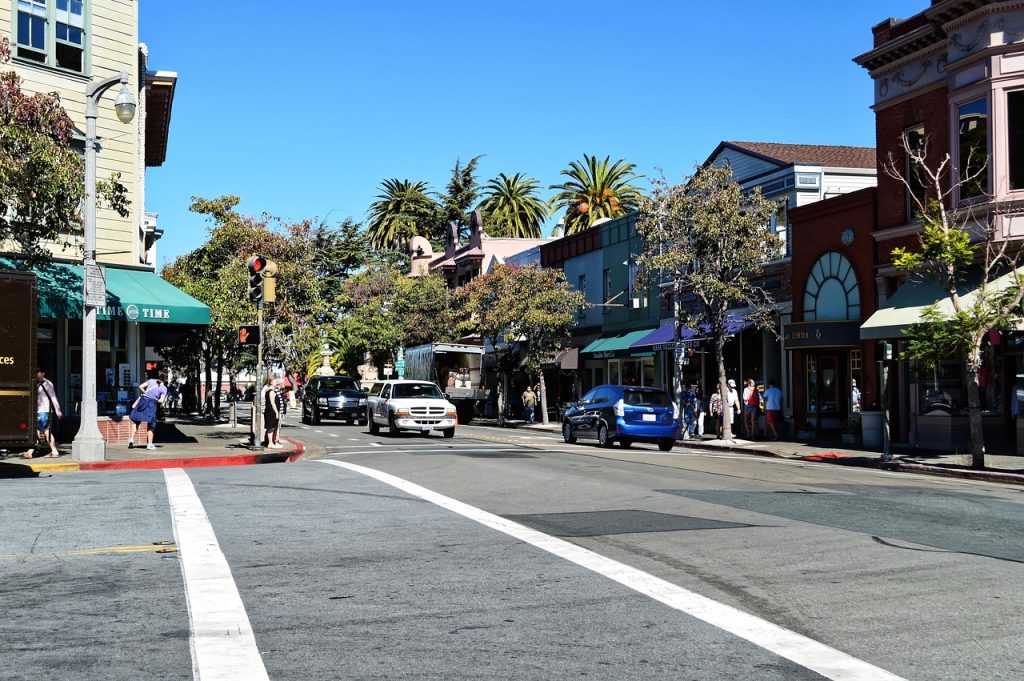
San Francisco shows the sharpest swing in recent solo travel data. Expedia figures shared with Travel + Leisure reported a 145% rise in single occupancy hotel bookings in 2025, a jump that outpaced every other U.S. city in the same snapshot period.
The shift signals more than trend chatter. Women are choosing compact, culture dense districts where transit is workable and plans stay flexible. That structure supports slower pacing, cleaner logistics, and repeat visits that spread spending across cafes, museums, parks, and neighborhood retail instead of one rushed landmark loop. It eases short city breaks for many.
Los Angeles, California

Los Angeles posted a 60% increase in solo hotel bookings, based on Expedia data reported by Travel + Leisure. For a city long framed as car dependent and hard to navigate, that growth marks a practical shift in how independent trips are being planned.
Women are breaking L.A. into manageable zones and building days around one connected corridor at a time. That approach reduces friction, keeps evenings predictable, and leaves space for galleries, food, and performances without cross city fatigue. The city still runs big, but smarter planning now makes it feel usable. It keeps timing and energy in check for weekends.
San Diego, California
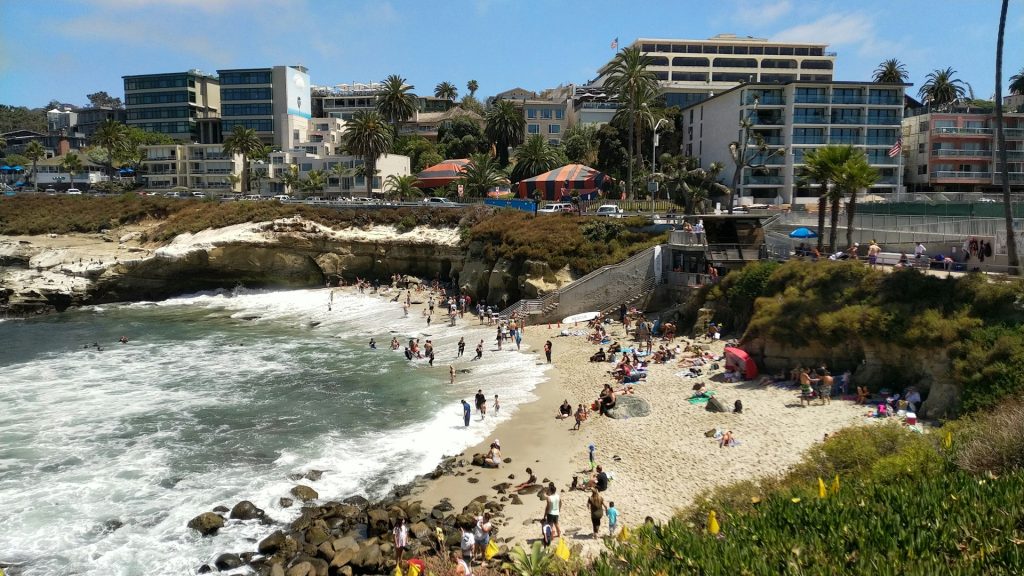
San Diego matched Los Angeles with a 60% rise in solo bookings in the same Expedia dataset highlighted by Travel + Leisure. The tie matters because it confirms a broader coastal pattern, not a one city anomaly built on a short lived buzz cycle.
Women travelers are leaning into the city’s steady rhythm: waterfront walks, museum blocks, neighborhood meals, then early evening resets. San Diego works because movement stays clear and decision load stays low. The result is confidence, longer dwell time in local districts, and stronger return intent across seasons. It helps first time solo visitors feel settled on day one.
Dallas, Texas
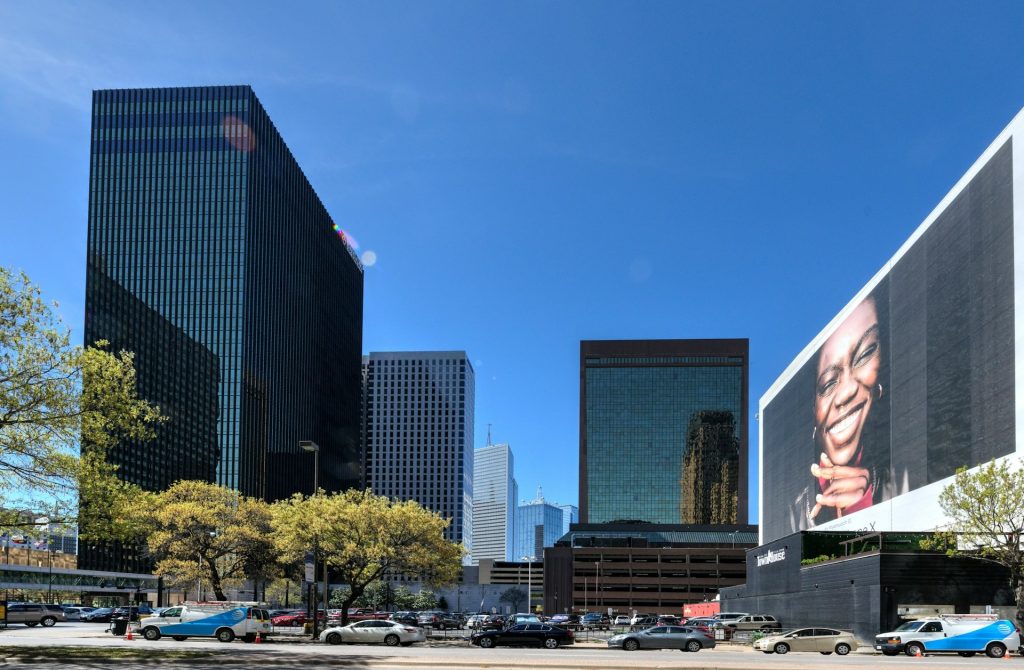
Dallas logged a 55% increase in solo bookings in Expedia figures shared publicly through Travel + Leisure. That is a notable climb for a metro often tagged as business heavy, and it suggests women are treating Dallas as a leisure city with layered neighborhoods and culture.
The travel pattern is focused and calm. Instead of overpacking each day, visitors combine design districts, dining clusters, and live events into compact routes. Spending then disperses beyond a single downtown pocket, helping local businesses across multiple areas while keeping trips practical, varied, and easy to repeat. It rewards calm, smarter plans.
Washington, D.C.
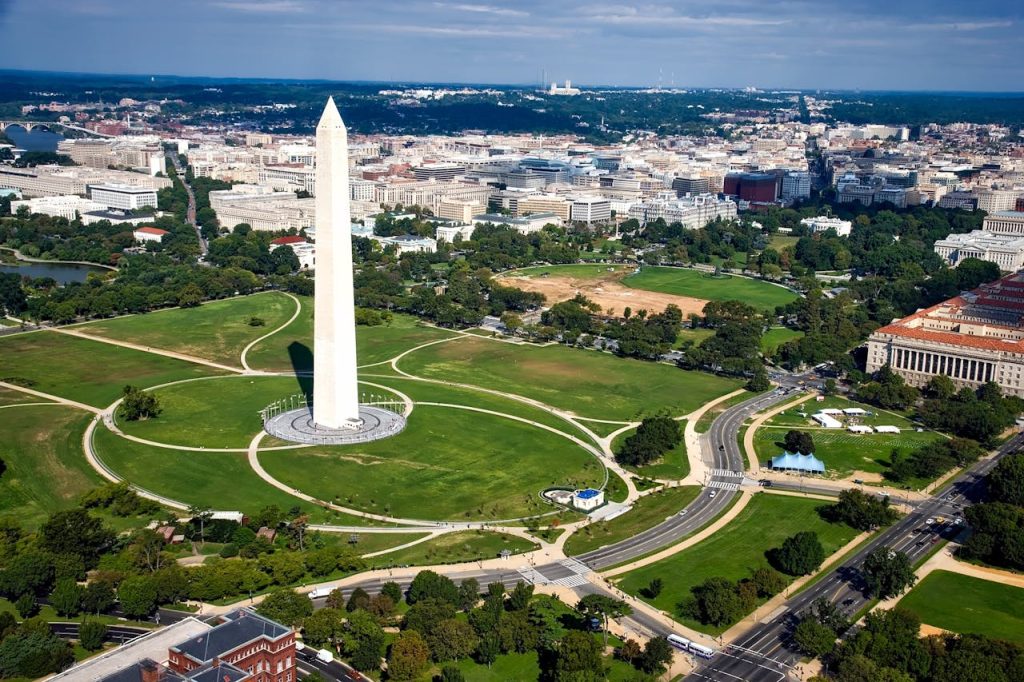
Washington, D.C. also rose 55% in solo bookings in the Expedia data published by Travel + Leisure. The city benefits from a dense core where museums, monuments, and transit links sit close enough to support full days without heavy transfer stress.
Women are increasingly choosing D.C. for its readable layout and layered daytime depth. A single hotel base can support history, food, green space, and performance plans with minimal backtracking. That balance keeps the trip grounded and useful, especially for short breaks where every hour needs to count without feeling rushed. It suits travelers seeking depth without overload.
Boston, Massachusetts
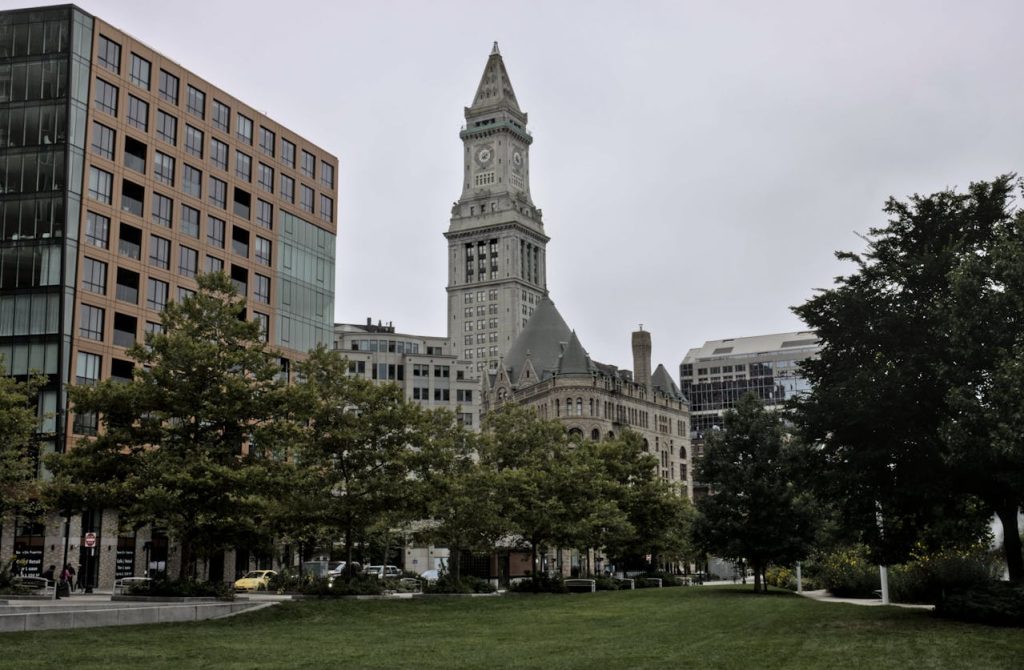
Boston rounded out Expedia’s top domestic solo hotspots for 2026 planning, according to Travel + Leisure’s reporting. It did not post the largest percentage jump, but it keeps gaining because compact form and strong transit make independent travel simpler.
Women are treating Boston as a repeat city break, not a one time checkbox. Literary history, waterfront paths, neighborhood dining, and museum clusters can be mixed in new ways each visit. That repeat value is the real shift: less pressure to do everything at once, more room for personal pace and intentional choices. It makes repeat weekend returns easier to plan.
Miami Beach, Florida
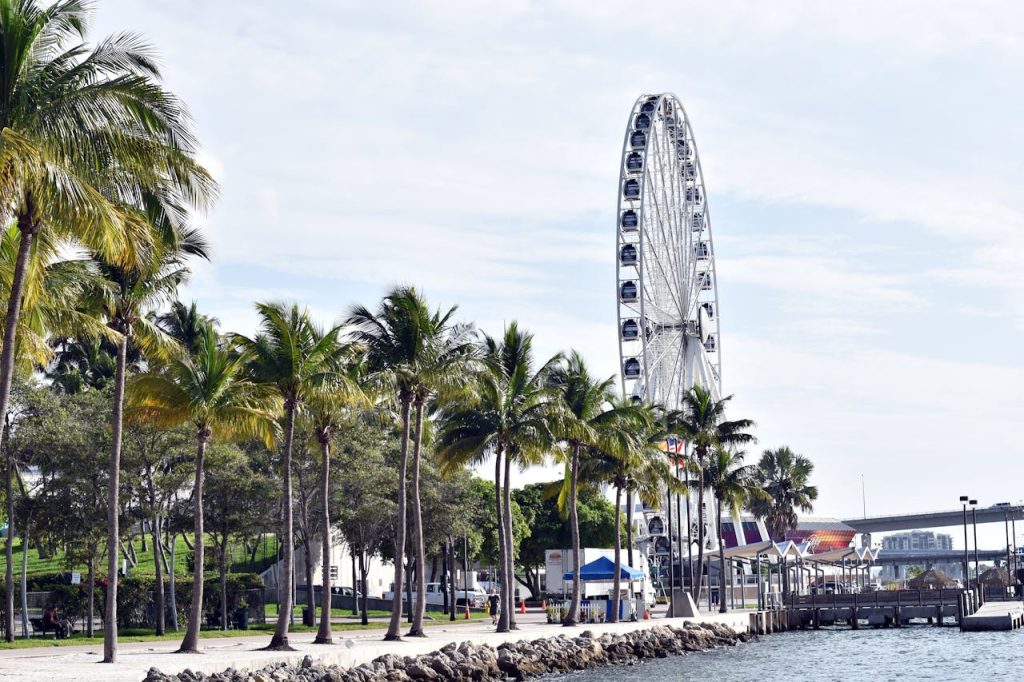
Miami Beach also appeared in Expedia’s top domestic solo hotspots cited by Travel + Leisure, reflecting a clear repositioning in traveler behavior. The city is no longer approached only as a late night group scene built around one narrow entertainment strip.
Women are booking for a broader mix: beach hours, design walks, food neighborhoods, and wellness routines that favor daytime energy. That change redistributes tourism dollars into cafes, studios, and local shops across more blocks. The mood stays vibrant, but the itinerary feels more balanced, calmer, and easier to sustain. It gives solo trips more daily options.
New York City, New York
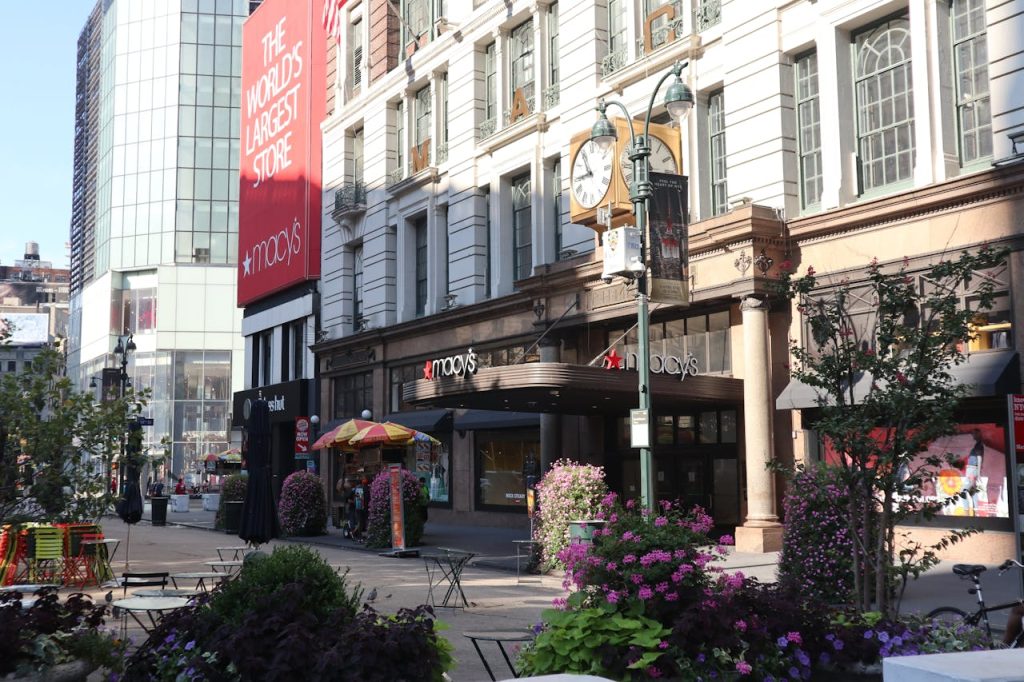
New York City completed Expedia’s top eight domestic solo hotspots in Travel + Leisure’s latest rundown. Its scale once felt like a barrier for independent trips, but current behavior shows women using that scale as an advantage through careful neighborhood anchoring.
The strategy is precise: choose one district base, build each day around one theme, and protect transit time. That could mean museums and theater one trip, food and design the next. With deep rail coverage and large hotel inventory, New York rewards focused planning and turns repeat short stays into richer urban familiarity. It feels more manageable.
Houston, Texas
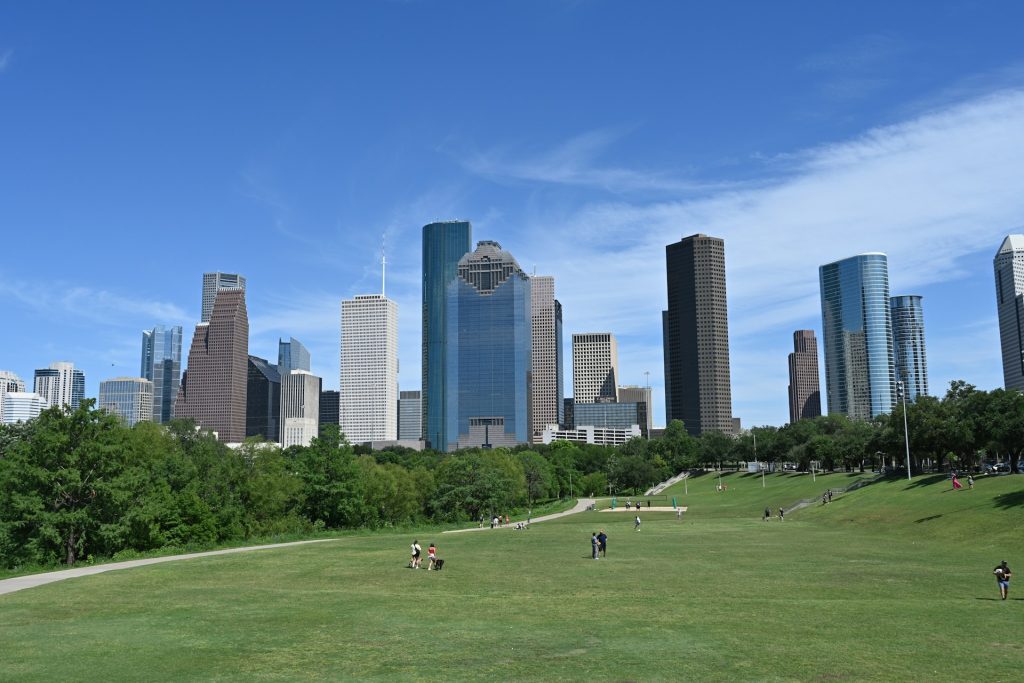
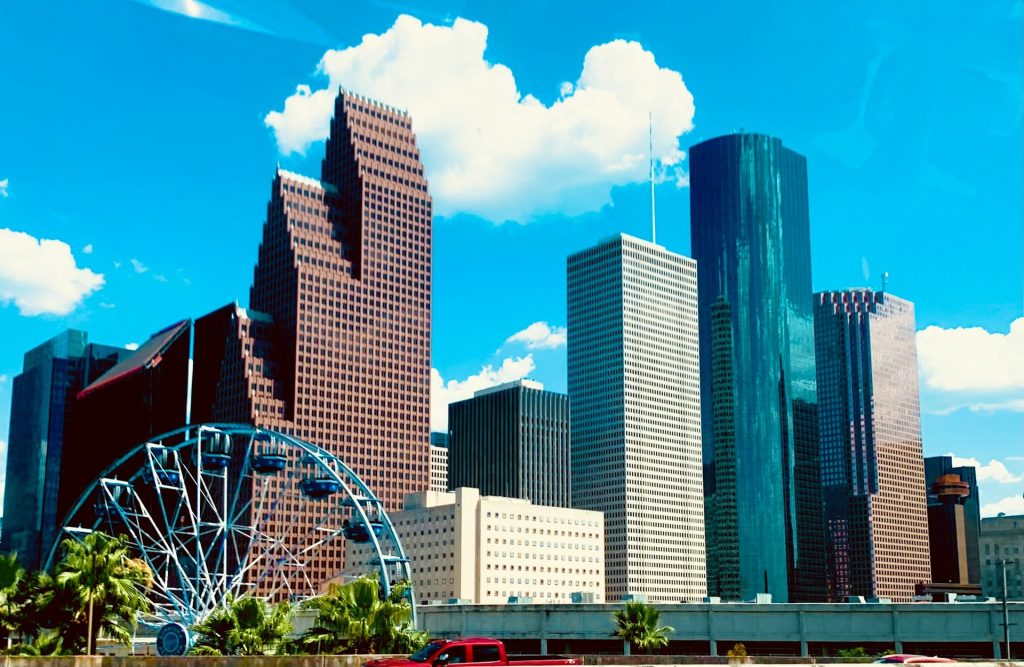
Houston stands out as an event driven surge. Airbnb reported searches up 620% around Beyonce’s June 2025 Cowboy Carter tour dates, while the same trends release said concerts were especially appealing to Gen Z women, with stronger stated interest than male peers.
That matters for city tourism because trips built around one anchor event rarely end at the venue. Women are extending stays, adding neighborhood dining, shopping, and local experiences before and after showtime. Houston’s pattern shows how cultural moments can redirect demand quickly when a city offers enough variety to hold visitors longer. Local spending grows.