9 U.S. Lakes Women Swim In Even When the Water Looks Cold
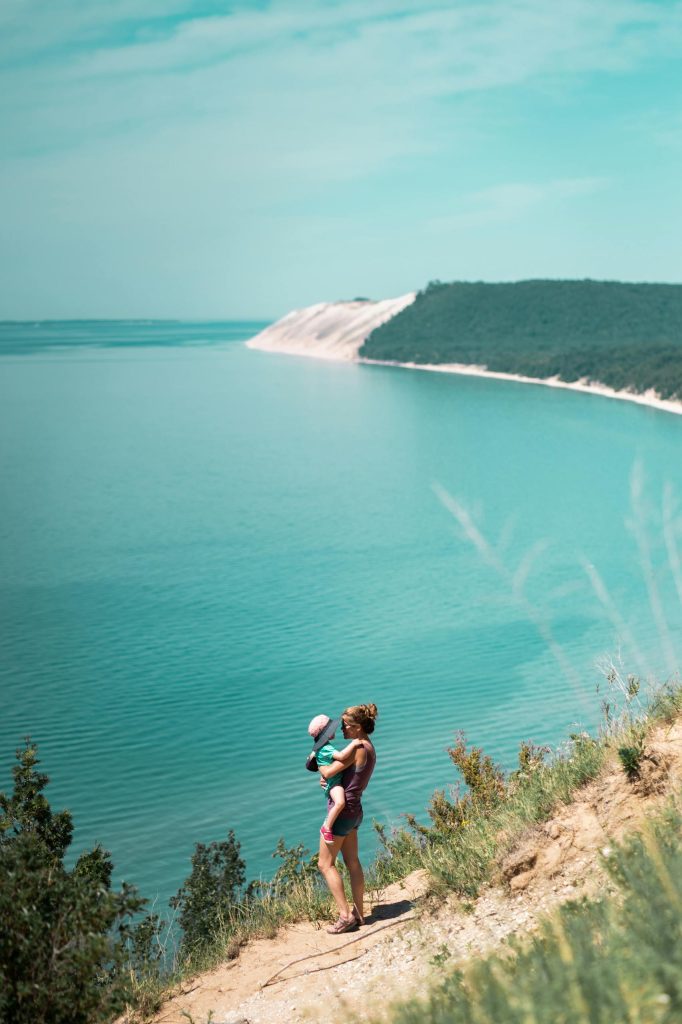
My summer travel routine traditionally centered entirely around a high-demand coastal market. The plan involved booking an expensive oceanfront rental early in the year and spending a week navigating crowded beaches and packed seafood restaurants. As the logistics for 2025 and 2026 emerged, that old default choice suddenly lost its appeal.
Extreme housing-driven lodging pressure has pushed coastal prices out of reach, while rising disruption risks from severe weather and unpredictable water quality have made ocean trips feel precarious. Travelers are shifting their focus inland toward pristine, colder freshwater basins.
These northern and high-altitude lakes offer vast swimming opportunities without the suffocating crowds and inflated costs of the traditional beach town. I realized that a refreshing plunge in a clear, icy basin provides a far better return on investment than fighting for towel space on a stressed shoreline.
Lake Tahoe, California and Nevada
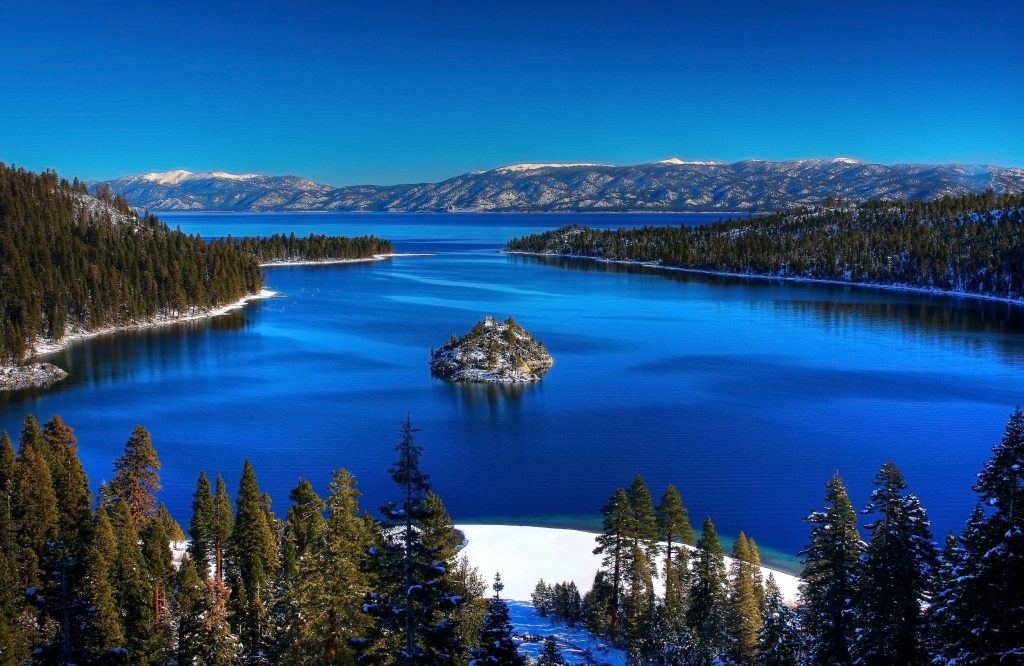
Lake Tahoe serves as a premier alpine destination, easily replacing the old high-demand coastal market for swimmers seeking pristine water clarity. Tourism studies suggest that visitors are actively seeking environments free from the red tides and saltwater pollution that frequently plague ocean resorts. The cold, deep waters of this basin provide a reliable, clean swimming experience that feels vastly superior to the murky conditions of an overdeveloped beach.
Economic researchers report that while the area is upscale, visitors can manage long-term budgeting better by renting cabins slightly off the water, avoiding the extreme housing-driven lodging pressure of beachfront properties. Furthermore, infrastructure reliability is high, with well-maintained state parks providing safe entry points and designated swimming zones. Health experts note that cold water immersion in this specific basin has become a major draw for female athletes seeking recovery and wellness benefits. That is the shift from passive sunbathing to active resilience.
This location features dense pine forests, massive granite boulders, and high-elevation mountain air.
A notable tradeoff is the severe climate stress during the shoulder seasons. Meteorological records indicate that late spring snowstorms can temporarily close roads and reduce accessibility. Swimmers must also navigate regional price variations, as dining and grocery costs within the immediate lake basin often carry a steep premium compared to nearby valley towns.
Lake Superior, Michigan and Minnesota
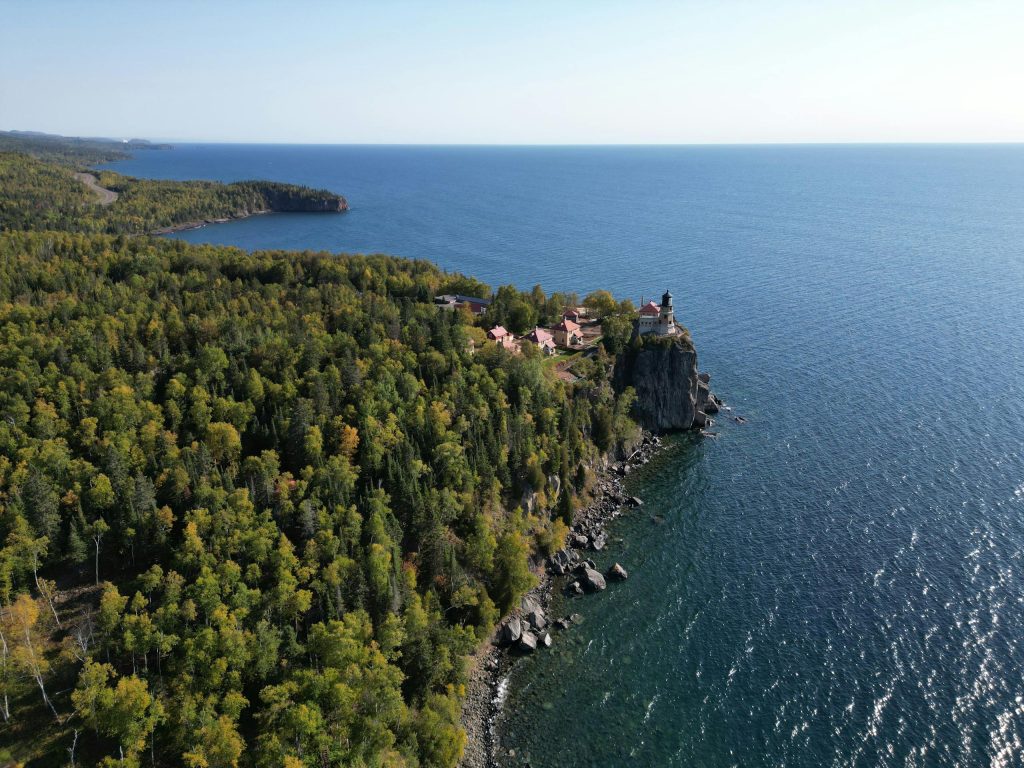
Lake Superior attracts cold-water enthusiasts who prefer vast, uncrowded shorelines over the packed, high-stress environment of a traditional coastal resort. Water safety analysts note that this inland sea offers swimming conditions that require respect and preparation but deliver unmatched purity. Choosing this northern expanse eliminates the intense crowding and noise pollution that define the old default ocean vacation.
Environmental researchers explain that the sheer volume of the water creates a stable, albeit chilly, thermal environment. Cost-conscious travelers find that avoiding the heavily marketed ocean hubs significantly reduces overall expenses. Lodging pressure is dispersed across small harbor towns, allowing for sensible long-term budgeting without sacrificing waterfront access. That is why the math changes for those willing to brave lower temperatures.
This region is defined by ancient volcanic rock formations, dense boreal forests, and expansive pebble beaches.
The primary tradeoff involves significant climate stress and unpredictable disruption risks. Lake-effect weather patterns can generate sudden squalls, dropping air temperatures drastically within minutes. Swimmers must maintain high situational awareness, as the distance from specialized private health access in remote stretches requires strict adherence to safety protocols.
Crater Lake, Oregon
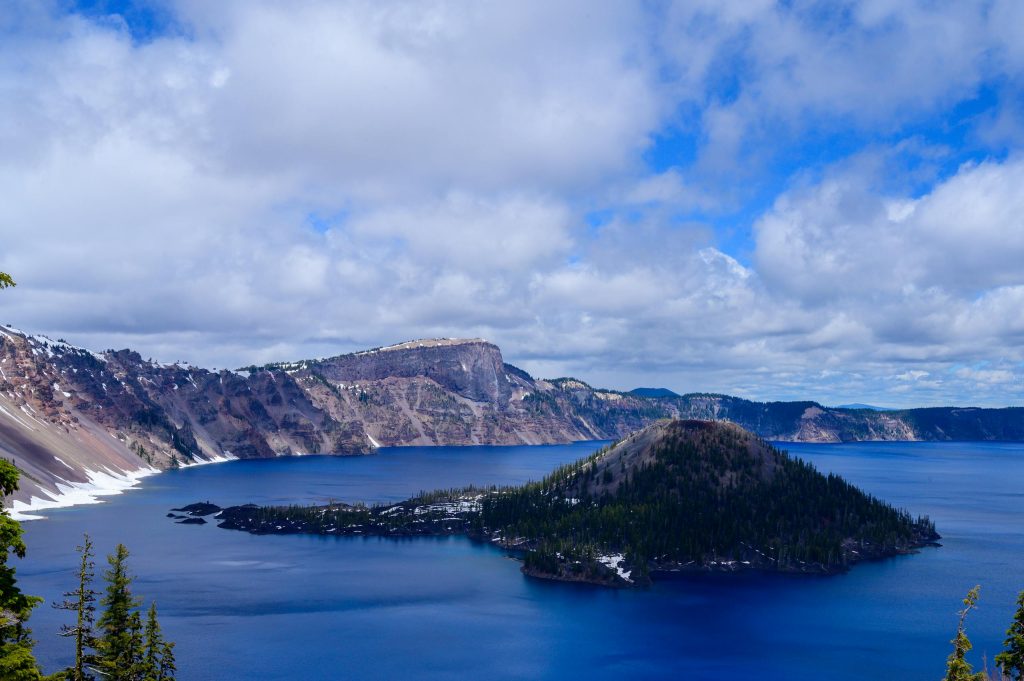
Crater Lake presents an incredibly unique swimming environment that draws visitors away from typical, easily accessible coastal markets. According to park historians, the caldera holds some of the clearest water on the planet, fed entirely by rain and snow melt. This isolation provides a pristine environment that stands in stark contrast to the polluted, heavily trafficked shorelines of the standard beach vacation.
Risk analysts warn that access is highly restricted, with only one legal trail leading down to the water at Cleetwood Cove. This physical barrier naturally regulates crowding, ensuring a peaceful experience for those willing to make the trek. Lodging options are limited to park facilities or distant towns, which surprisingly aids in long-term budgeting by forcing a more rustic, nature-focused itinerary rather than a commercialized resort stay.
The area is characterized by intense blue water, towering volcanic cliffs, and a deep sense of geologic history.
A major tradeoff is the physical exertion required and the intense climate stress. The hike back up the caldera wall is steep and physically demanding, making it unsuitable for travelers with mobility concerns. Additionally, the short summer season means the water rarely warms above a brisk chill, requiring swimmers to limit their exposure to avoid hypothermia.
Lake George, New York
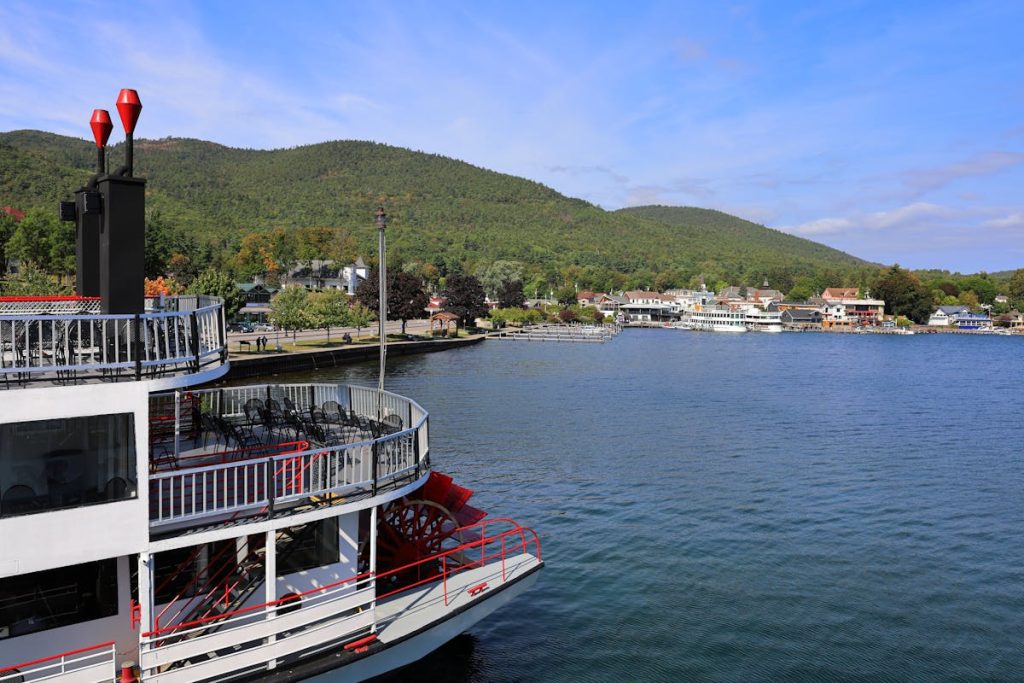
Lake George offers a structured, spring-fed swimming experience that frequently lures travelers away from the expensive, overcrowded Atlantic seaboard. Tourism professionals note that the strict water quality regulations maintained by local authorities ensure clear, safe conditions that rival any premium ocean resort. Swimmers seeking reliability often find this deep, glacial basin far more appealing than the unpredictable surf of the old default choice.
Economic researchers report that the surrounding communities provide a wide spectrum of accommodations, easing the housing-driven lodging pressure typical of the Northeast coast. Families and solo female travelers can secure safe, well-maintained rentals without facing extreme inflation exposure. Infrastructure reliability is excellent, with numerous public beaches and private health access points available within minutes of the shoreline. That tradeoff matters when planning a stress-free aquatic getaway.
This basin features rolling Adirondack mountain views, historic steamships, and classic wooden docks.
The tradeoff involves navigating regional price variations during the absolute peak of summer. While more affordable than a luxury coastal market, waterfront dining and boat rentals carry significant markups in July and August. Travelers must also contend with heavy boat traffic in the main channels, requiring swimmers to stay within marked safety zones.
Flathead Lake, Montana
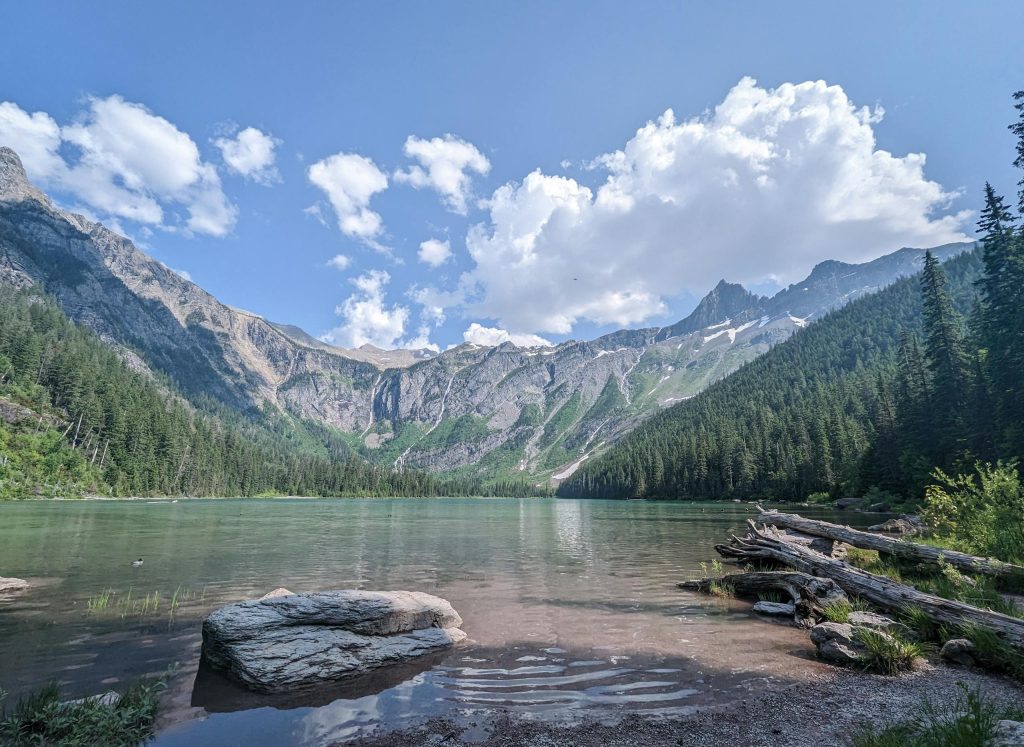
Flathead Lake provides a vast, clear-water haven for swimmers avoiding the exorbitant costs and high disruption risks of traditional ocean destinations. Hydrologists explain that the lake is fed by glacial runoff, resulting in exceptionally transparent water that remains refreshingly cold throughout the summer. This purity is a massive draw for those exhausted by the deteriorating water quality of heavily populated coastal markets.
Tourism studies suggest that the surrounding orchard communities offer a relaxed, agricultural atmosphere that drastically contrasts with the frenetic pace of a beachfront strip. Lodging pressure remains manageable, and the local economy allows for effective long-term budgeting. Infrastructure reliability along the highway encircling the water ensures easy access to state park swimming areas without the need for expensive off-road vehicles.
This destination is known for its sweet cherry orchards, distant snow-capped peaks, and expansive pebble shores.
A significant tradeoff is the distance from major metropolitan amenities and complex health system navigation. Securing advanced medical care requires traveling to larger regional hubs, which can be an issue in the event of an emergency. The climate stress of sudden mountain thunderstorms also demands careful planning before committing to a long swim.
Lake Washington, Washington
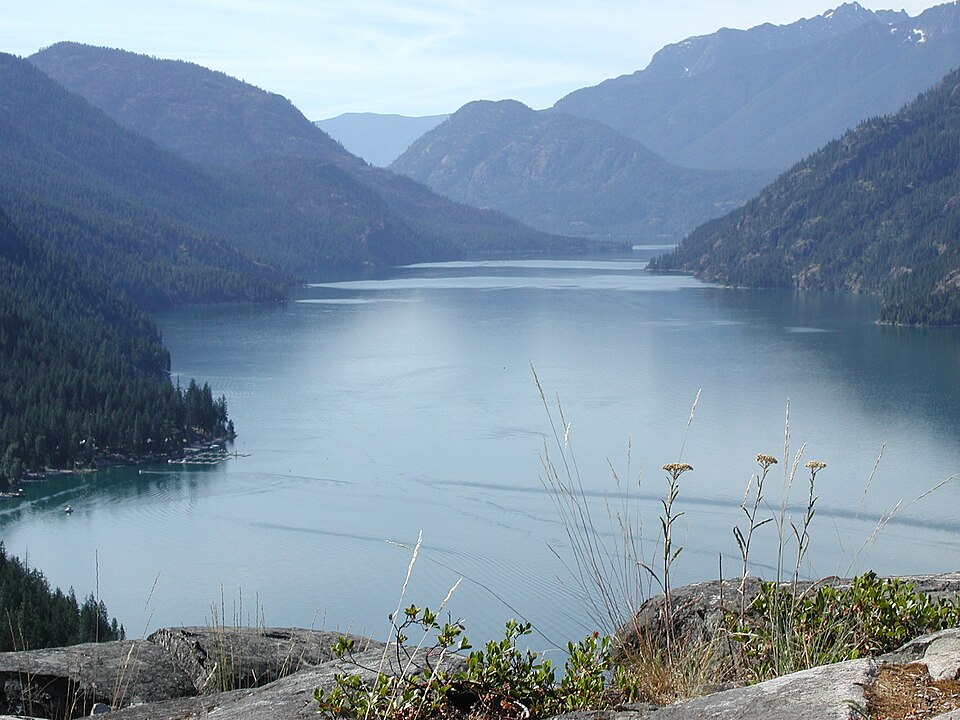
Lake Washington offers an urban swimming experience that successfully diverts locals and visitors alike from the lengthy, crowded trek to the Pacific coast. Urban planners note that the integration of massive public parks along the shoreline provides equitable access to cold, fresh water right within the metropolitan footprint. This proximity eliminates the travel logistics and disruption risks associated with coastal highway traffic jams.
Economic researchers point out that utilizing municipal beaches removes the need for overnight accommodations entirely for regional travelers, bypassing housing-driven lodging pressure. For out-of-town visitors, the city infrastructure reliability ensures seamless transit from hotels directly to swimming docks. That is the shift from viewing swimming as a rare vacation activity to a daily urban ritual.
The waterfront is defined by floating bridges, lush residential gardens, and views of massive stratovolcanoes.
The primary tradeoff involves occasional water quality fluctuations and intense crowding on warm weekends. Environmental analysts warn that heavy urban runoff can sometimes trigger localized swimming advisories, requiring visitors to check municipal portals before entering the water. Regional price variation in the surrounding neighborhoods also means post-swim dining can be surprisingly expensive.
Sebago Lake, Maine
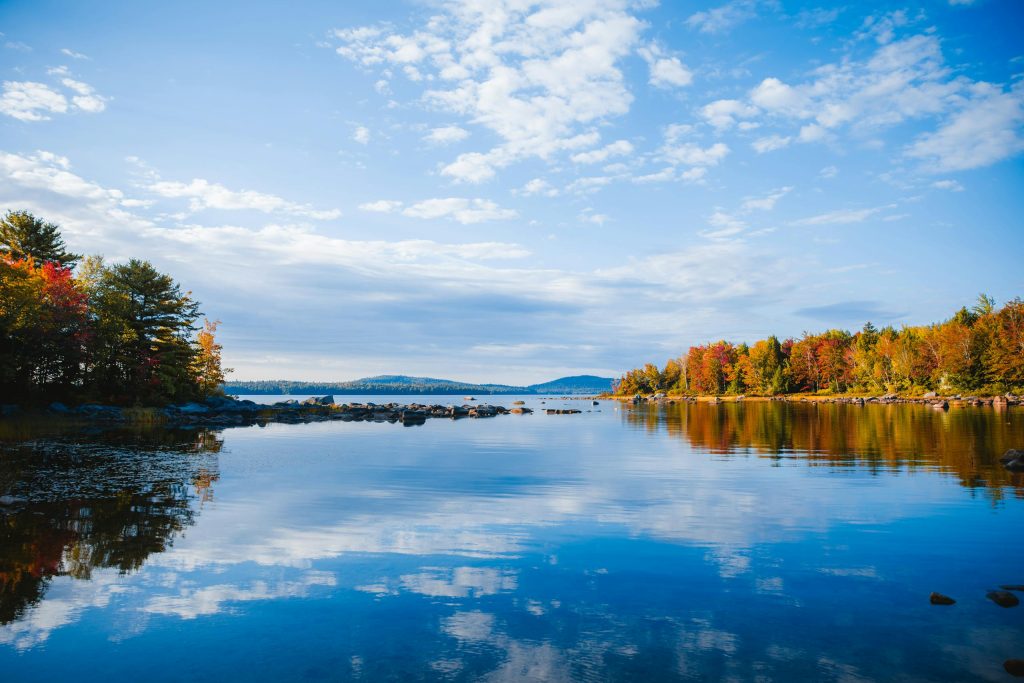
Sebago Lake attracts travelers who seek the classic New England water experience without the exorbitant housing-driven lodging pressure of the Maine coastline. Heritage institutions explain that this deep, glacier-carved basin has served as a recreational hub for generations, offering stable, clean water that warms just enough by late summer for comfortable swimming. It easily replaces the congested, high-priced oceanfront rental model.
Tourism professionals report that the region features robust infrastructure reliability, with state parks providing highly organized beaches and safety amenities. The inland location shields visitors from the severe coastal fog and storm disruption risks that frequently ruin ocean vacations. Long-term budgeting is far more feasible here, as surrounding towns offer modest cabin rentals that avoid the extreme inflation exposure of the old coastal default.
This environment features thick pine groves, rocky points, and a culture of traditional summer camps.
A notable tradeoff is the heavy motorized recreation presence and regional price variations for direct lake access. Swimmers must remain vigilant near public boat launches, as watercraft traffic can be dense. Furthermore, securing a private dock rental often requires booking a year in advance, highlighting the scarcity of premium waterfront real estate.
Lake Coeur d’Alene, Idaho
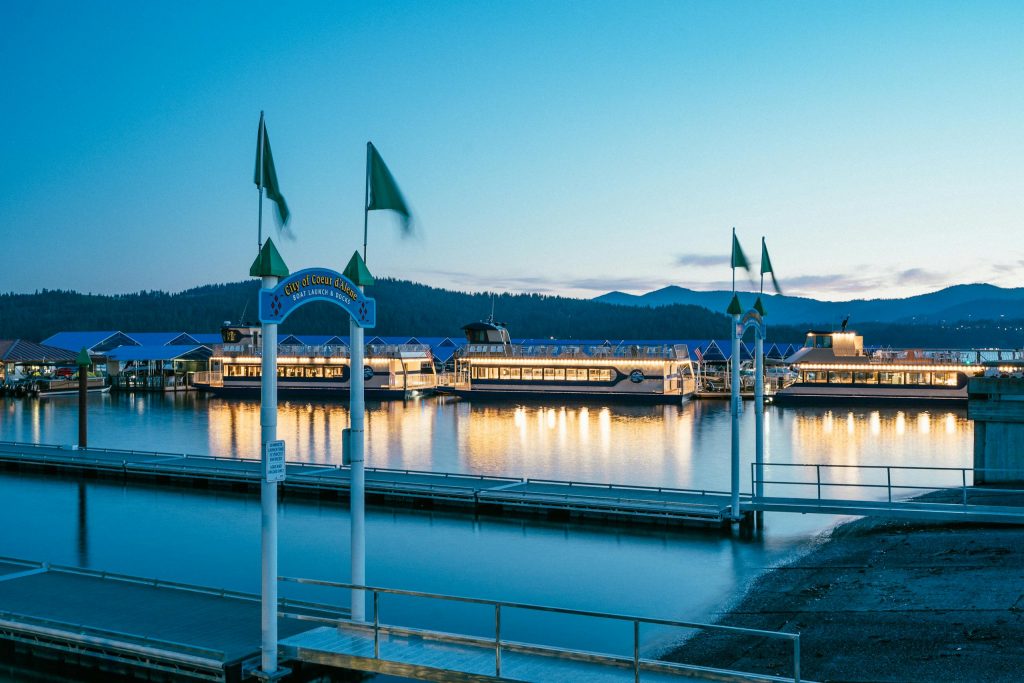
Lake Coeur d’Alene serves as a striking mountain retreat that frequently captures travelers fatigued by the overcrowded Pacific coast. Economic researchers note that the inland panhandle region provides a high-quality resort experience without the extreme costs associated with the old default ocean markets. The deep, cold water offers a refreshing plunge after hiking the surrounding timber-covered hills.
Risk analysts point out that the lake enjoys excellent infrastructure reliability, with a highly developed downtown area backing right up to the public swimming beaches. This layout minimizes travel logistics and ensures immediate private health access if necessary. The careful management of the waterfront eases crowding, making it a preferred destination for women seeking a safe, organized environment for cold-water swimming.
This location is characterized by steep forested shorelines, a bustling boardwalk, and a polished resort-town atmosphere.
The tradeoff involves seasonal wildfire smoke and significant climate stress. Environmental experts warn that late summer fires in the surrounding national forests can trap thick smoke in the valley, drastically reducing air quality and making swimming unsafe. The high altitude also dictates that the water temperature drops rapidly once autumn arrives.
Torch Lake, Michigan
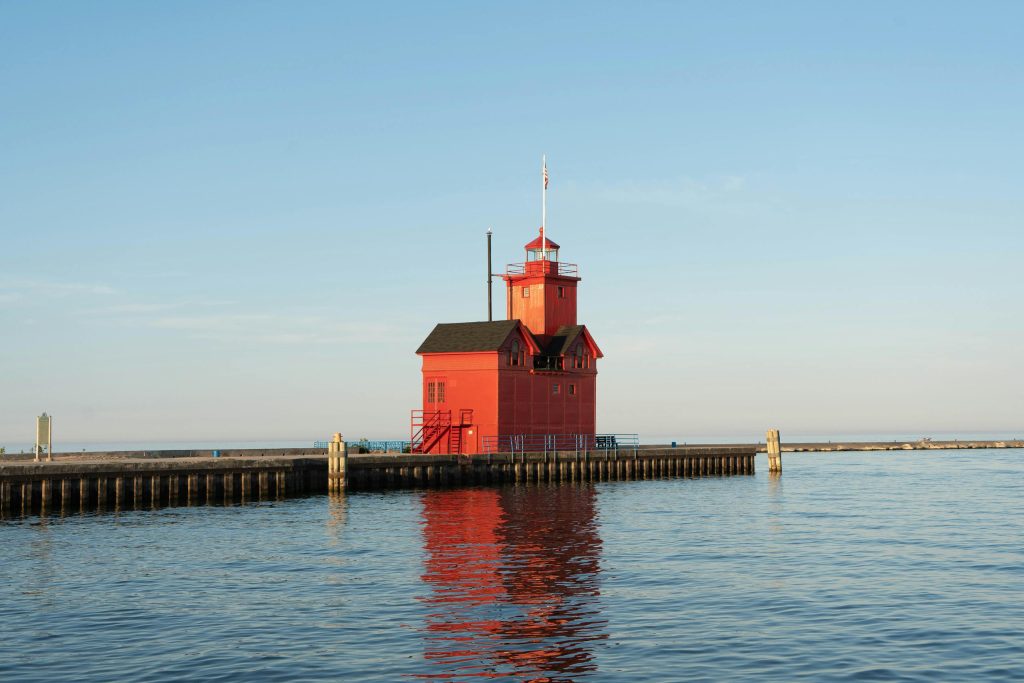
Torch Lake offers an otherworldly, Caribbean-colored swimming experience that directly competes with expensive coastal flights. Geologists explain that the distinct turquoise hue results from the limestone bottom and extreme depth, creating a visually stunning environment that feels entirely tropical despite the northern latitude. It serves as a perfect substitute for the high-demand, high-cost ocean resort.
Tourism studies suggest that the sheer length of the lake naturally disperses crowding, except at the famous sandbars. Families and solo travelers appreciate the infrastructure reliability of the surrounding townships, which provide safe, well-maintained access points. Avoiding the international flights required for a tropical beach drastically improves long-term budgeting and eliminates cross-border disruption risks. That is why the math changes for domestic travelers.
The area is known for its startlingly clear turquoise water, glacial ridges, and quiet northern luxury.
A major tradeoff is the intense regional price variation and housing-driven lodging pressure during the short summer window. Real estate analysts report that short-term rental costs skyrocket in July, making budget accommodations incredibly difficult to find near the water. The strict enforcement of local parking rules also adds a layer of logistical stress for those visiting public access sites.