9 U.S. Trips That Don’t Try to Hide Their Downsides
Some destinations feel refreshing because they do not pretend to be effortless. Weather can be rough, distances can be long, costs can sting, and crowds can test patience, yet the place still offers something worth the hassle. Honest trips work best when expectations stay grounded and planning accounts for the obvious drawbacks instead of wishing them away. That mindset can make the experience feel calmer, because tradeoffs are part of the story from the start. These nine U.S. trips stand out for being upfront about their challenges, from harsh climates to traffic, while still rewarding travelers with scenery, culture, or a strong sense of place.
Yellowstone National Park Gateway Towns
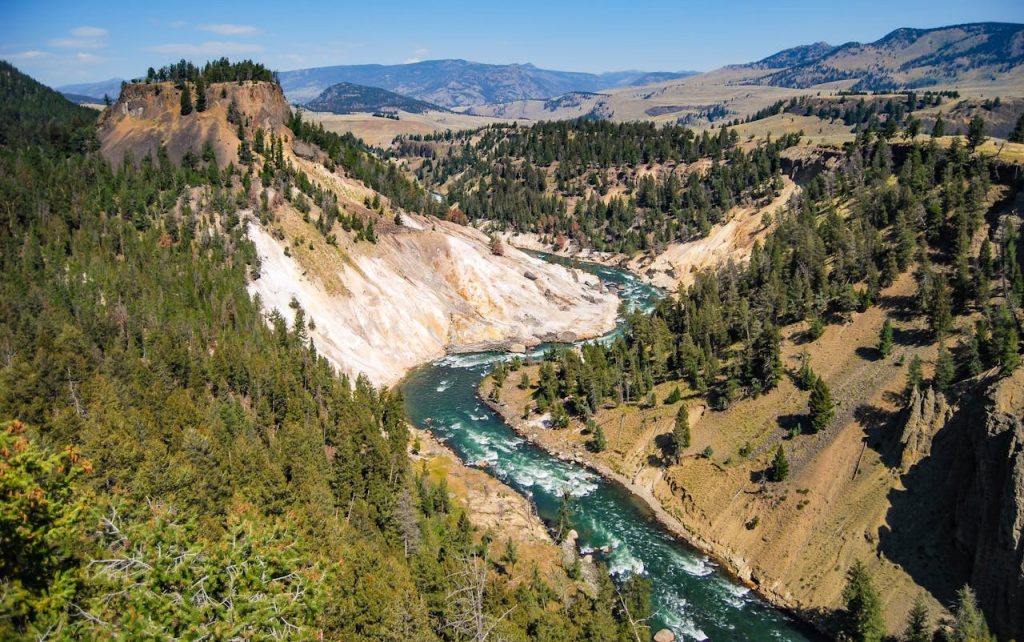
Yellowstone trips come with clear downsides, including seasonal road closures and unpredictable weather even in shoulder months. Summer brings heavy crowds, traffic around wildlife jams, and limited lodging that requires early booking. Winter can be beautiful, yet many park roads close to regular vehicles, which reshapes access and requires careful planning. Gateway towns like Gardiner, Montana and West Yellowstone, Montana can feel quiet or limited depending on season, and driving distances add up fast. Still, Yellowstone delivers geothermal features and wildlife viewing that feel unmatched. The trip works best when schedules stay flexible, patience stays high, and the reality of closures and crowds is accepted from day one.
New York City, New York
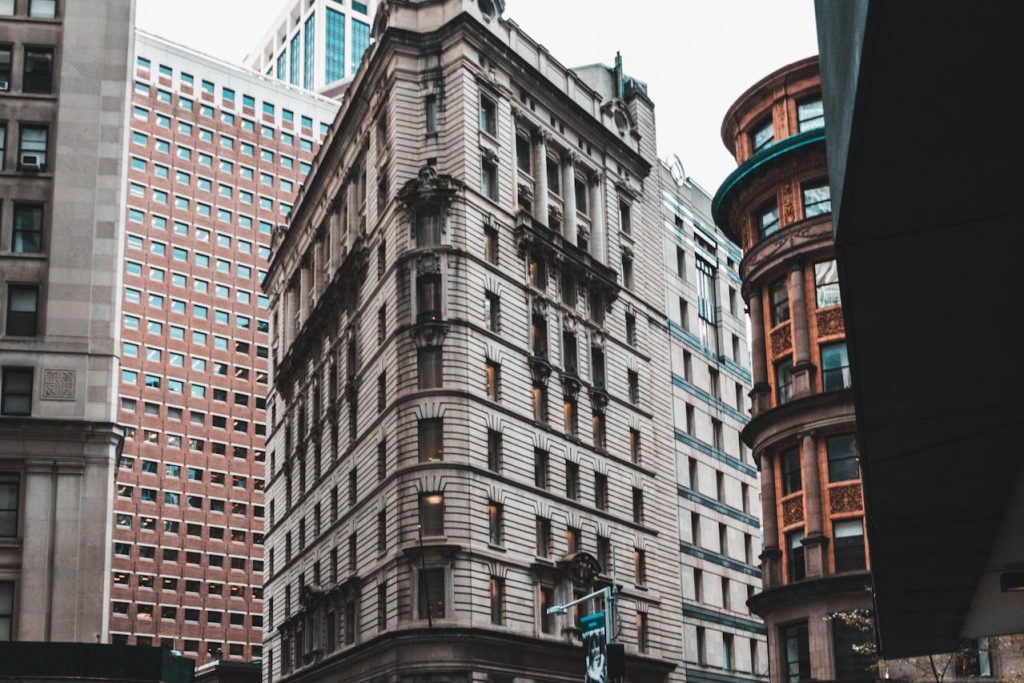
New York City does not hide its downsides, including high prices, tight hotel rooms, and constant sensory overload. Crowds can make sidewalks slow, subway delays can disrupt timing, and dining often requires reservations in popular areas. Weather can also swing hard, from summer humidity to winter wind, which changes how comfortable long walks feel. Yet the city rewards effort with world-class museums, theater, neighborhoods with distinct personalities, and food that can turn a simple day into a highlight reel. The trip works when expectations stay realistic and a plan includes breaks, neighborhood-based routing, and a willingness to skip lines without feeling disappointed.
Las Vegas, Nevada
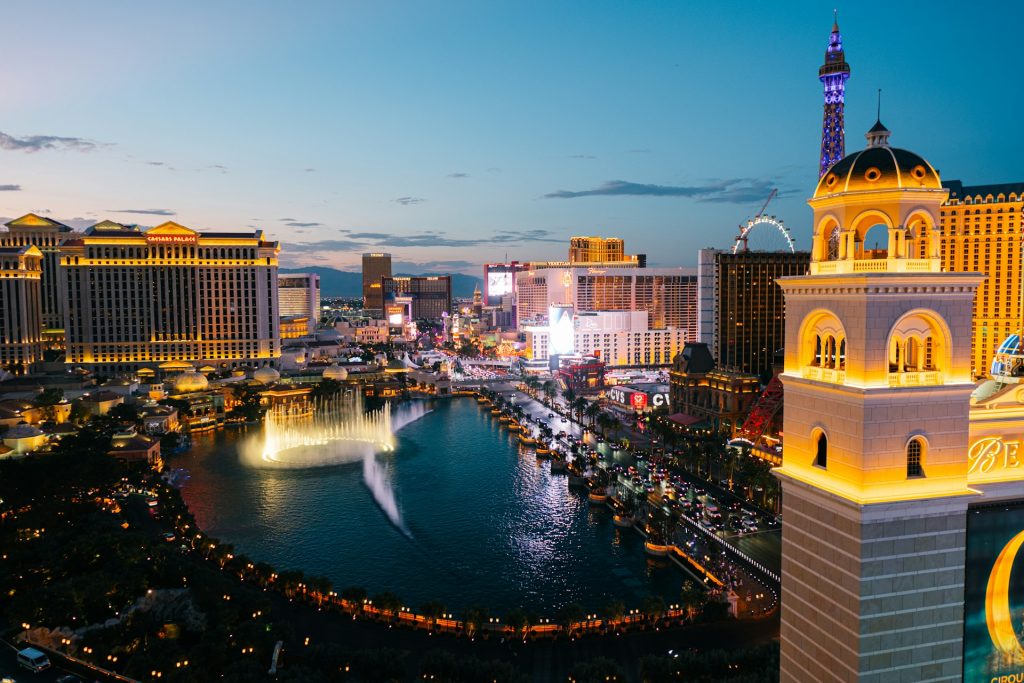
Las Vegas makes its tradeoffs obvious, starting with sensory intensity, late-night energy, and the temptation to overschedule. The Strip can feel crowded and smoky in places, prices surge around conventions, and long casino walks add unexpected fatigue. Summer heat can be punishing, while winter nights can turn cool, so timing matters for outdoor plans. Even so, the city offers highly reliable entertainment, strong dining, and hotels designed for comfort when a rest break is needed. A Vegas trip works when it embraces moderation, builds in downtime, and treats the city as a controlled environment rather than a spontaneous adventure.
Honolulu, Hawaii
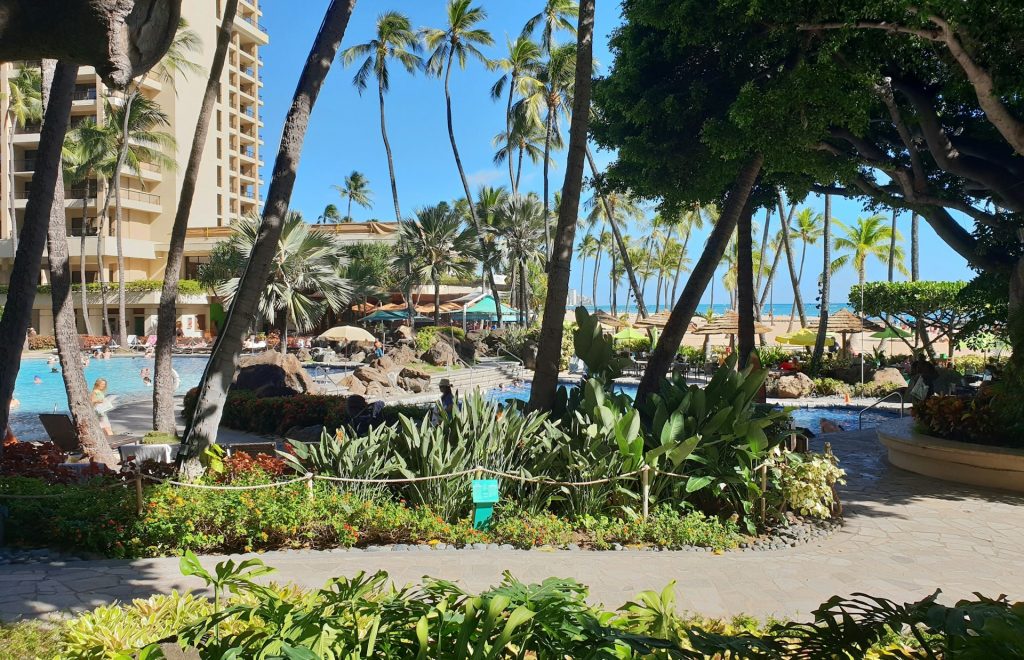
Honolulu offers beach access and city convenience, but it does not hide the costs, traffic, and planning required for a smooth stay. Accommodation and dining can strain budgets, and popular areas like Waikiki can feel crowded and busy. Winter swells can limit swimming on some days, and rain showers can pass quickly, changing plans without warning. Still, the city delivers a practical base with parks, museums, and easy food options, plus quick access to scenic viewpoints and hikes when conditions align. The trip works when it accepts congestion, books essentials early, and focuses on repeatable routines like morning walks and simple meals.
South Lake Tahoe, California And Nevada
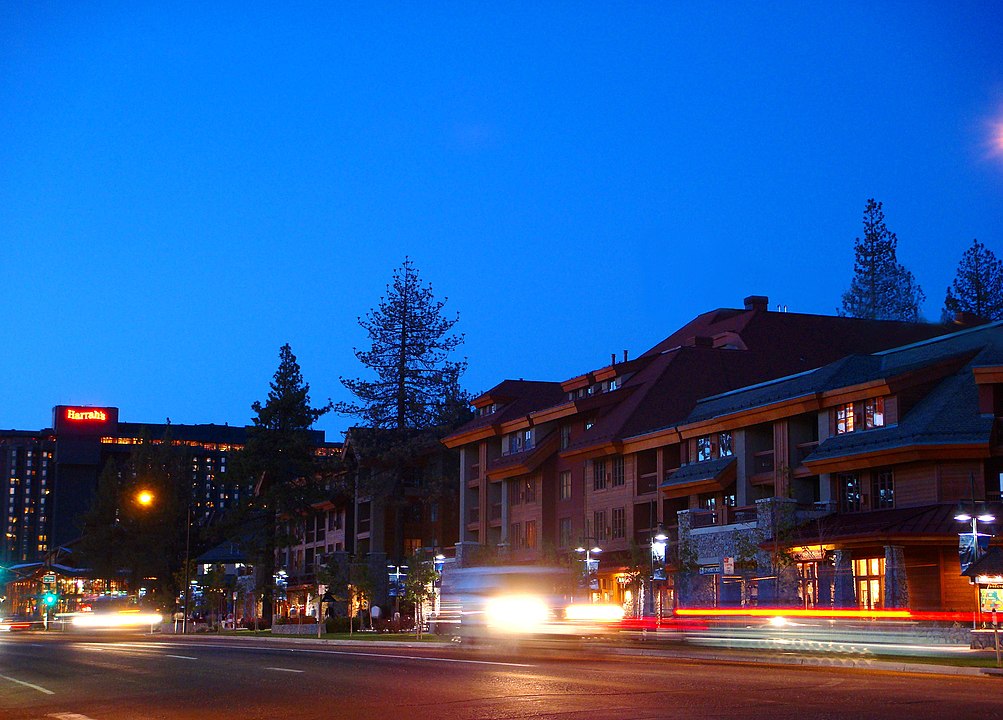
Lake Tahoe’s beauty comes with obvious downsides, especially in winter when snowstorms can trigger chain controls, slow travel, and sudden plan changes. Summer brings traffic, limited parking near popular beaches, and busy weekends that can feel hectic. Lodging and food costs can be high, and the region’s spread-out layout makes driving a constant factor. Yet the lake and surrounding mountains offer year-round scenery that feels truly special, whether the goal is a shoreline walk or a ski day. Tahoe works when travelers monitor forecasts, build backup days, and accept that weather and crowds shape the experience as much as the landscape.
Miami, Florida
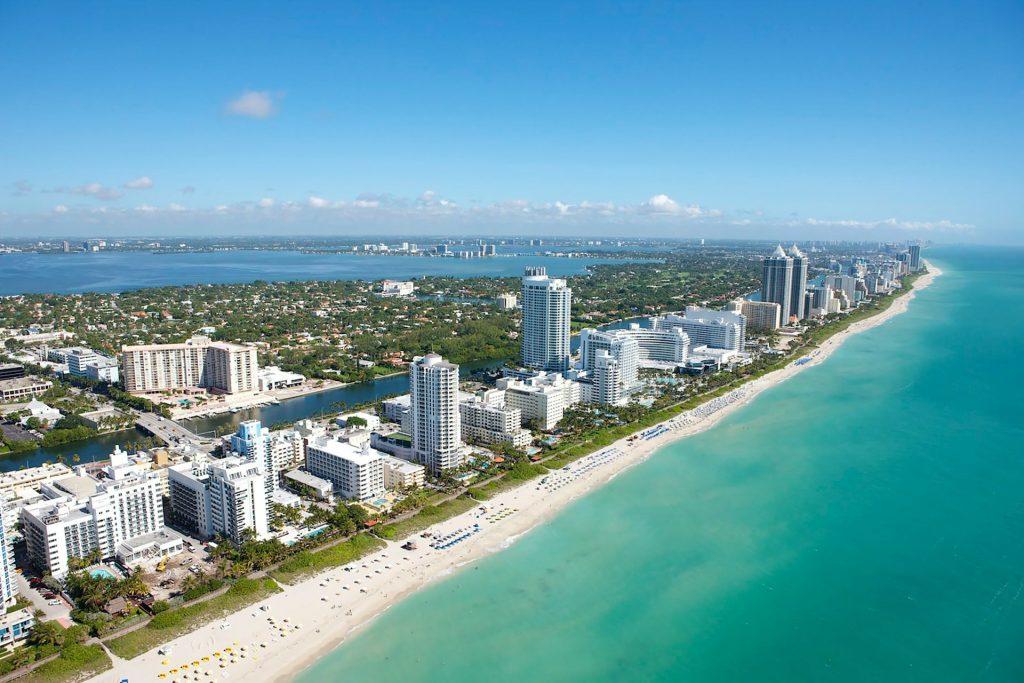
Miami does not pretend to be easy, with traffic, high prices in popular areas, and a fast-paced vibe that can feel relentless. Heat and humidity can drain energy outside winter months, and sudden rain can interrupt beach plans. Nightlife energy can also spill into quieter travel goals, especially in dense hotel districts. Still, Miami delivers strong art, food, and waterfront options, and winter weather can make outdoor time feel effortless. The trip works when it chooses a neighborhood that matches the desired pace, plans around transit realities, and treats beach time as one part of a broader routine, not the entire point.
Bar Harbor, Maine In The Shoulder Season
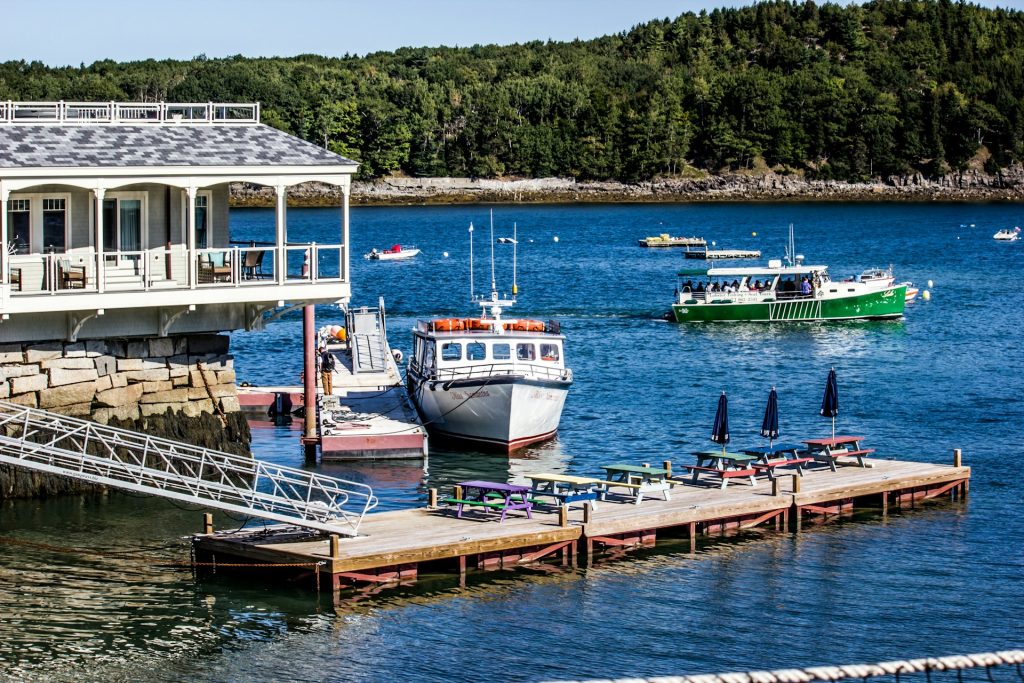
Bar Harbor in the shoulder season shows its downsides clearly, including chilly weather, limited daylight, and businesses that may close or reduce hours. Acadia National Park remains the main draw, but rain, wind, and slippery trails can narrow hiking options, and some park roads or services can change seasonally. Dining choices can feel limited compared with summer, and the town can become very quiet at night. Yet the tradeoff is space, calm roads, and dramatic coastal scenery without peak crowds. The trip works when travelers enjoy solitude, bring flexible clothing, and treat the town as a base for short, weather-aware outings.
Death Valley National Park, California
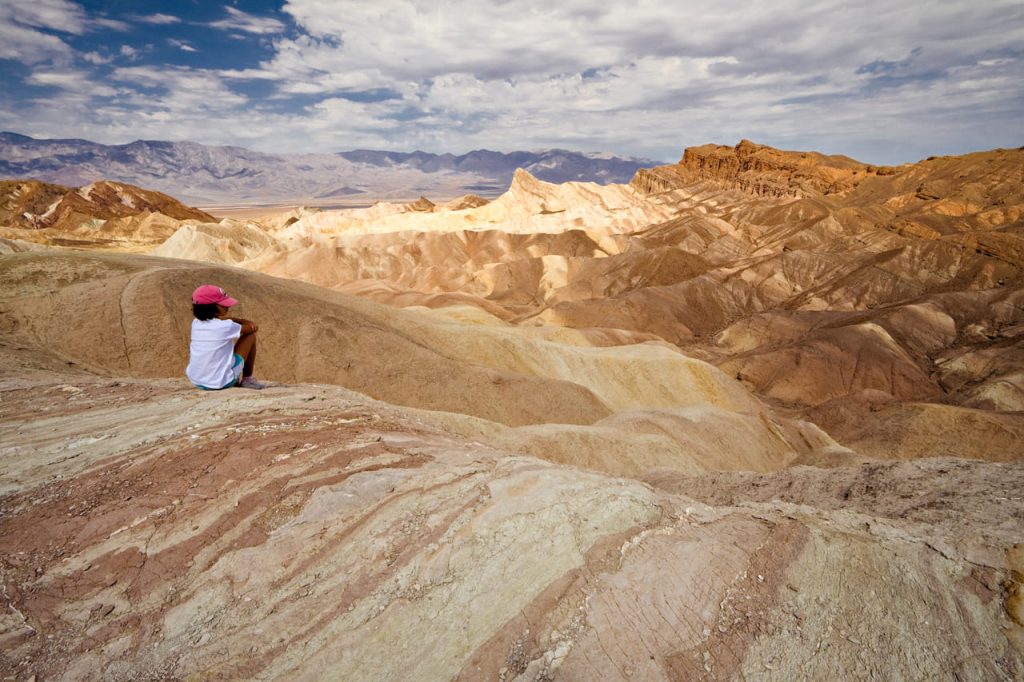
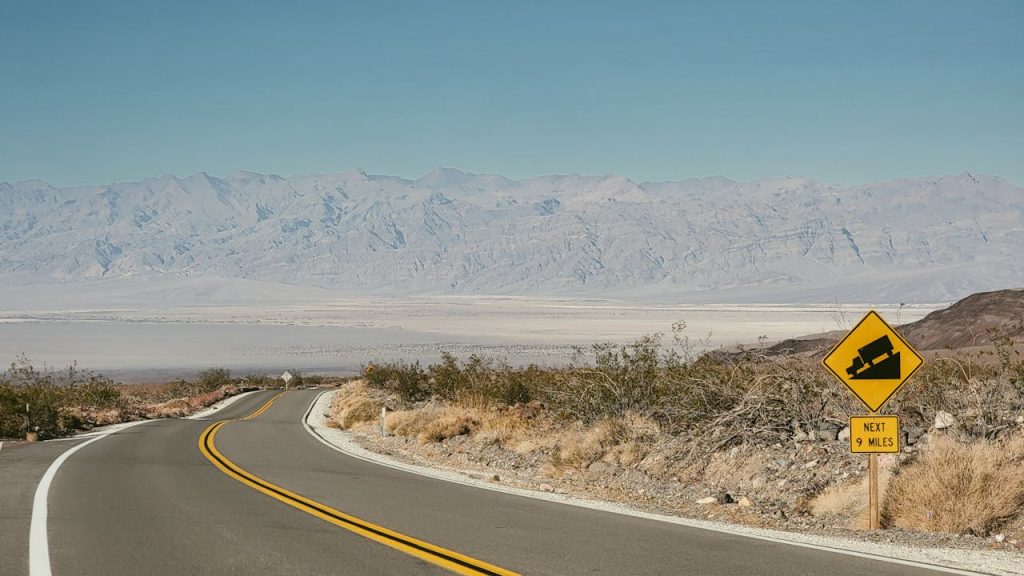
Death Valley makes its risks obvious, from extreme heat in warm months to vast distances that demand careful fuel and water planning. Even in cooler seasons, services can be far apart, cell coverage can be limited, and driving time can dominate the day. Summer heat can be life-threatening, so travel timing matters, and travelers should treat ranger guidance seriously. Despite the downsides, the park offers surreal landscapes, expansive salt flats, and night skies that feel immense. The trip works when it respects distance, plans conservatively, and accepts that the reward comes from scale and starkness rather than comfort or convenience.
Denali Area, Alaska
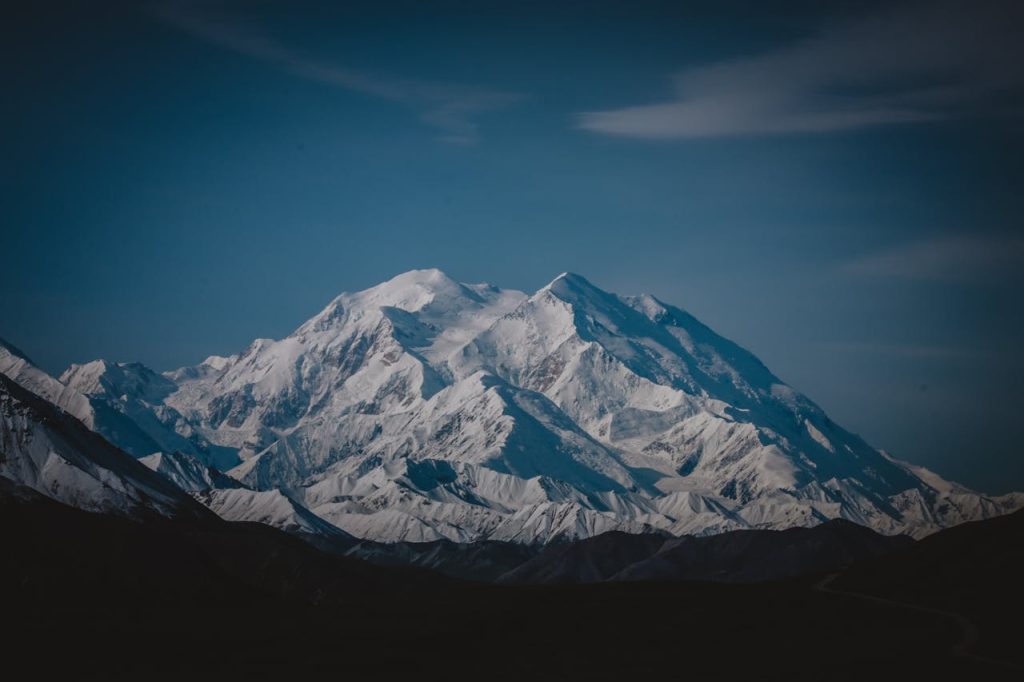
The Denali area can feel demanding because weather changes fast, distances are large, and access depends on season. In summer, mosquitoes can be intense, and Denali Park Road access can shift due to conditions and management decisions. In winter, deep cold and limited daylight shape every plan, and many services run reduced hours. Even so, the region offers wild scenery, a strong sense of remoteness, and a chance to experience Alaska beyond city comforts. The trip works when travelers build in buffer days, pack thoughtfully, and accept that unpredictability is part of the experience, not a sign of failure.