9 US Travel Ideas That Slow Down Because Nothing Is Actually Working
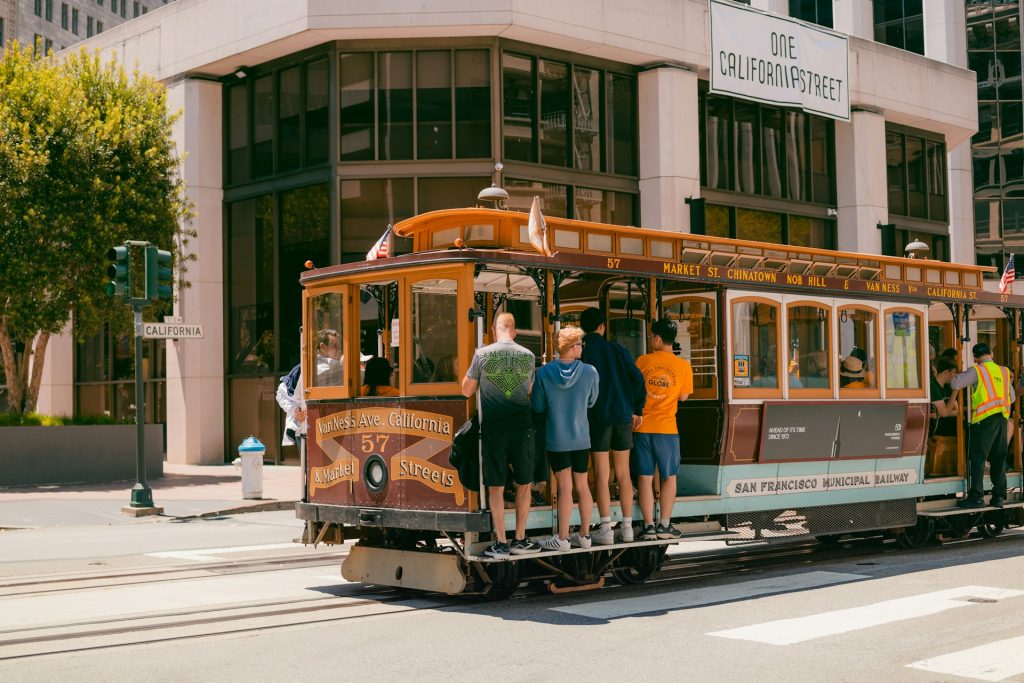
Some trips slow down for the right reasons: long lunches, quiet walks, and time to notice the light. Others slow down because the basics wobble. Ticket kiosks freeze, shuttles arrive full, counters close early, and a single cancellation forces a new plan. Hours get spent in lines, on hold, or scanning updates that never clarify much. These travel ideas can still be worth it, but they reward flexibility and a calm attitude. When nothing is quite working, the day becomes smaller, and the best moments come from the improvised detours. A realistic pace, extra snacks, and a backup option can save the mood.
Ferry-Hopping In The Off-Season
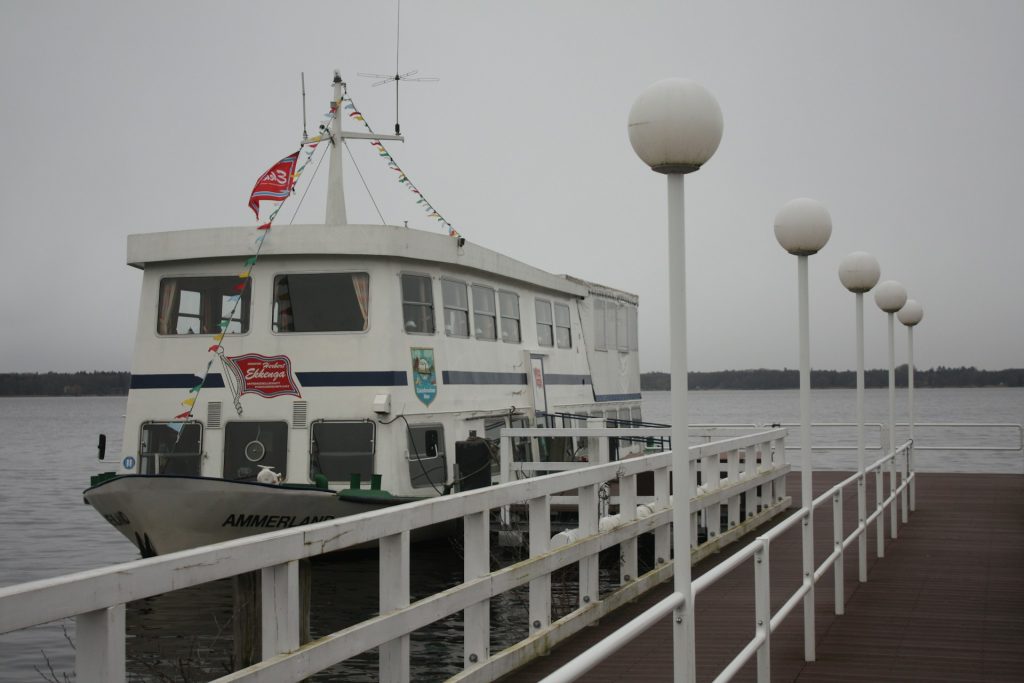
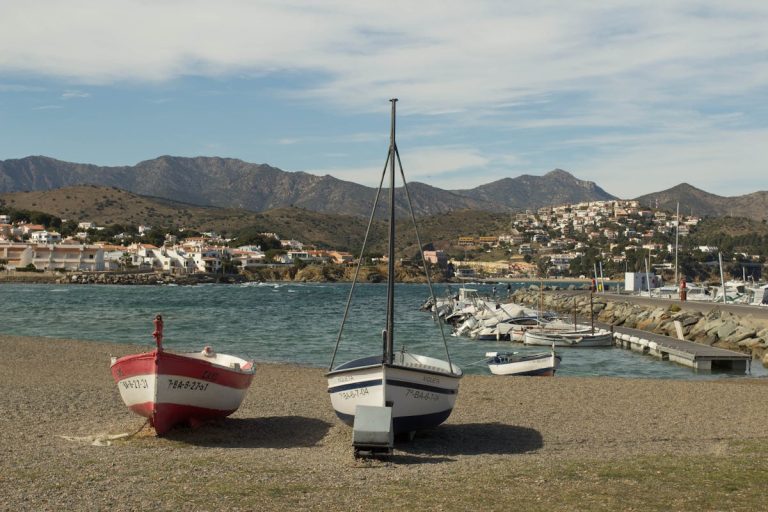
Island chains sell the dream of easy ferry hopping, but the off season can turn it into a waiting room on the water. Schedules thin out, sailings cancel for wind, and the ticket window may open late with one staffer rewriting everyone’s day. There is rarely a warm spot on the dock, snack stands close early, and one missed crossing can strand travelers for hours. The plan becomes weather alerts, improvised meals, and constant recalculation as daylight slips and the next island stays out of reach. Even lodging can hinge on the last boat, so a simple lunch stop turns into a question of timing, comfort, and backup rides.
Historic Downtown Streetcar Days
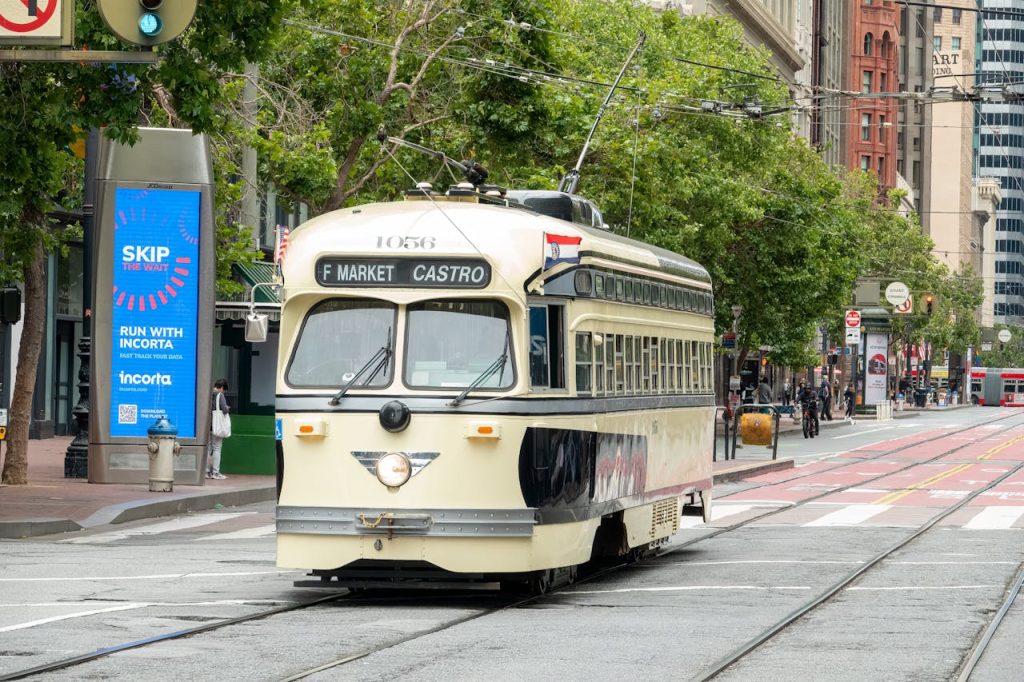
Streetcars look charming, yet in many cities they run more like a novelty loop than true transportation. Service can be infrequent, routes get shortened with little notice, and the next car often arrives already full of riders clutching the same map. A simple hop across downtown turns into long platform waits, then a slow crawl through traffic lights, delivery vans, and blocked tracks. The plan to browse shops and museums breaks into fragments, with more time spent watching rails than seeing streets. When walking would be faster, the day starts orbiting the timetable, and the city’s details blur into stop signs and apologies.
Rental-Car Pickup At A Busy Airport
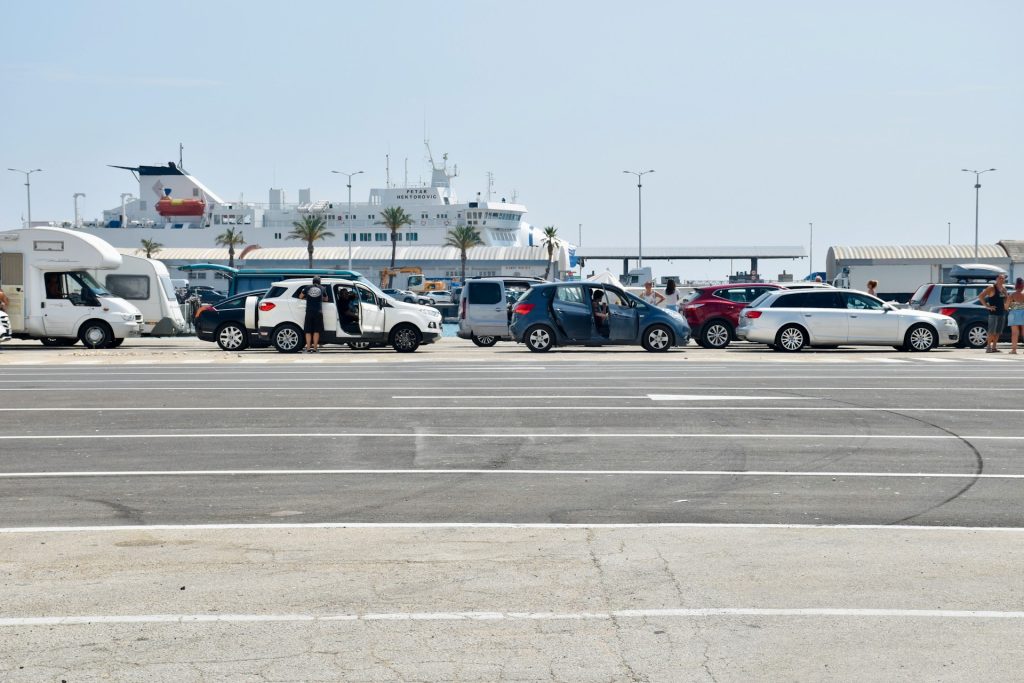
A road trip can begin with optimism, then the rental counter resets it. At peak hours the line snakes through the terminal, kiosks glitch, and the shuttle to the car lot arrives on an uneven rhythm, sometimes already full. With fewer desks open, small issues like a class swap, an ID scan, or an added driver can consume an hour. By the time keys appear, the first drive feels like catching up, not enjoying the route, and the itinerary quietly loses stops before the highway even begins. Add a toll tag question or a low fuel warning, and the first afternoon becomes paperwork, parking lots, and deep breaths.
National Park Shuttle Corridors
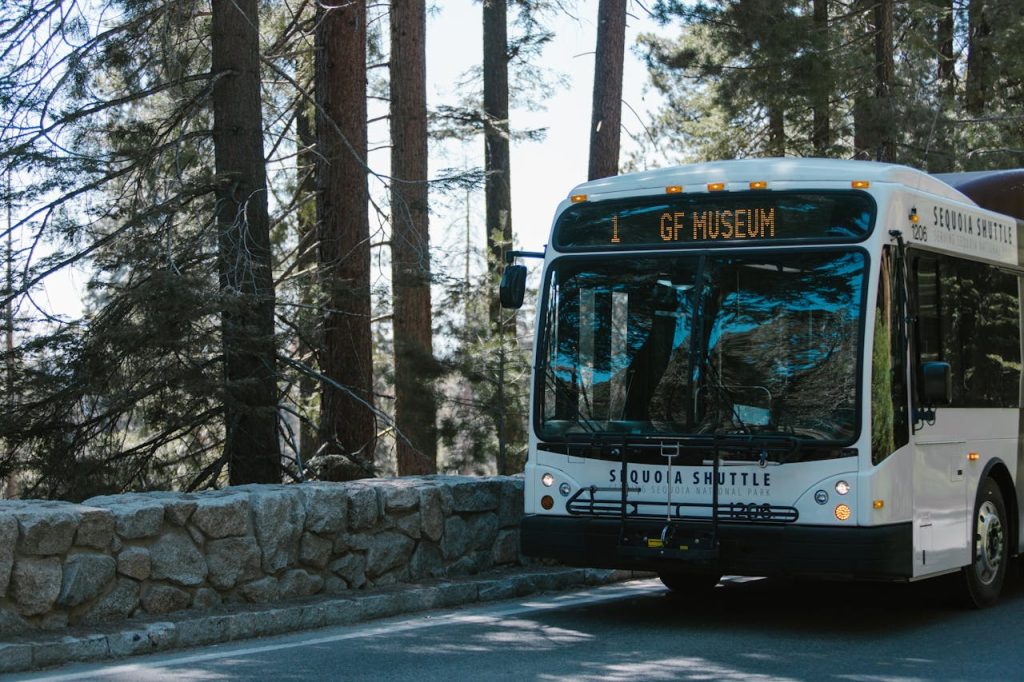
Some national parks rely on shuttles to protect fragile corridors, but the system can feel brittle on crowded days. Buses arrive full, the next one runs late, and visitors bunch at stops with limited shade, limited water, and spotty signal for updates. Viewpoints may be close, yet access is controlled by a line that moves in waves, so the landscape becomes waiting, boarding, and being dropped into a timed slice of beauty. The best light can pass while everyone compares wait times and reroutes, then hurries back to the same stop again. The view still lands, but it lands between queues, with spontaneity replaced by capacity limits.
Small-Town Festival Weekend Logistics
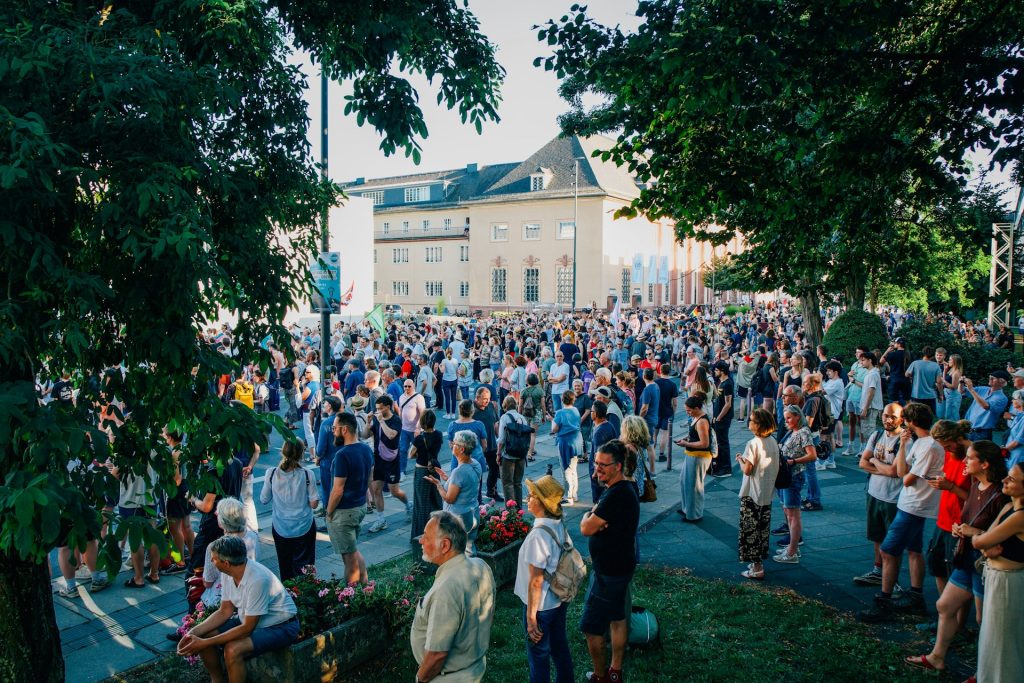
A small town festival can be sweet, until the basics buckle under the crowd. Parking fills early, card readers fail, and the single public restroom becomes a permanent line that shapes every decision. Restaurants switch to limited menus, coffee sells out, and the one ATM nearby runs low, so every delay stacks on the next. The afternoon turns into a loop of waiting, settling, and trying again, while volunteers apologize as if they control the signal, the plumbing, and the weather. The charm is still there, but it hides behind logistics. Visitors leave earlier than planned, not from boredom, but from exhaustion with lines that rarely shrink.
Scenic Train Routes With Tight Connections
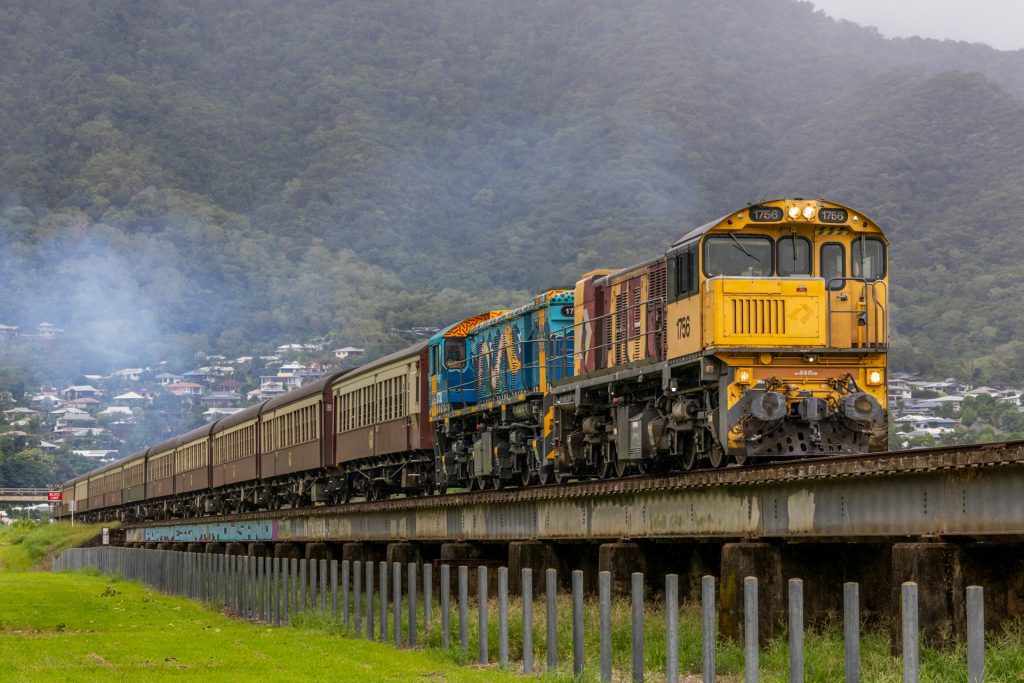
A scenic train sounds restful, but tight connections turn it into a slow motion gamble. A minor delay early in the route can cascade, and station announcements stay vague until the last minute, when the platform suddenly feels crowded and urgent. If the connection is missed, rebooking can mean a service desk line and a new departure hours later, with luggage becoming an anchor. The view outside may stay gorgeous, yet the day becomes uncertainty, snack meals, and constant refreshes of the departure board while other trains come and go. By evening, a planned arrival turns into a late check in and a story mostly about waiting.
Island Car Rentals And Closed Gas Stations
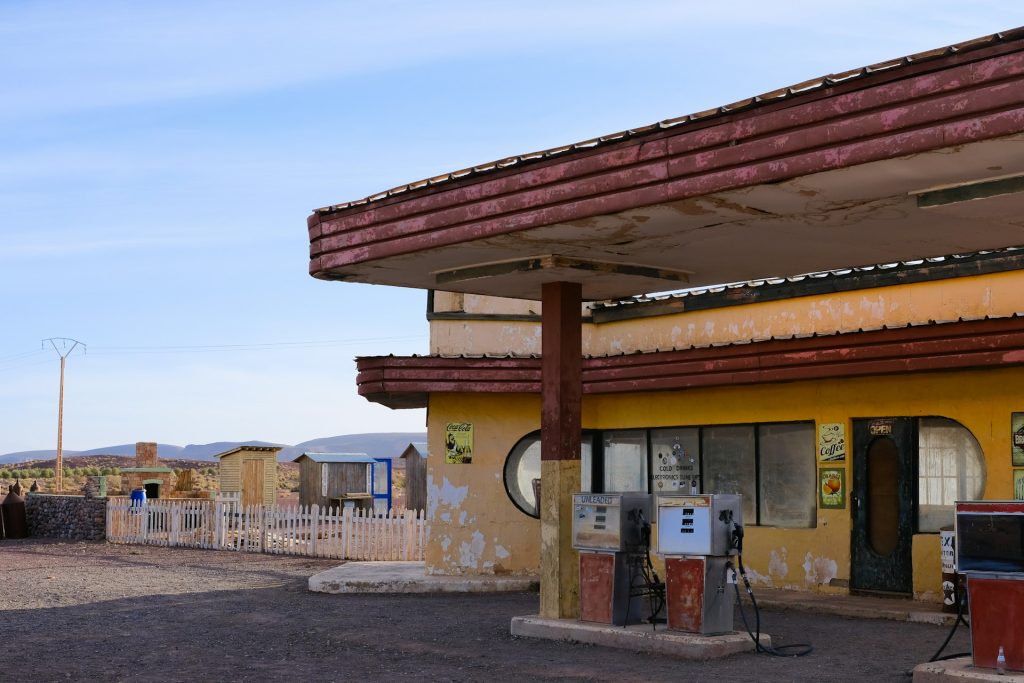
On small islands, a rental car can feel essential until the support system disappears. The desk closes early, keys sit in a lockbox, and the gas station listed online is shuttered for the season, with no backup nearby. A low tank becomes a real constraint, roads are narrow, signage is minimal, and a wrong turn can mean a long loop back. Every errand takes twice as long, and the sunset drive turns into a search for basics like fuel, water, and a working restroom before the last open shop closes. When the roads go dark early, the trip slows into quiet problem solving instead of exploring at leisure.
Beach Towns After Labor Day
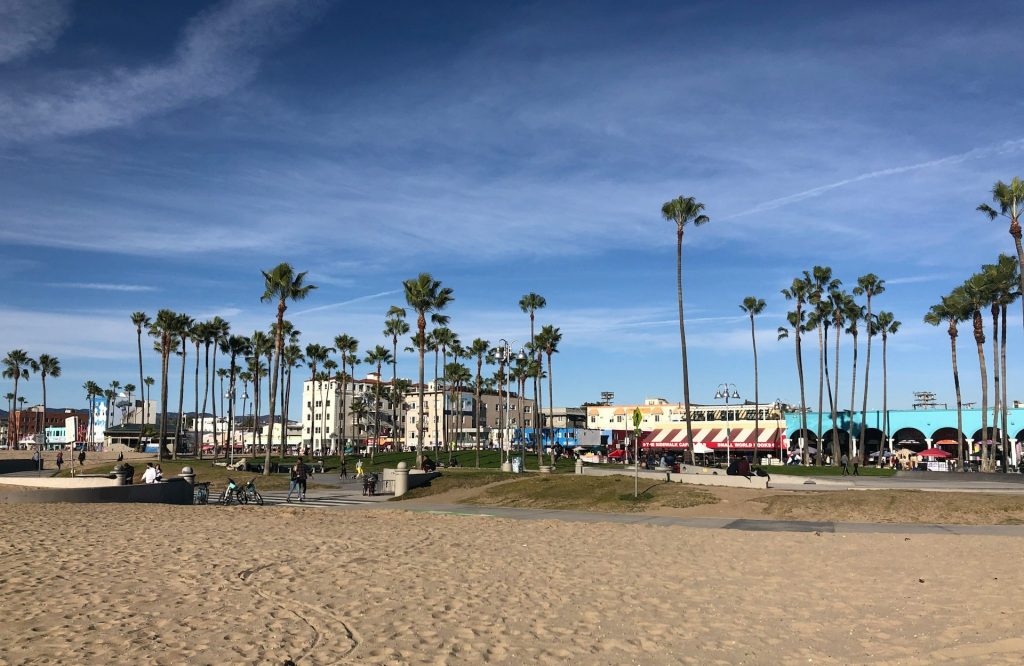
A beach town in the shoulder season can be peaceful, but it can also feel like arriving after the lights are turned off. Boardwalk attractions close midweek, lifeguards are gone, and many restaurants switch to shorter hours or shut entirely, leaving long gaps between options. Even simple needs like groceries, coffee, or a pharmacy run take planning because fewer places stay open. After sundown the streets empty, the wind picks up, and dinner becomes a puzzle of what is open and when it stops serving. Without a car or a stocked kitchen, the trip slows into compromises. The quiet feels less restful when every errand is timed.
Border-Crossing Day Trips
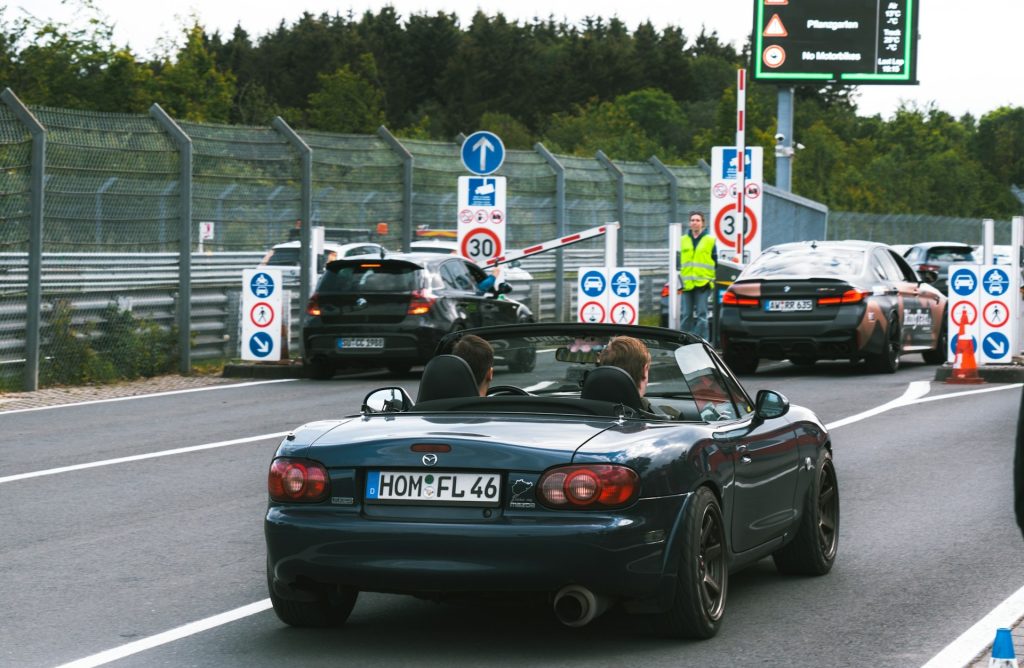
Border crossing day trips can be rewarding, but they can also stall for reasons nobody can predict. One lane is open, the line barely moves, and a routine check becomes a long pause with no clear updates while the clock eats the afternoon. Parking and transit on the far side may be limited, so return timing dominates every plan and turns lunch into a rushed stop. The destination feels close in miles but far in hours, and the day ends shaped more by the queue than the place, especially when the trip back stretches into fading light. Even good weather cannot rescue a schedule built around a line that refuses to move.